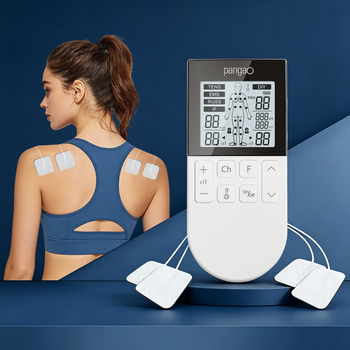
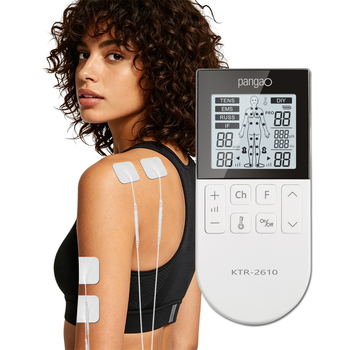
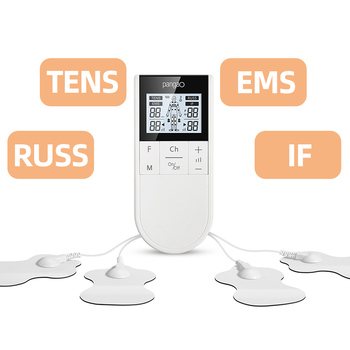
In global medical electrotherapy procurement, understanding the physiological mechanism behind the Russian stimulation EMS muscle stimulator is essential for sourcing high-performing products. Invented by Dr. Yakov Kots in the 1970s for elite athletic conditioning, Russian Current (RUSS) utilizes a 2,500 Hz (2.5 kHz) sinusoidal carrier wave modulated into 50 Hz burst trains with a 50% duty cycle (10 ms burst duration followed by a 10 ms inter-burst interval).
Traditional low-frequency Electrical Muscle Stimulation (EMS), operating between 1 Hz and 120 Hz, encounters high skin capacitive impedance (often exceeding 1,000 Ohms at low frequencies). This obligates higher voltage thresholds to reach motor nerve branches, frequently triggering painful cutaneous sensory nerve nociceptors (A-delta and C fibers) before reaching deep-seated muscle tissue. Consequently, patients reflexively resist higher intensities, limiting maximum voluntary contraction (MVC).
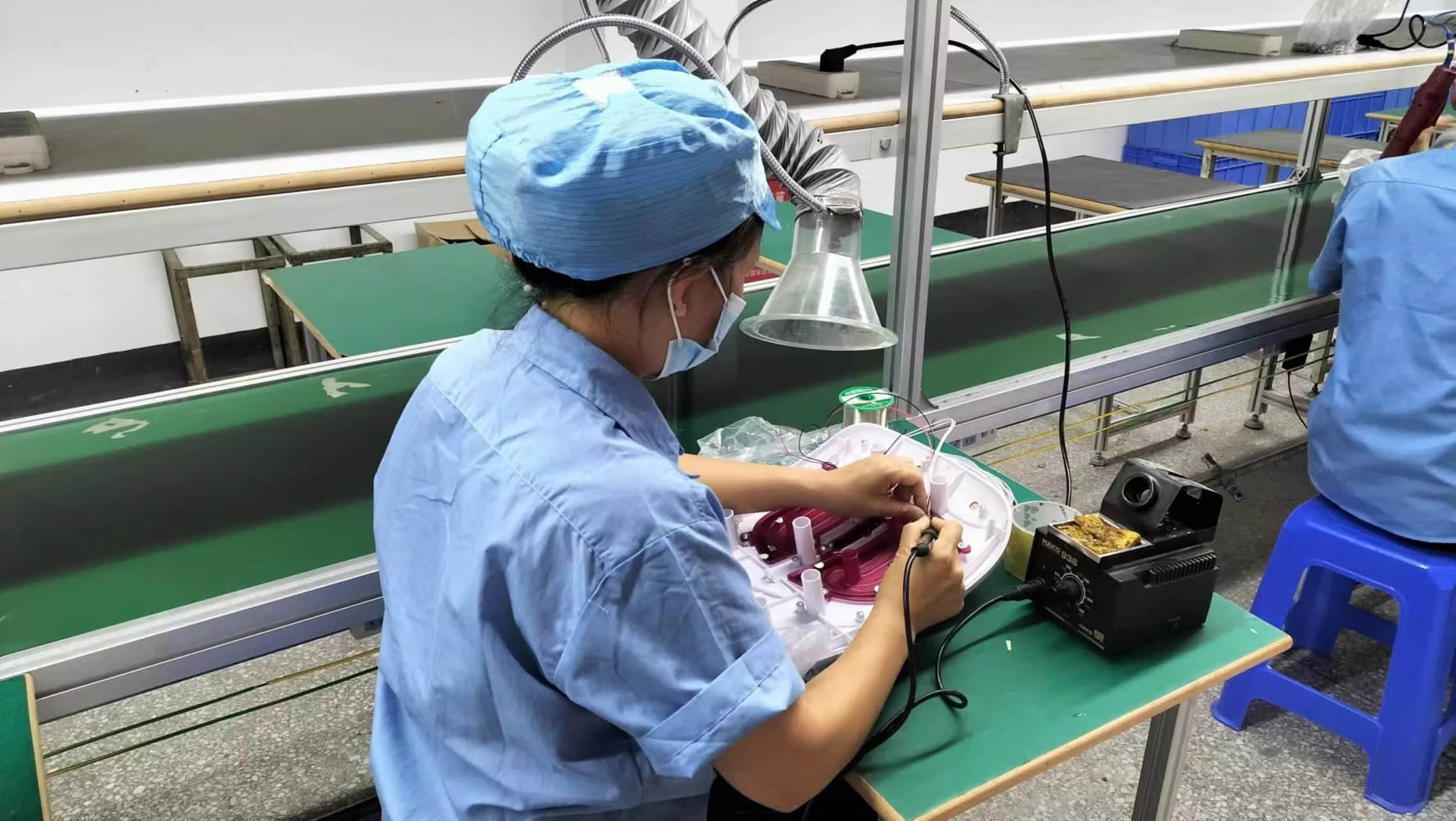
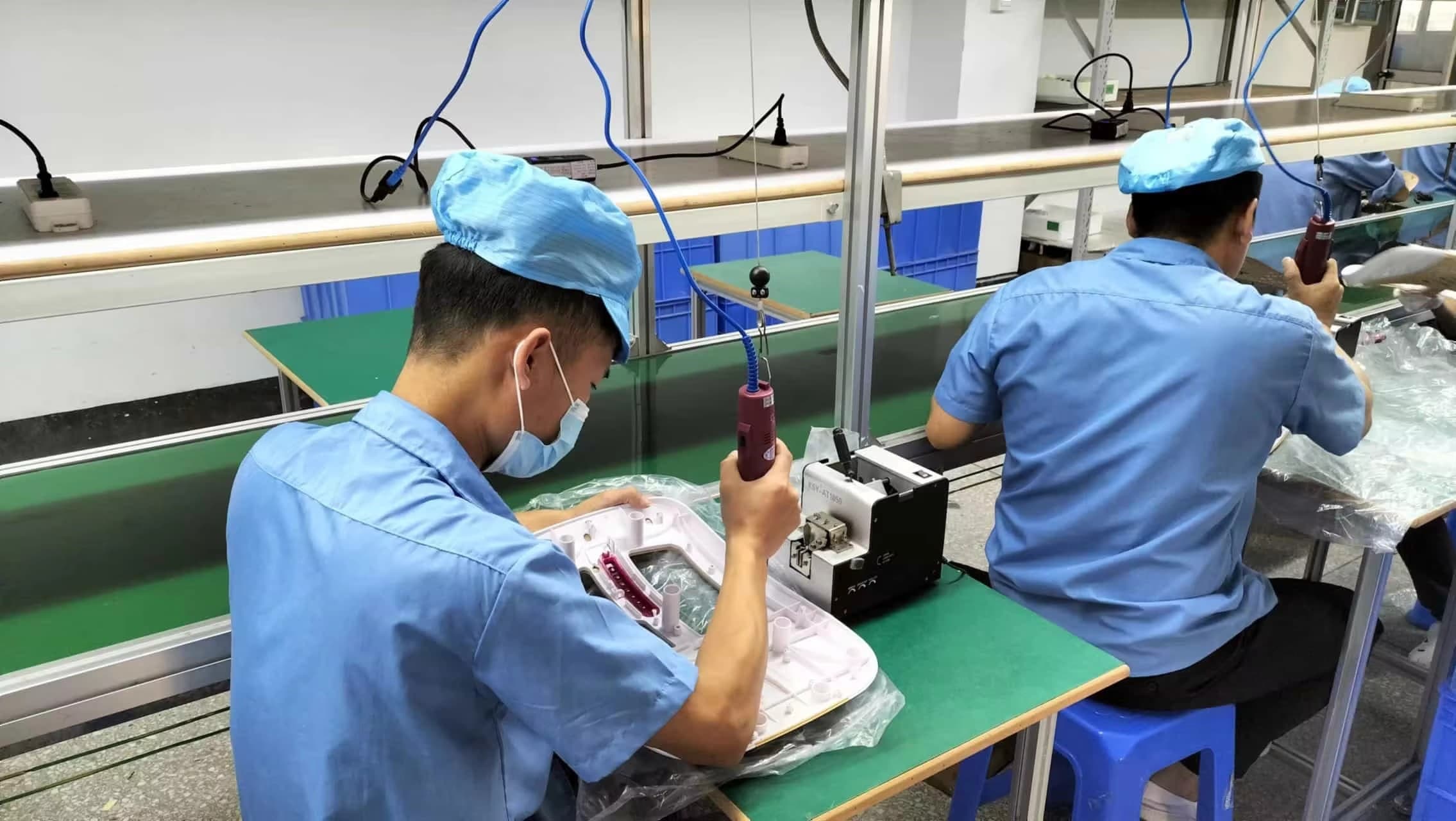
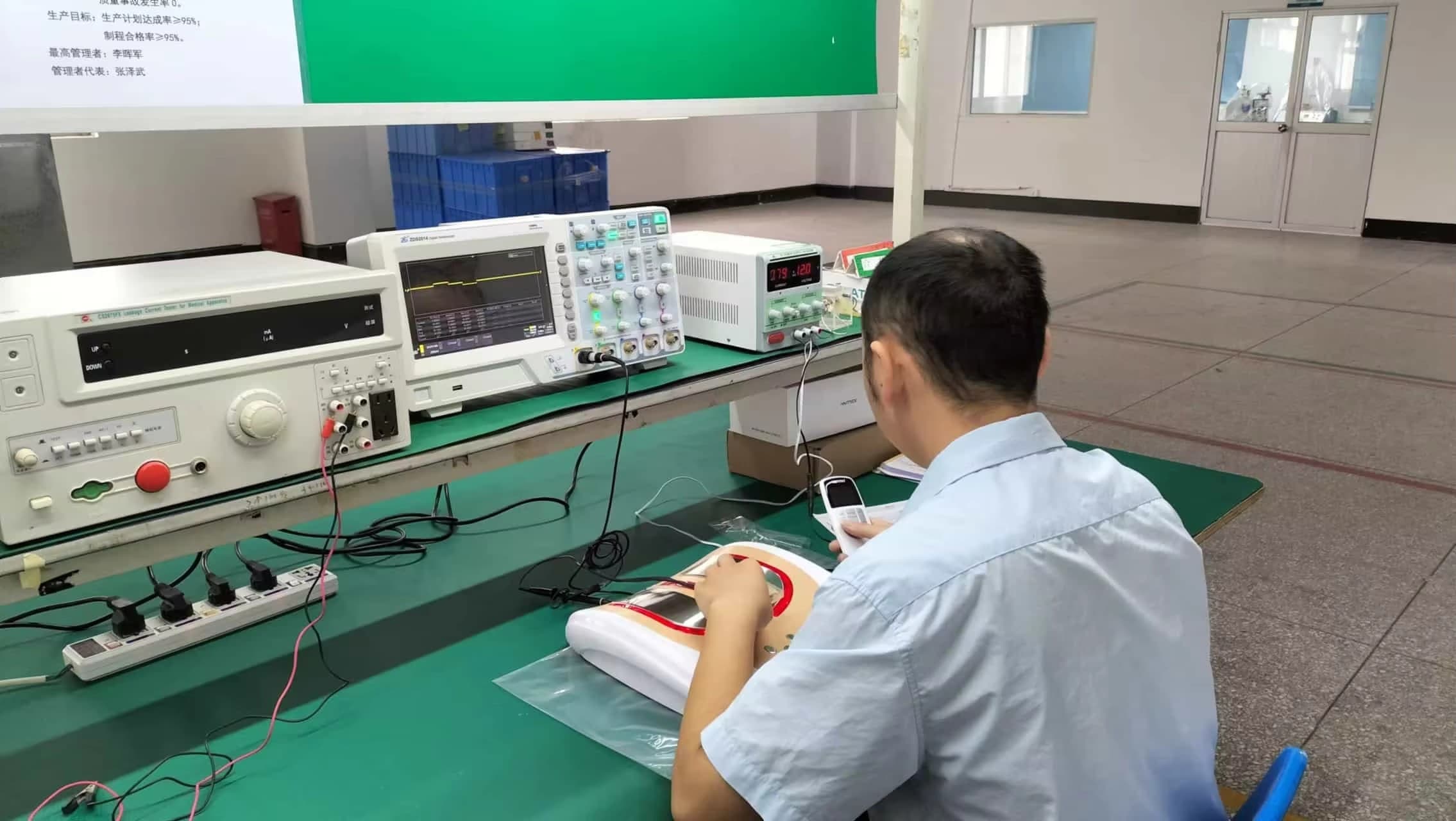
Conversely, a medical-grade Russian stimulation EMS muscle stimulator manufactured by Shenzhen Vilicus Medical Electronics Co., Ltd. dramatically reduces skin impedance at 2,500 Hz. The high carrier frequency glides through the epidermal barrier with minimal sensory resistance, allowing deep muscular penetration to depolarize alpha motor neurons directly. This achieves powerful, synchronized contraction of fast-twitch (Type IIb) muscle fibers—the primary drivers for muscular hypertrophy, neuromuscular re-education, and post-surgical muscle atrophy prevention—while delivering unparalleled comfort during clinical and home rehabilitation sessions.