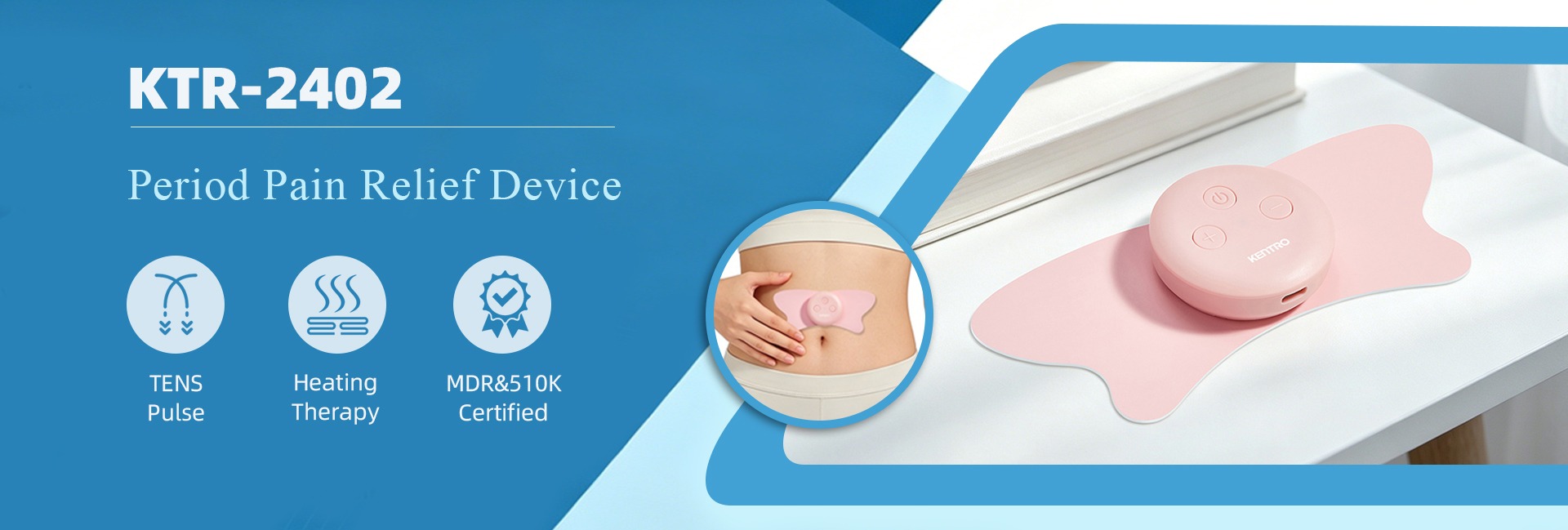
Lower Back Menstrual Cramp Heating Massager Technology: Strategic Sourcing, Clinical Mechanism, and Global Market Evolution
Written by the R&D and Regulatory Affairs Engineering Team at Shenzhen Vilicus Medical Electronics Co., Ltd.
Over 84% of women worldwide experience primary dysmenorrhea during their reproductive years, with more than 60% reporting debilitating secondary lower back pain caused by lumbo-sacral nerve radiation and pelvic muscle guarding. As global consumer demand pivots decisively from pharmaceutical interventions toward non-invasive, drug-free therapeutic devices, the lower back menstrual cramp heating massager has emerged as one of the fastest-growing categories in home health, femtech, and physical therapy equipment.
For global procurement managers, medical distributors, and private-label brand owners, navigating the technical landscape of dual-modal electrotherapy and thermal conditioning requires deep technical insight into physiological mechanisms, manufacturing quality systems, battery safety protocols, and regional regulatory compliance pathways. This comprehensive guide outlines the core technological innovations, procurement trends, and manufacturing parameters defining modern period pain relief devices.
1. Clinical & Physiological Mechanism: Dual-Action TENS & Thermal Therapy
Standard heat pads rely solely on surface conduction, which offers brief superficial comfort but fails to inhibit the deep visceral muscular spasms associated with uterine ischemia. In contrast, advanced lower back menstrual cramp heating massagers manufactured by Shenzhen Vilicus Medical Electronics Co., Ltd. utilize a scientifically validated dual-action mechanism:
| Therapeutic Modality | Biophysical Mechanism | Target Physiological Outcome | Clinical Advantage |
|---|---|---|---|
| Transcutaneous Electrical Nerve Stimulation (TENS) | Delivers high-frequency (80Hz–120Hz) or burst-frequency electrical pulses to A-beta sensory nerve fibers. | Activates Melzack & Wall’s Gate Control Mechanism in the dorsal horn of the spinal cord, suppressing C-fiber pain transmission. | Immediate, localized drug-free analgesia without systemic NSAID side effects. |
| Far-Infrared (FIR) Heating | Emits far-infrared wavelengths (8μm–14μm) penetrating 2–3mm beneath the dermal layer. | Induces microvascular vasodilation, accelerates uterine microcirculation, and reduces lactic acid accumulation in lumbar tissues. | Relieves smooth muscle ischemia and reduces hypertonicity in lumbar and abdominal muscles. |
| Low-Frequency EMS / Vibration Massage | Simulates neuromuscular contraction-relaxation cycles (1Hz–10Hz). | Promotes lymphatic drainage, releases endogenous endorphins (encephalins), and reduces pelvic blood stasis. | Sustained post-treatment muscle relaxation and reduced referred lower back pain. |
"The physiological integration of targeted transcutaneous nerve stimulation with precise 42°C–52°C thermal modulation provides a synergistic analgesic response. By interrupting spinal cord pain gate signaling while concurrently improving pelvic hemodynamics, dual-modal lower back menstrual heating massagers achieve clinically measurable pain reduction within minutes."
2. Top Recommended Product SKUs & Technical Specifications
Shenzhen Vilicus Medical Electronics Co., Ltd. manufactures a market-proven suite of wearable menstrual cramp and lower back electrotherapy devices engineered specifically for OEM brand customization. Below are four flagship SKUs recommended for international distributors:
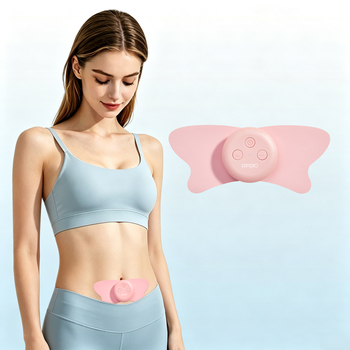
Wireless Lower Back Menstrual Cramp Heating Massager
Ultra-slim ergonomic design featuring dual heating zones, 15 TENS pulse intensities, and rechargeable Li-ion battery.
MOQ 1,000 pcs
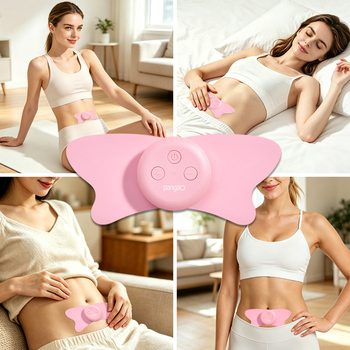
Dual-Zone Lumbar & Abdominal Menstrual Massager
Lightweight breathable fabric with integrated magnetic electrode contacts for abdominal or lower back placement.
MOQ 1,000 pcs
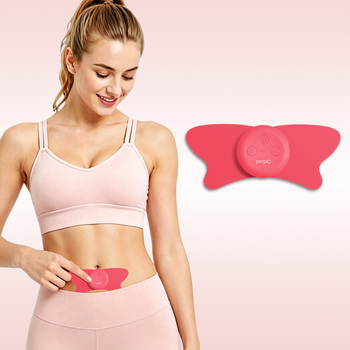
Ergonomic Thermal Dysmenorrhea Belt
Wide elastic lumbar support wrap with embedded NTC thermistors, digital display, and high-capacity battery.
MOQ 1,000 pcs
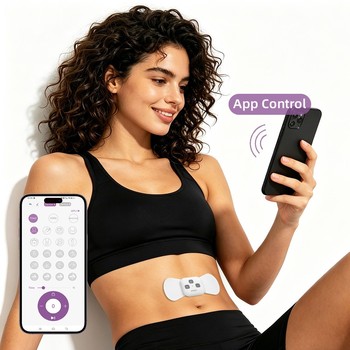
Smart App-Connected Menstrual Cramp Massager
Allows end-users to customize heating profiles and TENS frequencies via iOS/Android white-label smartphone apps.
MOQ 1,000 pcs
3. Future Procurement & Technological Trends (2025–2030)
As the global market for home physiotherapy devices accelerates toward $12.8 Billion, the lower back menstrual cramp massager category is undergoing rapid technical evolution. B2B buyers must align their product development roadmaps with the following four industry trends:
A. Transition to Graphene & Flexible Printed Electronics
Traditional wire-wound heating elements are being replaced by high-efficiency graphene film heaters. Graphene provides thermal conductivity exceeding 5,000 W/m·K, allowing lower back massagers to reach therapeutic temperatures (40°C–52°C) in under 3 seconds with zero localized hot-spots. Furthermore, flexible printed circuit boards (FPC) allow the massager to conform seamlessly to the lumbar curvature under clothing.
B. Dual-Location Reversible Ergonomics (Abdomen + Lumbar)
Next-generation devices feature symmetrical contouring and dual magnetic retention systems. Users can transition the unit from the lower abdomen (to target dysmenorrhea cramps) to the lumbo-sacral spinal area (to target radiating lower back pain) without replacing gel pads or adjusting bulk straps. This dual utility increases customer satisfaction and reduces warranty return rates.
C. NTC Multi-Point Thermal Safety & Battery Standards
With tighter international transport and electrical safety controls (such as IEC 60601-1, IEC 62133, and UN38.3), professional buyers demand multi-redundant safety features. Devices manufactured by Shenzhen Vilicus Medical Electronics Co., Ltd. integrate dual Negative Temperature Coefficient (NTC) sensors, hardware over-current cutoff chips, and auto-shutoff timers (15/20/30 mins) to prevent low-temperature burns during overnight use.
D. Sustainable Medical-Grade Bio-Hydrogel & Silicone Contact Pads
Eco-conscious consumers and healthcare regulators are demanding biocompatible, latex-free, and hypoallergenic contact materials. Modern lower back TENS massagers use advanced conductive silver-printed hydrogels or dry conductive silicone electrodes compliant with ISO 10993 cytotoxicity and skin irritation standards.
4. Enterprise Advantages: Why Partner with Shenzhen Vilicus Medical Electronics Co., Ltd.
Shenzhen Vilicus Medical Electronics Co., Ltd. is an industry-leading manufacturer specializing in non-invasive electrotherapy and thermal health products. Our comprehensive engineering and manufacturing infrastructure guarantees strict quality control and seamless market entry for global buyers.
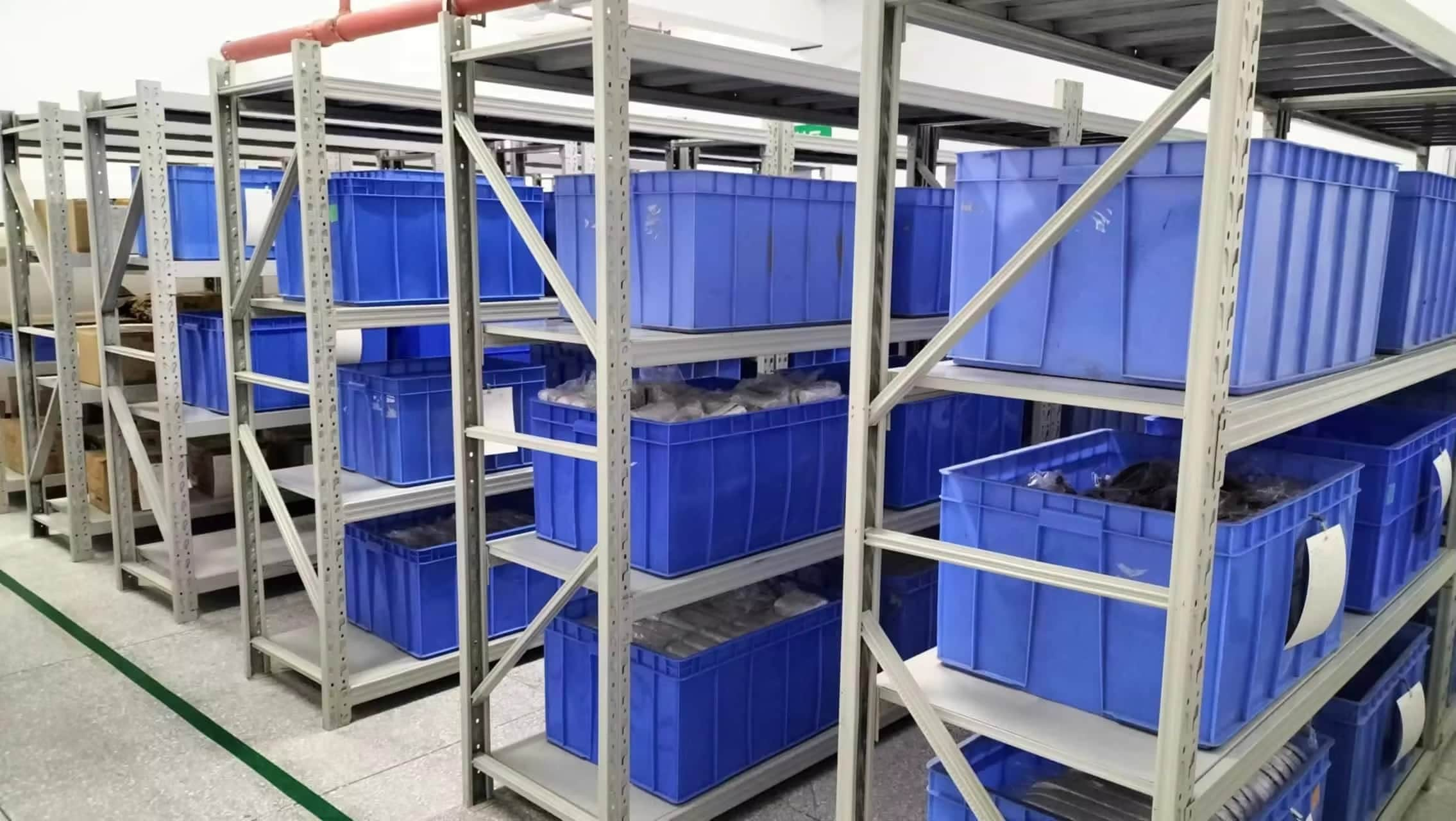
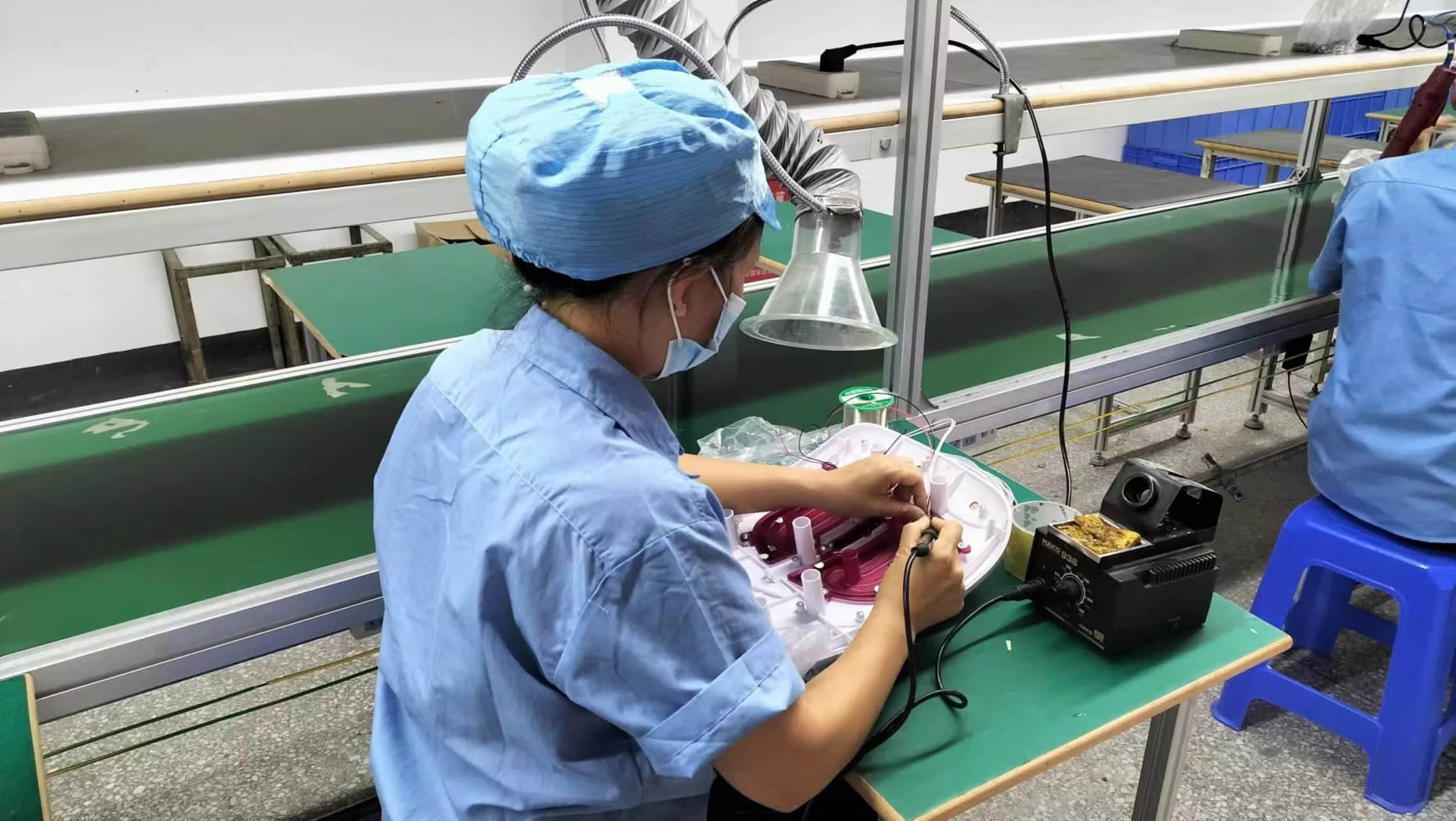
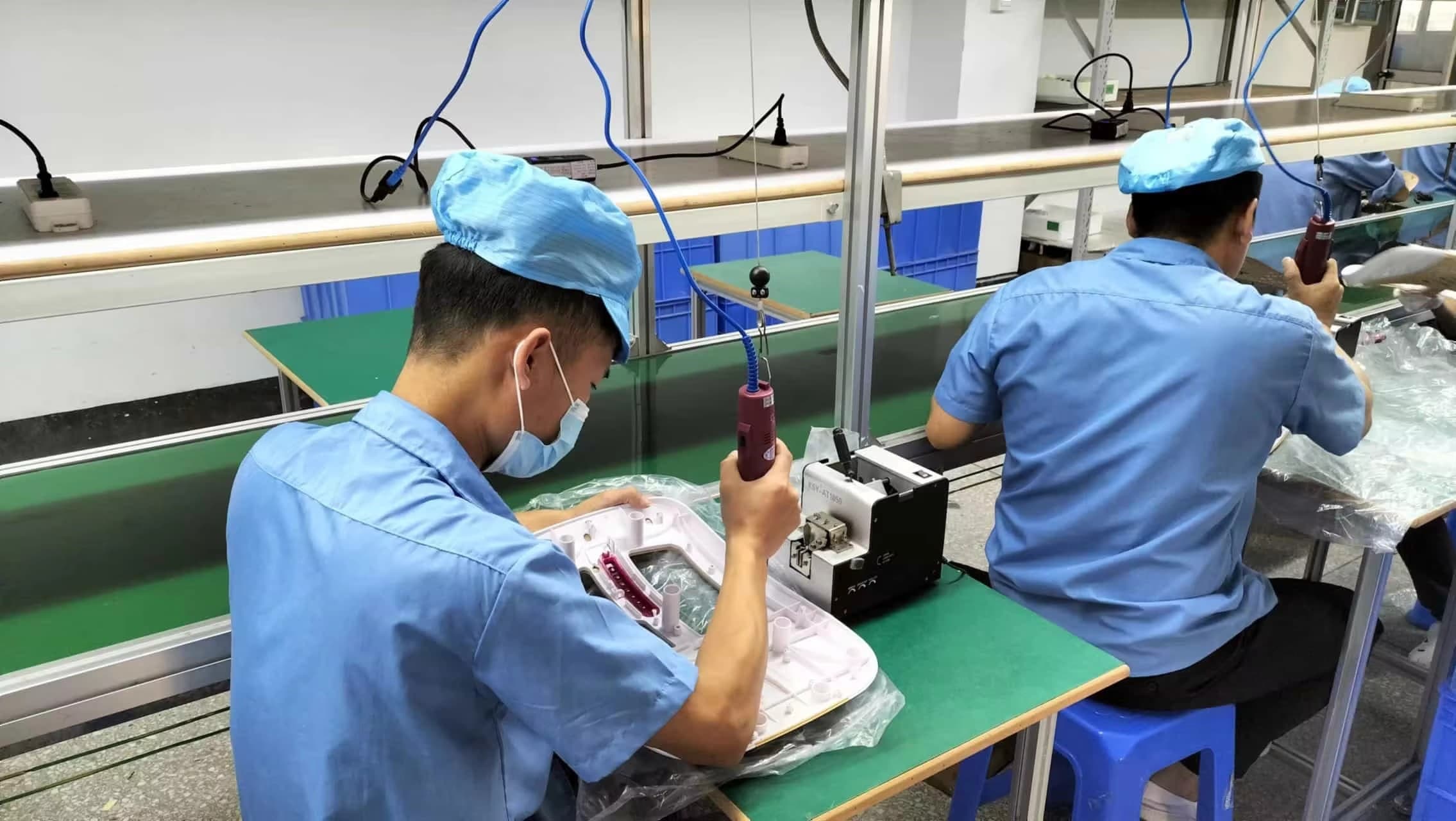
Our manufacturing base in Shenzhen spans 15,700 m² equipped with automated surface-mount technology (SMT) lines, high-precision injection molding, automated ultrasonic welding, and 100% finished product electrical safety testing. Below is an overview of our company profile and manufacturing capabilities:
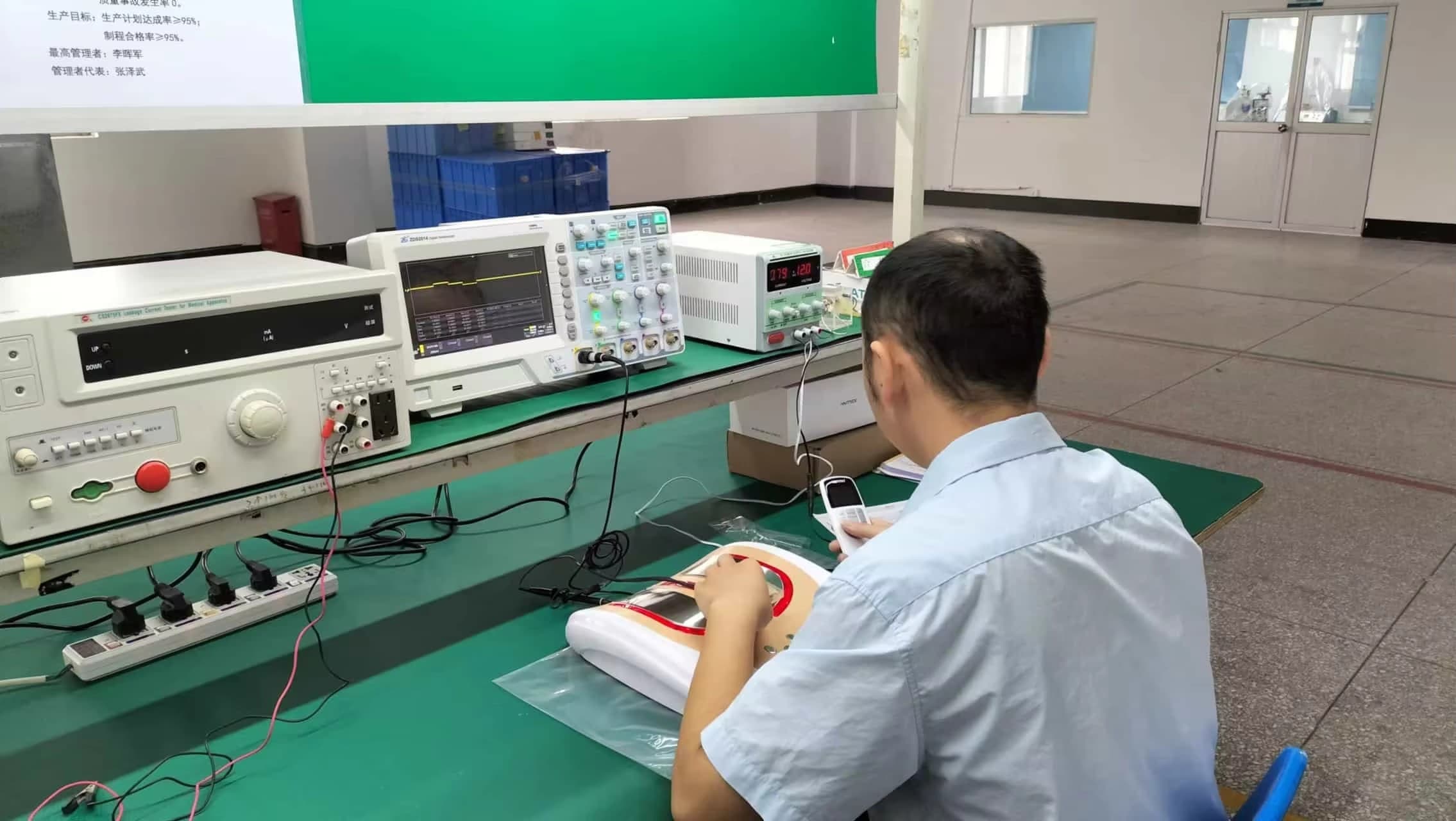
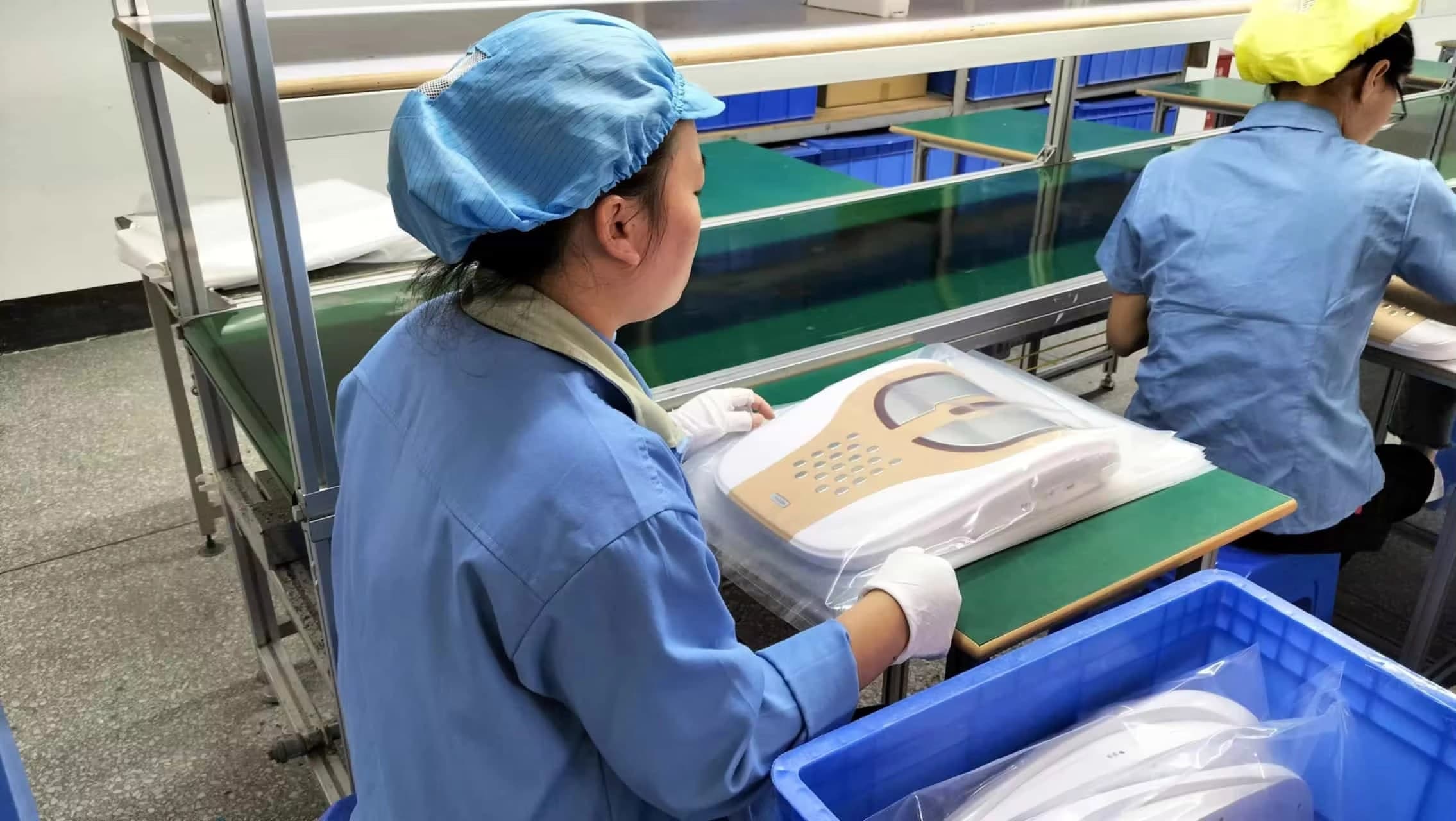
- ISO 13485 Certified Facility: Strictly audited medical device quality management system.
- Full Regulatory Portfolio: US FDA 510(k), EU MDR, TGA, CE, RoHS, and BSCI social compliance audit.
- 300+ Group R&D Engineers: In-house PCB design, firmware algorithms, tooling mold creation, and mobile app integration.
- Onsite SGS Inspection: Fully verified manufacturing capacity and third-party audit reports available on demand.
5. Frequently Asked Questions (FAQ) for Importers & Procurement Managers
What is a lower back menstrual cramp heating massager and how does it function?
Why is there rapid commercial growth for non-pharmacological period pain devices?
What certifications are required to import lower back menstrual massagers to North America & Europe?
What customization options are offered under OEM/ODM agreements?
How can procurement teams place an order or request pre-production samples?
Partner with Shenzhen Vilicus Medical Electronics Co., Ltd.
Contact our medical device engineering team today to receive detailed technical specifications, OEM pricing tiers, and compliance dossiers for your market.