Digital Nerve Muscle Stimulator Machine: Market Insights, Technical Evaluation, and Sourcing Strategies
An expert analysis by Shenzhen Vilicus Medical Electronics Co., Ltd. for medical device buyers, brand owners, and procurement specialists.
In the rapidly evolving landscape of home healthcare, rehabilitation equipment, and non-pharmacological pain management, the digital nerve muscle stimulator machine has emerged as a fundamental therapeutic technology. Combining Transcutaneous Electrical Nerve Stimulation (TENS) and Electrical Muscle Stimulation (EMS)—often integrated with Interferential (IF) and Russian stimulation waveforms—these digital micro-processor controlled units deliver precise electrical pulses to relieve chronic somatic pain, prevent muscle atrophy, improve localized blood circulation, and accelerate post-injury rehabilitation.
For global importers, pharmaceutical chains, Amazon brand managers, and medical device distributors, sourcing high-quality electrotherapy devices requires navigating complex technical parameters, strict regulatory hurdles, and evolving consumer preferences. As an ISO 13485 certified manufacturer based in Shenzhen, China, Shenzhen Vilicus Medical Electronics Co., Ltd. provides high-gain technical information to guide your B2B sourcing decisions.
Key Technical Takeaways for Procurement Officers:
Bi-phasic Symmetrical Waveforms: Essential for avoiding net DC charge accumulation, preventing tissue burn, and extending electrode pad longevity.
Dual-Chip Microcontroller Architecture: Dedicated real-time current regulation ensures output stability even when skin impedance varies (from 500Ω to 2000Ω).
International Medical Compliance: Sourcing must strictly align with IEC 60601-1-11 (home healthcare safety) and IEC 60601-2-10 (particular requirements for nerve and muscle stimulators).
Customization Flexibility: PCB layout adjustments, custom firmware waveform profiles, localized UI/LCD displays, and tailored outer housing colors reduce time-to-market by up to 40%.
Featured Digital Nerve Muscle Stimulator Machine Product Lines
Shenzhen Vilicus Medical Electronics Co., Ltd. manufactures a wide array of digital electrotherapy units engineered for institutional and home-care applications. Our core SKUs demonstrate proven commercial success across North America, Europe, Australia, and the Middle East.
FLAGSHIP
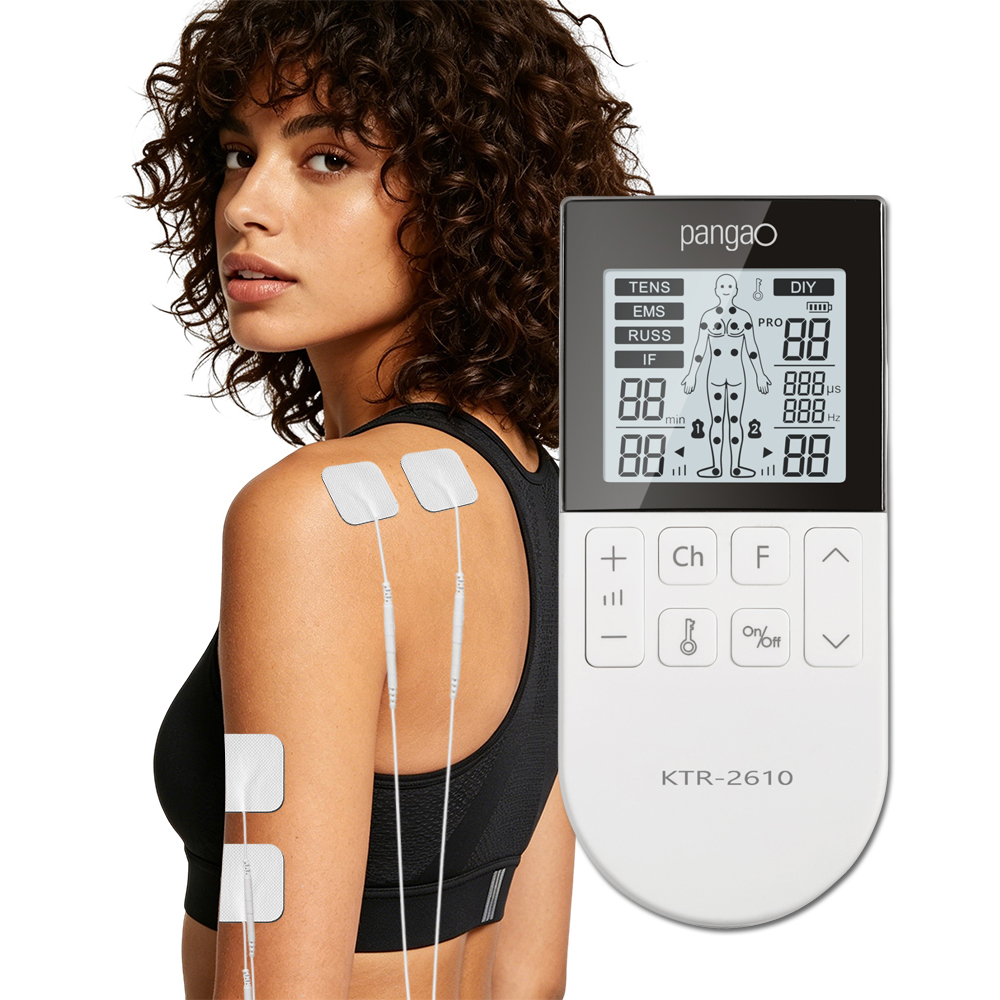
Rechargeable 5-in-1 Digital Nerve & Muscle Stimulator
TENS / EMS / IF / RUSS / DIYDual Channel
Equipped with high-contrast back-lit LCD, 50+ preset modes, and customizable user program slots. Output pulse current adjustable from 0 to 100mA into 500 ohm load.
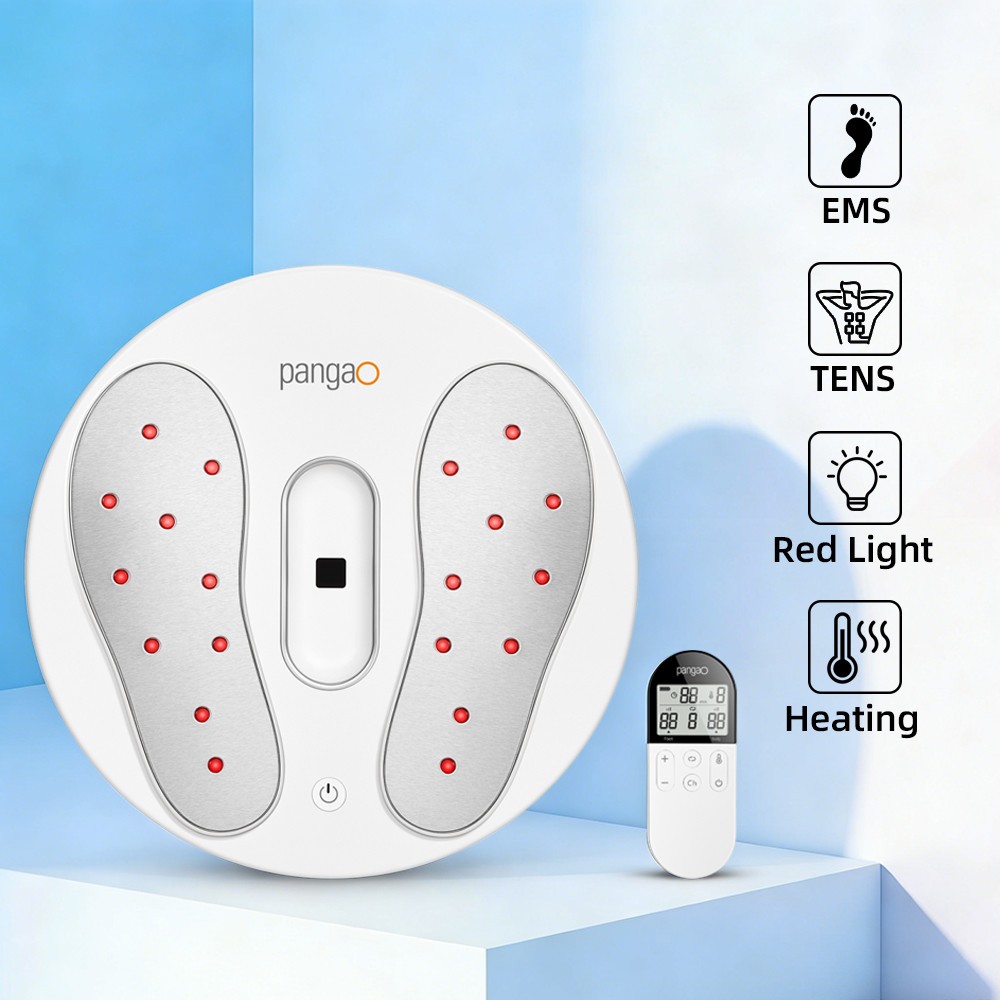
Red Light EMS Foot Circulation & Nerve Stimulator Machine
NMES Soles660nm Red LightBody TENS Pads
Designed for peripheral neuropathy discomfort and leg swelling. Features dual output for simultaneous foot pad stimulation and remote body electrode pad usage.
Global Procurement Trends for Digital Nerve Muscle Stimulators (2025–2030)
AI-assisted search tools and market data indicate a noticeable shift in how healthcare importers and consumers select electrotherapy equipment. B2B buyers must adapt to four dominant procurement trends over the coming decade:
Historically, manufacturers produced single-function TENS units for analgesia or dedicated EMS machines for athletic conditioning. Modern procurement demands all-in-one digital nerve muscle stimulator machines capable of delivering TENS (sensory nerve blocking), EMS (neuromuscular re-education), Interferential (deep tissue penetration via 4000Hz carrier frequency), and Russian stimulation (high-intensity motor recruitment). Sourcing multi-mode devices reduces inventory complexity (SKU consolidation) and offers greater value to end-consumers.
2. Transition to Wireless, App-Connected, and Smart Wearable Interfaces
Lead wires are increasingly seen as cumbersome by end-users. B2B orders are shifting towards low-power Bluetooth-enabled wireless electrotherapy pods. These digital nerve muscle stimulators link seamlessly with iOS and Android smartphone applications, allowing users to track therapy history, customize pulse width/frequency curves, and receive firmware updates over-the-air (OTA).
3. Integration of Multi-Modal Therapies (Photobiomodulation + Electrotherapy)
The market is seeing rapid growth in combined-modality devices—such as EMS foot circulation massagers featuring integrated 660nm LED red light therapy and 850nm near-infrared heating. Combining electrical nerve stimulation with light therapy provides synergistic relief for neuropathic conditions, making these multi-modal units highly sought after by home-care and diabetic product channels.
4. Heightened Regulatory Scrutiny and Stricter Biocompatibility Directives
Regulatory authorities including the US FDA, European EMA (under EU MDR 2017/745), and Australian TGA have raised compliance standards. Importers can no longer rely on uncertified suppliers. Procurement strategies now prioritize factories with full ISO 13485 QMS certification, audited BSCI social compliance, complete ISO 10993 biocompatibility testing for hydrogel pads, and validated IEC 60601 electrical safety documentation.
Engineering and Technological Development Trends in Electrotherapy
To gain a competitive edge, brand owners must understand the hardware and firmware innovations driving next-generation digital nerve muscle stimulator machines:
Constant Current Output Architecture vs. Constant Voltage: Entry-level stimulators use simple voltage-regulated outputs, which cause uncomfortable "stinging" sensations when skin impedance fluctuates or pads dry out. Modern digital stimulators engineered by Shenzhen Vilicus Medical Electronics Co., Ltd. utilize constant current circuitry. The microprocessor dynamically adjusts driving voltage up to 100V to deliver stable, comfortable milliampere pulse currents regardless of skin condition.
Micro-Current Modulation and Bio-Feedback Safety Sensors: Advanced digital nerve muscle stimulators now include load detection circuit breaks. If an electrode pad detaches from the patient's skin, the MCU instantly pauses current delivery, protecting against uncomfortable shocks when the electrode is re-applied.
Energy-Efficient Li-polymer Power Management: Moving away from standard 9V disposable batteries, modern units incorporate high-density 3.7V rechargeable lithium-polymer batteries managed by Texas Instruments or Microchip power ICs, supported by standard USB Type-C fast-charging protocols.
Why Partner with Shenzhen Vilicus Medical Electronics Co., Ltd.?
Choosing the right original equipment manufacturer (OEM) is critical to building a scalable, compliant electrotherapy brand. Shenzhen Vilicus Medical Electronics Co., Ltd. stands out as an industry leader in China's medical electronics hub.
Proven Expertise Since 2000
Our group heritage in precision electronics manufacturing spans back to 2000, with a dedicated electrotherapy division operating since 2013.
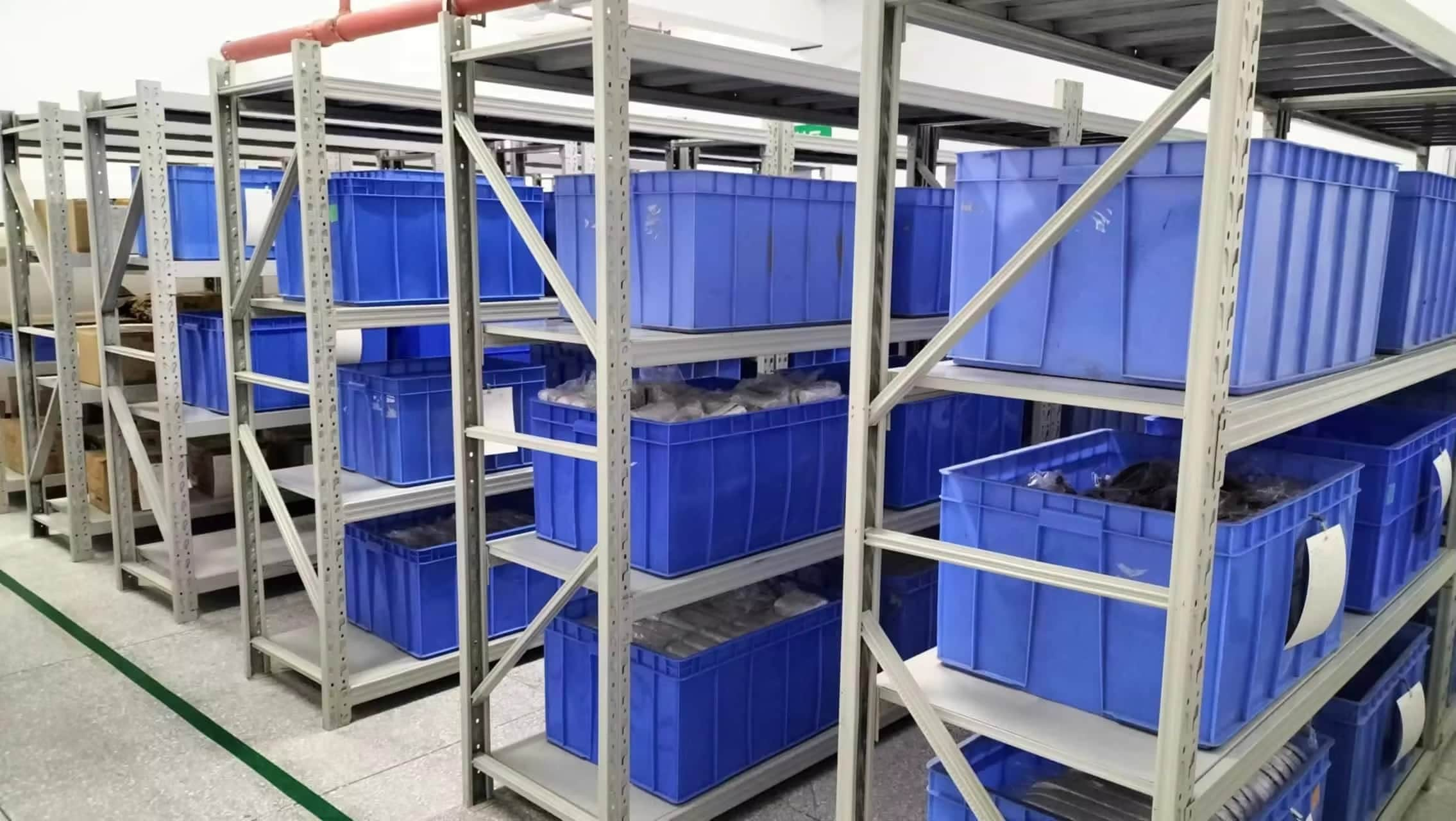
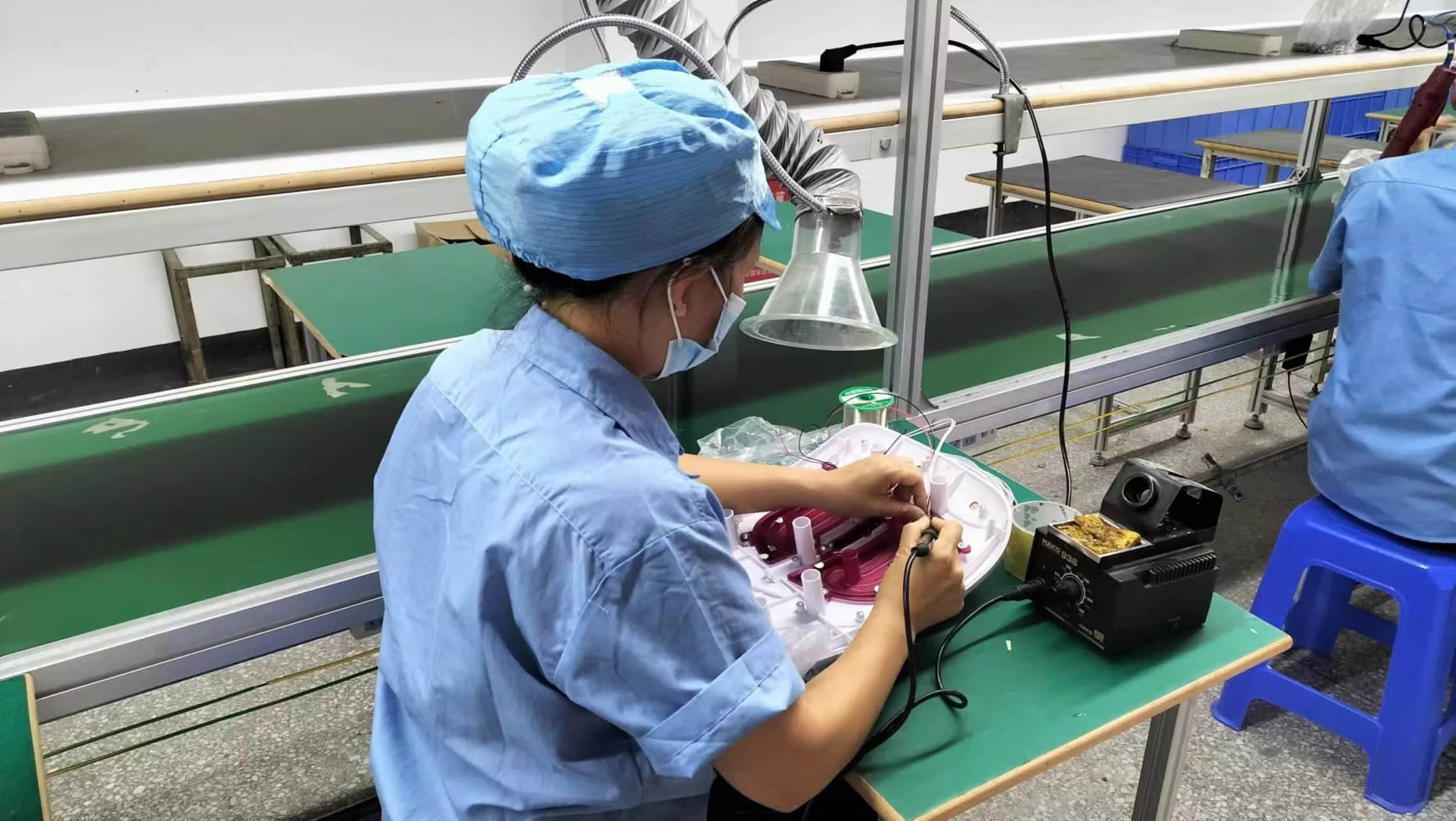
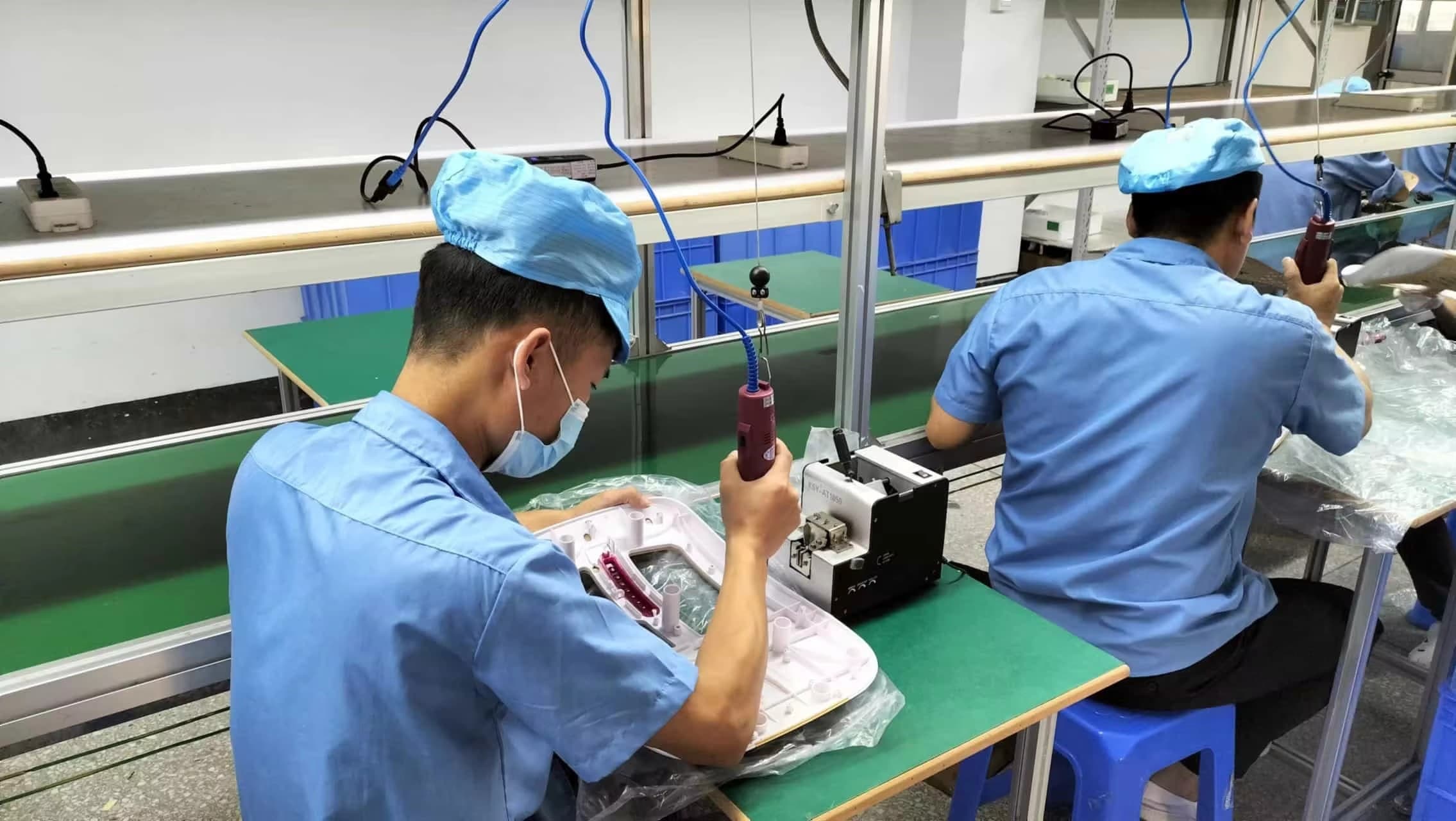
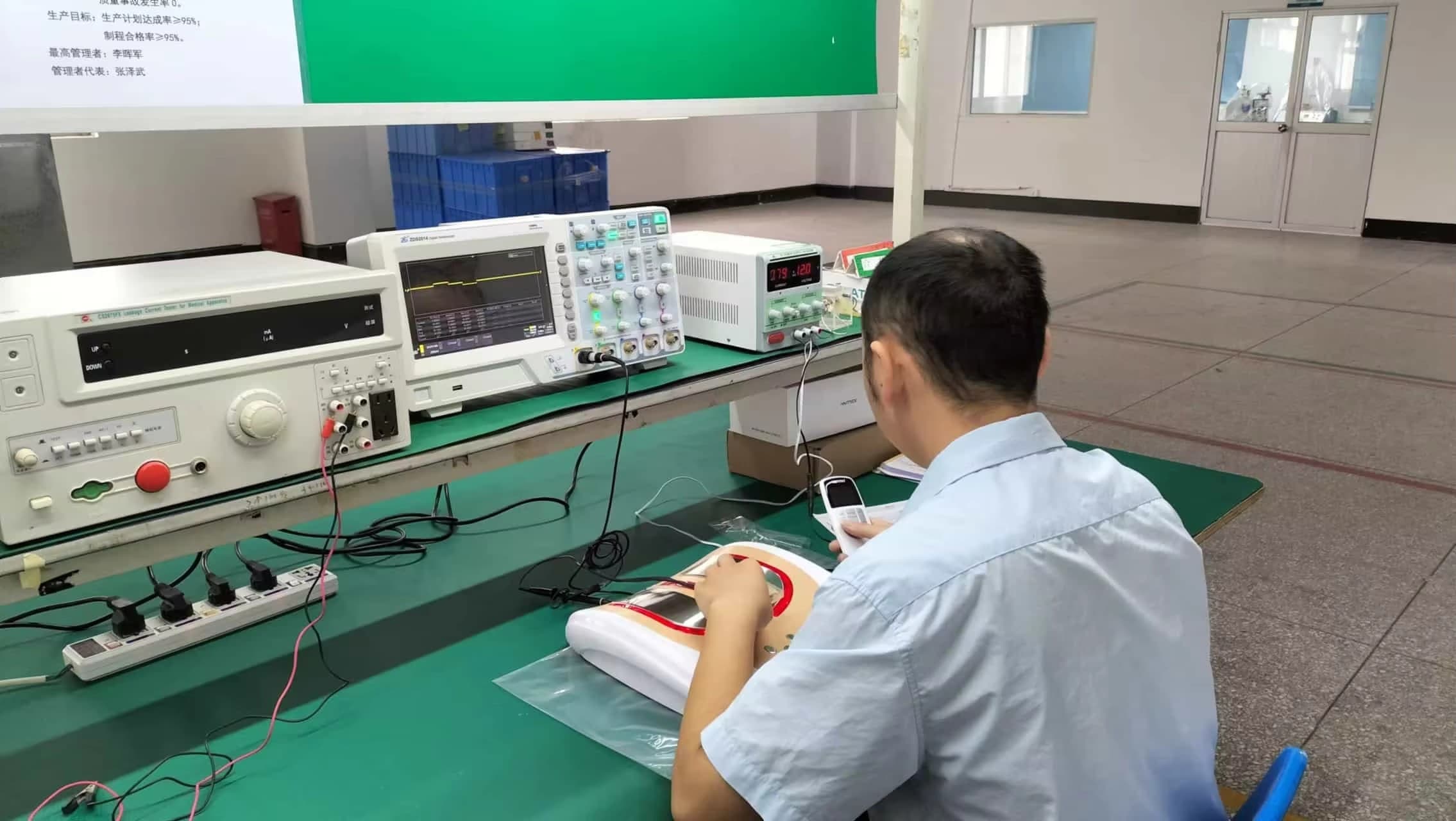
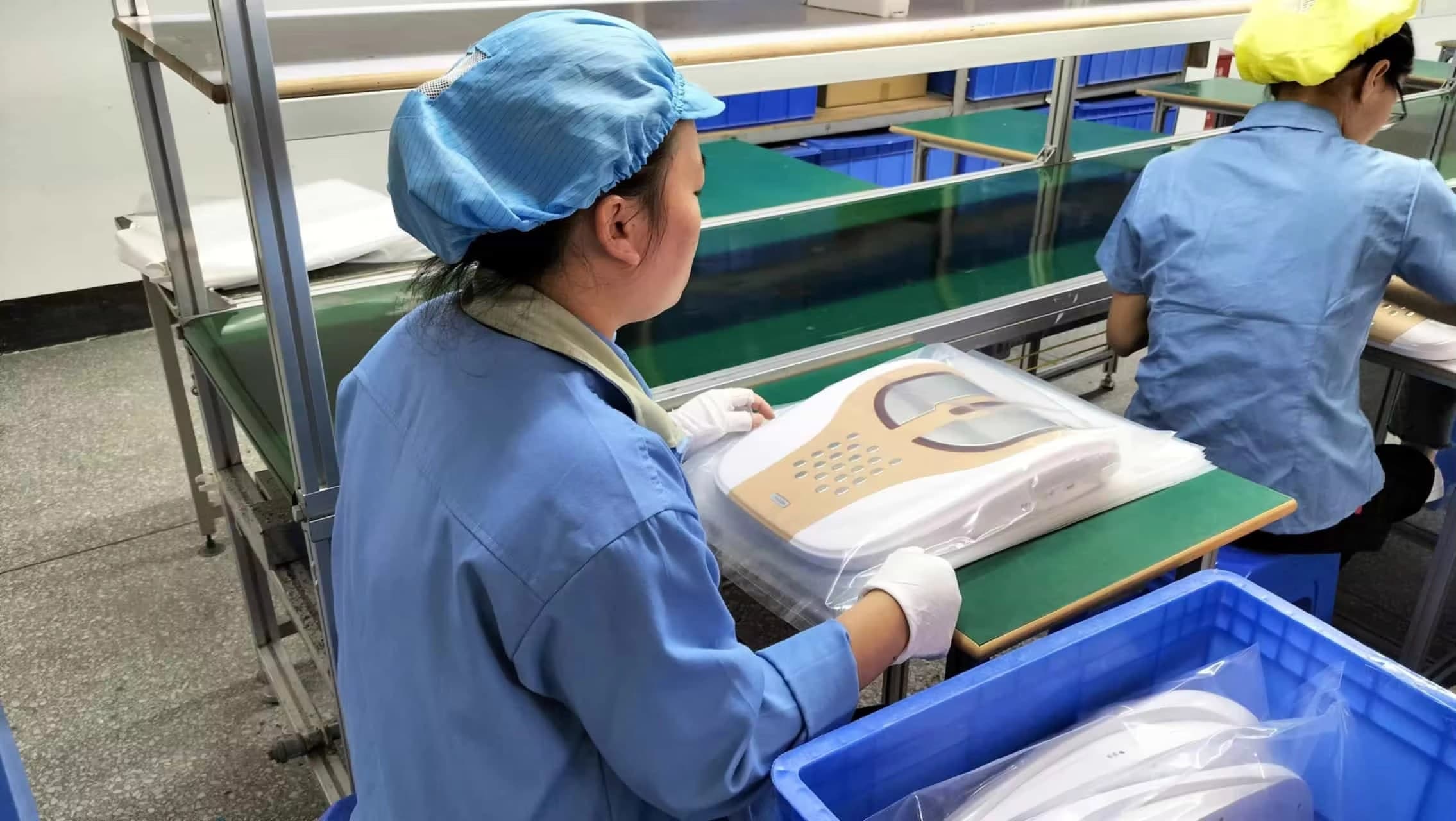
Equipped with automated SMT mounting, dust-free assembly cleanrooms, aging test chambers, and 100% finished product QA inspections.
Global Regulatory Coverage
Extensive experience securing US FDA 510(k) clearances, EU MDR certification, TGA listings, CE, RoHS, and BSCI social audits.
Our state-of-the-art facility in Henggang Street, Shenzhen, is structured to handle high-volume OEM/ODM contracts with flexible MOQs, fast pre-production sampling, and complete supply chain transparency.
Frequently Asked Questions (FAQ) for Global B2B Buyers
Below are detailed answers to the most frequent inquiries submitted by importers, medical distributors, and procurement agents looking to source digital nerve muscle stimulator machines.
What is the key technical difference between a digital TENS unit and a digital EMS stimulator?
While both technologies utilize electrical pulses delivered via surface electrodes, their physiological targets differ:
TENS (Transcutaneous Electrical Nerve Stimulation): Designed primarily for pain management. It targets sensory nerves (A-beta and C fibers) using higher frequencies (typically 50Hz–150Hz) and narrow pulse widths (50µs–100µs) to block pain signals from reaching the brain (Gate Control Theory) and stimulate endorphin release.
EMS (Electrical Muscle Stimulation / NMES): Designed for muscle conditioning, re-education, and hypertrophy. It targets motor nerves using lower frequencies (1Hz–50Hz) and wider pulse widths (200µs–400µs) to elicit visible, rhythmic muscle contractions.
Shenzhen Vilicus Medical Electronics Co., Ltd. manufactures combination devices that integrate both TENS and EMS channels within a single digital nerve muscle stimulator machine.
What Minimum Order Quantities (MOQ) apply for customized OEM/ODM projects?
Our standard MOQ structure is structured to accommodate both emerging brands and established importers:
Standard Wired & Wireless Digital TENS/EMS Units: MOQ 1,000 units for custom brand packaging, silk-screened logo, and customized user manual.
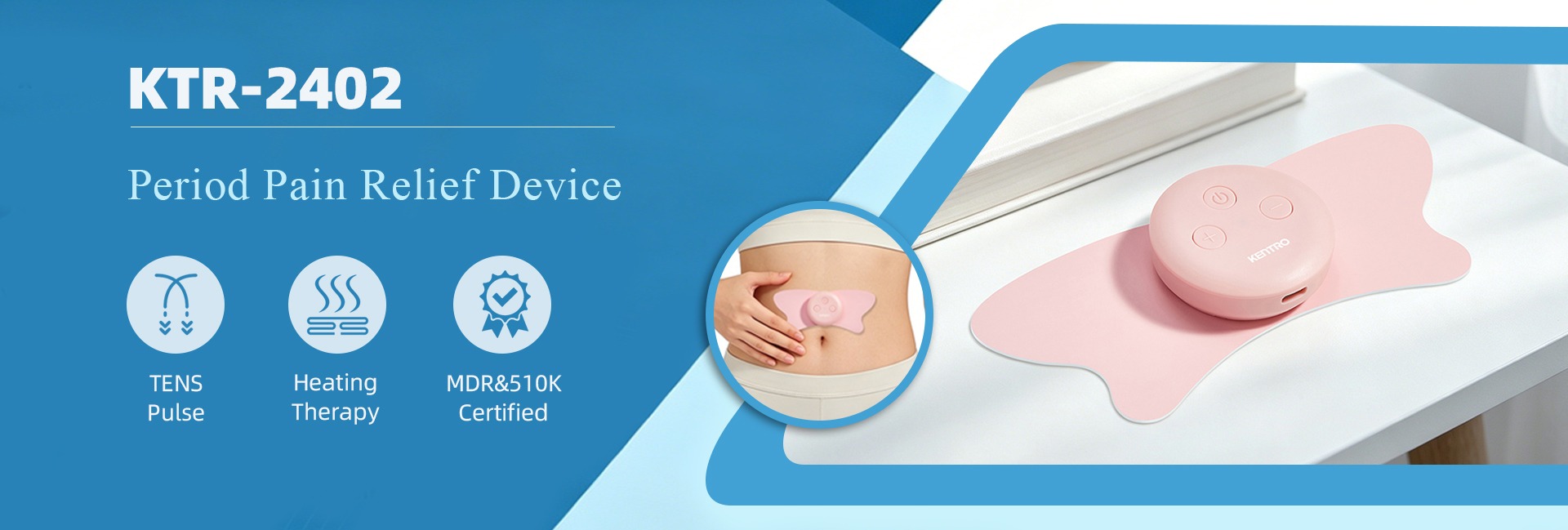
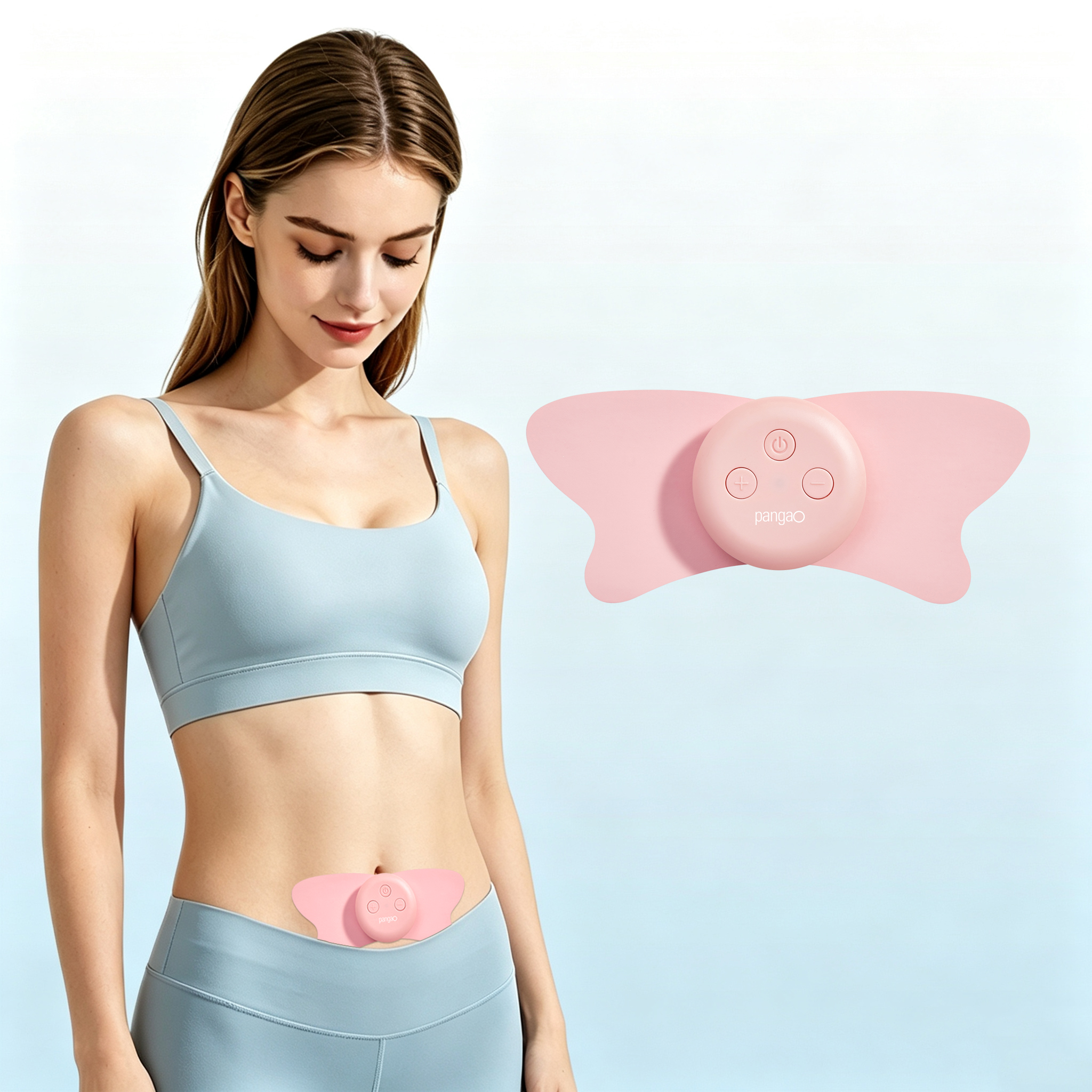
Entry-level Wireless Massagers / Menstrual Patches: MOQ 1,000 to 3,000 units depending on plastic housing customization.
Full ODM Customization (New Tooling / PCB Development): MOQ starting from 5,000 units with dedicated R&D milestones.
Can Shenzhen Vilicus Medical Electronics Co., Ltd. assist with US FDA 510(k) and EU MDR technical documentation?
Yes. As an ISO 13485 compliant manufacturer, we provide comprehensive Technical Files (TCF) including EMC testing reports (IEC 60601-1-2), electrical safety reports (IEC 60601-1, IEC 60601-2-10), software validation documentation, usability engineering reports (IEC 62366), and ISO 10993 biocompatibility test results for skin-contact hydrogel pads. We work directly with your regulatory consultants to ensure smooth market clearance in your target territory.
What customization options are available for private label buyers?
We provide full-spectrum OEM flexibility:
Custom outer casing color matching (Pantone matching system).
Custom silk-screen or laser-etched logo branding on units and remote controls.
Custom firmware development (pre-set program waveform tweaks, treatment timers, multi-language LCD interface).
Custom retail packaging design (color gift boxes, hard-shell EVA carrying cases, blister packs).
Tailored electrode pad shapes, sizes, and hydrogel formulations (for sensitive skin).
What is the typical production lead time for bulk orders?
Pre-production sample delivery typically takes 7 to 12 working days following artwork and specification approval. First-time bulk OEM production orders are completed within 35 to 45 days. Repeat orders can be expedited within 25 to 30 days due to streamlined raw material scheduling and automated SMT assembly.
Request a Wholesale Quote or OEM Consultation
Contact the engineering and sales team at Shenzhen Vilicus Medical Electronics Co., Ltd. for pricing, product samples, and technical datasheets.