How to Source High-Compliance Pelvic Floor Muscle Trainer Devices: The Complete Technical, Regulatory, and Procurement Guide
As global demand for non-invasive pelvic health solutions accelerates across pharmacy chains, medical device distributors, and direct-to-consumer femtech brands, selecting a qualified pelvic floor muscle trainer device manufacturer is a pivotal strategic decision. Pelvic floor dysfunction—encompassing stress urinary incontinence (SUI), urge incontinence, postpartum pelvic tissue laxity, and pelvic organ prolapse (POP)—affects over 30% of women worldwide. Electrotherapy-driven pelvic muscle trainers offer a clinically validated, drug-free alternative or adjunct to traditional Kegel exercises by providing target Neuromuscular Electrical Stimulation (NMES) and Electromyographic (EMG) biofeedback.
However, B2B buyers frequently encounter major technical and regulatory hurdles: navigating complex FDA 510(k) clearances, ensuring ISO 10993 biocompatibility compliance for mucosal contact probes, eliminating waveform distortion under varying skin impedance, and maintaining strict batch consistency. At Shenzhen Vilicus Medical Electronics Co., Ltd., we combine over two decades of precision electronics manufacturing heritage with state-of-the-art bio-stimulation R&D to deliver turnkey OEM/ODM solutions tailored for North American, European, Australian, and global healthcare markets.
Inside Shenzhen Vilicus Medical Electronics Co., Ltd. Manufacturing Infrastructure
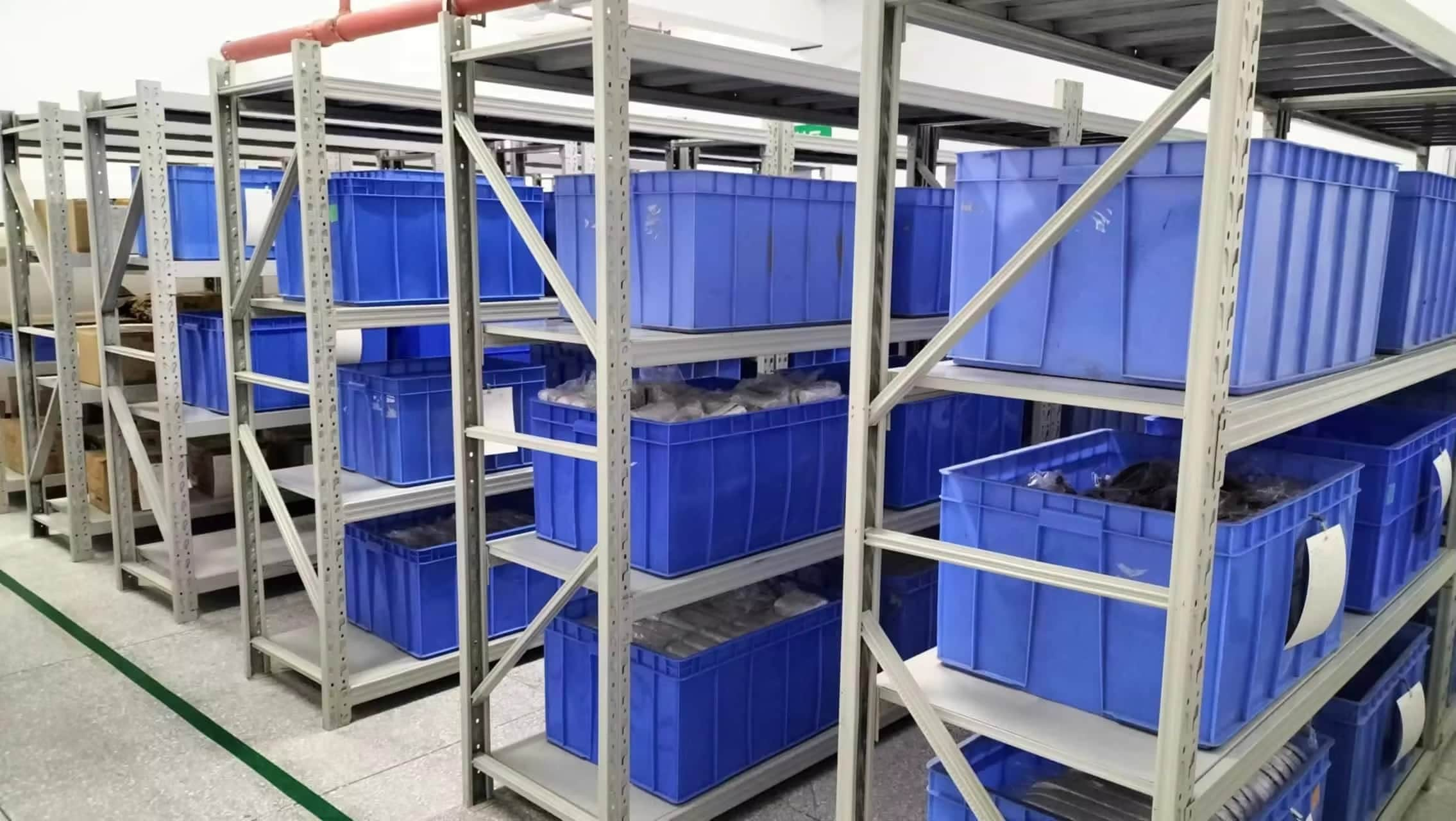
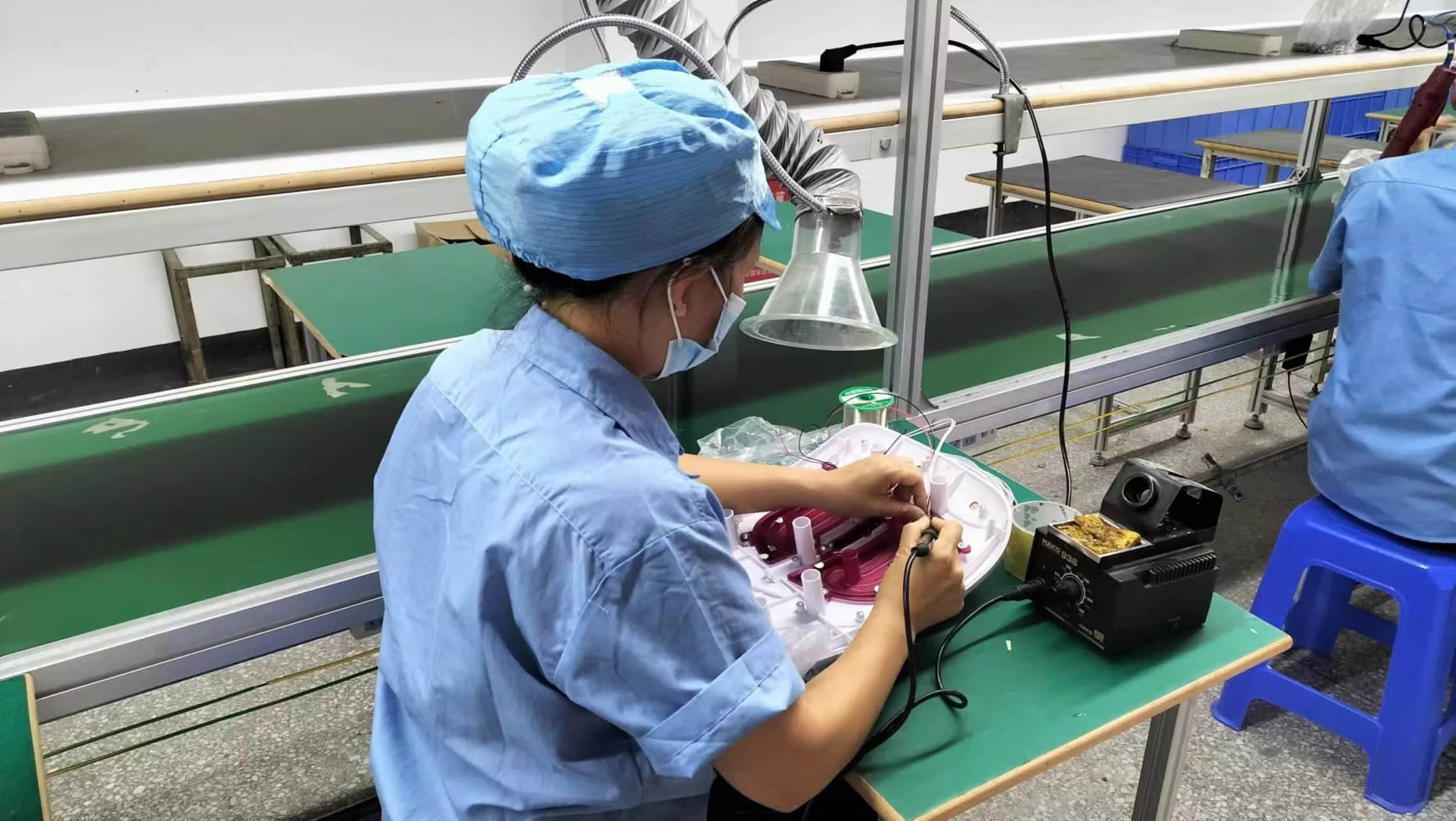
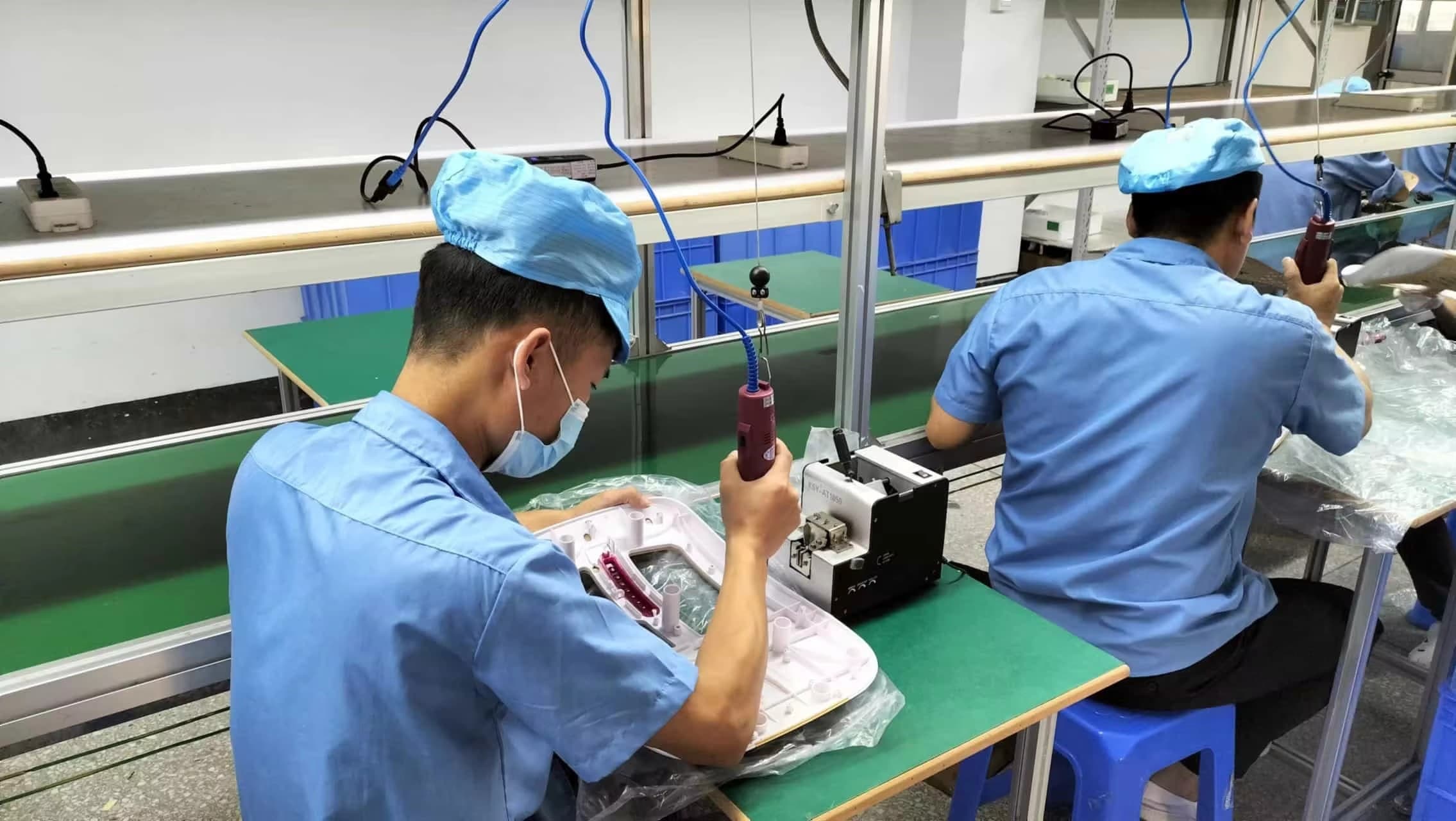
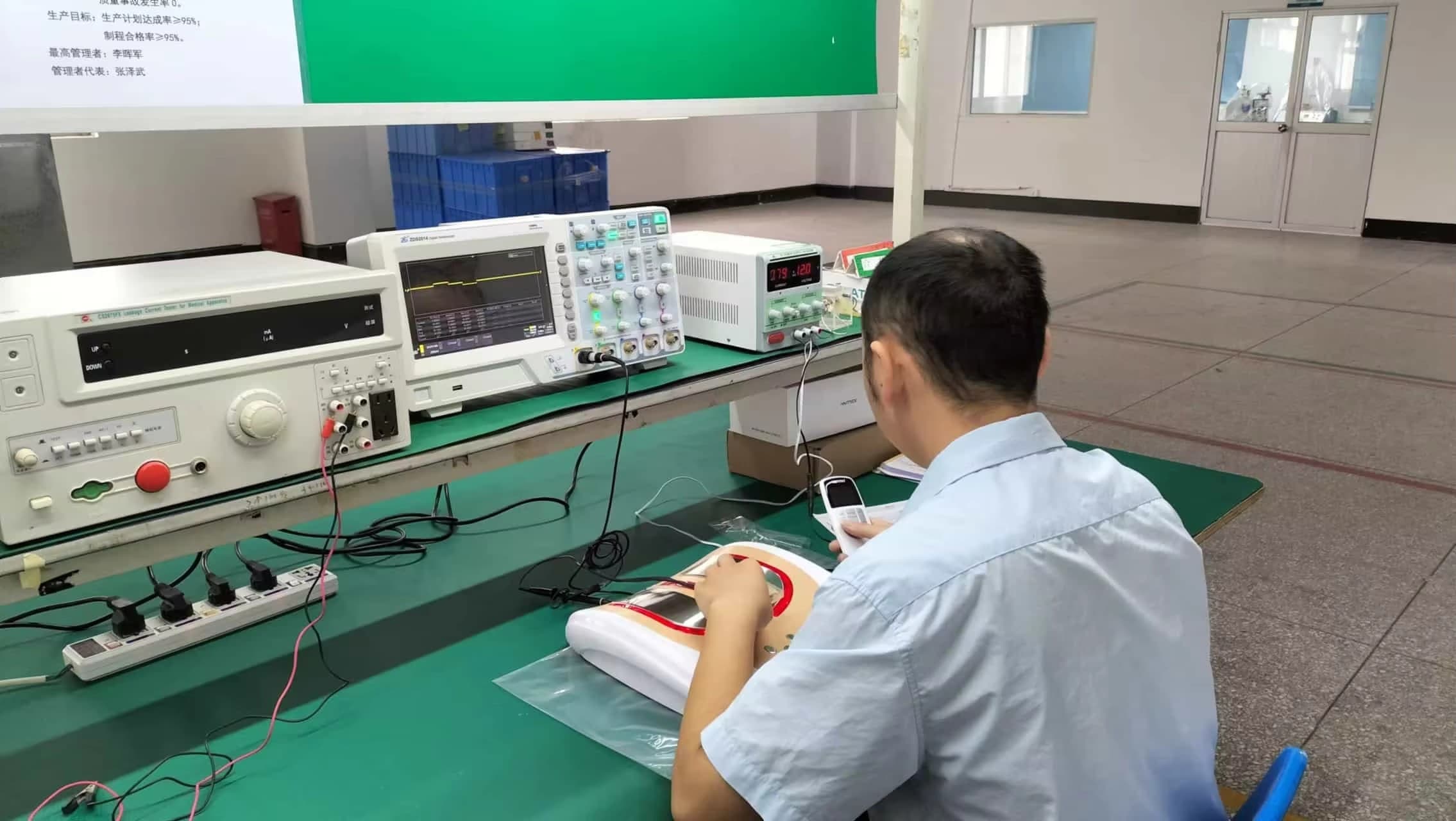
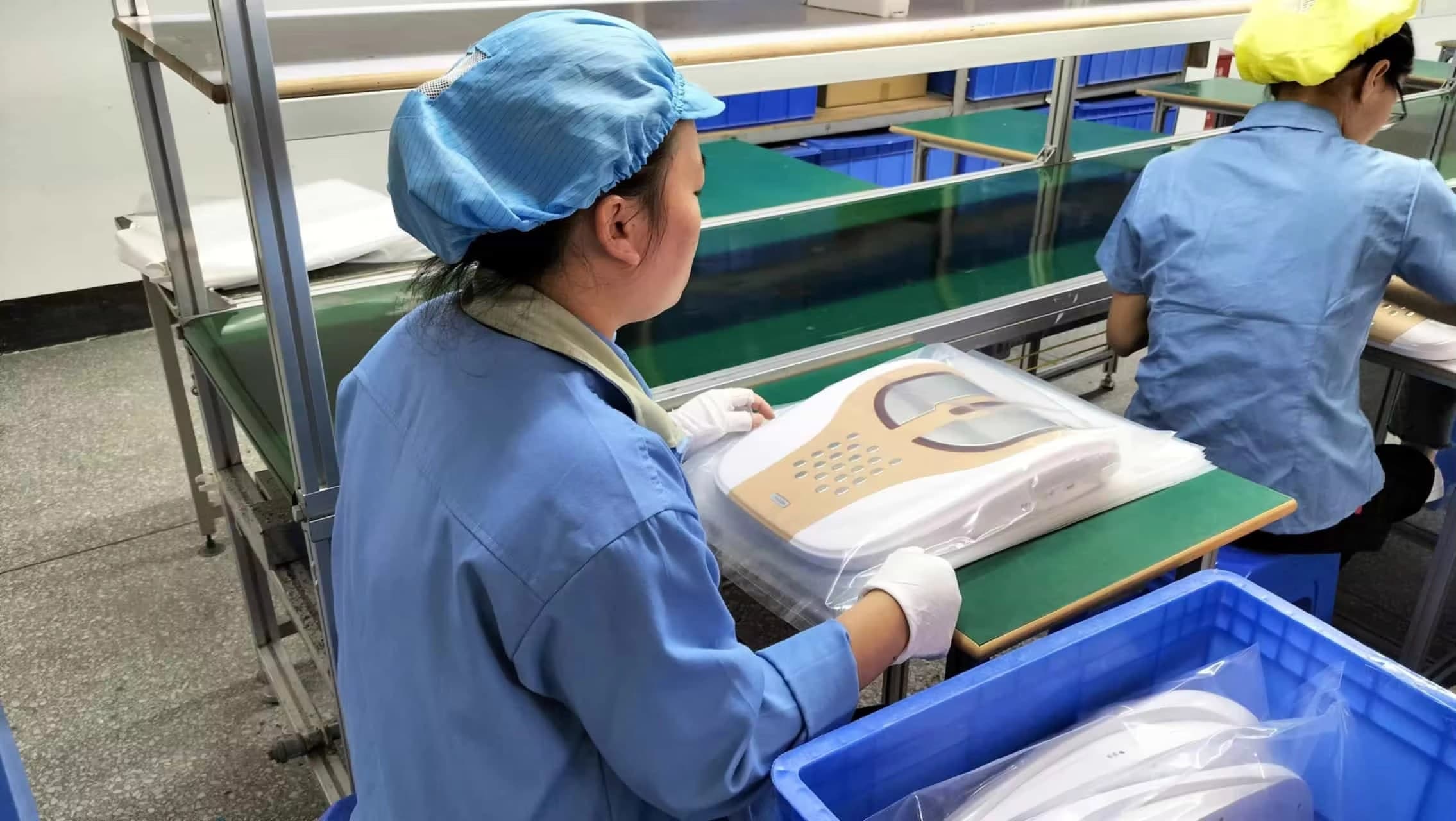
Our dedicated 15,700 m² cleanroom manufacturing facility in Henggang, Shenzhen, operates under strict ISO 13485 quality management system protocols. Below is an authentic insight into our integrated manufacturing operations, automated surface-mount technology (SMT) lines, clean packaging suites, and quality inspection laboratories:
Featured Pelvic Floor Muscle Trainer Devices & Bio-Stimulation Platforms
Every product line engineered by Shenzhen Vilicus Medical Electronics Co., Ltd. is modular, allowing full customization of pulse parameters, probe design, user interface (LCD, LED, or iOS/Android App), and private-label packaging.
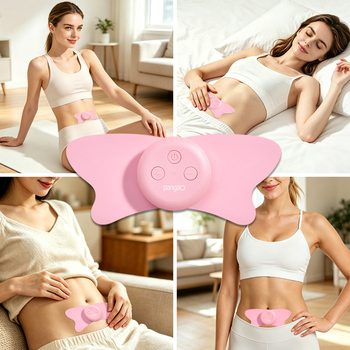
Smart EMG Biofeedback Pelvic Floor Trainer
Combines real-time EMG biofeedback sensing with active NMES re-education. Connects via Bluetooth 5.2 to custom iOS/Android apps for interactive exercise games and progress tracking.
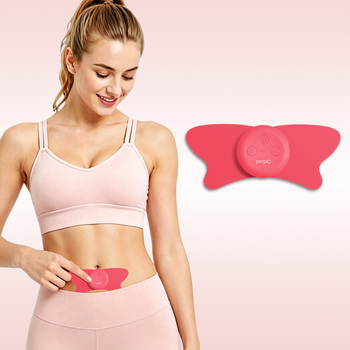
Non-Invasive Pelvic Floor EMS Seat Cushion
Utilizes multi-point conductive carbon fiber contact pads embedded in an ergonomic cushion. Designed for comfortable, fully clothed seated pelvic floor strengthening without internal probes.
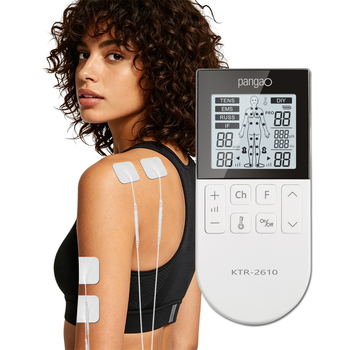
5-in-1 Clinical Pelvic Floor & Electrotherapy System
A versatile handheld digital physical therapy unit equipped with specialized presets for urge, stress, and mixed incontinence alongside traditional TENS and EMS pain relief waveforms.
Future Procurement Trends in Pelvic Health Technology (2025–2030)
The global pelvic floor muscle trainer device market is undergoing a major paradigm shift driven by technological miniaturization, wearable sensors, and home-based clinical compliance. Importers and brand owners must align their product development roadmaps with the following four micro-trends:
1. Convergence of EMG Biofeedback and Adaptive Neuromuscular Stimulation
Legacy pelvic floor muscle trainers relied solely on pre-programmed, open-loop electrical pulse sequences. Next-generation devices feature continuous EMG sensing. The probe reads the patient's resting muscle tone and voluntary squeeze power (measured in microvolts), dynamically altering the subsequent electrical stimulation pulse width and intensity. This prevents muscle fatigue and eliminates discomfort caused by over-stimulation.
2. Non-Invasive Electromagnetic and Surface Conductive Platforms
While intravaginal and anal probes remain the gold standard for clinical efficacy, user reluctance regarding probe insertion remains a barrier in consumer retail channels. Sourcing trends highlight a 45% year-over-year surge in demand for non-invasive pelvic floor stimulators, such as conductive wear shorts and seated electromagnetic cushions. Shenzhen Vilicus Medical Electronics Co., Ltd. leads this space by integrating proprietary conductive silicone and multi-channel pulse-routing circuits into consumer-friendly form factors.
3. Ultra-Low Power Bluetooth 5.3 & Software-as-a-Service (SaaS) Gamification
Patient compliance is the primary predictor of clinical success in pelvic rehabilitation. Modern healthcare distributors expect OEM suppliers to offer ready-to-brand mobile applications. Our software development team provides customizable SDKs with integrated sensor telemetry, daily usage logs, compliance reporting for prescribing clinicians, and game-based biofeedback training (e.g., controlling a character's flight path via Kegel muscle contractions).
4. Rigorous Biocompatibility and Environmental Regulatory Scrutiny
Regulatory authorities including the US FDA, European Medicines Agency (EMA), and Australian TGA have significantly elevated scrutiny over body-contact medical materials. Modern pelvic probes must pass comprehensive ISO 10993 evaluation—specifically ISO 10993-5 (Cytotoxicity), ISO 10993-10 (Skin Sensitization), and ISO 10993-23 (Irritation). Furthermore, devices exported to Europe must comply strictly with REACH and RoHS 3 standards, ensuring phthalate-free and heavy-metal-free construction.
Pelvic Floor Stimulation Waveform & Parameter Matrix
Selecting the precise electrical parameters is critical for targeting specific sphincter and pubococcygeus (PC) muscle fiber types. Below is our engineering parameter recommendation table for OEM customization:
| Rehabilitation Goal | Frequency (Hz) | Pulse Width (µs) | Ramp Up / Sustain / Down | Clinical Rationale |
|---|---|---|---|---|
| Stress Urinary Incontinence (SUI) | 50 Hz – 80 Hz | 200 µs – 300 µs | 2s Up / 5s Hold / 2s Down | High frequency targets fast-twitch (Type II) muscle fibers responsible for immediate urethral closure during coughing or sneezing. |
| Urge Incontinence / Overactive Bladder | 10 Hz – 20 Hz | 150 µs – 250 µs | Continuous or 1s Up / 4s Hold | Low frequency calms involuntary detrusor muscle contractions via inhibitory reflex arcs in the sacral spinal cord. |
| Mixed Incontinence (SUI + Urge) | Alternating 10 Hz / 50 Hz | 200 µs | 2s Up / 4s Hold / 2s Down | Dual-phase stimulation provides sequential detrusor relaxation and fast-twitch sphincter strengthening within a single session. |
| Postpartum Pelvic Floor Conditioning | 20 Hz – 35 Hz | 250 µs – 350 µs | 3s Up / 6s Hold / 3s Down | Moderate frequency promotes vascularization and endurance rebuilding in slow-twitch (Type I) tonic postural fibers. |
| Pelvic Pain Relief / Hypertonicity | 80 Hz – 125 Hz (TENS Mode) | 50 µs – 100 µs | Continuous Modulated | High-frequency TENS sensory block activates the Gate Control Mechanism, alleviating pelvic floor muscle spasm and neuralgia. |
All pulse width, amplitude, and ramp profiles can be hardcoded into the device firmware or dynamically modified via app controls during OEM development at Shenzhen Vilicus Medical Electronics Co., Ltd.
OEM & ODM Capabilities of Shenzhen Vilicus Medical Electronics Co., Ltd.
Founded with a commitment to excellence in electrotherapy device manufacturing, Shenzhen Vilicus Medical Electronics Co., Ltd. stands as a premier contract manufacturer for physical therapy and women's health technology. Our manufacturing group's electronics expertise dates back to 2000, with our specialized electrotherapy unit established in 2013 to focus exclusively on TENS, EMS, IF, Russian stimulation, and pelvic floor muscle trainer devices.
Integrated In-House R&D and Manufacturing Architecture
Unlike trading intermediaries or split-process assemblers, Shenzhen Vilicus controls the entire product lifecycle under one roof across our 15,700 m² production base:
- Circuit Board & Firmware Engineering: Supported by over 300 group R&D engineers capable of creating custom PCB layouts, low-noise EMG amplification circuitry, constant-current output stage design, and Bluetooth firmware.
- Precision Plastic Injection & Tooling: High-speed CNC tooling machinery and medical-grade injection molding lines produce seamless, ergonomic outer casings and probe handles.
- Biocompatible Assembly Lines: Dust-controlled assembly suites equipped with automated ultrasonic welding, automated optical inspection (AOI), and laser wire-stripping stations.
- 100% Finished Product QA Testing: Every single pelvic floor muscle trainer device undergoes automated electrical safety validation, battery cycle testing, insulation resistance checking, and pulse output waveform validation prior to packaging.
We work with brand owners, healthcare chains, and distributors across more than 50 countries. Whether you require private-label logo printing on our off-the-shelf certified models or ground-up ODM development, our team delivers uncompromised quality and speed-to-market.
Frequently Asked Questions by Global Importers & Procurement Teams
What regulatory certifications are required to import a pelvic floor muscle trainer device into North America and the EU?
How does an electrical muscle stimulation (EMS) pelvic floor trainer differ from passive Kegel exercises?
Can Shenzhen Vilicus Medical Electronics Co., Ltd. provide private-label branding and custom app integration for pelvic devices?
What is the Minimum Order Quantity (MOQ) and lead time for bulk pelvic floor muscle trainer orders?
How does Shenzhen Vilicus ensure the biocompatibility and safety of mucosal contact probes?
Start Your Pelvic Floor Muscle Trainer OEM Project Today
Contact our medical device engineering team to request sample units, technical dossier access, and custom quotation support.