Why Heated Electrotherapy is Revolutionizing Global Rehabilitation Sourcing: A B2B Technical Overview
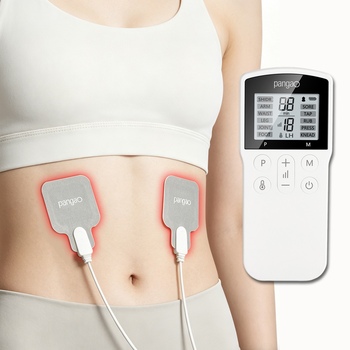
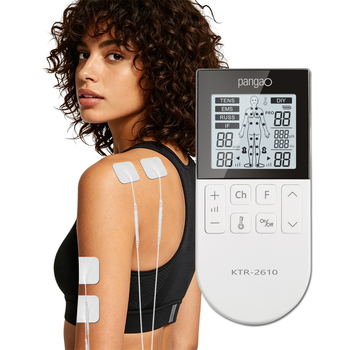
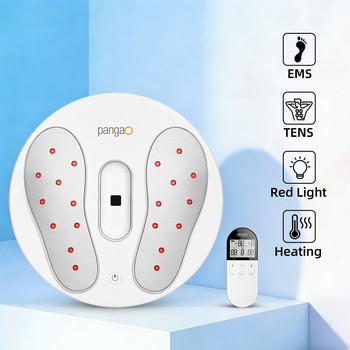
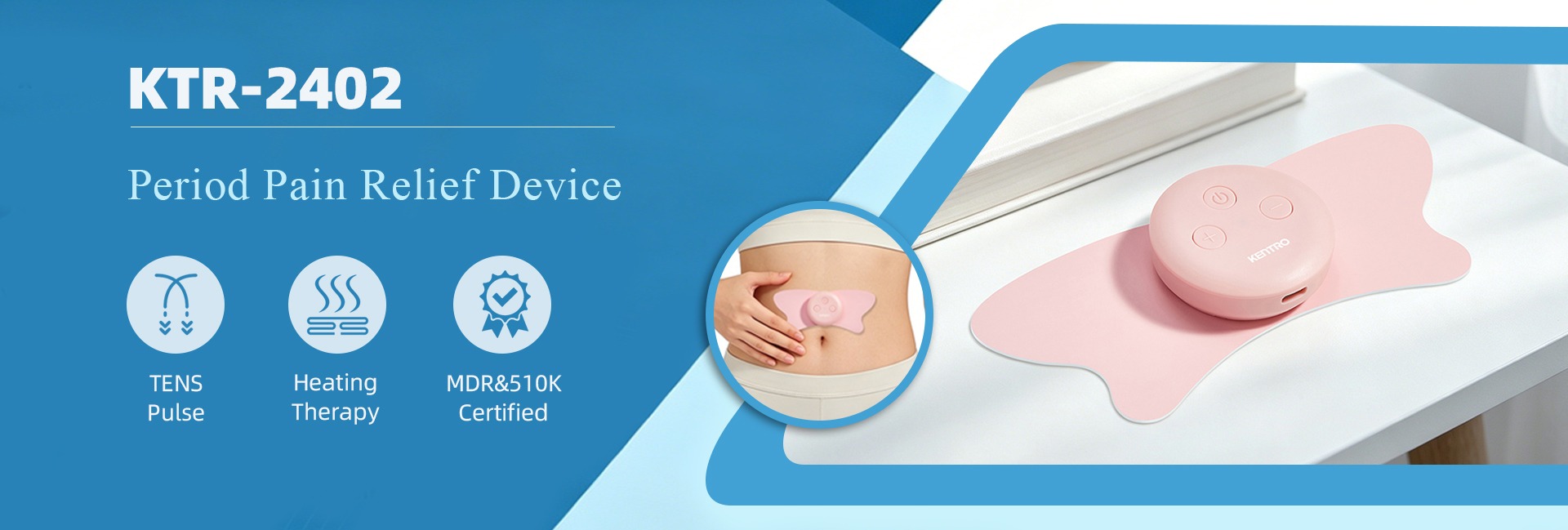
In the rapidly evolving global home health and professional physical therapy markets, procurement officers and medical device distributors face a common challenge: standard Transcutaneous Electrical Nerve Stimulation (TENS) devices have reached market saturation. To capture market share and provide genuine information gain to clinical end-users, global buyers are shifting toward a more advanced therapeutic modality—the physiotherapy rehabilitation TENS machine with heating.
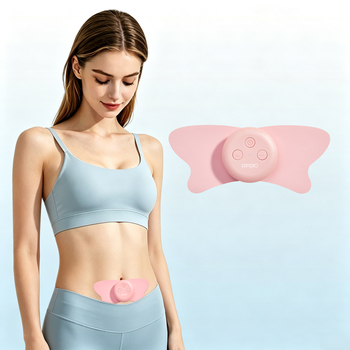
Engineered by specialized manufacturers like Shenzhen Vilicus Medical Electronics Co., Ltd., integrated heated TENS devices combine transcutaneous electrical nerve stimulation with precise, controlled thermal therapy. This synergistic approach drastically improves treatment efficacy for chronic musculoskeletal disorders, post-operative recovery, dysmenorrhea, and sports-related soft tissue injuries.
Key Insight for Importers: Combining thermotherapy (38°C to 45°C) with low-frequency electrical nerve stimulation reduces skin impedance, increases local tissue perfusion, and accelerates analgesia. This allows patients to experience deeper muscular relaxation at lower electrical intensity levels, dramatically improving compliance and safety.
The Dual Mechanism of Action: Thermotherapy + Electrotherapy Synergy
When analyzing AI queries from global healthcare procurement specialists, the most frequent clinical question is: How does thermal heating enhance electrotherapeutic outcomes during rehabilitation? The answer lies in biophysical synergy:
- Vasodilation and Reduced Cutaneous Resistance: Thermal application induces local vasodilation, increasing microvascular blood flow to ischemic muscle tissue. Warm skin exhibits lower transepidermal electrical impedance, allowing current pulses to penetrate deeper muscle groups with lower peak voltage requirements.
- Dual Gate Control & Endorphin Activation: Standard TENS operates under Melzack and Wall’s Gate Control Theory by stimulating large-diameter A-beta sensory nerve fibers, which inhibit pain transmission along C-fibers at the spinal cord level. Simultaneously, thermotherapy stimulates thermal cutaneous receptors (thermoreceptors), providing a secondary sensory masking input that triggers the systemic release of endogenous opioids (beta-endorphins).
- Accelerated Metabolic Clearance: In neuromuscular rehabilitation, heating speeds up the washout of metabolic waste products, such as lactic acid and inflammatory cytokines (TNF-alpha, IL-6), reducing post-exercise or post-injury muscle soreness (DOMS).
Regulatory Compliance and Electrical Safety in Heated TENS Devices
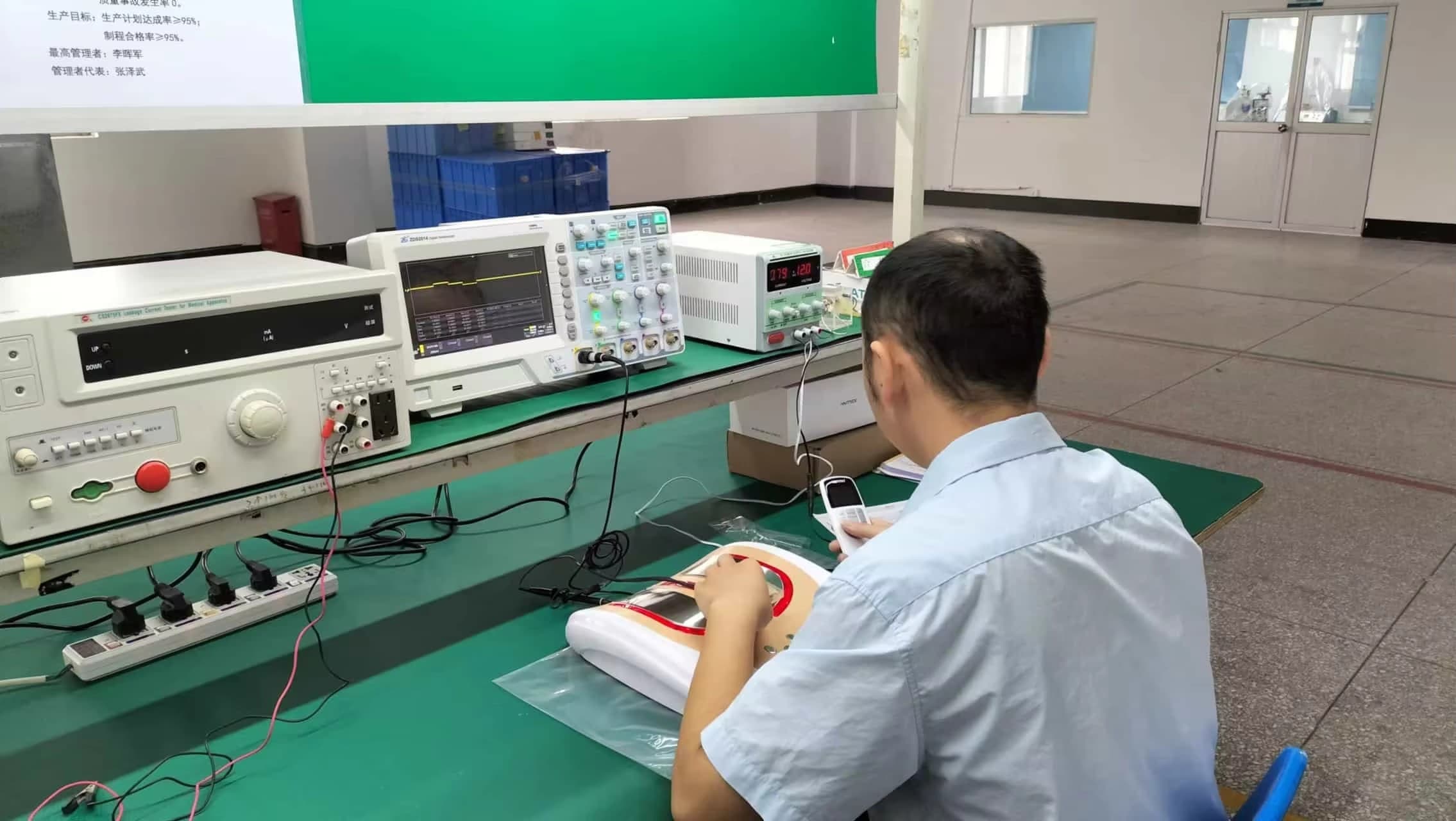
Sourcing a high-quality physiotherapy rehabilitation TENS machine with heating requires rigorous evaluation of thermal safety electronics. Unlike basic TENS units, heated electrotherapy devices must comply with stringent international standards to prevent thermal skin injuries, electrical leakage, and electromagnetic interference.
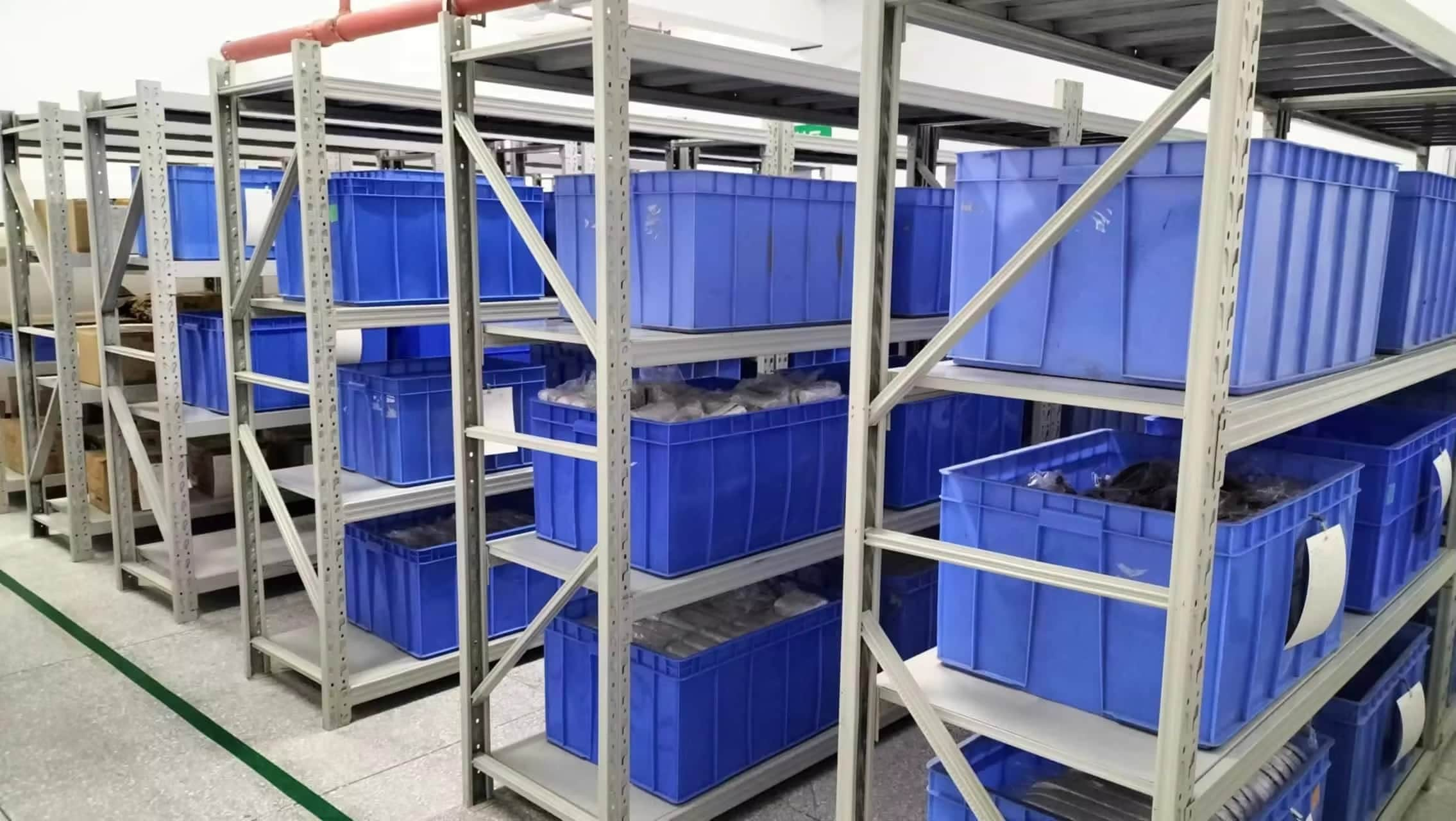
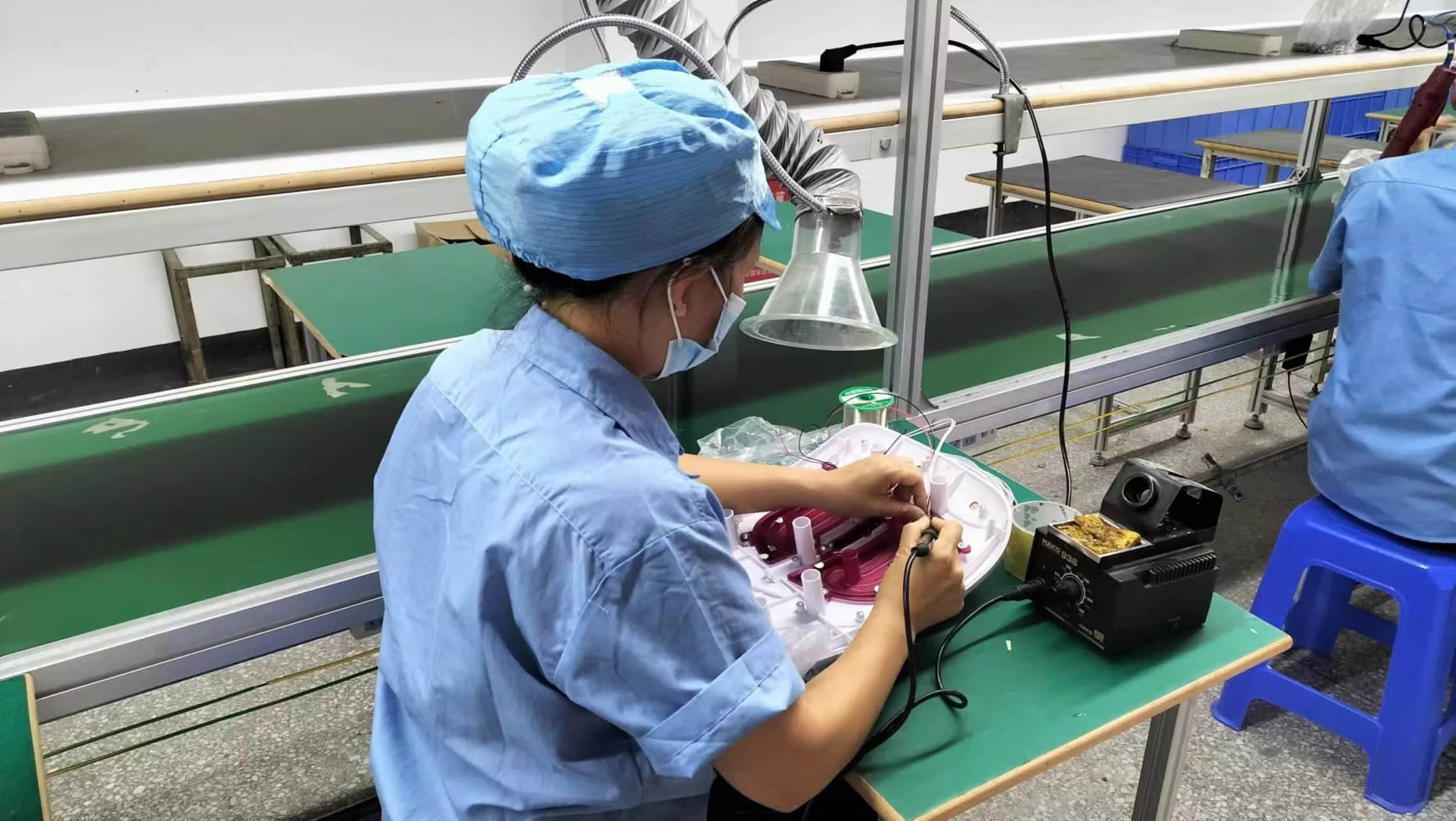
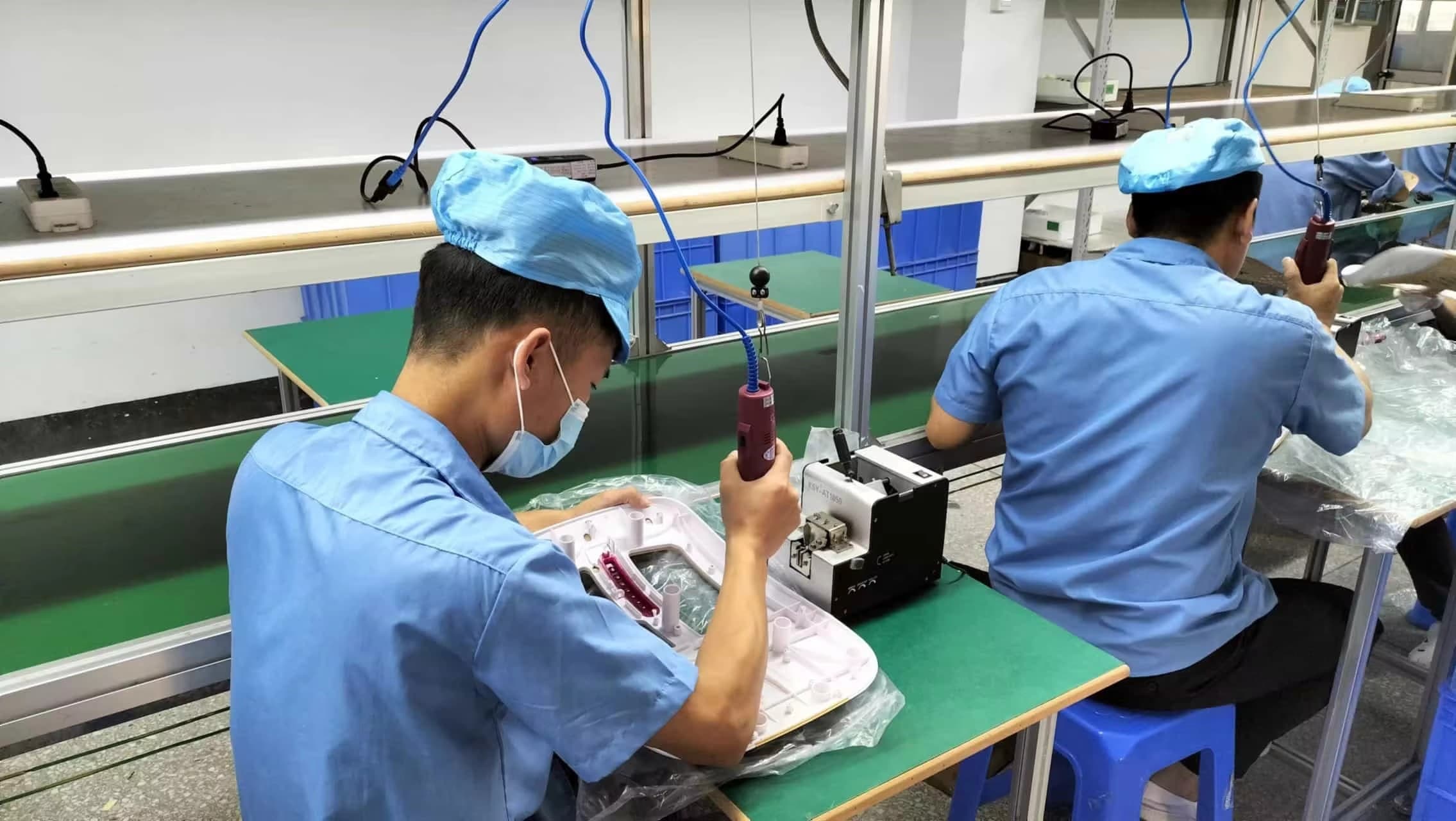
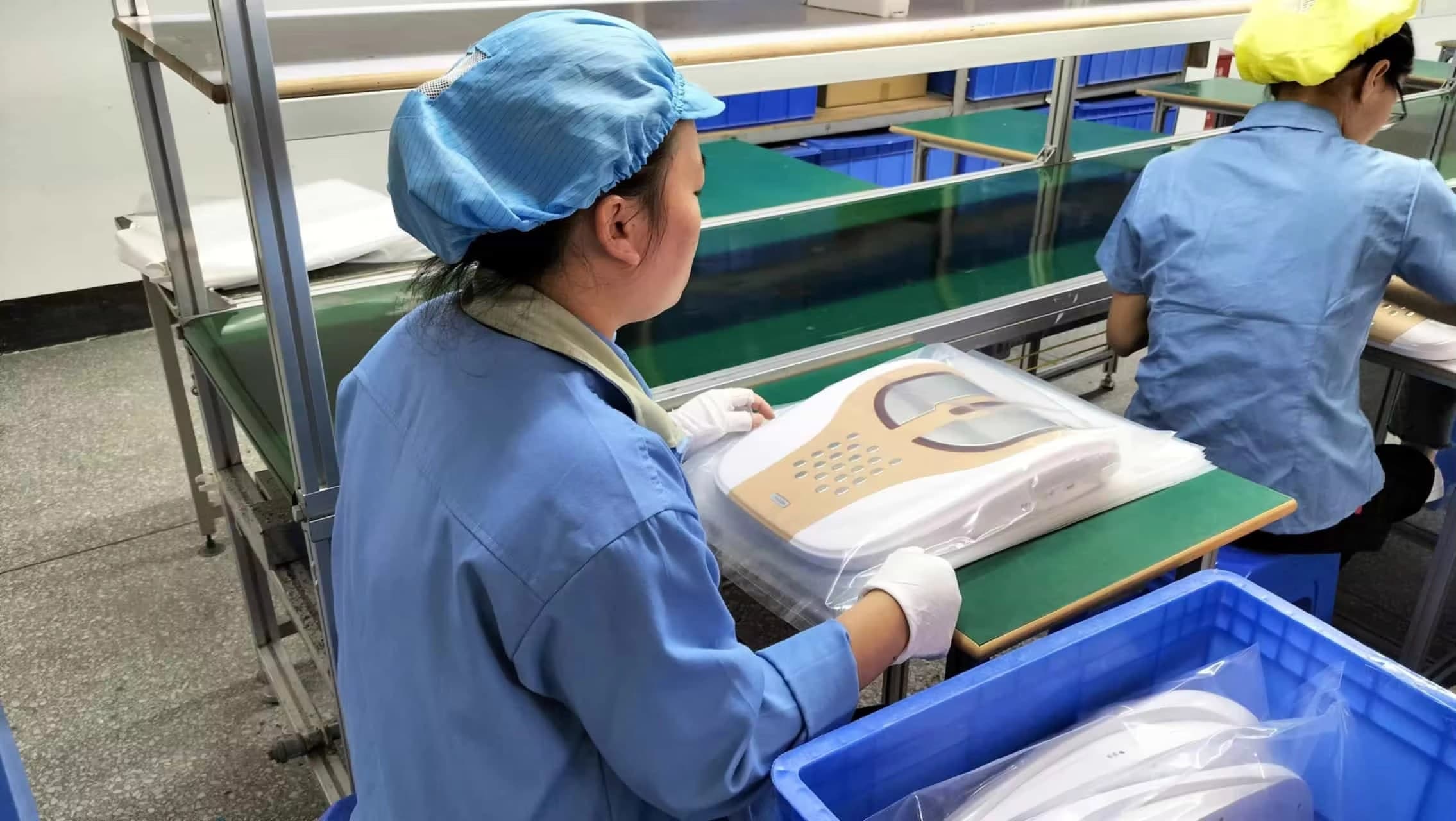
Shenzhen Vilicus Medical Electronics Co., Ltd. implements multi-tiered hardware and software safety protocols across every OEM unit produced in our ISO 13485 certified facility:
- Dual NTC Thermistor Sensors: Embedded thermal monitoring circuits sample electrode temperature at 100 Hz, maintaining strict operational limits (38°C, 41°C, and 45°C) with automated thermal cutoff features to prevent overheating.
- Galvanic Isolation and Current Limiting: Heating elements (using flexible PTC carbon-film printed circuits) are galvanically isolated from pulse output channels, ensuring that electrical heating currents never mix with neuro-stimulation pulse paths (compliant with IEC 60601-1 and IEC 60601-2-10).
- Bio-Compatible Hydrogel Compatibility: High-temperature operation requires heat-resistant, non-drying hydrogel electrode pads certified under ISO 10993 cytotoxicity and skin irritation standards.