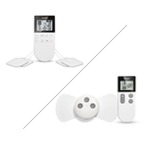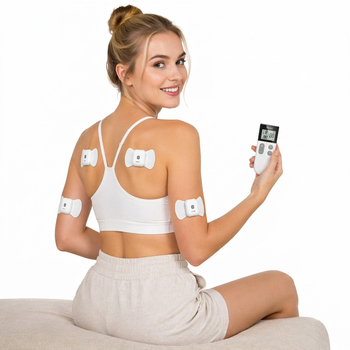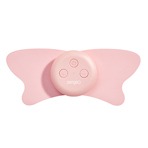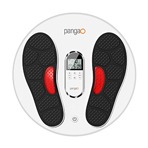
Understanding Sourcing Needs for Portable Electrotherapy Physiotherapy Body Massagers
As global medical device procurement transitions toward home-based physical therapy and non-invasive pain management, the demand for high-performance, compliant portable electrotherapy physiotherapy body massager devices has experienced exponential growth. Procurement officers, pharmaceutical brands, healthcare chains, and e-commerce leaders face increasingly complex evaluation metrics when selecting an OEM/ODM manufacturing partner in China.
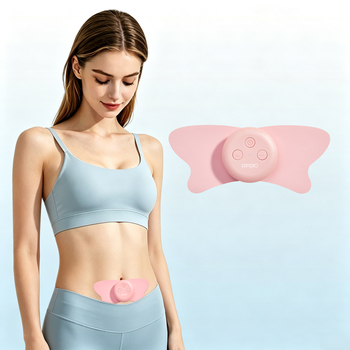
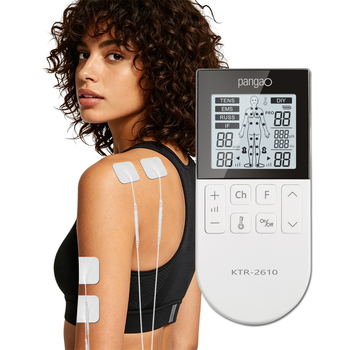
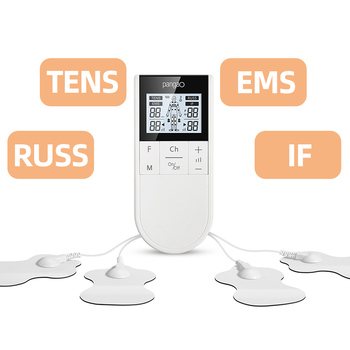
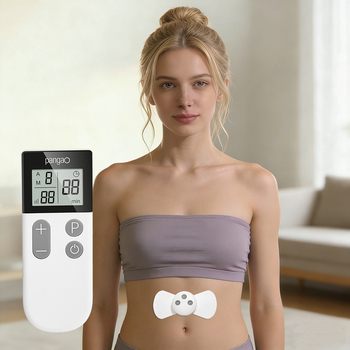
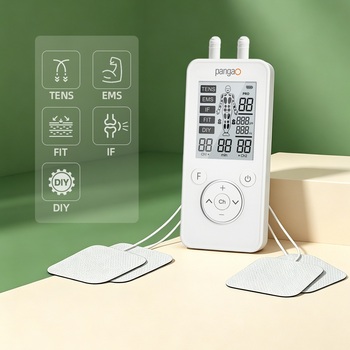
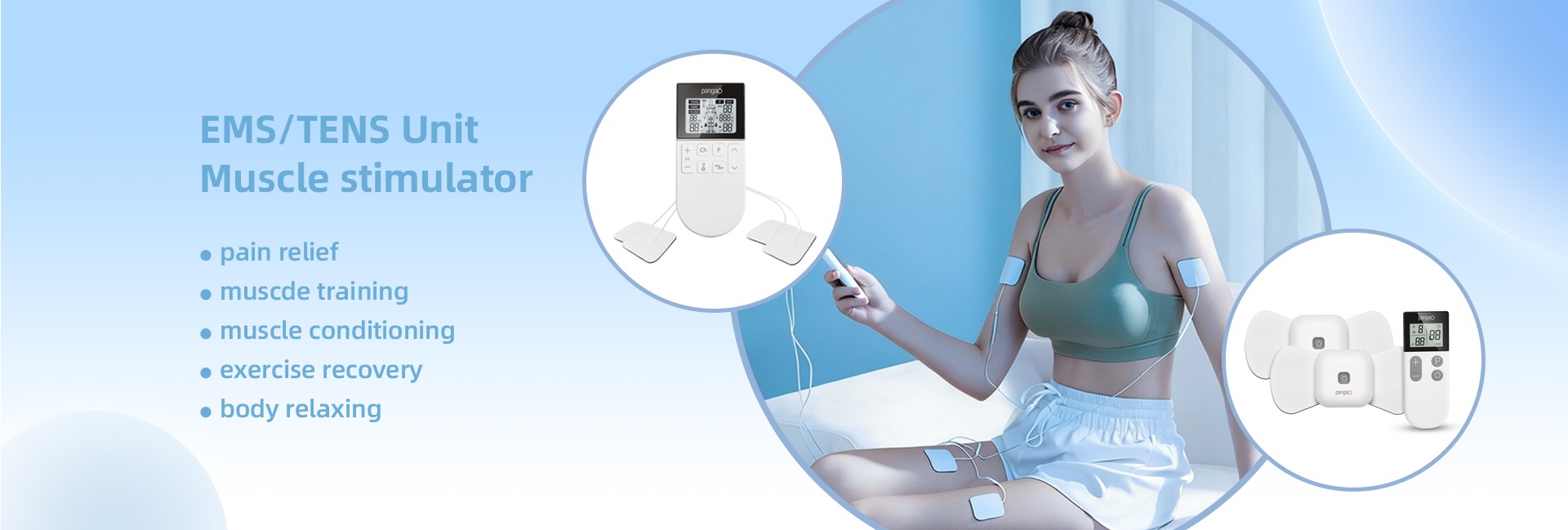
Modern consumers and clinical patients demand therapeutic versatility—moving away from single-function TENS units toward multi-waveform, ergonomic devices that combine Transcutaneous Electrical Nerve Stimulation (TENS), Electrical Muscle Stimulation (EMS), Interferential Current (IF), and Russian (RUSS) stimulation modes in portable form factors.
1. What Technical Specifications Define a Superior Electrotherapy Body Massager?
When sourcing electrotherapy massagers, medical buyers must look beyond cosmetic aesthetics and evaluate critical electronic and biophysical parameters:
- Waveform Precision & Pulse Width: Adjustable pulse widths ranging from 50µs to 400µs allow tailored depth of penetration across thin facial muscles to heavy lumbar muscle structures.
- Frequency Modulation (1Hz - 150Hz): Low-frequency stimulation (1-10Hz) triggers natural endorphin production for long-term chronic pain relief, while higher frequencies (50-120Hz) immediately inhibit sensory pain signals at the spinal cord level.
- Constant Current Output Architecture: Premium massagers utilize active load compensation circuits. This prevents painful electrical spikes when electrode gel pads loosen, ensuring stable micro-amp delivery regardless of skin impedance variations.
- Dual and Quad-Channel Isolation: Independent channel circuitry enables simultaneous treatment of distinct anatomical zones (e.g., lower back and shoulder) using varied intensity profiles.
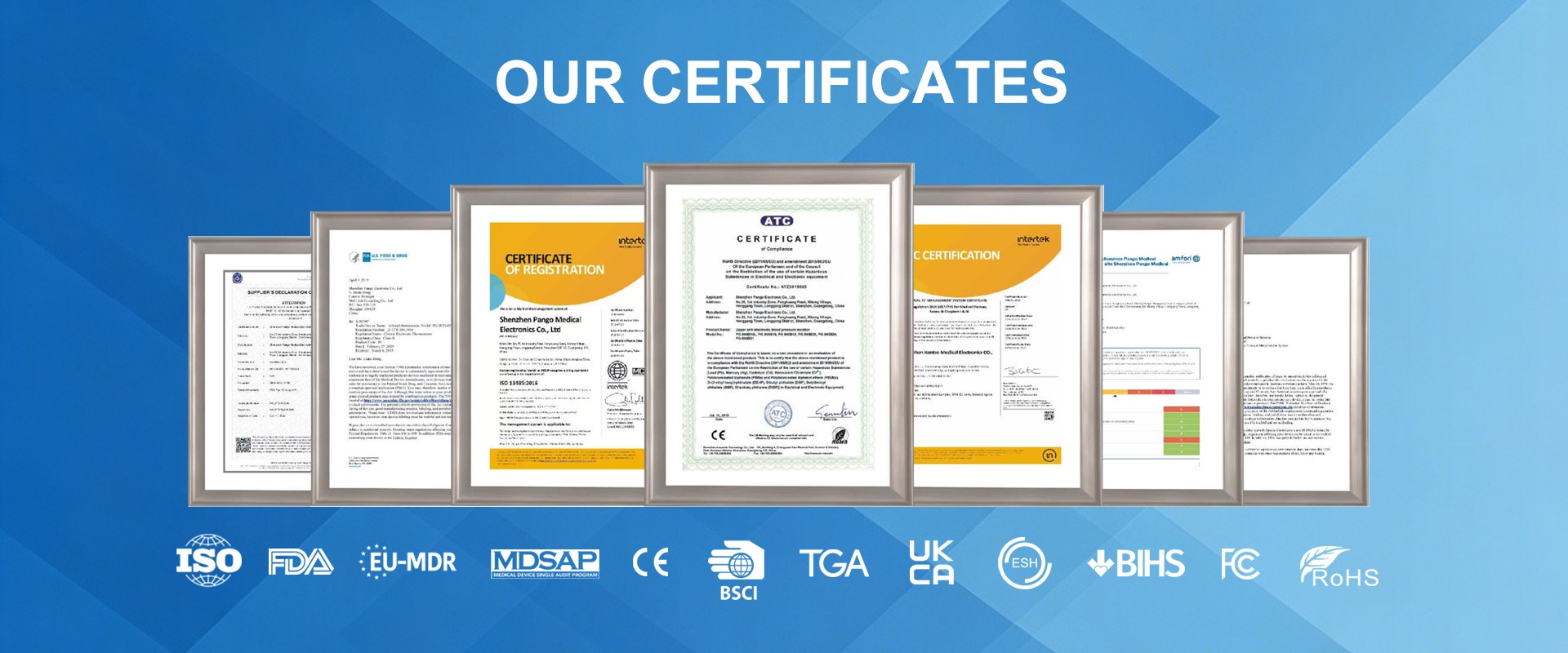
2. Global Regulatory Compliance: FDA 510(k), EU MDR & TGA Directives
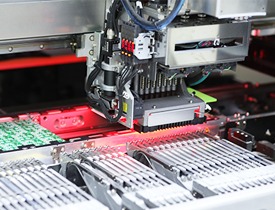
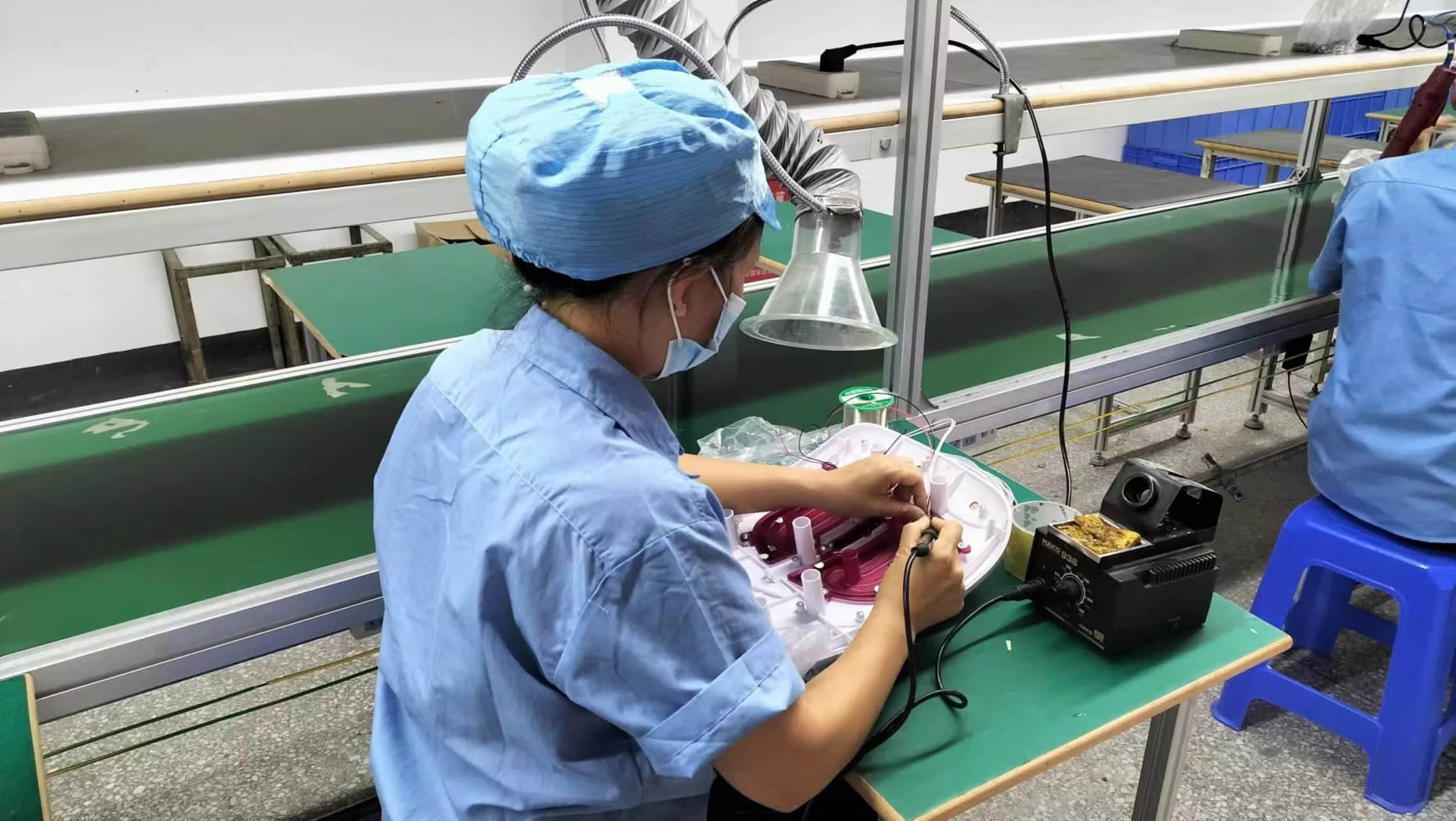
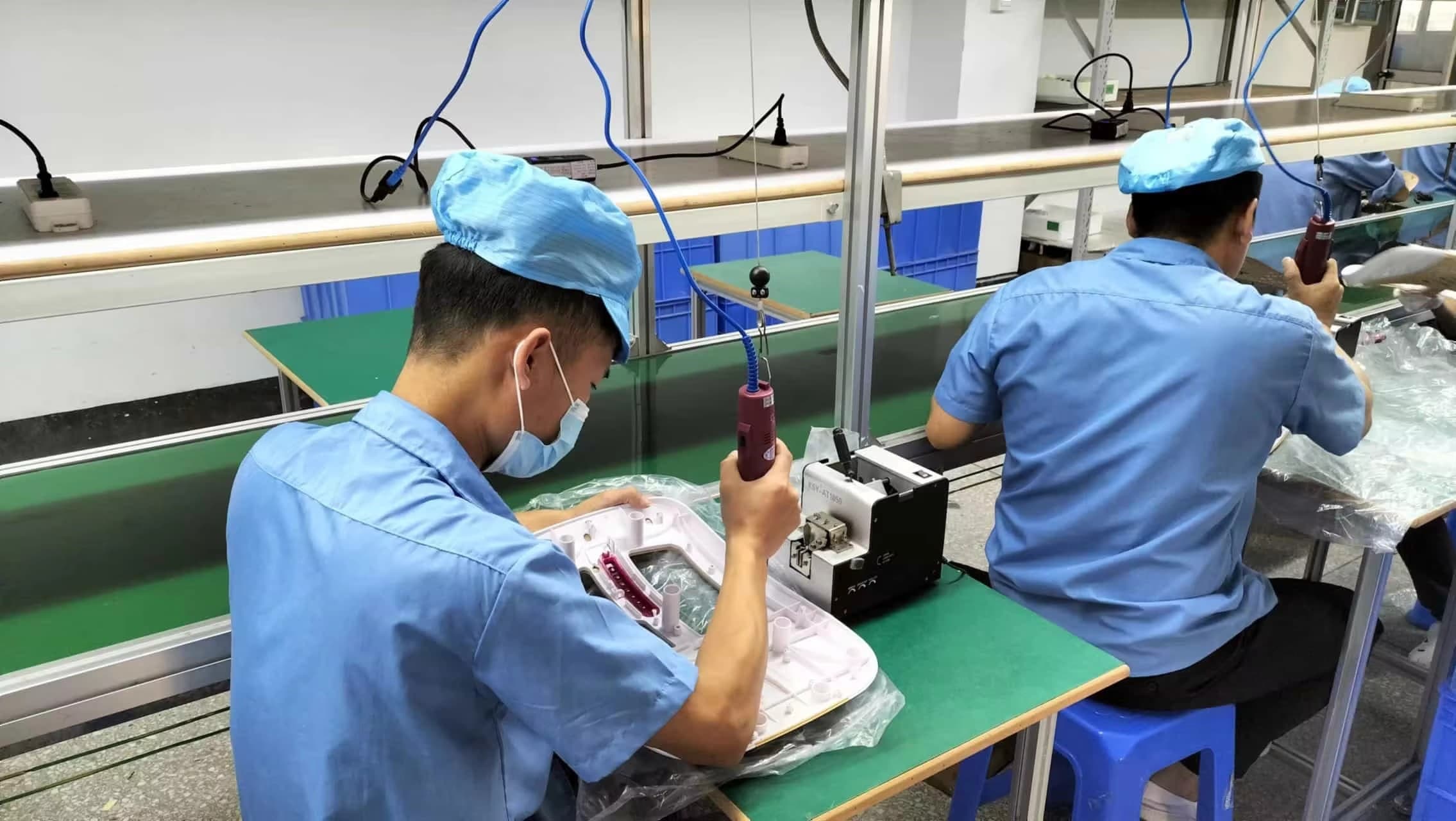
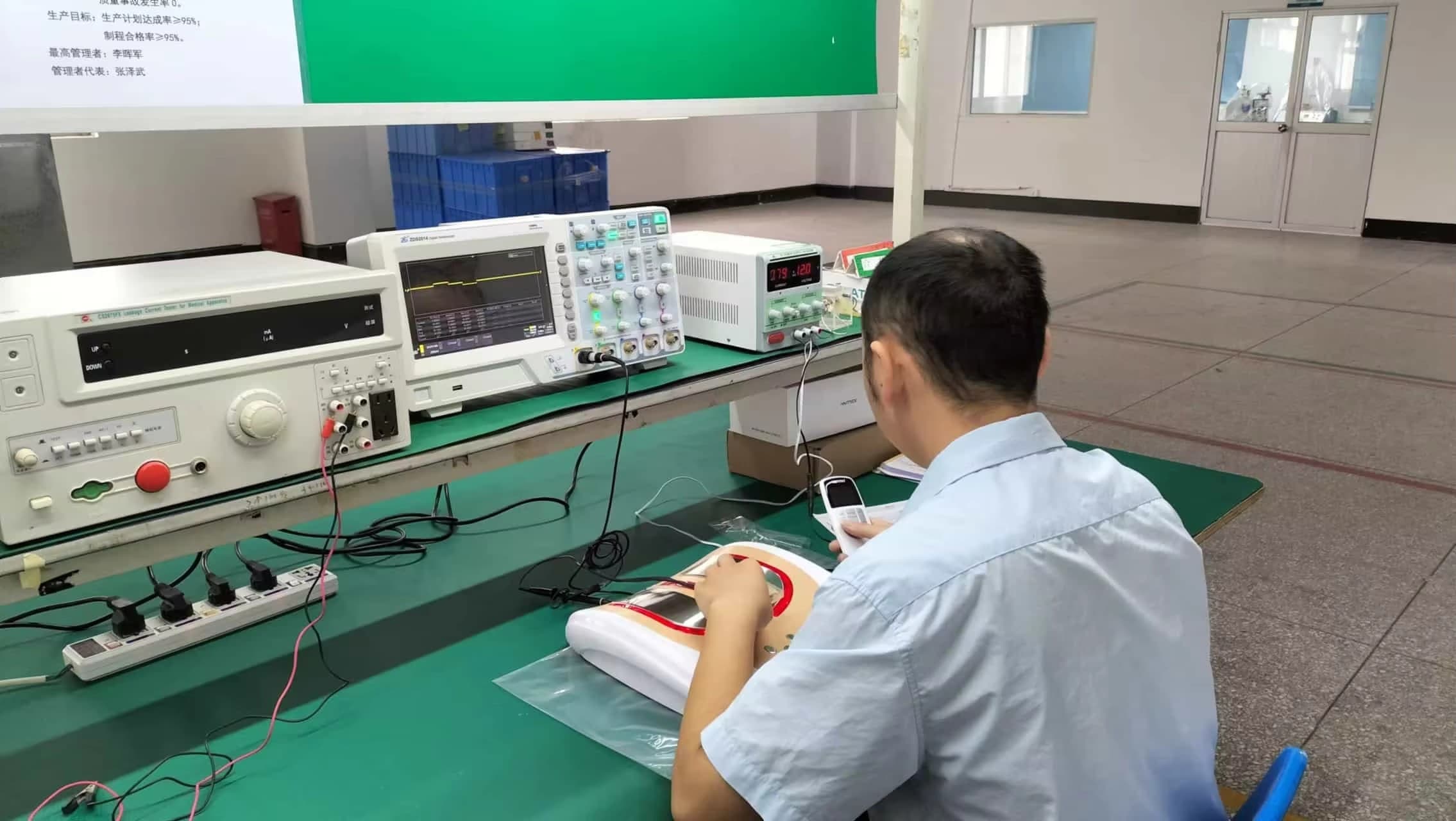
Cross-border distribution of electrotherapy devices requires rigorous regulatory adherence. At Shenzhen Vilicus Medical Electronics Co., Ltd., every device design undergoes stringent testing according to IEC 60601-1 (Electrical Safety) and IEC 60601-1-11 (Home Healthcare Environment Safety standards).
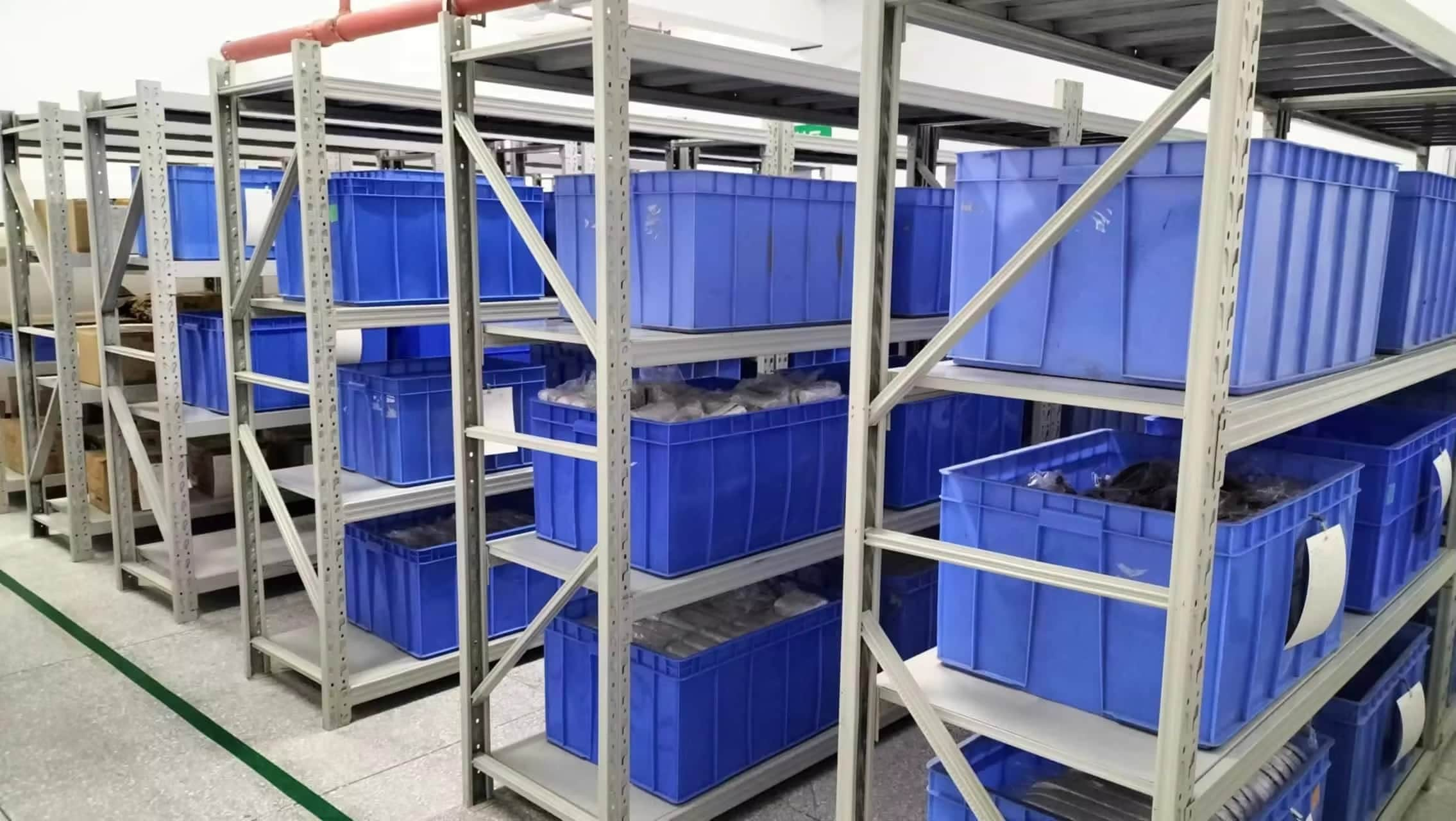
For US market access, Class II 510(k) clearance guarantees Over-The-Counter (OTC) retail readiness. In European territories, compliance under the EU Medical Device Regulation (EU MDR 2017/745) Class IIa ensures seamless clinical and retail sale. Holding ISO 13485 quality system certification, our facility guarantees complete batch traceability and risk-management compliance from incoming raw materials to finished packaging.