Clinical-Grade TENS & EMS Devices Available for Regional Import
Explore high-performance electrotherapy platforms certified under ISO 13485, US FDA 510(k), and EU MDR frameworks—engineered for North American healthcare brands, physical therapy networks, and wellness distributors.
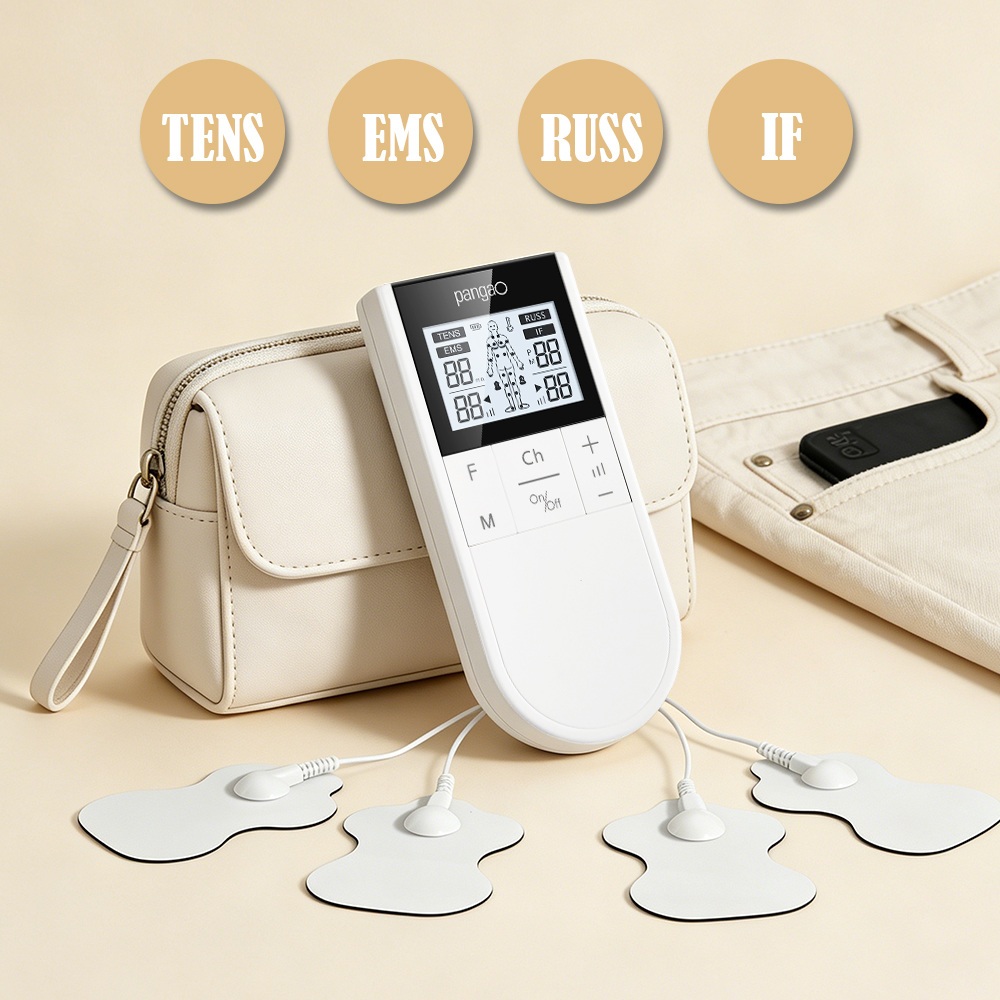
Multifunctional Portable Digital Nerve Muscle Stimulator Machine Dual Channels TENS Unit for Pain Relief
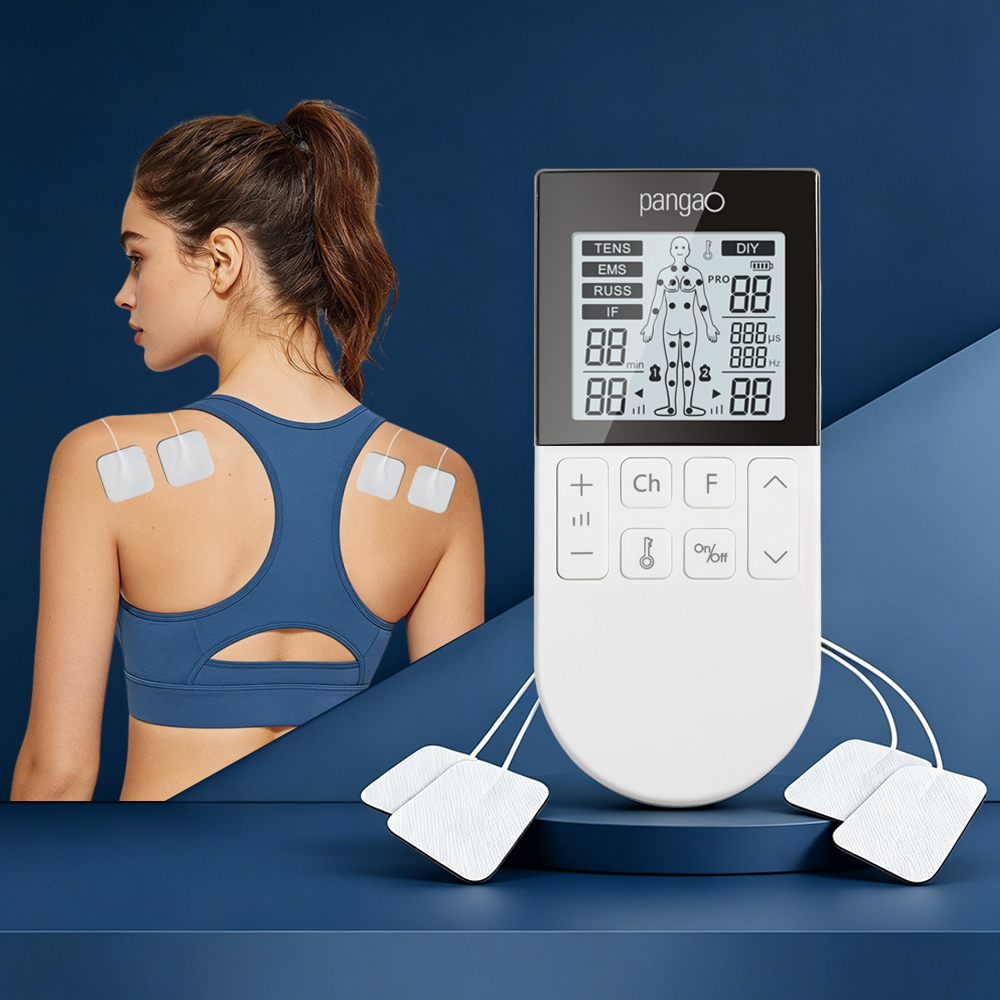
Hot Sale Low Frequency Electronic Pulse Russian Stimulation Pulse EMS Muscle Stimulator TENS Therapy Machine
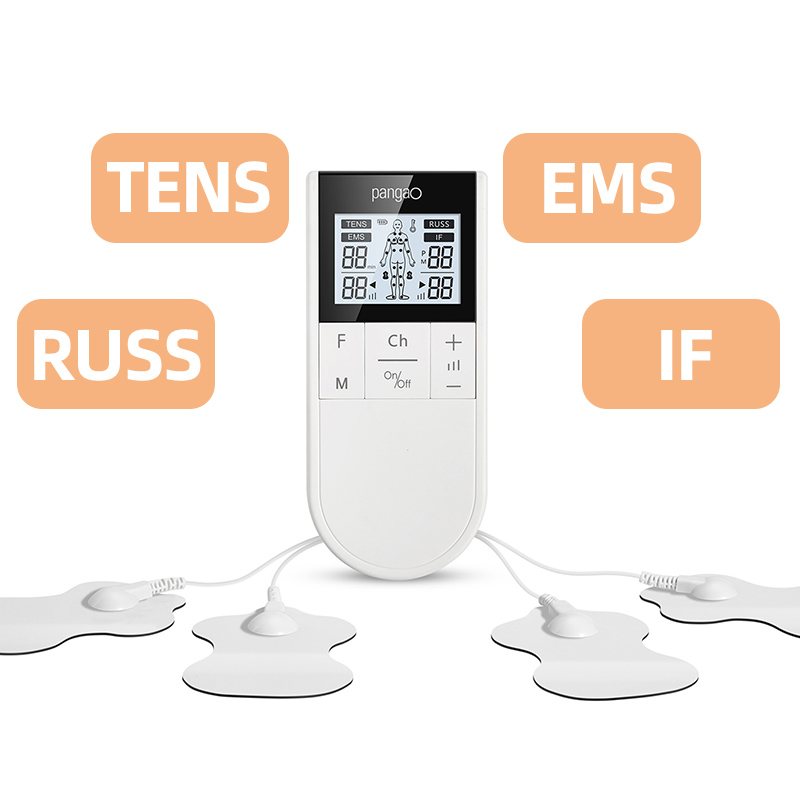
Electric Body Massage Machine Dual Channel 4 in 1 if RUSS EMS TENS Unit Muscle Stimulator for Pain Management
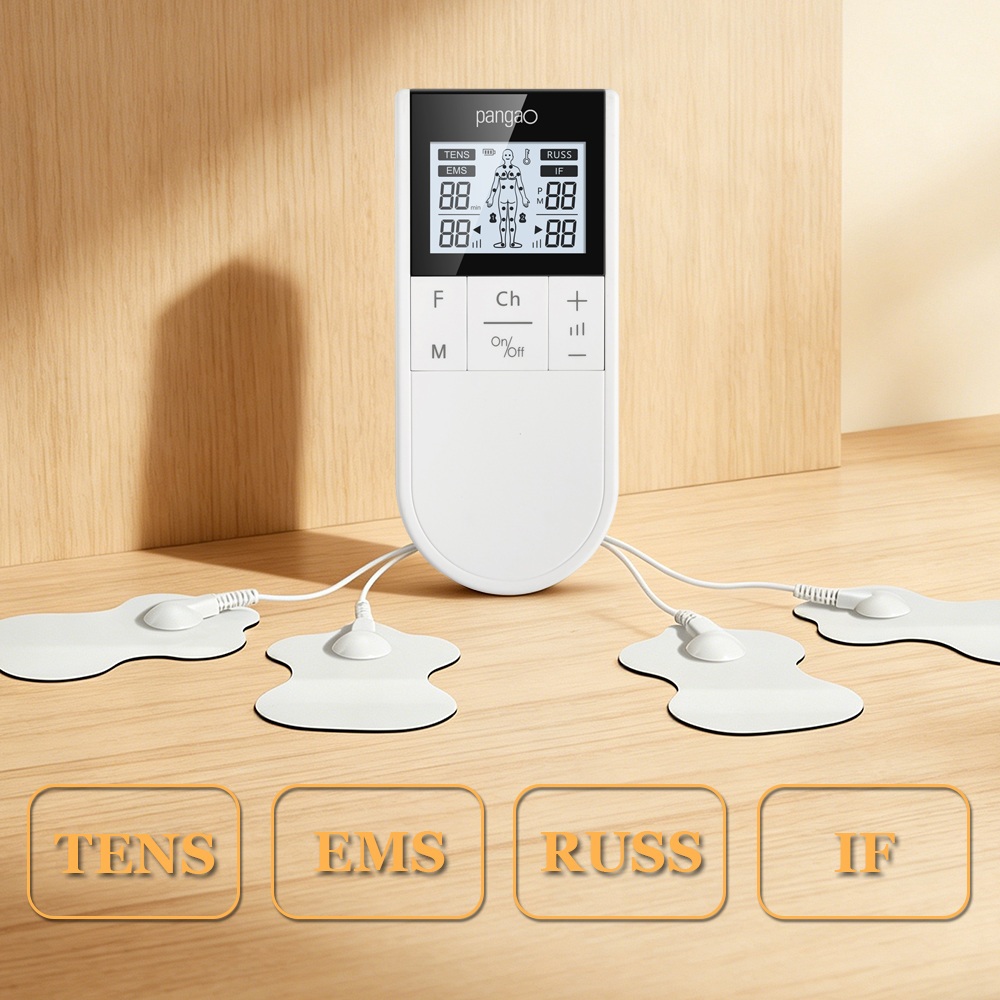
Medical Physical Therapy Equipment Portable Dual Channel 4 Electrode Pads TENS Unit Muscle Stimulator
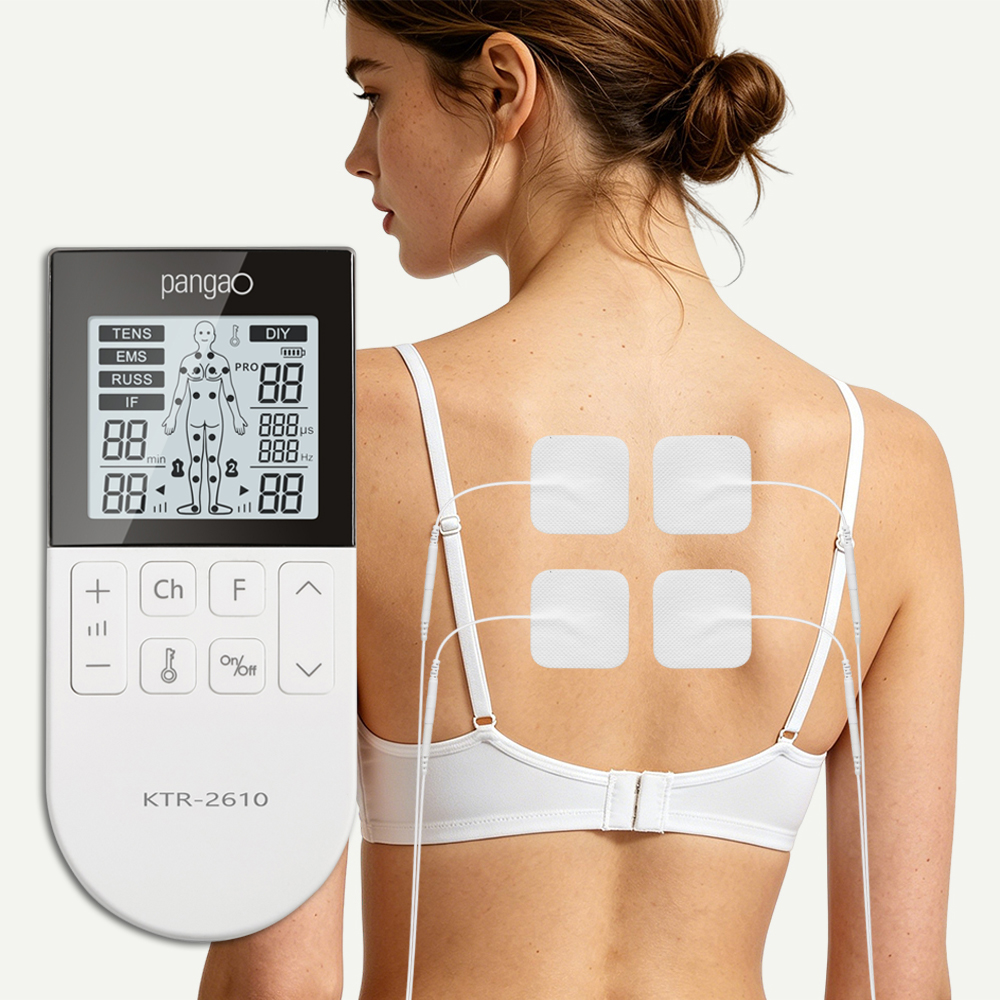
Electronic Pulse Massager Portable Dual Channel DIY if RUSS EMS TENS Units Therapy Machine for Pain Relief
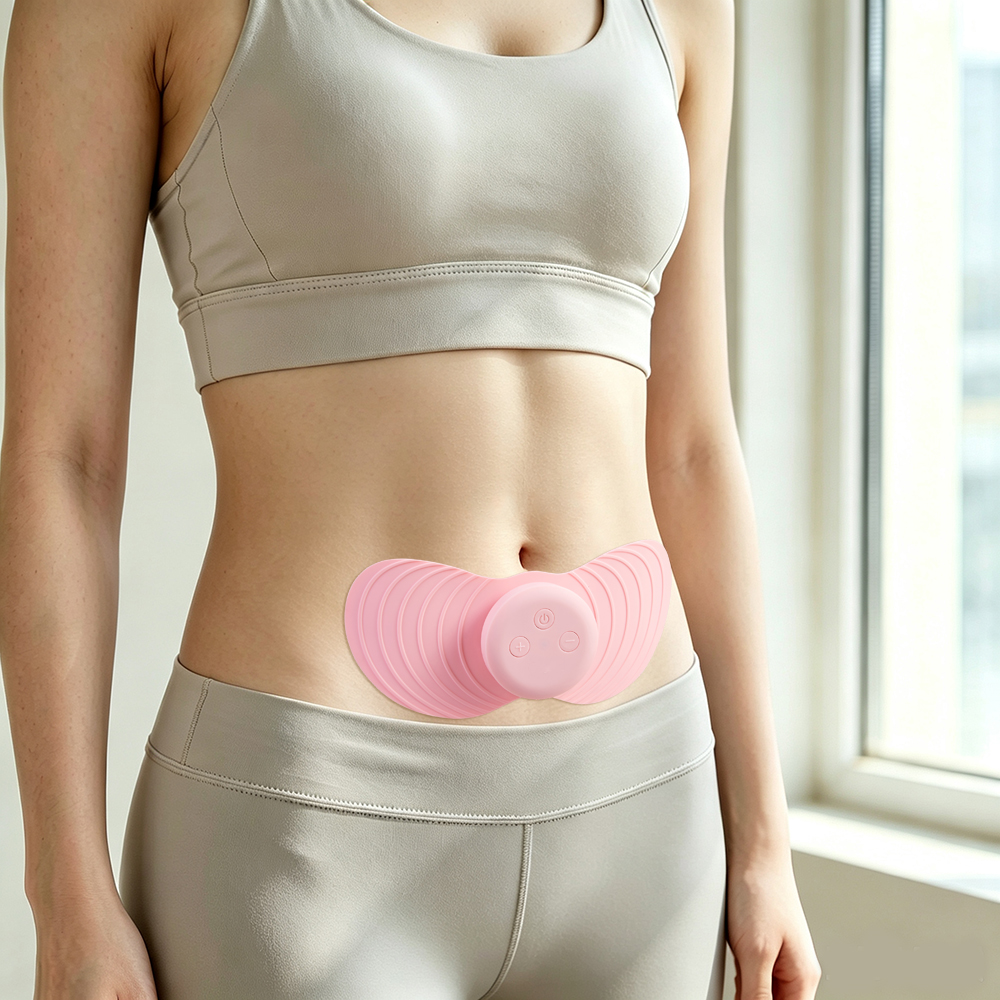
Smart Portable TENS Electrode Pad Menstrual Cramp Massager Wireless TENS Unit for Women Period Pain Relief
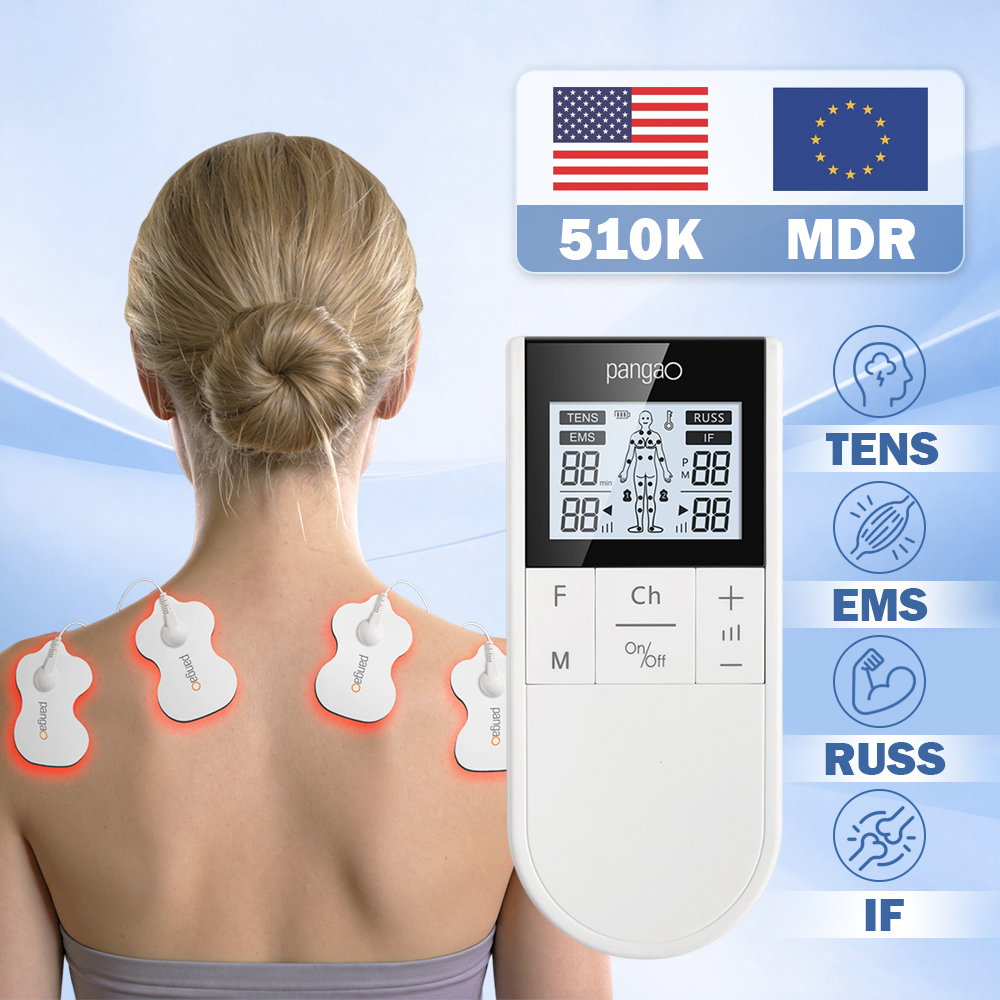
Digital Portable Low Frequency Pulse Physical Therapy Equipment 2 Channels EMS TENS Machine for Pain Relief
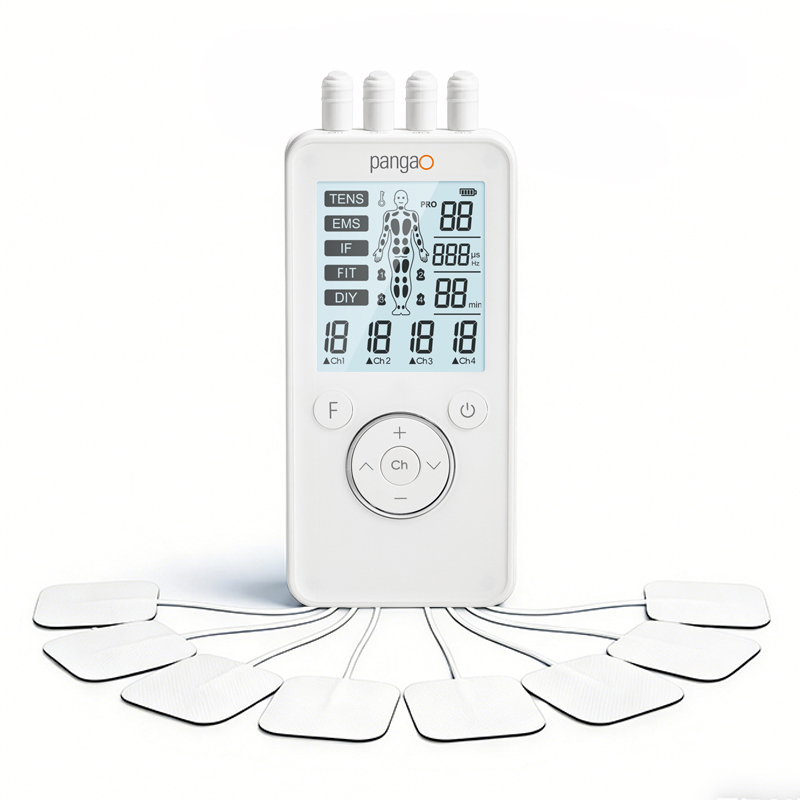
Portable Electric Pulse Pain Relief Electrotherapy Body Massage Device 4 Channel EMS TENS Physiotherapy Machine
Selecting a Trusted Muscle Stimulation Device Factory in Los Angeles
Greater Los Angeles stands as the focal epicentre of physical rehabilitation, athletic performance, direct-to-consumer (DTC) wellness innovation, and medical device distribution across North America. From world-renowned orthopedic research centers in Santa Monica and Pasadena to high-growth e-commerce brands headquartered in El Segundo and Irvine, local buyers demand electrotherapy hardware that adheres strictly to United States Food and Drug Administration (FDA) standards while delivering cutting-edge waveform precision.
Information Gain Insight: While local Los Angeles facilities excel in clinical testing, regulatory consultation, brand management, and last-mile distribution, modern medical brands leverage a dual-shore manufacturing model. By pairing Southern California engineering compliance offices with ISO 13485-certified precision original equipment manufacturers (OEM)—such as Shenzhen Vilicus Medical Electronics—companies achieve high-volume production efficiency, full ODM algorithm control, and significant cost advantages without sacrificing quality.
Navigating the ecosystem of muscle stimulation device factories requires evaluating both local assembly options and specialized overseas manufacturing partners. Importers and medical distributors searching for a "muscle stimulation device factory in Los Angeles" must evaluate critical manufacturing benchmarks: micro-current calibration accuracy, multi-channel circuit safety, biological electrode material stability, and seamless cross-border regulatory document traceability.
Deep Technical Comparison: TENS, EMS, IF & Russian Stimulation
To establish market leadership in California’s competitive therapeutic device sector, procurement teams must understand the neurological and physiological mechanisms of distinct electrostimulation modalities. Modern multifunctional devices combine several waveform modalities within a single portable chassis to broaden clinical indications.
TENS Modality
Transcutaneous Electrical Nerve Stimulation (TENS) targets sensory A-beta fibers to block pain signals at the spinal cord level (Gate Control Theory) and stimulate endogenous endorphin release.
- Frequency Range: 1 Hz - 150 Hz
- Pulse Width: 50 μs - 300 μs
- Primary Use: Chronic back pain, post-op soreness, dysmenorrhea relief.
EMS / NMES Modality
Electrical Muscle Stimulation depolarizes alpha motor neurons directly, eliciting muscular contractions to prevent disuse atrophy and enhance localized blood flow.
- Frequency Range: 20 Hz - 80 Hz
- Pulse Geometry: Symmetrical Biphasic Square Wave
- Primary Use: Athletic conditioning, muscle re-education, atrophy prevention.
Interferential (IF) & Russian
Russian stimulation utilizes a 2,500 Hz carrier frequency delivered in 50 Hz bursts for deep muscle strengthening. IF uses intersecting medium-frequency currents for deep tissue pain management.
- Carrier Frequency: 2,000 Hz - 4,000 Hz
- Penetration Depth: Deep tissue and articular structures
- Primary Use: Advanced rehabilitation clinics & sports medicine.
| Electrostimulation Waveform | Target Neural Path | Output Amplitude (mA) | Clinical / Home Indication | FDA Product Code |
|---|---|---|---|---|
| Transcutaneous Electrical Nerve Stimulation (TENS) | Sensory Nerves (A-Beta & C Fibers) | 0 - 100 mA into 500 Ω | Symptomatic pain relief, chronic intractable pain, dysmenorrhea | GZJ / IPF |
| Electrical Muscle Stimulation (EMS/NMES) | Alpha Motor Neurons | 0 - 120 mA into 500 Ω | Muscle re-education, relaxation of muscle spasms, local circulation | IPF |
| Interferential Current (IF / IFT) | Deep Nerve Pathways via Intersecting Fields | 0 - 100 mA (Beat Freq 1-150Hz) | Deep-seated joint discomfort, edema reduction, pelvic rehab | LIH |
| Russian Current (RUSS Modality) | High-threshold Motor Units | 0 - 100 mA (2.5 kHz sinusoidal) | Post-surgical motor strengthening, professional athletic conditioning | IPF / LIH |
| NMES Bioelectric Foot Stimulation | Plantars & Lower Extremity Nerves | Custom stepped intensity (1-99 levels) | Peripheral neuropathy pain relief, lower limb swelling, micro-circulation | IPF |
Los Angeles Importer Evaluation Standards: FDA 510(k), ISO 13485 & Biocompatibility
Entering the United States medical and consumer health markets requires navigating rigorous regulatory frameworks set by the FDA and state-level bodies such as the California Department of Public Health (CDPH). Importers sourcing electrotherapy hardware must verify that their manufacturing partner maintains valid certifications and complete device master files (DMF).
FDA 510(k) Clearance
Class II medical electrotherapy devices sold in California must demonstrate substantial equivalence to legally marketed predicate devices under Premarket Notification 510(k). Factory partners must supply comprehensive test reports covering ANSI/AAMI ES60601-1 electrical safety and IEC 60601-1-2 EMC testing.
ISO 13485 Quality System
Vilicus Medical Electronics operates under a fully audit-verified ISO 13485 quality management system. Every manufacturing line undergoes stringent process validation (IQ/OQ/PQ), traceability control for critical SMT microcontrollers, and 100% finished product wave-output inspection.
ISO 10993 Biocompatibility
Electrode hydrogel pads and wearable silicone chassis coming into contact with human skin undergo rigorous biocompatibility testing under ISO 10993 standards, ensuring zero cytotoxicity, skin sensitization, or intracutaneous reactivity for North American end users.
Local Application Trends Across Greater Los Angeles & California
Demographic dynamics and lifestyle shifts across Southern California have expanded the market for muscle stimulation devices beyond traditional clinical environments into specialized consumer segments:
1. Sports Rehabilitation & Athletic Performance
With major sports franchises, elite performance institutes in West Los Angeles, and endurance sports communities throughout Malibu and Orange County, there is high demand for high-output, dual-channel EMS units and Russian stimulation devices that accelerate recovery and aid neuromuscular conditioning.
2. FemTech & Menstrual Pain Management
Los Angeles leads North America in holistic women’s wellness innovation. Compact, wearable, wireless TENS devices integrated with multi-level thermotherapy provide drug-free dysmenorrhea relief, fitting smoothly under apparel for everyday use.
3. Senior Podiatry & Neuropathy Care
Across retirement communities in Pasadena, the South Bay, and the San Fernando Valley, EMS foot circulation stimulators combining red light therapy and TENS pads are widely used to alleviate peripheral neuropathy symptoms and swelling.
Inside Vilicus Medical Electronics: OEM/ODM Customization Powerhouse
Shenzhen Vilicus Medical Electronics Co., Ltd. serves as the primary electrotherapy manufacturing engine behind leading medical brands in North America, Europe, and Australia. Backed by a group manufacturing heritage dating back to 2000 and a dedicated medical electronics unit established in 2013, Vilicus bridges advanced R&D engineering with mass-market manufacturing efficiency.
Integrated Factory Capabilities: Operating from a modern 15,700 m² facility staffed by 210 verified technicians and supported by a group R&D team of over 300 engineers, Vilicus maintains full vertical control over circuit board SMT assembly, plastic injection molding, automated pulse waveform testing, and cleanroom packaging.
Custom Waveform & Firmware
Our software engineers program proprietary pulse modulation patterns, ramp-up time profiles, frequency sweep algorithms, and custom LCD/LED interface displays tailored to your brand’s clinical protocol.
Hardware & Industrial Design
From ultra-slim wearable wireless pods to heavy-duty dual and quad-channel tabletop physical therapy systems, we offer turn-key industrial design, ergonomic shell prototyping, and custom color anodization.
Direct LA Port Logistics
With streamlined ocean shipping routes connecting Shenzhen to the Port of Los Angeles (POLA) and Port of Long Beach (POLB), we ensure reliable supply chain delivery with complete customs compliance documentation.
Los Angeles Importers FAQ: Minimum Orders, Compliance & Customization
Partner with a World-Class Muscle Stimulation Device Factory
Whether you are establishing a new electrotherapy brand in Southern California or expanding your existing medical supply distribution catalog, our engineering team is ready to deliver tailored OEM/ODM solutions.