Medical-Grade Electrotherapy Showcase
FDA 510(k) cleared & ISO 13485 certified pulse massage machines engineered for clinical performance and retail scalability.
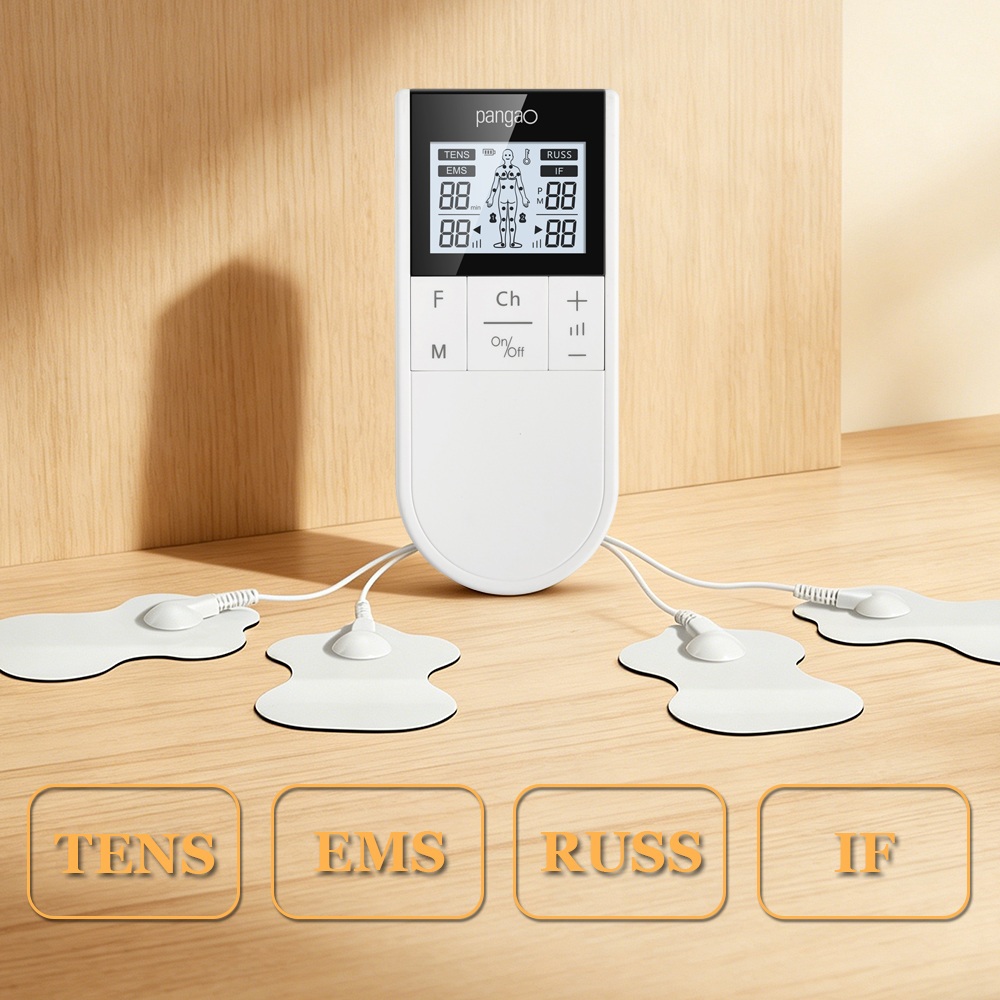
Medical Physical Therapy Equipment Portable Dual Channel 4 Electrode Pads TENS Unit Muscle Stimulator
View Technical Specs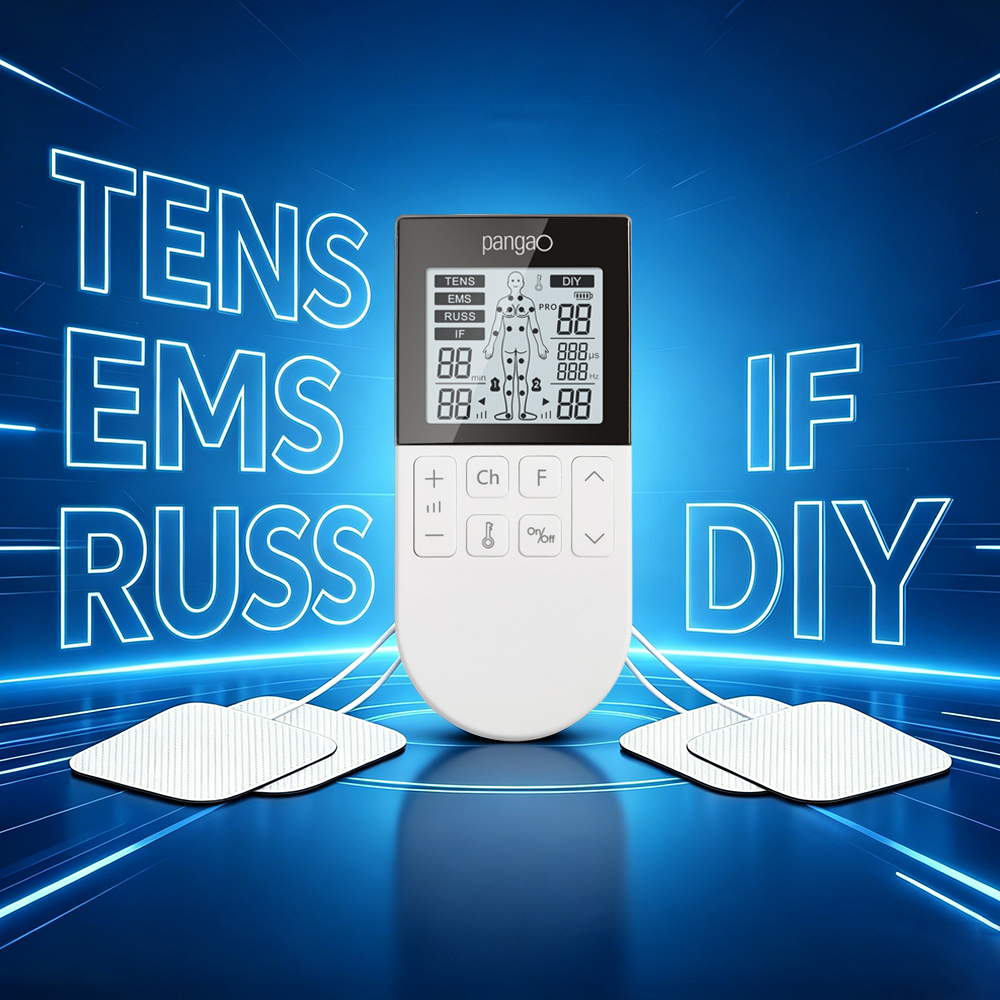
Professional Advanced Portable Pain Relief Therapy Muscle Stimulator 5 in 1 Dual Channel EMS TENS Machine
View Technical Specs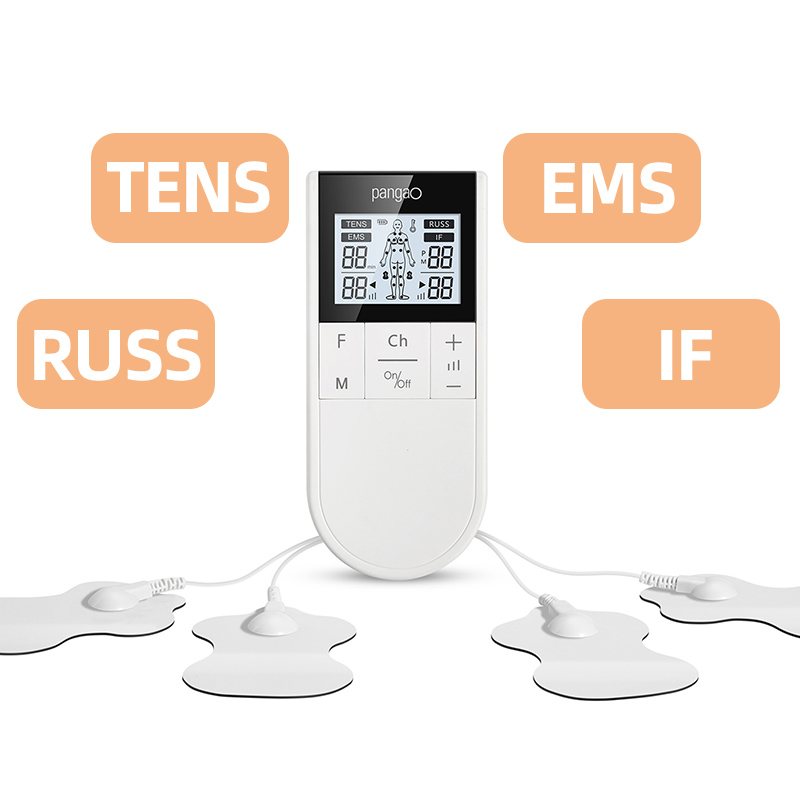
Electric Body Massage Machine Dual Channel 4 in 1 IF RUSS EMS TENS Unit Muscle Stimulator for Pain Management
View Technical Specs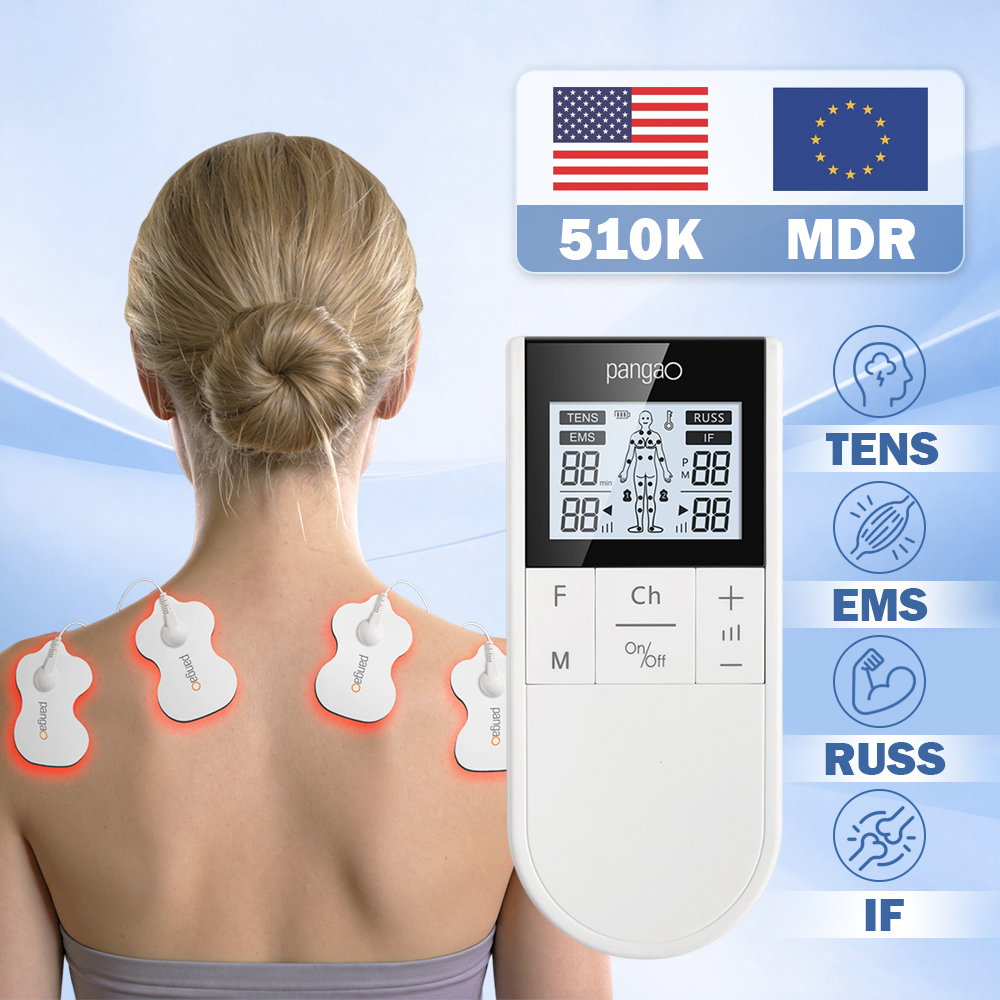
Digital Portable Low Frequency Pulse Physical Therapy Equipment 2 Channels EMS TENS Machine for Pain Relief
View Technical Specs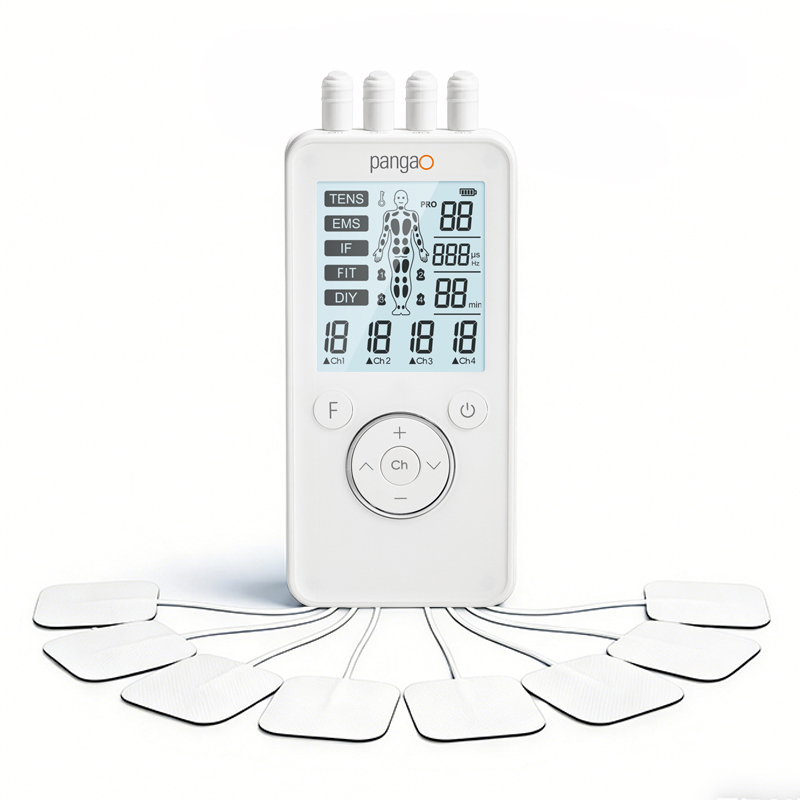
Portable Electric Pulse Pain Relief Electrotherapy Body Massage Device 4 Channel EMS TENS Physiotherapy Machine
View Technical Specs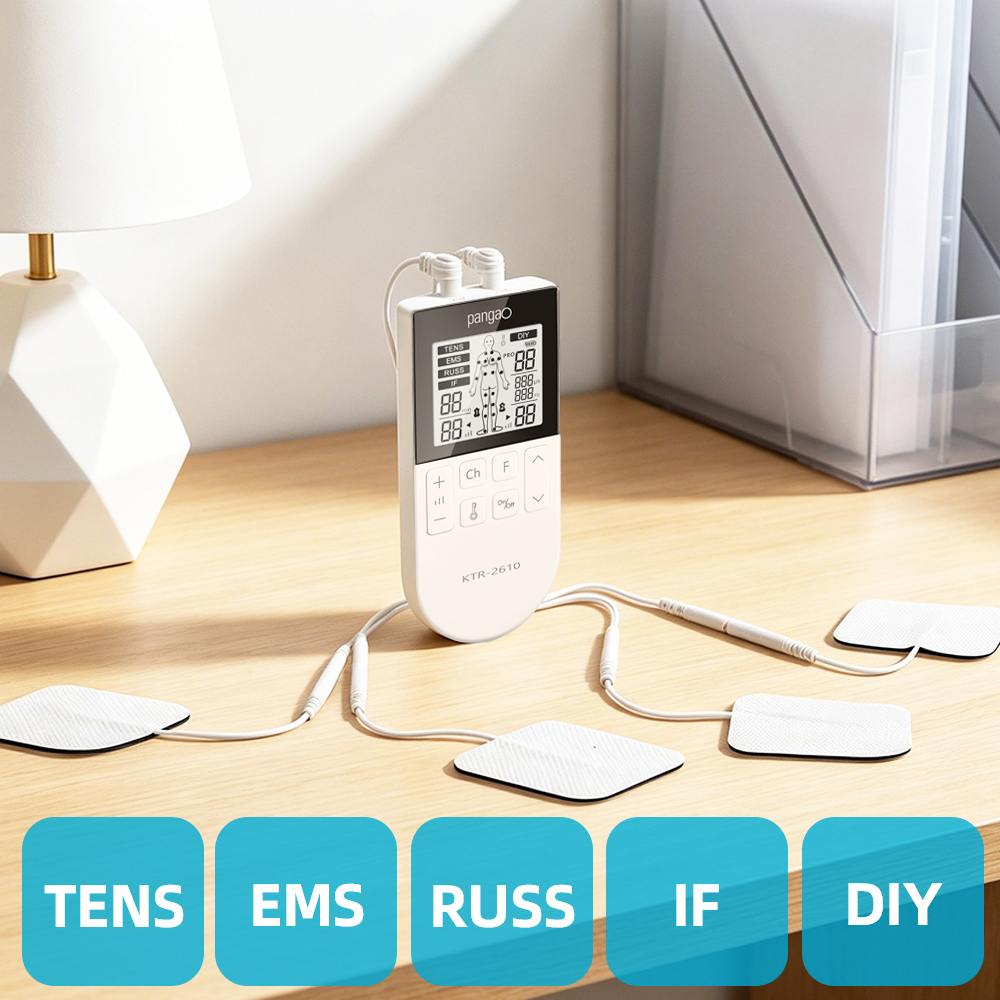
Rechargeable Electric Pulse 5 in 1 Function Combo Massage Machine Dual Channel EMS TENS Unit for Natural Pain Relief
View Technical Specs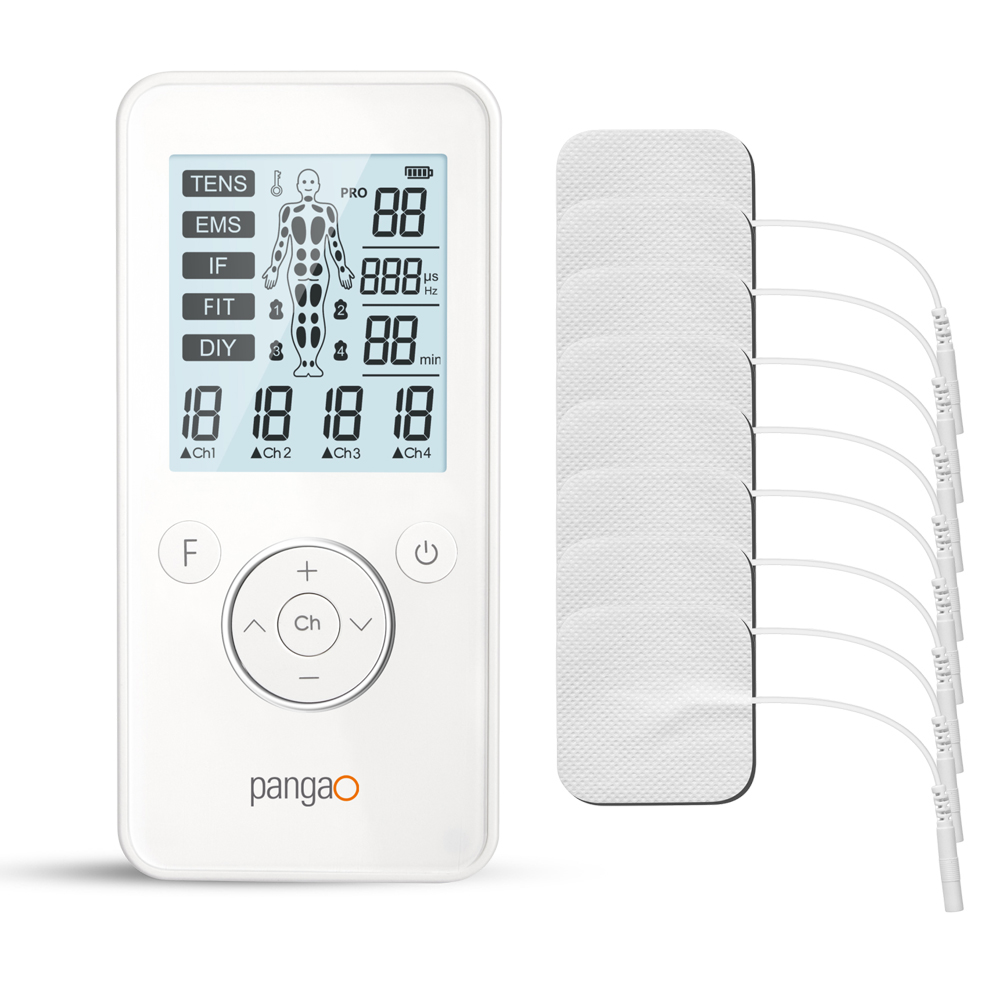
Medical Grade Electronic Pulse Massage Machine 4 Channels EMS Muscle Stimulator TENS Unit for Pain Relief
View Technical Specs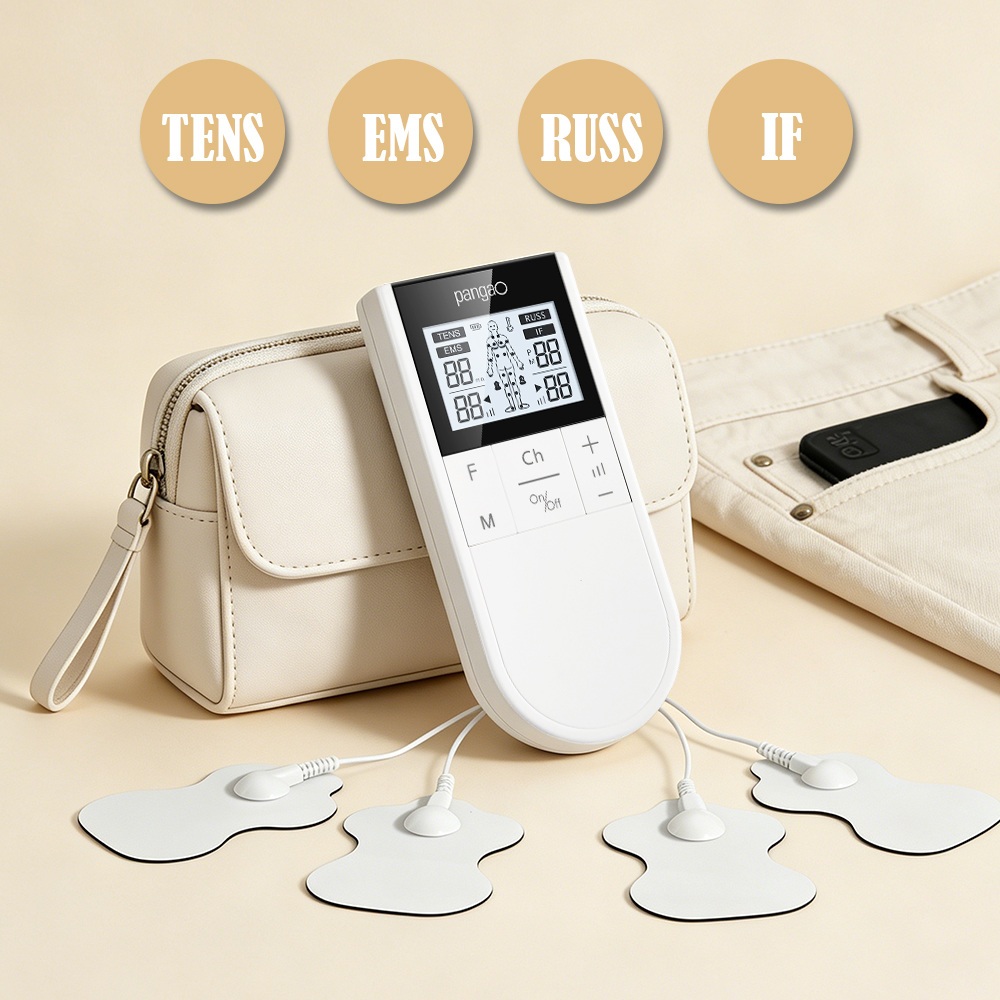
Multifunctional Portable Digital Nerve Muscle Stimulator Machine Dual Channels TENS Unit for Pain Relief
View Technical Specs1. Strategic Supply Overview: Navigating Baltimore’s Growing Demand for Electrotherapy
As the primary economic motor of Maryland and a critical hub within the US Mid-Atlantic healthcare corridor, Baltimore represents a uniquely sophisticated market for medical devices and non-pharmacological therapeutic equipment. Driven by world-renowned academic medical centers such as Johns Hopkins Medicine, the University of Maryland Medical System (UMMS), and an extensive ecosystem of outpatient physical therapy chains, regional demand for medical-grade electronic pulse massage machines, Transcutaneous Electrical Nerve Stimulation (TENS) devices, and Electrical Muscle Stimulation (EMS) hardware has expanded at an unprecedented CAGR of 8.4% over the past four years.
However, Baltimore medical equipment distributors, durable medical equipment (DME) suppliers, and e-commerce brand owners face intense margin compression and regulatory friction when sourcing locally. Partnering directly with premier Chinese original equipment manufacturers (OEM) and original design manufacturers (ODM)—such as Shenzhen Vilicus Medical Electronics Co., Ltd.—bridges this gap. By offering direct access to ISO 13485 certified manufacturing pipelines, Baltimore importers gain high-precision electrotherapeutic hardware tailored specifically to meet stringent US FDA regulatory benchmarks while maintaining exceptional cost efficiencies.
2. Biomechanical Principles & Electrotherapeutic Modalities Explained
To successfully market pulse massage machines within the Baltimore medical sector, procurement directors must understand the underlying neurophysiological mechanisms that govern bioelectric stimulation. Modern electronic pulse massagers are no longer basic vibration tools; they are complex electrotherapeutic generators capable of modulating neurological impulses, inducing controlled neuromuscular contractions, and promoting peripheral vascular circulation.
2.1 Gate Control Theory vs. Endorphine Release Mechanics
High-frequency TENS therapeutic modalities (typically operating between 80 Hz and 150 Hz with pulse durations under 100 microseconds) function via Melzack and Wall’s classic Gate Control Theory of Pain. By stimulating large-diameter, myelinated A-beta ($\text{A}\beta$) sensory nerve fibers, the pulse massage machine floods the dorsal horn of the spinal cord with non-painful tactile signals. This effectively "closes the gate" to slower, unmyelinated C fibers carrying nociceptive pain signals to the thalamus.
Conversely, low-frequency TENS settings (1 Hz to 10 Hz with pulse widths exceeding 200 microseconds) trigger the central nervous system’s endogenous opioid pathway. This low-frequency burst stimulation stimulates the pituitary gland and hypothalamus to release $\beta$-endorphins and enkephalins into the cerebrospinal fluid, providing systemic, long-lasting analgesic relief that persists for hours after a 20-minute therapy session.
2.2 EMS, Interferential (IF), and Russian Waveform Technology
Advanced dual-channel and four-channel machines integrate multi-waveform capabilities into a single portable enclosure:
- Electrical Muscle Stimulation (EMS): Delivers square bi-phasic symmetrical pulses designed to depolarize motor nerves directly ($A\alpha$ fibers), causing involuntary skeletal muscle contractions. Essential for preventing disuse atrophy in post-surgical orthopedic patients across Baltimore rehabilitation hospitals.
- Interferential Current (IF): Employs two medium-frequency carrier currents (e.g., 4000 Hz and 4100 Hz) that intersect within deep anatomical tissue. The resulting beat frequency (100 Hz) penetrates deeper than conventional TENS without causing uncomfortable cutaneous skin prickling under the electrode pad.
- Russian Stimulation (RUSS): Uses a 2500 Hz sinusoidal carrier frequency interrupted into 50 bursts per second. Specifically engineered for muscle mass hypertrophy, motor unit recruitment, and elite athletic rehabilitation.
| Therapeutic Waveform | Carrier / Pulse Frequency | Pulse Width / Duration | Primary Physiological Target | Primary Clinical Application |
|---|---|---|---|---|
| High-Frequency TENS | 80 Hz – 150 Hz | 50 $\mu$s – 100 $\mu$s | A-$\beta$ Cutaneous Sensory Nerves | Acute post-operative pain, localized joint relief |
| Low-Frequency TENS | 1 Hz – 10 Hz | 150 $\mu$s – 300 $\mu$s | $\mu$-Opioid Receptors & CNS Axis | Chronic lower back pain, fibromyalgia management |
| Neuromuscular EMS | 20 Hz – 80 Hz | 200 $\mu$s – 400 $\mu$s | Alpha Motor Neurons ($A\alpha$) | Preventing muscle atrophy, re-educating quad/hamstring |
| Interferential (IF) | 4,000 Hz Carrier (1-150 Hz Beat) | Automated Sweep | Deep Visceral & Joint Nerves | Deep-hip bursitis, chronic spinal radiculopathy |
| Russian Current | 2,500 Hz Carrier (50 Burst/s) | 50% Duty Cycle | Fast-Twitch Motor Units | Athletic quadriceps strengthening & motor recruitment |
3. Localized B2B Application Scenarios across Baltimore & Maryland
To maximize commercial penetration, Baltimore importers must align their electrotherapy hardware features with specific end-user environments throughout the Mid-Atlantic territory.
Clinical Outpatient Rehabilitation
Physical therapy centers along the Interstate-95 corridor require durable, 4-channel wired and wireless combo units (TENS + EMS + IF) capable of sustained multi-patient daily use with precise digital timer and lock-out functions.
Port of Baltimore Industrial Occupational Health
Longshoremen, dockworkers, and logistics personnel at the Dundalk and Seagirt Marine Terminals suffer high rates of lumbar strain and repetitive motion fatigue. Wearable wireless pulse massagers provide discreet workplace therapy.
Women’s Health & Dysmenorrhea Relief
Baltimore retail pharmacy chains and direct-to-consumer e-commerce brands are experiencing rapid growth in wearable menstrual cramp devices combining targeted TENS pulse stimulation with fast-acting far-infrared heating elements.
Geriatric Neuropathy & Foot Circulation
Senior living communities in surrounding Baltimore County utilize EMS bioelectric foot circulation stimulators paired with red-light therapy to alleviate diabetic peripheral neuropathy numbness and venous stasis edema.
DME & Home Healthcare Retail
Durable Medical Equipment providers servicing Medicare/Medicaid plans across Maryland demand cost-effective, high-reliability dual-channel handheld pulse massagers packaged with complete OTC labeling and FDA-cleared accessories.
Collegiate & Athletic Training Protocols
High-performance sports medicine programs require compact Russian-stimulation EMS units for rapid localized recovery, motor neuron recruitment, and post-match inflammation management between competitive fixtures.
4. Enterprise Manufacturing Supremacy: The Shenzhen Vilicus Advantage
Selecting a pulse massage machine manufacturer requires verifying rigorous quality engineering, transparent supply chains, and robust regulatory documentation. Shenzhen Vilicus Medical Electronics Co., Ltd. operates as a global leader in electrotherapeutic research and contract manufacturing.
4.1 Integrated Manufacturing & ISO 13485 Quality Infrastructure
Operating a state-of-the-art 15,700 m² cleanroom facility in Shenzhen’s Henggang Street industrial district, Vilicus controls every stage of device production in-house. Our infrastructure eliminates sub-contracting risks through integrated operational divisions:
- High-Speed SMT Surface Mount Lines: Automated Yamaha SMT placement systems ensure sub-millimeter precision for PCB microcontroller component placement, protecting pulse timing accuracy.
- Tooling & Precision Injection Molding: Medical-grade ABS and PC polycarbonate enclosure molding under strict ISO Class 8 cleanroom conditions.
- Biocompatible Hydrogel Processing: Production of Japanese-imported hydrogel electrode pads featuring low skin impedance, non-irritating skin response, and extended 30+ stick cycle lifespans.
- 100% Automated Burn-In & Oscilloscope Testing: Every single circuit board undergoes a mandatory 4-hour high-voltage load stress test and waveform signal verification prior to final casing assembly.
4.2 Full OEM / ODM Customization Architecture for U.S. Importers
Vilicus empowers Baltimore brand owners and medical distributors to differentiate their product portfolios through deep custom engineering:
- Firmware Waveform Development: Custom algorithmic tuning of pulse width, burst patterns, ramp-up ramp-down acceleration times, and localized pre-set treatment protocols.
- Industrial Design & Ergonomics: Customized housing colors, tactile rubberized side-grips, capacitive touchscreen integration, or ultra-compact keyfob form factors.
- Private-Label & Regulatory Packaging: Custom artwork printing, localized English instruction manuals, FDA OTC warning labels, customized carry cases, and retail blister-box packaging.
5. Baltimore Port Logistics, Customs & FDA Regulatory Compliance Guide
Importing electrotherapeutic medical hardware into Maryland requires navigating strict regulatory frameworks enforced by the U.S. Food and Drug Administration (FDA) and U.S. Customs and Border Protection (CBP).
5.1 Regulatory Milestones: FDA 510(k), OTC vs. Rx Clearance
Medical pulse massagers sold in the United States are regulated as Class II Medical Devices under Product Codes GZJ (TENS for pain relief) and IPJ (Powered Muscle Stimulators). Vilicus provides complete regulatory submission support to ensure rapid entry into Baltimore markets:
5.2 Optimized Shipping Routes to the Port of Baltimore
Shipping direct from our Shenzhen manufacturing center to the Port of Baltimore (Helen Delich Bentley Port) offers streamlined ocean freight logistics for Maryland, District of Columbia, and Pennsylvania distribution networks. Key logistics options include:
- Ocean Express Freight (Yantian / Shekou to Baltimore): Direct all-water route through the Panama Canal, taking approximately 28–32 days. Ideal for bulk FCL (Full Container Load) order fulfillment.
- Air Freight via BWI (Baltimore/Washington International Thurgood Marshall Airport): 3–5 day expedited transit time for high-margin, time-sensitive wireless TENS product launches.
- DDP (Delivered Duty Paid) Door-to-Door Logistics: Complete handling of customs clearance, harbor maintenance fees, duty payments, and final bonded trucking to warehouses in Jessup, ElKRidge, or Hanover, MD.
6. Frequently Asked Questions by Baltimore & Mid-Atlantic Medical Procurement Managers
What is the standard Minimum Order Quantity (MOQ) for custom OEM orders?
Standard OEM private-label production (custom logo printing, customized packaging, and localized manuals) starts at 1,000 units for portable wired and wireless TENS/EMS units. Specialized EMS foot circulation massagers start at an MOQ of 500 units. Entry-level white-label stock units can be ordered in lower quantities for initial market testing in Maryland.
Are Vilicus pulse massage machines compliant with US FDA 510(k) OTC regulations?
Yes. Our core pulse massagers are cleared under US FDA 510(k) for Over-The-Counter (OTC) sale. This allows Baltimore retailers, e-commerce sellers, and DME suppliers to market and sell devices directly to consumers without requiring a physician’s prescription.
Can we customize the pulse waveforms and pre-set programs for our brand?
Absolutly. Backed by an R&D department of over 300 group engineers, we offer full firmware customization. We can program custom frequency sweeps, pulse width ranges, treatment timers, and dedicated program sets (such as specific options for Dysmenorrhea, Post-Workout Recovery, or Arthritic Joint Relief).
How do you guarantee quality consistency across large batch orders?
We enforce a strict multi-tier quality control protocol under ISO 13485 standards. Every incoming raw material undergoes IQC inspection. During assembly, 100% of PCBs undergo automated oscilloscope signal testing and a mandatory 4-hour burn-in stress test. Final OQC inspection verifies casing durability, button tactile response, and packaging integrity prior to pallet sealing.
What type of electrode pad replacement supply options do you provide?
We manufacture biocompatible, self-adhesive hydrogel electrode pads using premium Japanese-imported gel. Pads are available in multiple shapes (square 5x5 cm, rectangular 5x10 cm, butterfly contour) with standard 2.0mm pin connectors or snap button interfaces, individually packed in sealed tamper-evident foil pouches.
What is the typical production lead time for orders shipping to Baltimore?
Standard mass production lead time is 30 to 35 business days following final sample approval and artwork sign-off. Transit time via ocean freight to the Port of Baltimore adds approximately 28–32 days, while expedited air freight to BWI takes 3–5 days.
Scale Your Electrotherapy Line in Baltimore Today
Partner directly with Shenzhen’s leading ISO 13485 medical device factory. Get competitive factory-direct pricing, complete FDA submission files, and dedicated engineering support for your OEM/ODM project.