Featured Electrotherapy & Physical Therapy Machines
Explore our primary selection of ISO 13485 certified electrotherapy machines designed for clinical rehabilitation centers, orthopedic practices, and medical device wholesalers across Lyon and France.
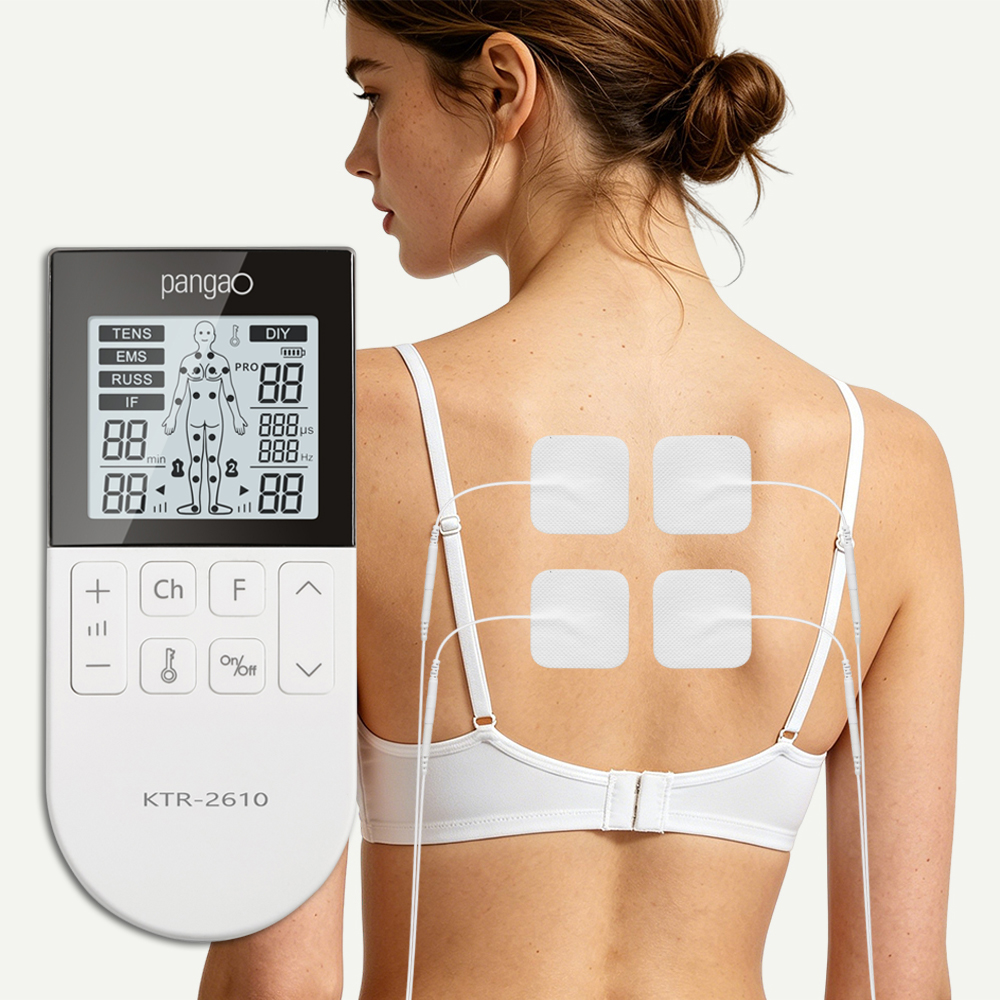
Electronic Pulse Massager Portable Dual Channel DIY IF RUSS EMS TENS Units Therapy Machine
View Technical Specs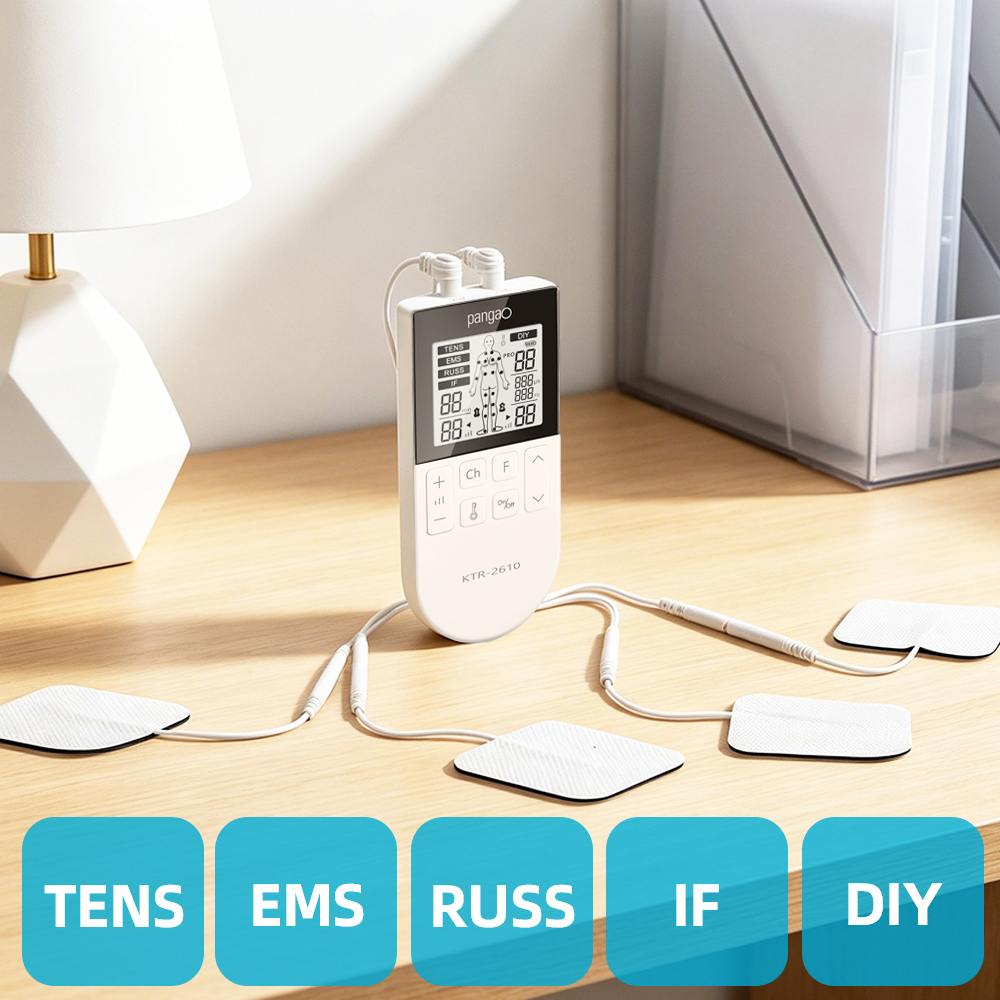
Rechargeable Electric Pulse 5-in-1 Function Combo Massage Machine Dual Channel EMS TENS
View Technical Specs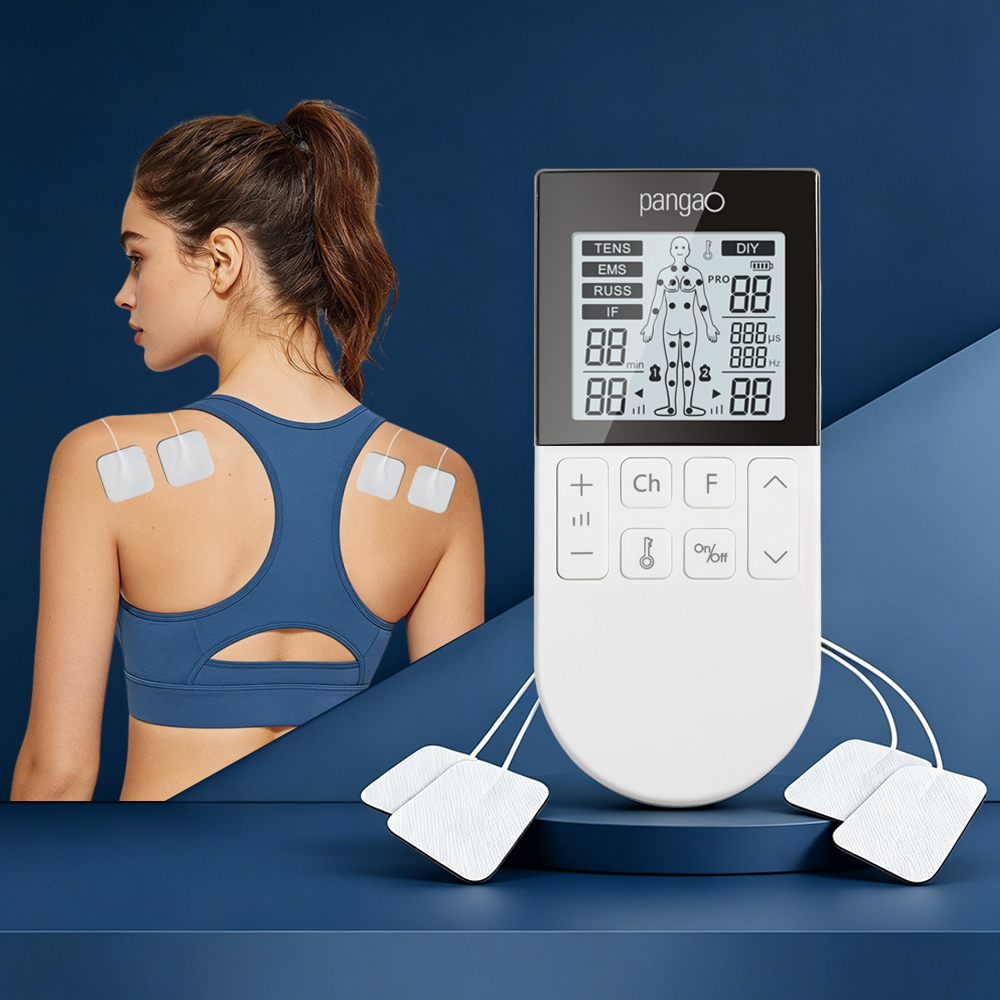
Low Frequency Electronic Pulse Russian Stimulation EMS Muscle Stimulator TENS Unit
View Technical Specs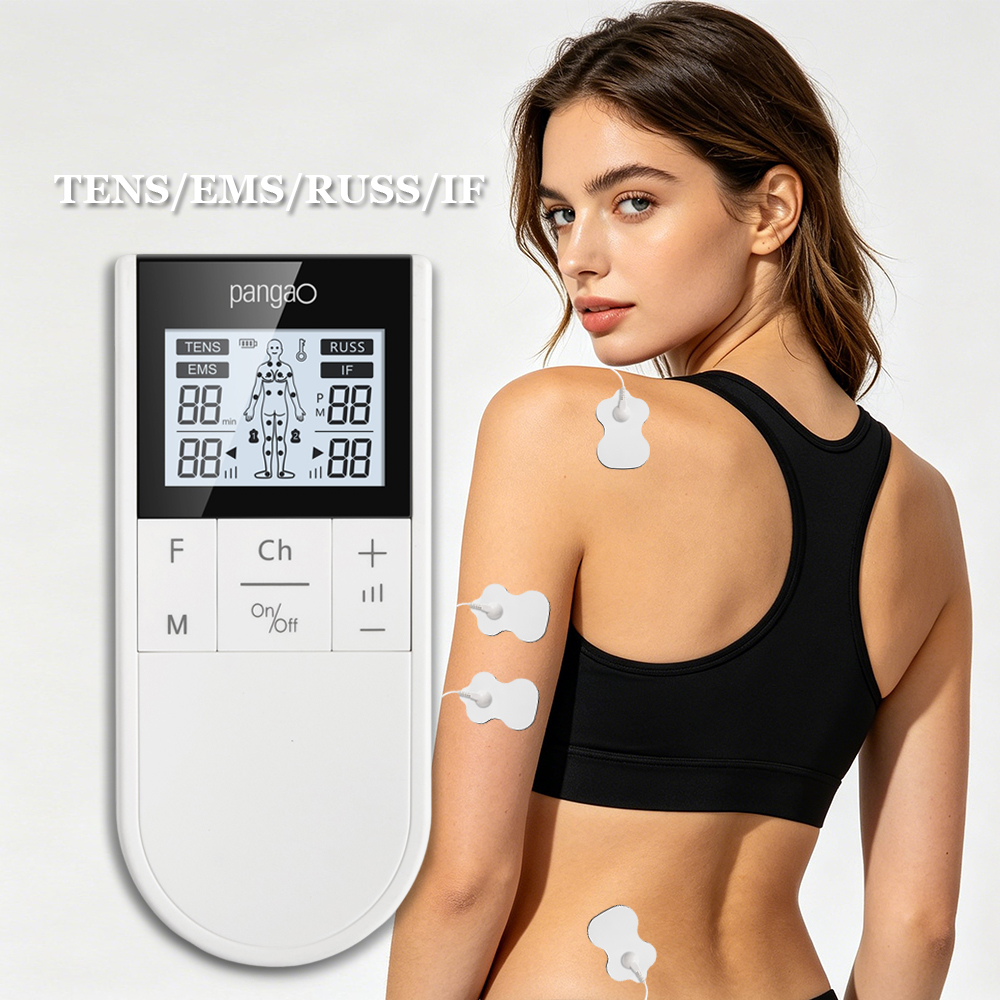
Custom Electronic Physical Therapy TENS EMS RUSS IF 4-in-1 Muscle Stimulator
View Technical Specs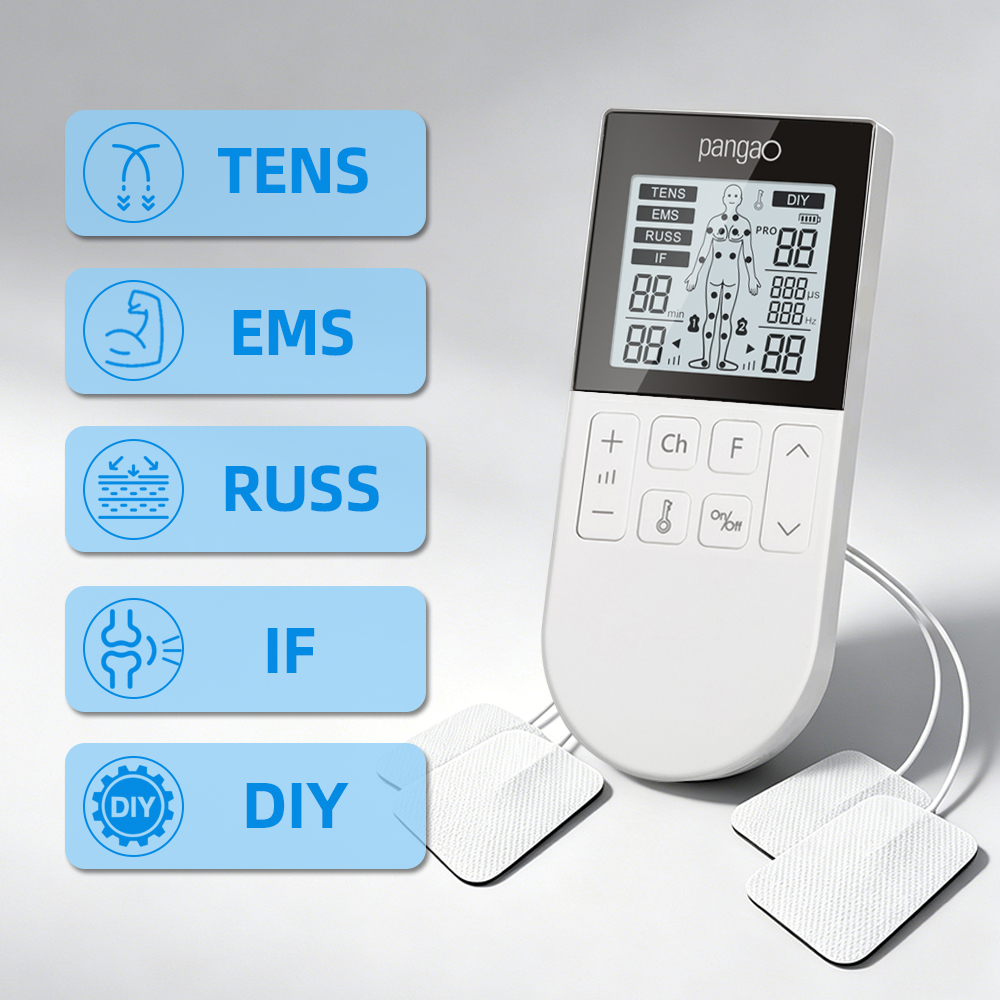
KENTRO Portable Rechargeable Professional Electrotherapy Device 5-in-1 RUSS IF TENS
View Technical Specs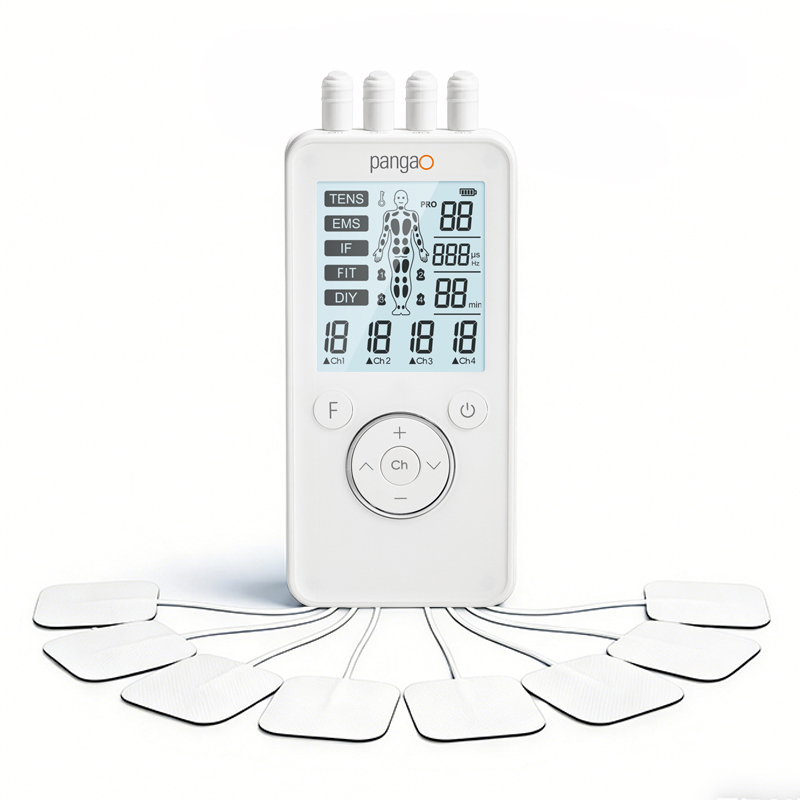
Portable Electric Pulse Pain Relief 4-Channel EMS TENS Physiotherapy Machine
View Technical Specs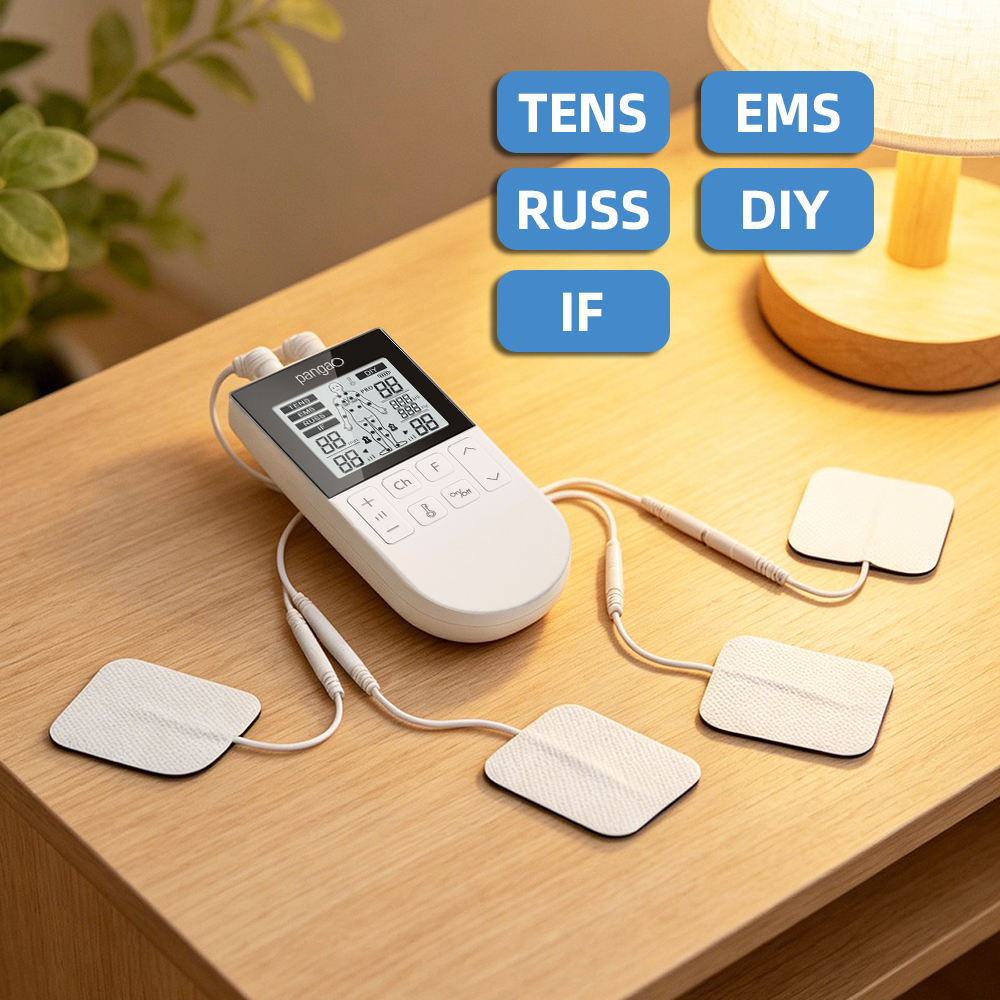
Multifunctional Pain Relief & Muscle Strengthening EMS TENS Physiotherapy Equipment
View Technical Specs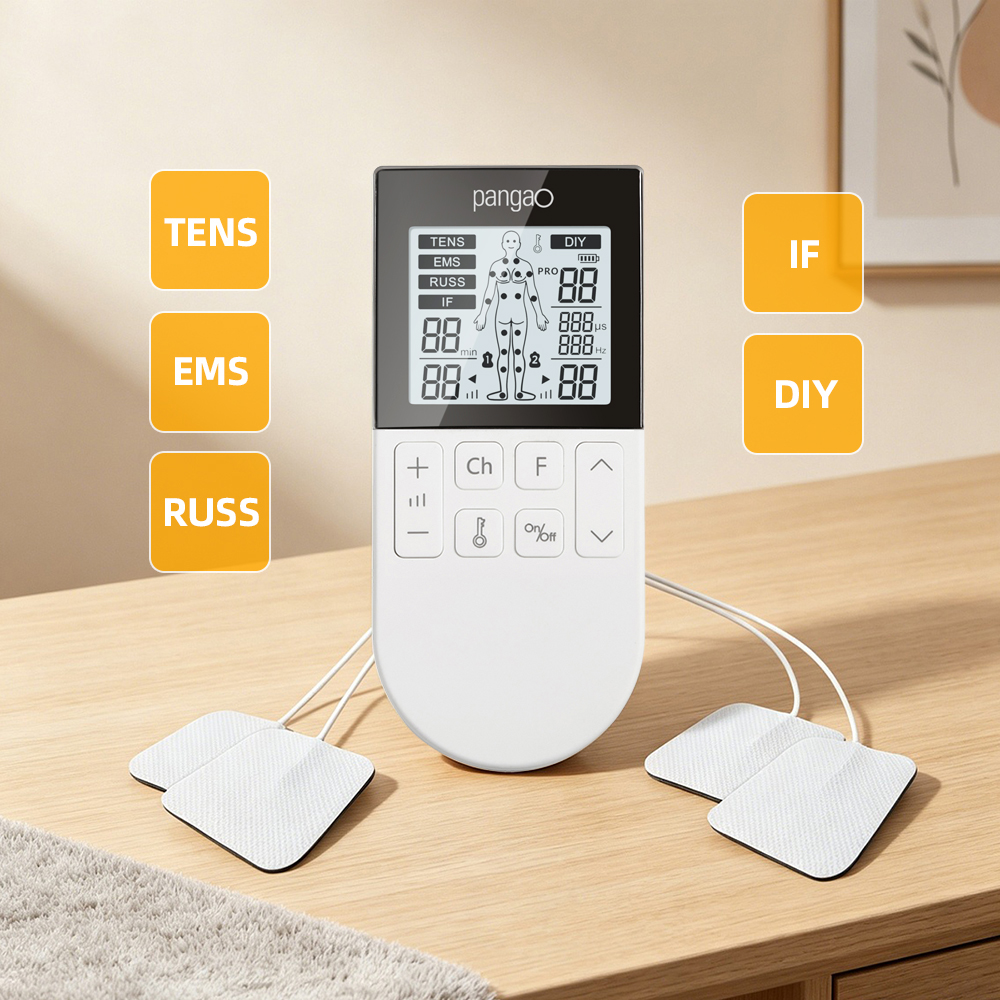
Electronic Pulse Muscle Stimulator 80 Modes Dual Channel EMS TENS Machine
View Technical SpecsExecutive Overview: Sourcing Physical Therapy Equipment for Lyon & Auvergne-Rhône-Alpes
As France's second-largest metropolitan healthcare hub, the Lyon region—encompassing the broader Auvergne-Rhône-Alpes area—represents an increasingly sophisticated market for electrotherapy, physical rehabilitation devices, and home-care pain management technologies. Anchored by major institutional health centers such as Hospices Civils de Lyon (HCL), private kinesitherapy clinics (cabinets de kinésithérapie), and athletic recovery facilities associated with elite sports organizations like Olympique Lyonnais, the demand for high-efficiency, non-invasive rehabilitation machines is expanding rapidly.
However, navigating the procurement ecosystem in France requires balancing rigorous medical regulatory thresholds—specifically the transition to the European Union Medical Device Regulation (EU MDR 2017/745)—with cost optimization and supply chain continuity. French healthcare distributors, pharmacy wholesalers, and rehabilitation equipment importers face mounting pressure to source hardware that guarantees therapeutic efficacy, strict biocompatibility, robust French language localization, and seamless CE compliance while maintaining competitive margins.
This comprehensive industry whitepaper, published by Shenzhen Vilicus Medical Electronics Co., Ltd. (operating with over two decades of group manufacturing heritage and specialized electrotherapy engineering since 2013), provides medical device buyers in Lyon with an in-depth analysis of supply chain selection, technical waveform engineering, local clinical application scenarios, regulatory requirements, and direct OEM/ODM customization capabilities.
Request a Direct Wholesale & OEM Quotation for Lyon Importers
Looking for certified TENS, EMS, Interferential, or Russian Stimulation devices with white-label packaging and EU MDR technical documentation?
Send an InquiryLocalized Application Scenarios in the Lyon Healthcare & Rehabilitation Market
Physical therapy machines imported into France must fulfill specific clinical and domestic operational requirements dictated by French healthcare practices (Masso-Kinésithérapie) and patient care models:
Private Kinésithérapie Cabinets
In practice settings across Lyon 6ème, Presqu'île, and Villeurbanne, French licensed kinesitherapists require dual and four-channel desktop or heavy-duty portable TENS/EMS units. Devices offering multi-waveform support—combining TENS for immediate sensory nerve block with Interferential (IF) 4000Hz currents—allow therapists to treat deep-seated lumbar pain, cervical osteoarthritis, and post-traumatic joint stiffness effectively within 20-minute consultation windows.
Institutional Rehabilitation (HCL Network)
Hospitals such as Hôpital Édouard Herriot and Hôpital Croix-Rousse utilize neuromuscular electrical stimulation (NMES) and Russian Stimulation (2500Hz burst currents) for post-surgical quadriceps re-education following knee arthroplasty (TKA) or anterior cruciate ligament (ACL) reconstruction. High-output stability and customizable pulse-width programming (50 µs to 400 µs) are mandatory to prevent muscle atrophy in bedridden patients.
Home Care & Senior Care (HAD / EHPAD)
With France's expanding elderly demographic and the rise of Hospitalisation à Domicile (HAD) across the Rhône department, compact, battery-powered rechargeable wireless TENS massagers and bioelectric EMS foot circulation platforms are in high demand. These devices treat peripheral diabetic neuropathy, chronic lower-limb edema, and arthritic discomfort, requiring intuitive single-button operation and clear backlit displays for elderly users.
Technical Deep-Dive: Waveform Engineering & Therapeutic Protocols
For French medical device buyers, understanding the underlying bio-electrical parameters of physical therapy machines is crucial to ensuring market acceptance and clinical efficacy. Superior Chinese original equipment manufacturers (OEMs), such as Shenzhen Vilicus, design internal microcontroller circuits (MCUs) capable of delivering precise, isolated current waveforms that adhere to international medical standards:
| Therapeutic Waveform | Frequency / Pulse Width Range | Primary Physiological Mechanism | Target Clinical Indication in Lyon Market |
|---|---|---|---|
| TENS (Transcutaneous Electrical Nerve Stimulation) | 1 Hz - 150 Hz 50 µs - 300 µs |
Stimulates A-beta sensory nerve fibers (Gate Control Theory) and triggers central endorphin release. | Chronic low back pain, sciatica, post-operative surgical incisions, menstrual dysmenorrhea. |
| EMS / NMES (Electrical Muscle Stimulation) | 20 Hz - 100 Hz 100 µs - 400 µs |
Directly depolarizes motor nerves to induce rhythmic muscle contractions, promoting vascular circulation. | Muscle re-education, prevention of disuse atrophy, venous thrombosis prophylaxis, athletic recovery. |
| IF (Interferential Current) | 4000 Hz Carrier 1 Hz - 100 Hz Beat |
Two out-of-phase medium-frequency currents intersect inside deep tissue, overcoming skin impedance. | Deep-joint osteoarthritis (hip/knee), pelvic floor rehabilitation, persistent deep-muscle spasms. |
| Russian Stimulation (RUSS) | 2500 Hz Carrier 50 Hz Burst Frequency |
High-frequency sinusoidal bursts recruit high-threshold fast-twitch motor units with minimal skin discomfort. | Athletic strength conditioning, severe post-op muscular inhibition, rapid motor unit restoration. |
Regulatory Framework & Compliance Guide for Importing to France (EU MDR 2017/745)
Importing physical therapy equipment into the French market requires strict adherence to European medical regulations enforced by the ANSM (Agence Nationale de Sécurité du Médicament et des Produits de Santé). Non-compliant imports face immediate customs rejection at French entry ports (Fos-sur-Mer, Marseille, or Paris CDG) or severe commercial recall penalties.
1. Medical Device Classification
Electrotherapy units intended for pain relief or muscle conditioning are categorized as Class IIa Active Medical Devices under EU MDR Rule 9. Importers must verify that the Chinese manufacturer holds a valid EU MDR certificate issued by a recognized Notified Body (e.g., TÜV SÜD, SGS, BSI, BGM), complete with Technical Documentation (STED) and a comprehensive Clinical Evaluation Report (CER).
2. French Language & Localization
According to French consumer and medical device laws, all user interfaces, physical button silk-screens, safety warnings, and instruction manuals (Notice d'utilisation) must be fully translated into correct French. Symbols must strictly follow ISO 15223-1 standards for medical device labeling.
3. Biocompatibility & Accessories
Hydrogel electrode pads supplied with physical therapy units come into direct contact with human skin. Importers must ensure hydrogels undergo testing according to ISO 10993-5 (Cytotoxicity) and ISO 10993-10 (Skin Sensitization and Irritation). Lead wires and electronic housings must comply with the RoHS 2.0 Directive (2011/65/EU) and REACH requirements.
Why Shenzhen Vilicus Medical Electronics is the Preferred Supplier for Lyon Importers
Selecting an OEM/ODM partner in China requires looking beyond base price points to evaluate enterprise scale, engineering autonomy, quality management rigor, and international trade reliability. Shenzhen Vilicus Medical Electronics Co., Ltd. stands as an industry benchmark in electrotherapy device manufacturing:
- ✓ Integrated Modern Manufacturing Base: Operating a 15,700 m² standardized manufacturing facility in Henggang, Shenzhen, equipped with dust-free cleanrooms, automated SMT surface-mount technology lines, automatic plastic injection molding units, and computerized burn-in testing stations.
- ✓ Unrivaled R&D & Firmware Engineering: Backed by a group R&D force exceeding 300 experienced engineers specializing in PCB circuit topology, customized MCU waveform synthesis, Bluetooth app integration, and ergonomic casing design.
- ✓ International Quality Systems: Fully certified under ISO 13485:2016 medical quality management system, BSCI social compliance audited, and audited onsite by SGS.
- ✓ Complete Global Approvals: Product lines hold US FDA 510(k), EU MDR CE, Australian TGA, and RoHS clearances, enabling rapid market entry into European, North American, and Asia-Pacific healthcare sectors.
- ✓ 100% Quality Inspection Protocol: Every device undergoes multi-stage electrical output validation, current leakage testing, battery cycle testing, and functional drop tests prior to packaging.
Partner with a Leading Chinese Medical Device Manufacturer
Discuss custom firmware programs, French branding, local EU representative support, and wholesale price breaks with our senior account team today.
Send an InquiryProcurement & Sourcing FAQ for Lyon Importers & Wholesalers
What are the typical Minimum Order Quantities (MOQ) for custom OEM orders bound for France?
How does Shenzhen Vilicus assist French buyers with EU MDR compliance documentation?
What Incoterms and shipping routes are recommended for delivery into Lyon?
Can the physical therapy machine software and display be customized in French?
What is the lead time for sample evaluation and mass production?
Ready to Elevate Your Physical Therapy Supply Chain in Lyon?
Contact our professional international sales team to receive a detailed product catalog, compliance certificates, and factory-direct pricing for your wholesale or OEM project.
Send an Inquiry