Clinical-Grade Lumbar Electrotherapy Equipment
Direct-from-factory OEM/ODM electrotherapy devices engineered for targeted back pain management, spinal decompressive recovery, and myofascial stimulation.
Executive Sourcing Analysis: Lower Back Massager Manufacturing Landscape in Portland, OR
The Portland metropolitan area, spanning Multnomah, Washington, and Clackamas counties, has evolved into a key hub for bio-health innovation, physical therapy networks, and active lifestyle wellness brands in the Pacific Northwest (PNW). With thousands of tech professionals across the Hillsboro Silicon Forest facing sedentary spinal strain, combined with an outdoor-centric demographic prone to lumbar fatigue from mountaineering, trail running, and forestry, demand for non-invasive lower back therapy devices has reached unprecedented heights.
For B2B procurement managers, medical device distributors, and private-label wellness brands evaluating lower back massager manufacturers and factories in Portland, understanding the local vs. direct factory supply chain ecosystem is critical. While Oregon hosts sophisticated design studios, clinical research facilities, and medical supply fulfillment depots, over 85% of high-performance electrotherapy hardware—including TENS (Transcutaneous Electrical Nerve Stimulation), EMS (Electrical Muscle Stimulation), and combination thermal lumbar belts—is manufactured through specialized ISO 13485-certified direct factories in global electronics hubs like Shenzhen, operating under direct contract manufacturing setups.
Evaluating Sourcing Models for Portland Healthcare Brands
When establishing a supply chain for lower back massagers and bio-electric physical therapy equipment, Portland procurement executives typically compare three distinct supply channels:
| Supplier Model | Local Presence (Portland Metro) | Manufacturing & R&D Base | Unit Cost Economics | Customization Capability | FDA 510(k) / Quality Audit Control |
|---|---|---|---|---|---|
| Direct ISO 13485 Factory (e.g., Vilicus) | Direct Logistics via Port of Portland / PDX Freight | In-House Shenzhen Cleanrooms & SMT Lines | Lowest (Factory Direct) | Full OEM / ODM (Firmware, Molds, PCB) | Complete Technical File & FDA Clearances Provided |
| Local PNW Wholesale Distributors | Warehouse Distribution in Beaverton / Gresham | Outsourced Third-Party Vendors | High (30% - 60% Distributor Margin) | Limited (Stock SKUs Only) | Dependent on Importer of Record |
| Contract Assembly Integrators | Engineering Offices in Hillsboro / Wilsonville | Sub-Contracted Domestic Assembly | Very High (Labor Overhead) | High Engineering Customization | High Compliance Costs for Small Batches |
The Information Gain Advantage for Portland Buyers
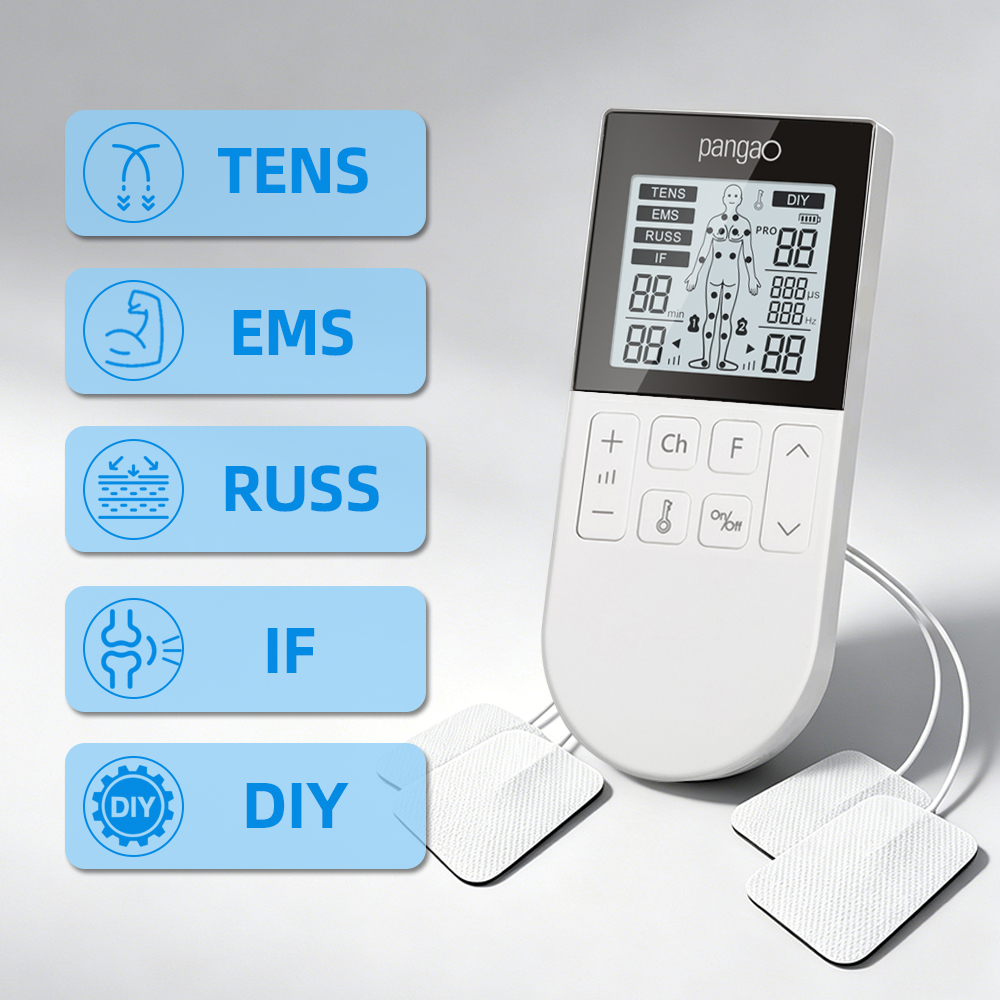
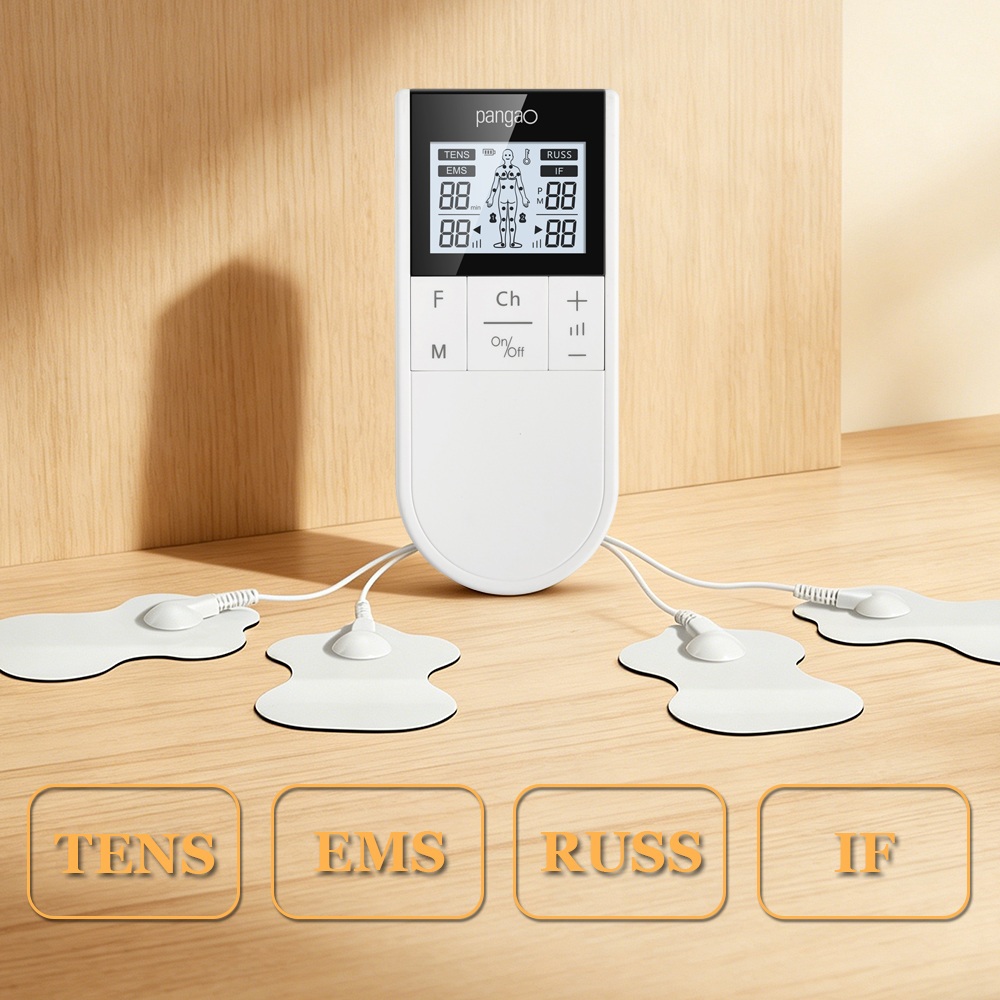
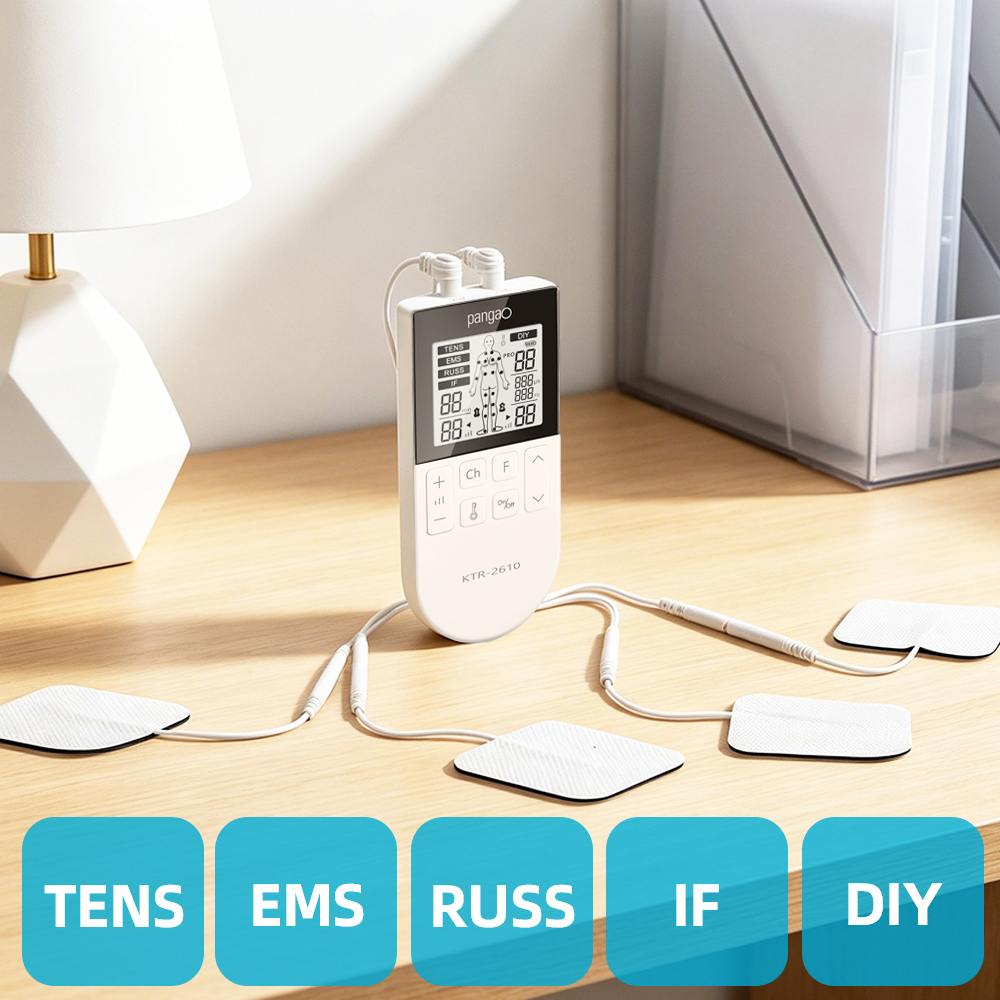
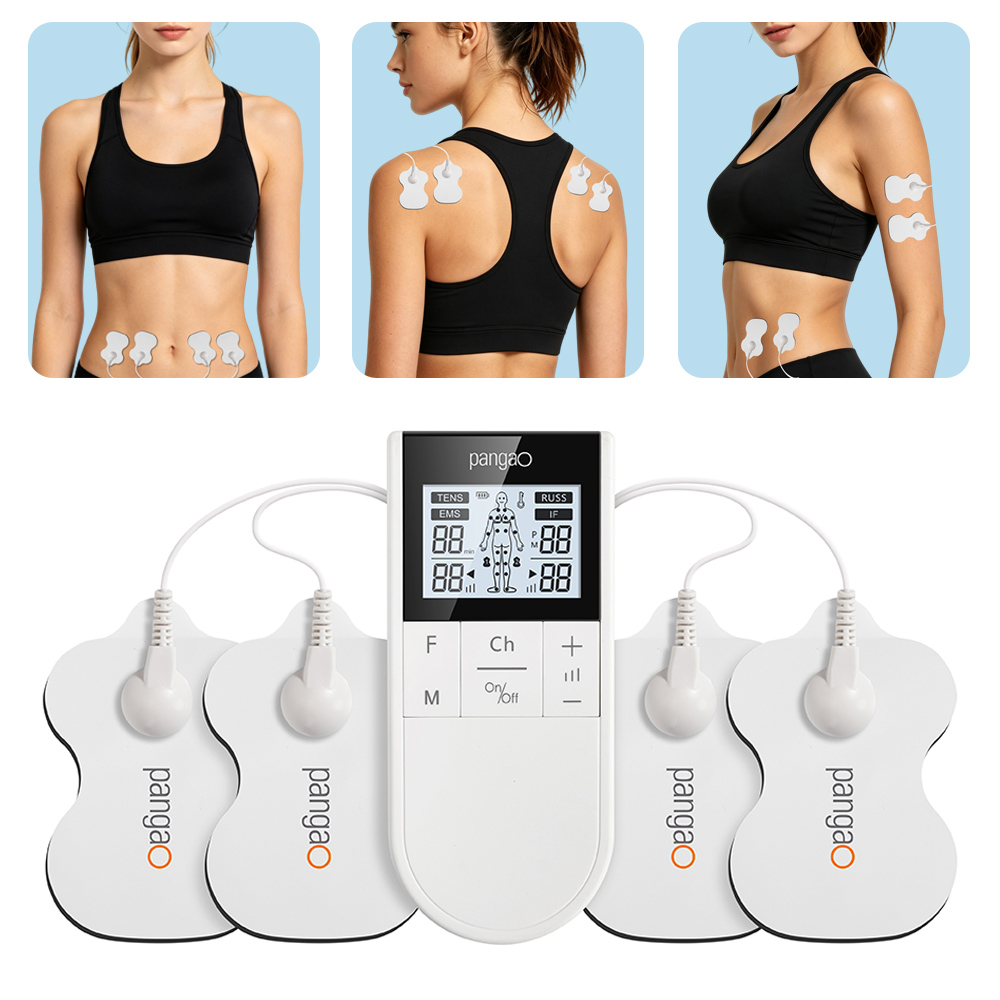
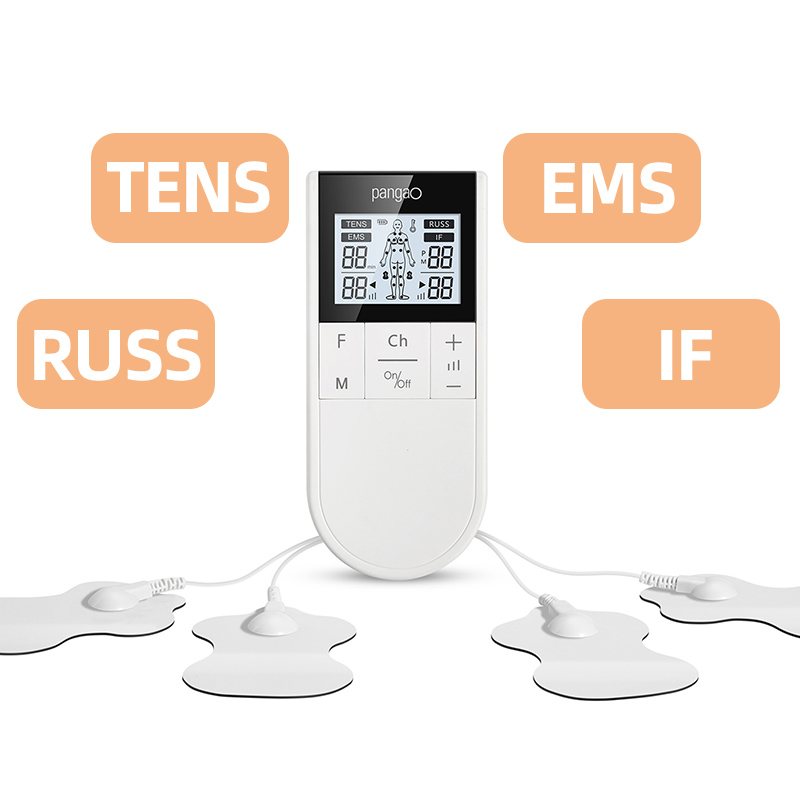
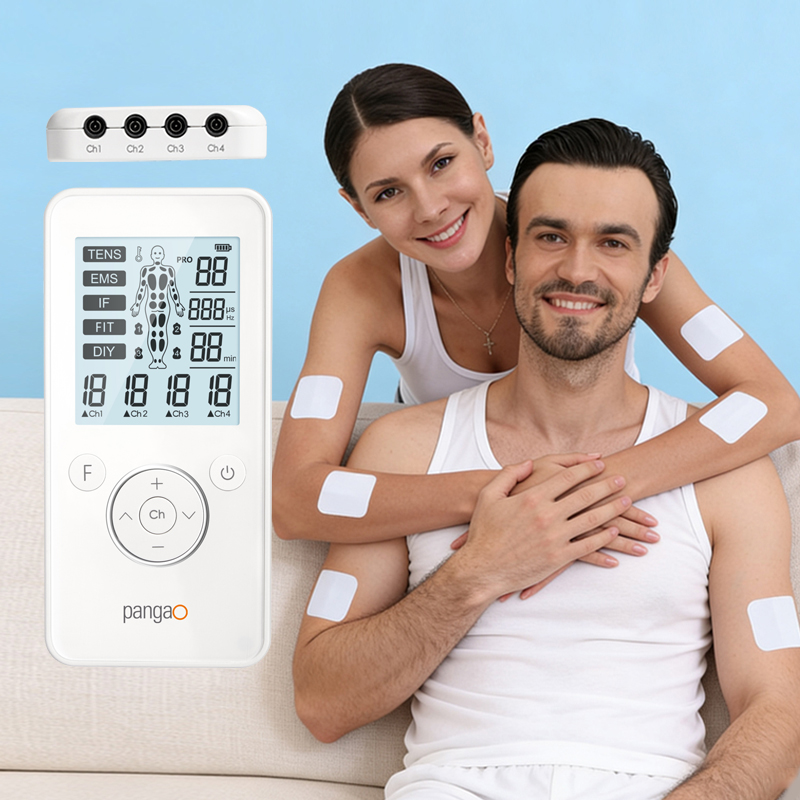
By bypassing middle-tier distributors and partnering directly with an established medical electrotherapy manufacturer like Shenzhen Vilicus Medical Electronics Co., Ltd., Portland brands gain direct access to proprietary 5-in-1 waveform algorithms (TENS/EMS/IF/RUSS/DIY), custom silicone pad mold development, and factory-level FDA 510(k) compliance files—saving up to 42% in unit costs while drastically accelerating market launch timelines.
Technical Deep-Dive: Waveform Engineering for Lower Back Pain Modulation
Lower back pain (lumbar spondylosis, L4-L5 herniation strain, postural fatigue) requires precise current modulation to achieve deep-tissue therapeutic penetration without causing superficial epidermal burning or localized discomfort. Superior lower back massagers combine mechanical percussion/vibration with high-frequency bio-electrical pulse therapy.
Transcutaneous Nerve Stimulation (TENS)
Operates on the Gate Control Theory of Pain, delivering micro-second phase pulses (50μs–300μs) at 1–150 Hz to block nociceptive pain signals at the spinal cord level while triggering endogenous endorphin release.
Neuromuscular Muscle Stimulation (EMS)
Targets deep lumbar erector spinae and multifidus muscles with higher current intensity to contract and relax muscle groups, reversing localized spasm, improving blood microcirculation, and preventing disuse atrophy.
Interferential Current (IF Mode)
Utilizes two medium-frequency currents (~4000 Hz) that intersect deep within the lumbar tissues, creating a low-frequency interference wave that penetrates deeper than standard TENS with minimal skin resistance.
Clinical Engineering Specs: What Portland Buyers Must Demand
To ensure high user satisfaction and compliance with US medical guidelines, physical therapy equipment sourced for the Portland market must adhere to strict hardware tolerances:
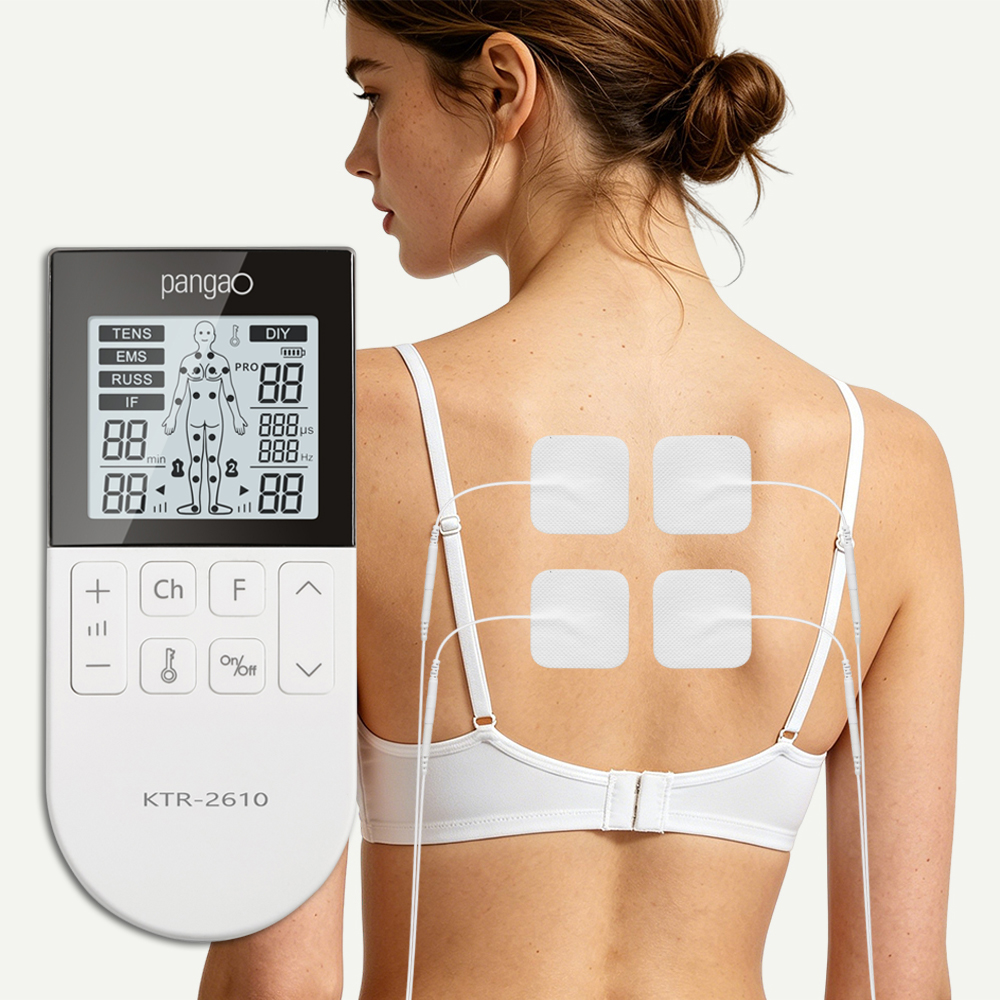
- Constant Current Output Circuitry: Ensures stable micro-amp output regardless of skin impedance changes (sweat, dry skin, varying electrode pad age), eliminating sharp stinging sensations.
- Dual-Channel Independent Isolation: Allows simultaneous treatment of lower back (Channel A) and sciatic nerve/gluteal region (Channel B) at completely separate intensity levels.
- Thermal Ergonomic Integration: Carbon-fiber far-infrared (FIR) heating elements delivering constant 42°C - 48°C warm compress to dilate blood vessels prior to electrotherapy pulse delivery.
- Medical-Grade Hydrogel Pads: Biocompatible, latex-free Japanese hydrogel providing even current distribution over 100+ re-application cycles without skin irritation.
Localized Application Scenarios in Portland & the Pacific Northwest
Designing and branding lower back massagers specifically tailored to the lifestyle and workplace demographics of Oregon yields significantly higher conversion rates for regional health brands. Key localized use cases include:
1. Hillsboro Tech Ergonomics & Posture Relief
Desk-bound software developers and semiconductor engineers in the Silicon Forest experience chronic "lower back flexion fatigue." Compact, wireless lumbar TENS belts fit discreetly under office attire, delivering silent pulsed relief during 8-hour coding sessions.
2. Outdoor Athletic Recovery (Mt. Hood & Forest Park)
PNW trail runners, mountain bikers, and backcountry skiers require post-activity myofascial decompression. Portable 5-in-1 EMS units flush lactic acid and accelerate recovery in the lower back and glutes after rigorous elevation gain.
3. Clinical Chiropractic & Physical Therapy Outpatient Care
Leading physical therapy clinics along NW 23rd Ave, Pearl District, and Eastside Portland utilize dual-channel medical TENS units as adjunct therapy for home patient compliance following spinal alignment adjustments.
Regional Market Trends Driving Lumbar Care Demand in Oregon
As the healthcare landscape in Oregon shifts toward drug-free pain management and sustainable medical electronics, buyers must align their product roadmaps with several key industry trends:
- Strict Preference for Non-Opioid Modalities: Oregon state health initiatives heavily emphasize non-pharmacological interventions for chronic low back pain. FDA-cleared electrotherapy massagers directly satisfy insurer and consumer demand for drug-free pain management.
- Sustainable & Eco-Friendly Component Specifications: Portland consumers prioritize environmental responsibility. Sourcing rechargeable Li-ion battery units compliant with RoHS and WEEE directives eliminates single-use alkaline battery waste.
- Smart App Integration & Wearable Aesthetics: Wearable lower back massagers featuring Bluetooth 5.0 app control and ultra-thin form factors are replacing bulky wired units in the direct-to-consumer (DTC) e-commerce sector.
Manufacturing Excellence: Why Lead Brands Partner with Vilicus
Shenzhen Vilicus Medical Electronics Co., Ltd. stands as an industry leader in custom home physiotherapy device manufacturing. Backed by a group heritage spanning over two decades and a dedicated electrotherapy division established in 2013, Vilicus delivers unmatched manufacturing depth for Portland buyers seeking high-reliability massager production.
ISO 13485 & FDA Quality System
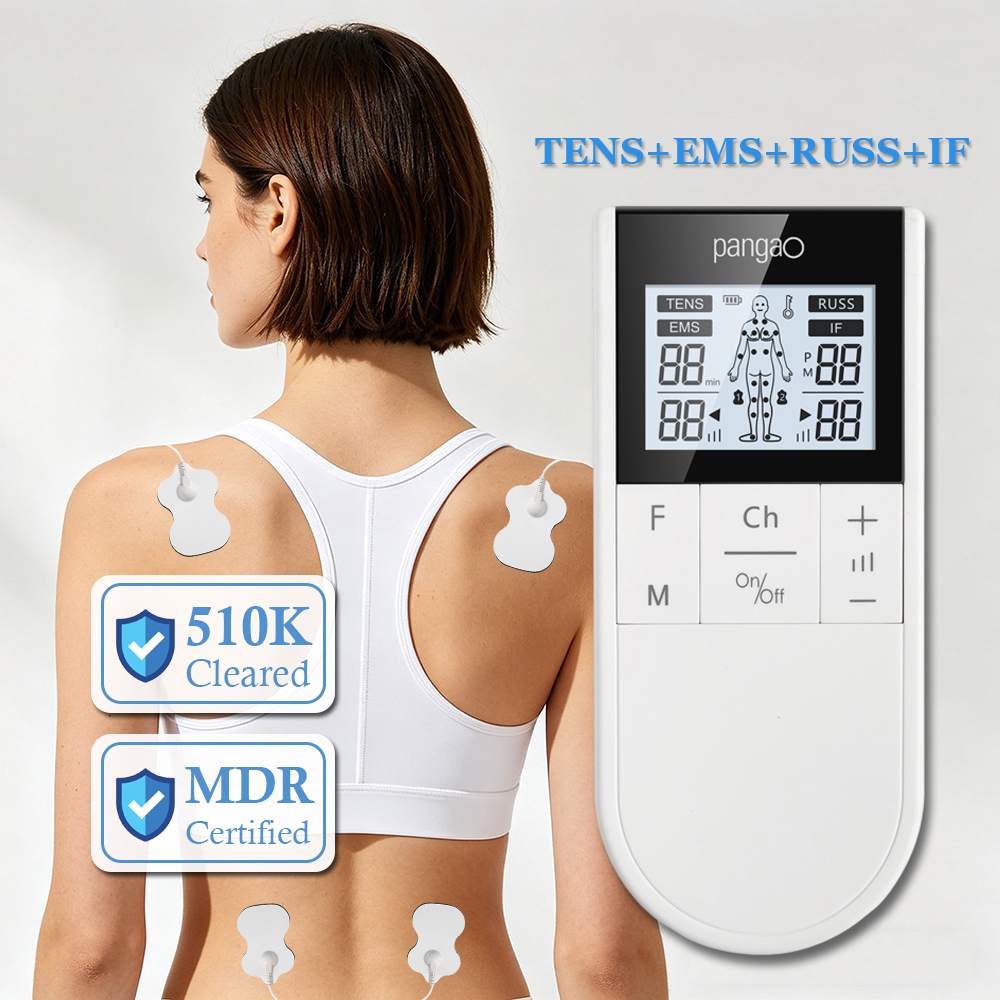
Operating under certified ISO 13485 quality management systems. Products hold comprehensive market clearances including US FDA 510(k), EU MDR, CE, TGA, and BSCI social compliance audits.
300+ Group R&D Engineers
Full in-house development capabilities covering PCB schematic design, firmware waveform programming, structural tooling, mechanical engineering, and companion app development.
100% QA Inspection & Global Logistics
Every lower back massager undergoes 100% functional safety testing, high-voltage insulation checks, and pulse output calibration prior to export via ocean freight to the Port of Portland or air freight to PDX.
Portland Buyer Procurement FAQ
Common questions answered for purchasing directors, supply chain managers, and brand founders importing lower back massagers into Oregon.
What is the Minimum Order Quantity (MOQ) for custom lower back massagers?
Standard OEM custom orders (including private label logo printing, custom gift box packaging, and localized user manuals) start at 1,000 units for portable electrotherapy devices. For specialized EMS foot massagers or complex multi-modal lumbar belts, MOQs start from 500 units. Entry-level wireless units start at 3,000 units.
How do Vilicus factory clearances support US FDA 510(k) requirements in Oregon?
Vilicus holds established US FDA 510(k) clearances for our core TENS and EMS device platforms. Portland importers can utilize our existing 510(k) numbers as an ODM customer or leverage our comprehensive technical documentation files (510k, ISO 10993 biocompatibility, IEC 60601-1-2 safety reports) to file for private label 510(k) clearance efficiently.
What are the typical shipping lead times to Portland, Oregon?
Sample production takes 5 to 7 business days. Mass production lead time is typically 25 to 30 days following sample approval. Direct ocean shipping from Shenzhen/Yantian to the Port of Portland or Seattle/Tacoma hubs takes approximately 16 to 22 days. Express air freight to Portland International Airport (PDX) takes 5 to 7 days.
Can we customize the pulse modes, heating levels, and housing colors for our brand?
Yes. As a direct custom manufacturer, we offer complete OEM/ODM flexibility. You can specify custom pantone housing colors, surface finishes (soft-touch matte, metallic UV), customized LCD icon screen layouts, tailored waveform programs (frequency, pulse width, work/rest cycles), and branded hydrogel electrode pad shapes.
What quality assurance measures prevent defect rates in bulk shipments?
Our ISO 13485 facility enforces strict incoming quality control (IQC) on all IC chips and lithium batteries, in-process quality control (IPQC) across SMT surface-mount lines, and 100% final functional testing (FQC) of pulse output intensity on automated testing jigs before packaging, maintaining a defect rate under 0.1%.
Ready to Launch Your Own Branded Lower Back Massager Line in Portland?
Partner with an ISO 13485 certified direct manufacturer. Request factory-direct wholesale pricing, technical compliance dossiers, or custom OEM samples today.