Top Recommended Electrotherapy & Incontinence Therapy Devices
Certified wired, wireless, and multi-channel electrotherapy platforms engineered for clinical pelvic floor rehabilitation, pain management, and localized B2B wholesale distribution in Querétaro.
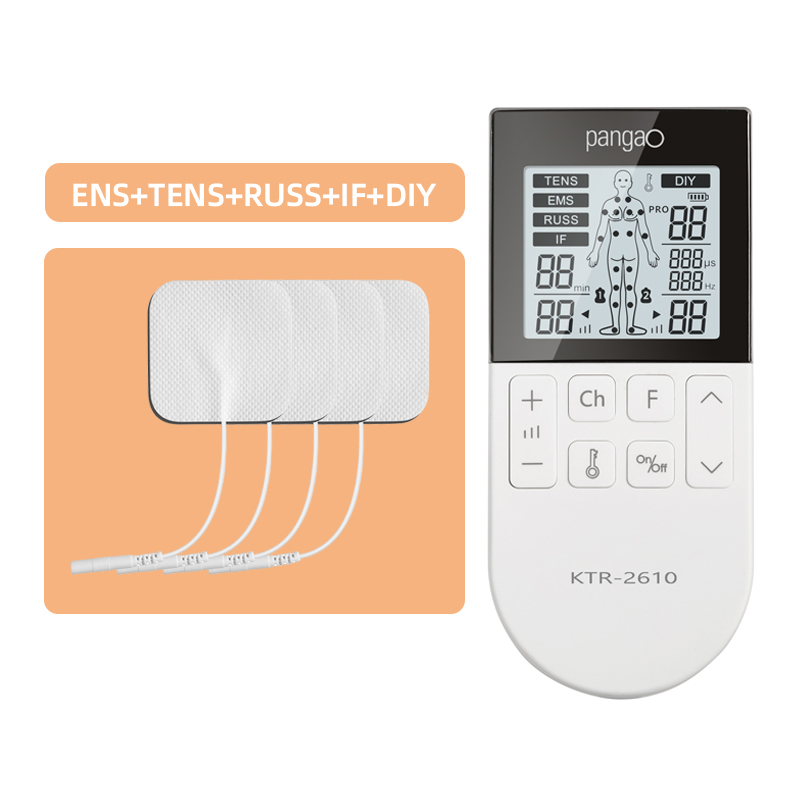
Medical Electric Muscle Stimulator Pain Relief Therapy Device Dual Channel TENS EMS Unit
Dual-channel non-invasive neuromuscular stimulator tailored for pelvic floor muscle re-education and acute/chronic pelvic pain relief.
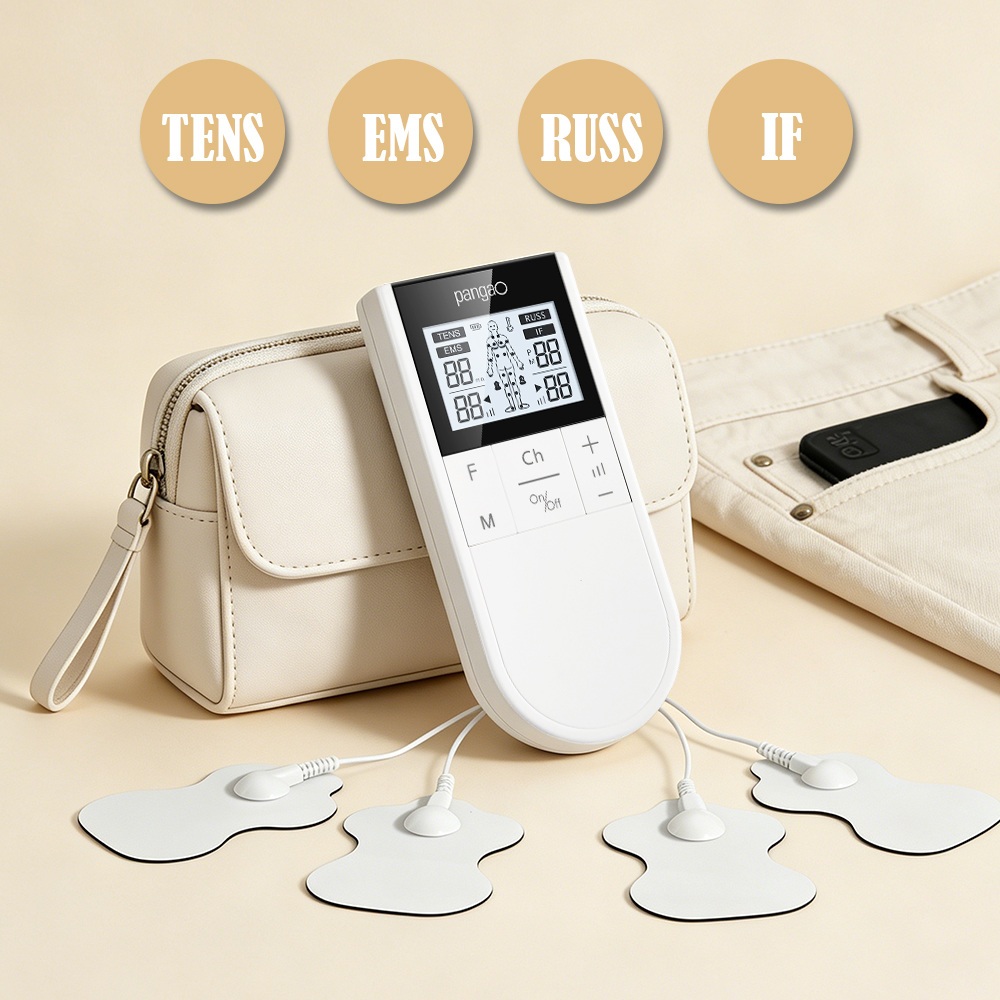
Multifunctional Digital Nerve & Muscle Stimulator Machine Dual Channels TENS Unit
Precision digital pulse generator supporting low-frequency nerve stimulation for stress urinary incontinence management and pelvic rehabilitation.
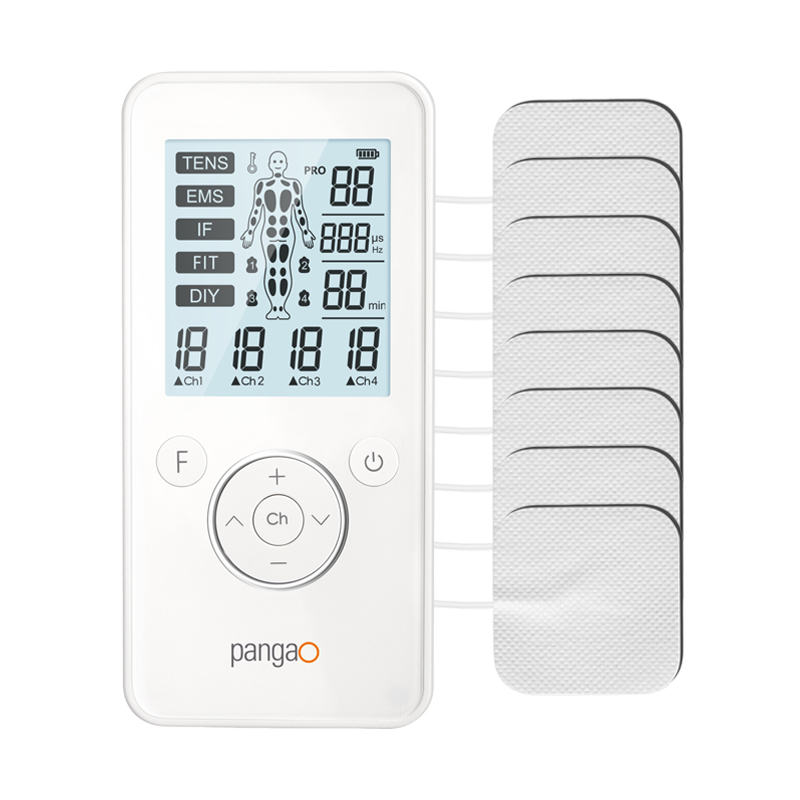
Portable Digital Physical Therapy Equipment EMS Muscle Stimulator 4 Channels TENS Unit
High-capacity 4-channel electrotherapy station allowing simultaneous multi-site muscle conditioning and pelvic girdle stabilization.
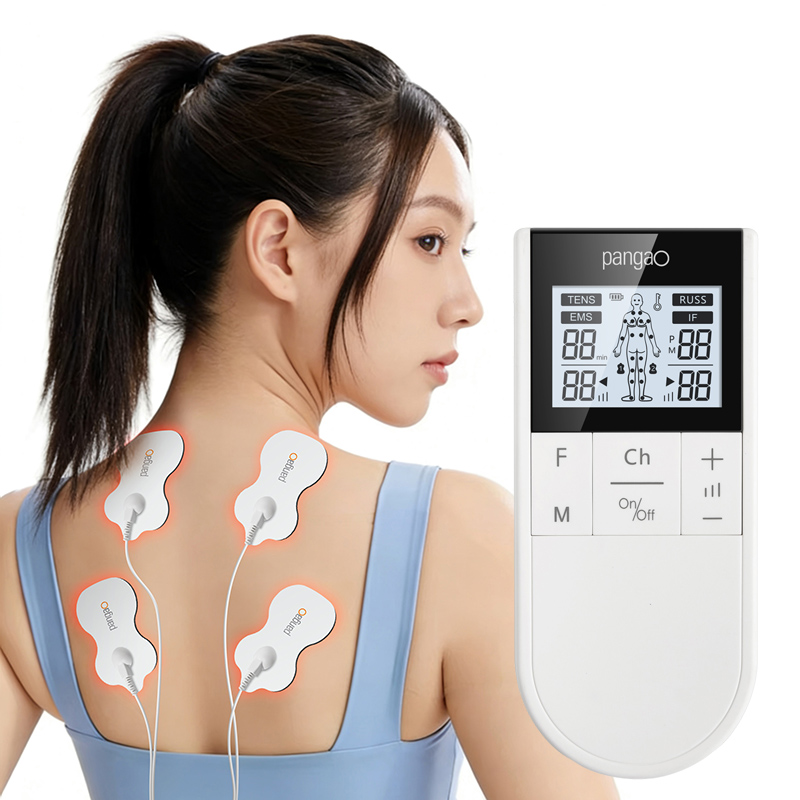
KENTRO Wholesale Professional Pain Relief Therapy Machine TENS Unit EMS Stimulator
Professional-grade clinical device delivering symmetrical biphasic pulse waveforms for urinary urgency containment and sphincter strengthening.
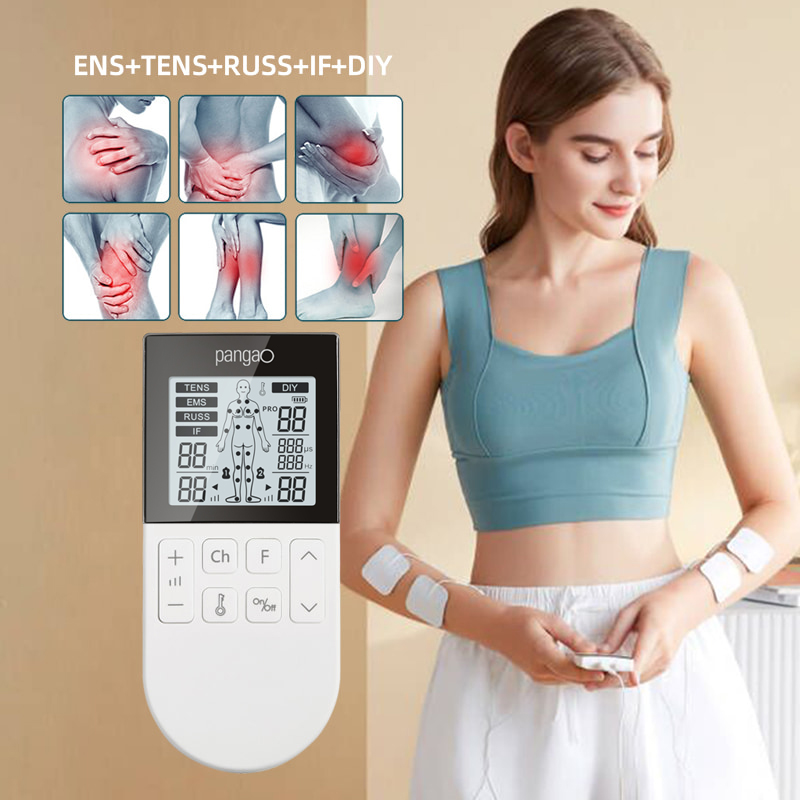
Portable 5-in-1 Electrotherapy Device (IF / RUSS / EMS / TENS / Pelvic Stimulation)
Advanced multi-modal therapy system combining Interferential, Russian, EMS, and TENS parameters for deep pelvic tissue stimulation.
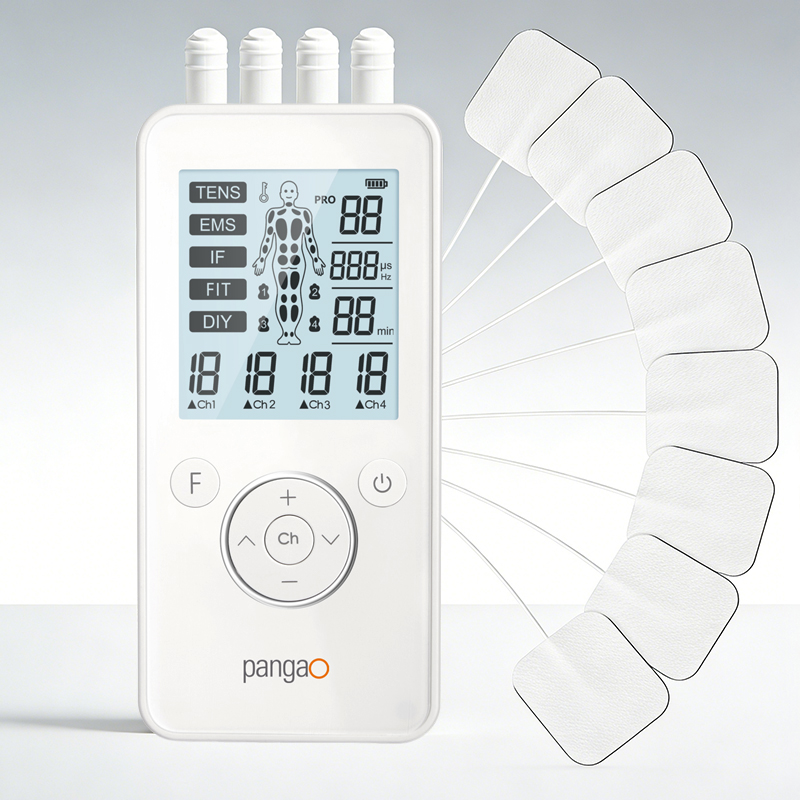
Wholesale Professional Electric Pulse Physical Therapy Device 4 Channels EMS TENS
Heavy-duty clinical workhorse engineered for institutional healthcare facilities, gynecology suites, and post-partum recovery clinics.
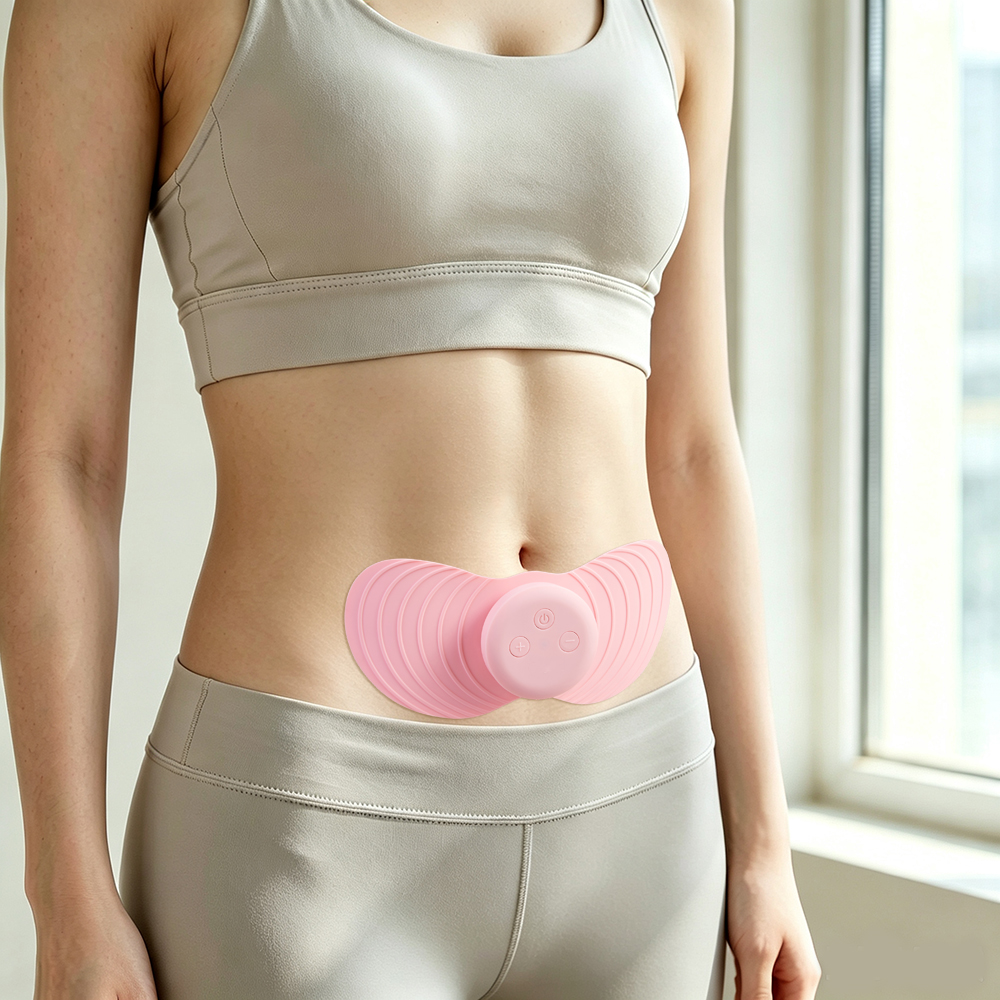
Smart Portable Wireless TENS Unit & Pelvic Comfort Massager for Women
Ultra-compact wearable pulse therapy unit combining gentle thermal application with localized TENS for pelvic floor muscle spasm relaxation.
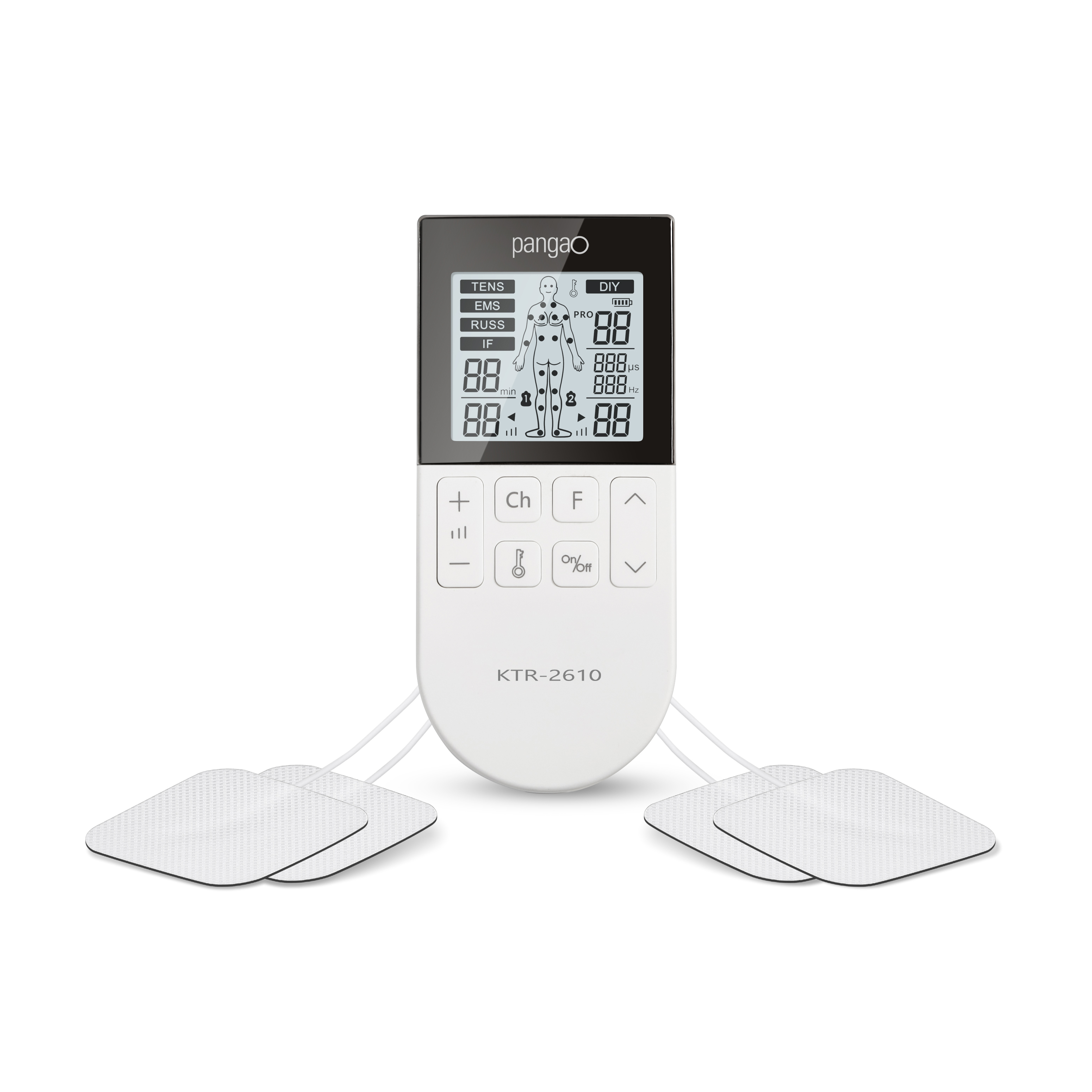
Rechargeable Digital Incontinence & Muscle Therapy Machine EMS TENS Unit
High-precision rechargeable unit featuring preset clinical protocols for levator ani muscle training and urge incontinence mitigation.
The Querétaro Healthcare Landscape & Incontinence Device Demand
Understanding the structural economic expansion, demographic shifts, and healthcare infrastructure transformation driving medical device procurement in the Bajío region.
Private Medical Infrastructure Growth
Querétaro has evolved into the primary healthcare destination of central Mexico. Dynamic medical hubs in Juriquilla, El Marqués, and Santiago de Querétaro—such as Hospital MAC, Hospital Ángeles Querétaro, and Star Médica—are expanding specialized urology and pelvic rehabilitation departments, accelerating demand for high-precision biofeedback and NMES incontinence equipment.
Public Sector Modernization Demands
Public institutions like the IMSS Hospital General Regional No. 2 en El Marqués and the Hospital General de Querétaro are scaling non-invasive therapeutic interventions. Sourcing non-surgical, drug-free incontinence therapy devices reduces surgical burden and inpatient stays, aligning with national healthcare optimization mandates.
Demographic Shifts & Women's Health Focus
With an aging population across the Bajío corridor and an aggressive expansion in specialized post-partum maternal care clinics, prevalence awareness surrounding stress urinary incontinence (SUI), urge urinary incontinence (UUI), and pelvic organ prolapse has surged, turning home-use electrotherapy units into high-margin pharmacy retail items.
Information Gain Insight for Querétaro B2B Buyers: Incontinence therapy in Mexico is shifting rapidly from passive management (absorbent pads and diapers) to proactive rehabilitation (Neuromuscular Electrical Stimulation). Wholesalers distributing devices capable of dual-mode clinical and home therapy capture up to 3.4x higher gross margins compared to traditional disposable care products.
Incontinence Electrotherapy: Technical Waveforms & Mechanism of Action
Understanding how targeted electrical stimulation restores levator ani tone, modulates detrusor hyperreflexia, and ensures long-term pelvic floor re-education.
Surgical intervention for incontinence carries inherent post-operative risks and substantial cost burdens. Non-invasive electrotherapy via transcutaneous or intracavity probes delivers pulsed electrical signals to stimulate the pudendal nerve branches and pelvic floor musculature. B2B procurement managers must evaluate device specifications against three primary clinical categories:
| Therapy Mode | Waveform & Frequency Range | Pulse Width Range | Physiological Mechanism | Target Clinical Indication |
|---|---|---|---|---|
| Stress Incontinence (SUI) | 50 Hz - 80 Hz (Symmetrical Biphasic Pulse) | 200 μs - 300 μs | Triggers fast-twitch muscle fiber contraction, rebuilding pubococcygeus and levator ani strength to support urethral closure pressure. | Hypermobility of the bladder neck, post-partum sphincter weakness, prostatectomy recovery. |
| Urge Incontinence (UUI) | 5 Hz - 10 Hz (Low-Frequency Continuous/Burst) | 150 μs - 250 μs | Inhibits parasympathetic outflow to the bladder, relaxing the hyperactive detrusor muscle through sacral reflex arc modulation. | Overactive Bladder (OAB), involuntary detrusor contractions, sudden urinary urgency. |
| Mixed Incontinence (MUI) | Alternating 10 Hz / 50 Hz Work-Rest Cycles | 150 μs - 300 μs | Combines motor neuron recruitment with sensory nerve inhibition to address both muscle tone deficits and neural hyper-excitability. | Co-existing stress and urge urinary leakage patterns. |
| Pelvic Pain Modulation | 80 Hz - 125 Hz (High-Frequency TENS Mode) | 50 μs - 100 μs | Activates the Pain Gate Mechanism (A-beta fiber recruitment) and stimulates endogenous beta-endorphin release within the spinal cord. | Chronic pelvic pain syndrome (CPPS), vulvodynia, painful bladder syndrome / interstitial cystitis. |
Evaluating the Top 10 Incontinence Device Manufacturers for Mexico
A rigorous comparative framework examining global OEMs, OEM capabilities, regulatory compliance, and regional supply chain responsiveness for Querétaro distributors.
| Manufacturer Criteria | Shenzhen Vilicus Medical Electronics | Tier-1 Western Medical OEMs | Generic Domestic Assemblers |
|---|---|---|---|
| Quality Management System | ISO 13485 Certified, BSCI Audited, Onsite SGS Verified | ISO 13485, FDA Registered | Standard ISO 9001 or uncertified |
| Regulatory Dossiers for Mexico | Complete Technical Files ready for COFEPRIS Class II Submission | CE / FDA cleared (High registration cost) | Lacks localized dossier documentation |
| Waveform Output Accuracy | Constant Current Circuitry (<±5% deviation across load 500-1500Ω) | High precision (<±3% deviation) | Voltage-dependent (Fluctuates under tissue impedance changes) |
| Customization (OEM / ODM) | Full custom tooling, firmware programs, bilingual UI & packaging | Rigid catalog items; high MOQ restrictions | Basic logo silk-screening only |
| B2B Direct Wholesale Pricing | Direct factory pricing offering 40%-60% margin headroom | Premium pricing; limited profit margins for regional dealers | Low cost but high failure/return rates (>3%) |
| Lead Times to Querétaro (QRO / Manzanillo) | 20-25 Days Mass Production + Express Air to QRO or Ocean to Manzanillo | 30-60 Days standard shipping | Unpredictable production schedules |
When establishing a B2B distribution channel in Querétaro, selecting a manufacturing partner with robust R&D depth and complete regulatory documentation is vital. Device instability or high impedance variance can cause uncomfortable galvanic stinging for patients, leading to product returns and brand degradation in the competitive Mexican market.
Why Sourcing Directly from Shenzhen Vilicus Medical Guarantees Commercial Success
Combining over two decades of high-precision electronic manufacturing heritage with world-class medical device engineering.
15,700 m² Advanced Production Hub
Our state-of-the-art facility features automated SMT surface mounting lines, dust-free assembly rooms, specialized electro-acoustic testing chambers, and stringent environmental stress aging bays to ensure zero-defect output for institutional medical buyers.
300+ Engineer R&D Backbone
Our engineering group designs proprietary waveform microchips, constant-current stimulation algorithms, biofeedback sensing modules, and mobile app connectivity, offering end-to-end ODM development from physical prototype to mass manufacturing.
Global Regulatory Clearance
Vilicus devices hold US FDA 510(k) clearances, EU MDR CE certifications, Australian TGA listings, and RoHS/REACH compliance. We supply complete technical dossiers (STED format) to streamline your local COFEPRIS registration in Mexico.
Frequently Asked Questions for Sourcing in Querétaro
Direct answers to technical, regulatory, and logistics queries commonly raised by Mexican medical equipment importers and B2B distributors.
Partner with a Leading Incontinence Device Factory Today
Request factory-direct wholesale quotes, engineering datasheets, or COFEPRIS regulatory dossier support for the Querétaro and Bajío medical markets.