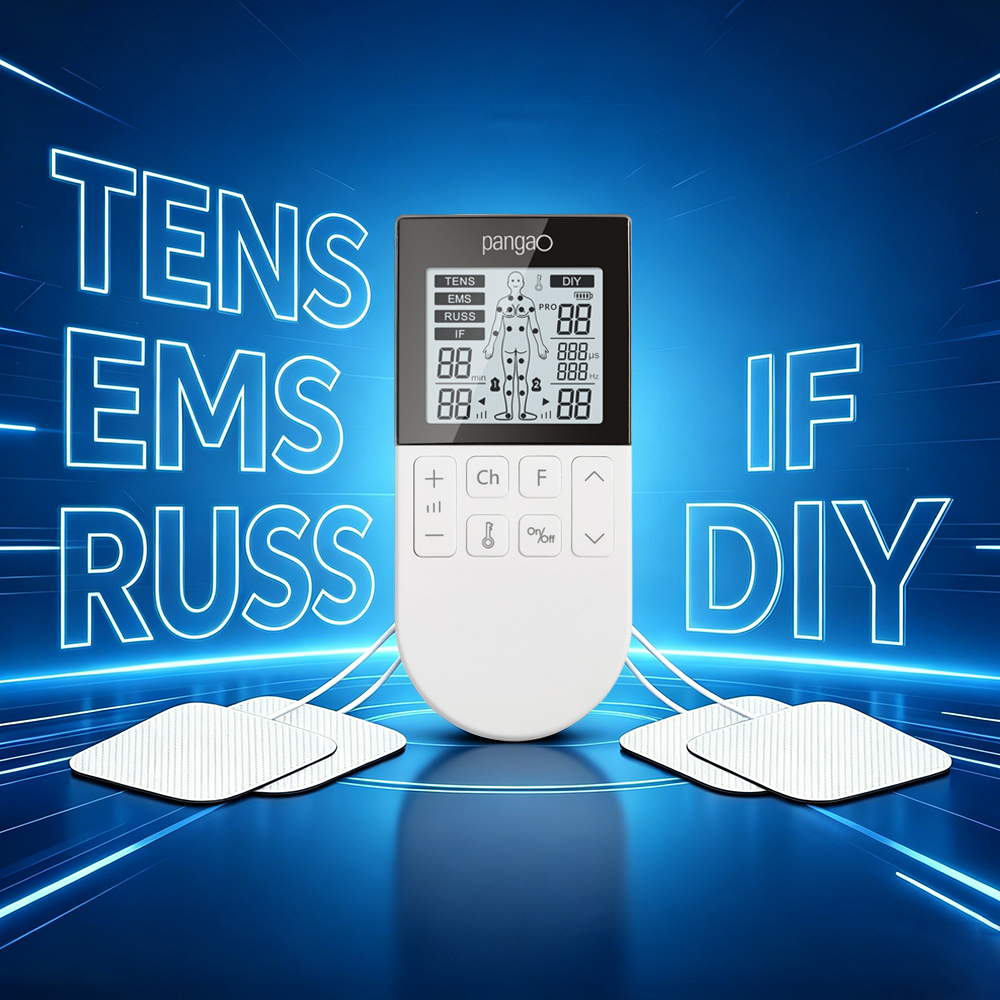
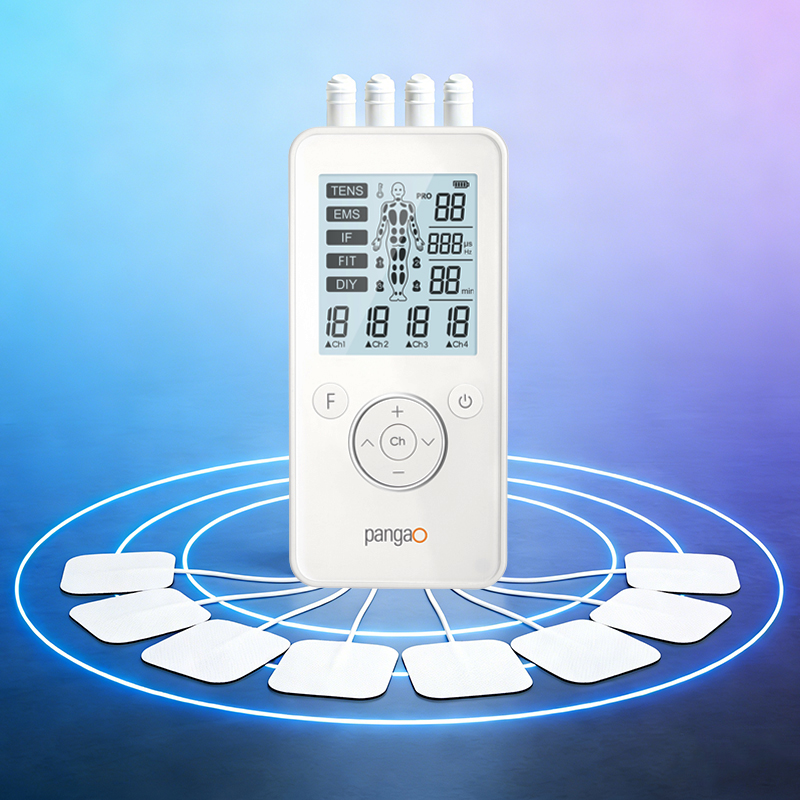
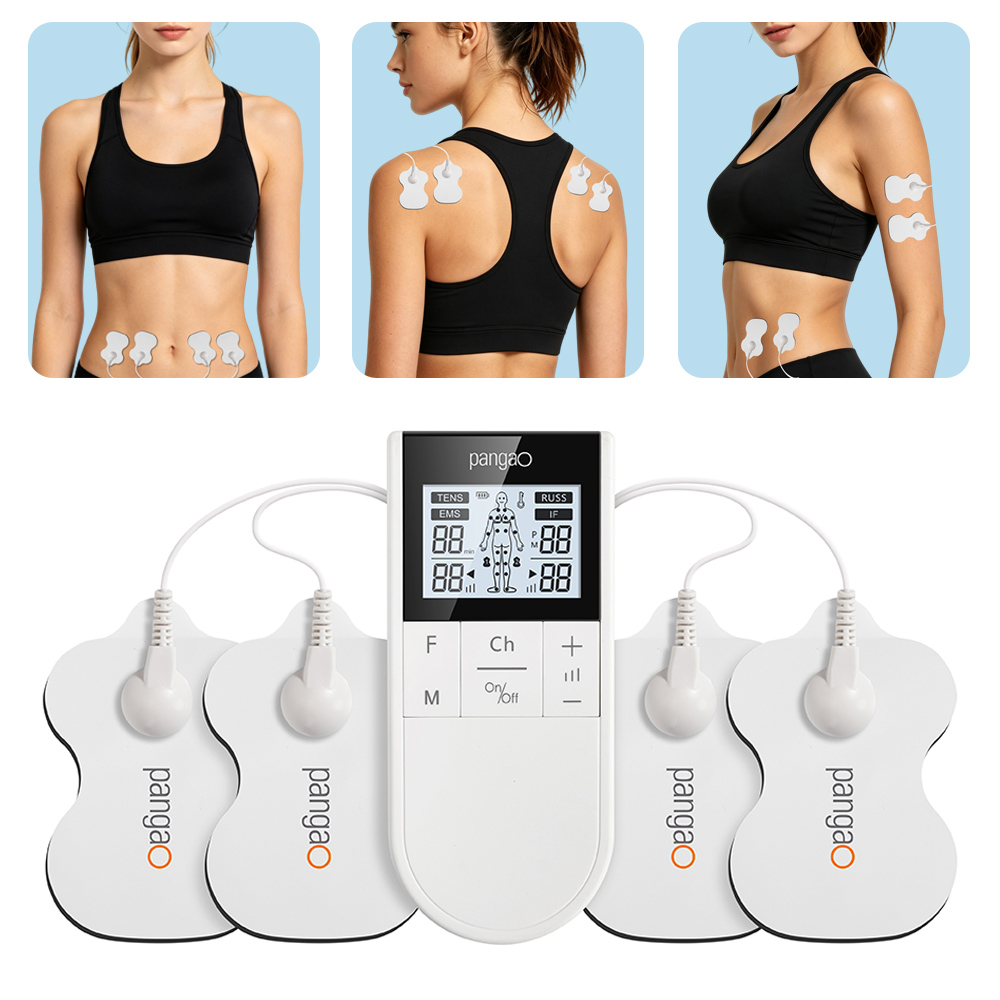
Featured TENS & EMS Devices for Wholesale & Clinical Distribution
Explore our certified electrotherapy units designed for high-frequency clinical usage, home pain management, and occupational rehabilitation channels in Michigan.
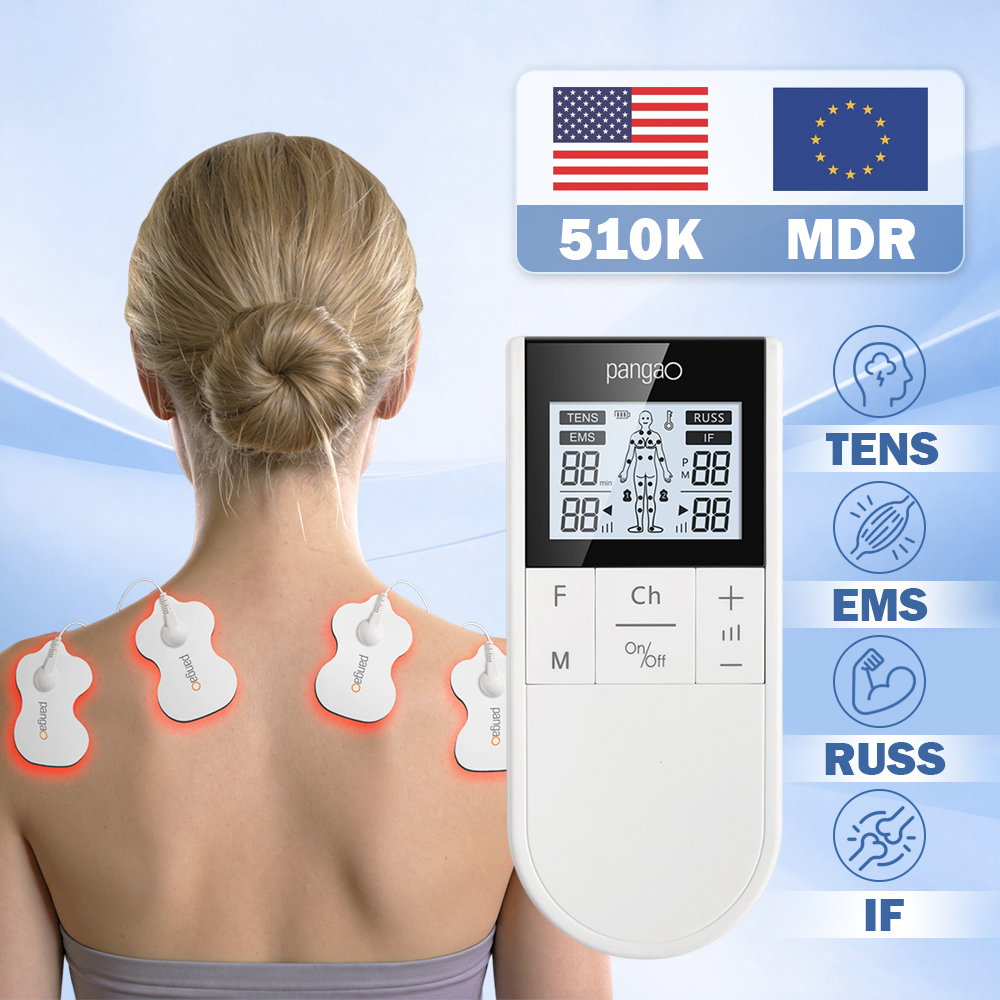

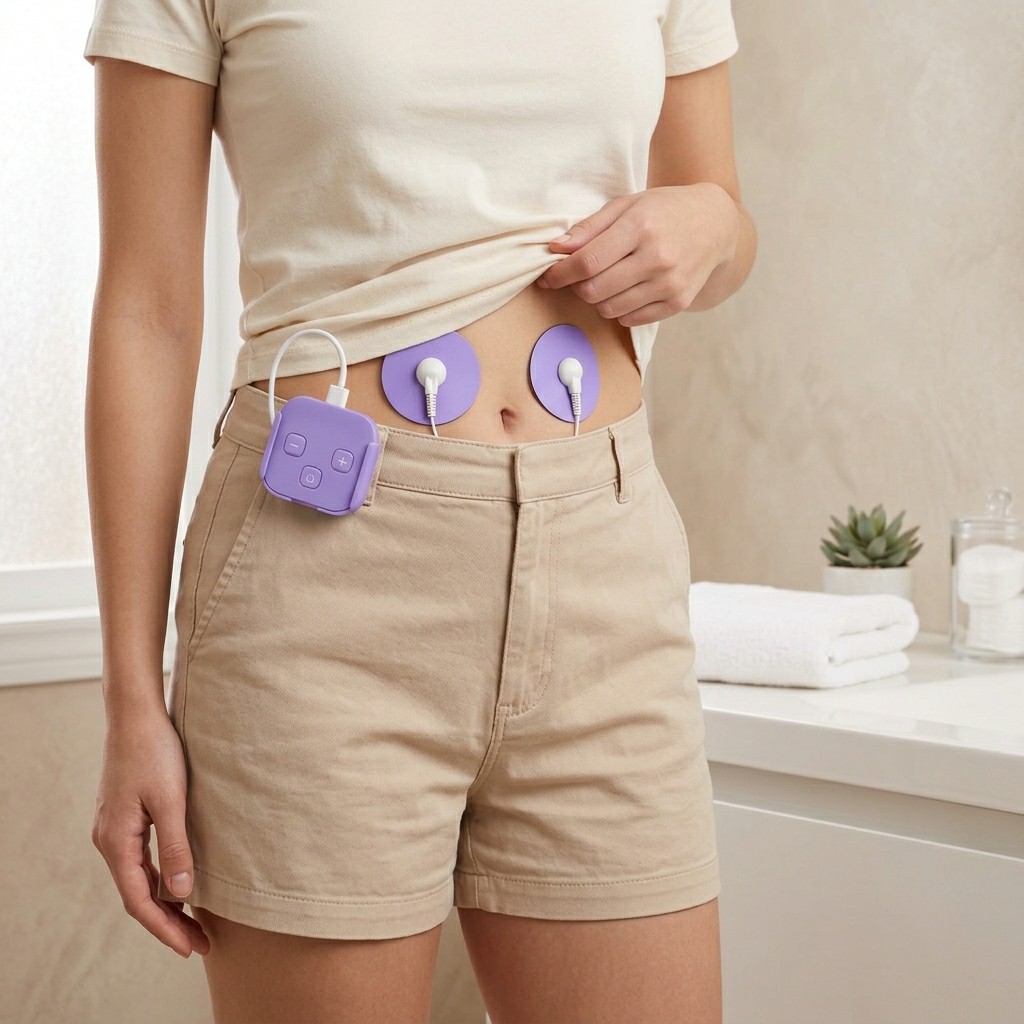
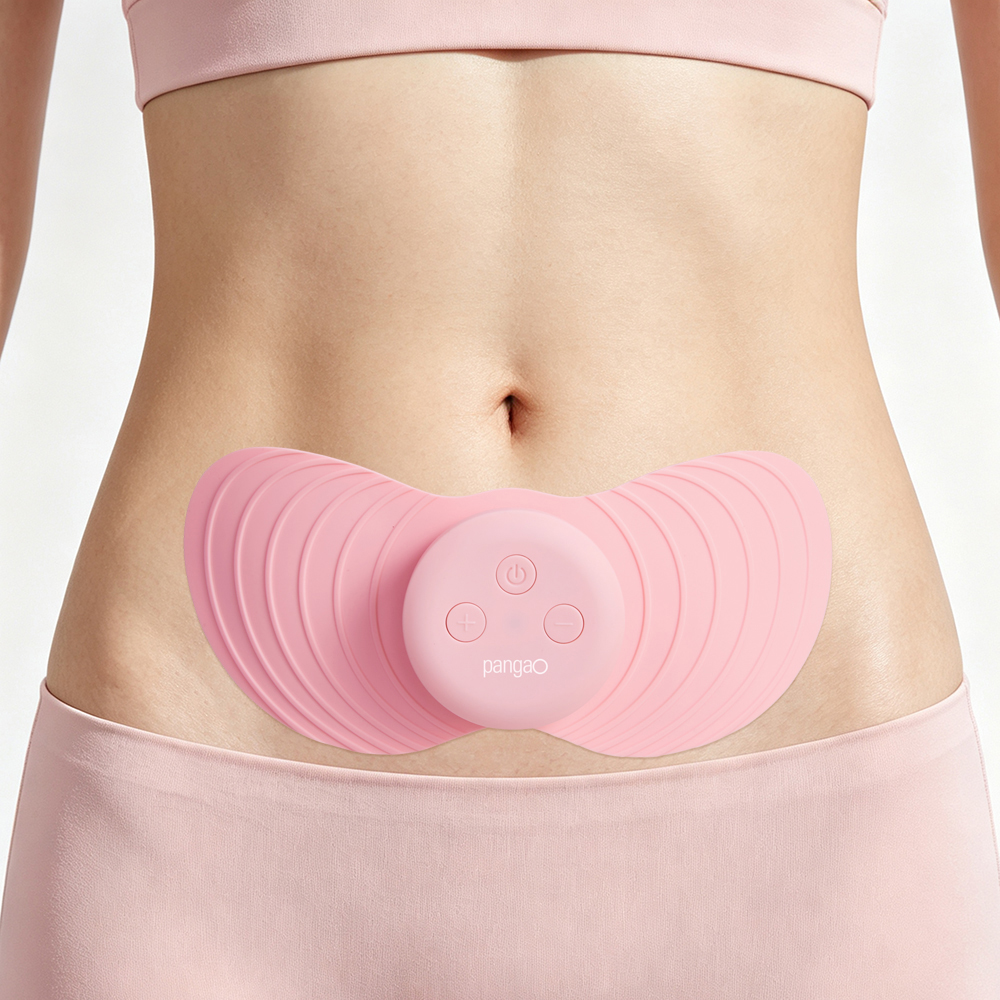
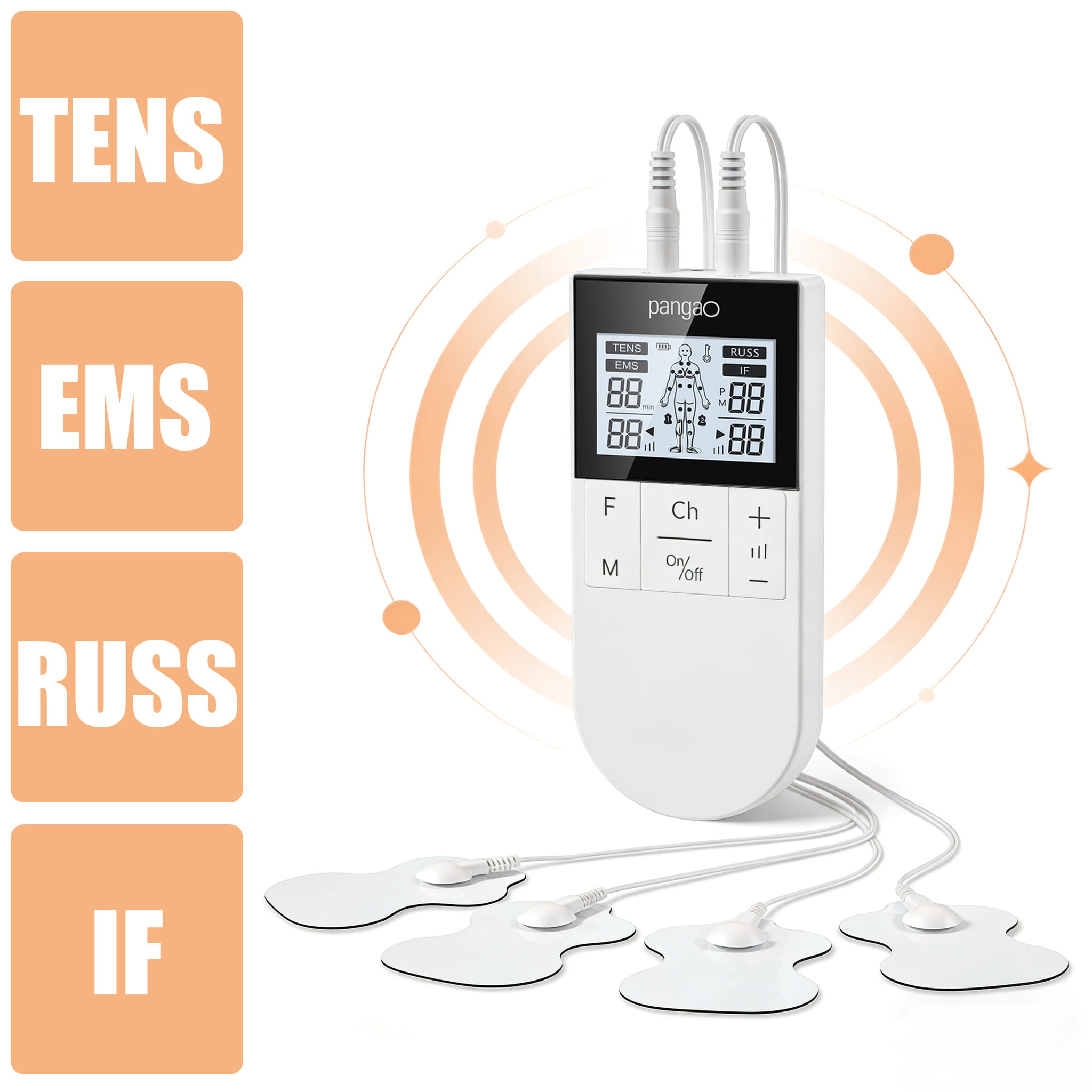
Executive Market Intelligence: Metro Detroit’s Clinical Electrotherapy & Lead Wire Supply Chain
The Greater Detroit metropolitan area—encompassing Wayne, Oakland, and Macomb counties—represents one of the most concentrated medical rehabilitation and industrial health markets in the Midwestern United States. As major health networks such as Henry Ford Health System, Corewell Health (formerly Beaumont Health), Detroit Medical Center (DMC), Ascension Michigan, and Trinity Health expand their outpatient physical therapy and orthopedic rehabilitation facilities, the demand for high-reliability electrotherapy consumables has surged significantly.
Crucially, Metro Detroit's legacy as America’s automotive manufacturing epicenter creates a distinct occupational healthcare profile. With thousands of United Auto Workers (UAW) and industrial technicians operating in stamping plants, assembly lines, and advanced powertrain facilities (e.g., Ford Rouge Complex, GM Factory ZERO, Stellantis Jefferson North), repetitive strain injuries (RSIs), severe lumbar disc neuropathies, rotator cuff tendinopathies, and chronic musculoskeletal disorders (MSDs) are prevalent. Non-invasive Transcutaneous Electrical Nerve Stimulation (TENS) and Electrical Muscle Stimulation (EMS) are front-line, non-pharmacological modalities utilized across occupational health clinics, VA hospitals (John D. Dingell VA Medical Center), and independent physical therapy clinics in Troy, Southfield, Livonia, Sterling Heights, and Dearborn.
However, the efficacy of TENS and EMS therapy is intrinsically constrained by the electrical integrity of its accessories. TENS lead wires function as the crucial conductive bridge between the pulse generator micro-controller and the patient's skin-applied hydrogel electrode pads. Subpar lead wires suffer from internal copper strand breakage, rapid insulation cracking due to clinic disinfectant exposure, signal attenuation, and dangerous resistance spikes that cause thermal discomfort or therapy disruption. For Detroit Durable Medical Equipment (DME) distributors, hospital procurement managers, and private-label physical therapy suppliers, securing a factory-direct OEM partner for bio-compatible, high-flex lead wires is essential to maintaining clinical efficacy and safeguarding profitability.
Target Application Scenarios Across Metro Detroit Healthcare Networks
Understanding how medical lead wires and electrotherapy accessories are specified across automotive occupational therapy, institutional hospital networks, and home-care DME channels.
Automotive Industry Ergonomic Rehab
Deployed in on-site occupational health centers at Tier-1 automotive manufacturing plants across Warren, Dearborn, and Pontiac. High-durability TPU lead wires withstand continuous movement during active rehabilitation cycles for assembly line workers recovering from lumbar strain and shoulder impingement.
Institutional Outpatient PT Chains
Supplied in high-volume multi-lead bundles to large outpatient physical therapy networks in Southfield, Troy, and Ann Arbor. Standardized 2.0mm touch-proof female DIN connectors guarantee seamless compatibility with institutional multi-channel electrotherapy consoles (Chattanooga, Intelect, and Vilicus clinical series).
DME Home Health Reorder Kits
Packaged in sealed consumer-ready retail kits for Metro Detroit DME providers fulfilling Medicare and commercial insurance prescriptions. High-flex, soft-touch lead wires combined with replacement hydrogel pads provide low-impedance home pain management under HCPCS billing code A4595.
Technical Engineering Blueprint: Structural Integrity of High-Performance TENS Cables
To the untrained procurement agent, a TENS lead wire may appear to be a simple copper cable. In clinical reality, electrotherapy lead wires are precision medical interconnects subject to rigorous physical and bio-electrical demands. Shenzhen Vilicus Medical Electronics manufactures TENS lead wires specifically engineered to overcome common failure modes experienced in demanding medical environments:
1. High-Flex Tinsel Wire Conductor Core: Traditional stranded copper wires quickly work-harden and snap internally under repetitive flexing. Our lead wires utilize a high-flex tinsel wire construction—comprising ultra-thin, silver-plated copper ribbon foil spirally wrapped around high-tensile Dupont Kevlar or nylon carrier filaments. This hybrid core achieves an exceptional flex fatigue resistance, enduring over 100,000 continuous 90-degree bend cycles at the strain relief strain boots without electrical discontinuity.
2. Medical-Grade TPU vs. Soft PVC Jacketing: Cheap consumer lead wires rely on low-grade PVC that stiffens, yellow-discolors, and cracks when exposed to human skin lipids, perspiration, and hospital-grade surface disinfectants (e.g., quaternary ammonium wipes, isopropyl alcohol). Vilicus utilizes biocompatible, latex-free Thermoplastic Polyurethane (TPU) outer insulation. TPU provides superior abrasion resistance, flame retardancy, smooth tactile feel, and non-tacky flexibility even in varied clinical temperatures.
3. Standardized Precision Interface Geometry:
- 2.0mm Female Touch-Proof DIN Pins: Fully compliant with IEC 60601-1 electrical safety standards for medical devices, preventing accidental shock or misconnection with power sockets. Manufactured with gold-plated brass sockets to eliminate oxidation and maintain contact resistance below 0.5 Ohms.
- 3.5mm Snap Connectors: High-retention force stainless-steel snaps engineered for snap-style electrode pads, maintaining consistent mechanical retention over 5,000 insertion/removal cycles.
- Device Interface Plugs: Universal 2.5mm and 3.5mm right-angle or straight mono/stereo plugs, molded with heavy-duty strain relief boots to prevent internal joint separation under tension.
4. Bio-Electrical Signal Fidelity: Low conductor resistance (< 0.5 Ω/m) ensures that complex asymmetric biphasic square pulses, interferential (IF) carrier frequencies, and Russian stimulation burst waves are transmitted from the generator to the tissue without pulse shape distortion, energy degradation, or unexpected current spikes.
Standard Consumer Lead Wires vs. Vilicus Clinical-Grade Lead Wires
A technical comparison highlighting why leading Detroit medical equipment suppliers specify Vilicus engineered cables.
| Specification Feature | Generic Consumer Lead Wires | Vilicus Clinical-Grade Lead Wires | Detroit Business Impact |
|---|---|---|---|
| Conductor Construction | Standard 7-strand copper wire | Silver-plated tinsel wire + Kevlar core | Eliminates internal wire breakage & patient shock risk |
| Flex Fatigue Endurance | < 5,000 bend cycles | > 100,000 90° bend cycles | 95% reduction in clinical warranty replacements |
| Jacket Insulation Material | Recycled PVC (Phthalate prone) | Medical-Grade TPU (Latex-free, ISO 10993) | Resists hospital disinfectants, skin oils & yellowing |
| Pin Socket Conductivity | Nickel-plated steel (Oxidizes) | Gold-plated phosphor bronze (Anti-corrosive) | Consistent impedance (< 0.5 Ω) over multi-year use |
| Strain Relief Molding | Short single-shot injection | Multi-stage dual-injection molded boot | Prevents wire pull-out under heavy physical therapy use |
| Regulatory Compliance | None or basic CE mark | FDA 510(k), ISO 13485, EU MDR, RoHS | Full audit compliance for US insurance & hospital sales |
Local Detroit Market Trends & Insurance Procurement Dynamics
Supply chain strategies for electrotherapy accessories in Michigan have evolved significantly over the past three years. Wholesalers and DME suppliers navigating the Metro Detroit market must align with three primary macro trends:
1. Shift Toward Direct-to-Patient Subscription & Fulfillment Models: Healthcare payers and Managed Care Organizations (MCOs) in Michigan, including Blue Cross Blue Shield of Michigan (BCBSM) and Priority Health, increasingly support home-based pain management programs to reduce opiate reliance. DME providers in Detroit are setting up automated monthly replenishment models delivering hydrogel electrode pads and fresh lead wires directly to patients' homes. Sourcing low-cost, ultra-reliable bulk lead wires allows DME businesses to maximize reimbursement margins under HCPCS Code A4595 (TENS Supplies, 2 Lead Wires).
2. Increased Demand for Custom OEM Cable Lengths & Branding: As virtual physical therapy platforms and specialized medical device startups grow in the Ann Arbor and Detroit tech corridors, off-the-shelf 48-inch wires are no longer sufficient. Specialized applications—such as garment-integrated TENS belts, knee sleeves, and dysmenorrhea heating patches—require custom cable lengths (e.g., 12", 24", 72"), custom jacketing colors (hospital white, stealth black, brand-matched colors), and custom overmolded connector logos.
3. Supply Chain Risk Mitigation via Certified OEM Factories: Recent global logistics bottlenecks highlighted the danger of sourcing uncertified accessories from trading intermediaries. Detroit procurement directors now mandate direct contracts with ISO 13485 certified manufacturers possessing dedicated R&D, automated quality control, clear bill-of-materials (BOM) transparency, and established DTW (Detroit Metropolitan Airport) air cargo / Port of Detroit ocean freight pathways.
Why Detroit Medical Wholesalers Partner with Shenzhen Vilicus
Direct factory capability, rigorous quality management systems, and end-to-end OEM/ODM customization for global healthcare brands.
15,700 m² Factory
State-of-the-art clean production plant located in Henggang, Shenzhen, equipped with high-speed automatic wire stripping, crimping, and injection molding machinery.
ISO 13485 & FDA 510(k)
Certified medical quality management system with full clearance for US FDA 510(k), EU MDR, TGA Australia, and BSCI social compliance framework.
300+ Group R&D Engineers
Comprehensive in-house team covering circuit design, bio-compatible material science, custom mold tooling, and firm wave algorithm customization.
100% Quality Inspection
Every single lead wire assembly undergoes automated continuity testing, insulation resistance testing, and contact impedance verification prior to export packing.
Full OEM/ODM Capabilities for Michigan Healthcare Distributors
Shenzhen Vilicus Medical Electronics Co., Ltd. (operating since 2000, dedicated electrotherapy division established in 2013) serves as a trusted original equipment manufacturer (OEM) for top-tier medical device brands across North America and Europe. For Detroit wholesalers and distributors seeking private-label product lines, Vilicus offers an integrated, turnkey manufacturing partner:
- Custom Wire Specifications: Choice of tinsel wire gauge, strand count, shielding layer, outer jacket material (TPU/PVC/Silicone), and coiled/straight wire formats.
- Custom Connector Tooling: Proprietary overmolded plug designs, laser-etched brand logos, custom strain relief boots, and specialized multi-pin keyway connectors.
- Retail & Clinical Packaging: Customized polybags, retail color boxes, barcoded hospital master cartons, and custom instruction manuals tailored to FDA labeling requirements.
- Rapid Prototyping & Sampling: 3D CAD modeling, rapid mold prototyping, and functional pre-production samples delivered within 7 to 10 business days for clinical testing.
Our facility is onsite-verified by SGS and holds top-10 best-seller status in Physical Therapy Equipment categories worldwide.
Frequently Asked Questions for Detroit TENS Lead Wire Buyers
Address common technical, regulatory, and commercial inquiries regarding wholesale electrotherapy cable procurement.
What are the standard connector specifications for TENS lead wires in US clinical markets?
What minimum order quantities (MOQ) apply for OEM bulk lead wire orders?
How do Vilicus TENS lead wires comply with FDA requirements for distribution in Michigan?
What shipping options and delivery lead times are available to Metro Detroit?
Why is tinsel wire preferred over standard stranded copper wire for medical lead cables?
Can Vilicus assist with custom HCPCS packaging and private-label barcode requirements?
Partner with a Direct ISO 13485 TENS Cable Manufacturer Today
Request factory-direct wholesale pricing, technical engineering datasheets, and free evaluation samples tailored for your Metro Detroit medical supply business or physical therapy network.
Inquire Now