Medical-Grade Portfolio
Featured Electrotherapy & Pelvic Muscle Stimulation Units
Explore our top-tier CE and EU MDR compliant TENS, EMS, and bio-electrical pulse therapy systems engineered for clinical efficacy, pelvic floor rehabilitation, and targeted pain relief.
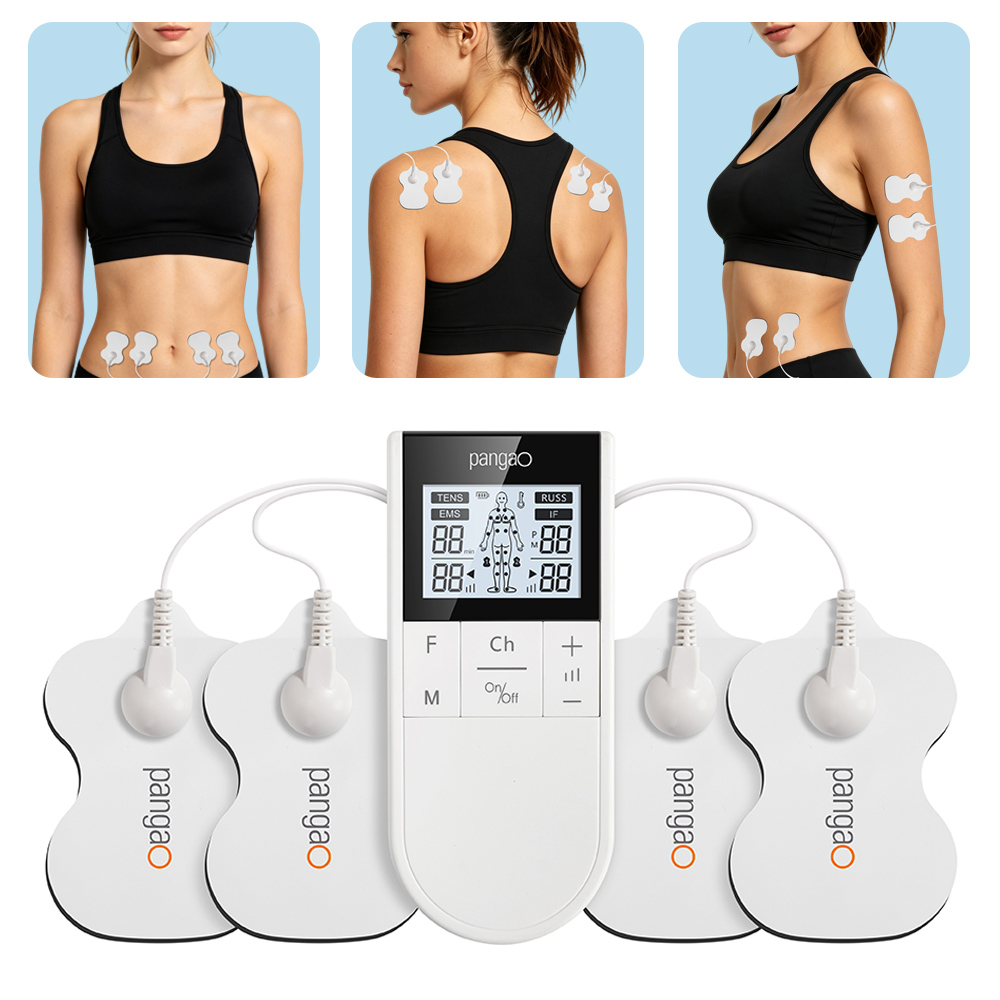
Rechargeable Digital Pain Relief Therapy Machine EMS Muscle Stimulator Dual Channel TENS Unit for Physiotherapy
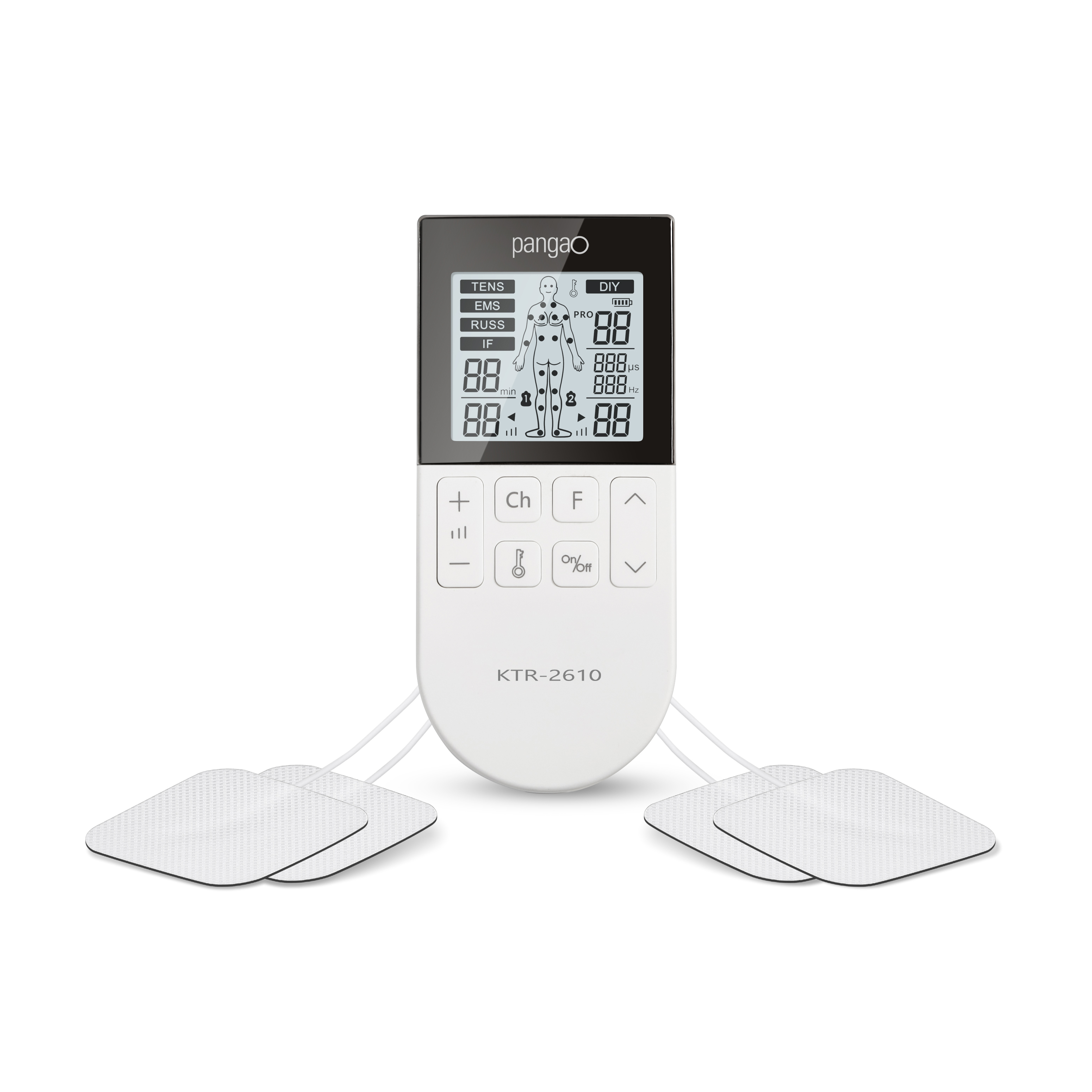
Home Use Body Pain Relief Treatment Electrotherapy Machine Handheld Multi-Mode Dual Channel EMS TENS Device
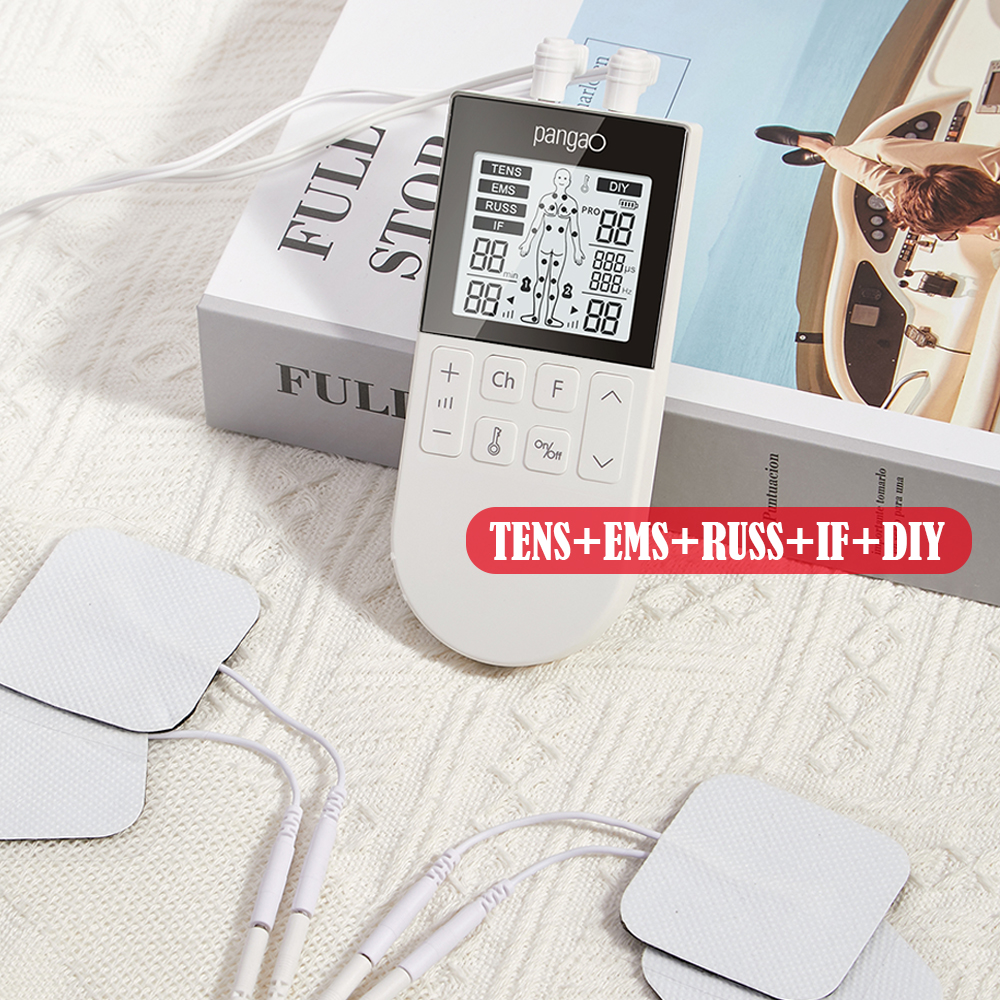
Competitive Price Low Frequency Pulse Therapy Device EMS Muscle Stimulator TENS Machine for Pain Management
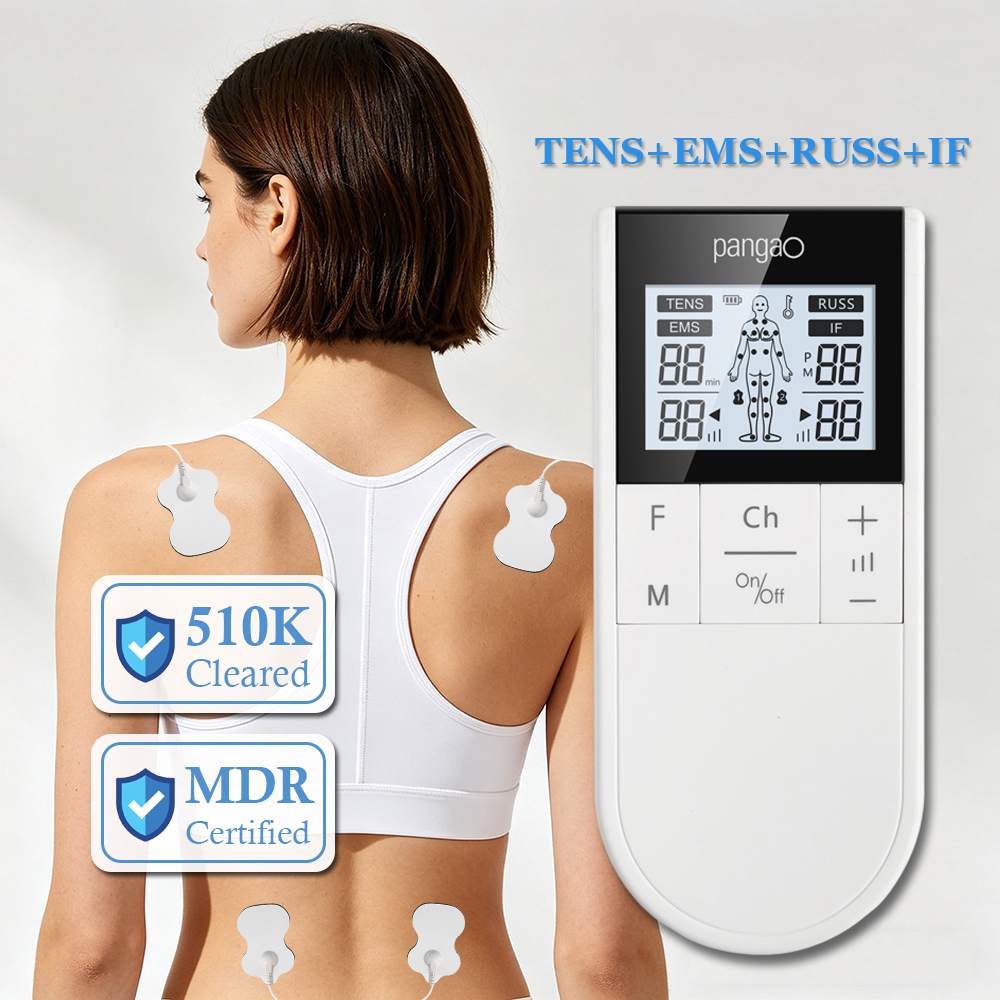
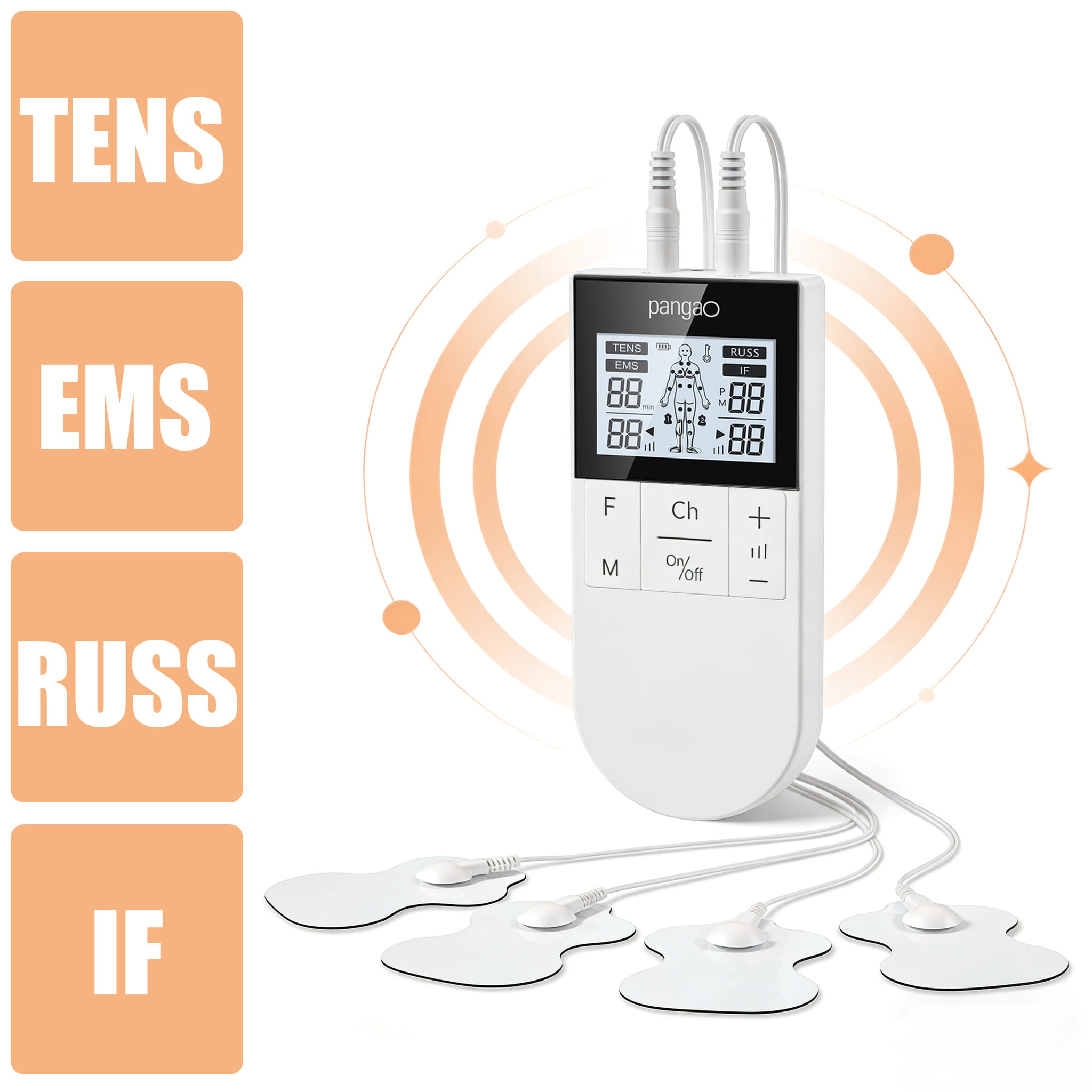
Electronic Pulse Pain Relief Therapy Massager EMS Muscle Stimulator 2 Channel TENS Machine Physiotherapy
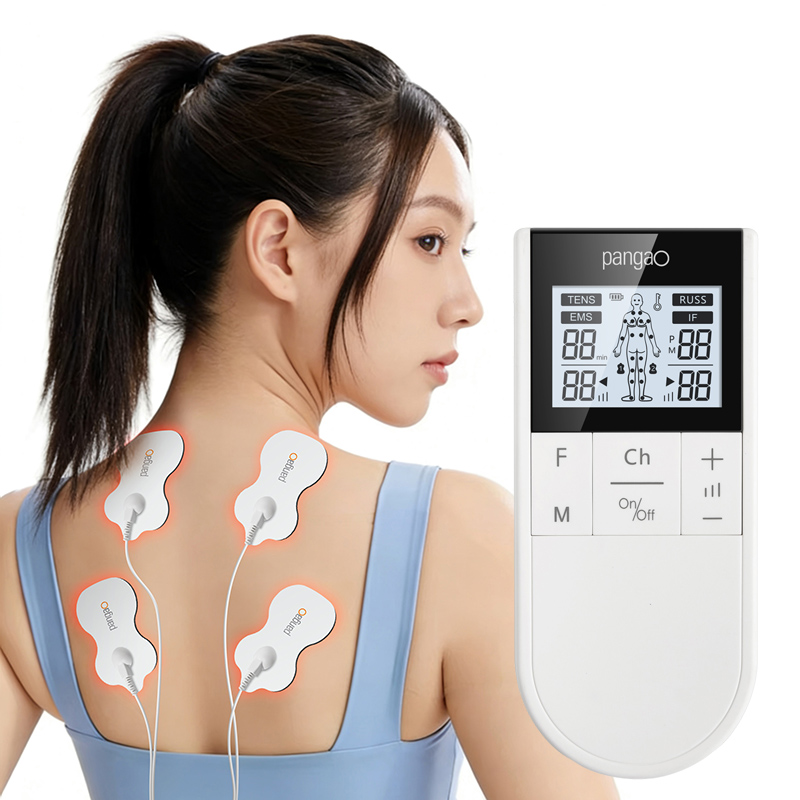
KENTRO Wholesale Digital Professional Body Pain Relief Therapy Machine Dual Channel TENS Unit EMS Muscle Stimulator
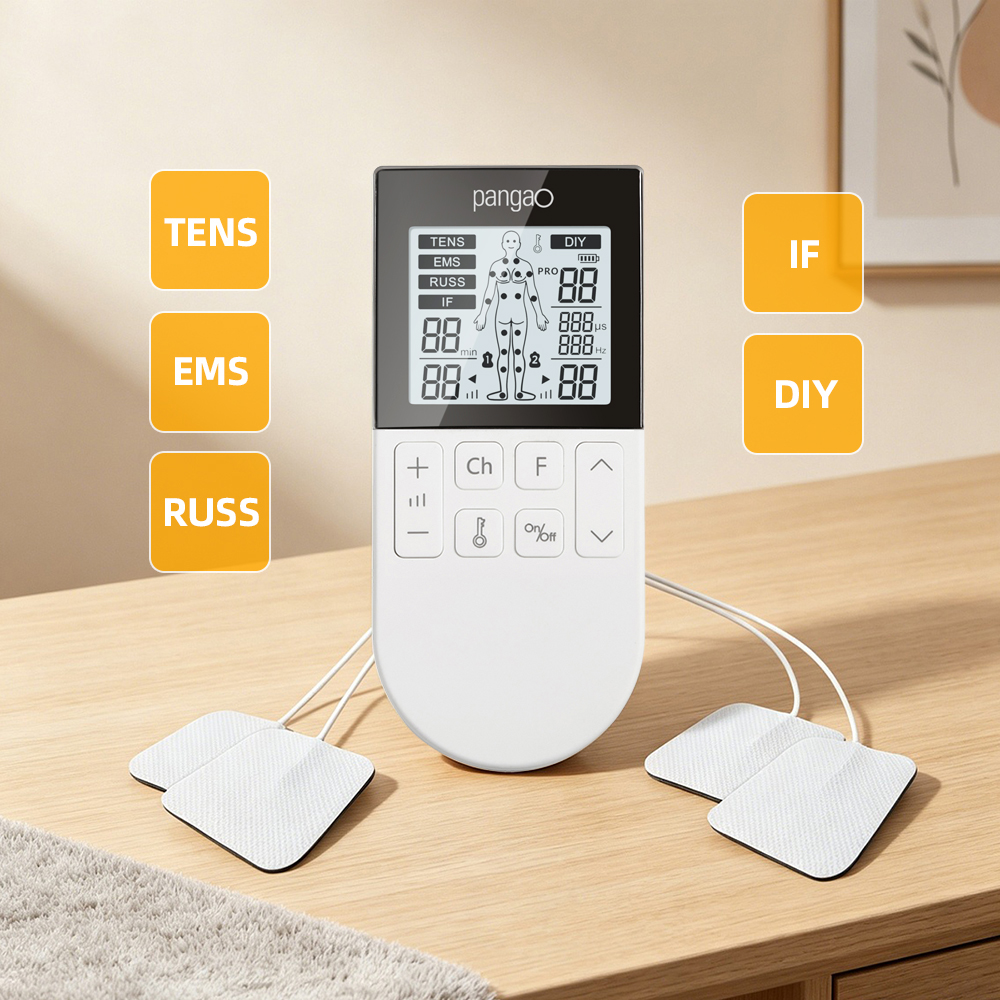
Electronic Pulse Pain Relief Muscle Stimulator 80 Modes Dual Channel EMS TENS Machine for Physiotherapy
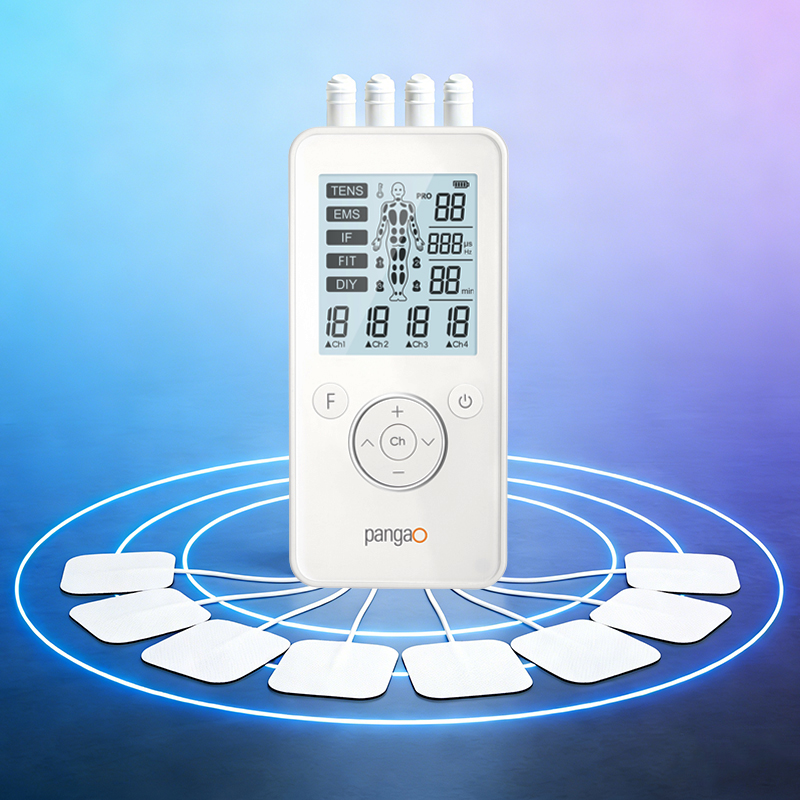
Electric Large Screen Muscle Stimulator Pain Relief 4 Channels EMS Tens Machine Physiotherapy with 8 Electrode Pad
2000
Group Heritage Established
15,700m²
ISO 13485 Manufacturing Area
300+
Group R&D Engineers
210
Verified Technical Staff
50+
Global Export Markets
Full EU MDR & ISO 13485 Clearance
Our manufacturing facility operates under strict ISO 13485 medical quality management systems. Devices feature complete technical documentation, CE compliance under EU MDR 2017/745, and US FDA 510(k) clearances.
End-to-End OEM/ODM Engineering
From PCB circuit layout and custom biofeedback firmware algorithms to ergonomic probe tooling and German-language UI packaging, our in-house R&D delivers rapid turnkey development.
Clinical Electrostimulation Precision
Dual and quad-channel isolated pulse outputs engineered for precise pelvic floor muscular re-education (PFMT), stress/urge urinary incontinence modulation, and pelvic floor pain management.
Industry Whitepaper: Pelvic Floor Electrotherapy Innovations & Procurement Insights for Cologne & North Rhine-Westphalia
Pelvic Floor Dysfunction (PFD), encompassing stress urinary incontinence (SUI), urge incontinence, mixed urinary incontinence (MUI), pelvic organ prolapse (POP), and chronic pelvic pain syndrome (CPPS), represents a significant health challenge affecting over 28% of adult women and up to 11% of adult men across Germany. In metropolitan medical hubs like Cologne (Köln) and the broader North Rhine-Westphalia (NRW) region, healthcare providers are increasingly replacing invasive pharmaceutical and surgical interventions with non-invasive Neuromuscular Electrical Stimulation (NMES) and Transcutaneous Electrical Nerve Stimulation (TENS) protocols.
As a leading Pelvic Floor Therapy Device Manufacturer & Exporter serving Cologne, Shenzhen Vilicus Medical Electronics Co., Ltd. provides state-of-the-art bio-electrical stimulation equipment engineered specifically to meet the high clinical standards, regulatory frameworks (EU MDR), and technical expectations of German medical buyers, hospital purchasing networks, and home-care medical equipment suppliers (Sanitätshäuser).
Information Gain Key Takeaway: Modern pelvic floor therapy devices must balance deep muscular depolarization with maximal patient comfort. Utilizing asymmetrical biphasic waveforms with frequency-modulated pulses (10 Hz to 50 Hz) prevents mucosal tissue accommodation and eliminates chemical skin burns caused by galvanic DC accumulation.
1. Clinical Mechanisms: Electrostimulation for Pelvic Muscle Re-education
The human pelvic floor muscle complex (primarily the levator ani, comprising the puborectalis, pubococcygeus, and iliococcygeus muscles) requires rapid activation and sustained tonic tone to maintain urinary and fecal continence. Electrostimulation functions via two distinct physiological pathways:
- Direct Motor Nerve Activation (NMES / EMS): Low-to-medium frequency electrical pulses (typically 20 Hz – 50 Hz with pulse widths between 200 µs and 400 µs) pass through intravaginal or intraanal probes to depolarize the pudendal motor nerve terminal branches. This forces involuntary, rhythmic contractions of Type I (slow-twitch endurance) and Type II (fast-twitch power) muscle fibers, restoring muscular strength and tone following postpartum trauma, prostatectomy, or age-related atrophy.
- Sensory Nerve Modulation & Reflex Inhibition (TENS / IF): Lower frequencies (2 Hz – 10 Hz) stimulate the release of endogenous endorphins, while higher sensory frequencies (80 Hz – 100 Hz) utilize the Gate Control Theory to inhibit nociceptive pain signals transmitted via A-delta and C nerve fibers. In detrusor instability (urge incontinence), electrical stimulation modulates spinal reflex arcs (S2–S4 sacral segments), inhibiting involuntary bladder detrusor contractions.
2. Localized Application Scenarios Across Cologne's Healthcare Infrastructure
Cologne is recognized as a major center for medical excellence, housing prestigious institutions such as the Uniklinik Köln (University Hospital Cologne), specialized gynecological and urological clinics, private physical therapy practices (Physiotherapie-Praxen), and an extensive network of medical supply stores (Sanitätshäuser). Our pelvic floor therapy devices are strategically designed for three distinct local application scenarios:
| Application Scenario | Target Clinical Environment in Cologne | Device Specifications Required | Key Patient Benefits |
|---|---|---|---|
| Clinical In-Office Rehab | Urology & Gynecology Departments, Uniklinik Köln, Hospital Rehabilitation Wings | Multi-channel clinical TENS/EMS platforms, precise digital intensity control (0-99 mA), real-time biofeedback graph display. | Supervised muscular retraining, objective muscular force tracking, post-surgical muscle recovery. |
| Postpartum & Outpatient Clinics | Midwifery practices (Hebammenpraxen), Pelvic floor rehab centers in Köln-Lindenthal & Innenstadt | Pre-set Rückbildung (postpartum recovery) protocols, comfortable dual-channel ergonomic probes, targeted frequency sweeps. | Fast restoration of levator ani tone, prevention of early-stage organ prolapse, drug-free pain relief. |
| Prescription Home Therapy | Direct-to-patient via Cologne Sanitätshäuser & Statutory Health Insurance (GKV) reimbursement | Compact, rechargeable handheld or wireless app-controlled units, safety lock limiters, simplified German interface. | Convenient daily home exercise compliance, private and discrete rehabilitation, long-term therapeutic adherence. |
3. Localized Market Trends & Regulatory Compliance in Germany (EU MDR & BfArM)
The German medical device landscape is governed by stringent quality, safety, and performance standards. Importers, distributors, and brand owners in Cologne must navigate specific structural shifts:
- Transition to EU MDR (2017/745): European Class IIa medical electrotherapy devices must possess exhaustive Clinical Evaluation Reports (CER), post-market surveillance (PMS) data, and robust risk management documentation according to ISO 14971. Shenzhen Vilicus Medical provides complete technical dossiers to ensure seamless registration with the Federal Institute for Drugs and Medical Devices (BfArM).
- Digital Health Integration (DiGA / Tele-Rehab): German healthcare providers are rapidly adopting connected medical hardware. Modern pelvic floor trainers require Bluetooth connectivity, app-guided exercise modules, and secure telemetry data transmission for remote physician monitoring.
- Expansion of Non-Invasive FemTech Solutions: Women's health in North Rhine-Westphalia is witnessing a paradigm shift towards holistic, non-pharmacological care. Wearable, heated TENS units for menstrual pain (dysmenorrhea) and discrete pelvic floor stimulators are leading retail and pharmacy growth across Cologne.
4. Manufacturing Precision & Quality Engineering at Vilicus Medical
Operating a state-of-the-art 15,700 square meter ISO 13485 certified production base in Shenzhen, supported by a parent group electronics foundation established in 2000, Shenzhen Vilicus Medical Electronics Co., Ltd. delivers unmatched consistency and manufacturing depth. With over 300 group R&D engineers and 210 specialized technicians, every device undergoes 100% full-functional testing, electrical safety testing (IEC 60601-1 / IEC 60601-2-10), and electromagnetic compatibility verification (IEC 60601-1-2) before export to European ports.
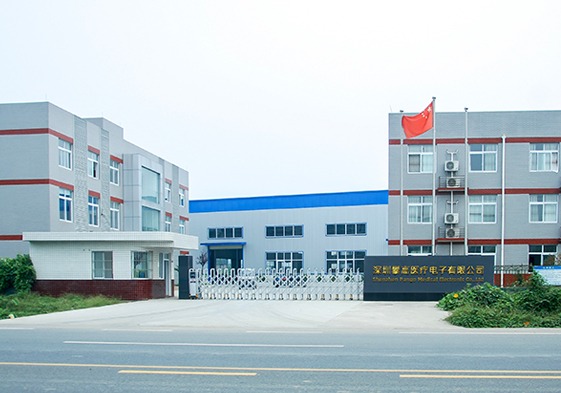
15,700 m² ISO 13485 Manufacturing Facility
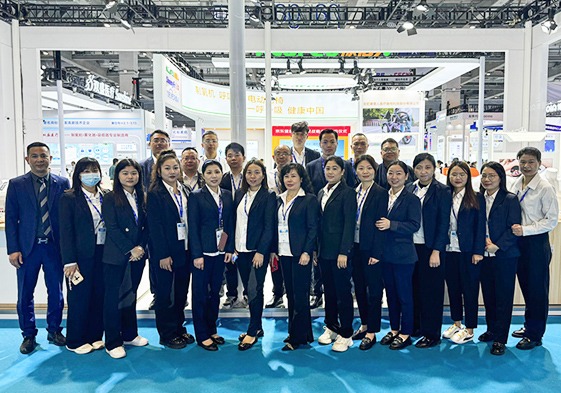
Automated Assembly & Calibration Lines
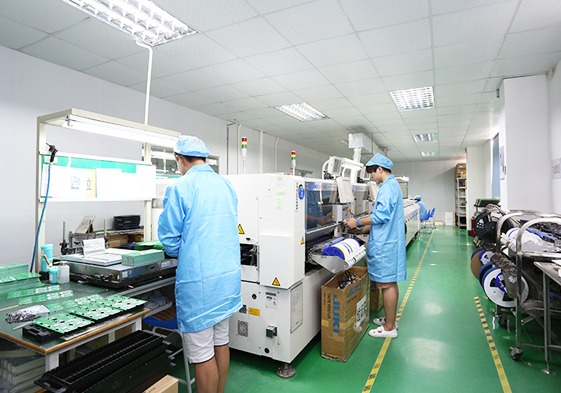
100% Quality Inspection & Safety Testing
Procurement & B2B FAQ
Frequently Asked Questions by German Importers & Distributors
Everything you need to know about ordering, regulatory compliance, OEM customization, and shipping logistics to Cologne, Germany.
What certifications do your pelvic floor and TENS/EMS devices hold for the German market?
Our medical quality management system is fully certified to ISO 13485, and our factory undergoes regular BSCI social audits and third-party SGS onsite inspections. Depending on the product line, our electrotherapy devices hold EU MDR CE clearance (Class IIa), US FDA 510(k), TGA (Australia), CE, and RoHS compliance. We provide complete technical files to support your BfArM registration and GKV Hilfsmittelverzeichnis listing in Germany.
What is the Minimum Order Quantity (MOQ) for OEM/ODM customization?
For standard OEM production (including custom logo printing, customized shell color, branded packaging, and translated German user manuals), our typical MOQ is 1,000 units for handheld TENS/EMS devices and pelvic floor trainers. EMS foot circulation machines start at 500 units, while select entry-level wireless pulse devices start at 3,000 units.
Can Vilicus customize waveform parameters and user interface languages for German clinics?
Yes, completely. Supported by our 300+ group R&D engineers, we can customize LCD screen graphics, German menu navigation (Gebrauchsanweisung), pulse widths (50 µs – 450 µs), frequencies (1 Hz – 150 Hz), ramp-up/ramp-down times, and pre-programmed clinical modes designed specifically for pelvic floor rehabilitation, incontinence prevention, or sports recovery.
What is the typical shipping lead time to Cologne and major NRW logistics hubs?
Mass production orders typically take 30 to 35 days from sample sign-off. We offer flexible shipping options directly to Cologne or nearby inland ports such as Duisburg or Rotterdam: Air Freight (5–8 business days), Express Courier (3–5 business days for samples), and Sea/Rail Freight (25–35 days to European logistics terminals). We handle all export documentation and customs compliance paperwork.
How do your devices ensure patient safety during pelvic floor electrostimulation?
Safety is paramount in pelvic electrotherapy. Our devices feature automatic open-circuit detection (which immediately cuts power if the probe loses contact), current density limiters, soft-start ramp-up output, zero-DC offset asymmetrical pulses, and medical-grade biocompatible stainless steel / gold-plated probe materials that prevent skin galvanic reactions and irritation.
Can we order pre-production samples for clinical evaluation in Cologne?
Yes, we encourage sample testing. Pre-production samples—with your requested specifications or logo mockups—can be configured and dispatched via express courier (DHL/FedEx/UPS) to Cologne within 5 to 7 working days. Contact our sales engineering team via the inquiry button below to request your sample kit.
Partner with a Trusted Pelvic Floor Therapy Device Manufacturer Serving Cologne
Looking to expand your medical portfolio, private label certified electrotherapy devices, or supply healthcare institutions in North Rhine-Westphalia? Contact our dedicated B2B export team today for factory-direct pricing, technical dossiers, and OEM consultation.