Precision OEM/ODM Electrotherapy Hardware
Medical-grade Transcutaneous Electrical Nerve Stimulation (TENS), Electrical Muscle Stimulation (EMS), and Interferential Therapy (IF) devices engineered for US healthcare distributors, pharmacy chains, and physical therapy networks.
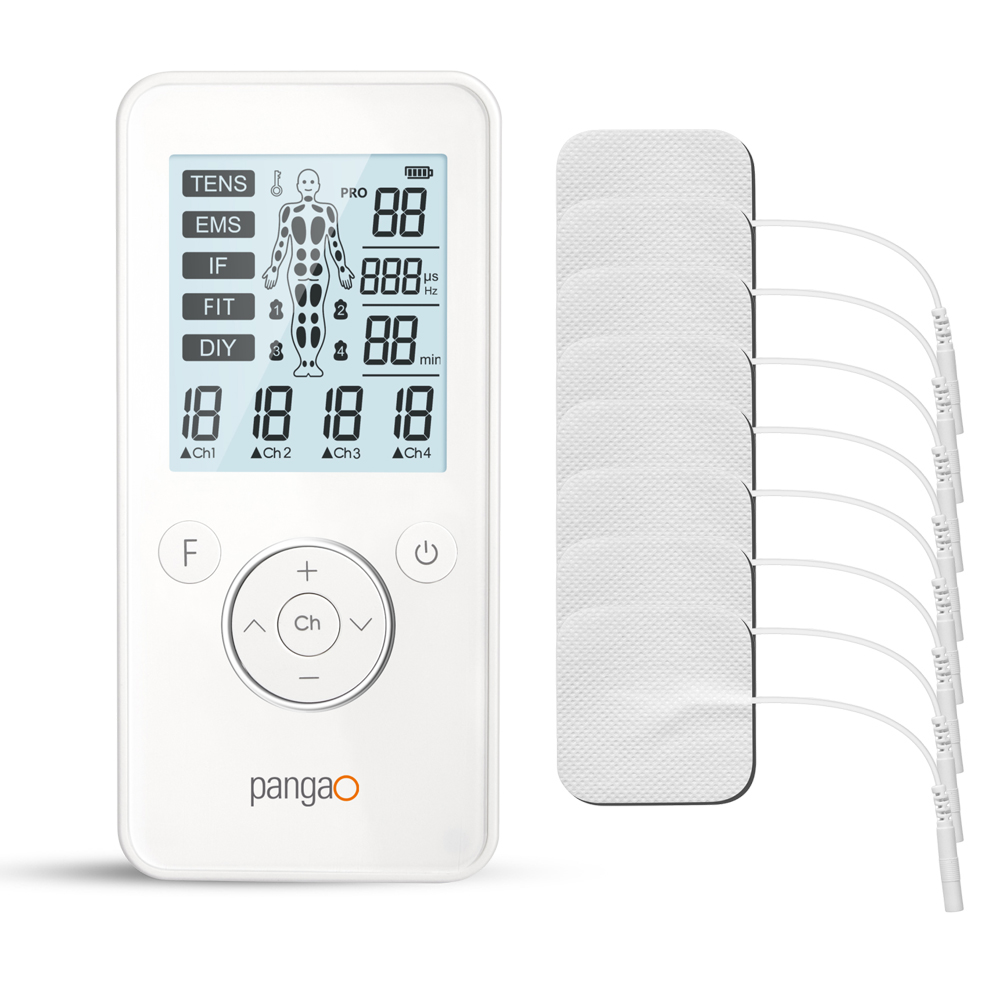
Medical Grade 4-Channel EMS & TENS Pulse Machine
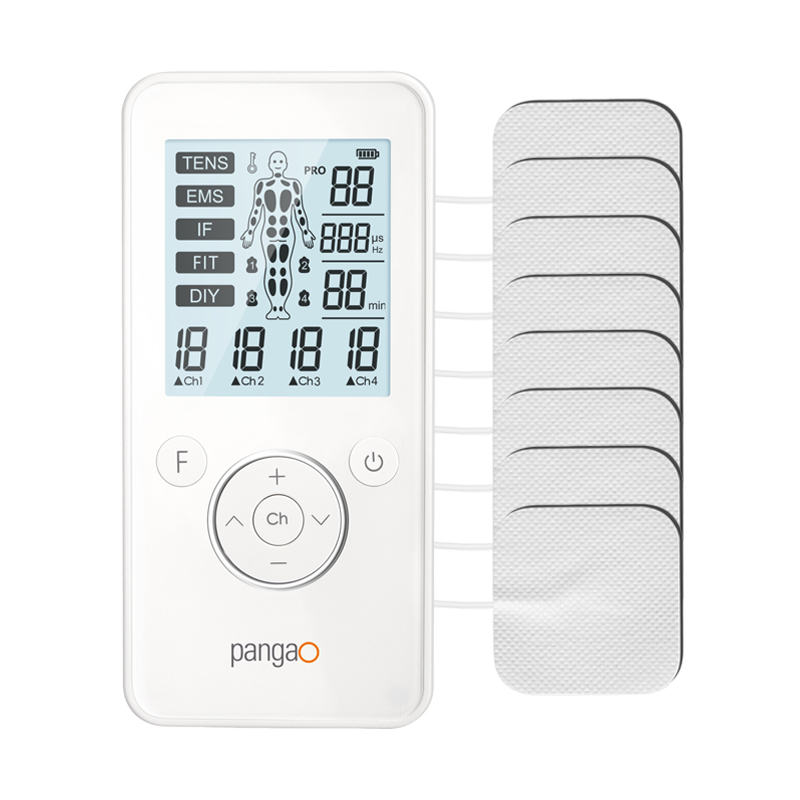
Portable Digital Physical Therapy 4-Channel Unit
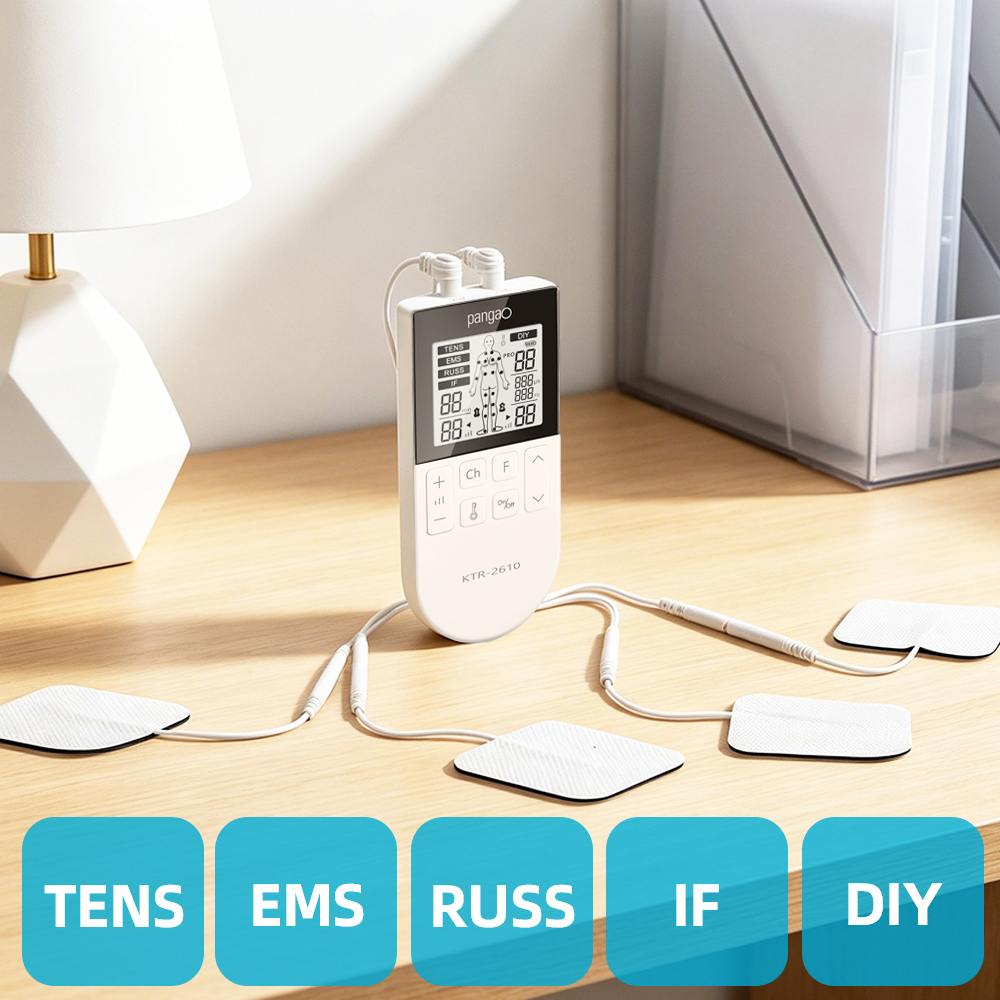
Rechargeable 5-in-1 Combo TENS/EMS Massager
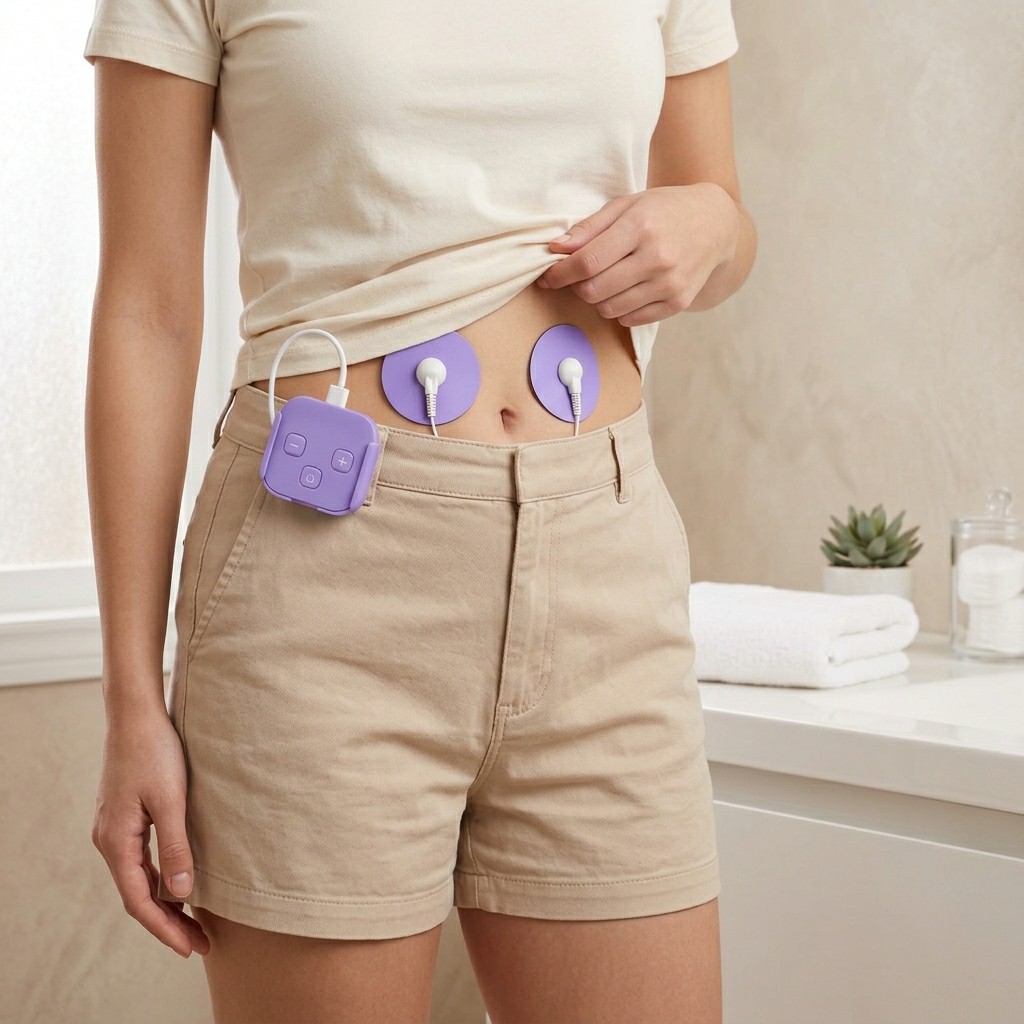
Wearable Wireless Menstrual Cramp Relief TENS
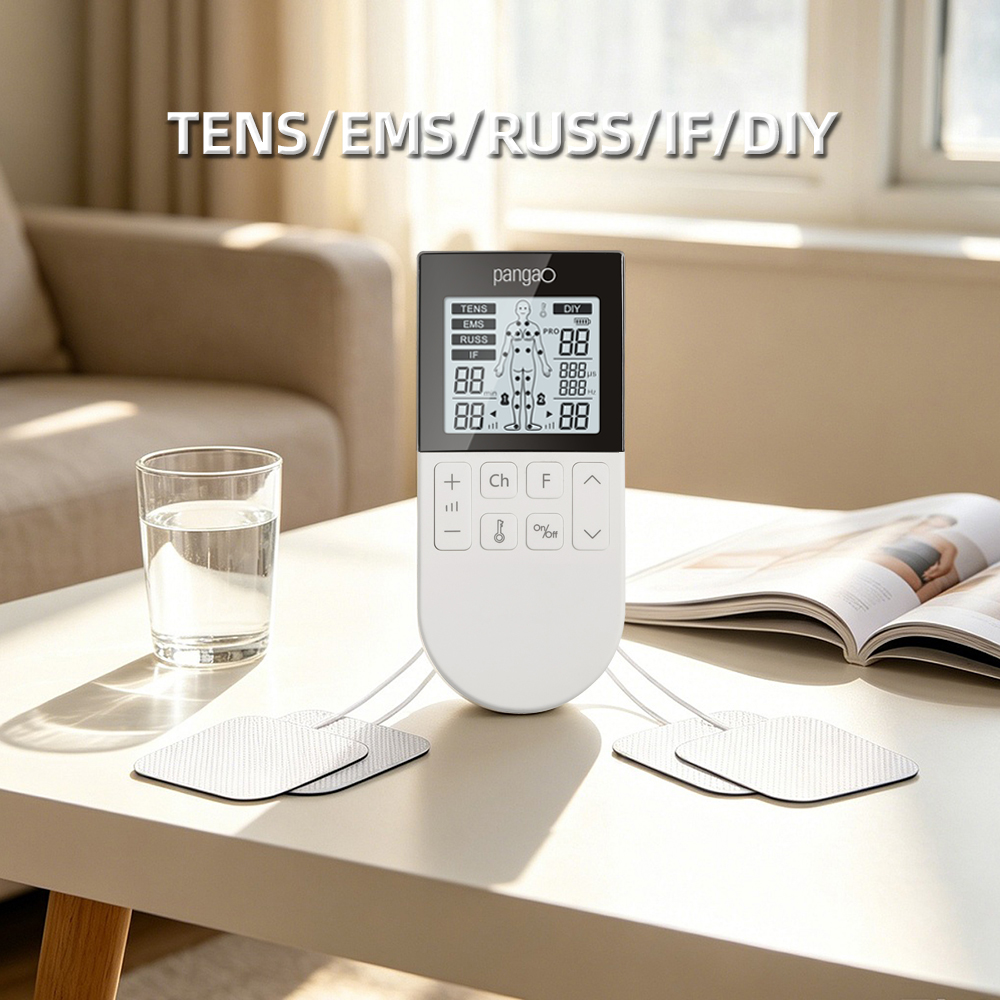
KTR-2610 Professional Physiotherapy Electrotherapy System
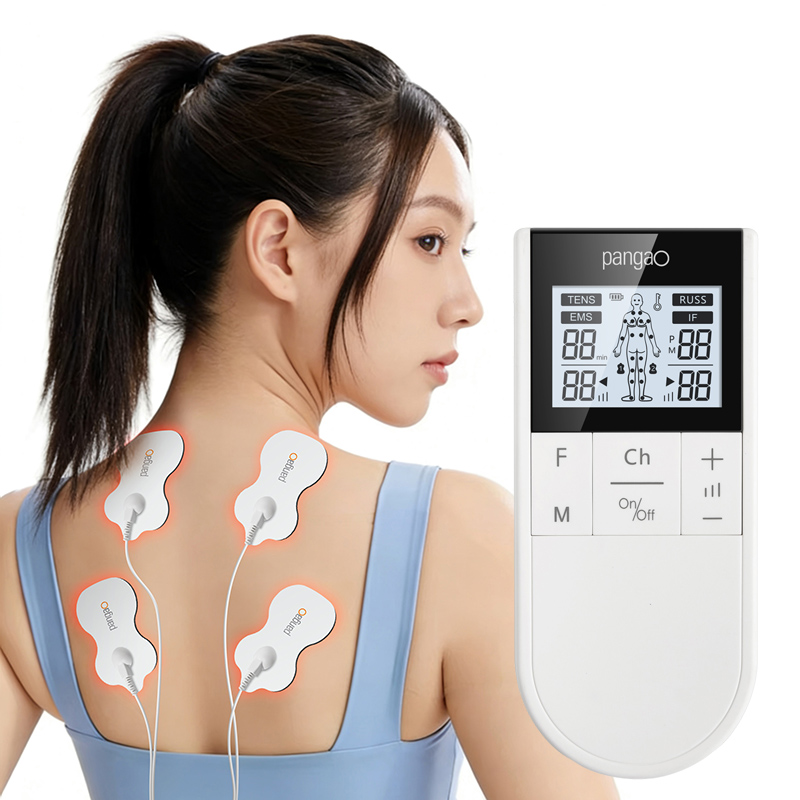
Digital Dual-Channel Body Pain Management Device
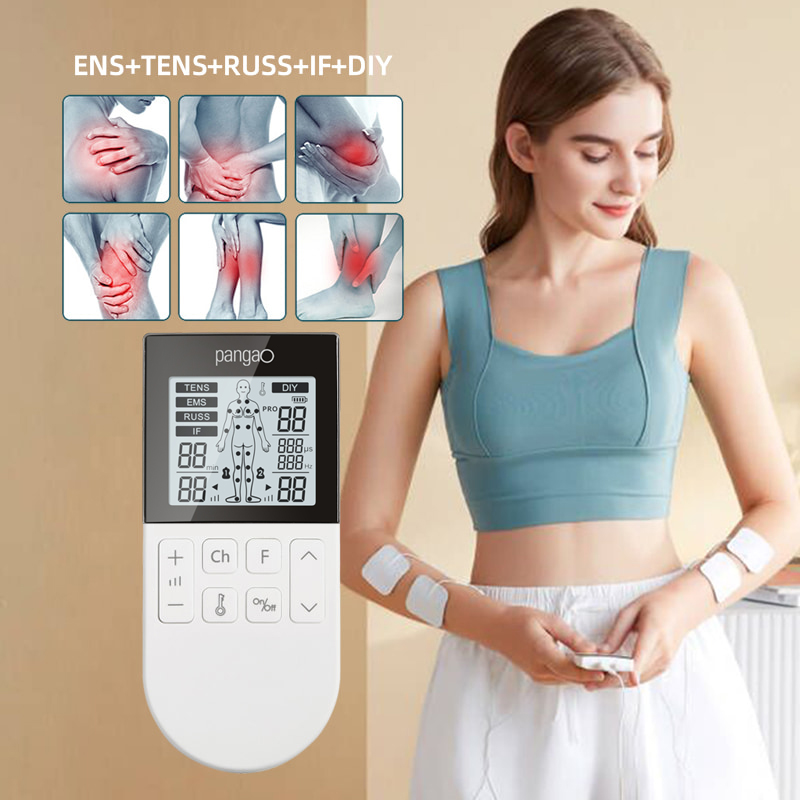
Portable 5-in-1 Multi-Waveform Rehabilitation System
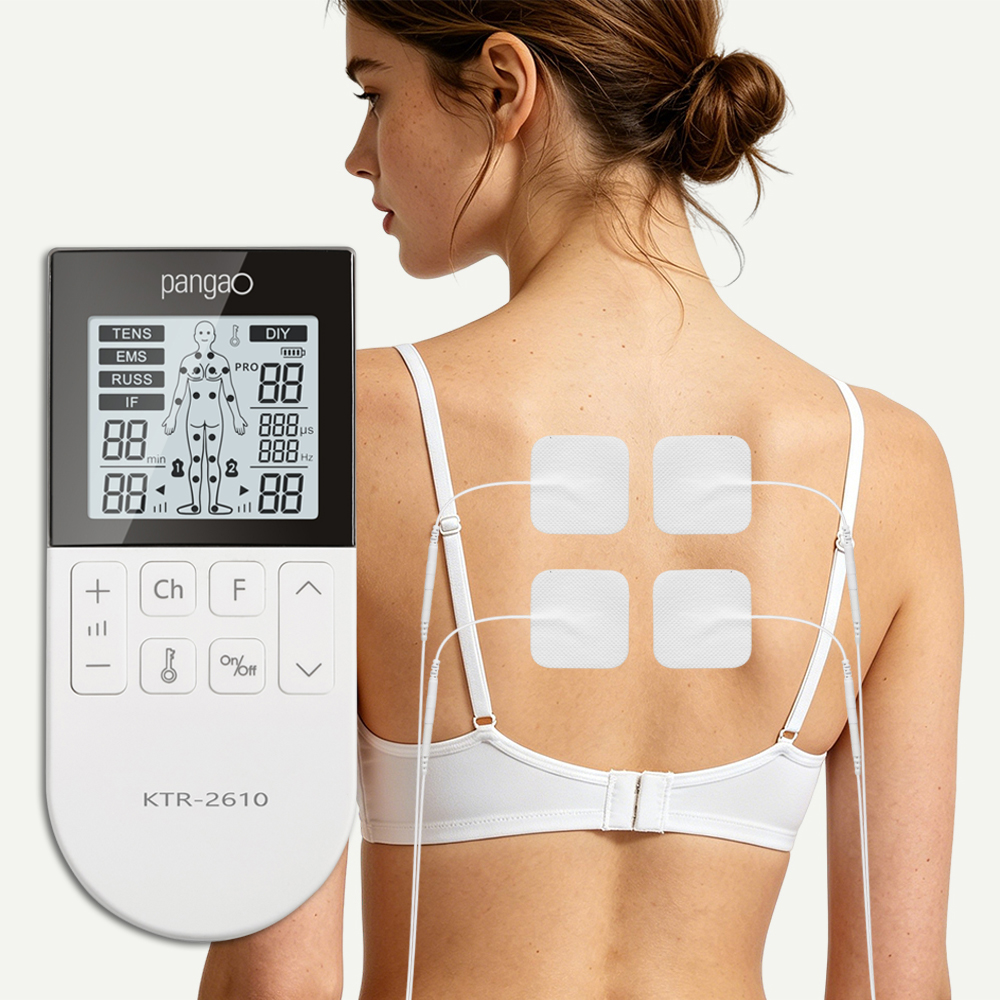
DIY Pulse Massager Dual-Channel Electrotherapy Unit
Integrated OEM/ODM Contract Manufacturing Infrastructure
Serving global healthcare original brand manufacturers (OBMs) and regional importers with end-to-end electrotherapy development.
Localized Application Scenarios in Seattle & the Pacific Northwest
Evaluating clinical demand, corporate ergonomics, and consumer adoption trends across King County and the Greater Puget Sound region.
Seattle and the broader Pacific Northwest (PNW) represent one of North America’s most dynamic healthcare and technology convergence hubs. Home to world-class academic research networks like UW Medicine, prominent orthopedic specialty groups, and a vast tech workforce employed by giants such as Amazon and Microsoft, the region exhibits high demand for non-invasive, drug-free pain management solutions. Original Equipment Manufacturers (OEM) and Original Design Manufacturers (ODM) playing in the electrotherapy space must tailor their hardware capabilities to align with Seattle's distinct clinical and consumer procurement requirements.
Tech-Sector Workplace Ergonomics
Sedentary office environments across Seattle, Bellevue, and Redmond have driven a spike in repetitive strain injuries (RSI), upper trapezius tension, and lumbar disc strain. Compact, Bluetooth-enabled wireless TENS units with discreet wearable form factors are increasingly incorporated into corporate wellness kits and employer-sponsored FSA/HSA health plans.
Pacific Northwest Sports Recovery
With an active outdoor culture centered around trail running, skiing, mountaineering, and cycling, the PNW market demands heavy-duty EMS and Russian Stimulation devices. Multi-waveform combo units allow local athletic training facilities and physical therapy franchises to offer rapid lactic acid clearance and targeted quadriceps/hamstring re-education.
Specialized Women's FemTech Solutions
Seattle’s progressive healthcare retail climate has embraced drug-free dysmenorrhea and pelvic pain management. Wearable TENS devices incorporating far-infrared heating elements provide localized relief without systemic pharmaceutical side effects, catering directly to the growing ecosystem of boutique wellness brands headquartered in the Pacific Northwest.
Geriatric & Diabetic Neuropathy Care
Washington State's expanding senior demographic requires specialized Neuromuscular Electrical Stimulation (NMES) foot circulation stimulators. Integrating red light phototherapy with bioelectric footplate electrodes helps address peripheral neuropathy symptoms, edema, and diminished lower-limb blood circulation in long-term care facilities.
OEM Signal Engineering & Feature Matrix
Comparing output parameters, pulse characteristics, and clinical target indications across core electrotherapy modalities.
To ensure regulatory compliance with FDA 510(k) Class II medical device requirements, our custom engineering teams adhere strictly to established output power density standards, pulse duration limits, and load impedance safety mechanisms. Below is a comparative specification matrix used by our OEM/ODM clients in Seattle when specifying custom firmware firmware builds and PCB architecture.
| Modal Therapy | Pulse Width (µs) | Frequency Range (Hz) | Output Voltage (@500Ω) | Primary Clinical Indication | Target Seattle Market Segment |
|---|---|---|---|---|---|
| TENS (Transcutaneous Electrical) | 50 - 300 µs | 2 - 150 Hz | 0 - 50V (Peak-to-Peak) | Symptomatic relief of chronic intractable pain & post-traumatic pain | OTC Retail, Pharmacy Chains, HSA/FSA E-Commerce Stores |
| EMS (Electrical Muscle) | 100 - 400 µs | 1 - 100 Hz | 0 - 60V (Peak-to-Peak) | Muscle re-education, prevention of disuse atrophy, local circulation | Physical Therapy Clinics, Sports Medicine Facilities |
| IF (Interferential Current) | Adjustable Carrier | 4000 Hz Carrier / 1-150Hz Beat | 0 - 50V RMS | Deep-tissue pain relief via intersecting medium-frequency signals | Rehabilitation Hospitals, Outpatient Clinical Networks |
| Russian Stimulation | 200 µs Burst | 2,500 Hz Carrier / 50 Hz Burst | 0 - 65V (Peak-to-Peak) | Motor nerve stimulation for high-intensity muscular strengthening | Orthopedic Surgery Centers, Professional Athletic Clubs |
| NMES Foot Therapy | 150 - 350 µs | 10 - 80 Hz + Red Light (660nm) | 0 - 45V (Peak-to-Peak) | Lower extremity venous circulation enhancement and neuropathy comfort | Senior Care Agencies, Diabetic Supply Outlets, Home Medical (DME) |
Seattle & Pacific Northwest B2B Procurement Trends
Strategic purchasing patterns observed among West Coast medical device importers, brand owners, and logistics networks.
1. Telehealth & Mobile App Synchronization (IoT Integration)
The Pacific Northwest tech ecosystem expects modern medical devices to seamlessly interface with smartphone applications. OEM buyers are transitioning away from standalone handheld controllers toward Bluetooth 5.0 Low Energy (BLE) microcontrollers. Custom SDKs allow local Seattle healthcare startups to white-label remote therapeutic monitoring (RTM) dashboards, transmitting patient usage compliance and pain score tracking directly to clinical EHR software.
2. Direct Supply Chain Corridors: Shenzhen to Port of Seattle
Logistics efficiency is a critical determinant of supply chain resilience for Washington State importers. Utilizing direct ocean routes from the Port of Yantian/Shenzhen to the Northwest Seaport Alliance (Ports of Seattle & Tacoma) offers transit times of approximately 16–19 days. This proximity significantly reduces lead times compared to East Coast ports, allowing local distributors to optimize safety stock levels and mitigate inventory holding costs.
3. Shift Toward Sustainable & Biocompatible Materials
In accordance with West Coast consumer preferences for environmental responsibility, OEM buyers are requesting recyclable ABS/PC plastic enclosures, medical-grade hypoallergenic hydrogels free from phthalates and latex, and eco-friendly FSC-certified retail packaging. Factory partners capable of providing RoHS 2.0 and REACH compliance documentation hold a decisive advantage in Seattle B2B tender processes.
Enterprise Contract Manufacturing Strengths
Delivering high-reliability electrotherapy platforms backed by rigorous quality assurance and regulatory clearance support.
Our facility operates under an ISO 13485 certified quality management system audited annually by SGS. 100% of finished printed circuit board assemblies (PCBA) undergo automated optical inspection (AOI) and multi-stage waveform load testing prior to enclosure assembly.
We maintain pre-cleared K-numbers under US FDA 510(k) regulations for Class II electrotherapy devices. Our team provides complete Device Master Files (DMF), biological evaluation reports (ISO 10993), and EMC safety test data (IEC 60601-1-2) to expedite client regulatory listings.
Backed by a group R&D engineering division of over 300 technical specialists, we manage full industrial design, rapid 3D prototyping, plastic injection mold creation, firmware programming, and custom LCD/LED interface development in-house.
Whether you require custom housing colors, pad shape die-cutting, localized user manuals, custom voice prompt chips, or private-label retail gift box packaging, our flexible assembly lines support production runs starting from 500 to 1,000 units.
Our manufacturing facilities comply with BSCI social responsibility standards, ensuring fair labor practices, safe workshop conditions, and environmental compliance required by major US national retail chains and institutional buyers.
With established export logistics corridors serving more than 50 countries across North America, Europe, Australia (TGA listed), and Asia-Pacific, we provide turnkey DDP shipping options directly to Seattle warehouses and fulfillment centers.
Seattle B2B Importers & Buyers FAQ
Addressing essential questions regarding FDA regulations, custom tariffs, MOQs, and contract manufacturing workflows.
Ready to Launch Your Custom Electrotherapy Line in Seattle?
Connect directly with our engineering team to request sample units, FDA 510(k) compliance documentation, and detailed OEM/ODM price quotations.