Medical-Grade Electrotherapy & Incontinence Stimulators
High-precision dual-channel EMS, TENS, and Russian pulse platforms engineered for clinical pelvic floor rehabilitation and home therapy.
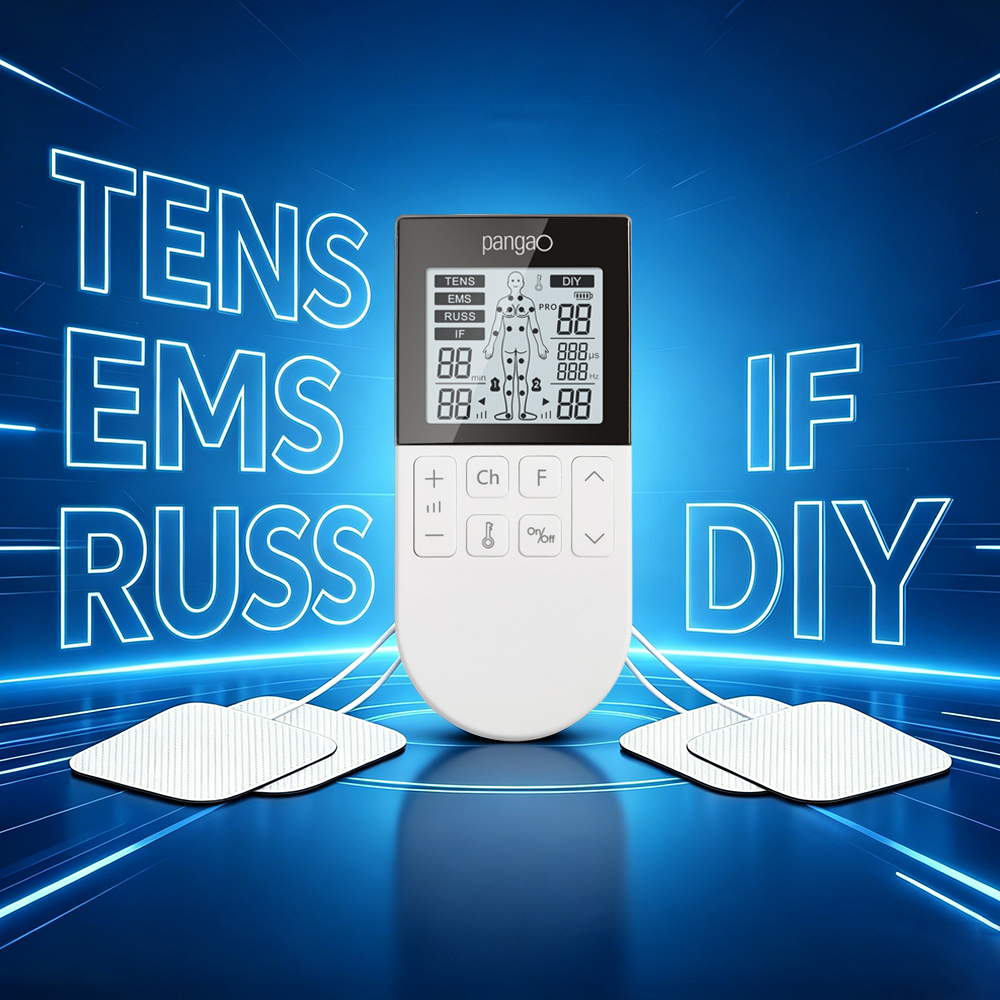
Professional Advanced Portable 5-in-1 Dual Channel EMS TENS Machine
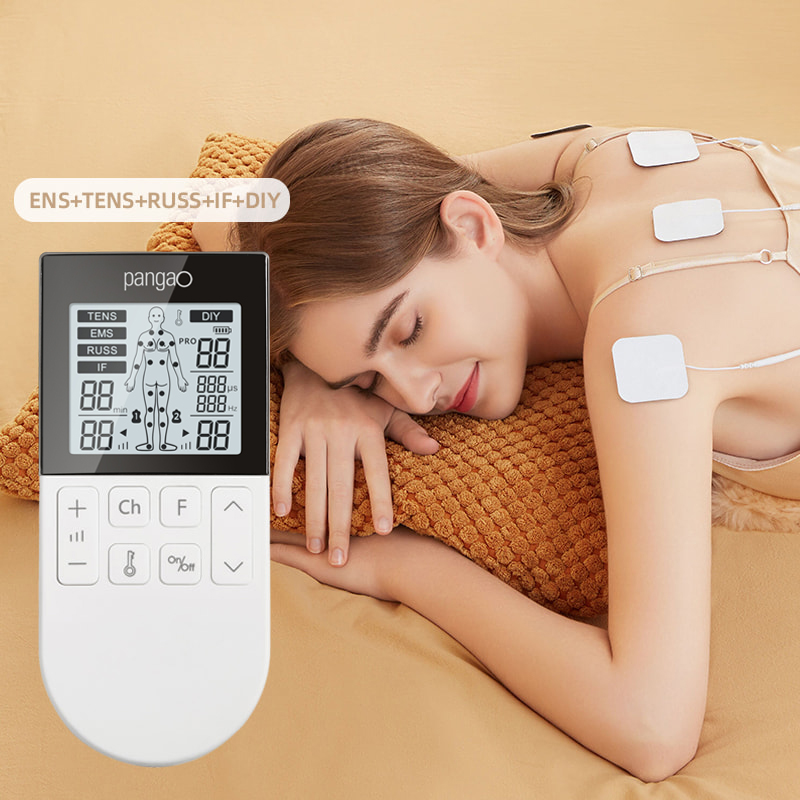
Rechargeable Large LCD Display EMS TENS Muscle Stimulator Device
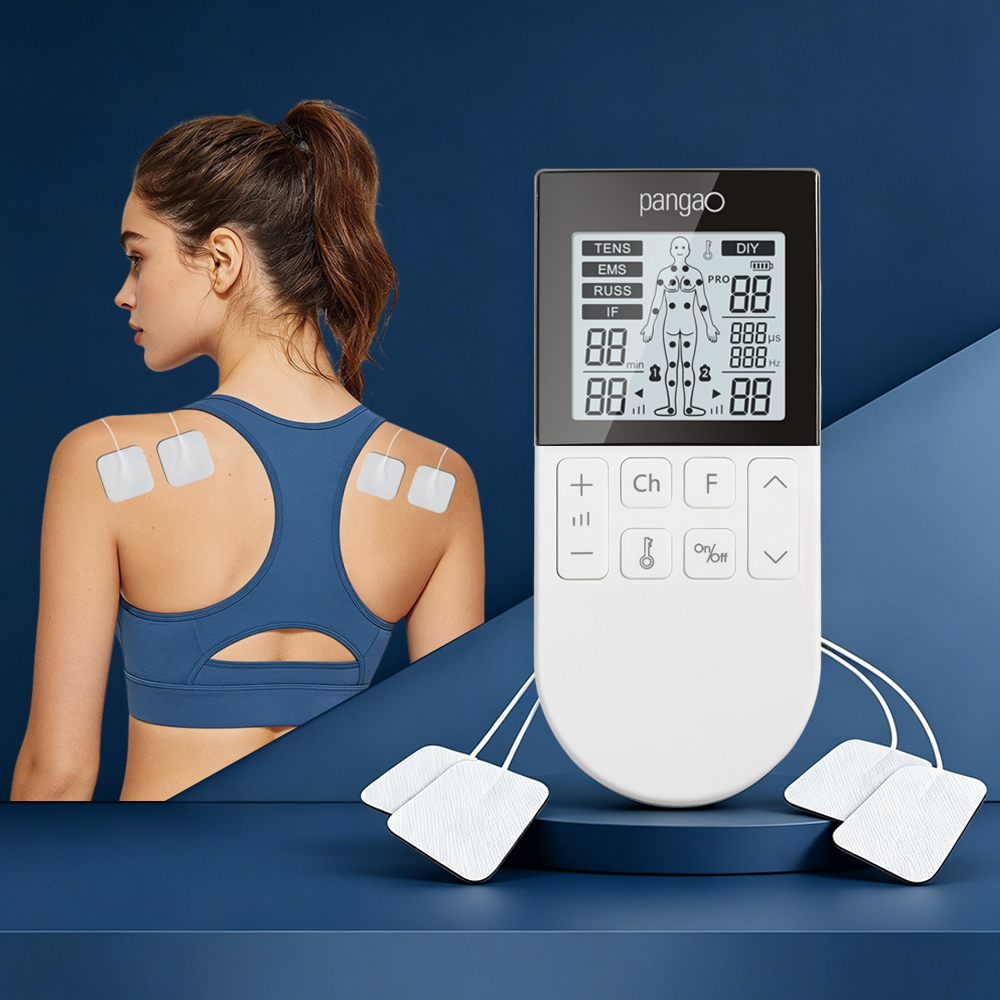
Russian Stimulation Pulse EMS TENS Electrotherapy Stimulator
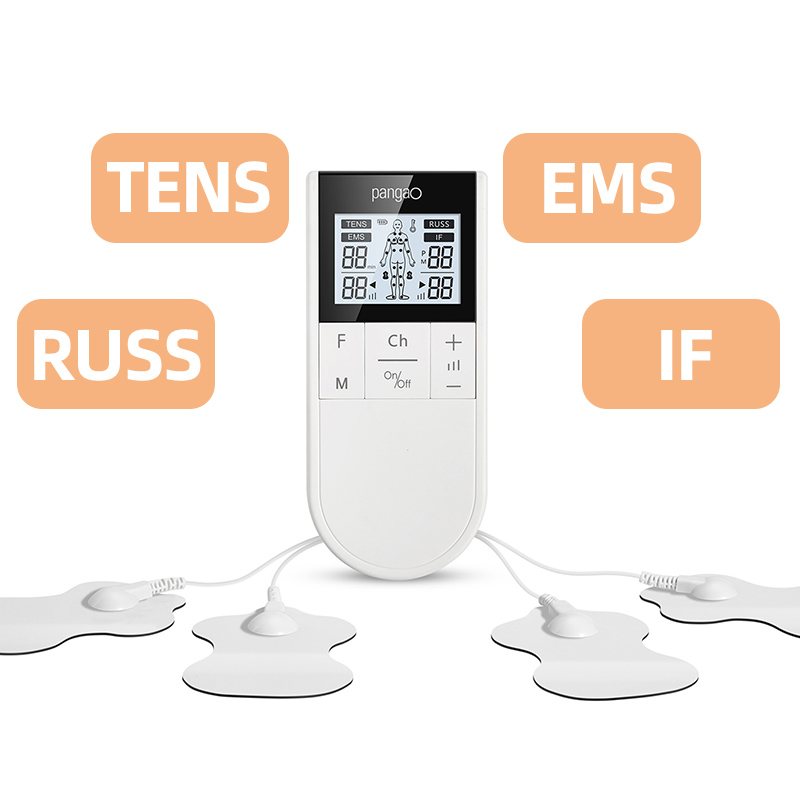
Dual Channel 4-in-1 IF RUSS EMS TENS Muscle Stimulator Unit
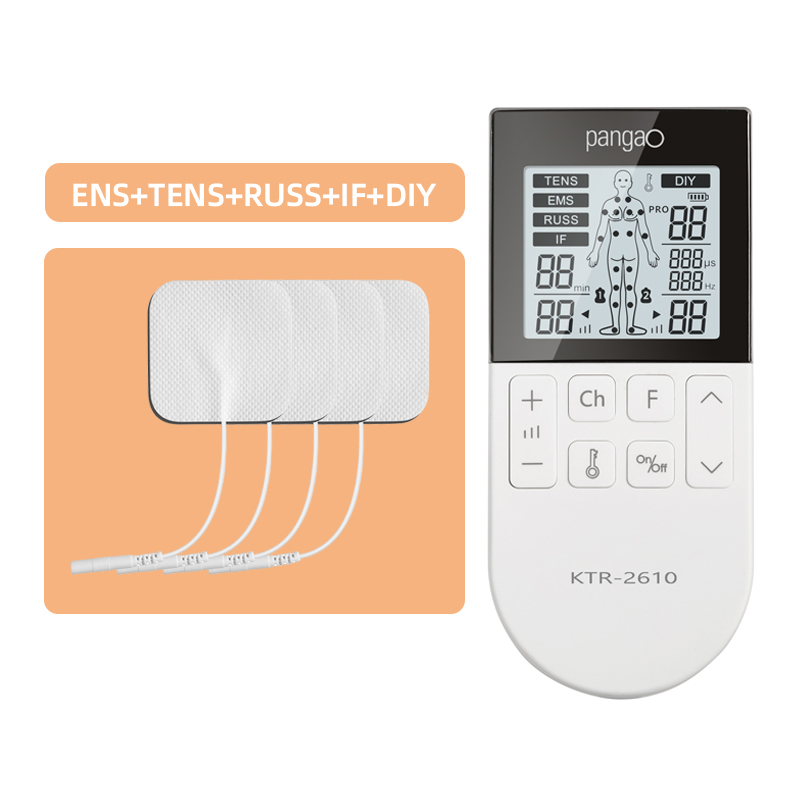
Medical-Grade Dual Channel TENS EMS Physiotherapy Stimulator
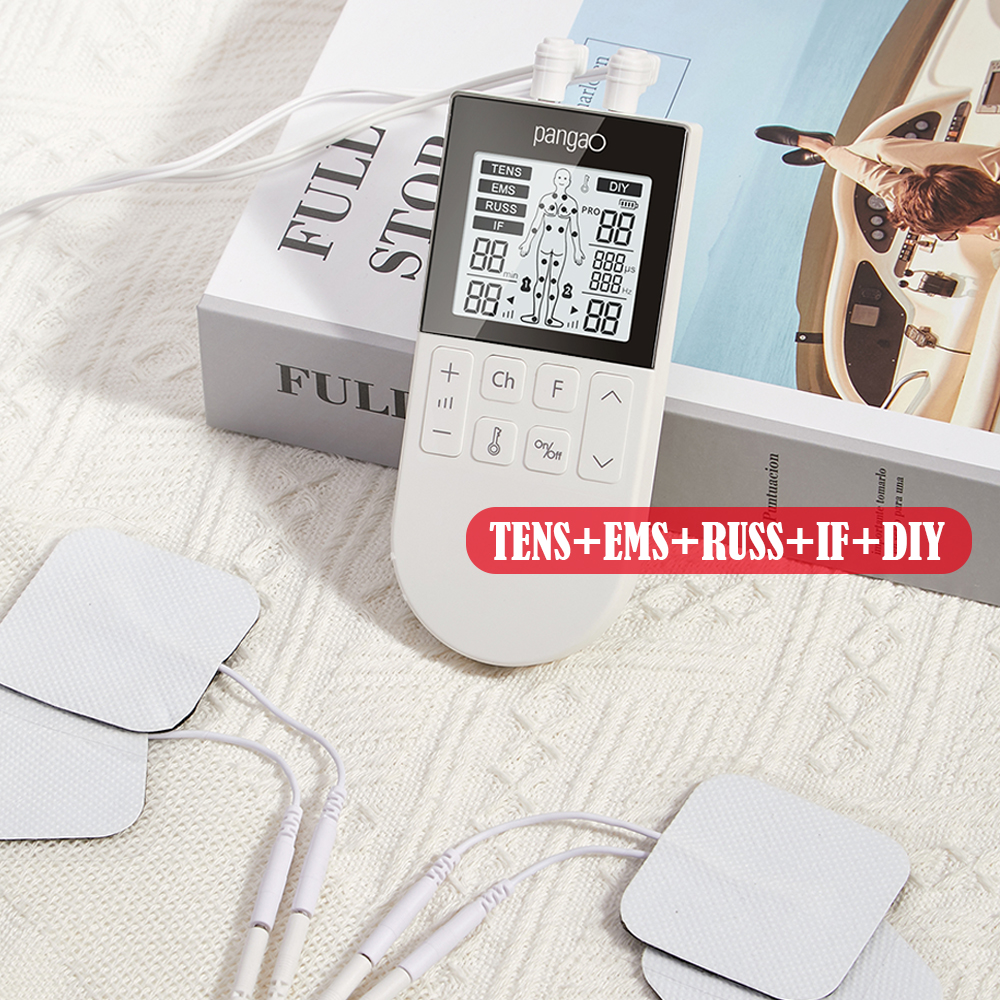
Handheld Multi-Mode Dual Channel EMS TENS Electrotherapy Device
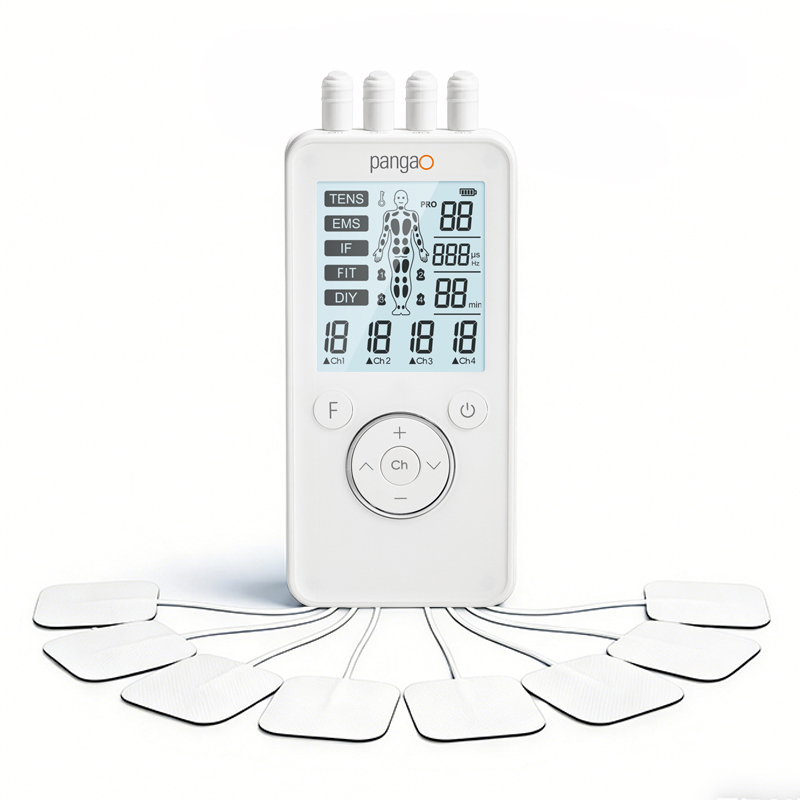
Portable 4-Channel EMS TENS Multi-Electrode Physiotherapy Machine
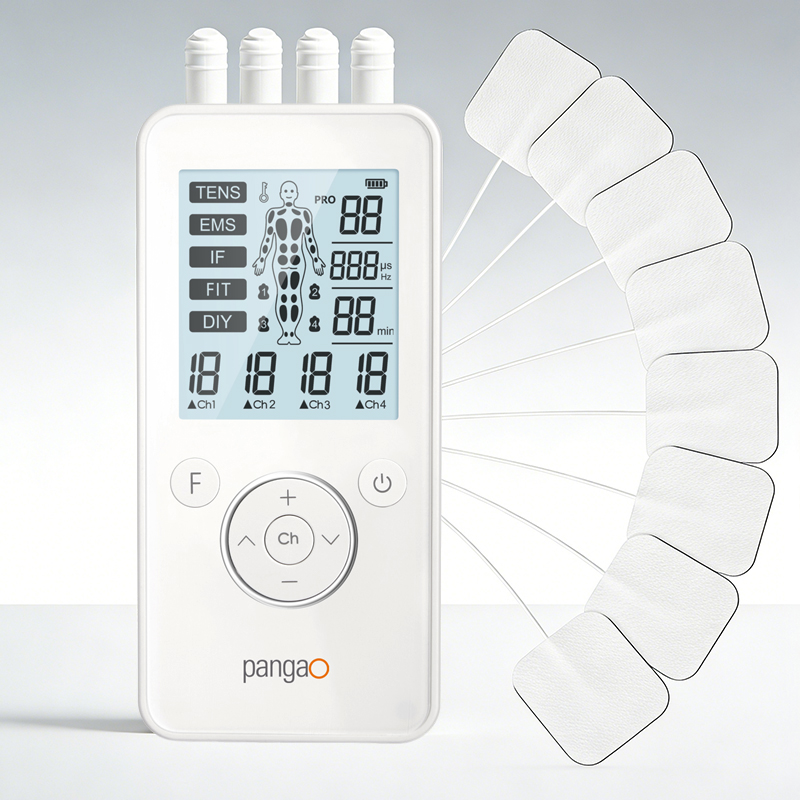
Wholesale Professional 4-Channel Electric Pulse Electrotherapy Unit
Strategic Procurement of Incontinence Stimulators in Greater Montreal
Urinary incontinence, fecal incontinence, and pelvic floor muscle dysfunction represent significant public health challenges across Quebec. In Greater Montreal—encompassing the urban core, Laval, Longueuil, and the West Island—healthcare institutions and private medical supply distributors are witnessing unprecedented demand for non-invasive, drug-free therapeutic devices. Neuromuscular Electrical Stimulation (NMES) and Pelvic Floor Electrical Stimulation (PFES) have emerged as primary, evidence-based conservative treatments for stress, urge, and mixed incontinence.
As an industry-leading OEM/ODM medical device manufacturer, Shenzhen Vilicus Medical Electronics Co., Ltd. provides Montreal-based medical wholesalers, pharmacy networks, and rehabilitation buying groups with high-performance, regulatory-compliant incontinence stimulation devices. Combining bio-electric pulse engineering with intuitive user interfaces, our devices empower clinicians and home-use patients to execute targeted pelvic floor muscle re-education.
Information Gain Insight for Quebec Importers: Medical device distribution in Quebec requires strict alignment with Health Canada's Medical Devices Regulations (SOR/98-282), ISO 13485 quality standard audits, and compliance with local language mandates under Quebec's Charter of the French Language (Bill 96). Vilicus Medical delivers factory-direct custom manufacturing solutions featuring dual-language (French/English) UI firmware, comprehensive technical dossiers, and pre-calibrated safety thresholds tailored specifically for Canadian B2B buyers.
Bioperformance Architecture of Pelvic Floor Electrical Stimulators
Understanding the electrical stimulation parameters that deliver targeted motor nerve recruitment and sphincter tone restoration.
Stress Incontinence (SUI)
Triggered by weakened levator ani muscles and urethral sphincter incompetence during physical exertion. Our NMES devices deliver pulse frequencies between 35 Hz and 50 Hz with wide pulse durations (200 µs - 400 µs), inducing tetanic muscle contractions that build fast-twitch (Type II) muscle fibers and restore mechanical urethral closure.
Urge Incontinence / OAB
Caused by detrusor muscle hyperreflexia and involuntary bladder spasms. Low-frequency electrical stimulation at 5 Hz to 10 Hz targets afferent pudendal nerve pathways. This reflexively inhibits parasympathetic outflow to the bladder, relaxing the detrusor muscle, reducing urinary urgency, and increasing voiding intervals.
Mixed Incontinence (MUI)
Combining symptoms of both SUI and Urge Incontinence. Our multi-channel programmable units offer dual-phase treatment regimens, cycling between low-frequency detrusor reflex inhibition and mid-frequency pelvic muscle strengthening within a single, pre-programmed 20-minute therapeutic session.
Pelvic Floor Electrotherapy Parameter Specifications
| Treatment Indication | Target Frequency (Hz) | Pulse Width (µs) | Ramp Up / Hold / Ramp Down | Primary Probe Compatibility | Clinical Objective |
|---|---|---|---|---|---|
| Stress Incontinence (SUI) | 35 Hz – 50 Hz | 250 µs – 350 µs | 2s Ramp / 5s Hold / 2s Rest | Intravaginal / Surface Electrodes | Hypertrophy of fast-twitch pelvic floor muscles |
| Urge Incontinence (OAB) | 5 Hz – 12 Hz | 150 µs – 200 µs | Continuous / 1s Ramp / 10s Hold | Intravaginal / Sacral / Transcutaneous | Detrusor muscle relaxation via nerve inhibition |
| Mixed Incontinence (MUI) | Alternating (10 Hz / 40 Hz) | 200 µs – 300 µs | 3s Ramp / 6s Hold / 3s Rest | Dual-channel Intravaginal / Anal Probes | Simultaneous tone restoration & spasm suppression |
| Fecal Incontinence | 20 Hz – 30 Hz | 300 µs – 400 µs | 2s Ramp / 4s Hold / 4s Rest | Intra-anal Probe with stainless rings | Anal sphincter strengthening & puborectalis recruitment |
| Postpartum Pelvic Rehab | 25 Hz – 35 Hz | 200 µs – 250 µs | 2s Ramp / 3s Hold / 3s Rest | Ergonomic Intravaginal Probe | Re-education of overstretched perineal tissue |
Application Scenarios in the Greater Montreal Healthcare Ecosystem
How our electrotherapy platforms integrate into public healthcare networks, private clinics, and retail medical channels across Quebec.
CIUSSS Networks & Rehabilitation Hospitals
Integrated Health and Social Services Centres (CIUSSS) across Montreal—such as CIUSSS du Centre-Ouest-de-l'Île-de-Montréal and CIUSSS de l'Est-de-l'Île-de-Montréal—utilize professional multi-channel electrotherapy units in specialized physical rehabilitation departments. Our devices assist physiotherapists in treating severe post-surgical incontinence and neurological bladder dysfunctions.
Private Pelvic Floor Physiotherapy Clinics
Private perineal re-education and pelvic health clinics registered under Ordre professionnel de la physiothérapie du Québec (OPPQ) require high-precision devices with customizable parameters. Our units allow clinicians to adjust ramping times, hold times, and current intensity up to 100 mA, catering to individualized patient recovery plans.
Long-Term Care Homes (CHSLD) & Senior Living
Incontinence management is a critical operational priority in Residential and Long-Term Care Centres (CHSLD) throughout Quebec. Non-invasive NMES devices offer a cost-effective, dignified solution to manage age-related bladder dysfunction among elderly residents, drastically reducing ongoing pad dependency and nursing care burdens.
Home Medical Equipment (HME) & Pharmacy Chains
Retail pharmacy groups (e.g., Jean Coutu, Pharmaprix, Uniprix) and medical supply stores across Greater Montreal offer prescription and OTC portable incontinence stimulators. Compact handheld models with pre-programmed user presets enable patients to maintain consistent pelvic floor training safely at home.
Montreal Market Dynamics & Regulatory Compliance Overview
The Montreal medical device sector is governed by rigorous federal and provincial standards. Importers and wholesalers expanding their incontinence stimulation portfolio must navigate complex regulatory requirements, demographic trends, and linguistic compliance mandates to capture market share effectively.
1. Health Canada Licensing
Incontinence stimulators are classified as Class II medical devices under Health Canada framework. Medical Device Establishment Licensing (MDEL) and Medical Device Licenses (MDL) require manufacturers to supply validated technical files, electrical safety test reports (IEC 60601-1, IEC 60601-1-2), and ISO 13485 certification.
2. Bill 96 & French Localization
Quebec’s reinforced French language law (Bill 96) mandates that all medical devices sold to public institutions or end-users in Quebec feature French language user interface displays, physical packaging, safety warnings, and Instructions for Use (IFU) manuals equal to or prominent over English text.
3. Aging Demographics
Quebec has one of the fastest-aging populations in North America. Over 20% of Greater Montreal residents are over the age of 65. The expanding senior demographic, coupled with increasing public awareness regarding pelvic health, creates a sustained high growth vector for wholesale electrotherapy equipment.
Vilicus Medical Manufacturing Advantages for Canadian Wholesalers
Vertical integration, technical depth, and end-to-end OEM/ODM customization engineered to maximize distributor margins.
ISO 13485 & Global Approvals
Our medical-grade facility in Shenzhen operates under full ISO 13485 Quality Management Systems. Products are certified across international regulatory standard frameworks including US FDA 510(k), EU MDR, TGA, CE, RoHS, and BSCI social audits, ensuring rapid Health Canada registration.
Custom OEM/ODM Firmware
With 300+ group R&D engineers, we offer deep custom software programming. We can hardcode bespoke pulse therapy programs, integrate custom target frequency bands, build bilingual French/English menu UIs, and design branded housing colors with high-precision laser logo etching.
100% Quality Calibration
Every single electrotherapy device undergoes 100% output current calibration, wave accuracy verification, and high-voltage isolation safety testing on automated optical and electrical testing equipment prior to export packaging, guaranteeing zero defect arrival in Montreal ports.
Pelvic Floor Probes & Ergonomic Accessories Supply
In addition to stimulator control units, Vilicus Medical manufactures medical-grade intravaginal and intra-anal probes constructed from biocompatible ABS and smooth gold-plated or medical stainless steel electrode rings. All probes feature watertight cable junctions, standard 2.0mm pin connectors, and are packaged in sterile or cleanroom seals suitable for medical distribution across Quebec.
Frequently Asked Questions for Montreal & Quebec Importers
Answers to common inquiries regarding regulatory licensing, logistics, custom manufacturing, and ordering terms.