OEM & ODM Medical-Grade Foot Therapy Units
Direct factory solutions with FDA 510(k) clearances, ISO 13485 medical system certification, and customizable NMES/TENS programs engineered for Phoenix healthcare brands and distributors.
The Phoenix Healthcare Ecosystem: Sourcing Foot Therapy & Electrotherapy Devices
Greater Phoenix has emerged as one of North America's fastest-growing biomedical, physical therapy, and senior care hubs. Fueled by expansions across the Phoenix Biomedical Campus, Mayo Clinic’s Arizona campus, and a burgeoning active-aging demographic in surrounding communities like Sun City, Mesa, and Scottsdale, the regional demand for non-invasive vascular, diabetic neuropathy, and musculoskeletal recovery equipment is at an all-time high.
For medical equipment distributors, pharmacy procurement groups, and private-label wellness brands operating along the I-10 and I-17 logistics corridors in Phoenix, securing reliable Foot Therapy Machine Factories & Suppliers is a strategic imperative. Buyers must navigate a dual market: local stocking distributors that offer quick domestic dispatch versus direct OEM/ODM medical electronics manufacturers in China that deliver scalable unit costs, proprietary IP customization, and direct engineering access.
Decoding Technology Modalities: NMES vs. TENS vs. Far-Infrared Light Therapy
To establish competitive advantages on retail shelves or in clinical supply chains in Arizona, device specifiers must understand the physiological mechanisms behind modern foot therapy devices. Standard mechanical roller massagers are increasingly being superseded by multi-modal bioelectric and phototherapy platforms that offer verifiable therapeutic benefits for peripheral nerve conditions and lower-limb circulatory deficiencies.
1. Electrical Muscle Stimulation (EMS / NMES)
Neuromuscular Electrical Stimulation (NMES) targets the plantar foot muscles and calf muscle pump system. By delivering controlled biphasic asymmetrical electrical pulses through conductive footpads, NMES elicits involuntary muscle contractions. This mechanical pumping action compresses deep veins, facilitating venous blood return to the heart, reducing peripheral edema, and preventing blood stasis—a crucial therapeutic goal for diabetic patients and sedentary seniors across Phoenix care facilities.
2. Transcutaneous Electrical Nerve Stimulation (TENS)
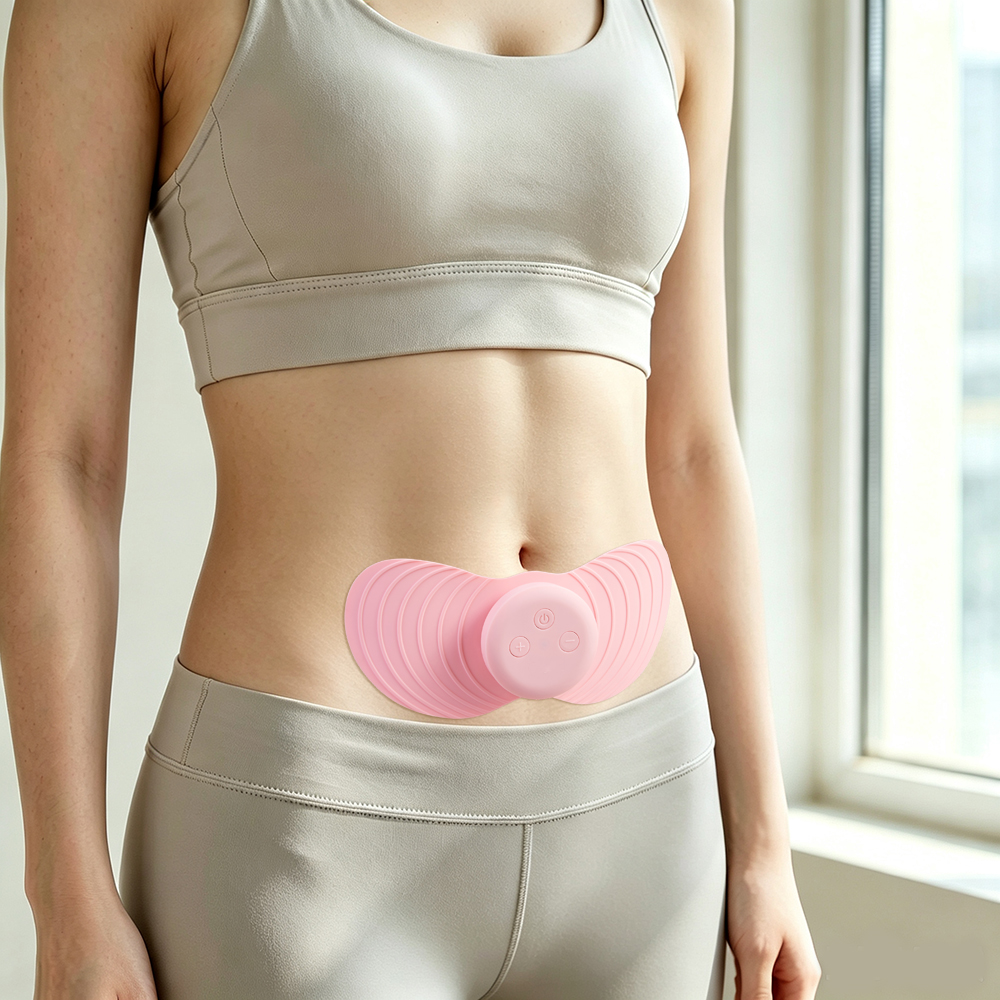
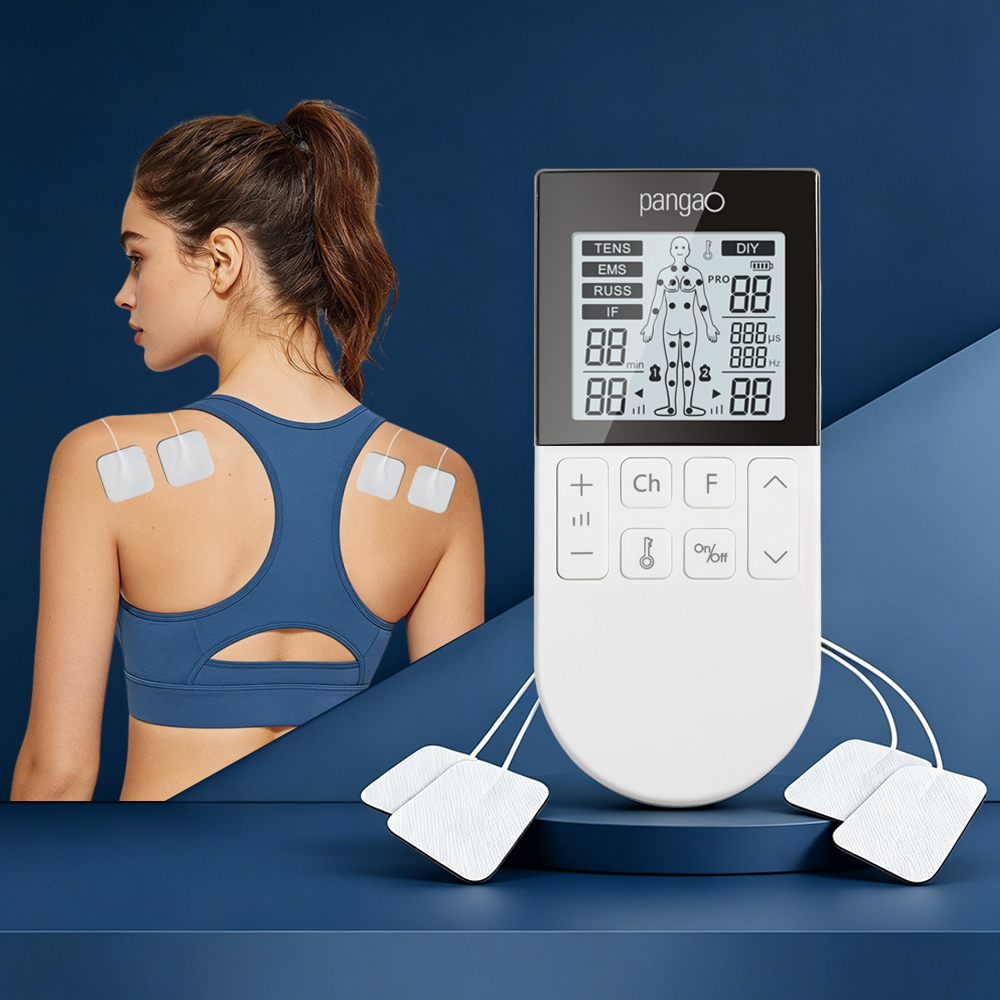
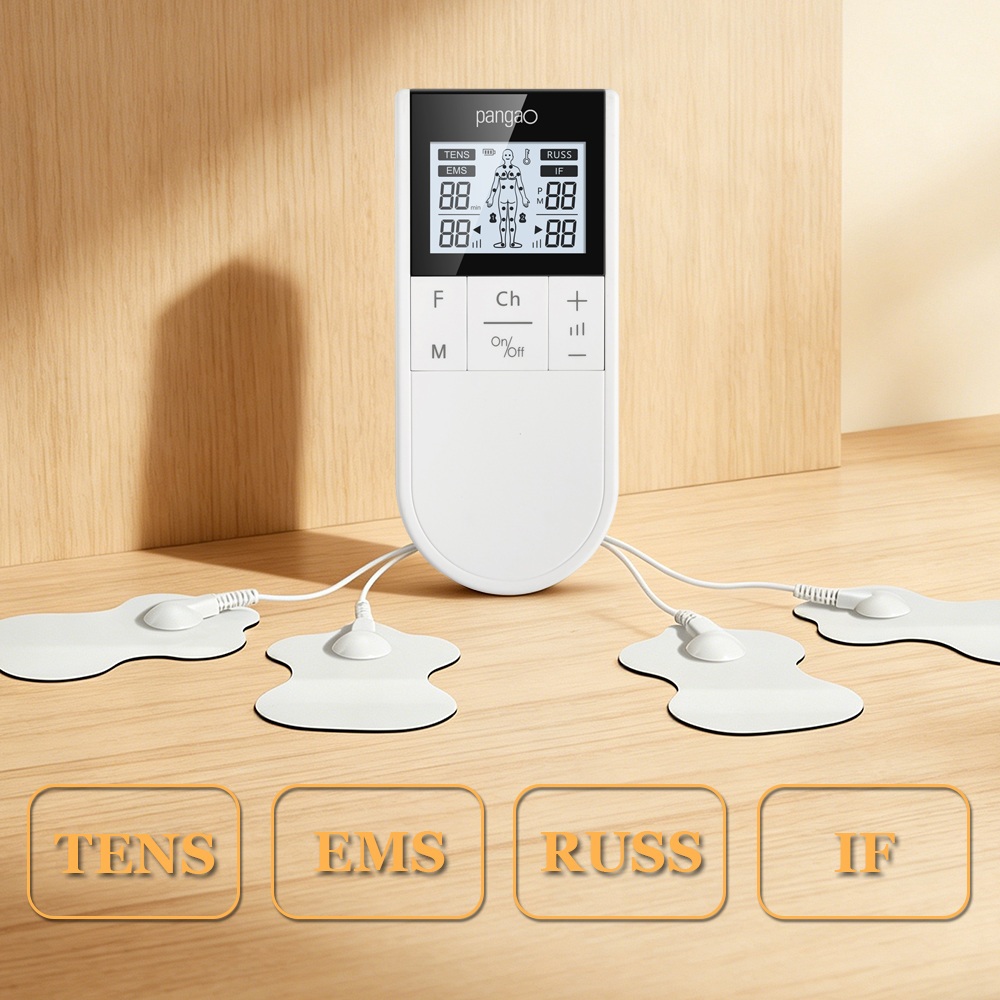
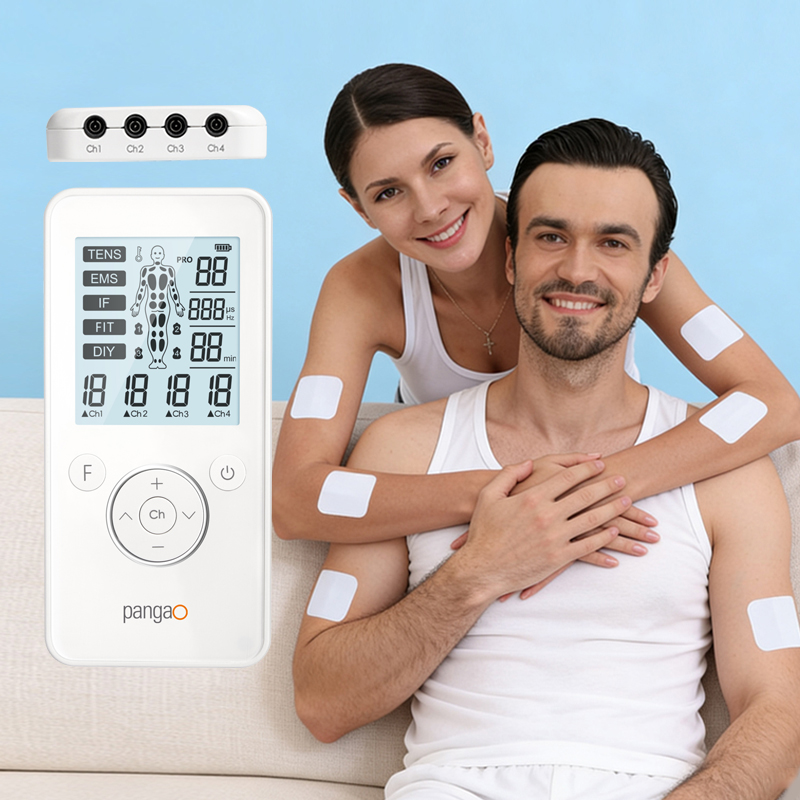
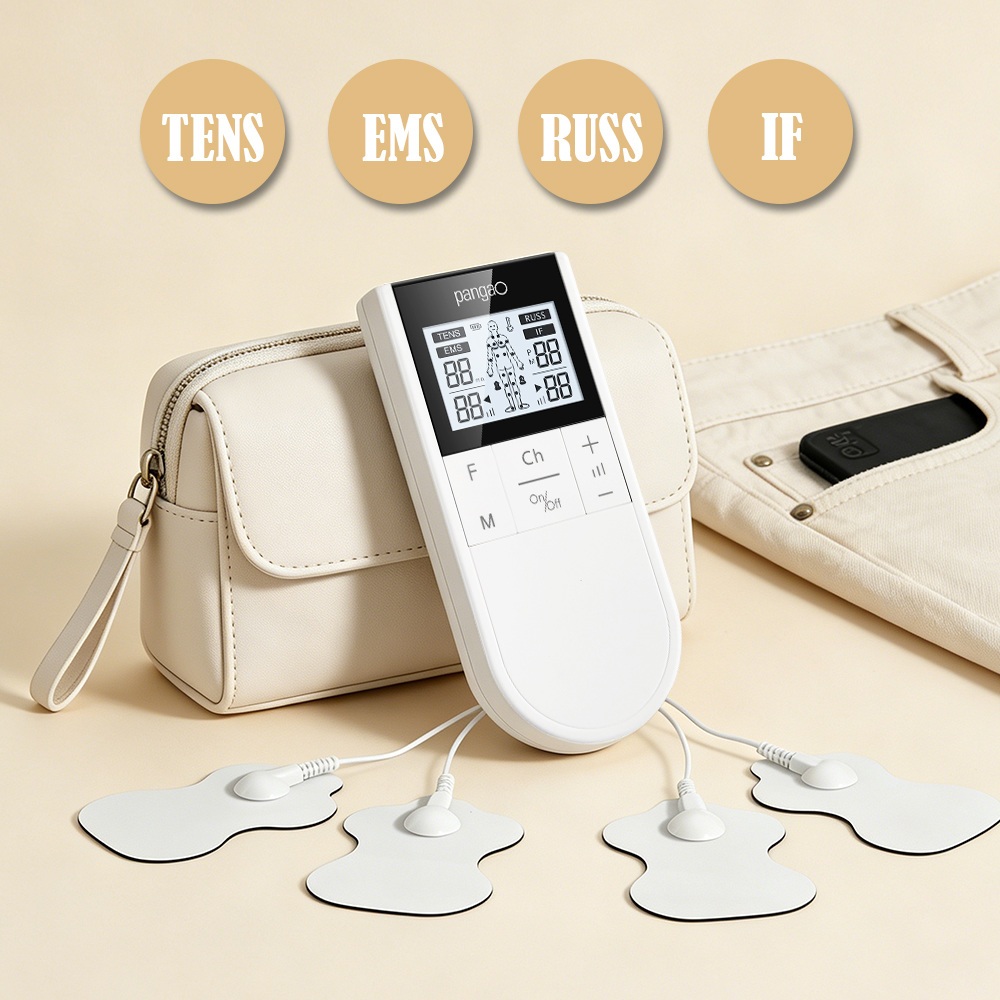
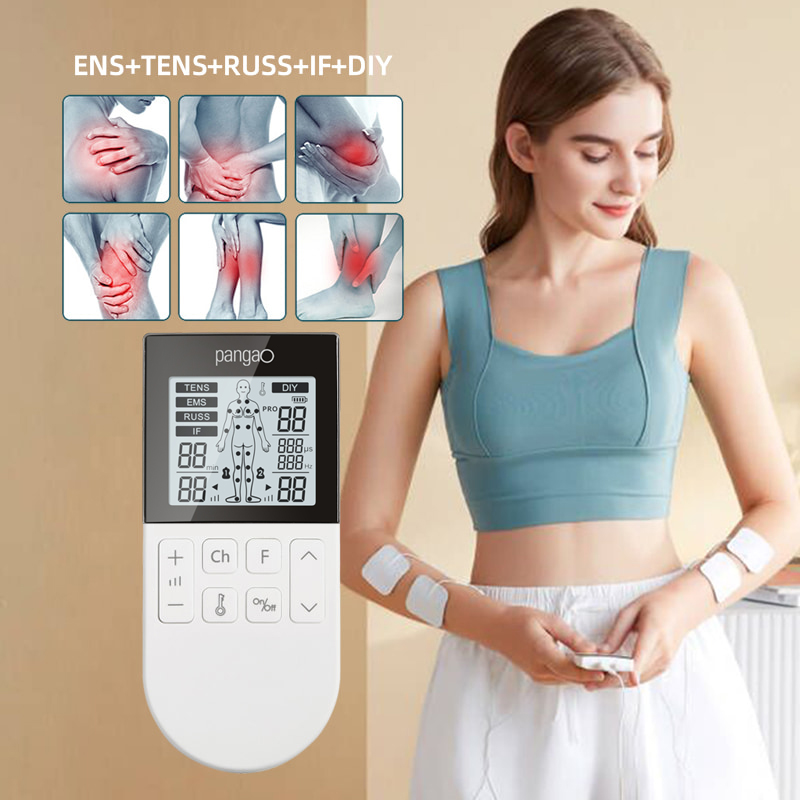
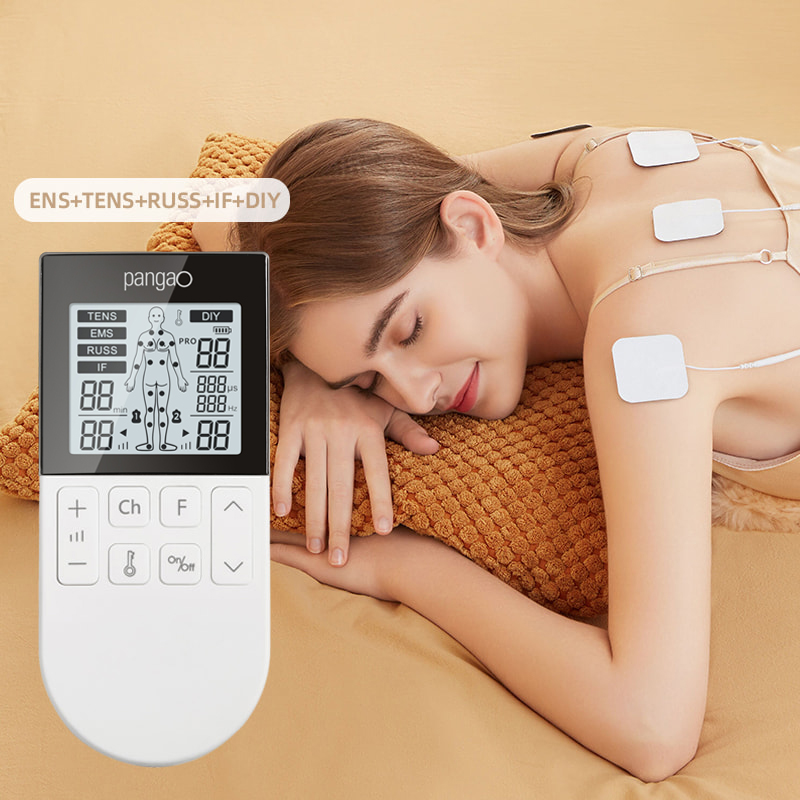
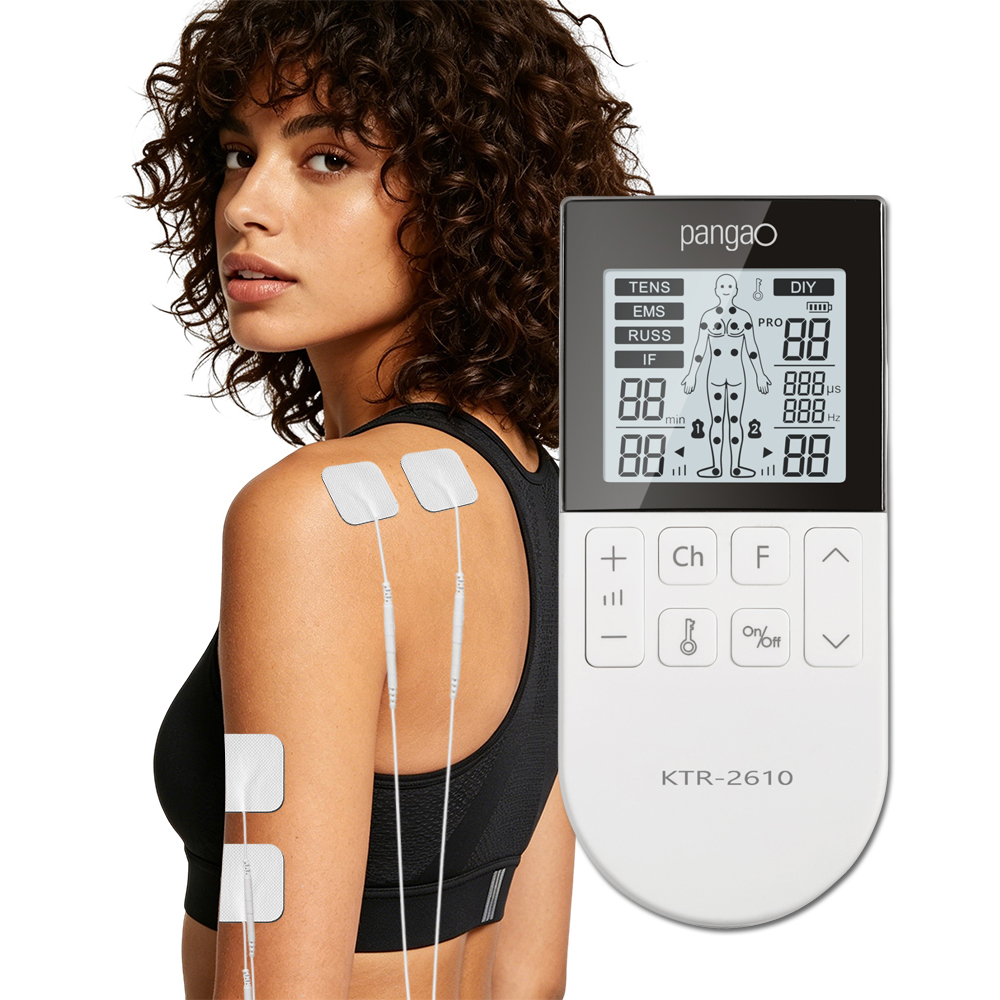
TENS targets sensory nerve fibers (A-beta and A-delta) to alleviate lower-limb neuropathic pain and chronic plantar fasciitis. Operating via the Gate Control Theory of Pain and endogenous opioid release, microcurrent TENS signals block pain pathways sent to the central nervous system. Modern dual-channel devices allow simultaneous footpad EMS treatment alongside targeted TENS electrode pad placement on the lumbar spine or upper calf.
3. Red Light Therapy (660nm) & Near-Infrared (850nm)
Integrating photobiomodulation (PBM) into foot therapy machines offers significant market differentiation. Photons at 660nm (visible red light) penetrate dermal tissues to stimulate mitochondrial cytochrome c oxidase, boosting ATP cellular energy. Near-Infrared wavelengths (850nm) reach deeper subcutaneous tissue structures, enhancing nitric oxide synthesis to dilate microvascular blood vessels in cold or numbed feet.
4. Thermal & Russian Waveform Modulation
Russian stimulation utilizes a 2,500 Hz carrier frequency modulated into 50 Hz bursts, providing deep muscle penetration with reduced epidermal discomfort. Paired with PTC carbon-fiber heating elements maintaining 40°C–45°C surface temperatures, thermo-electrotherapy optimizes muscle relaxation and conductivity.
Engineering Specification Matrix: Foot Therapy Platforms
| Feature Parameter | Basic Mechanical Massagers | Standard Consumer EMS Foot Mats | Medical-Grade OEM Foot Stimulators (Vilicus Standard) |
|---|---|---|---|
| Primary Modality | Kneading Rollers / Vibration | Single-channel Conductive Film | Multi-channel NMES + TENS + 660nm/850nm Phototherapy |
| Pulse Waveform | N/A | Fixed Monophasic Pulses | Programmable Asymmetric Biphasic & Russian Modulation |
| Intensity Levels | 2 - 3 Speed Settings | 9 - 15 Digital Levels | 50 - 99 Micro-stepped Precision Levels |
| Electrode Pad Output | None | Rarely Included | Dual Auxiliary Channels for Body TENS Pads (4-Electrode) |
| Regulatory Approval | General Consumer Appliance | FCC / CE Class I | FDA 510(k) Cleared, EU MDR Class IIa, ISO 13485 Certified |
| B2B Target Margin | Low (Saturated Retail) | Moderate (E-commerce Commodity) | High (Clinical Sourcing & Private-Label Medical Retail) |
Application Scenarios Driving Local Demand in Phoenix & Southwestern US
Understanding regional buyer personas enables Phoenix distributors to curate tailored inventory. The demographic and climatic realities of Arizona create four distinct commercial channels for foot therapy equipment:
A. Senior Living & Retirement Communities
With extensive master-planned senior communities across Sun City, Green Valley, and East Mesa, care coordinators actively seek non-invasive, home-use NMES devices to assist residents experiencing age-related peripheral circulatory slowing, leg heaviness, and balance instability without pharmaceutical side effects.
B. Diabetic Care & Neuropathy Clinics
Arizona clinics focused on metabolic health and podiatry demand medical-grade foot therapy units featuring adjustable pulse frequencies (1–120Hz) and dual TENS pads. These systems aid in managing symptomatic relief of chronic intractable pain associated with diabetic peripheral neuropathy.
C. Outdoor Endurance & Sports Rehabilitation
Phoenix's year-round endurance sports culture (marathoners, hikers, and trail runners exploring Camelback Mountain) drives demand in physical therapy centers for high-intensity Russian stimulation platforms designed for rapid lactate clearance and calf muscle recovery.
Localized Supply Chain Trends: Direct Factory Sourcing vs. Local Stockists
While local Phoenix medical suppliers near Sky Harbor International Airport provide immediate fulfillment for small orders, growing brand owners and regional wholesalers face high markups (up to 200–300%) when buying domestic inventory. The prevailing supply chain model involves partnering directly with established ISO 13485 certified manufacturers in medical electronics hubs like Shenzhen, utilizing Phoenix as a distribution land-bridge for Southwestern US distribution.
Shenzhen Vilicus Medical Electronics: Global OEM/ODM Partner
As the parent manufacturing enterprise backing high-performance TENS, EMS, and foot therapy platforms globally, Shenzhen Vilicus Medical Electronics Co., Ltd. offers Phoenix importers direct access to tier-one medical engineering infrastructure.
- Manufacturing Scale: Operating a modern 15,700 m² production facility with automated SMT placement lines, ergonomic assembly halls, and dedicated cleanrooms.
- Heritage & Personnel: Group manufacturing legacy tracing back to 2000, supported by 210 verified technical personnel and a dedicated electrotherapy division established in 2013.
- R&D Command: Access to a group R&D force of over 300 engineers specializing in microcurrent circuit stability, bio-feedback algorithms, and custom housing ergonomics.
- Global Compliance Portfolio: Quality Management System fully certified under ISO 13485. Product listings and clearances hold US FDA 510(k), EU MDR (Class IIa), TGA, CE, RoHS, and BSCI social compliance audits.
- Quality Assurance Guarantee: 100% finished product electrical waveform testing, safety leakage verification, and burn-in testing prior to export packaging.
- End-to-End ODM Customization: Complete support for private-label branding, customized LCD interfaces, multi-language user manuals, custom injection color matching, and custom gift box packaging.
Frequently Asked Questions by Phoenix Medical Equipment Buyers
Phoenix medical importers must ensure that the overseas manufacturer holds an active FDA Establishment Registration and Device Listing. Vilicus provides complete 510(k) documentation numbers and Device Listing Details (Under Regulation 21 CFR 890.5850 for Powered Muscle Stimulators and 21 CFR 890.5890 for TENS units), allowing seamless customs clearance at US ports of entry and legal OTC or prescription distribution throughout Arizona.
Standard OEM mass production turnaround is 30–35 days following sample sign-off. Sea freight shipping from Shenzhen ports to the Port of Los Angeles / Long Beach, followed by intermodal rail or trucking to Phoenix Goodyear or West Valley distribution centers, typically takes 18–22 days. Air freight via Phoenix Sky Harbor International Airport (PHX) is available for express sample evaluations within 5–7 days.
For standard TENS/EMS muscle stimulators, custom logo printing and customized packaging start at 1,000 units. Specialized EMS Foot Therapy Machines (incorporating red light and custom mold colors) start at an accessible MOQ of 500 units, making direct factory customization viable for regional Phoenix distributors and fast-growing e-commerce sellers.
Combination units significantly enhance product value and clinical utility. While the main footpad treats lower-leg venous stasis and foot neuropathy, the auxiliary lead wires allow users to attach self-adhesive electrode pads simultaneously to the lower back, knees, or shoulders. This "full-body therapy station" concept commands higher retail margins and delivers superior user satisfaction.
Phoenix's low ambient humidity can accelerate the drying of low-grade hydrogels. Vilicus uses premium Japanese or high-grade biocompatible hydrogels paired with sealed foil storage pouches. We also supply re-sealable plastic storage boards that prevent premature gel desiccation, ensuring 25–30 applications per pad even in arid Southwestern environments.
B2B Sourcing Checklist for Phoenix Procurement Officers
Before issuing a Purchase Order for foot therapy or electrotherapy devices, evaluate your prospective manufacturing partner against these critical industry metrics:
- Quality Management Audit: Confirm ISO 13485 certification issued by an accredited notified body (TÜV, SGS, or BSI).
- FDA Regulatory Match: Verify that the 510(k) summary explicitly covers the intended therapeutic claims (pain relief, circulation enhancement, muscle conditioning).
- Electrical Safety & EMC Testing: Ensure full compliance with IEC 60601-1 and IEC 60601-1-2 medical electrical safety standards.
- Firmware Customization Capabilities: Verify that the factory R&D team can calibrate pulse width (50μs–400μs) and frequency sweeps to your precise clinical requirements.
- Supply Chain Transparency: Ensure 100% traceability on critical electronic components, lithium-ion battery UL certifications, and biocompatible materials.
Accelerate Your Foot Therapy Sourcing Project
Partner directly with an ISO 13485 & FDA 510(k) certified OEM factory. Request technical specifications, compliance documentation, and factory-direct volume pricing for your Phoenix distribution network today.