Featured TENS & EMS Devices for Global OEM/ODM Procurement
Explore high-performance digital muscle stimulators, wireless therapy units, and women's health relief devices manufactured in our Shenzhen facility.
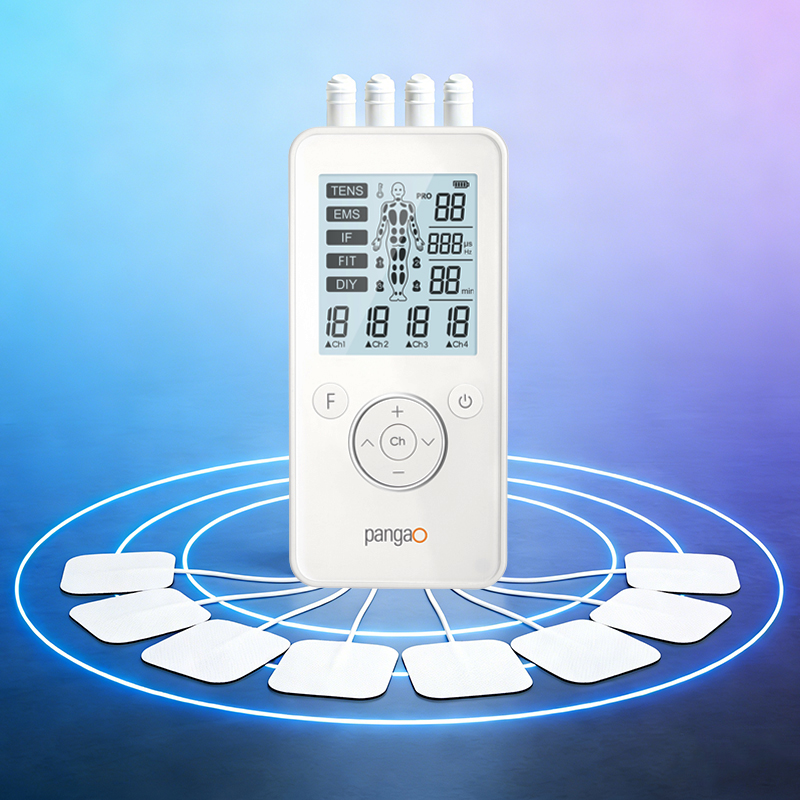
Electric Large Screen Muscle Stimulator Pain Relief 4 Channels EMS Tens Machine Physiotherapy with 8 Electrode Pad
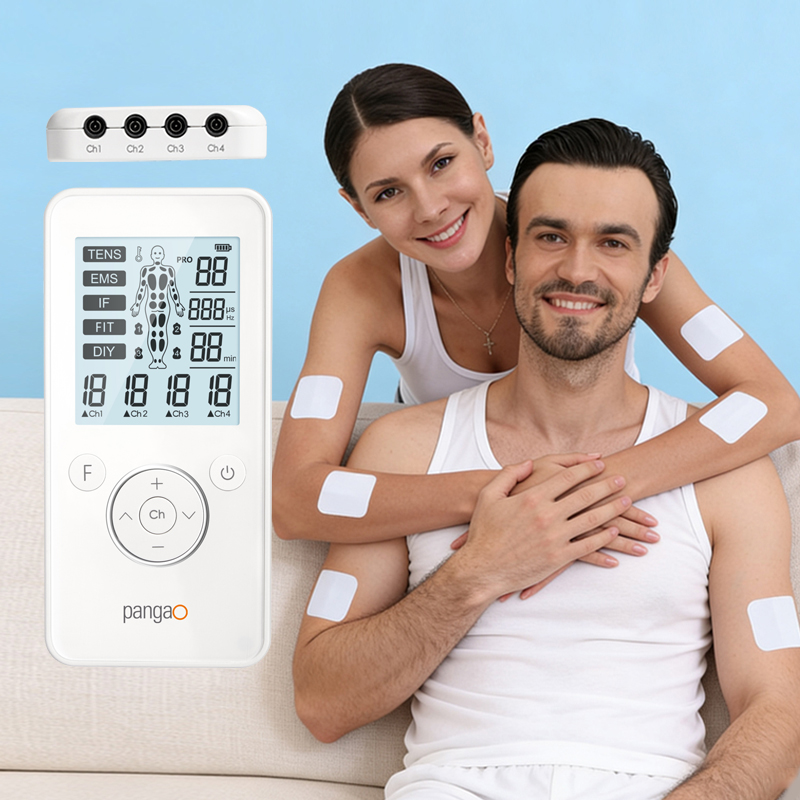
Electric Body Physical Therapy Equipments EMS Muscle Stimulator Digital 4-Channel TENS Machine Physiotherapy
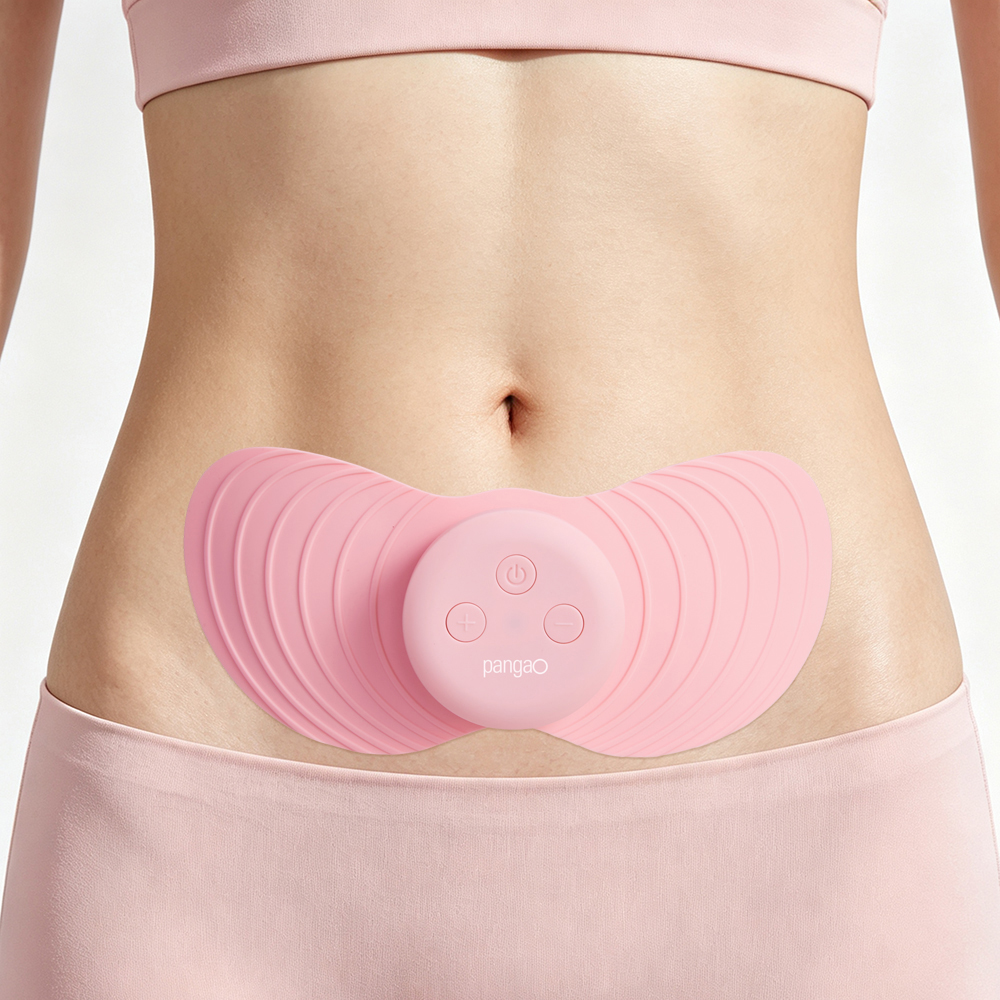
Wireless Portable Electronic Period Pain Relief TENS Unit Digital Physiotherapy Machine with Heating
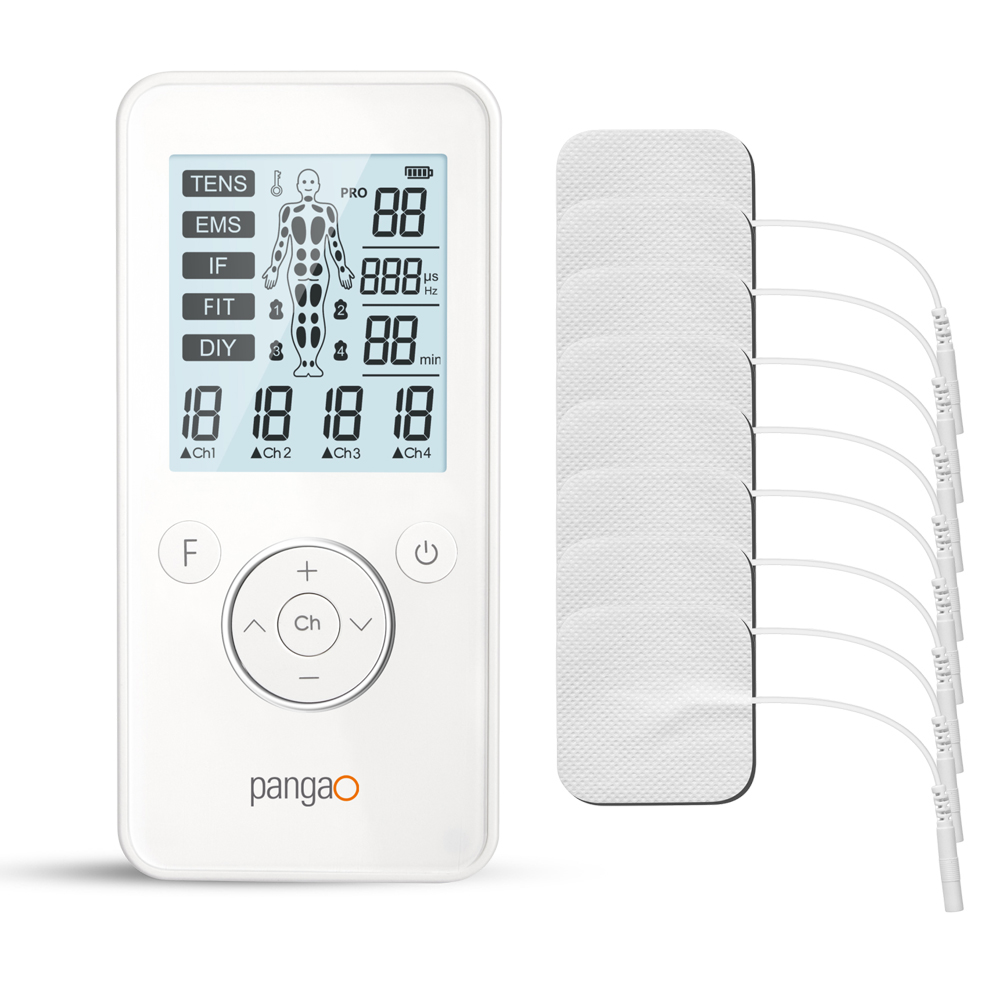
Medical Grade Electronic Pulse Massage Machine 4 Channels EMS Muscle Stimulator TENS Unit for Pain Relief
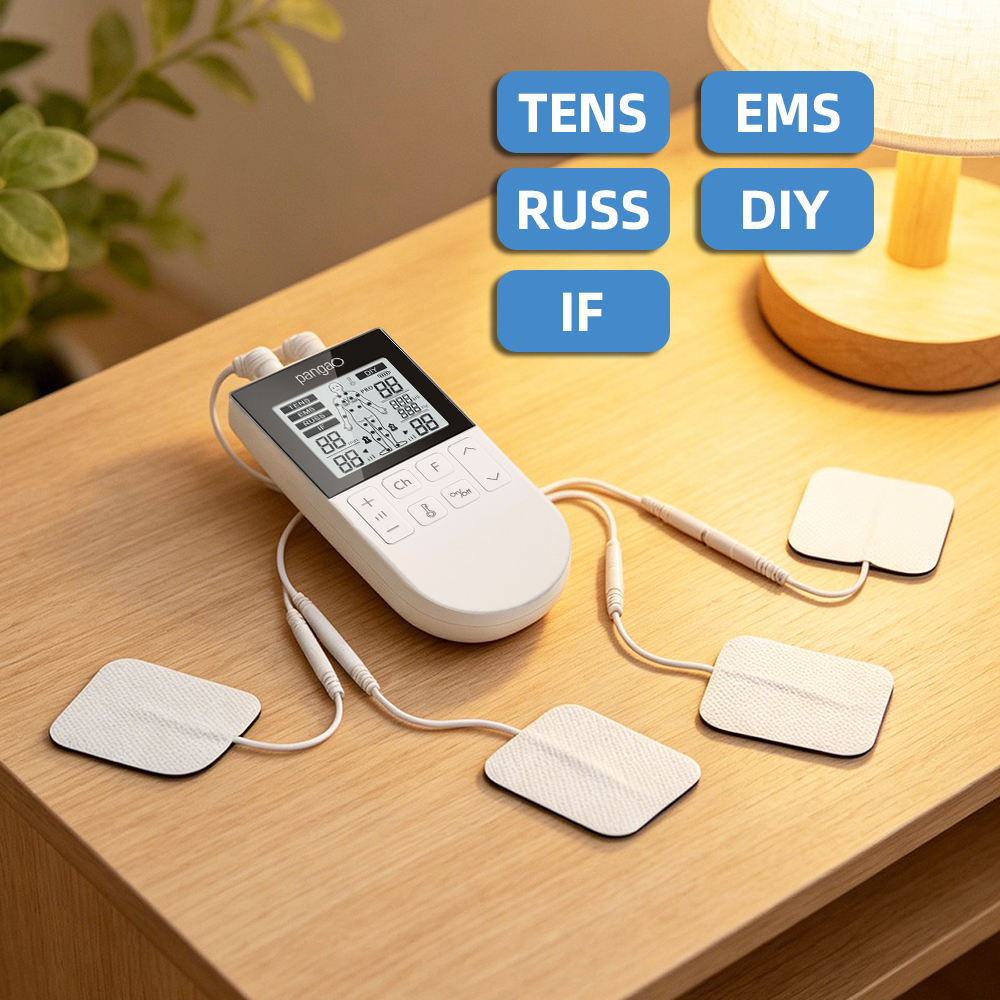
Multifunctional Mode Pain Relief and Muscle Strengthening Body Massager Machine EMS TENS Unit Physiotherapy Equipment
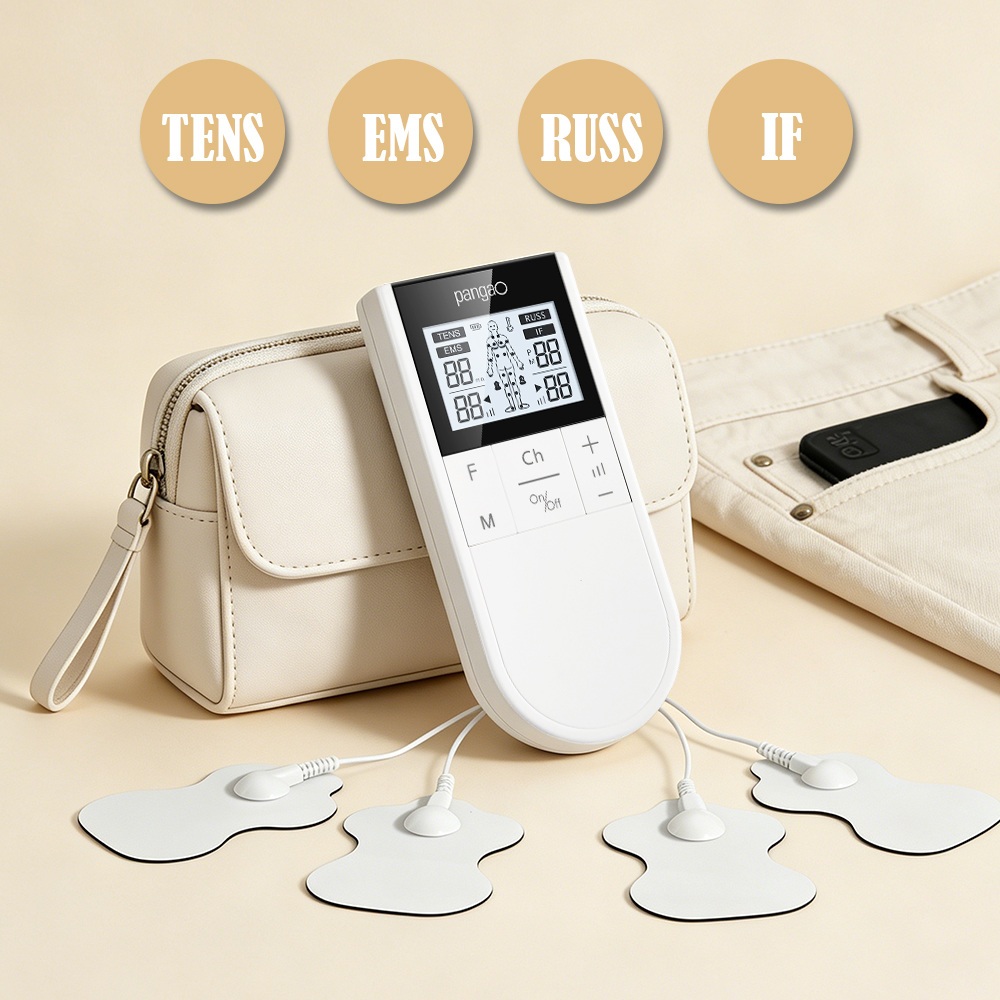
Multifunctional Portable Digital Nerve Muscle Stimulator Machine Dual Channels TENS Unit for Pain Relief
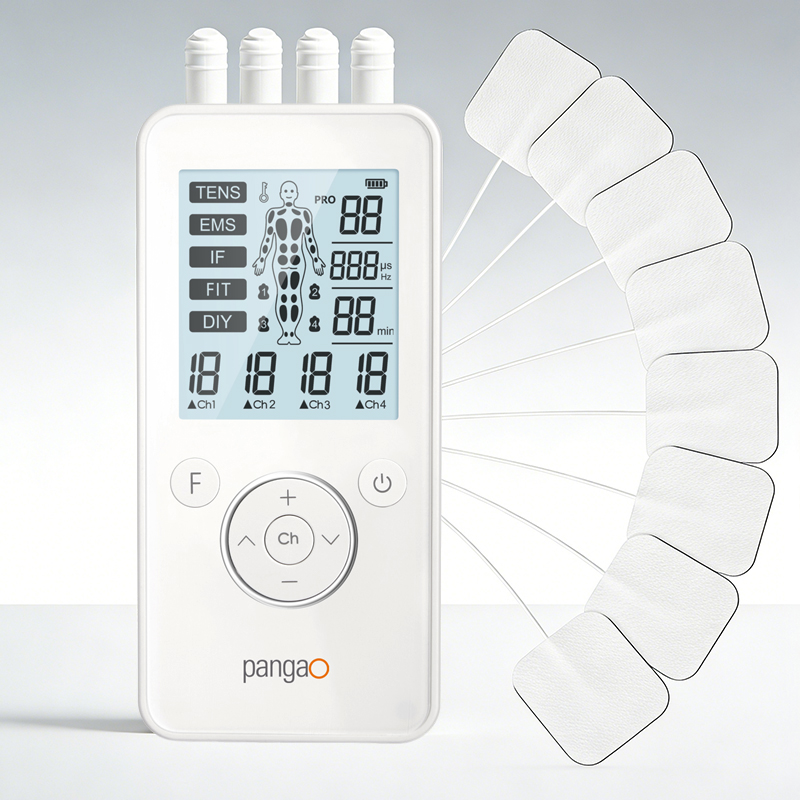
Wholesale Professional Electric Pulse Physical Therapy Device 4 Channels EMS TENS Machine for Pain Relief
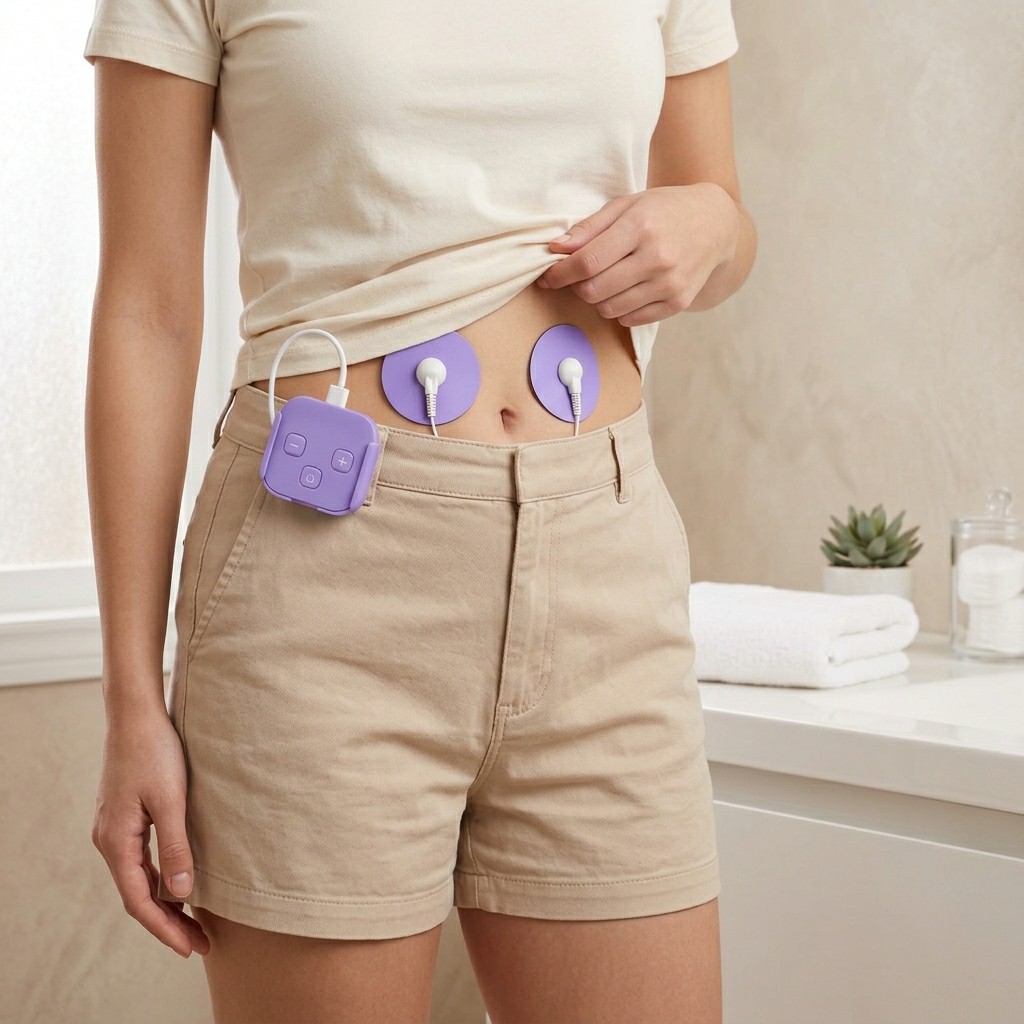
Rechargeable Period Pain Pain Therapy Device Menstrual Cramp Relief TENS Machine for Women Dysmenorrhea
1. Global Market Landscape: Selecting Top Trusted TENS EMS Device Factories
The global market for transcutaneous electrical nerve stimulation (TENS) and electrical muscle stimulation (EMS) devices has evolved from specialized clinical equipment into mainstream consumer wellness and personal medical devices. Driven by an aging population, rising incidence of chronic musculoskeletal pain, and growing consumer demand for non-pharmacological pain management solutions, procurement executives are under immense pressure to identify reliable manufacturing partners. Navigating the global supplier ecosystem requires a rigorous evaluation of engineering depth, regulatory compliance, quality control systems, and supply chain maturity.
As healthcare channels, pharmacy chains, and direct-to-consumer (DTC) wellness brands scale their product offerings, finding top trusted TENS EMS device factories becomes a foundational operational decision. Partnering directly with certified manufacturers in established electronics hubs—specifically Shenzhen, China—provides brands with a competitive edge in pricing, rapid prototyping, custom waveform programming, and high-volume scalability.
Strategic Procurement Insight: A top-tier TENS/EMS factory must hold certified Medical Device Quality Management Systems (ISO 13485:2016) and possess market-specific clearances such as US FDA 510(k) premarket notifications and European Union MDR (Medical Device Regulation 2017/745) Class IIa certifications. Sourcing non-compliant units exposes importers to severe regulatory penalties and customs seizures.
2. Neurostimulation Biophysics: TENS vs. EMS vs. IF vs. RUSS Waveforms
To successfully market electrotherapy devices, product managers and buyers must understand the physiological mechanisms behind various stimulation modalities. Advanced electrotherapy factories design multi-mode platforms capable of delivering precise electrical pulses tailored to distinct therapeutic targets.
| Modality | Frequency Range (Hz) | Target Physiology | Mechanism of Action | Primary Clinical Application |
|---|---|---|---|---|
| TENS (Transcutaneous Electrical Nerve Stimulation) | 2 Hz – 150 Hz | Sensory A-beta & C nerve fibers | Presynaptic inhibition via Gate Control Theory & endogenous opioid (endorphin) release | Symptomatic relief of chronic recalcitrant pain, acute post-operative pain, dysmenorrhea |
| EMS (Electrical Muscle Stimulation) | 1 Hz – 80 Hz | Peripheral motor nerves & muscle fibers | Rhythmic depolarisation triggering tetanic muscle contractions to prevent disuse atrophy | Athletic muscle conditioning, re-education, localized blood circulation enhancement |
| IF (Interferential Therapy) | 4000 Hz carrier frequency | Deep soft tissue & nerve pathways | Superimposition of two out-of-phase medium-frequency currents creating low-frequency beat effect | Deep-seated joint pain, edema reduction, deep muscle spasm management |
| RUSS (Russian Stimulation) | 2500 Hz burst sine wave | Fast-twitch motor units | High-frequency carrier wave overcoming skin impedance for maximum motor recruitment | Quadriceps strengthening, post-surgical muscle rehabilitation, elite sports therapy |
| NMES Foot Therapy | 1 Hz – 100 Hz + Infra-Red / Heat | Plantarnerves & calf muscle pumps | Bio-electric impulse activation of venous foot pumps paired with red light thermal therapy | Diabetic peripheral neuropathy relief, lower limb edema reduction, foot circulation boost |
By engineering multi-channel architectures that combine TENS, EMS, IF, and Russian waveforms into a single micro-controller processing unit (MCU), contract manufacturers like Shenzhen Vilicus Medical Electronics empower brands to offer versatile 5-in-1 therapy devices that appeal to broader retail demographics.
3. Key Manufacturing Strengths: Shenzhen Vilicus Medical Electronics Co., Ltd.
When assessing OEM/ODM electrotherapy suppliers in East Asia, Shenzhen Vilicus Medical Electronics Co., Ltd. stands out as a preeminent industry benchmark. Established with a deep heritage in electronic components dating back to 2000 and a dedicated electrotherapy device manufacturing arm launched in 2013, Vilicus operates from a state-of-the-art 15,700 square meter facility located in the Henggang Industrial Zone of Shenzhen.
Factory Overview & Infrastructure Capabilities
Vilicus integrates the entire medical device manufacturing lifecycle under a single ISO 13485-certified quality management umbrella:
- Integrated R&D Ecosystem: Supported by a group research and development force of over 300 experienced hardware, software, and biomedical engineers specializing in PCB circuit design, custom waveform algorithms, BLE 5.0 app development, and ergonomic industrial design.
- Automated SMT & Cleanroom Assembly: High-precision Surface Mount Technology (SMT) lines ensure consistent component placement on mainboards, while controlled assembly workshops guarantee hygienic handling of medical-grade silicone keypads and hydrogel electrode interfaces.
- Rigorous Testing Protocols: Every TENS/EMS unit undergoes 100% finished product testing, including oscilloscope output waveform analysis, insulation resistance safety audits under IEC 60601-1 standards, and lithium battery burn-in checks.
- Third-Party Verification & Social Compliance: Onsite verified by SGS and audited under the BSCI (Business Social Compliance Initiative) framework, ensuring ethical labor practices and complete supply chain transparency.
4. Emerging Sourcing & Technology Trends in TENS/EMS Procurement (2025–2030)
Procurement directors must look beyond current SKUs to align with emerging consumer preferences and technological shifts. The global market is witnessing four major technological convergences:
Trend 1: FemTech & Target-Specific Wearable TENS
Traditional wired TENS units with cumbersome lead wires are rapidly yielding market share to sleek, wearable wireless pads. The fastest-growing segment within women's wellness is drug-free period pain relief devices. By fusing high-frequency TENS impulses with fast-acting graphene or carbon-film thermal heating elements, dysmenorrhea relief pads offer immediate relief for menstrual cramps. Modern factories are building ultra-thin, magnetic-latching wearable units that fit discreetly under clothing.
Trend 2: Multi-Modal NMES Foot Circulation Systems
The aging global population has spiked demand for home-use leg and foot circulation stimulators. Next-generation platforms combine bio-electric footplate electrodes with red light photobiomodulation (660nm) and far-infrared heat. Dual-output auxiliary jacks allow users to simultaneously apply body TENS pads while receiving foot reflexology EMS stimulation, creating high-value retail bundles for pharmacy chains.
Trend 3: Smart App Integration & Digital Therapeutics
Bluetooth Low Energy (BLE) microcontrollers enable seamless synchronization between TENS/EMS hardware and smartphone applications (iOS and Android). App-controlled systems allow users to download customized pulse programs, log pain intensity scores, and track rehabilitation progress. For OEM buyers, factory-provided SDKs (Software Development Kits) drastically shorten digital product launch timelines.
Trend 4: Higher Channel Counts & Independent Control
While 2-channel devices remain market staples, professional home-care consumers increasingly favor 4-channel independent output machines. Independent output circuitry allows users to set different intensity levels and waveform modes across four distinct body areas (e.g., lower back TENS on Channels A/B while applying shoulder muscle recovery EMS on Channels C/D).
5. Supplier Evaluation Matrix: How to Audit a TENS/EMS Factory
Conducting due diligence on overseas electrotherapy suppliers requires a structured scoring model. B2B buyers should evaluate prospective factories across five critical operational pillars:
1. Regulatory Assets
Verify factory-owned ISO 13485 certification, FDA 510(k) numbers, EU MDR Technical Files, and TGA registrations. Avoid trading vendors using unverified third-party licenses.
2. R&D & Customization
Ensure in-house firmware engineers can adjust pulse width (50µs–400µs), frequency (1Hz–150Hz), and output voltage profiles to meet proprietary branding requirements.
3. Production Scalability
Assess factory floor area, automated assembly tooling, monthly production capacity (e.g., 200,000+ units/month), and component safety stock levels to handle peak retail quarters.
4. Quality Control SOPs
Audit incoming material inspection (IQC), in-process quality control (IPQC) during PCBA assembly, and final pre-shipment quality checks (FQC) against AQL 1.0/2.5 standards.
6. Comprehensive B2B Sourcing FAQ
Below are authoritative answers to common operational, technical, and regulatory questions raised by electrotherapy buyers during factory procurement negotiations.
Minimum order quantities vary depending on product complexity and level of customization. Standard private-label TENS and EMS handheld devices generally start at 1,000 pieces for custom silk-screen logos and customized retail color boxes. Larger EMS foot circulation therapy platforms typically start from 500 pieces per order. Basic wireless entry-level therapy units may require 3,000 pieces for complete housing color customization and specialized firmware modifications.
Shenzhen Vilicus Medical Electronics operates under a strict ISO 13485:2016 Medical Device Quality Management System. Depending on the specific product model, our devices hold US FDA 510(k) clearances, European Union CE (under EU MDR 2017/745), Australian TGA approvals, and RoHS compliance certificates. Furthermore, our manufacturing base has been independently verified onsite by SGS and holds social compliance authorization under BSCI audits.
Yes. As a comprehensive Original Design Manufacturer (ODM), Vilicus offers full turnkey development. Our engineering team handles 3D mechanical enclosure design, mold tooling fabrication, PCB layout engineering, custom LCD/OLED display UI development, firmware algorithm tuning, micro-controller programming, and pre-compliance EMC/safety testing under IEC 60601-1-2 guidelines.
TENS (Transcutaneous Electrical Nerve Stimulation) targets sensory nerve pathways to block pain signals from reaching the brain and stimulate natural endorphin release—ideal for pain management claims. EMS (Electrical Muscle Stimulation) targets motor nerves to cause involuntary muscle contractions, helping condition muscles, boost local blood flow, and prevent atrophy. Offering multi-mode devices combining both TENS and EMS maximizes product versatility across clinical, sports, and home-care consumer segments.
All hydrogel electrode pads provided with Vilicus TENS/EMS devices use medical-grade, non-irritating conductive gels tested in accordance with ISO 10993 standards for cytotoxicity, sensitization, and intracutaneous reactivity. Lead wires utilize durable multi-strand copper cores with reinforced strain-relief boot connectors to withstand repeated flexing and prevent intermittent power delivery during user movement.
Customized OEM samples (featuring custom logo prints and packaging artwork) are typically prepared within 7 to 10 working days. Mass production lead times generally range between 30 and 45 days after artwork approval and deposit confirmation. For repeat orders with established packaging inventory, lead times can be compressed to 25–30 days.
Why Leading Global Healthcare Brands Partner with Vilicus
Combining 20+ years of industrial electronics experience with medical-grade precision to build compliant, market-ready electrotherapy solutions.
15,700 m² Production Facility
Expansive Shenzhen manufacturing base equipped with modern assembly lines, aging test chambers, and cleanroom packaging zones.
300+ R&D Engineers
Group technical team capable of designing customized circuit boards, complex pulse algorithms, software firmware, and ergonomic molds.
Full Compliance Portfolio
ISO 13485 QMS, US FDA 510(k), EU MDR Class IIa, Australian TGA, CE, RoHS, and BSCI social audit certifications.
Exported to 50+ Countries
Proven track record supplying top pharmacy chains, medical supply distributors, and brand owners across North America, Europe, and Asia-Pacific.
Accelerate Your Electrotherapy Product Line Today
Partner directly with Shenzhen Vilicus Medical Electronics for factory-direct OEM pricing, certified quality, and dedicated R&D support.