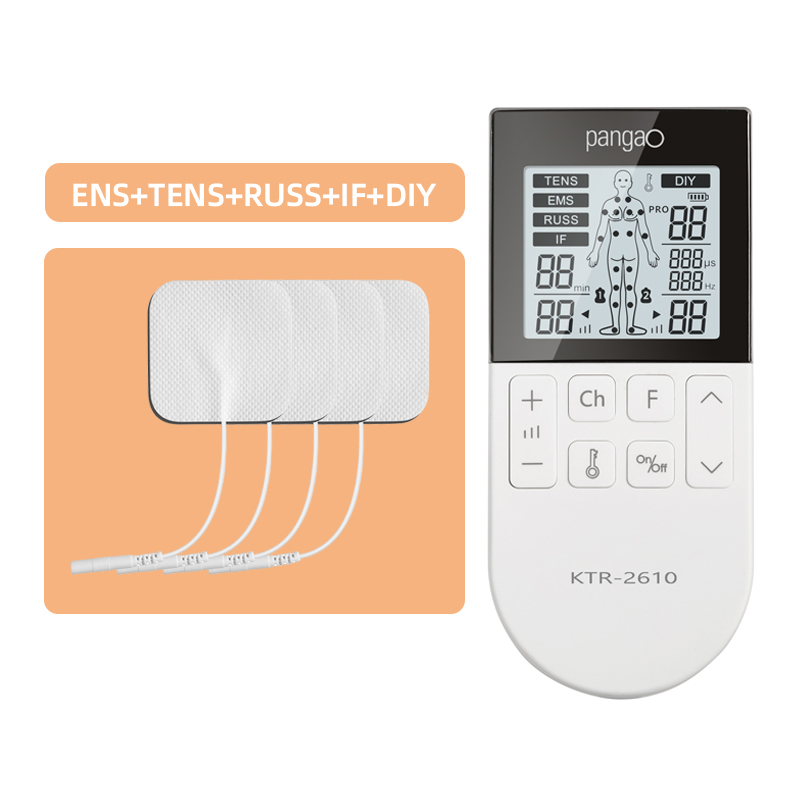
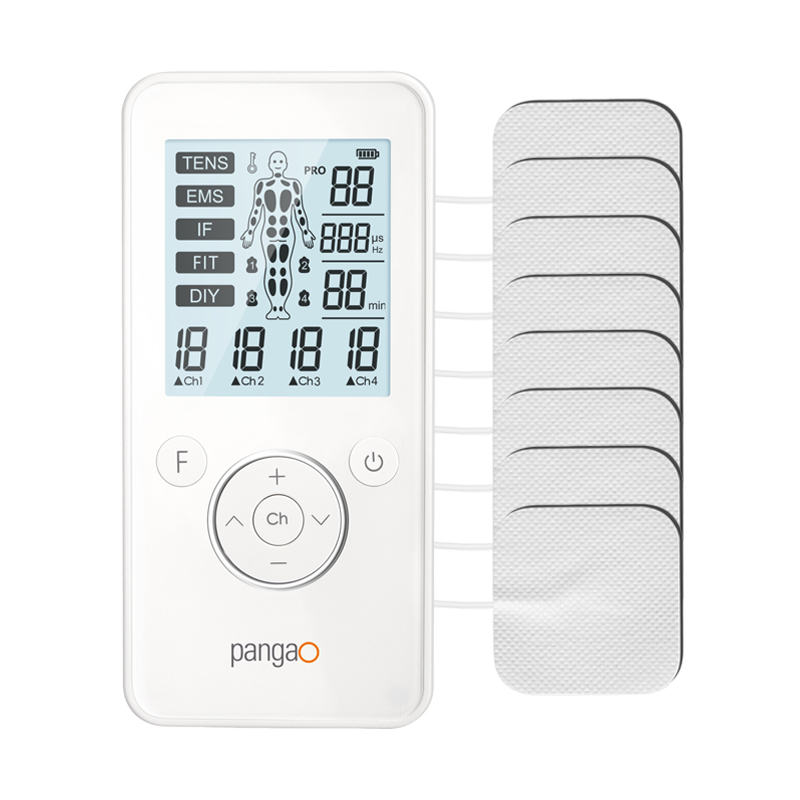
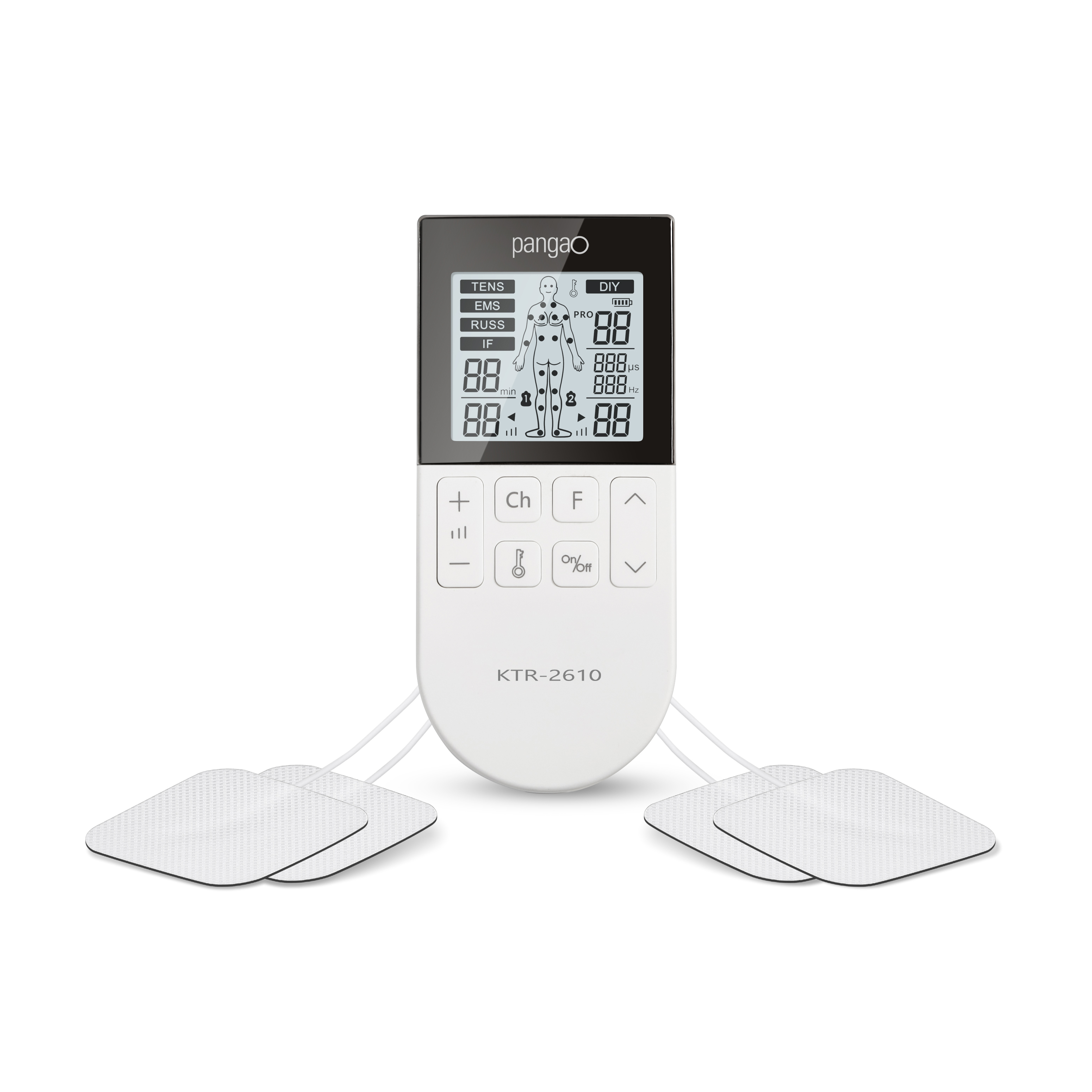
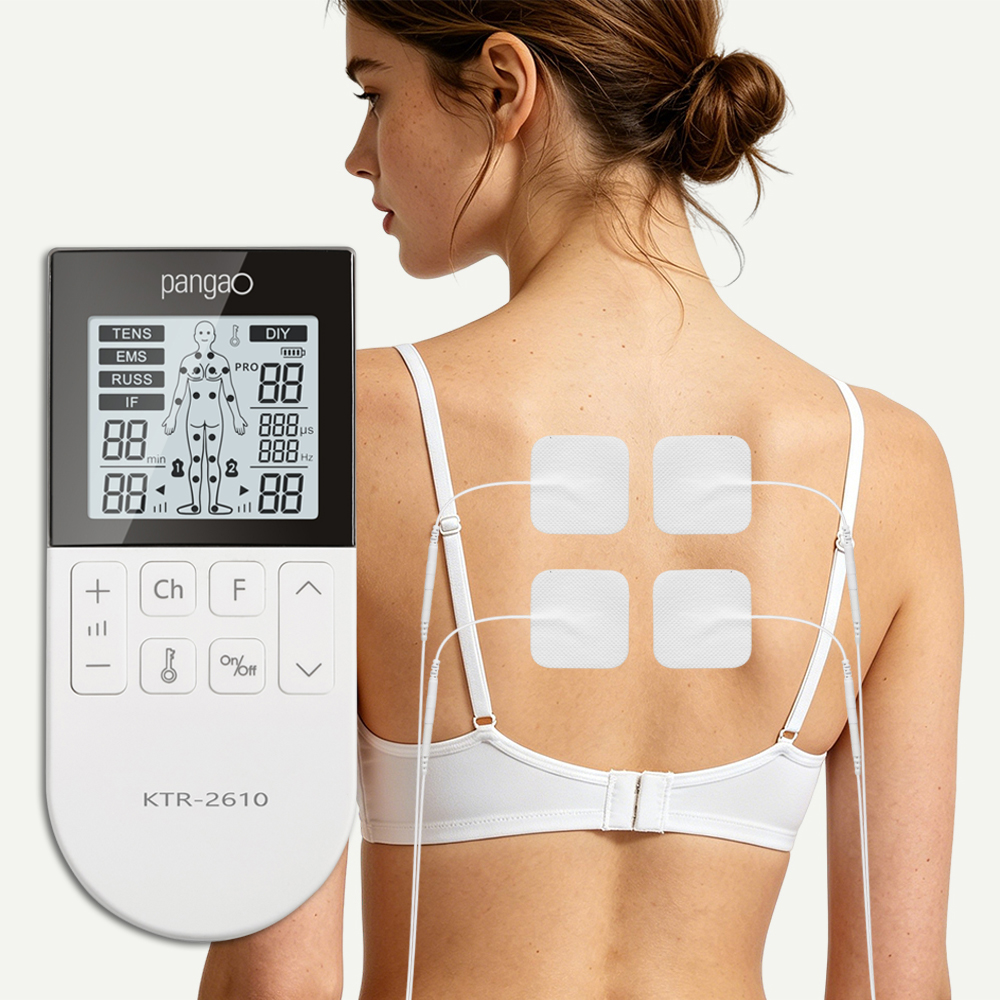
Top Trusted Nerve Stimulation Device Manufacturers & Supplier

Global OEM/ODM Sourcing White Paper & Medical-Grade Electrotherapy Engineering Standard

Featured Medical-Grade Nerve & Muscle Stimulators

Direct factory procurement of ISO 13485, FDA 510(k), and EU MDR certified TENS, EMS, and bioelectric therapy units designed for clinical and home care brands.

2000
Group Heritage Established
15,700 m²
ISO 13485 Production Plant
300+
R&D Firmware Engineers
50+
Export Nations Worldwide
100%
Waveform Signal Inspection

Biomedical Foundations of Transcutaneous Electrotherapy & Nerve Stimulation

The neuro-physiologic mechanism governing Transcutaneous Electrical Nerve Stimulation (TENS) and Neuromuscular Electrical Stimulation (NMES) relies on controlled micro-electrical charge transfer across the cutaneous boundary to depolarize nerve fibers. Modern clinical electrotherapy leverages two distinct physiological pathways: Melzack and Wall’s Gate Control Theory of Pain Management and the Endogenous Opioid Release Mechanism.

High-frequency conventional TENS (ranging from 50 Hz to 120 Hz with short pulse widths of 50 µs to 100 µs) selectively activates large-diameter, myelinated A-beta (Aβ) sensory nerve fibers. This selective afferent excitation blocks pain signal propagation at the posterior horn of the spinal cord by inhibiting presynaptic transmissions of small, unmyelinated nociceptive C-fibers. Conversely, low-frequency acupuncture-like TENS (1 Hz to 10 Hz with longer pulse widths exceeding 200 µs) depolarizes small-diameter A-delta (Aδ) fibers, inducing central nervous system activation and triggering the release of beta-endorphins and enkephalins into the cerebrospinal fluid.

Technical Insight for B2B Sourcing: OEM/ODM electrical nerve stimulators must maintain strict zero net DC charge output via biphasic asymmetric compensated waveforms to prevent skin tissue polarization, electrolytic burn risk, and epidermal irritation under long-duration usage.

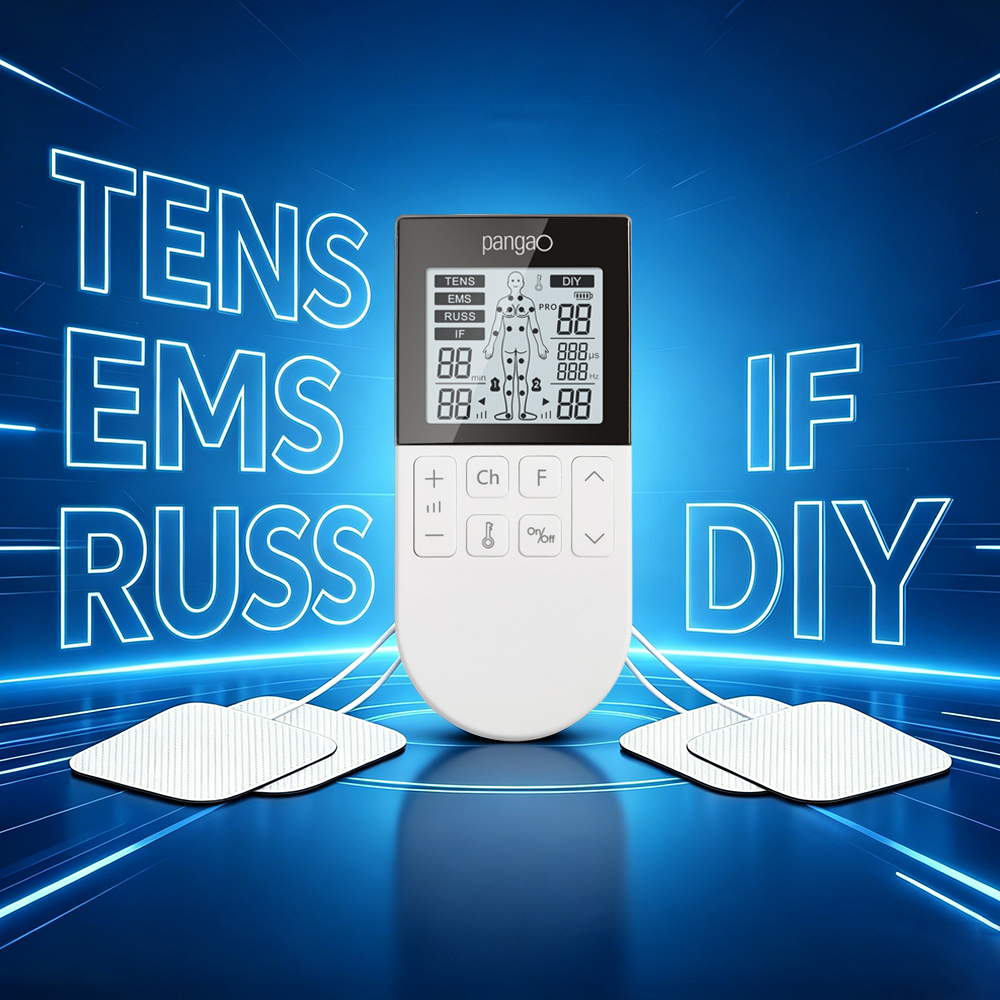
Waveform Engineering: TENS vs. EMS vs. IF vs. RUSS

When selecting a manufacturing partner for medical or home-care electrotherapy devices, B2B buyers must evaluate the hardware board design across four dominant current delivery profiles:

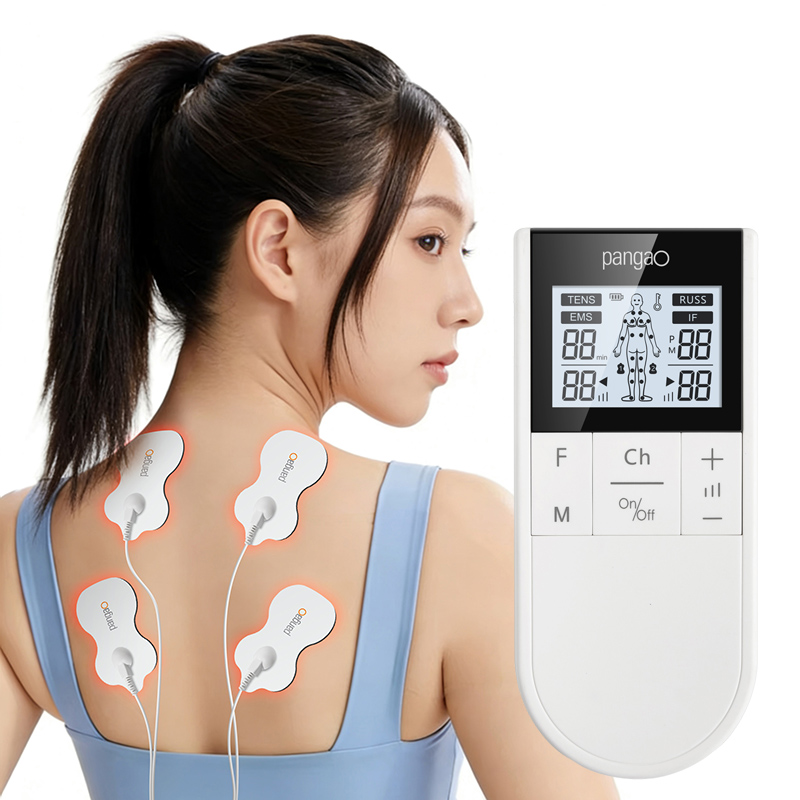
  • TENS (Transcutaneous Electrical Nerve Stimulation): Tailored for sensory nerve modulation, acute post-operative pain relief, chronic musculoskeletal conditions, and dysmenorrhea therapy. Output current ranges from 0 to 100 mA into a 500 Ω load.
  • EMS / NMES (Electrical Muscle Stimulation): Designed for motor nerve depolarization. Requires longer phase durations (200 µs – 400 µs) and pulse rates between 20 Hz and 80 Hz to elicit full tetanic muscle contractions for atrophy prevention, muscle re-education, and sports recovery.
  • IF (Interferential Current): Utilizes two medium-frequency sinusoidal currents (e.g., 4000 Hz carrier frequency) intersecting at 90-degree phase offsets. The resulting low-frequency amplitude-modulated beat frequency (1–150 Hz) penetrates deeper tissue structures with lower skin impedance barriers.
  • RUSS (Russian Stimulation): Employs a 2,500 Hz carrier frequency modulated in 50 bursts per second with a 50% duty cycle. Engineered for profound motor recruitment in physical rehabilitation and athletic power development.
Vilicus TENS EMS Manufacturing Production Overview

Future Procurement Trends in the Global Nerve Stimulator Market (2025–2030)

As global healthcare shifts toward non-pharmacological pain management and home-based physical rehabilitation, the demand for medical-grade electrotherapy hardware is experiencing a structural paradigm shift. Importers, brand owners, and medical equipment distributors must align their supply chain strategies with four primary engineering trends:

1. Miniature Wireless & App-Integrated Ecosystems

Traditional lead-wire TENS units are rapidly giving way to ultra-compact, patch-based wireless stimulators. Hardware architectures now incorporate Bluetooth Low Energy (BLE 5.3) microcontrollers, allowing seamless synchronization with iOS/Android applications for real-time therapy tracking, cloud-based symptom logging, and custom waveform updates.

2. Multi-Modal Synergistic Electro-Phototherapy

Next-generation devices integrate neuromuscular pulse output with multi-spectrum photobiomodulation (660nm Red Light + 850nm Near-Infrared LEDs) or rapid Graphene Far-Infrared heating. This dual-action delivery enhances cellular ATP synthesis while simultaneously dampening peripheral nerve sensitivity.

3. FemTech & Target-Specific Wearable Innovations

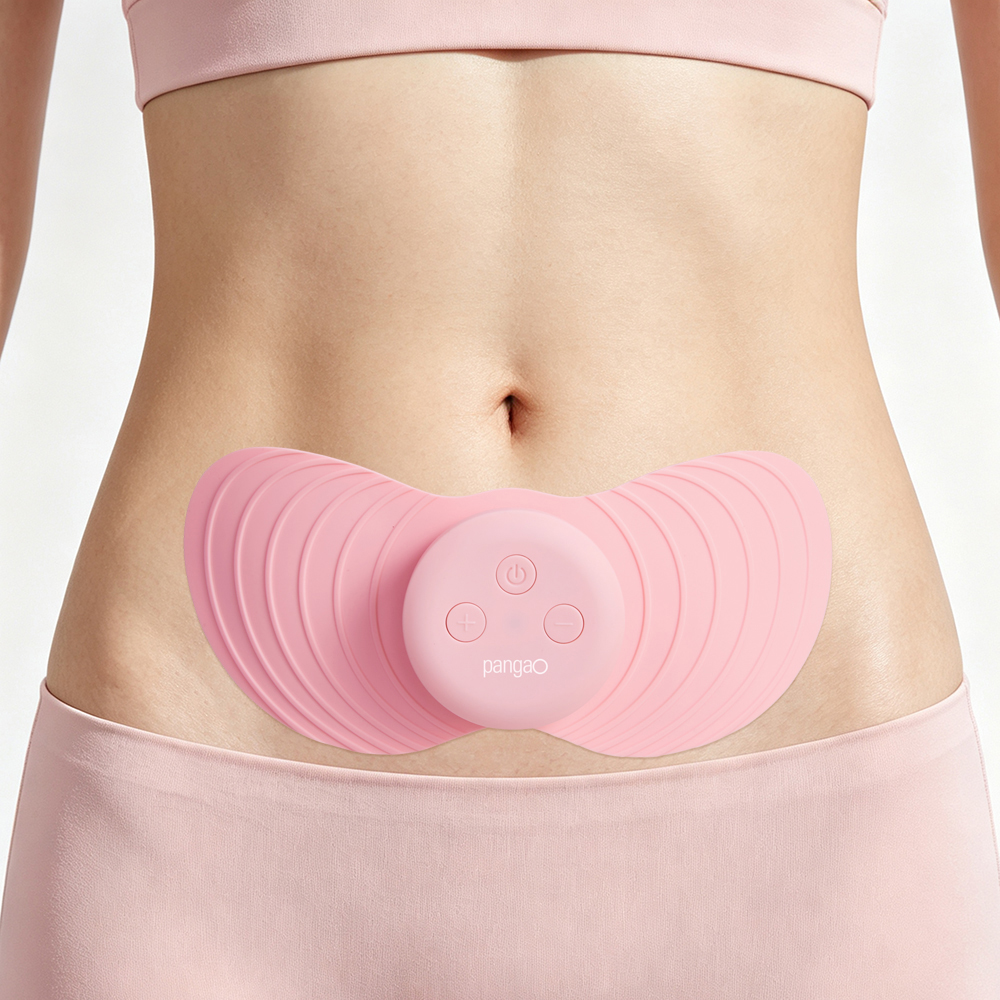
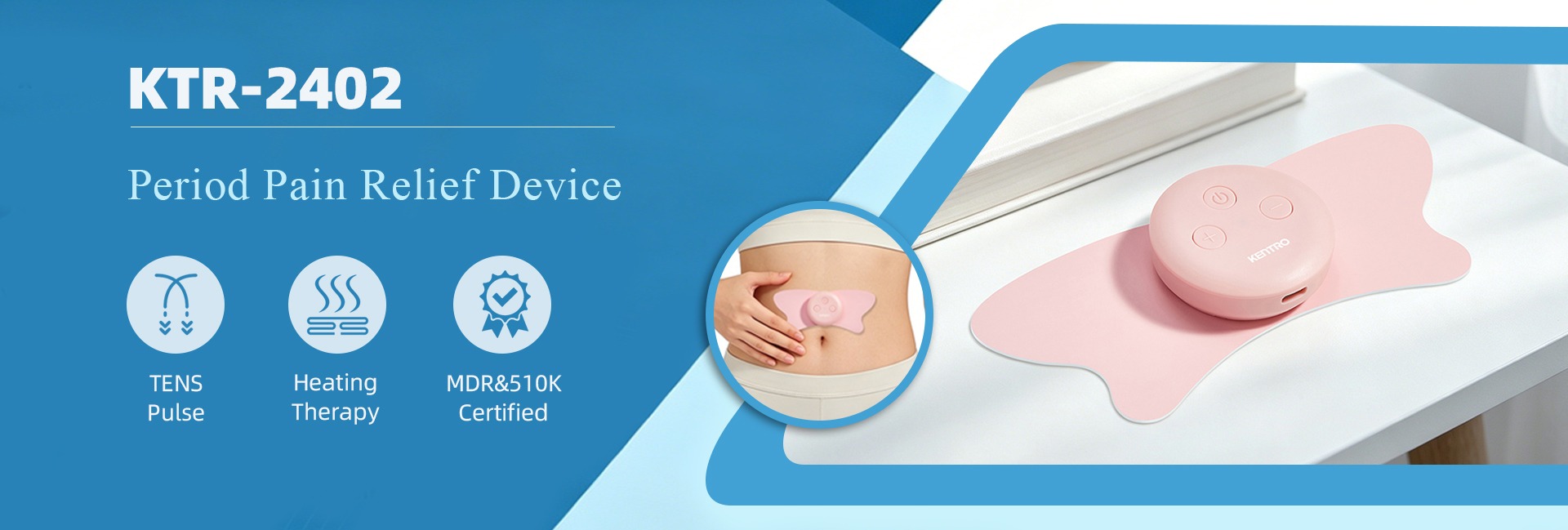
Targeted electrotherapy solutions designed for dysmenorrhea (menstrual cramp relief), pelvic floor muscle conditioning, and diabetic foot neuropathy represent the fastest-growing categories in retail pharmacy networks. These devices require flexible PCB design, anatomical silicone contouring, and medical-grade hydrogel adhesion.

4. Strict EU MDR & Cybersecurity Compliance

With the transition from EU MDD to EU MDR (Regulation 2017/745), Class IIa electrotherapy hardware faces elevated clinical evaluation standards. Sourcing partners must supply complete Software Lifecycle Documentation (IEC 62304), Biological Evaluation Reports (ISO 10993), and EMC Test Compliance (IEC 60601-1-2).

Enterprise Manufacturing Advantage: Shenzhen Vilicus Medical Electronics

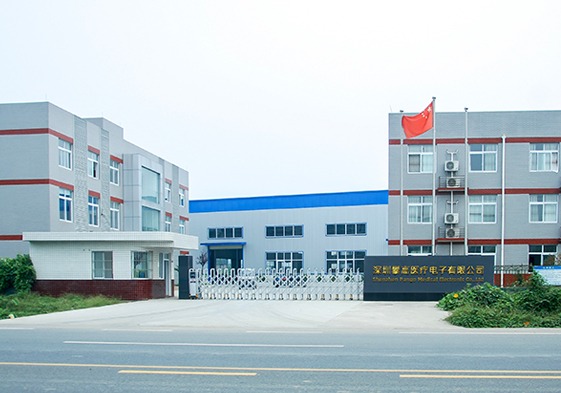
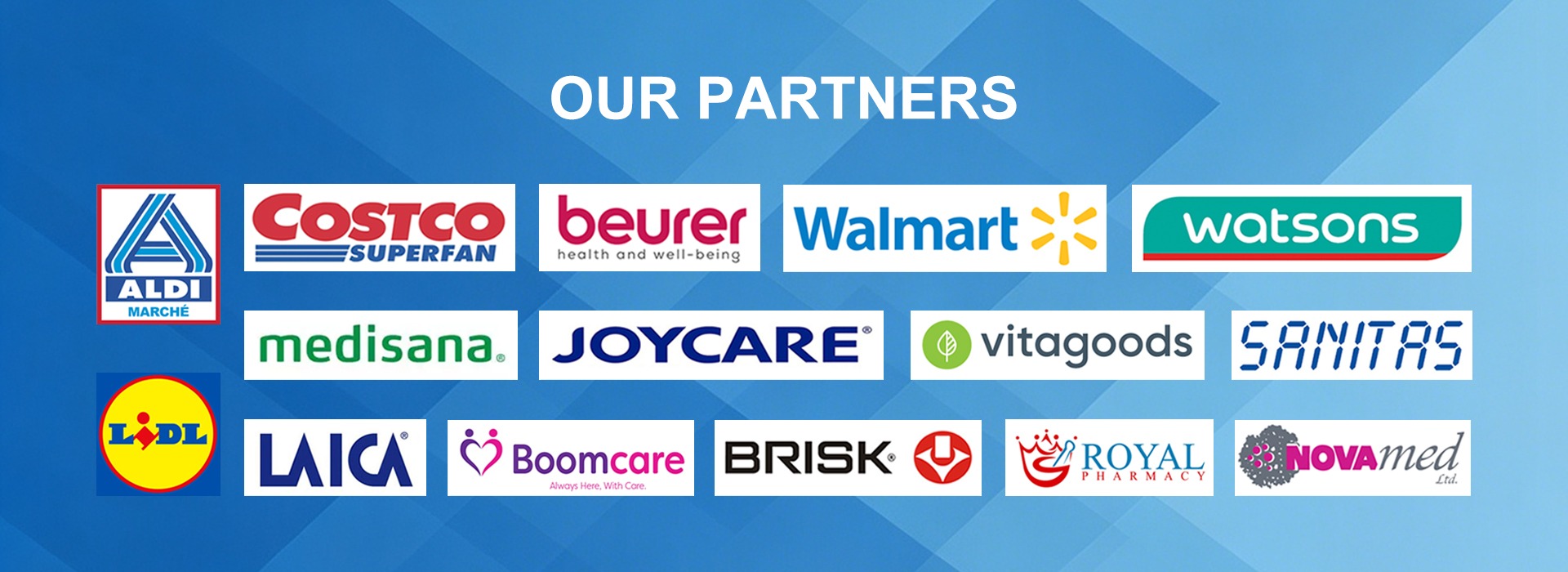
Shenzhen Vilicus Medical Electronics Co., Ltd. serves as an authoritative OEM/ODM contract manufacturer for global medical brands, healthcare importers, and pharmacy retail giants. Building upon a group electronics manufacturing legacy dating back to 2000, Vilicus established its specialized medical device operation in 2013, focusing exclusively on electrical nerve stimulators, muscle conditioners, and wearable health tech.

Shenzhen Vilicus Medical Electronics Manufacturing Facility

Vertical Integration & Quality Control Protocol

Operating out of a modern 15,700 m² ISO 13485 certified facility staffed by over 210 verified technicians, Vilicus maintains full end-to-end control over the manufacturing lifecycle. Supported by a group R&D engineering force exceeding 300 experts, our capabilities encompass software algorithm development, PCB layout design, tooling/injection molding, ultrasonic plastic welding, automated SMT mounting, and 100% End-of-Line pulse signal testing.

Evaluation Parameter Vilicus Manufacturing Standard Industry Standard Competitor
Quality Management System Certified ISO 13485 & BSCI Social Audit ISO 9001 Commercial Baseline
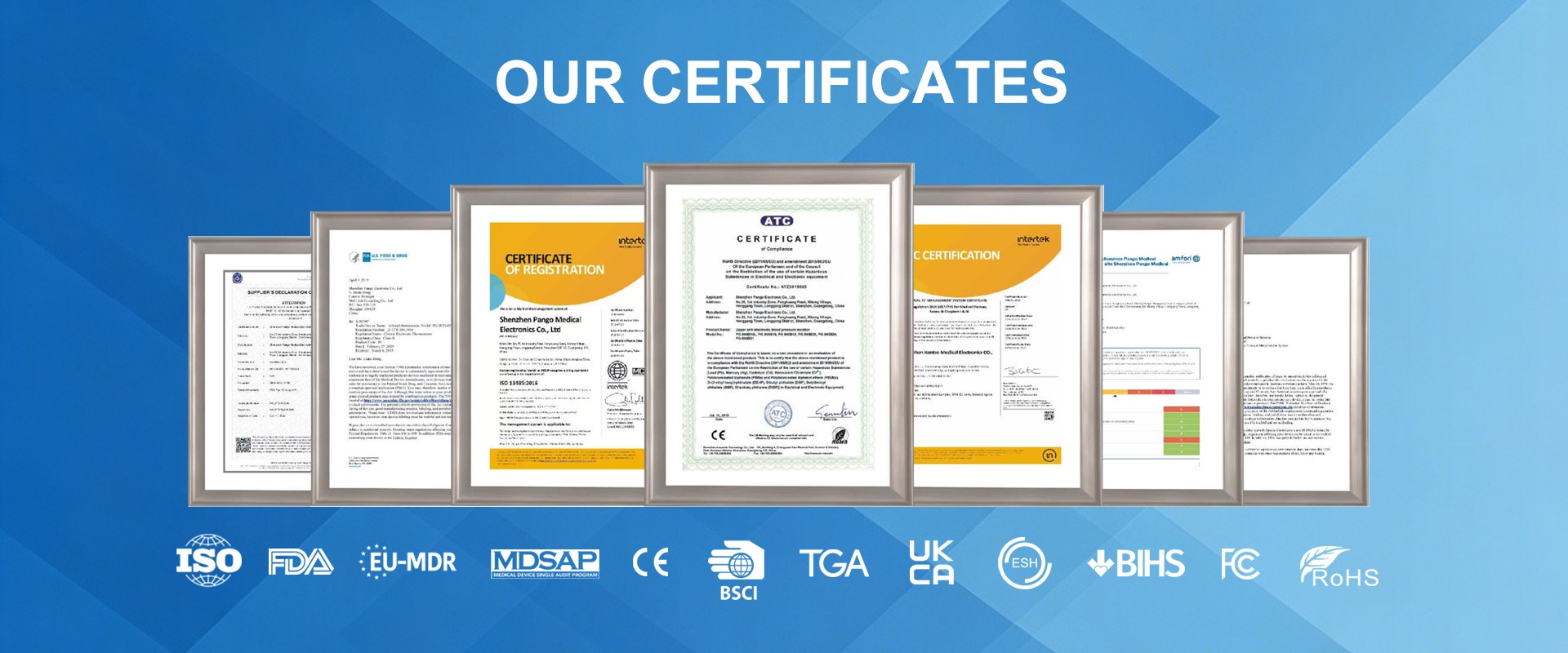
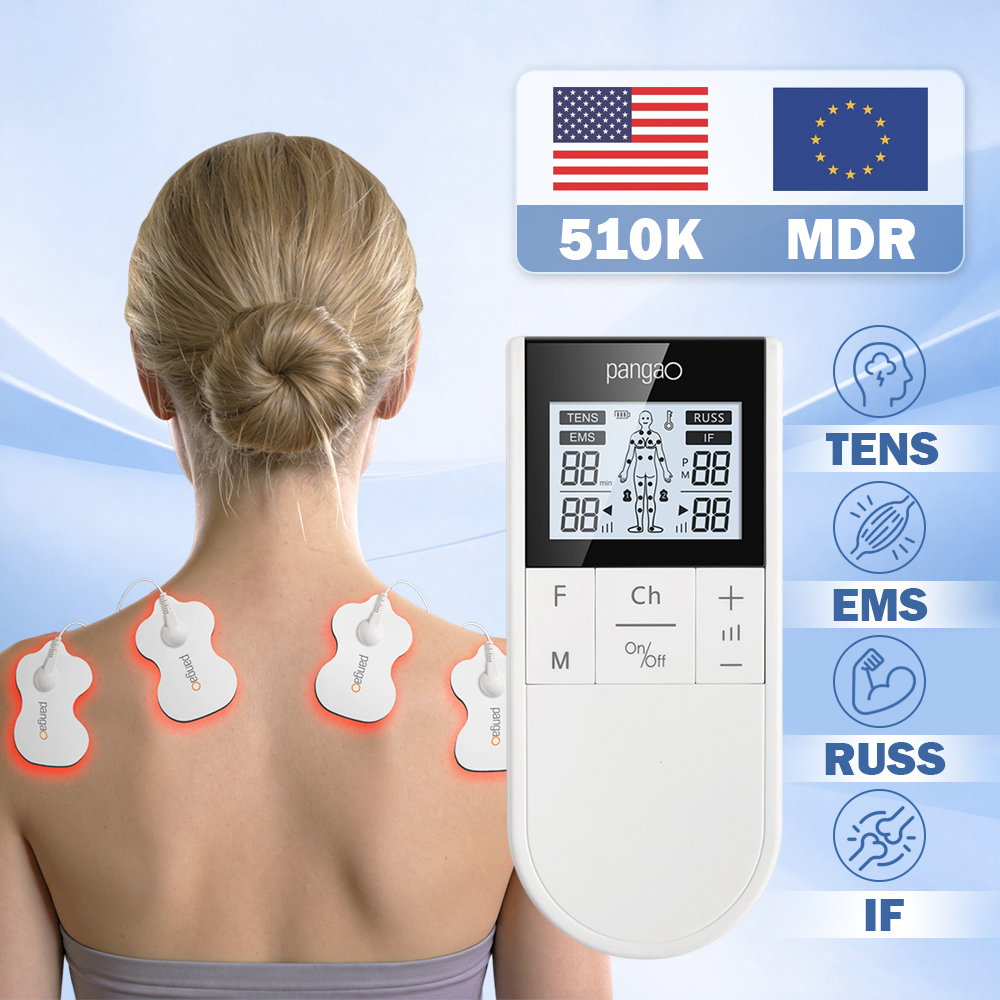
Regulatory Approvals US FDA 510(k), EU MDR Class IIa, Australia TGA, CE, RoHS Basic CE Mark (Self-declaration)
Signal Accuracy Testing 100% Oscilloscope Waveform & Voltage Peak Inspection Sampling Inspection (AQL 1.5)
R&D Customization Depth Custom Waveform Programming, BLE App, Tooling, Hardware PCB Simple Logo Screen Printing Only
Factory Audit Verification Onsite Verified by SGS Third-Party Inspection Unverified Self-Reporting
Vilicus Quality Assurance Certifications ISO 13485 FDA EU MDR
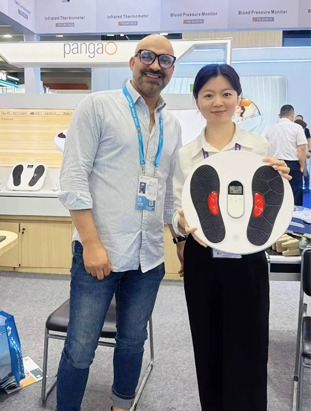
Vilicus Global Trade Partners and Exhibition Gallery

Frequently Asked Questions (B2B Procurement FAQ)

Essential technical and logistical guidance for importers, brand managers, and medical buyers inquiring about TENS & EMS manufacturing contracts.

What is the standard Minimum Order Quantity (MOQ) for OEM/ODM orders?

Our baseline Minimum Order Quantity (MOQ) for custom OEM TENS and EMS devices (including custom logo printing, customized gift packaging, and localized user manuals) starts at 1,000 units for portable wired/wireless models. Special complex systems, such as EMS Foot Circulation Stimulators, accommodate lower initial batch volumes starting from 500 units. Entry-level economic units start at 3,000 units. Flexible trial batches can be arranged during initial project feasibility discussions.

Which regulatory certifications do Vilicus devices hold for global distribution?

Our manufacturing plant operates under a certified ISO 13485 Quality Management System and undergoes regular BSCI social compliance audits. Selected product series possess US FDA 510(k) clearance, EU MDR Class IIa CE certification, Australian TGA listing, as well as RoHS, REACH, and FCC compliance. Complete technical files, safety test reports (IEC 60601-1, IEC 60601-1-11, IEC 60601-2-10), and EMC reports are supplied to support your local registration.

Can Vilicus customize specific waveform parameters and program presets?

Yes. Supported by our in-house R&D software engineering team, we provide deep ODM engineering. We can program unique pulse frequencies (1 Hz – 150 Hz), phase durations (50 µs – 400 µs), ramp-up/ramp-down timing, burst modes, IF carrier frequencies, or multi-phase sequential therapy protocols into the device microcontrollers to match your clinical or commercial specifications.

How do you guarantee skin safety and hydrogel electrode pad compliance?

All electrode pads supplied with our devices utilize imported medical-grade Japanese hydrogel or biocompatible conductive carbon film adhesives. The hydrogels undergo rigorous Cytotoxicity, Skin Irritation, and Sensitization testing according to ISO 10993-5 and ISO 10993-10 standards. They maintain low impedance, uniform current distribution, and repeatable stickiness for 25 to 30 application cycles.

What is the typical lead time for prototype sampling and mass production?

Off-the-shelf evaluation samples with default settings can be dispatched within 2 to 5 business days. Customized pre-production samples (featuring your branding and custom packaging mockups) take approximately 10 to 15 days. Standard mass production turnaround is 30 to 45 calendar days following artwork confirmation and deposit receipt, supported by automated SMT lines and high-capacity assembly workflows.

What quality assurance procedures prevent field returns and signal instability?

We execute 100% online signal verification during final assembly. Every circuit board undergoes automated optical inspection (AOI), battery charge-discharge cycle tests, aging burn-in for 4 hours minimum, and digital oscilloscope pulse calibration to ensure exact current output into 500 Ω reference loads. Our factory defect rate is strictly maintained below 0.1% across all exported batches.

Vilicus R&D Engineering Laboratory and Assembly Line

Partner with a World-Class Electrotherapy Manufacturer

Whether you require private-label TENS units, custom EMS muscle stimulators, or full-scale ODM development for healthcare retail networks, our engineering team is ready to accelerate your product launch.

Inquire Now