5-in-1 Combo
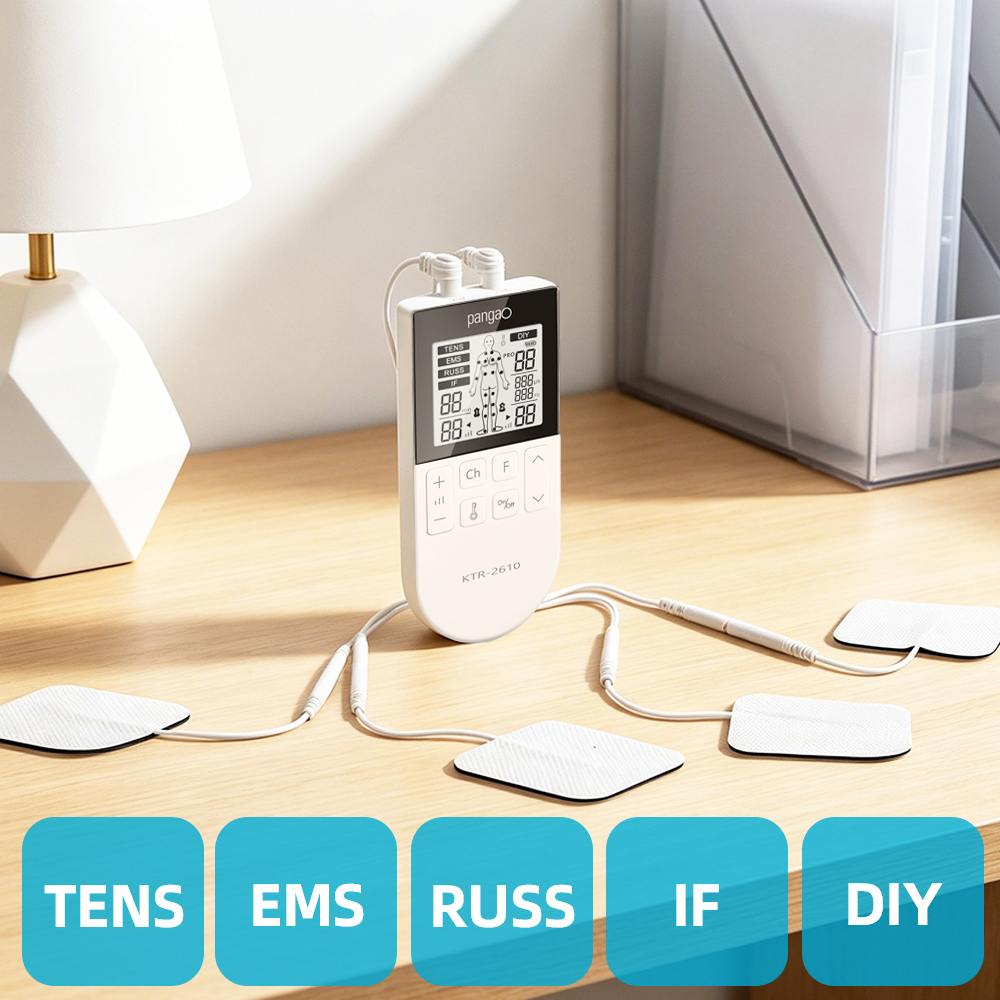
Rechargeable Electric Pulse 5 in 1 Function Combo Massage Machine Dual Channel EMS TEMS Unit for Natural Pain Relief
Dual Channel
5 Waveforms
Li-ion Battery
Explore our top-performing, high-margin TENS and EMS devices certified for worldwide market clearance. Built with advanced microprocessor control and precision multi-waveform engineering.
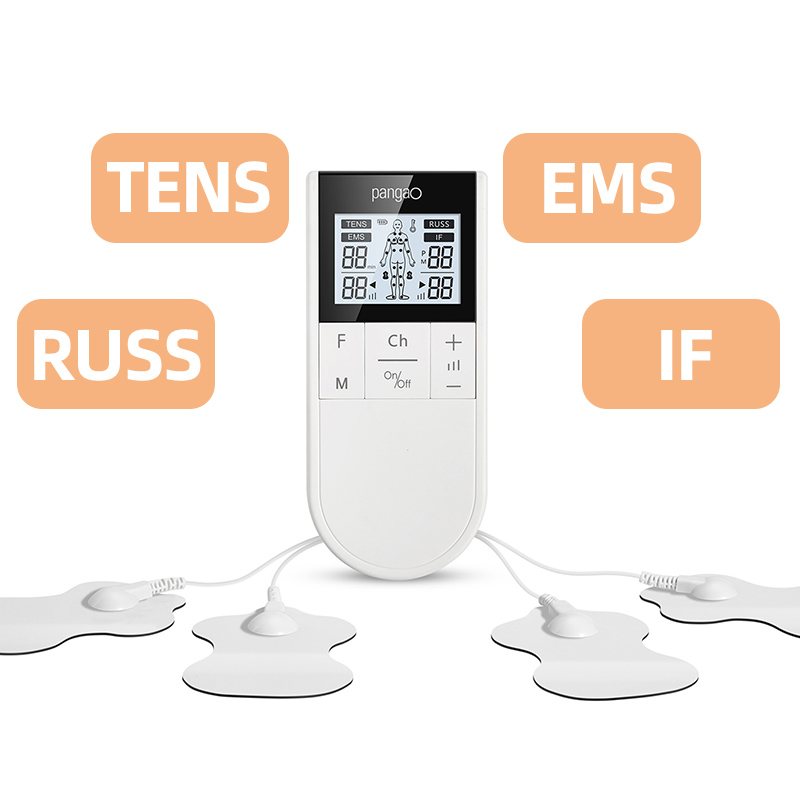
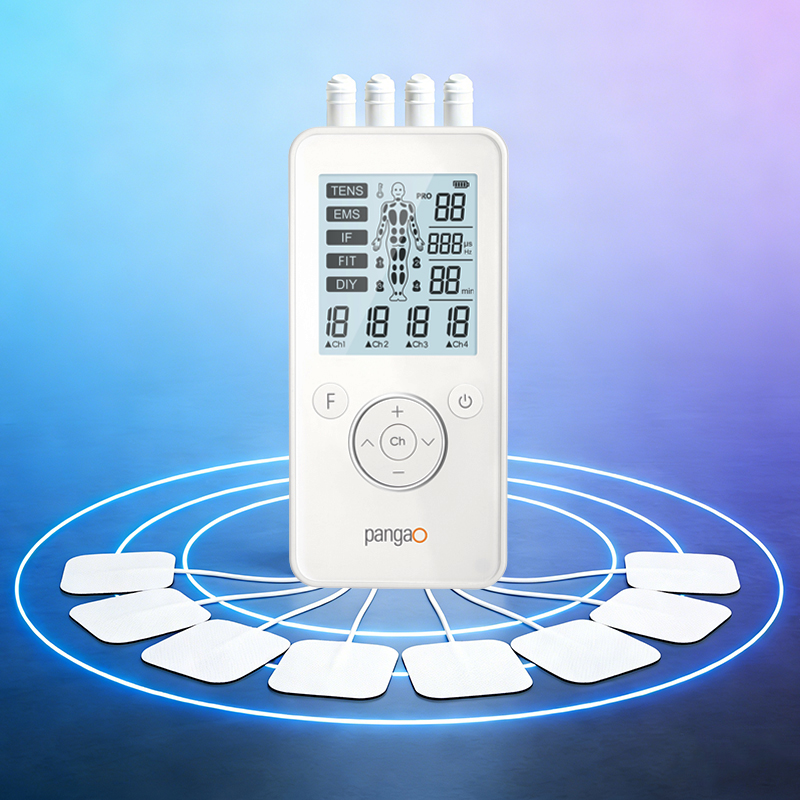
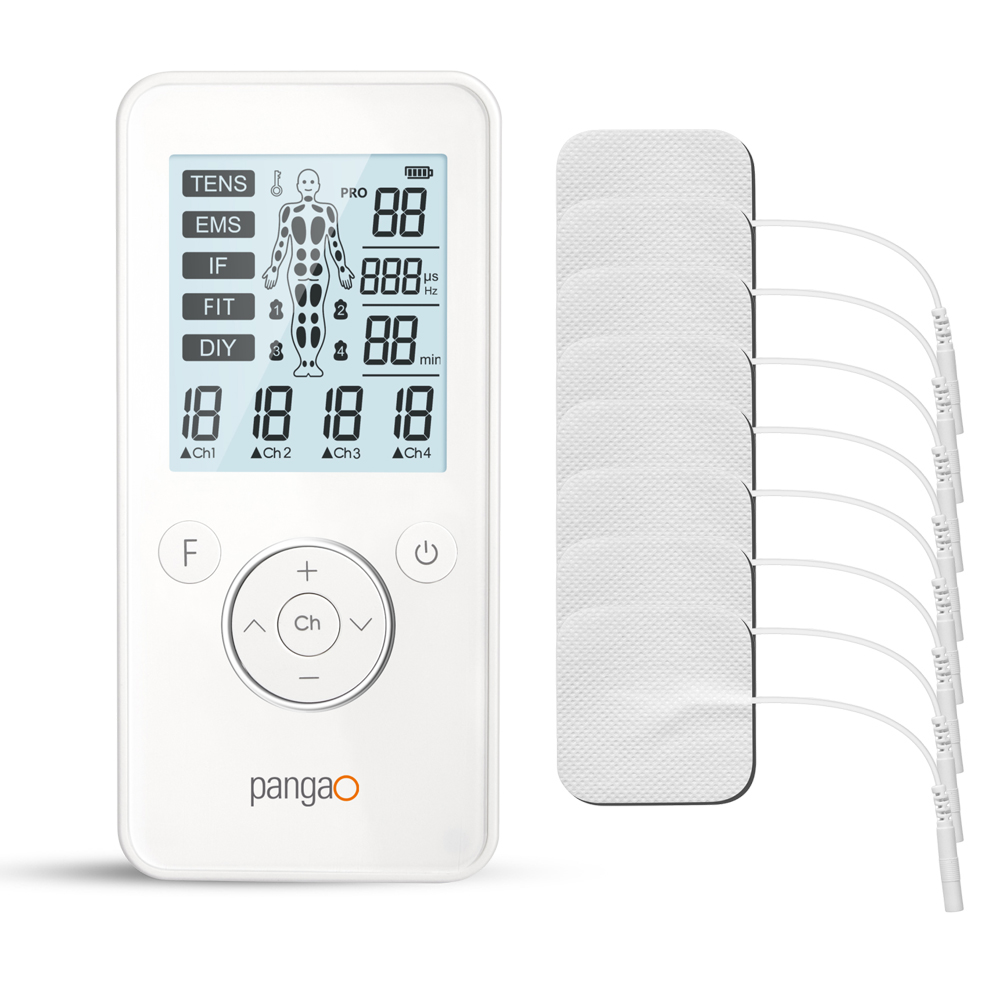
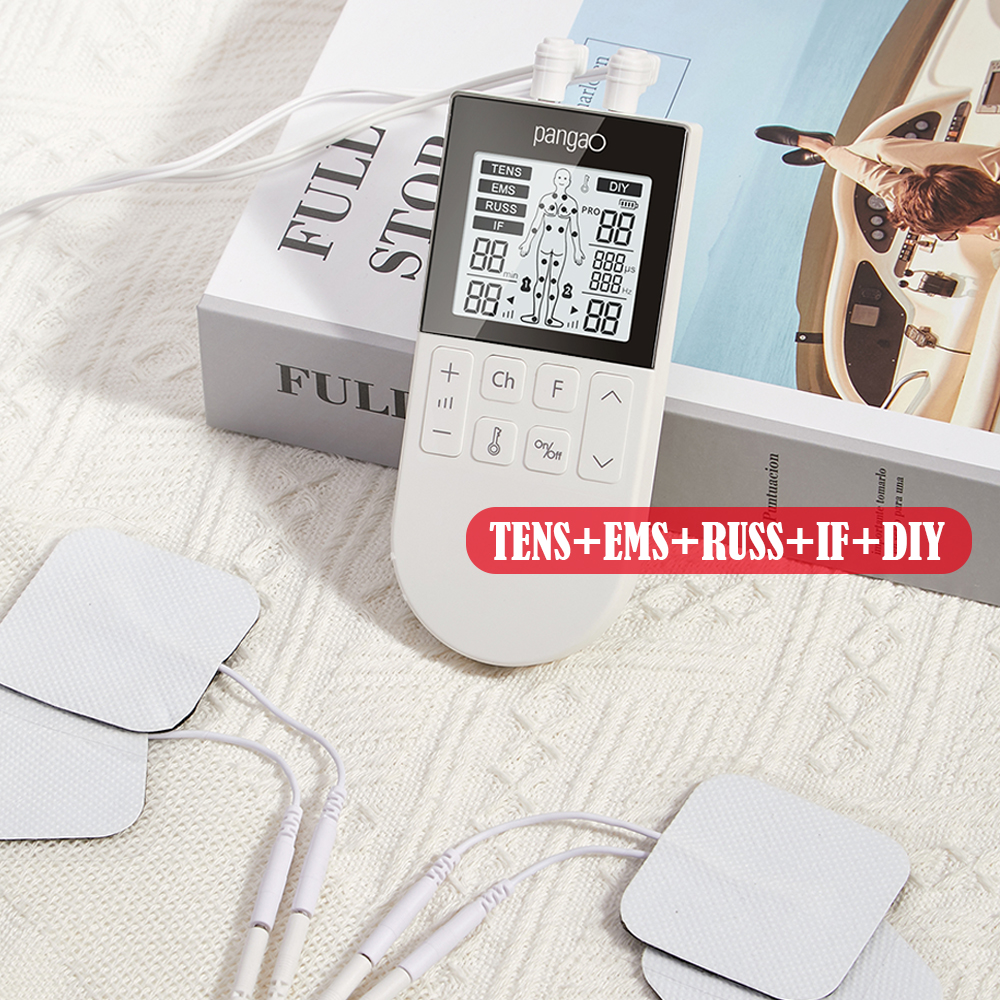
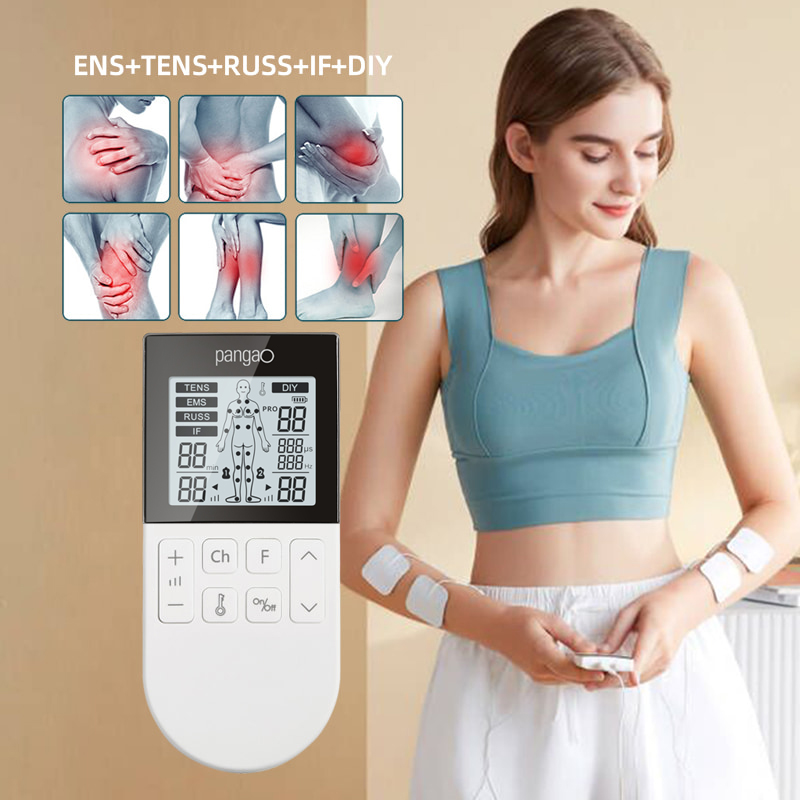
The global demand for non-invasive, drug-free pain management and physical rehabilitation solutions has elevated transcutaneous electrotherapy to a primary therapeutic modality. When evaluating leading muscle stimulation therapy manufacturers and wholesalers, medical device procurement officers, hospital purchasing agents, and retail brand owners must understand the precise biophysical mechanisms governing different pulse frequencies, phase durations, and current delivery vectors.
Electrotherapy devices operate by generating specific electrical impulses transmitted through conductivity-optimized hydrogel electrode pads to target peripheral sensory nerves or motor nerve fibers. The primary underlying therapeutic pathways are categorized into four bio-electrical modalities:
Operates primarily on the Gate Control Theory of Pain (Melzack & Wall). High-frequency TENS (80–120 Hz) stimulates large-diameter A-beta sensory fibers, blocking pain signal transmission at the spinal cord dorsal horn. Low-frequency TENS (1–5 Hz) triggers endogenous opioid release (β-endorphins).
Depolarizes motor nerves directly using square or biphasic asymmetrical pulses (20–50 Hz). Triggers involuntary muscle contractions to prevent muscle atrophy, retrain motor pathways post-surgery, enhance local microvascular blood flow, and accelerate muscle recovery.
Interferential Current (IF) uses dual medium-frequency currents (e.g., 4000 Hz) crossing to penetrate deep tissues with reduced cutaneous resistance. Russian Current uses 2,500 Hz bursts to elicit deep muscle hypertrophy and force output in rehabilitation sports medicine.
Lower-quality wholesale TENS units frequently suffer from direct-current (DC) offset leakage, causing skin irritation, localized electrochemical burns, and accelerated electrode degradation. Premium manufacturing engineered by Shenzhen Vilicus Medical Electronics Co., Ltd. utilizes auto-balancing symmetrical biphasic waveforms. This guarantees exact net-zero charge accumulation across cutaneous tissue, ensuring maximum patient comfort and full medical safety compliance under IEC 60601-2-10 standards.
The global electrotherapy and muscle stimulator procurement ecosystem is undergoing a dramatic structural transformation. Importers, pharmacy chains, and medical device distributors are adjusting their sourcing strategies to keep pace with four macro industry trends:
1. Shift Toward Hybrid Multi-Modality Platforms: Single-function TENS devices are rapidly being replaced by multi-channel combo units integrating TENS, EMS, IF, and Russian currents into a single portable device. B2B buyers favor versatile platforms that reduce total SKU stock keeping units while covering both acute pain and neuromuscular rehabilitation.
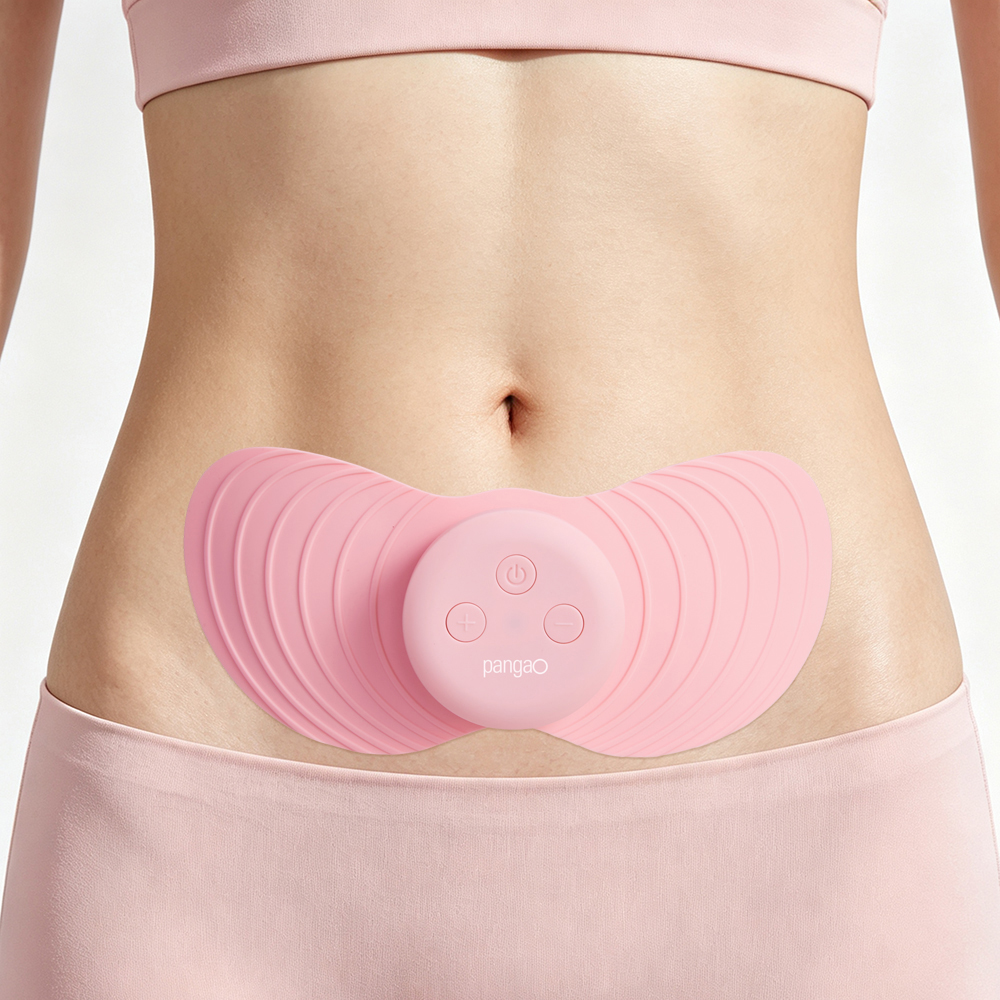
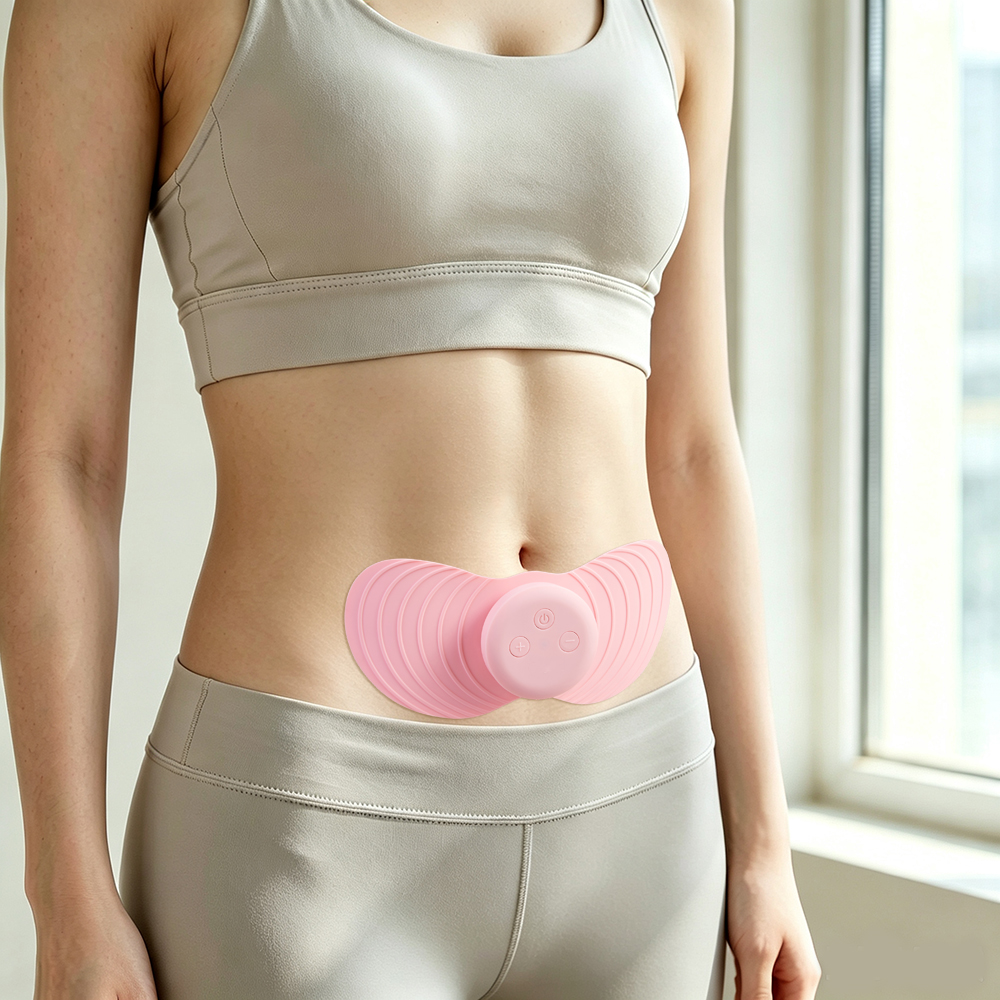
2. FemTech Expansion & Wearable Drug-Free Therapeutics: Targeted electrotherapy devices designed for women's health—specifically wireless menstrual cramp relief patches combining low-frequency TENS with 45°C–55°C dynamic thermal compress—are seeing exponential retail growth across North America and Western Europe. These products require sleek industrial design, ultra-quiet operation, and discreet wearability under clothing.
3. Synergy of EMS Foot Circulation Stimulators with Photobiomodulation: Senior care providers and diabetic neuropathy specialists are sourcing advanced EMS foot therapy platforms that combine neuromuscular stimulation through sole plates, peripheral TENS electrode leads, and 660nm Red Light / 850nm Near-Infrared photobiomodulation to promote micro-circulation and relieve leg swelling.
4. Stringent Regulatory Compliance Frameworks: The transition from the European Medical Devices Directive (MDD) to the strict EU Medical Device Regulation (MDR 2017/745), alongside heightened US FDA 510(k) cybersecurity and bio-compatibility mandates, has consolidated market share toward Tier-1 certified manufacturers possessing comprehensive clinical evaluation documentation.
Selecting the optimal device architecture depends heavily on target distribution channels, clinical indications, and regional regulatory landscapes. The table below outlines core technical parameters across major electrotherapy product lines:
| Device Category | Core Waveform Tech | Primary Clinical Indication | Key Target Audience | Regulatory & Clearance Path |
|---|---|---|---|---|
| Wired Multi-Channel TENS/EMS | Symmetrical Biphasic Pulse (1-150 Hz) | Symptomatic chronic pain, muscle re-education | Hospitals, Physiotherapy Clinics, Home Care | FDA 510(k) Class II EU MDR |
| Wireless Remote TENS Stimulator | Asymmetrical Biphasic Pulse, Bluetooth / RF | On-the-go localized pain management | Sports Retail, E-Commerce, Pharmacies | FDA OTC Cleared CE / RoHS |
| Heating Menstrual TENS Massager | Targeted Low-Freq TENS + Thermal Heating | Primary dysmenorrhea & pelvic cramp relief | FemTech Brands, Beauty & Wellness Retail | CE / Medical CE FCC / IEC 60601 |
| EMS Foot Circulation Platform | NMES Sole Stimulation + Red Light Therapy | Leg edema, diabetic neuropathy discomfort | Senior Care, Orthopedic Supply, TV Shopping | EU MDR Certified TGA Australia |
Headquartered in Shenzhen, China, Shenzhen Vilicus Medical Electronics Co., Ltd. stands out as a premier custom manufacturer and global OEM/ODM provider specializing in medical-grade home physiotherapy and electrotherapy equipment. Building upon an established electronics manufacturing group background operating since 2000, our dedicated medical electrotherapy unit has delivered compliant, high-reliability products to international healthcare brands for over a decade.
Equipped with dust-free SMT lines, automated PCB optical inspection (AOI), precise injection molding equipment, and dedicated electrotherapy assembly lines capable of mass volume production.
Our quality management system is strictly audited under ISO 13485. Facilities undergo rigorous third-party onsite audits by SGS and maintain BSCI social compliance verification.
In-house firmware engineers, hardware circuit specialists, industrial designers, and regulatory experts support full-cycle OEM/ODM customization from concept to certified reality.
Our complete manufacturing pipeline guarantees 100% finished-product electrical safety testing, wave output accuracy verification, and aging chamber stress tests before final export packing. Whether you require private-label logo printing on stock SKUs or complete custom tooling for a patented medical device, Vilicus provides an end-to-end turnkey manufacturing partnership.
To eliminate procurement friction and ensure rapid time-to-market, Vilicus executes a structured 5-stage engineering and production lifecycle:
Definition of target market, regulatory requirements (FDA/MDR), channel pricing, custom waveform parameters, and shell ergonomic specifications.
PCB schematic design, micro-code firmware development, 3D rapid prototyping, thermal testing, and preliminary EMC pre-compliance screening.
Steel mold fabrication, plastic injection prototyping, biocompatibility testing of hydrogel pads, and IEC 60601-1 / IEC 60601-1-2 lab testing.
Compilation of Technical Files, Safety Data Sheets (SDS), ISO 10993 material reports, and submission support for FDA 510(k) or EU MDR CE mark.
Cleanroom assembly under ISO 13485 controls, 100% automated functional testing, custom retail packaging assembly, and global freight export.
Our engineering team can adjust pulse width, frequency ramps, display languages, and housing colors tailored to your brand identity.
Here are detailed answers to common technical, regulatory, and commercial questions asked by international buyers before issuing a Purchase Order (PO):
Expand your product catalog with market-ready, medical-grade TENS, EMS, and Menstrual Relief devices. Contact our engineering team today for technical datasheets, factory pricing, and OEM customization quotes.
Get a Quote