Executive Whitepaper: Sourcing Wireless EMS Devices from China
An Industry Benchmark Report for Medical Importers, Brand Owners, and Healthcare Distributors
The global physical therapy and electrotherapy equipment market is undergoing a seismic shift. As non-pharmacological pain management and electro-muscle stimulation (EMS) become mainstream across sports rehabilitation, post-operative recovery, and female wellness sectors, procurement teams face an unprecedented challenge: navigating China’s complex manufacturing ecosystem to select reliable, medically compliant, and technically advanced EMS partners.
China currently manufactures over 78% of the world’s transcutaneous electrical nerve stimulation (TENS) and neuromuscular electrical stimulation (EMS) devices. However, significant variations exist between low-cost commercial massager assemblers and ISO 13485-certified medical device OEMs. This comprehensive B2B sourcing report examines the technological benchmarks, supply chain architectures, regulatory pathways (FDA 510(k), EU MDR, TGA), and future development trajectories of China's top wireless EMS unit factories.
Top-Ranked China Wireless & Dual-Channel EMS Units
High-Performance Electrotherapy Platforms Engineered for International OEM/ODM Private Labeling
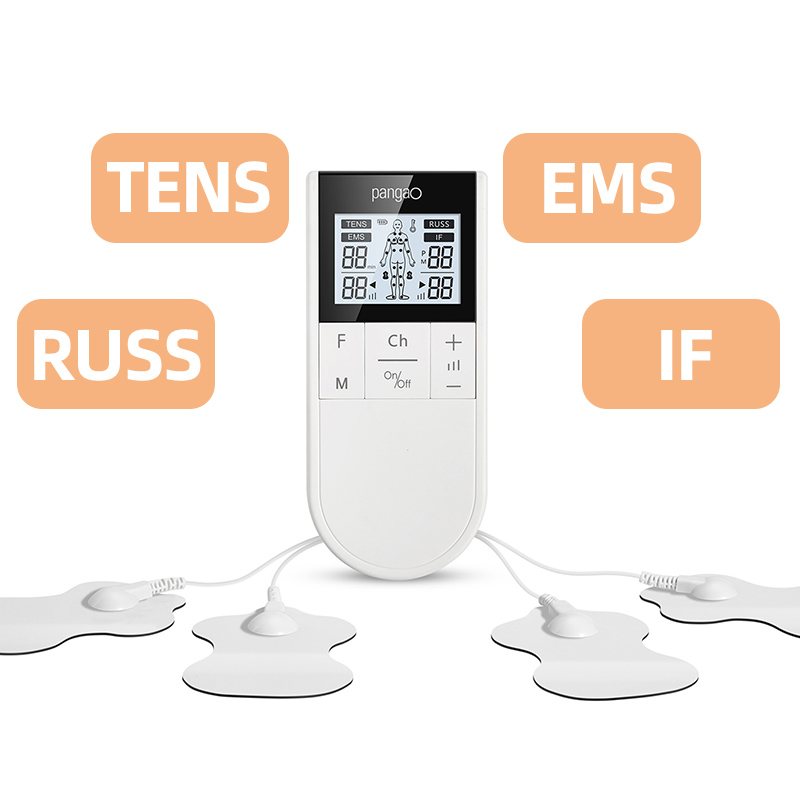
Electric Body Massage Machine Dual Channel 4-in-1 EMS TENS Unit
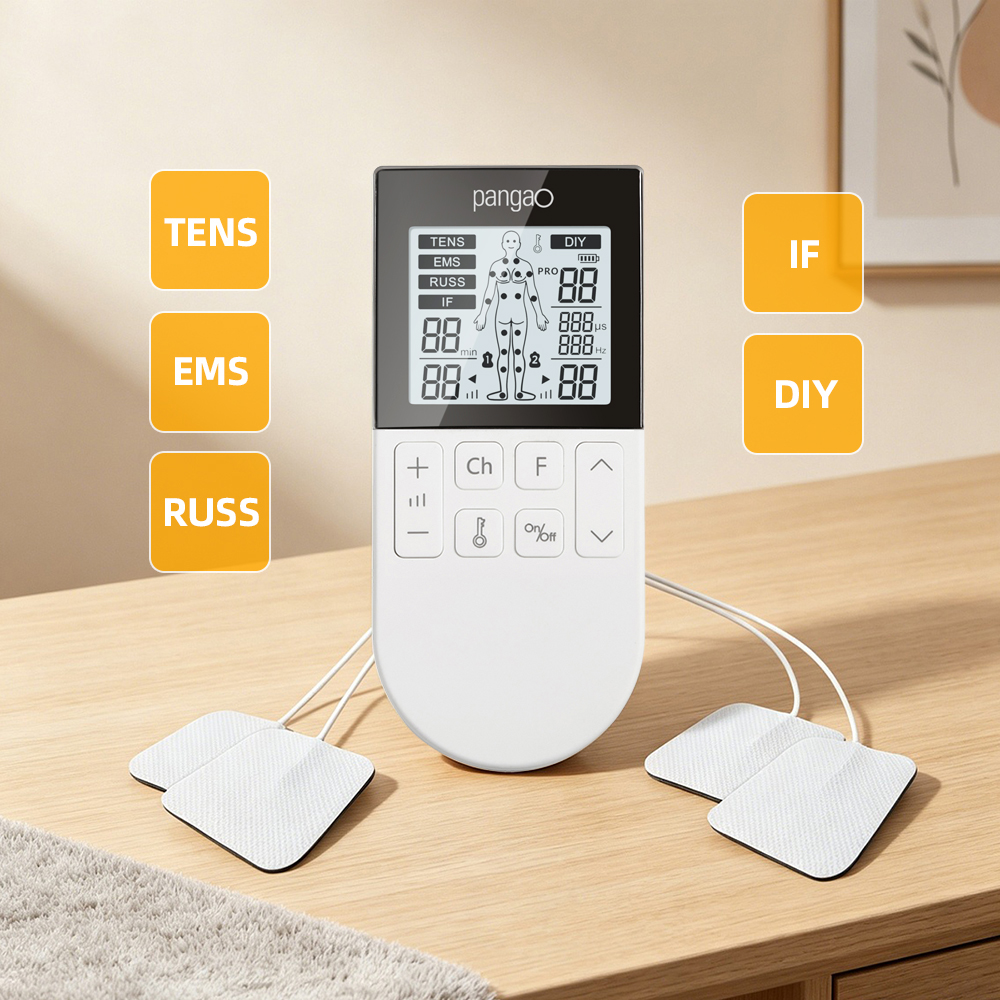
Electronic Pulse Muscle Stimulator 80 Modes Dual Channel TENS EMS
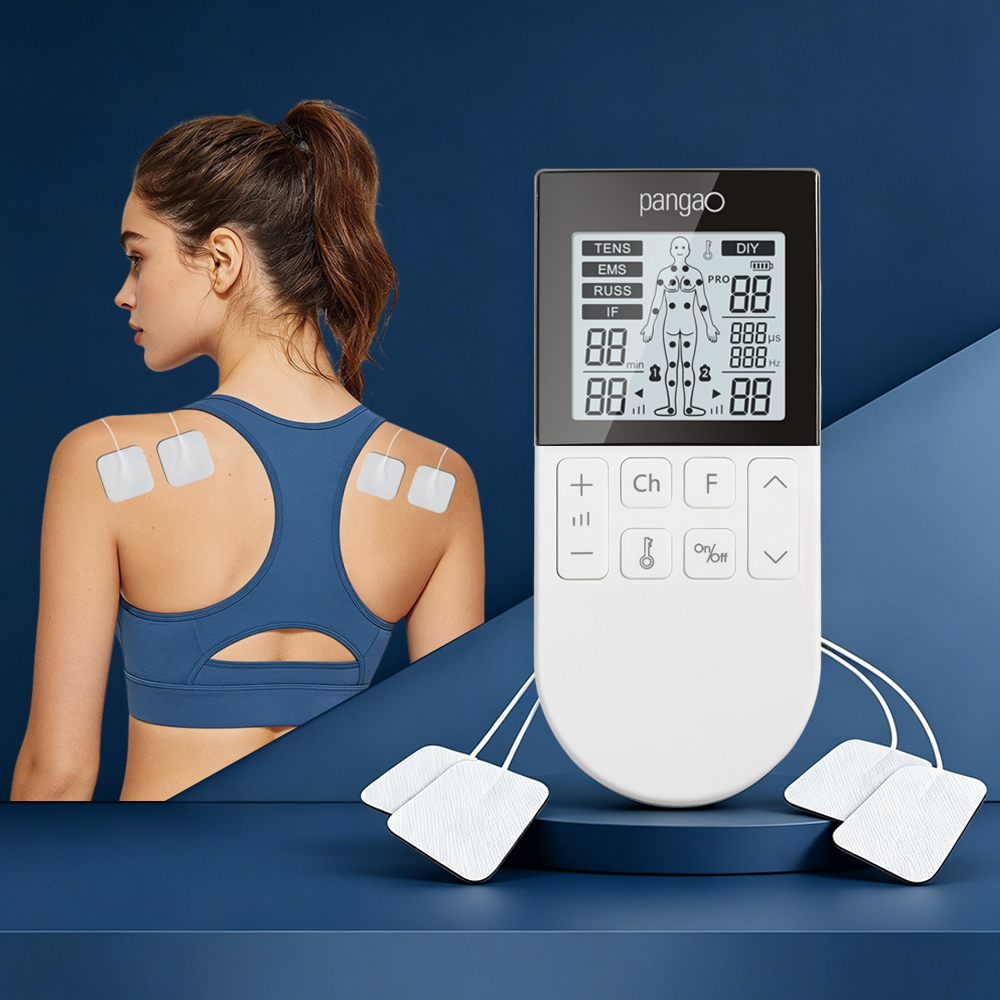
Russian Stimulation Pulse EMS Muscle Stimulator TENS Therapy Unit
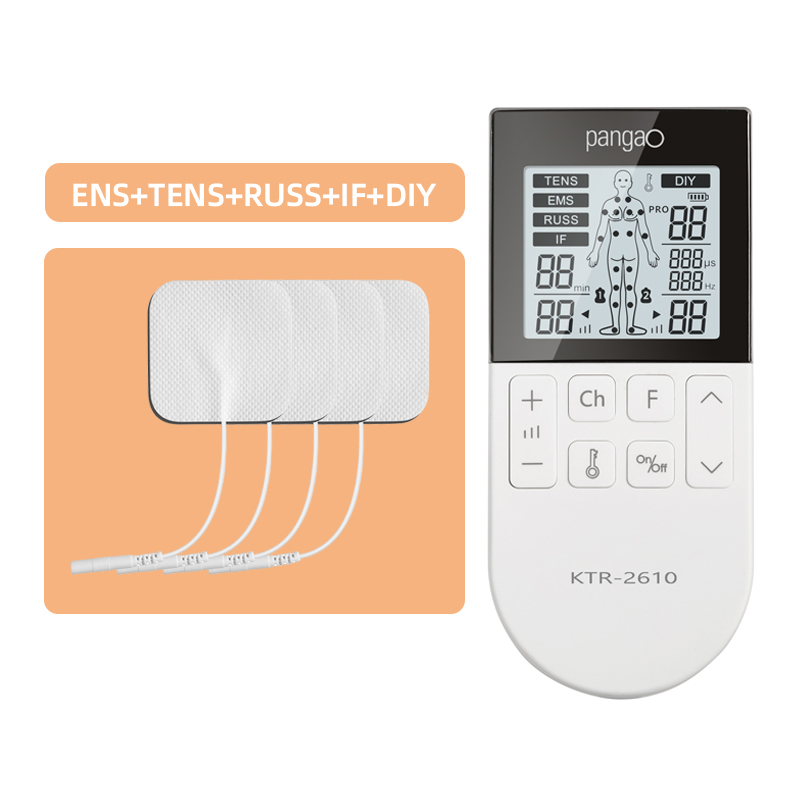
Medical Electric Muscle Stimulator Dual Channel TENS EMS Device
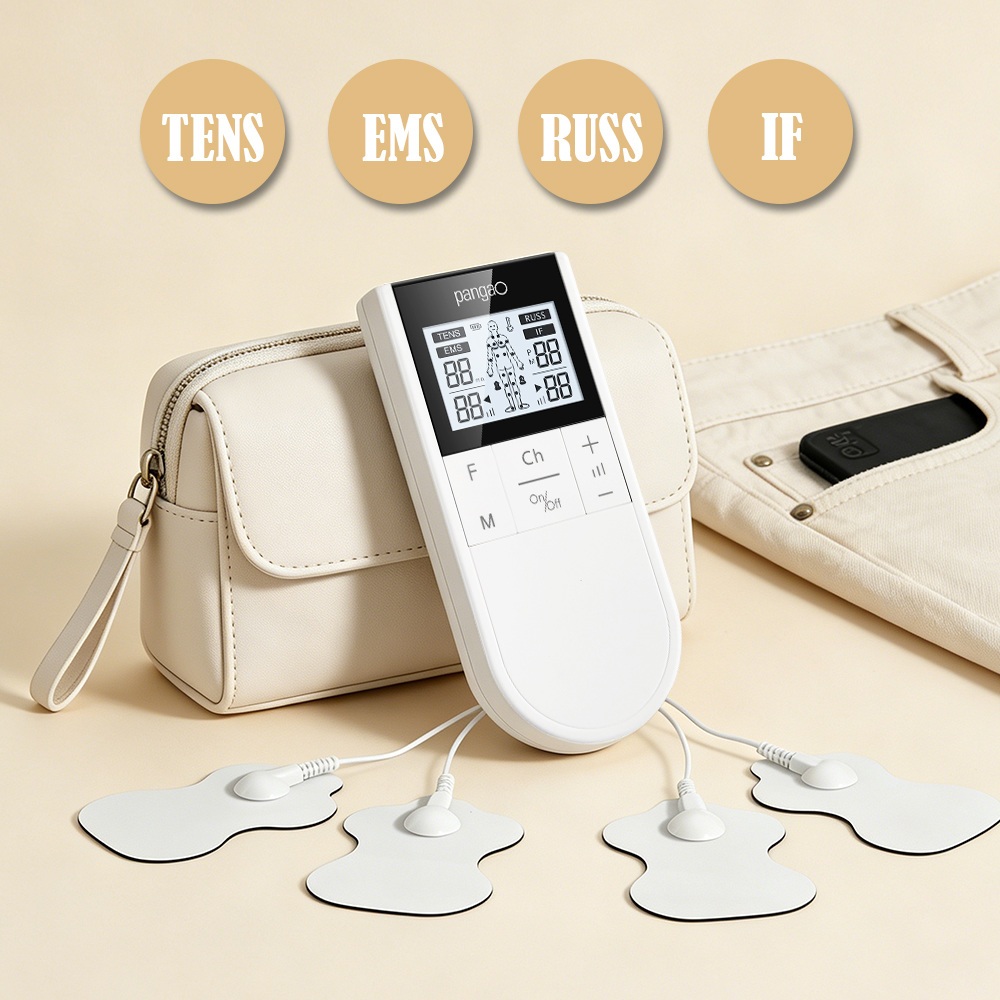
Multifunctional Portable Digital Nerve & Muscle Stimulator
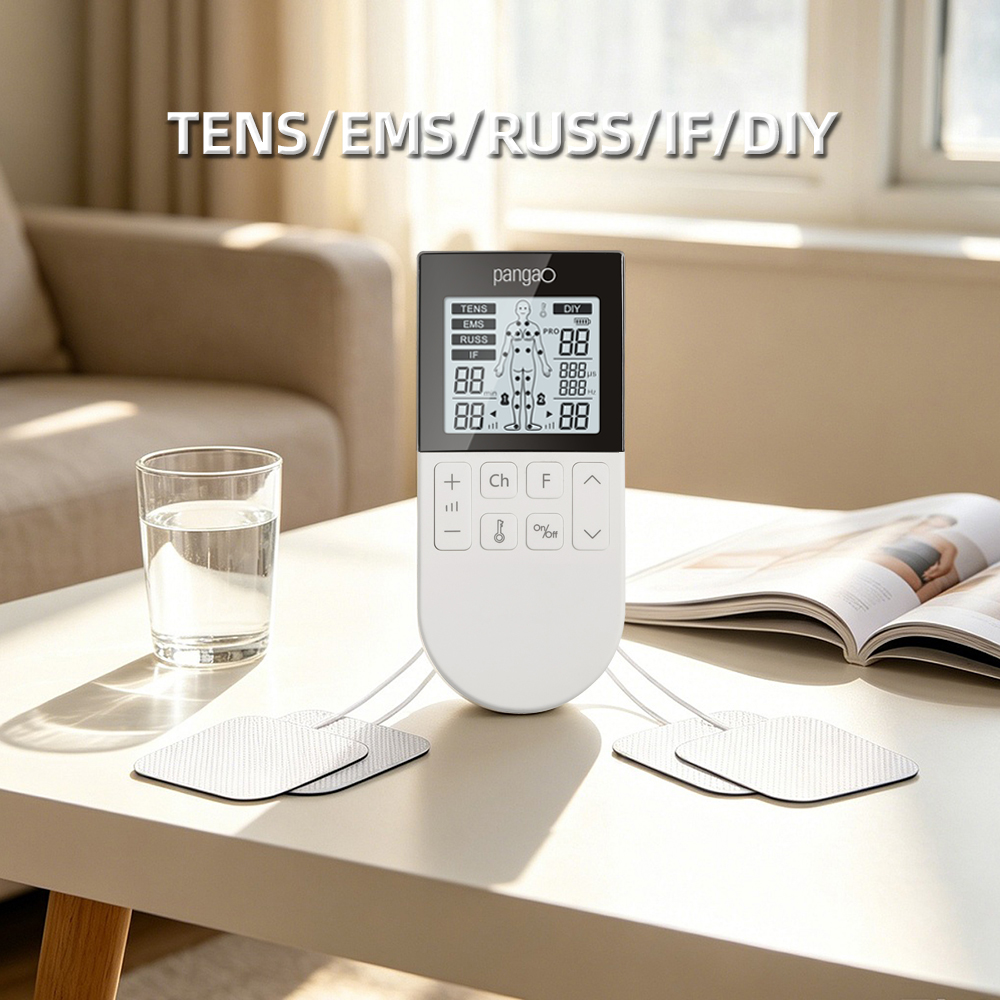
KTR-2610 Pain Relief Electrotherapy Equipment EMS Muscle Stimulator
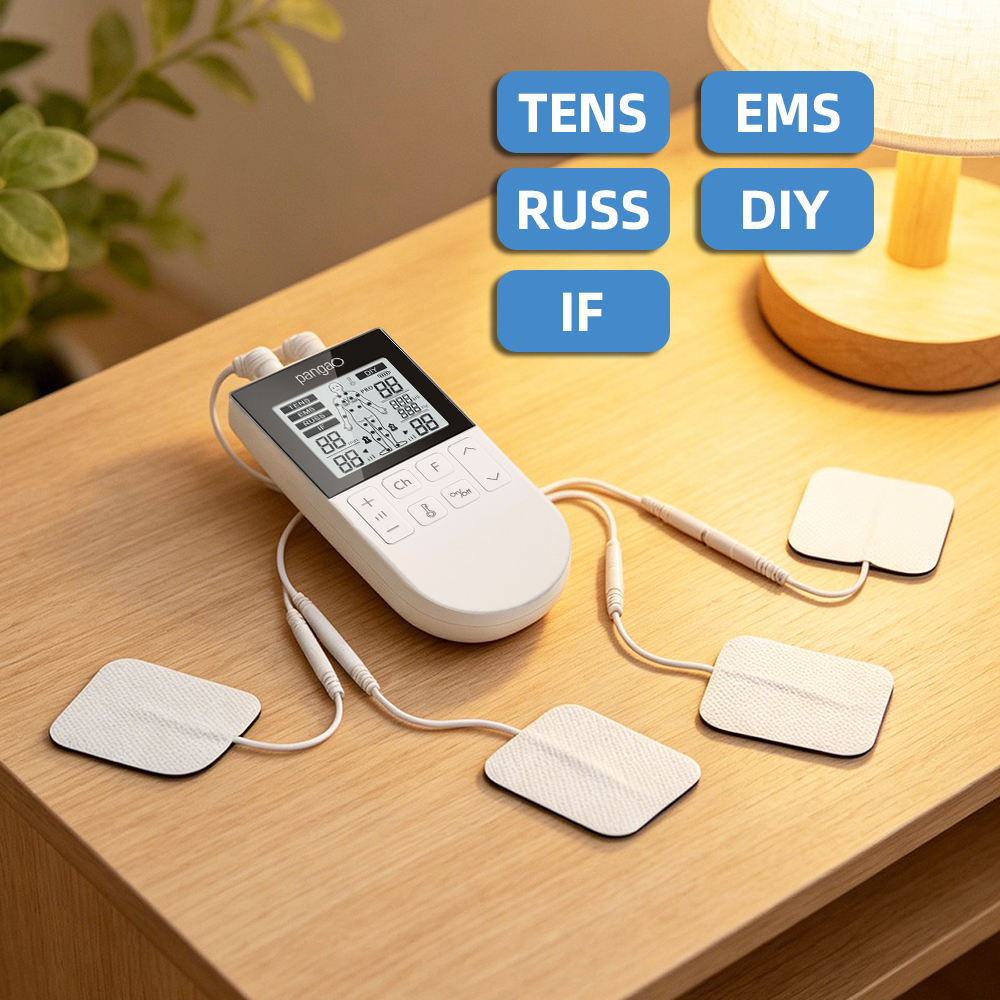
Multifunctional Muscle Strengthening & Body Massager EMS TENS
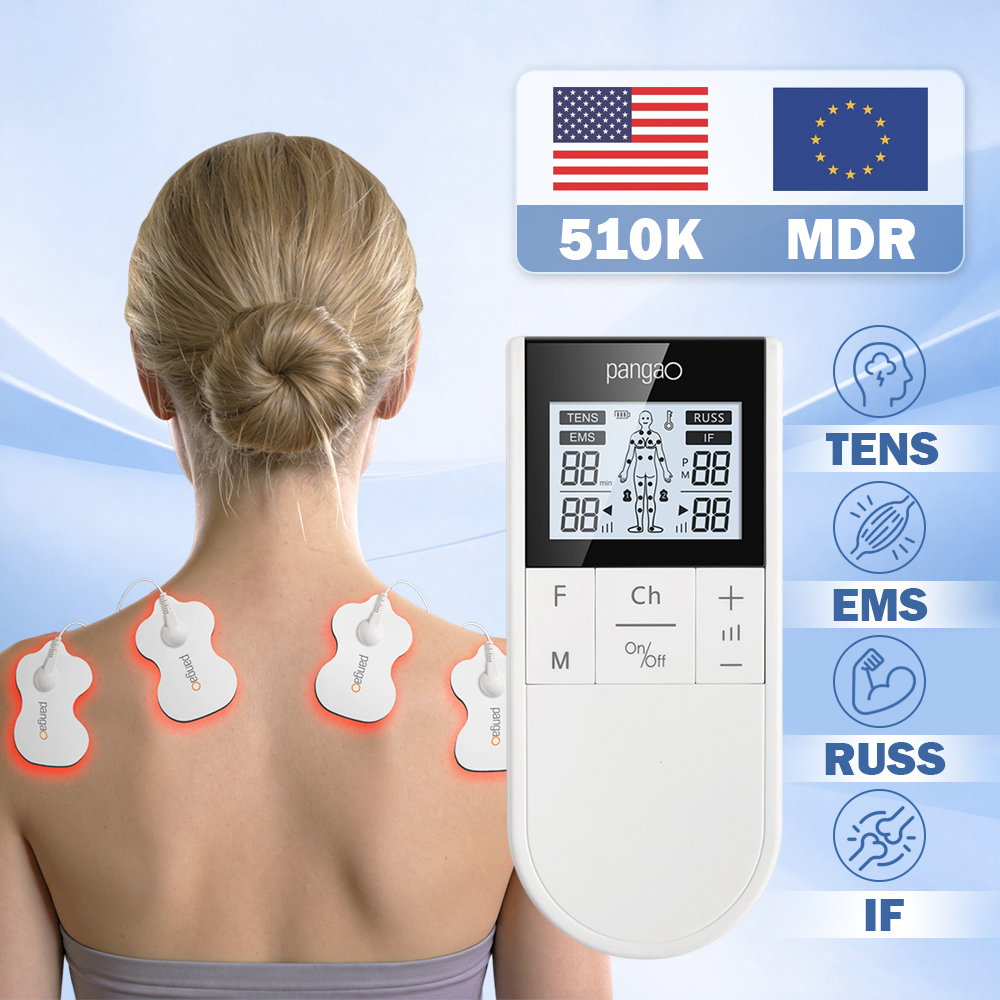
Digital Low-Frequency Pulse Physical Therapy Machine (2 Channel)
Enterprise Strengths & Factory Infrastructure Benchmark
Why Tier-1 Chinese Medical Manufacturers Outperform Standard Assembly Plants
ISO 13485 & Cleanroom Production
Leading EMS factories operate under ISO 13485 certified quality management systems. Facilities feature dust-free cleanrooms for PCB SMT mounting, micro-controller flashing, and automated hydrogel pad coating to guarantee zero bio-contamination.
In-House Waveform R&D (300+ Engineers)
Unlike trading vendors re-selling white-label units, primary manufacturers deploy dedicated firmware engineering teams. They develop custom pulse width algorithms (50µs–400µs), variable burst modes, and constant-current load adjustment chips.
Global Regulatory Clearances
Top China wireless EMS exporters possess comprehensive technical documentation (DHF/DMR), holding US FDA 510(k) OTC clearances, EU MDR (2017/745) Class IIa certifications, Australian TGA approvals, and BSCI social compliance audits.
Technical Specification & Waveform Modulation Matrix
A Professional Comparison for Procurement Engineering Teams
| Therapeutic Mode | Frequency Range | Pulse Width | Primary Clinical / Physiological Mechanism | Target Market Application |
|---|---|---|---|---|
| TENS (Transcutaneous Electrical Nerve Stimulation) | 1 Hz – 150 Hz | 50 µs – 250 µs | Blocks pain signals via Gate Control Theory & stimulates endogenous endorphin release. | Acute back pain, arthritis, dysmenorrhea, post-op soreness. |
| EMS (Electrical Muscle Stimulation) | 20 Hz – 120 Hz | 200 µs – 400 µs | Depolarizes motor nerves to induce rhythmic muscle contractions, preventing atrophy. | Athletic conditioning, muscle re-education, rehabilitation. |
| IF (Interferential Current) | 4000 Hz Carrier (1-100Hz Beat) | Automated Sweep | Crosses two medium-frequency currents to penetrate deeper muscle tissue with lower skin impedance. | Deep joint pain, chronic lumbar dysfunction, clinical rehab. |
| RUSS (Russian Stimulation) | 2500 Hz Carrier (50Hz Burst) | 200 µs Burst | High-frequency burst current yielding powerful motor unit recruitment without sensory discomfort. | Quadriceps strengthening, elite sports physical therapy. |
| NMES Foot Circulation | 1 Hz – 50 Hz Modulated | 150 µs – 350 µs | Triggers calf muscle pump mechanism to enhance venous return and peripheral blood flow. | Diabetic neuropathy, swollen feet/legs, geriatric mobility care. |
Future Sourcing & Procurement Trends in Wireless EMS
Key Strategic Vectors Reshaping Global B2B Supply Chains
1. Wireless BLE 5.3 & App-Controlled Ecosystems
Traditional lead-wire TENS/EMS devices are rapidly being superseded by ultra-compact, cable-free magnetic pod units. Modern importers prioritize factories capable of delivering Bluetooth Low Energy (BLE 5.3) firmware integrated with custom iOS/Android apps, enabling multi-pod synchronization, cloud usage tracking, and automated digital therapy routines.
2. Multi-Frequency Hybrid Modulation
Buyers are moving away from single-function TENS devices toward multi-mode hybrid engines. Sourcing demand is surging for portable devices that seamlessly alternate between low-frequency TENS, high-density EMS, and therapeutic thermal compress (42°C–48°C) within a single ergonomic form factor.
3. Bio-Compatible Hydrogels & Carbon Printed Electrodes
Supply chain sustainability and bio-compatibility are top evaluation criteria. Advanced Chinese exporters are integrating non-cytotoxic, latex-free Japanese hydrogels coupled with printable silver/carbon conductive films, providing consistent current distribution and extending pad life to over 60 uses per set.
4. Medical Device Regulation (MDR) Compliance Transition
With the European Union strictly enforcing EU MDR (2017/745) requirements, global buyers must audit Chinese suppliers for complete Technical Documentation Files (TDF), clinical evaluation reports (CER), and post-market surveillance (PMS) architecture to avoid customs seizure and market recall risks.
Next-Generation Product Development Innovations
What Leading R&D OEM Facilities Are Building for 2025+ Private Labels
Closed-Loop Impedance Feedback
Next-gen wireless EMS units monitor real-time skin-electrode contact impedance. If a pad loosens, the intelligent MCU automatically throttles the current output to prevent painful electric arc stinging, dramatically enhancing user safety.
Wearable Women’s Care (Heat + TENS)
Ultra-thin, flexible silicone patches combining sub-dermal TENS stimulation with rapid far-infrared heating (Graphene heating elements) represent the fastest-growing sub-segment, offering instant drug-free relief for dysmenorrhea and pelvic pain.
NMES Foot Platforms with Photobiomodulation
Integrating 660nm Red Light and 850nm Near-Infrared LEDs directly into EMS foot stimulation soles synergistically boosts micro-circulation, accelerating tissue repair for neuropathic pain and peripheral artery disease management.
Procurement FAQ: Sourcing Wireless EMS Units
Direct Answers to Critical Sourcing, Regulatory, and Engineering Inquiries
Partner with China’s Leading Wireless EMS Manufacturer
Accelerate your product launch with ISO 13485 certified production, FDA 510(k) cleared platforms, and dedicated engineering support.
Get Catalog