Featured Electrotherapy & TENS Solutions
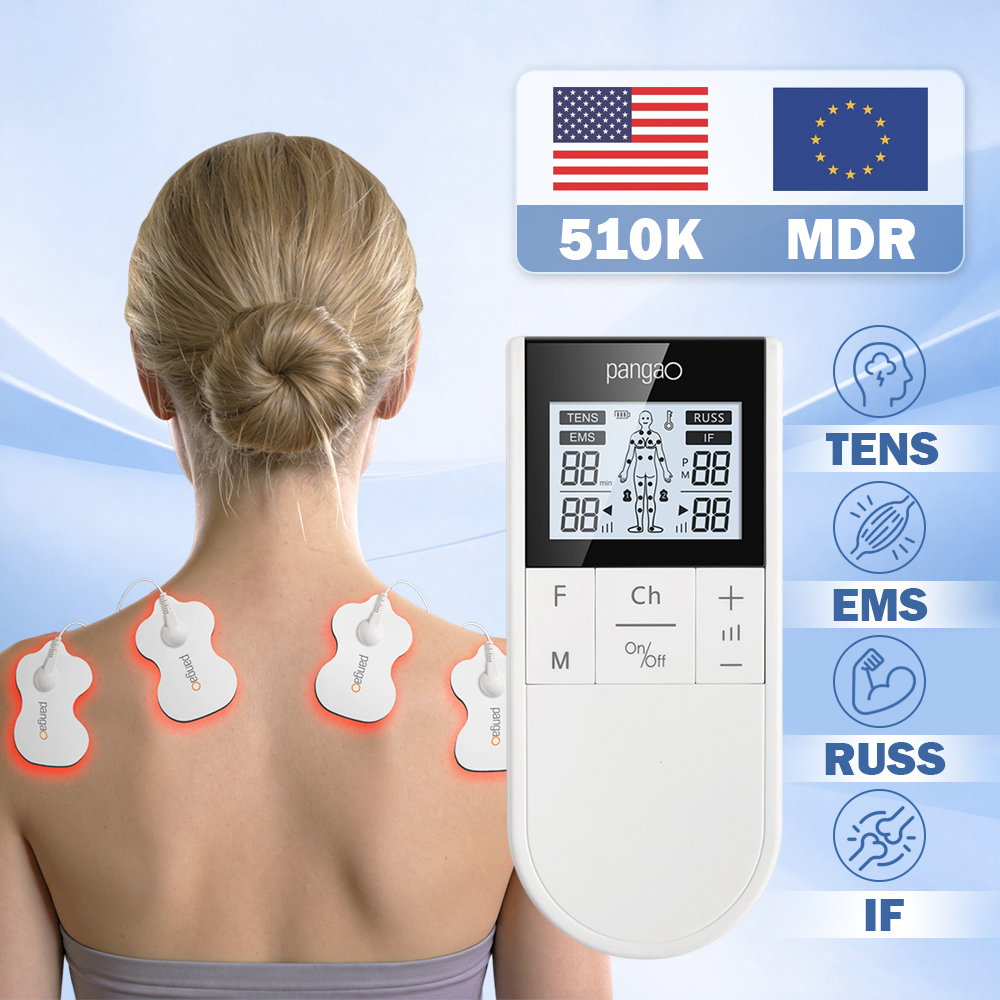
Explore our ISO 13485 certified, FDA 510(k) and EU MDR compliant Transcutaneous Electrical Nerve Stimulation units, multi-channel EMS muscle stimulators, and specialized pain management devices engineered for international medical distributors and retail brands.
Enterprise Manufacturing Infrastructure & Sourcing Metrics
As a premier China Transcutaneous Electrical Nerve Stimulation supplier and exporter, Shenzhen Vilicus Medical Electronics Co., Ltd. operates an advanced medical electronics manufacturing complex in Shenzhen, Guangdong. Our production architecture is designed specifically to fulfill stringent international regulatory frameworks including US FDA 510(k), European Union MDR (EU 2017/745), Australian TGA, and Japanese PMDA requirements.
Since establishing our specialized electrotherapy manufacturing facility in 2013 (backed by group electronics manufacturing heritage dating back to 2000), Vilicus has bridged the gap between cutting-edge bio-electrical engineering and cost-effective bulk production. Our facility houses dust-free cleanrooms, high-speed automated Surface Mount Technology (SMT) assembly lines, precision plastic injection moulding shops, and automated physiological pulse testing stations.
Technical Deep-Dive: Physiological Principles & Waveform Modulation in Modern TENS
Transcutaneous Electrical Nerve Stimulation (TENS) represents a non-invasive, non-pharmacological therapeutic modality designed to alleviate acute and chronic neuromuscular pain. To succeed in modern B2B medical procurement, buyers must understand the underlying neuro-physiological mechanisms that differentiate commercial consumer pulse massagers from true clinical-grade TENS and EMS devices.
1. Neurobiological Mechanisms of Action
Clinical efficacy in TENS devices hinges primarily on two distinct physiological mechanisms: the Gate Control Theory of Pain and the Endogenous Opioid Release Mechanism.
- Gate Control Theory (High-Frequency TENS, 80 Hz – 120 Hz): High-frequency electrical stimulation selectively activates large-diameter, myelinated A-beta ($\text{A}\beta$) sensory nerve fibers. These fibers transmit tactile feedback rapidly to the dorsal horn of the spinal cord, stimulating inhibitory interneurons (substantia gelatinosa). This effectively "closes the neural gate" to slow-conducting, unmyelinated C-fibers and small A-delta ($\text{A}\delta$) pain fibers, blocking nociceptive pain signals before they reach the cerebral cortex.
- Endogenous Opioid Mechanism (Low-Frequency TENS, 1 Hz – 10 Hz): Low-frequency, high-intensity pulses target motor nerve terminals and small-diameter nociceptive afferents, triggering rhythmic muscle twitching. This stimulation prompts the central nervous system—specifically the hypothalamus and pituitary axis—to synthesize and release endogenous endorphins, enkephalins, and dynorphins into the cerebrospinal fluid, providing prolonged analgesia that persists long after the device is powered off.
2. Waveform Architecture & Output Drivers
High-performance electrotherapy suppliers utilize sophisticated output stage circuitry to maintain therapeutic stability under varying skin impedance conditions (typically ranging from $500\ \Omega$ to $2000\ \Omega$). Key technical parameters managed by our R&D firmware include:
| Parameter | Clinical Target Range | Waveform Characteristic | Physiological Target |
|---|---|---|---|
| TENS (Nerve Stimulation) | 30 Hz – 150 Hz | 50 µs – 250 µs | Asymmetrical / Symmetrical Biphasic Square Pulse | Sensory nerves ($\text{A}\beta$), nociceptive blockade |
| EMS (Muscle Stimulation) | 20 Hz – 80 Hz | 200 µs – 400 µs | Symmetrical Biphasic Rectangular Wave | Motor units, involuntary muscle contraction |
| Interferential (IF) | 4000 Hz Carrier | 1–150 Hz Beat | Quadripolar Vector / Dual Channel Sine Wave | Deep tissue penetration, reduced skin resistance |
| Russian Current (RUSS) | 2500 Hz Burst Pulsed @ 50 Hz | Polyphasic Sine Wave Envelope | Motor nerve recruitment, hypertrophy, rehab |
| NMES Foot Therapy | 1 Hz – 50 Hz Dynamic Sweep | Modulated Biphasic Wave + Infrared/Red Light | Plantar venous pump, peripheral neuropathy circulation |
Our engineering team ensures zero net DC current offset across all output channels via transformer-isolated or capacitor-coupled outputs. This prevents electrochemical skin burns, tissue polarization, and electrode erosion during extended 30-to-60-minute physical therapy sessions.
Why Global Healthcare Brands Partner with Vilicus
Navigating the medical device supply chain in China requires choosing a supplier with audited manufacturing compliance, direct R&D expertise, and complete intellectual property protection. Shenzhen Vilicus Medical Electronics Co., Ltd. provides a vertically integrated OEM/ODM manufacturing ecosystem.
Global Regulatory Approvals
Full compliance documentation including ISO 13485:2016 quality management systems, US FDA 510(k) clearances, EU MDR Class IIa certificates, Australian TGA registration, and BSCI social compliance audits verified onsite by SGS.
In-House R&D & Firmware Customization
Supported by over 300 group engineering staff specializing in embedded C/C++ micro-controller firmware, Bluetooth 5.0 iOS/Android app development, custom PCB layout design, and acoustic/thermal housing ergonomics.
100% Quality Quality Audit Trail
Every unit manufactured undergoes rigorous 100% functional testing, oscilloscope pulse-width verification, hi-pot isolation safety checks, lithium battery BMS charge/discharge profiling, and drop/vibration stress testing before packaging.
Flexible Turnkey OEM/ODM Options
Complete private label solutions: custom injection mold colors, silk-screen or laser logo placement, localized packaging, multi-lingual instruction manuals, custom electrode gel pad shapes, and specialized retail master carton designs.
Future Procurement Trends in the Global Electrotherapy Market
The global home healthcare and electrotherapy device market is undergoing rapid evolution driven by demographic aging, expanding telemedicine adoption, and consumer preference for non-invasive, drug-free pain management. B2B buyers and brand sourcing managers must adapt to several overarching technological shifts over the 2025–2030 period:
1. Transition to Wireless Wearable & App-Integrated Form Factors
Traditional wired TENS units with cumbersome lead wires are increasingly giving way to compact, ultralight wireless patch units. Modern buyers demand Bluetooth Low Energy (BLE) micro-controllers that connect seamlessly to mobile applications. These apps allow users to track treatment duration, log pain scores, customize intensity curves, and receive firmware updates over-the-air (OTA). Wireless form factors significantly enhance patient compliance, particularly in specialized niches like wearable menstrual cramp relief pads and lower-back pain patches.
2. Hybrid Multi-Waveform Platforms (5-in-1 Combination Units)
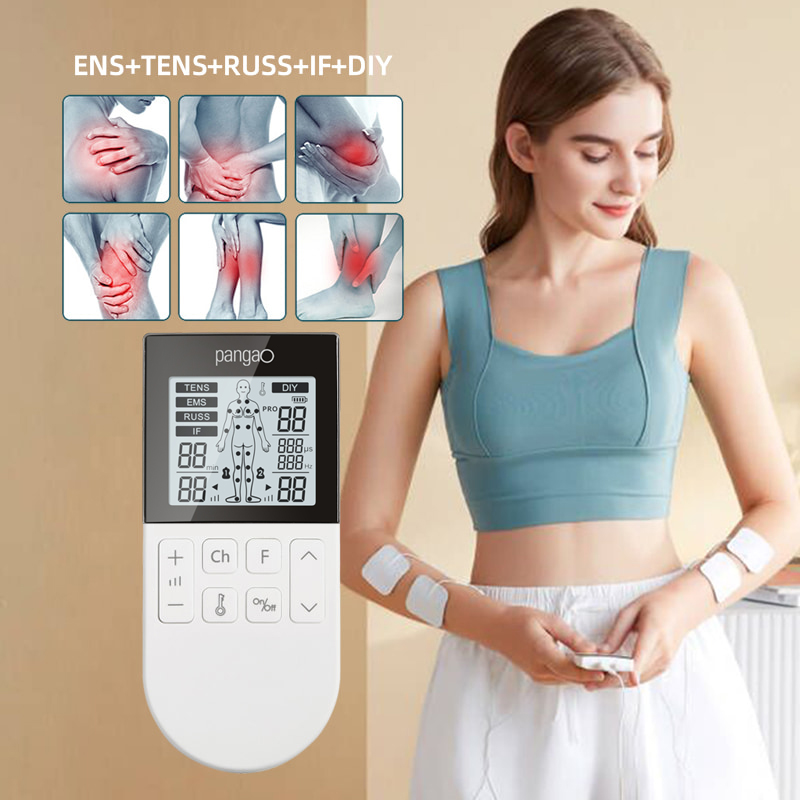
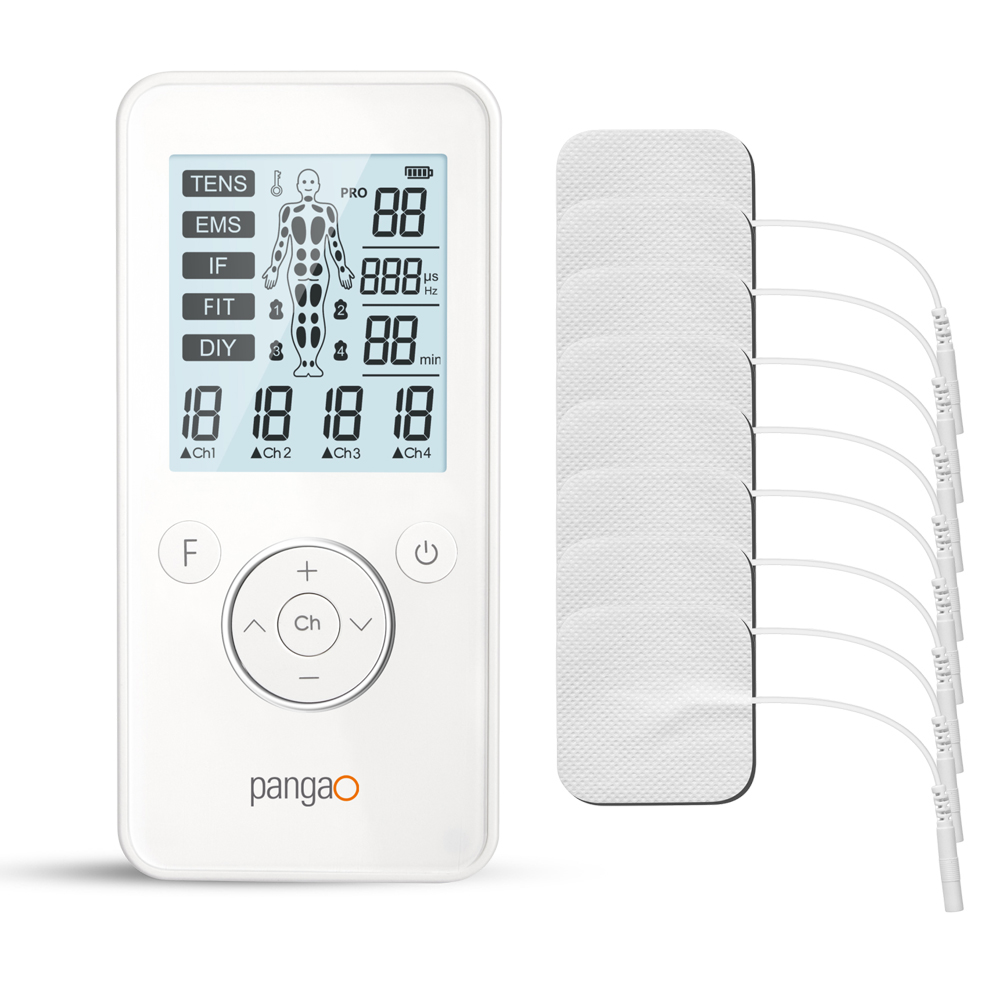
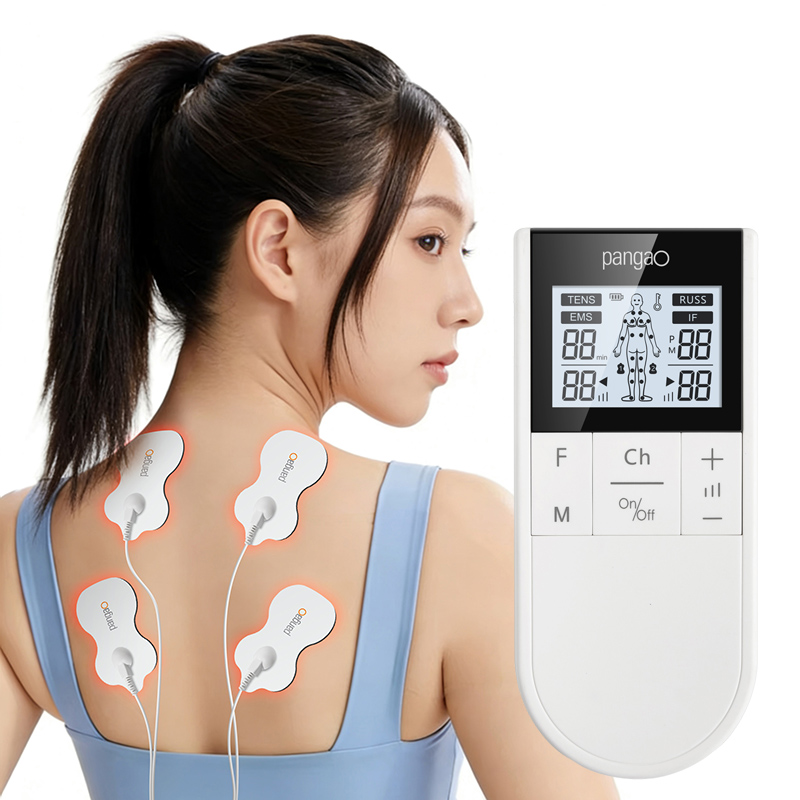
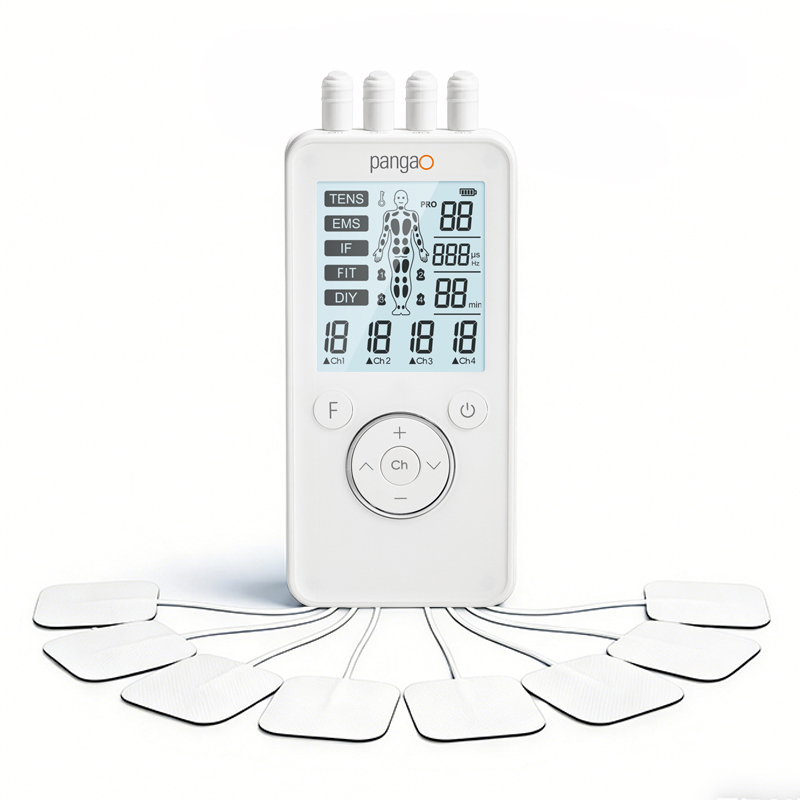
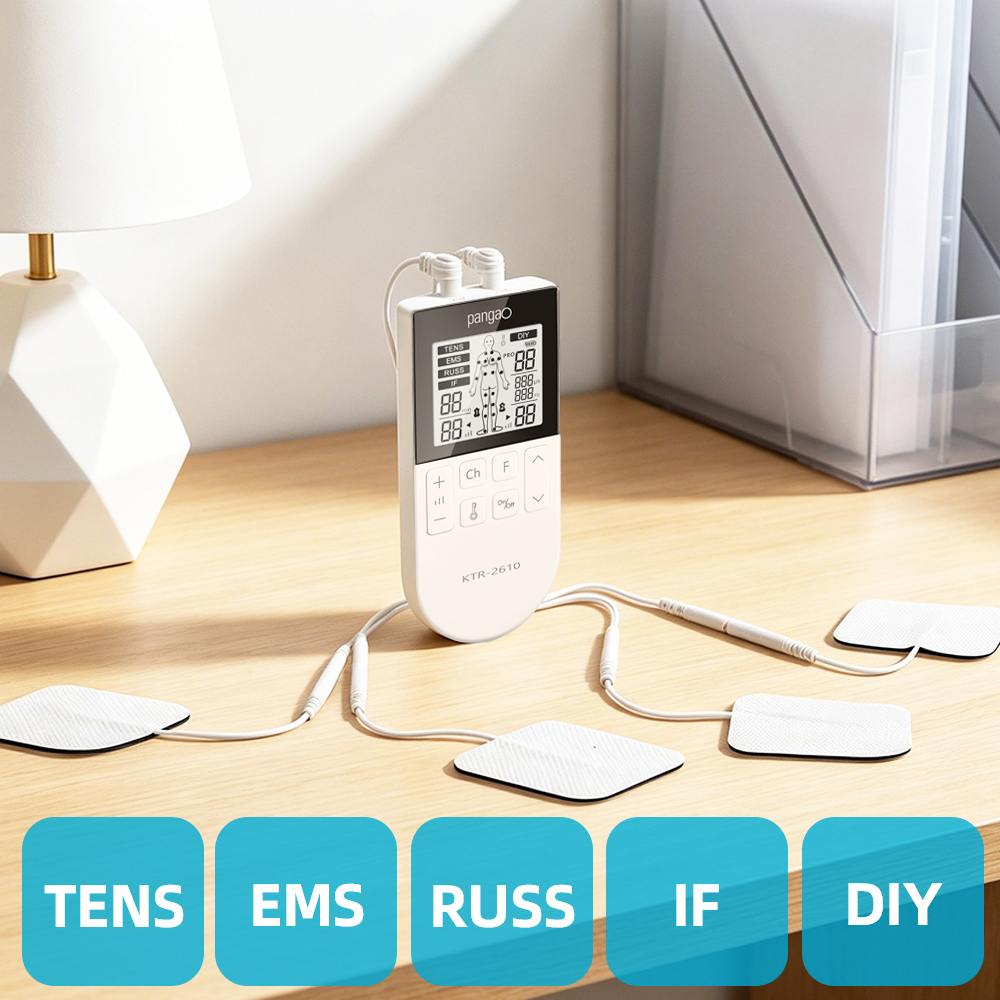
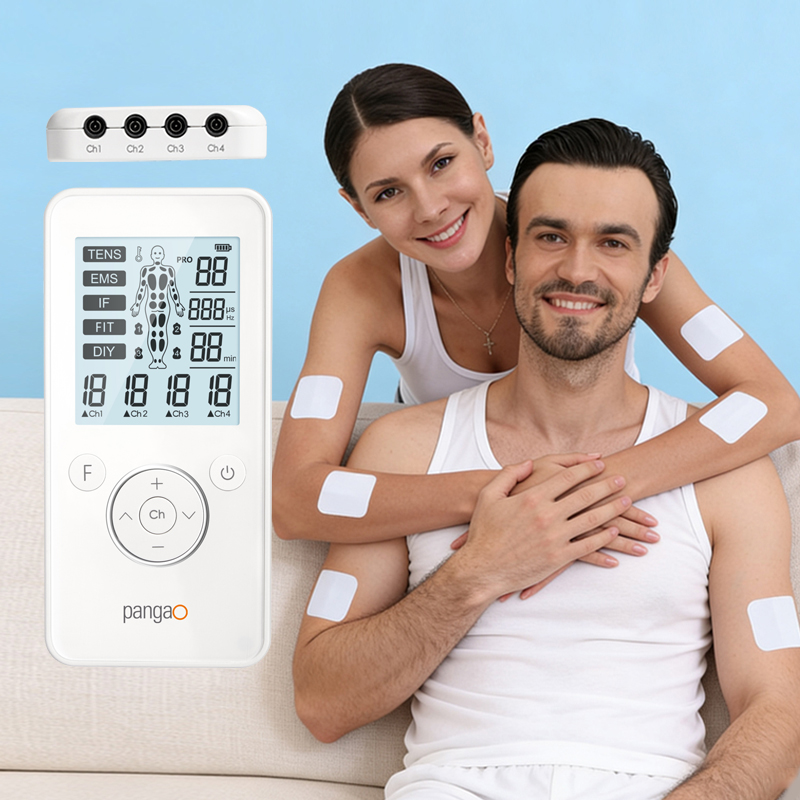
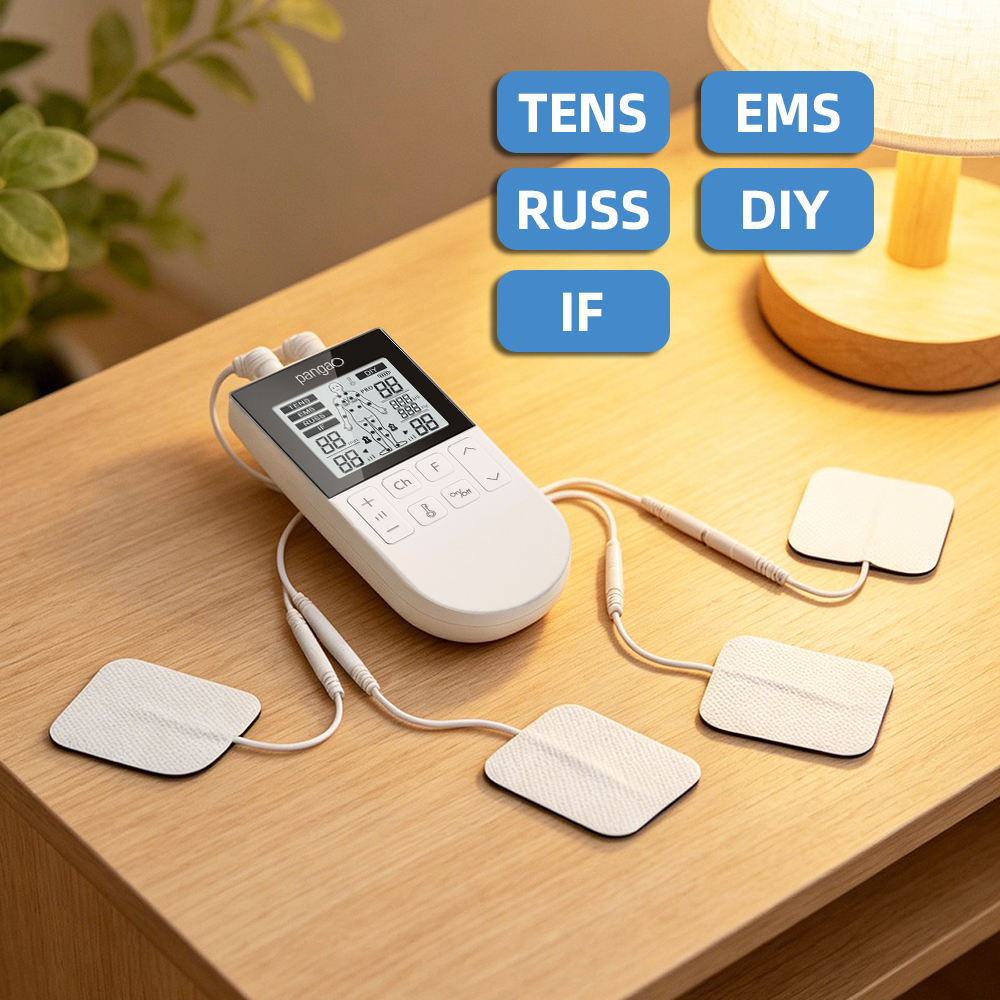
Single-mode TENS units are rapidly yielding market share to multi-modal combination devices. Sourcing trends show exponential demand growth for 5-in-1 platforms integrating TENS (pain relief), EMS (muscle strengthening), IF (deep tissue stimulation), RUSS (sports rehabilitation), and DIY customizable frequency programs. Multi-mode capability enables distributors to position a single SKU across clinical, retail pharmacy, and sports fitness sales channels simultaneously.
3. Integration of Photobiomodulation (Red Light / Infrared) with NMES
In the specialized foot circulation and neuropathy management sector, advanced platforms now merge neuromuscular electrical stimulation (NMES) with 660nm red light and 850nm near-infrared LED therapy. This dual-action mechanism enhances micro-vascular blood flow, stimulates mitochondrial ATP production in nerve tissue, and alleviates diabetic neuropathy symptoms far more effectively than electrical stimulation alone.
4. Sustainable Hydrogels & Advanced Biocompatible Electrodes
Global environmental regulations (RoHS, REACH) and biocompatibility standards (ISO 10993) are driving innovation in electrode gel pads. Future-proof procurement strategies prioritize Japanese-imported water-based hydrogels that deliver lower skin impedance, extended reusability (up to 30-50 applications per pad), and zero skin irritation or latex sensitivity.
Manufacturing Innovations & Engineering Dynamics
To maintain a competitive edge as a top China electrotherapy exporter, Vilicus continuously invests in manufacturing process automation and advanced quality verification technologies:
- Precision SMT & Automated Wave Soldering: Our electronic circuit boards utilize high-density surface mount components, solid-state capacitors, and integrated power management ICs. This guarantees low power consumption and robust protection against electrostatic discharge (ESD) per IEC 60601-1-2 EMC standards.
- Smart Battery Management Systems (BMS): All rechargeable battery-operated TENS units feature integrated protection circuits for over-charge, over-discharge, short-circuit, and thermal runaway, complying with UN38.3, UL1642, and IEC 62133 transportation and safety certifications.
- Automated Waveform Quality Verification: During final assembly, automated test fixtures connect each output channel to precision digital storage oscilloscopes. The system automatically measures pulse width, peak current amplitude, frequency accuracy, and wave symmetry, flagging any unit that deviates by more than ±5% from target engineering specs.
Frequently Asked Questions (FAQ) for B2B Importers & Brands
Below are detailed answers to key technical, regulatory, and commercial inquiries raised by international medical device buyers, healthcare brand owners, and procurement managers when sourcing TENS and EMS devices from China.
Partner with China's Premier Electrotherapy Manufacturer
Whether you are expanding an existing medical device product line, launching an innovative wearable femtech brand, or sourcing certified TENS/EMS units for national pharmacy distribution, Shenzhen Vilicus Medical Electronics Co., Ltd. delivers the engineering depth, regulatory security, and scalable manufacturing power your business requires.
Inquire Now