Featured TENS & EMS Physical Therapy Devices
High-performance electrotherapy platforms manufactured under ISO 13485 standards for global healthcare brands, distributors, and pharmacy chains.

1. Executive Summary & The China Electrotherapy Manufacturing Landscape
The global market for non-invasive electrotherapy devices—specifically Transcutaneous Electrical Nerve Stimulation (TENS) and Electrical Muscle Stimulation (EMS)—is undergoing a massive structural evolution. Driven by rising geriatric populations, growing consumer demand for drug-free pain management, and rapid expansion of wearable digital healthcare, procurement leaders face both expanding market opportunities and tightening regulatory scrutiny.
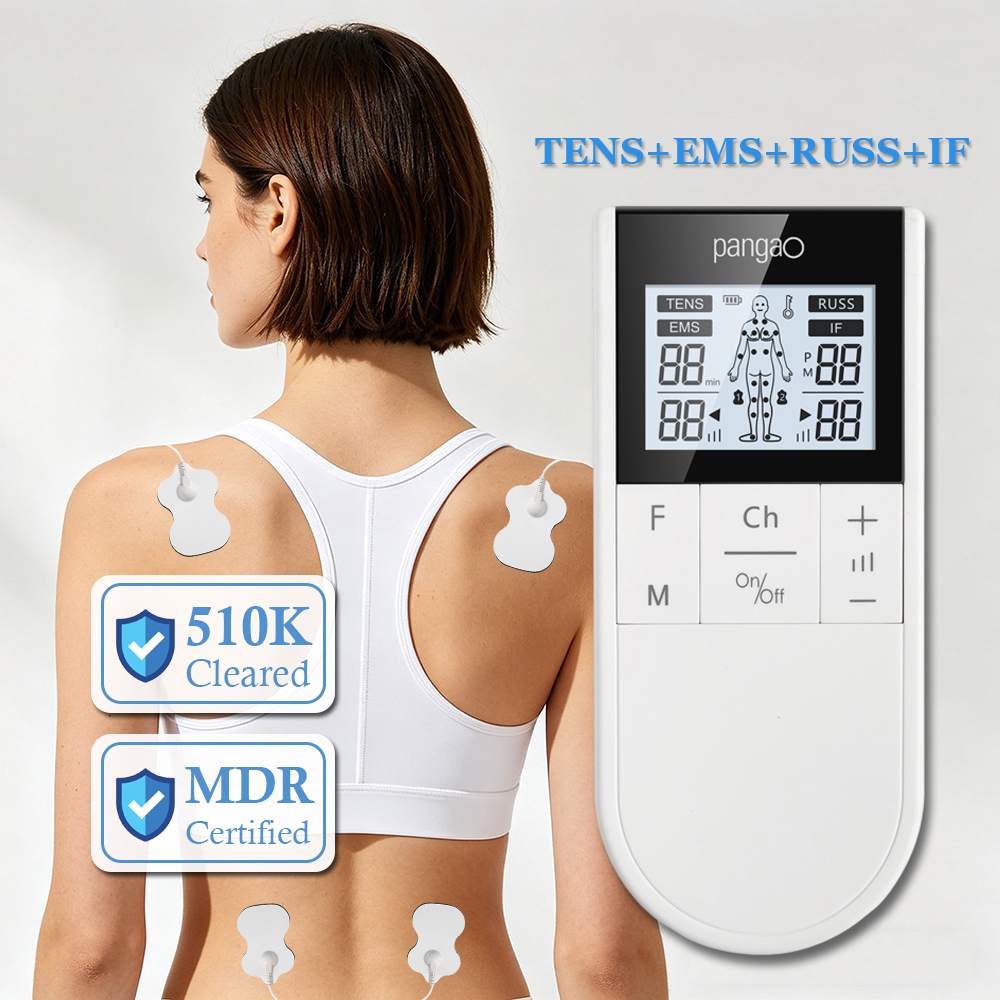
China, and specifically the Pearl River Delta electronics cluster in Shenzhen, manufactures over 75% of the world's portable physical therapy and neuromuscular electrotherapy devices. However, navigating the vendor landscape requires evaluating far more than unit prices. Top-tier medical manufacturers differentiate themselves through deep firmware customization capabilities, complete multi-waveform engineering (integrating TENS, EMS, Interferential IF, and Russian stimulation), and strict compliance with international regulatory frameworks including US FDA 510(k), EU MDR (Medical Device Regulation 2017/745), and Australia’s TGA.
Information Gain Key Takeaway for Medical Importers
Choosing an OEM/ODM supplier in China is no longer just about assembly cost. True strategic procurement hinges on securing a partner with in-house SMT production lines, proprietary MCU (microcontroller) waveform programming, ISO 13485 quality control, and full technical documentation access for regulatory submission transfer.
2. Technical Evaluation: Deconstructing TENS, EMS, IF & Russian Waveforms
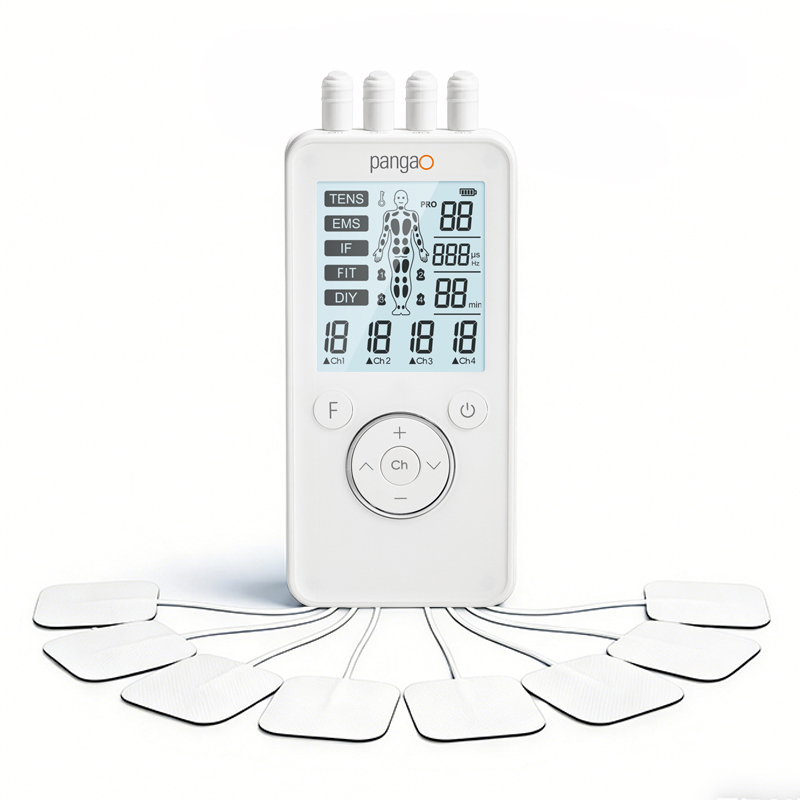
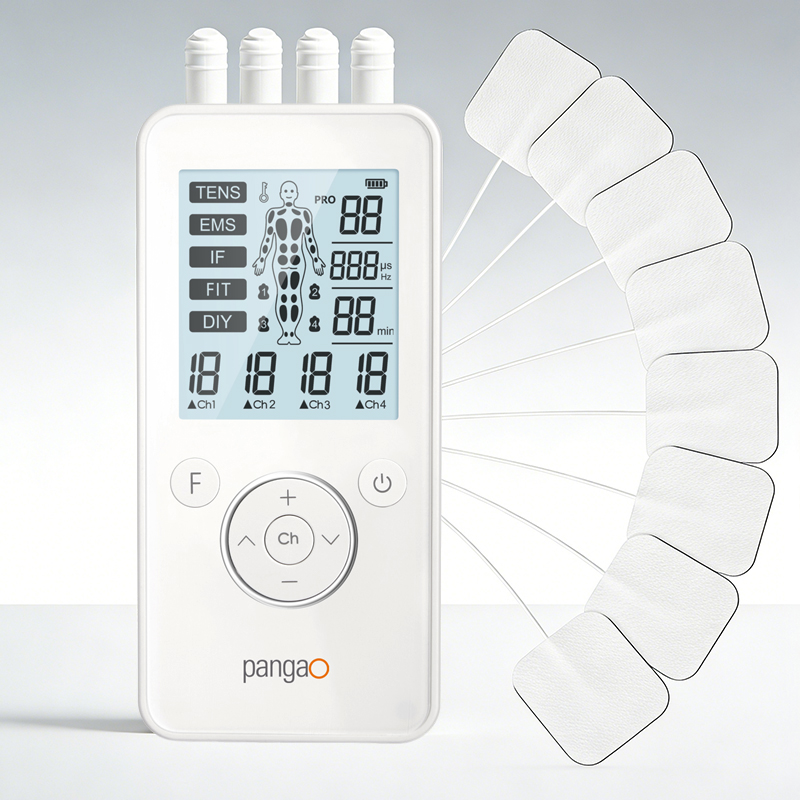
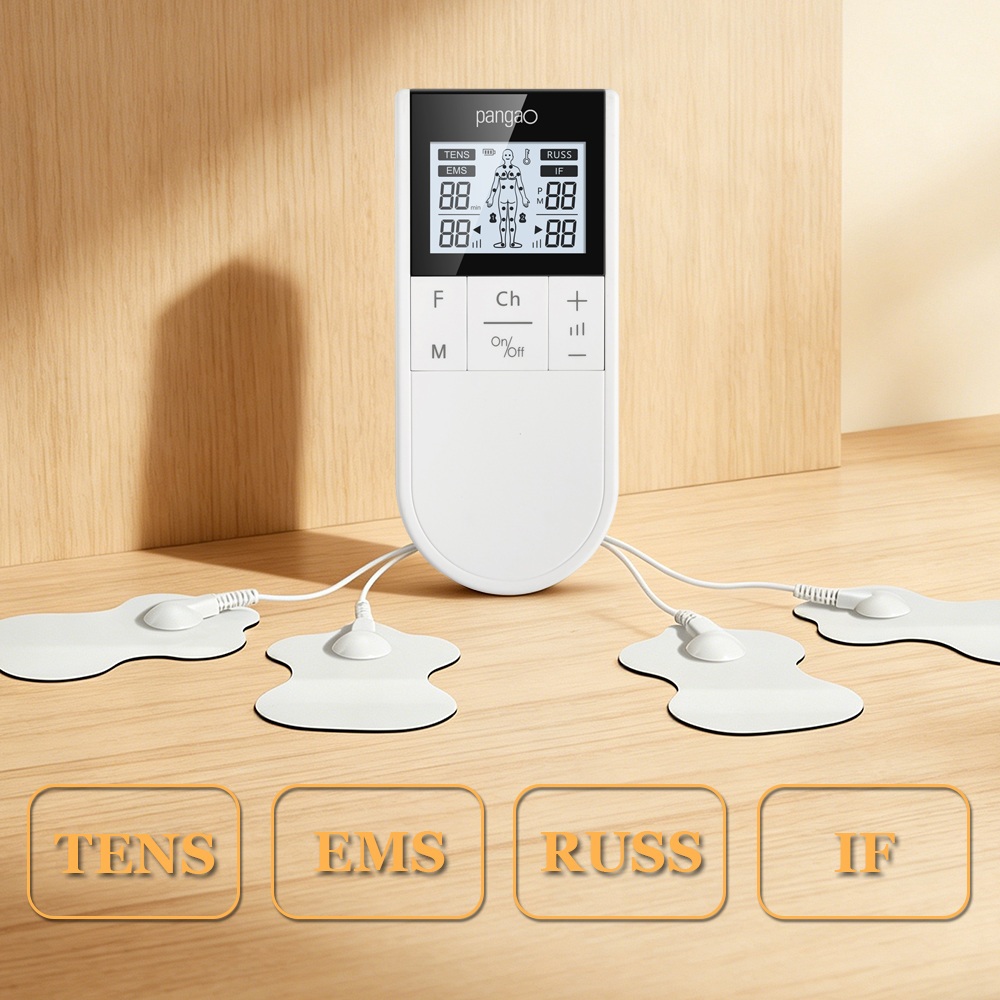
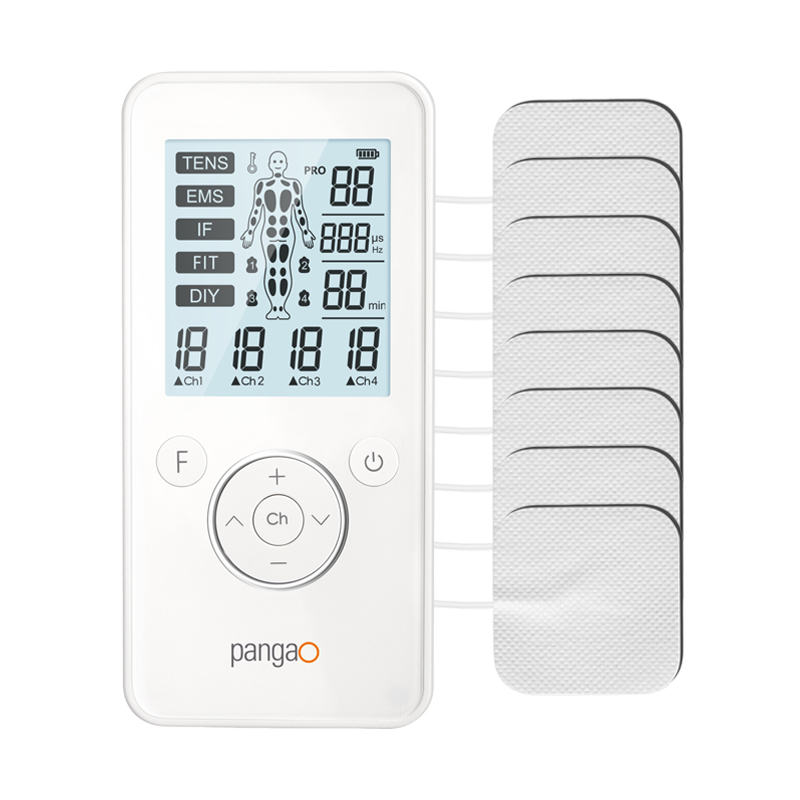
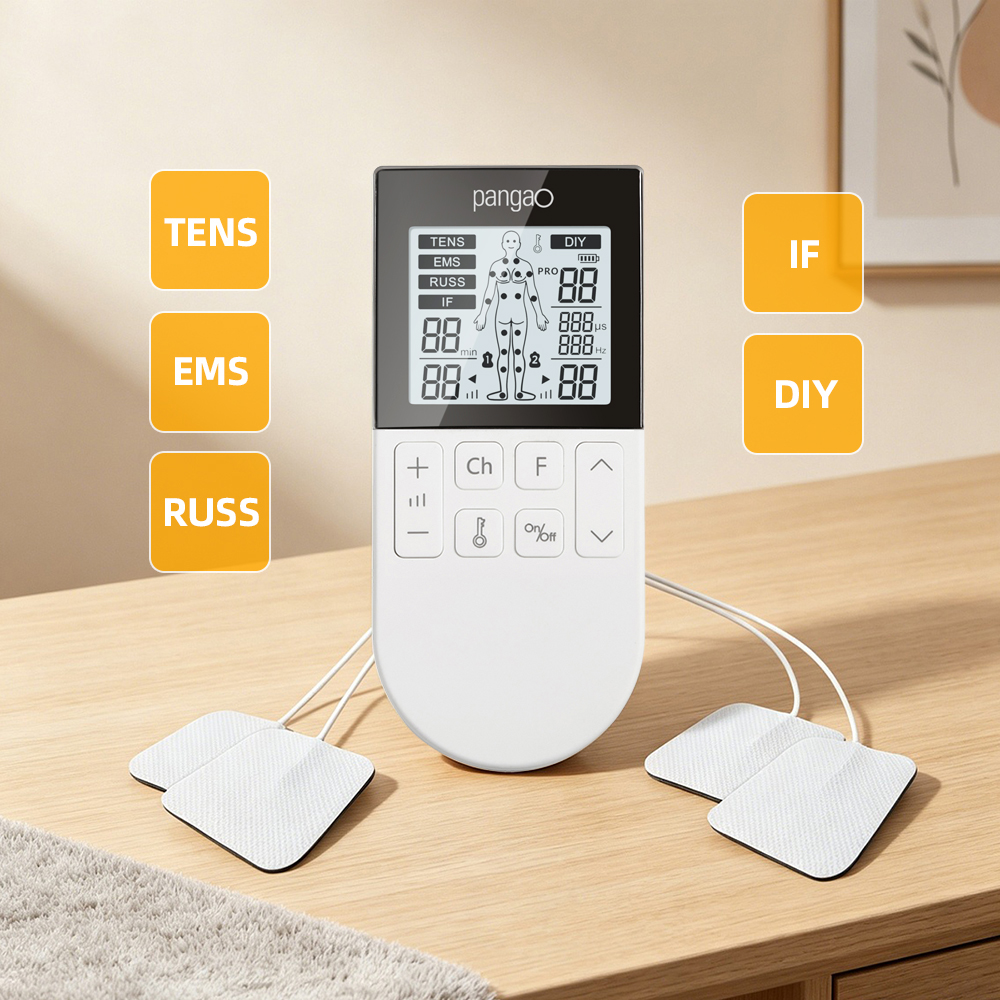
To accurately specify contract manufacturing orders, procurement managers and healthcare product developers must understand the underlying electro-biophysical mechanisms of modern therapy units. Leading OEM suppliers in China provide modular circuit architecture that supports single, dual, or 4-channel output across multiple frequency spectrums.
| Modality | Frequency Spectrum | Pulse Width (µs) | Primary Clinical Mechanism | Target Market Channel |
|---|---|---|---|---|
| TENS (Nerve Stimulation) | 2 Hz – 150 Hz | 50 µs – 300 µs | Gate Control Theory & Endorphin release to block sensory pain signals. | OTC Retail, Pharmacy Chains, E-commerce Brands |
| EMS (Muscle Stimulation) | 20 Hz – 100 Hz | 200 µs – 400 µs | Triggers motor nerve excitation for muscle conditioning, atrophy prevention & blood flow. | Sports Recovery, Orthopedic Rehabilitation, Fitness |
| IF (Interferential) | 4,000 Hz Carrier (Beat 1-150Hz) | Sinusoidal Wave | Penetrates deep muscular tissue with minimal skin impedance discomfort. | Clinical Physical Therapy, Professional Care |
| RUSS (Russian Current) | 2,500 Hz Burst Carrier | 50% Duty Cycle | High-intensity motor recruitment for rapid quad & core motor strength rebuilding. | Athletic Training Facilities & Rehab Centers |
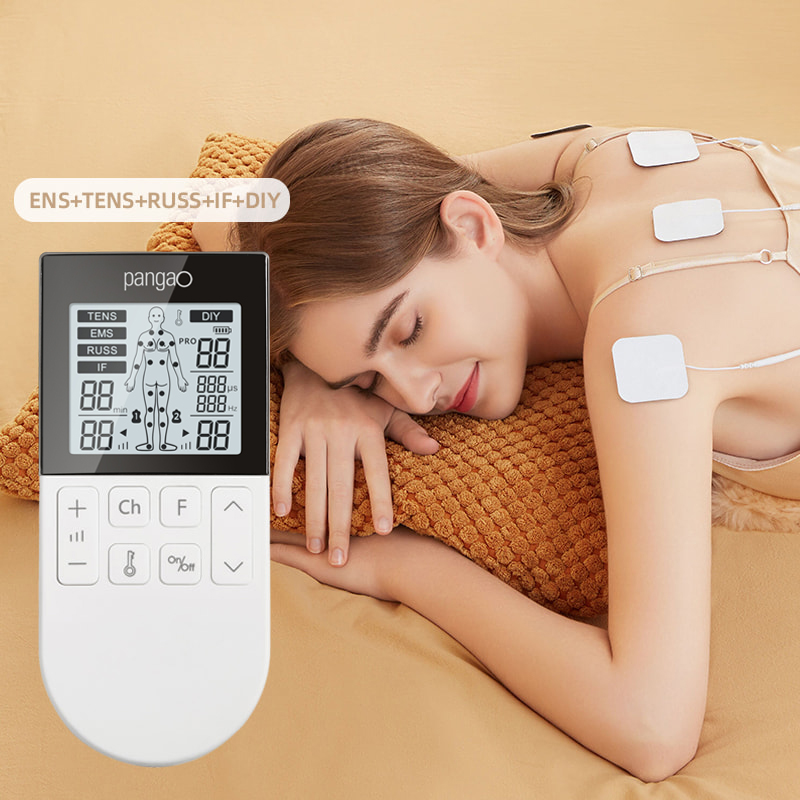
Advanced manufacturers like Shenzhen Vilicus Medical Electronics Co., Ltd. integrate these multi-modal capabilities into single handheld or desktop platforms. This allows brand owners to offer 5-in-1 or 80-mode devices that appeal to broad consumer demographics while maintaining a unified SKU manufacturing base.
Future Procurement & Sourcing Trends (2025–2030)
Anticipating technological and regulatory shifts is essential for maintaining product margins and market leadership.
1. Convergence of Thermal & Electrotherapy
Traditional TENS devices are rapidly giving way to hybrid therapy devices. The integration of precision Graphene or Carbon-Film heating elements alongside low-frequency electrical pulse therapy has created a booming market—especially in women's health (menstrual cramp relief belts) and lower back strain devices.
2. Wireless Patch Micro-Sizing
Bulky wired units requiring lead wires are increasingly restricted to clinical settings. Consumer procurement is shifting heavily toward ultra-lightweight, cable-free magnetic pod TENS units that snap directly onto reusable hydrogel patches, controlled via Bluetooth low energy (BLE) mobile applications or compact RF remotes.
3. Stringent EU MDR & Cybersecurity Compliance
With the sunsetting of MDD and enforcement of EU MDR, global buyers are consolidating orders with manufacturers who hold genuine ISO 13485 certification and possess comprehensive technical files (STED). Connected app-based devices also require strict cyber-resilience compliance under US FDA guidelines.
3. Technological Trends in TENS Massager R&D
Product differentiation in the physical therapy sector relies on engineering innovation. Contemporary Chinese OEM factories are investing heavily in specific technology vectors to provide high information gain and superior user experience:
A. Dynamic Waveform Synthesis & Constant Current Control
Entry-level TENS units often suffer from sudden voltage spikes when electrode pads partially detach, causing skin stinging. Advanced Chinese suppliers incorporate Constant Current (CC) Output Technology. The MCU continuously monitors real-time skin-electrode impedance (measured in Ohms) and automatically adjusts output voltage to maintain a smooth, comfortable pulse. If impedance exceeds safe thresholds, auto-load detection shuts off output instantly.
B. Dual-Frequency Red Light & Bioelectric Foot Circulation Platforms
A major development in senior and diabetic care is the integration of NMES Foot Therapy Platforms equipped with 660nm Red Light and 850nm Near-Infrared (NIR) LEDs. Combining foot pad bioelectric stimulation with deep-penetrating photons significantly boosts peripheral microcirculation, easing neuropathy pain and lower-limb edema far more effectively than electrical stimulation alone.
C. Long-Life Hydrogel & Biocompatible Electrodes
Electrotherapy performance depends heavily on the gel medium. Premium manufacturers utilize Japanese-imported water-based hydrogels that deliver uniform current density across 50+ uses without leaving sticky residue or triggering allergic skin reactions. Biocompatibility testing according to ISO 10993-5 (Cytotoxicity) and ISO 10993-10 (Irritation & Sensitization) is now standard among top China suppliers.
Why Partner with Shenzhen Vilicus Medical Electronics Co., Ltd.
Direct factory expertise, ISO 13485 certified quality management, and complete OEM/ODM customized manufacturing.
Manufacturing Footprint & Heritage
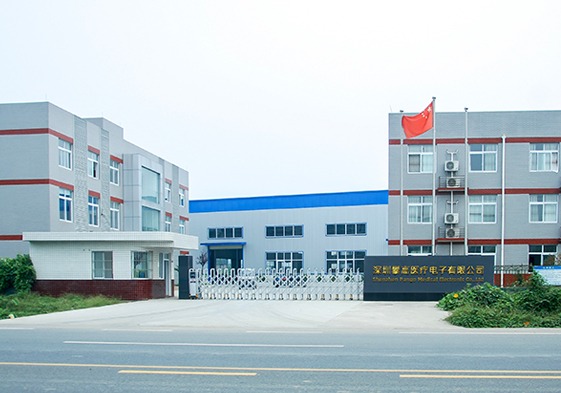
With an electronics heritage dating back to 2000 and dedicated electrotherapy production established in 2013, Vilicus operates a 15,700 m² state-of-the-art production facility in Shenzhen, verified onsite by SGS.
300+ Group R&D Backbone
Our multidisciplinary team of over 300 group engineers handles complete embedded hardware design, PCB layout, custom firmware development, ergonomics, mold tooling, and Android/iOS app development in-house.
Turnkey Regulatory Approvals
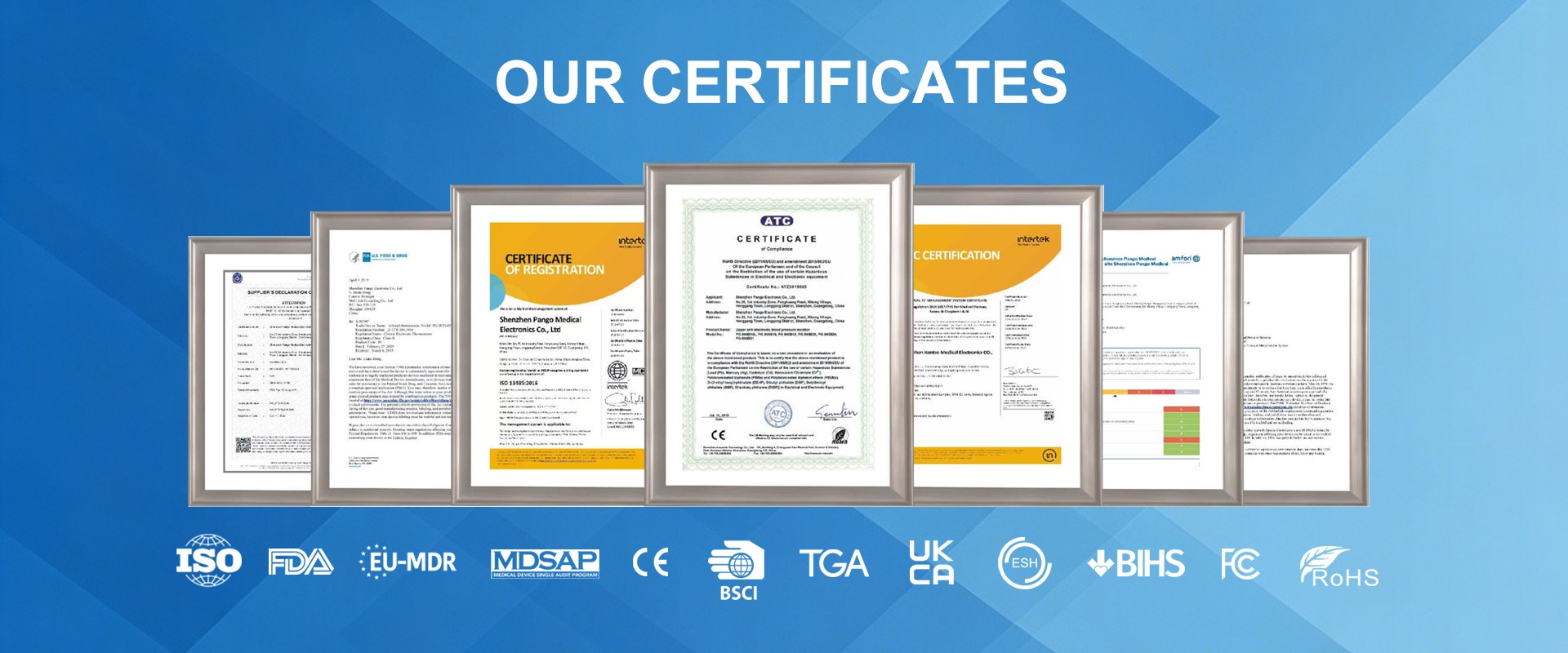
Streamline your market entry. Vilicus devices hold market clearances including US FDA 510(k), EU MDR, TGA, CE, RoHS, alongside factory audits under BSCI and ISO 13485.
Frequently Asked Questions by Global Importers
Clear answers regarding MOQs, customization, regulatory transfers, and quality guarantees.
What is the minimum order quantity (MOQ) for custom TENS/EMS devices?
Which regulatory approvals and quality systems does Vilicus hold?
Can Vilicus handle full ODM custom development from sketch to production?
What is the fundamental difference between TENS and EMS for product positioning?
How does Vilicus guarantee product quality and defect rates during mass production?
Ready to Launch or Scale Your TENS Device Lineup?
Partner with China’s premier ISO 13485 certified OEM/ODM medical electrotherapy manufacturer. Contact our senior technical account team today for factory-direct pricing, sample evaluations, and technical STED files.
Contact Us