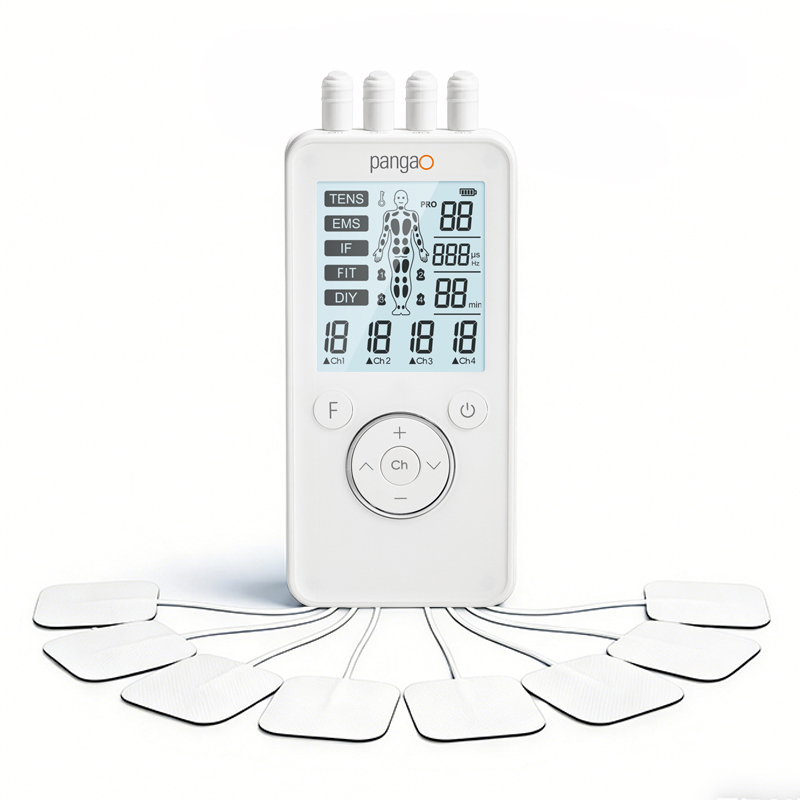
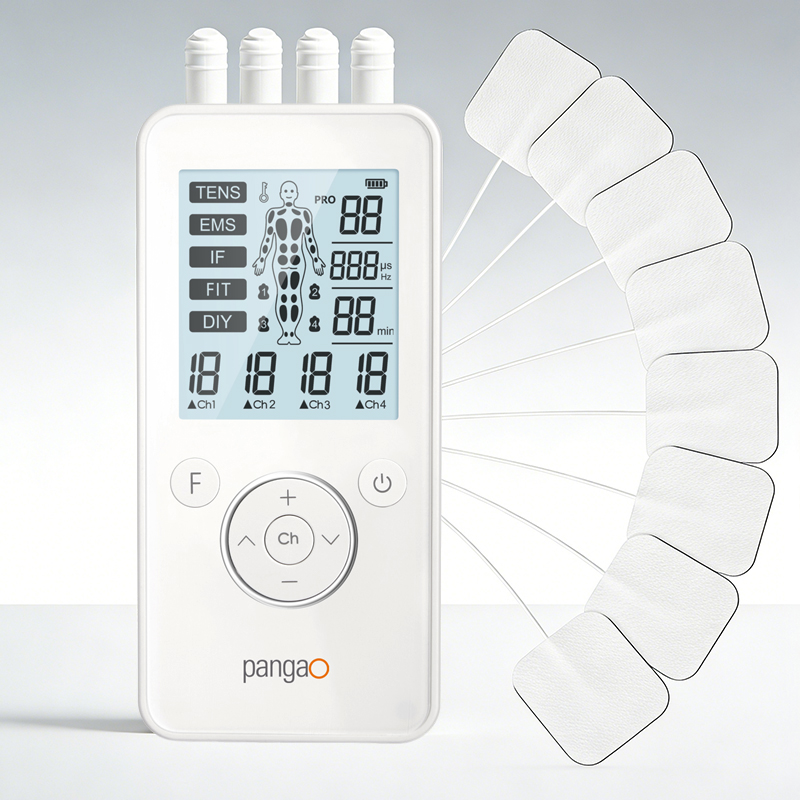
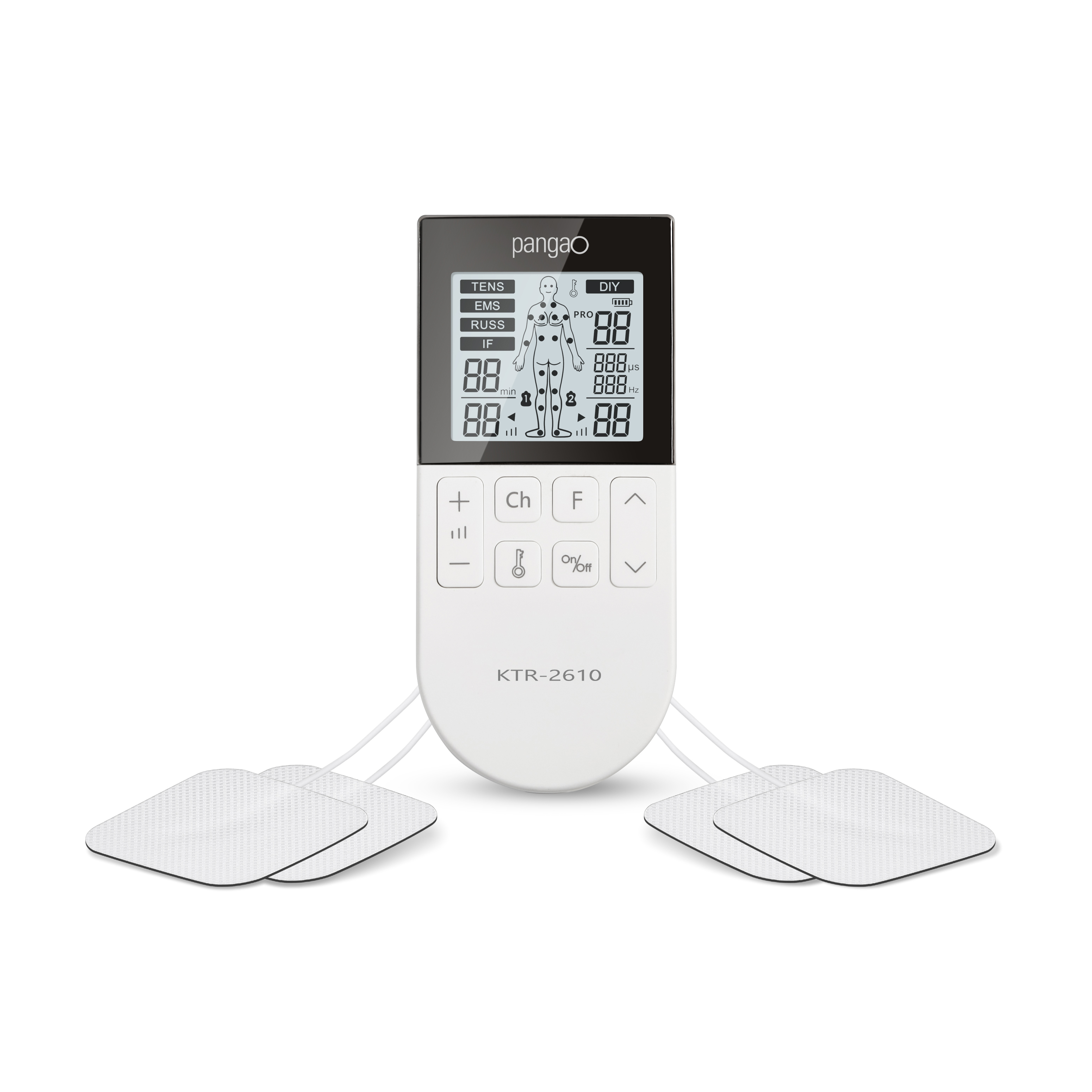
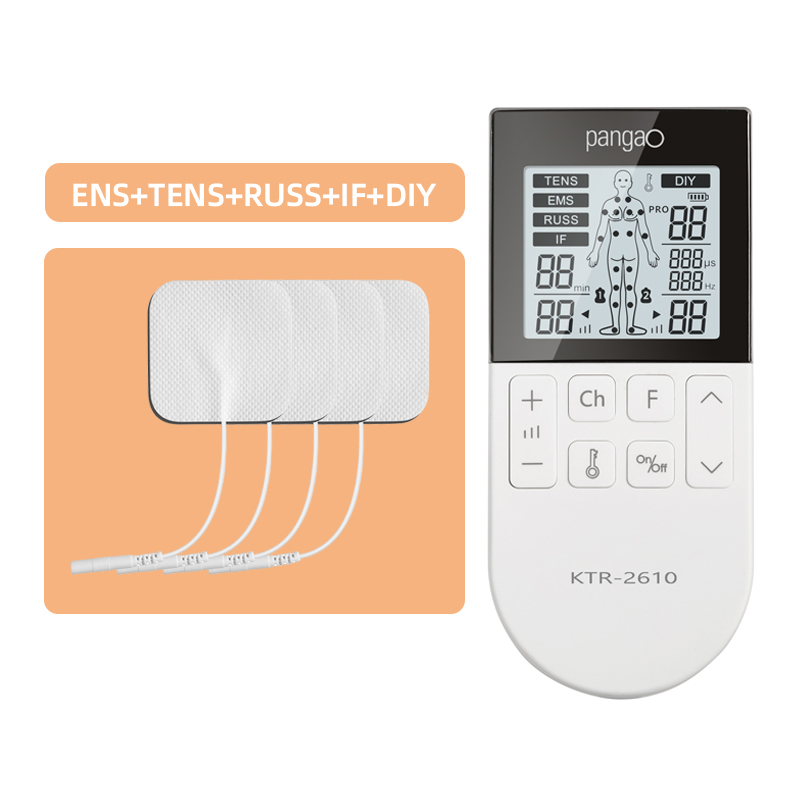
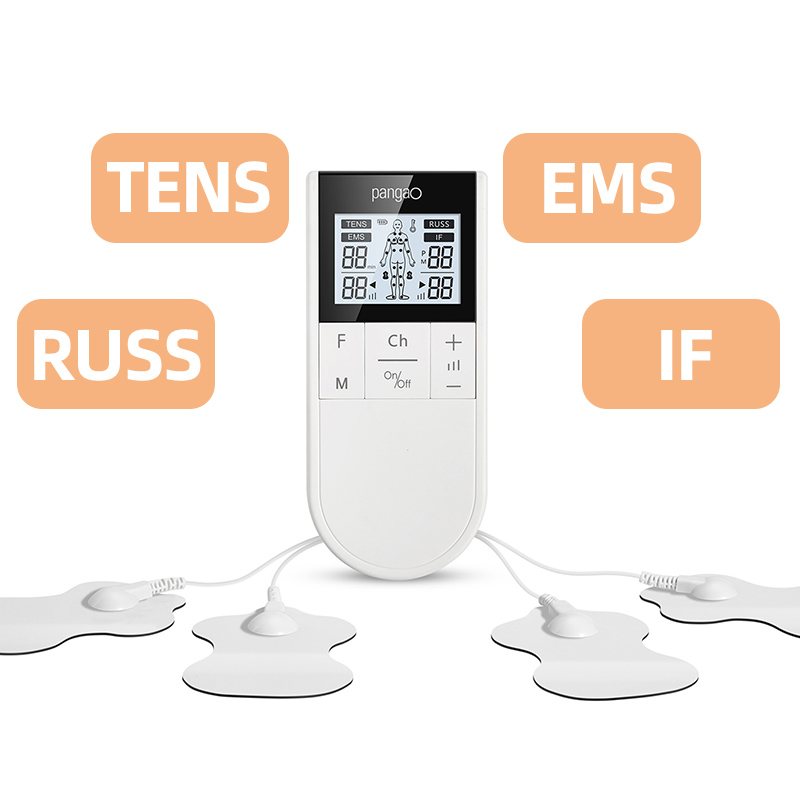
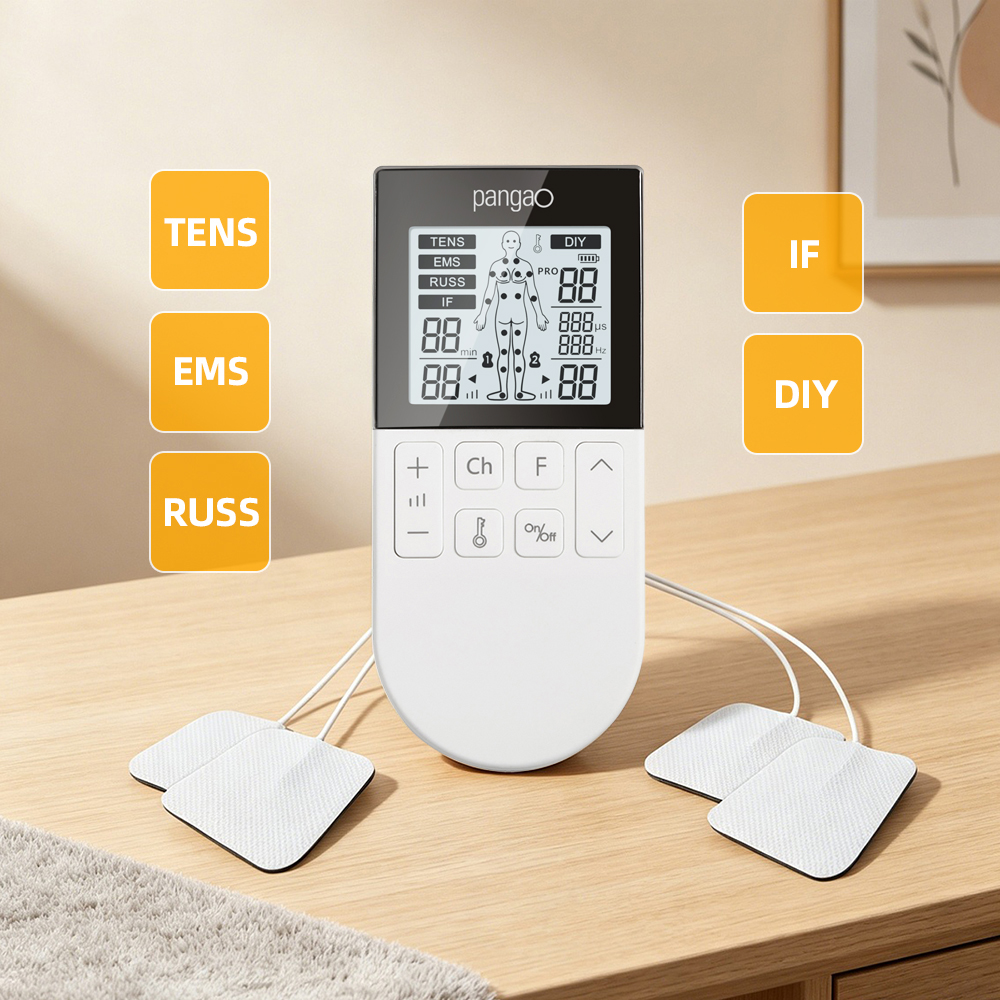
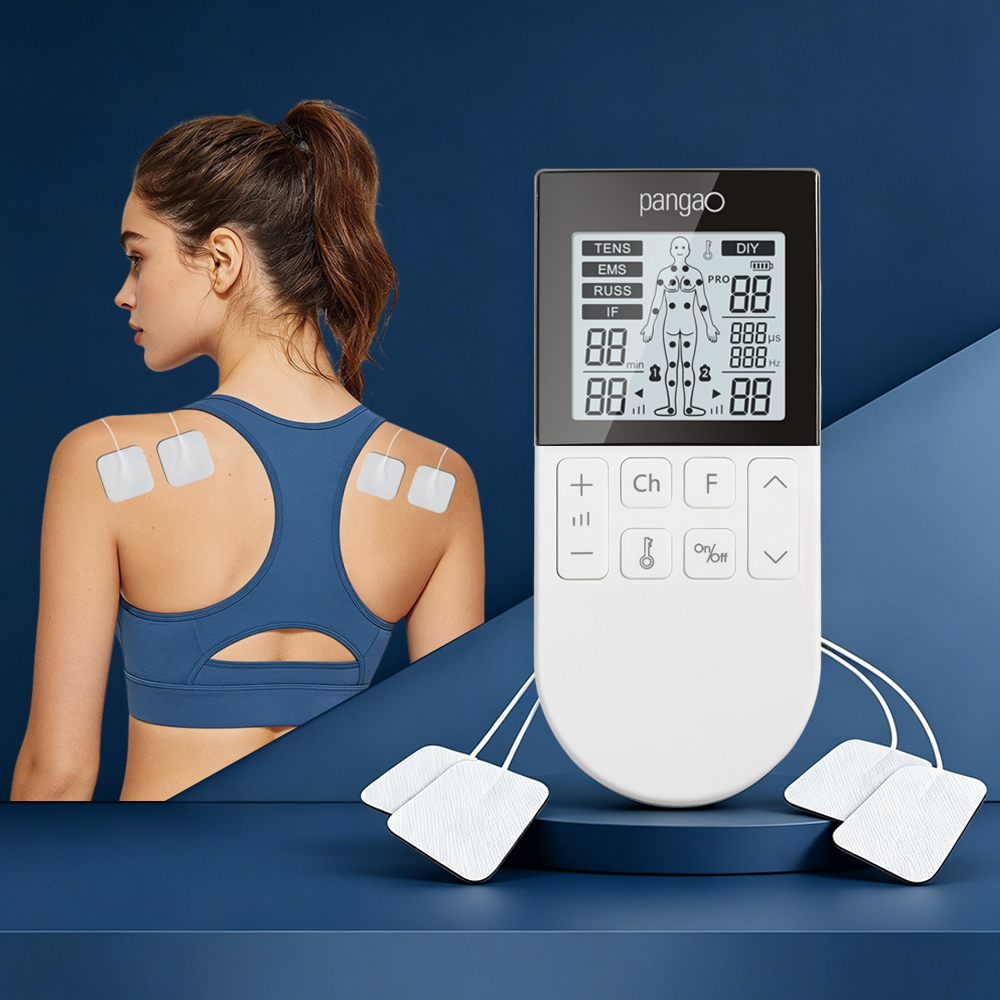
Over the past decade, China has solidified its position as the premier global epicenter for electrotherapy device manufacturing. Specifically, the Shenzhen-Guangdong medical electronics cluster represents over 70% of worldwide output for portable Transcutaneous Electrical Nerve Stimulation (TENS) and Electrical Muscle Stimulation (EMS) devices. For international healthcare brands, medical device importers, and retail distributors, partnering directly with leading China EMS unit manufacturers and factories offers unmatched structural advantages: supply chain vertical integration, rapid micro-chip firmware customization, high-density Surface Mount Technology (SMT) assembly, and streamlined international regulatory clearance paths (including US FDA 510(k), EU MDR 2017/745, and Australian TGA certification).
Modern Electrical Muscle Stimulation (EMS) units work by delivering precise micro-current electrical pulses to motor nerves, eliciting involuntary muscle contractions. These devices are utilized across clinical physiotherapy, athletic sports rehabilitation, pelvic floor training, peripheral neuropathy circulation enhancement, and consumer pain management. As global demand shifts toward wearable, wireless, and smart app-enabled electrotherapy systems, Chinese OEM/ODM factories have evolved from simple contract assembly plants into full-stack technological development partners.
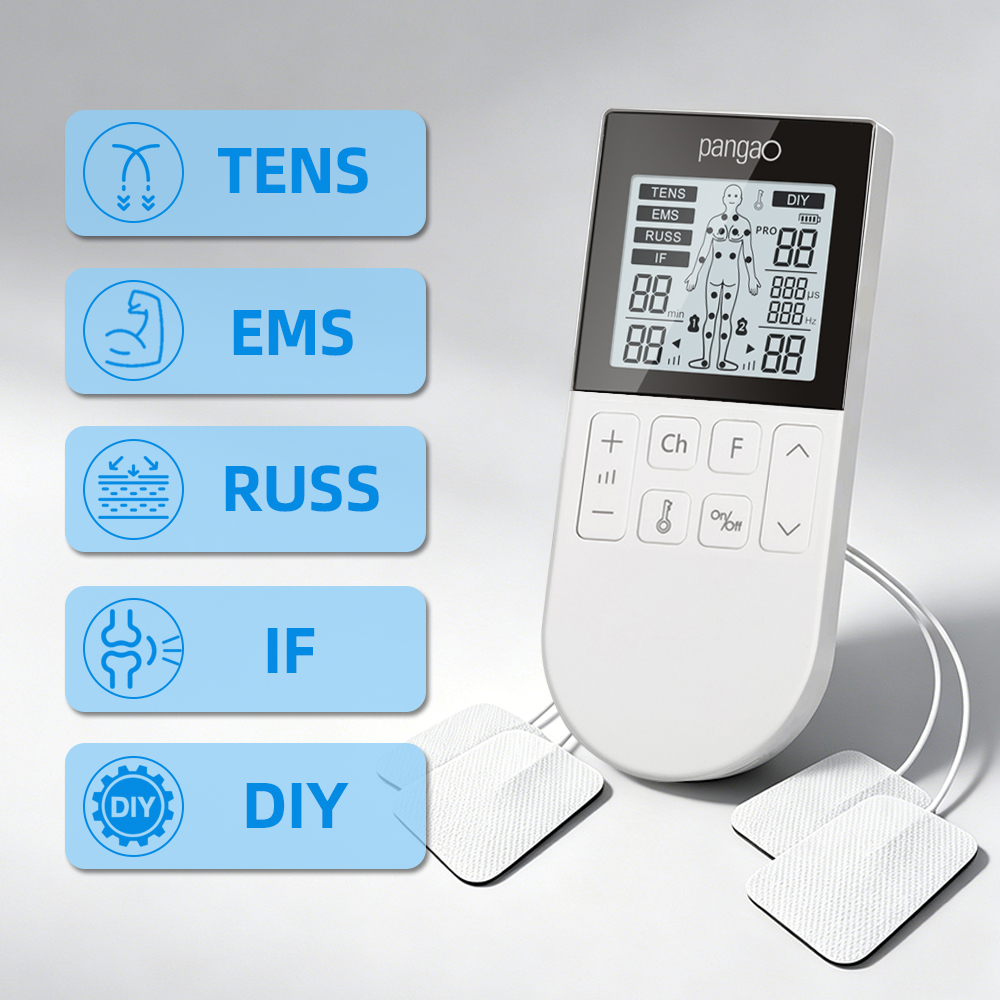
Technical Comparison: EMS vs. TENS vs. IF vs. Russian Waveform Modalities
When specifying custom EMS hardware requirements for private label manufacturing, buyers must understand the micro-controller waveform parameters. The table below outlines the core technical specifications required when issuing an RFQ (Request for Quotation) to OEM factories in China:
| Therapy Modality | Primary Target | Pulse Carrier Frequency | Phase Duration (Pulse Width) | Clinical/Consumer Indication |
|---|---|---|---|---|
| EMS (Neuromuscular) | Motor Nerves & Muscles | 20 Hz – 100 Hz | 200 µs – 400 µs | Muscle re-education, atrophy prevention, venous blood flow boost |
| TENS (Sensory) | Sensory Nerves (A-beta/C) | 1 Hz – 150 Hz | 50 µs – 250 µs | Symptomatic pain relief (acute & chronic back/joint pain) |
| Russian Stimulation (RUSS) | Deep Muscle Mass | 2,500 Hz Burst (50 Hz pulse) | 50% duty cycle burst | Hypertrophy, athletic force building, deep motor activation |
| Interferential (IF / IFT) | Deep Tissue Structures | 4,000 Hz dual intersecting | Continuous amplitude beat | Deep joint inflammation reduction, edema management |
2. Future Sourcing Trends & Technological Roadmap (2025–2030)
The global electrotherapy market is undergoing a structural transition. Overseas procurement officers and brand directors must align their product development pipelines with emerging technical standards. China's top EMS factories are currently focusing R&D capital on five main technological frontiers:
1. True-Wireless & Micro-Wearable Form Factors
Moving away from bulky wired lead cables toward ultra-lightweight, cable-free magnetic snap-on patches powered by high-density lithium polymer batteries and low-energy Bluetooth (BLE 5.3) microchips.
2. Multi-Waveform System-on-Chip (SoC)
Integration of TENS, EMS, IF, and RUSS onto single 32-bit ARM Cortex micro-controller chips, allowing users to switch dynamically between pain relief and muscle building within one compact unit.
3. Integrated Photobiomodulation (Red Light + EMS)
Combining 660nm red light and 850nm near-infrared LED arrays with neuromuscular electrical stimulation in foot therapy plates and knee massagers for dual cellular repair and circulatory enhancement.
Furthermore, environmental sustainability mandates are driving innovations in reusable hydrogel pad formulas. Chinese EMS manufacturers are developing bio-compatible, self-adhesive silicone-based electrodes and dry printed conductive carbon-film textiles that lower long-term medical waste while maintaining constant skin impedance below 100 Ohms.
3. Factory Audit & Quality Assurance Protocol for China EMS Importers
When procuring medical electrical equipment from Chinese suppliers, ensuring product safety and regulatory compliance is paramount. Poorly designed EMS units can suffer from output pulse drift, electrical leakage, or skin burn hazards caused by current spike spikes. To mitigate risk, procurement teams must enforce a rigorous factory audit protocol:
Essential Factory Qualification Checklist:
- ISO 13485 Quality Management System Certification: Ensure the facility's scope explicitly covers the design, manufacture, and assembly of active electrotherapy medical devices (Class IIa / Class IIb).
- IEC 60601-1 & IEC 60601-2-10 Compliance: The factory must possess valid test reports verifying compliance with general medical electrical safety standards (60601-1) and specific safety requirements for nerve and muscle stimulators (60601-2-10).
- Automated SMT & High-Voltage Testing Lines: Confirm that printed circuit board assemblies (PCBA) undergo automated optical inspection (AOI) and 100% dielectric strength withstand voltage isolation testing (typically >4000V isolation between mains input and patient circuit).
- Pulse Output Waveform Oscilloscope Calibration: Every production line should feature calibrated oscilloscope stations to verify peak voltage (Vp), pulse charge, phase duration, and frequency stability across resistive load banks (500 Ohm standard load).
4. Enterprise Strength & Manufacturing Capabilities: Shenzhen Vilicus Medical
As a pioneer among high-tech Chinese electrotherapy manufacturers, Shenzhen Vilicus Medical Electronics Co., Ltd. represents the standard of medical device engineering. Backed by a group heritage operating since 2000, Vilicus operates a state-of-the-art 15,700 square meter manufacturing base in Shenzhen, supported by over 210 skilled personnel and an R&D force exceeding 300 group engineers.
Full OEM / ODM Turnkey Service
From industrial ID design, custom tooling injection, PCBA circuit layout, software firmware programming to final retail box packaging.
Global Regulatory Authorization
Complete product lines holding valid US FDA 510(k) clearances, EU MDR CE certification, Australian TGA registration, and BSCI social audit clearance.
Rigorous Inspection & QA Assurance
100% finished product functional testing, thermal aging chamber stress tests, and onsite factory verification by third-party inspection bodies like SGS.
Vilicus specializes in customized EMS muscle stimulators, portable TENS units, drug-free wireless period pain heating devices, EMS foot circulation stimulators for neuropathy, and pelvic floor muscle training systems. Providing flexible MOQ terms for global brand owners, importers, and regional distributors, Vilicus delivers cost-efficient, compliant medical solutions to over 50 countries worldwide.