Top-Ranked EMS & TENS Electrotherapy Devices
Explore enterprise-grade medical devices manufactured under strict ISO 13485 quality control systems. Available for global OEM/ODM direct factory procurement.
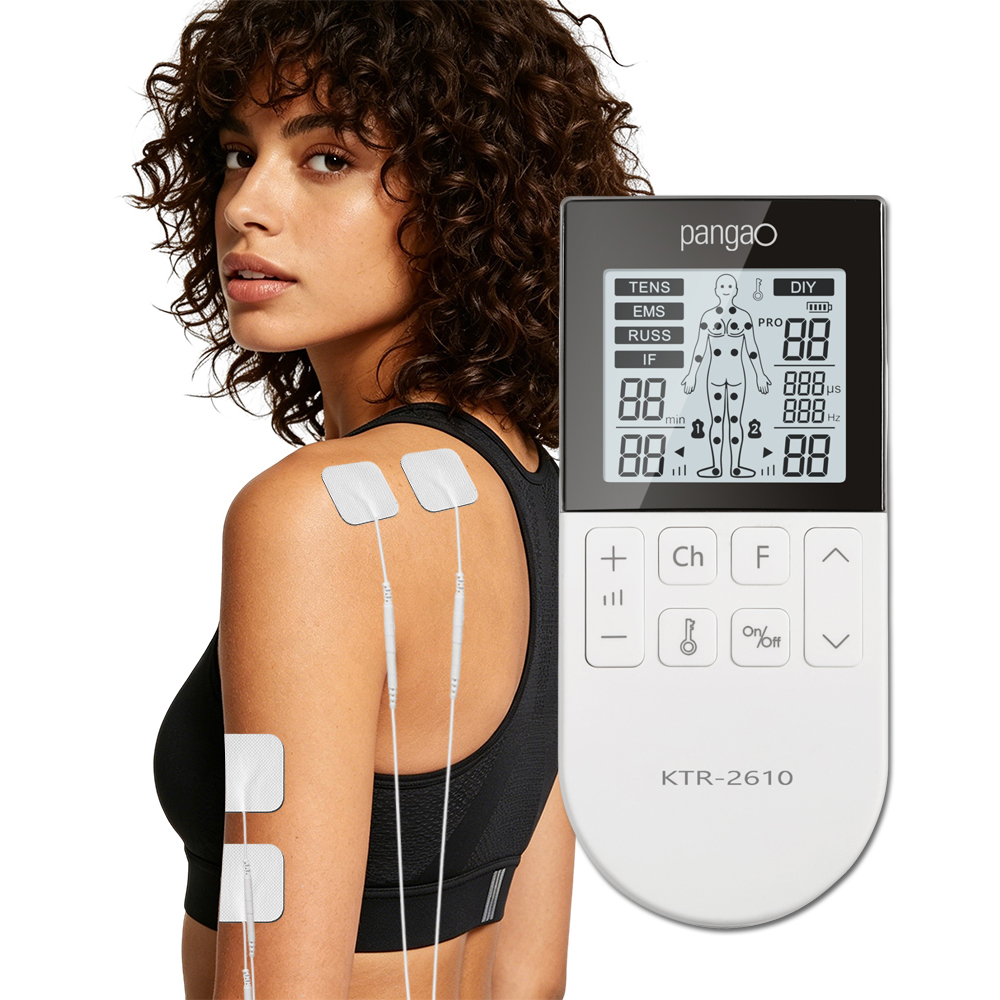
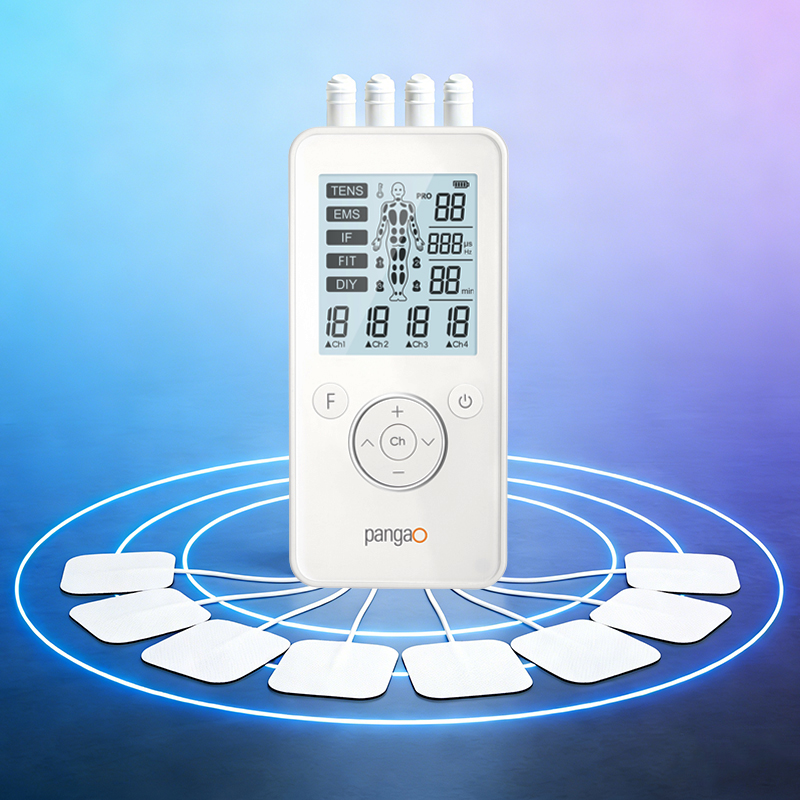
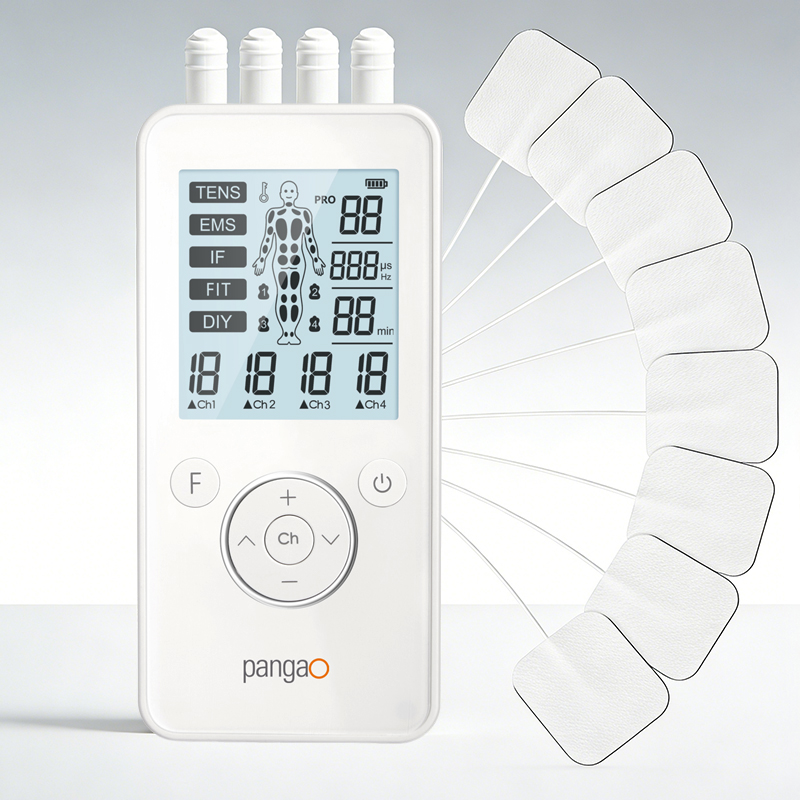
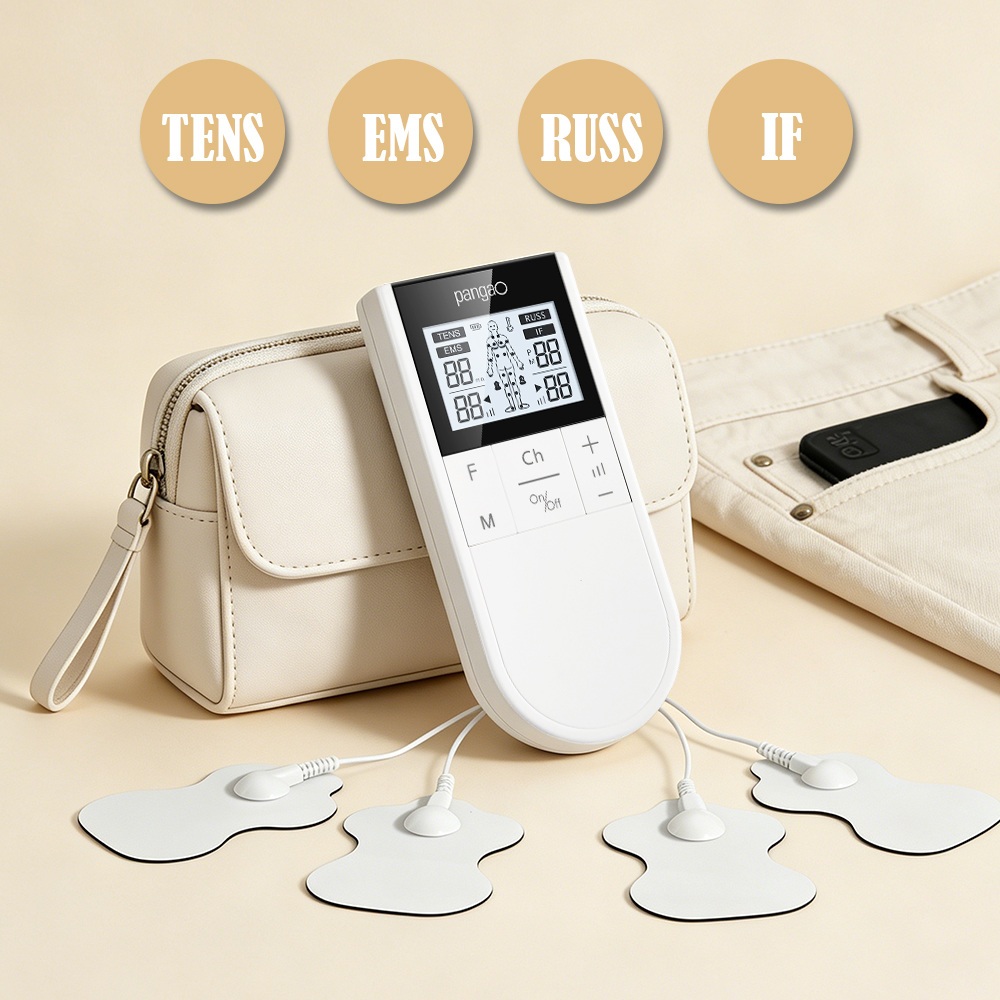
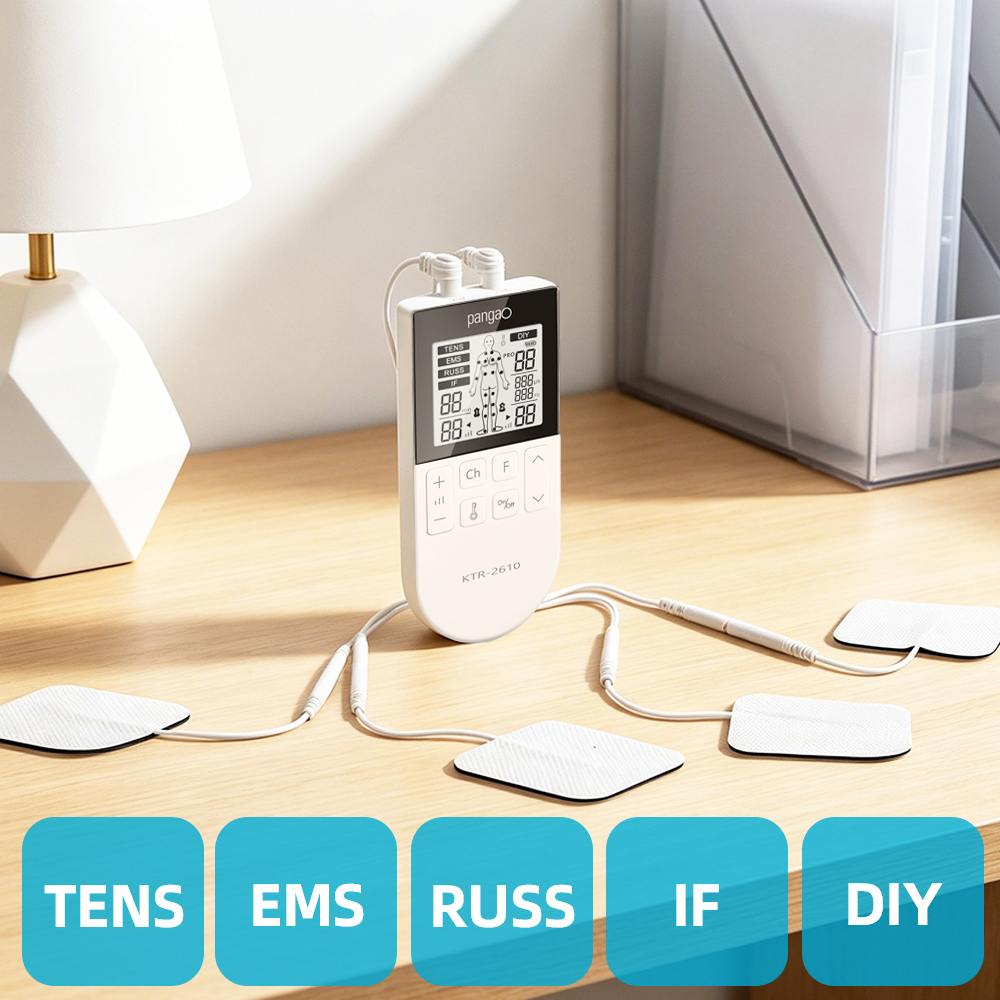
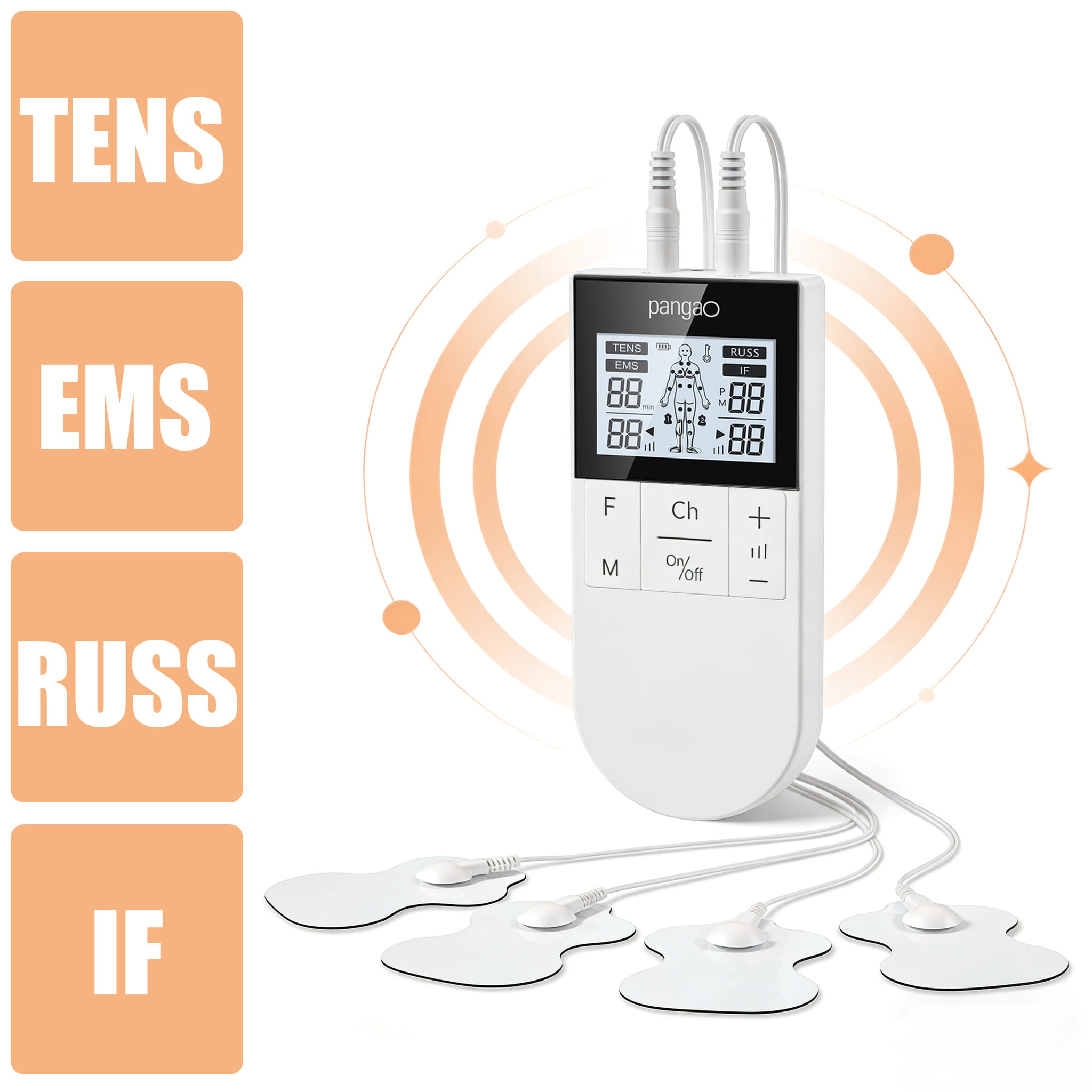
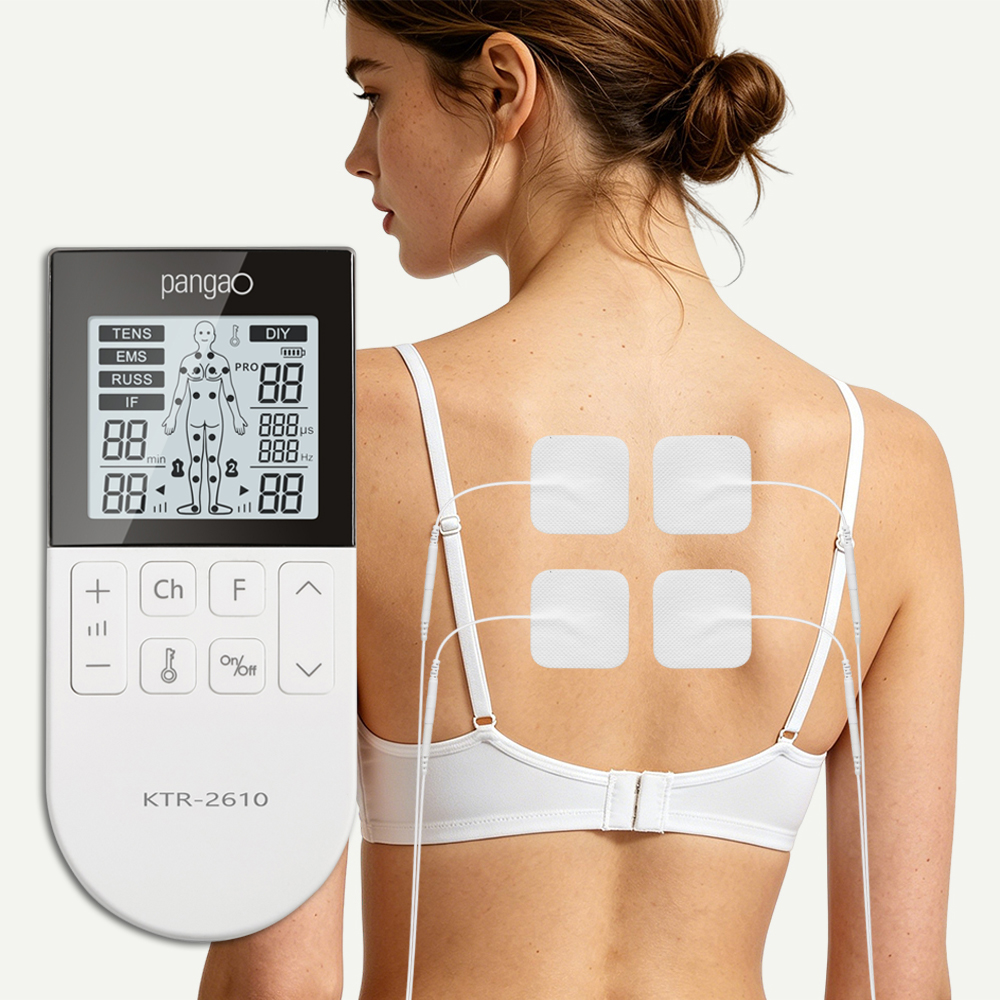
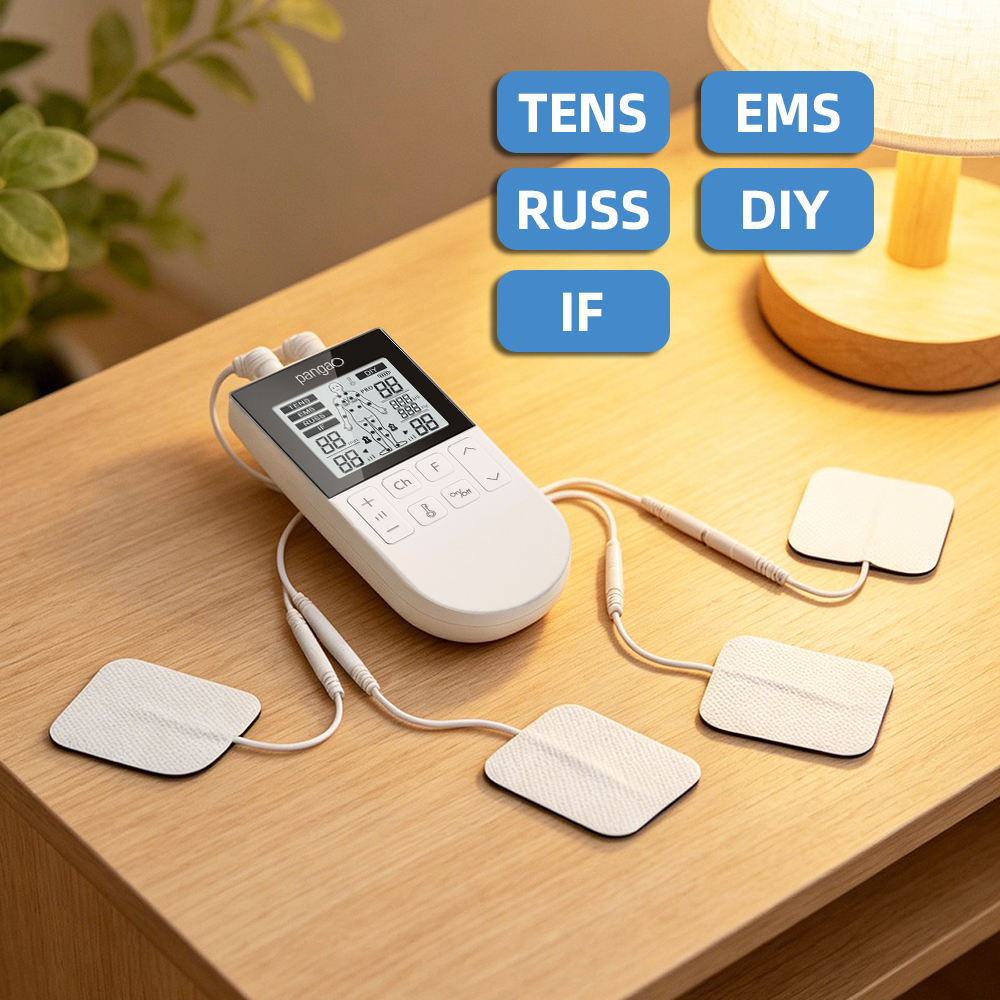
1. The China EMS Device Manufacturing Ecosystem: Industry Sourcing Overview
The global market for electrical muscle stimulation (EMS) and transcutaneous electrical nerve stimulation (TENS) devices has experienced exponential growth, driven by an aging global demographic, increasing demand for non-pharmacological pain management, and the rapid expansion of home-use wellness electronics. When evaluating Top China EMS Device Factories & Suppliers, institutional procurement teams, healthcare brand owners, and medical device distributors must navigate a complex landscape of technical capabilities, regulatory compliance frameworks, and supply chain logistics.
China, particularly the Guangdong-Hong Kong-Macao Greater Bay Area (concentrated around Shenzhen and Dongguan), serves as the global epicenter for medical electrotherapy engineering and assembly. The region integrates a complete upstream and downstream industrial chain, encompassing precision surface-mount technology (SMT) PCBA assembly, custom biomedical hydrogel formulation, medical-grade silicone injection molding, and automated firmware flashing. Direct factory partnerships in Shenzhen allow international brands to achieve superior cost efficiency without compromising on strict biological safety or pulse wave accuracy.
2. Engineering Waveform Architectures: TENS, EMS, IF, and Russian Stimulation
A primary differentiator of advanced OEM suppliers is their ability to engineer stable, multi-waveform micro-current output circuits. Understanding the bio-electrical mechanics of these waveforms is essential for brand positioning, medical device registration, and targeted therapy marketing.
| Waveform Type | Frequency Range (Hz) | Pulse Width (μs) | Primary Physiological Mechanism | Target Clinical Application |
|---|---|---|---|---|
| TENS (Transcutaneous Electrical Nerve Stimulation) | 2 Hz - 150 Hz | 50 μs - 250 μs | Stimulates A-beta sensory fibers to close nerve gates; triggers endogenous endorphin release. | Acute & chronic pain relief, menstrual dysmenorrhea, back/neck analgesia. |
| EMS (Electrical Muscle Stimulation) | 1 Hz - 120 Hz | 200 μs - 400 μs | Depolarizes motor nerves to induce involuntary rhythmic skeletal muscle contractions. | Muscle atrophy prevention, athletic conditioning, blood circulation enhancement. |
| IF (Interferential Current) | 4,000 Hz (Carrier) | Medium Frequency | Two out-of-phase currents intersect deep within tissue, generating a low-frequency beat. | Deep tissue stimulation, severe joint pain, edema reduction with minimal skin resistance. |
| RUSS (Russian Current) | 2,500 Hz (Burst) | 50% Duty Cycle | High-frequency burst current penetrating skin impedance to recruit deep motor units. | Post-surgical rehabilitation, fast muscle mass hypertrophy, professional sports medicine. |
Leading factories like Shenzhen Vilicus Medical Electronics Co., Ltd. integrate all four waveform modalities—alongside customized "DIY" programmable parameters—into compact, dual-channel and 4-channel microprocessor-controlled units. This multi-modal flexibility enables brand partners to target both over-the-counter (OTC) retail channels and professional clinical markets under a unified hardware platform.
3. Key Evaluation Criteria for Selecting a Top-Tier EMS OEM Manufacturer
When vetting suppliers on industrial platforms or performing remote/onsite factory audits, procurement managers should focus on five core technical capabilities to avoid common quality pitfalls such as unstable pulse intensity, rapid battery drain, or premature gel pad degradation.
Pulse Accuracy & Load Matching
High-quality units feature constant-current output circuits that maintain precise voltage delivery across varying skin resistance loads (typically tested at 500Ω to 2,000Ω standard body impedance models).
Biocompatible Electrodes
Ensure hydrogel pads meet ISO 10993 cytotoxicity, skin irritation, and sensitization standards, maintaining stable electrical conductivity through 30+ reusable treatment sessions.
Regulatory Clearances
Verify factory-held market clearances including US FDA 510(k), EU MDR Class IIa certificates, Australian TGA, and ISO 13485 quality system certifications.
Enterprise Strengths: Shenzhen Vilicus Medical Electronics Co., Ltd.
As an established industry pioneer in home physiotherapy and electrotherapy device manufacturing, Shenzhen Vilicus Medical Electronics Co., Ltd. offers global brand owners a robust OEM/ODM production foundation.
- ✓ 15,700 m² Modernized Manufacturing Facility: Equipped with dust-free SMT lines, automated assembly belts, and continuous aging test stations.
- ✓ 300+ Group R&D Engineers: Specialized in biomedical engineering, firmware development, PCB layout, and industrial ergonomic design.
- ✓ 210 Verified Technical Operations Staff: Fully trained under ISO 13485 standards for precision assembly and continuous quality assurance.
- ✓ Comprehensive Global Clearances: Certified under ISO 13485, US FDA 510(k), EU MDR, TGA, CE, RoHS, and audited by BSCI & SGS onsite.
- ✓ End-to-End Private Labeling: Custom shell tooling, custom waveform firmware programming, packaging design, and multilingual manual support.
- ✓ Strict 100% Quality Inspection: Every unit undergoes 100% output voltage testing, high-voltage insulation checks, and battery safety burn-in.
5. Future Sourcing & Technology Trends in EMS/TENS Manufacturing (2025–2030)
The medical electrotherapy sector is shifting rapidly from standalone, single-function pulse generators to intelligent, multi-modal, and wearable digital health platforms. Importers and brands planning their 3-to-5-year product roadmaps must consider several macro technology trends:
Multi-Modal Hybrid Therapy
Future devices integrate low-frequency EMS/TENS with photobiomodulation (660nm Red Light / 850nm Near-Infrared) and thermal heating. Hybrid devices accelerate soft tissue recovery and improve blood microcirculation simultaneously.
App Connectivity & AI Algorithms
Bluetooth Low Energy (BLE 5.3) enabled devices connect with iOS/Android mobile applications, collecting treatment duration, intensity levels, and real-time user feedback to auto-adjust pulse parameters via adaptive treatment protocols.
Discreet Cable-Free Wearables
Miniaturized magnetic button electrodes and ultra-thin flexible PCB circuits are replacing heavy wired handheld units, enabling discreet period pain relief and muscle stimulation worn seamlessly under everyday clothing.
6. Frequently Asked Questions (FAQ) for Global B2B Sourcing
Here are key technical and commercial answers to frequent inquiries from medical device importers, retail buyers, and private label brand managers.
What is the Minimum Order Quantity (MOQ) for custom OEM orders?
Standard OEM private label orders (including custom logo printing, customized user manual, and branded packaging) typically start at 1,000 units per model. For specialized EMS foot therapy units, MOQs start from 500 units, while select entry-level wireless units start at 3,000 units.
How does the factory ensure regulatory compliance for US FDA and EU MDR markets?
Vilicus operates under a audited ISO 13485 Quality Management System. Selected models possess existing US FDA 510(k) clearances and EU MDR Class IIa certificates. For custom ODM designs, our R&D engineering team provides full technical documentation (TF/DHF), biological evaluation reports (ISO 10993), EMC/IEC 60601-1-2 test data, and software lifecycle documentation to streamline your local market registration.
What is the difference between TENS and EMS function in a single machine?
TENS (Transcutaneous Electrical Nerve Stimulation) specifically targets sensory nerves to block pain signals from reaching the brain, ideal for symptomatic pain relief. EMS (Electrical Muscle Stimulation) targets motor nerves to contract muscle fibers for conditioning, strengthening, and circulation. Combining both in a dual-channel unit gives end-users comprehensive pain-to-recovery coverage.
What are the standard production lead times and sample delivery timelines?
Evaluation samples with standard firmware are dispatched within 3 to 5 business days. Customized OEM prototype samples (with logo print and custom housing color) take approximately 10 to 14 days. Full-scale mass production lead time is generally 30 to 35 days post sample sign-off and deposit receipt.
Can Vilicus customize the waveform parameters and pre-set treatment modes?
Yes. Supported by our group R&D engineers, we can program custom pulse widths, frequency ramps, duty cycles, and treatment timers directly into the microcontroller firmware to meet your clinical specifications or brand requirements.
Partner with China’s Leading EMS & TENS Factory Manufacturer
Whether you are launching a new consumer wellness product line, upgrading an existing healthcare portfolio, or seeking an ISO 13485 certified direct manufacturer in Shenzhen, our engineering team is ready to assist.