Featured Medical-Grade EMS & TENS Therapy Products
Explore our certified electrotherapy solutions designed for clinical, physical therapy, and home healthcare distribution.
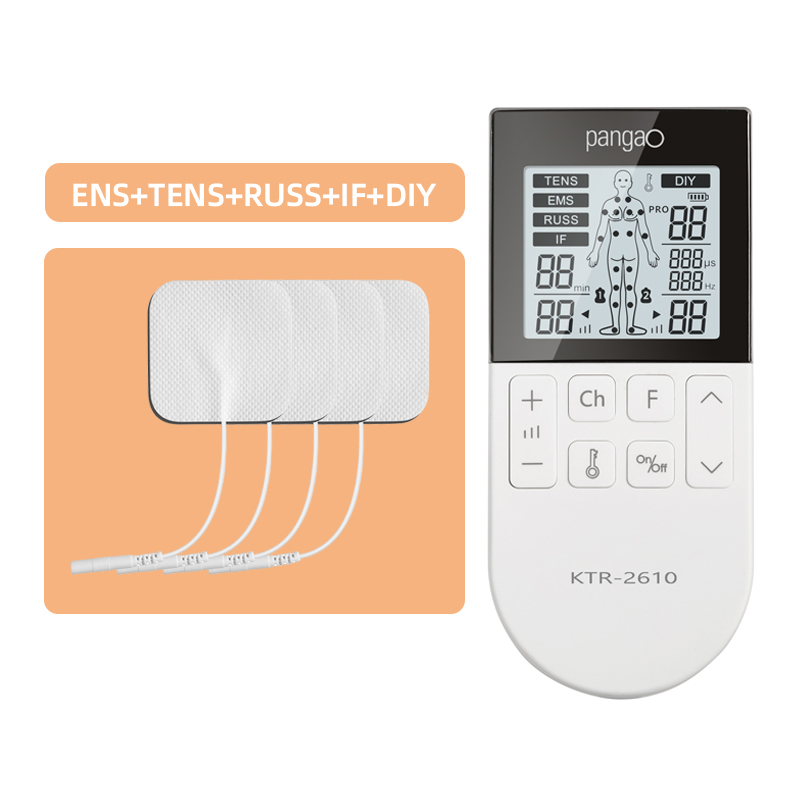
Medical Electric Muscle Stimulator Dual Channel TENS EMS Unit
View Specifications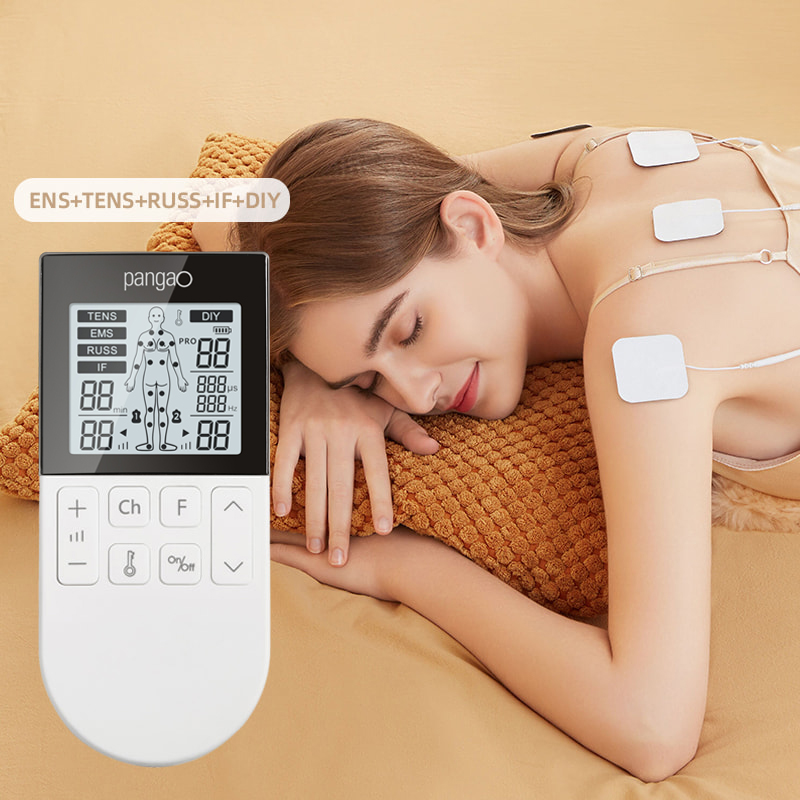
Electric Rechargeable Large LCD Display EMS TENS Machine
View Specifications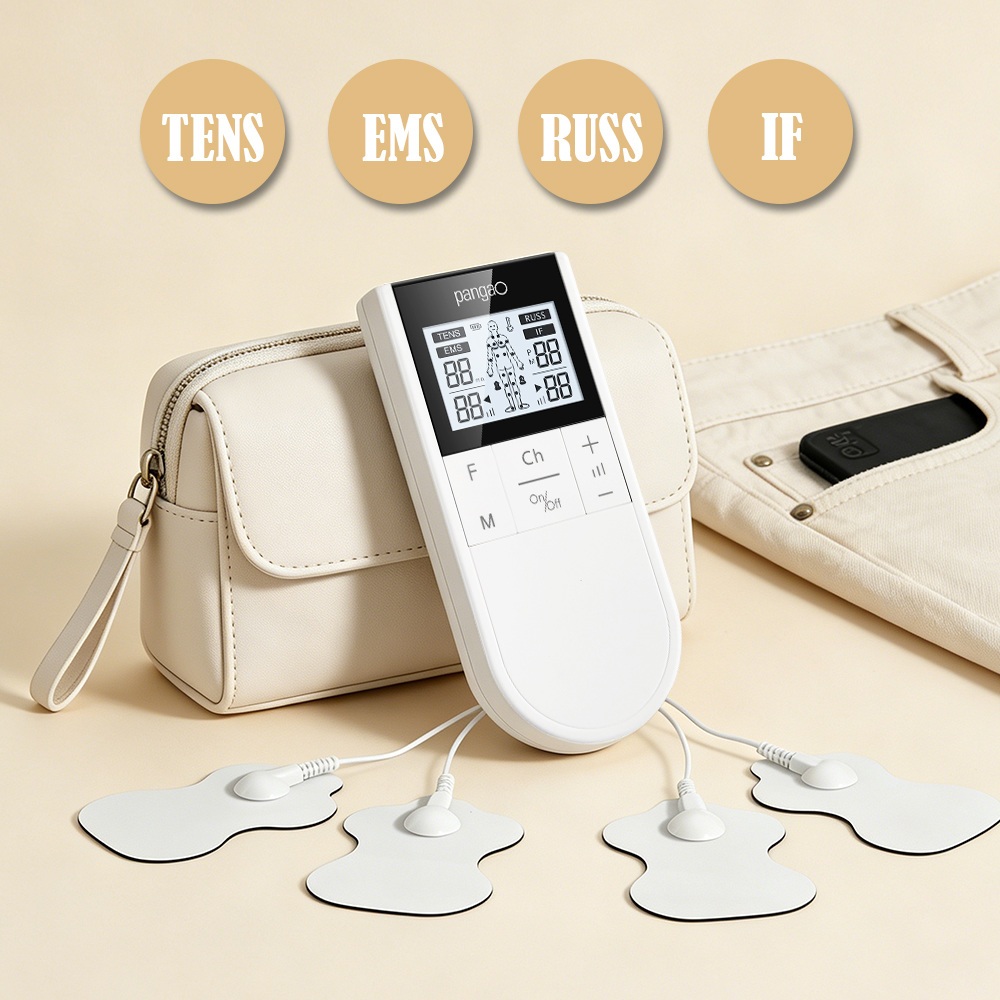
Multifunctional Portable Digital Nerve & Muscle Stimulator
View Specifications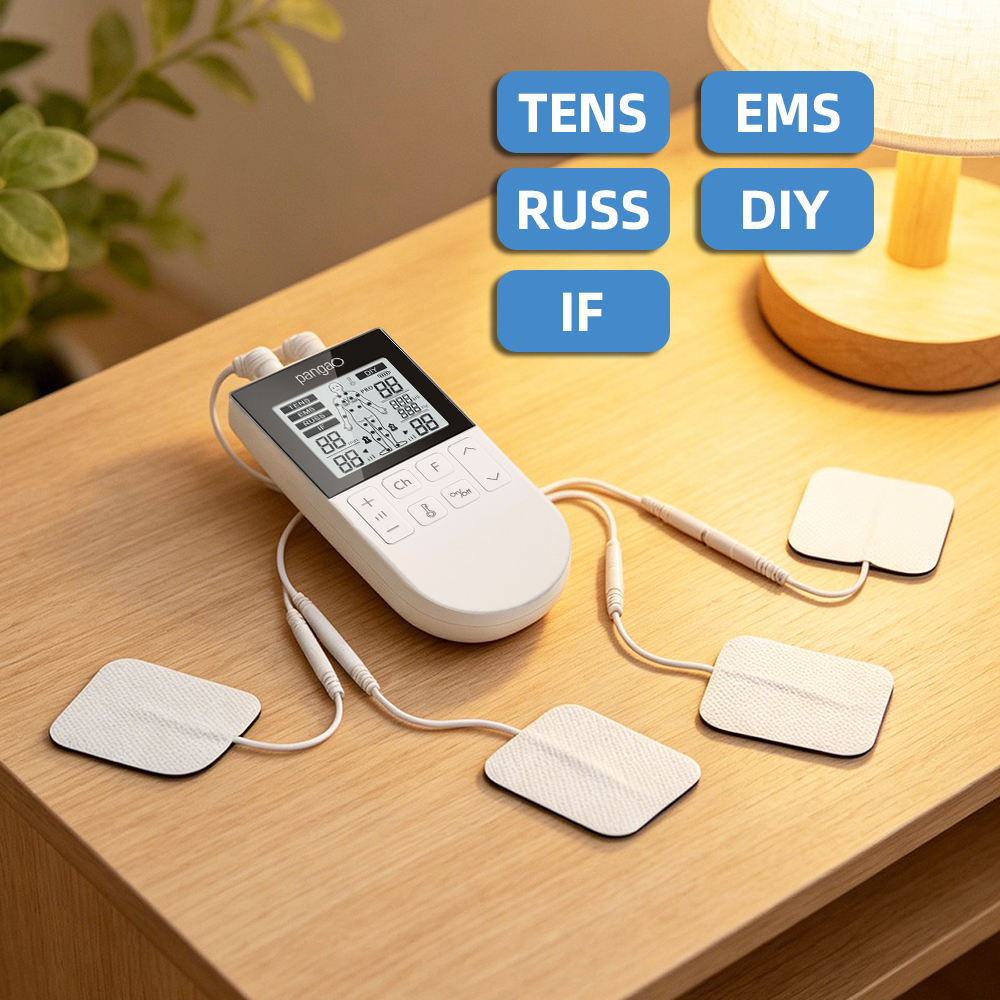
Multifunctional Pain Relief & Muscle Strengthening Device
View Specifications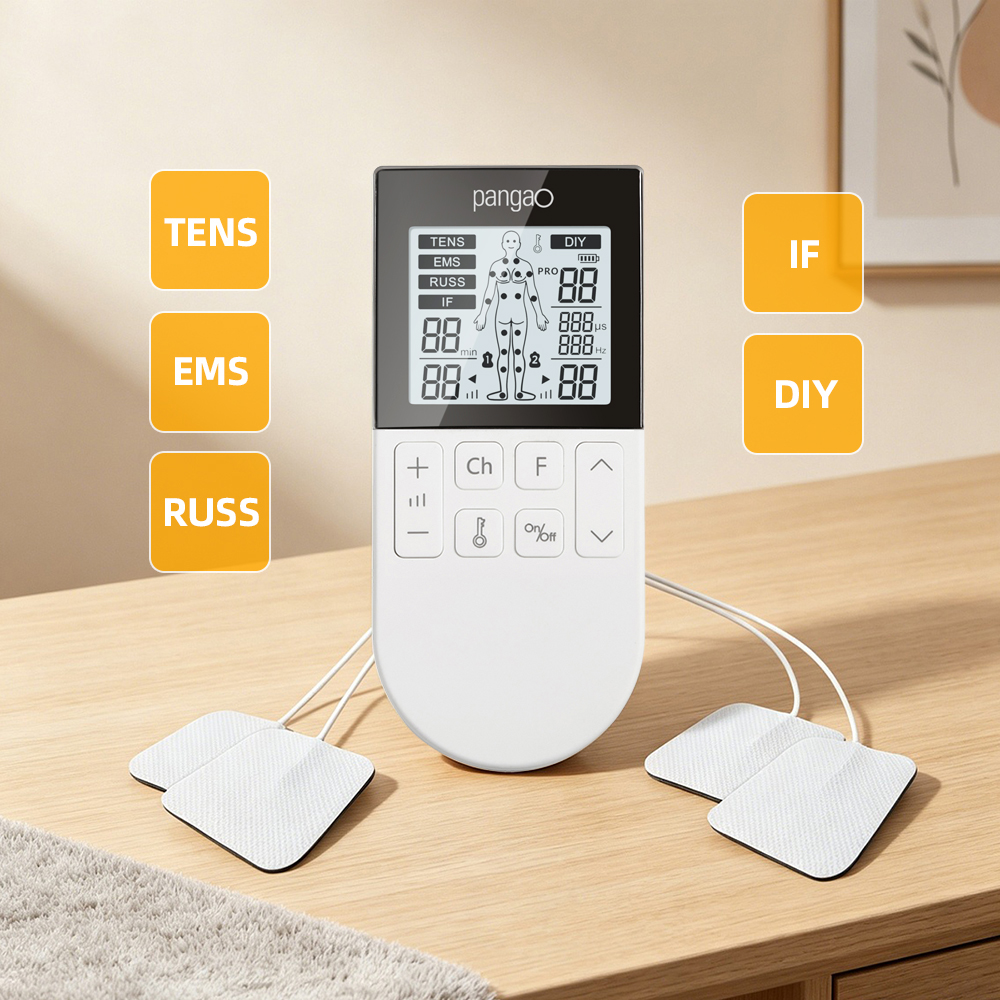
80-Mode Dual Channel Electronic Pulse EMS TENS Machine
View Specifications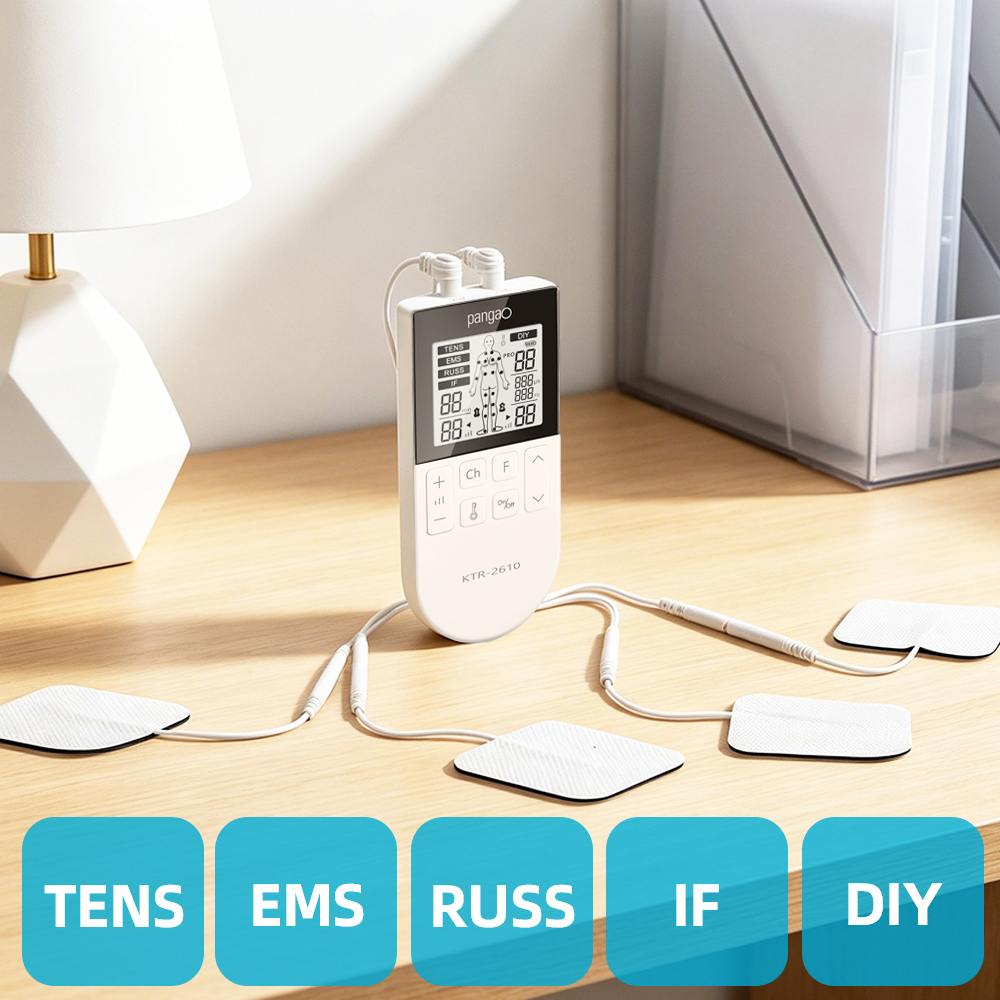
Rechargeable 5-in-1 Combo EMS TENS Physical Therapy Unit
View Specifications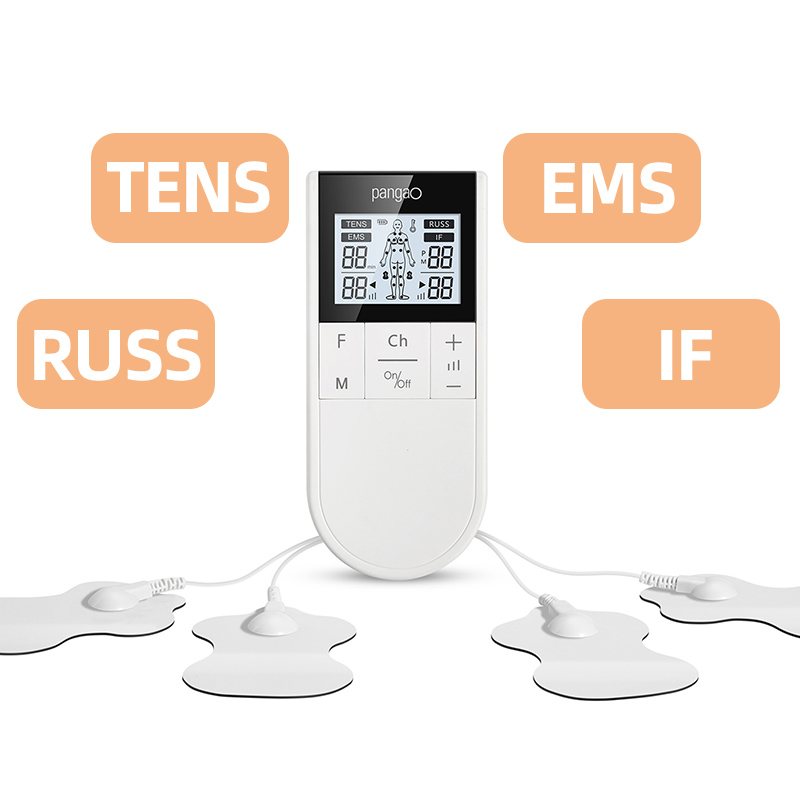
Dual Channel 4-in-1 IF RUSS EMS TENS Muscle Stimulator
View Specifications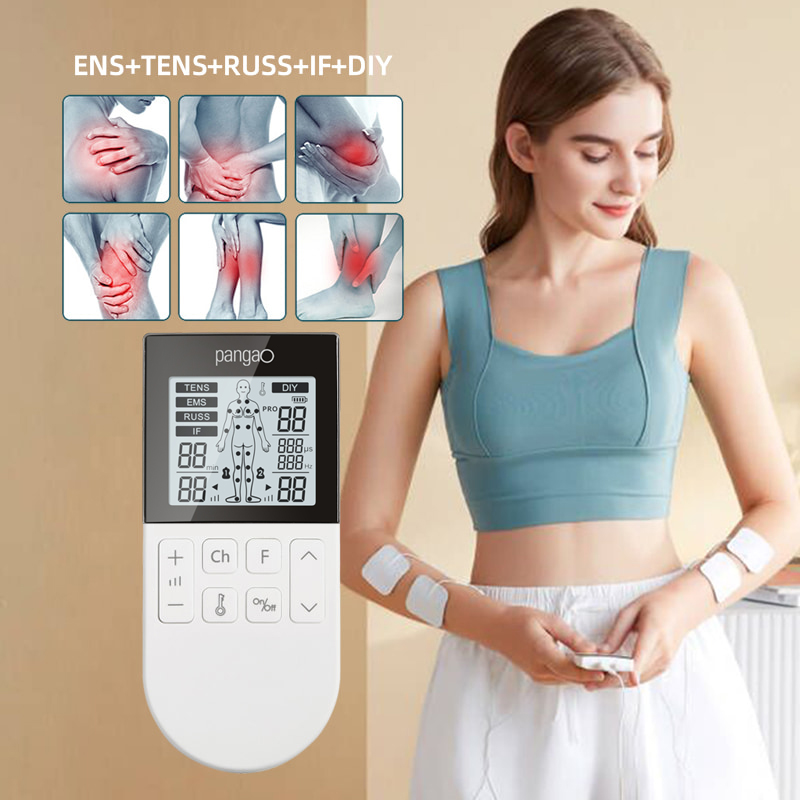
Portable 5-in-1 IF RUSS EMS TENS Electrotherapy Device
View SpecificationsExecutive Summary & Industry Overview
Navigating the global bio-electric stimulation supply chain: market size, technology convergence, and regulatory shifts.
The global market for electrical neuromuscular electrotherapy devices—specifically Electrical Muscle Stimulation (EMS) and Transcutaneous Electrical Nerve Stimulation (TENS) machines—has transitioned from niche clinical physical therapy settings into mass home healthcare, sports performance rehabilitation, and specialized consumer wellness ecosystems. Driven by an aging global demographic, an escalating incidence of chronic neurological and musculoskeletal pain, and a surging consumer preference for drug-free pain relief solutions, the EMS therapy device market is projected to expand at a CAGR of 6.8% through 2030.
For international procurement managers, medical device importers, and private-label brands, sourcing from top-tier original equipment manufacturers (OEM) and original design manufacturers (ODM) requires a rigorous evaluation that goes far beyond unit cost. Key decision vectors now include microcontroller waveform stability, multi-channel circuit isolation, biocompatibility of hydrogel electrode pads, and strict compliance with evolving global medical regulations such as the European Union’s Medical Device Regulation (EU MDR 2017/745), US FDA 510(k) clearances, and Australian TGA registrations.
Top 10 EMS Therapy Machine Manufacturers & Exporters Evaluation Matrix
Comparative benchmarking of leading manufacturing hubs across key operational performance indicators.
| Manufacturer Tier / Hub | Primary Technology Specialization | Quality & Regulatory Clearance | Customization & ODM Depth | Production Lead Time | B2B Cost Efficiency |
|---|---|---|---|---|---|
| Shenzhen Vilicus Medical (China) | Combo TENS/EMS, IF, RUSS, Menstrual Heat-TENS, EMS Foot Stimulators | ISO 13485 FDA 510(k) EU MDR TGA | Full ODM/OEM (Firmware, PCB, App, Shell Moulding) | 25 - 35 Days | Very High |
| Tier-1 German Bio-Med Hubs | High-End Clinical Rehabilitation & Diagnostic EMS | ISO 13485 EU MDR Class IIa/b | Limited (Standardized Clinical Platforms) | 60 - 90 Days | Moderate |
| US Medical Technology OEM Suppliers | Prescription Sports Physical Therapy & Telehealth-TENS | US FDA 510(k) UL/ETL | Custom Branding on Modular Pods | 45 - 60 Days | Low to Moderate |
| South Korean Electro-Wellness Exporters | Wearable Micro-Current & Aesthetic Body Sculpting EMS | ISO 13485 MFDS CE | High Aesthetic Design & Smart Connectivity | 30 - 45 Days | Moderate |
| Japanese Consumer Health Manufacturers | Low-Frequency Massagers & Specialized Acupoint EMS | PMDA ISO 13485 | Proprietary Algorithms / Contract Manufacturing | 45 - 65 Days | Moderate |
Information Gain Insight: While European and North American manufacturers maintain a stronghold in high-budget clinical diagnostic equipment, Shenzhen-based manufacturers like Shenzhen Vilicus Medical Electronics Co., Ltd. lead the global export volume in portable, home-use, and commercial-grade EMS/TENS devices. By combining massive vertical integration (in-house SMT surface mount technology, plastic injection moulding, and automated assembly) with strict ISO 13485 medical quality management, Shenzhen exporters provide international buyers with uncompromised compliance at optimal unit economics.
Engineering Core Capabilities: Understanding Waveform Modalities
A buyer's technical guide to selecting impulse profiles for maximum efficacy and targeted marketing claims.
1. TENS (Sensory Nerve Stimulation)
Operates in the low-frequency range (1 Hz to 150 Hz) with short pulse durations (50 µs to 250 µs). TENS targets sensory nerve fibers to block pain signals sent to the brain via the Gate Control Theory, while stimulating endogenous endorphin release for natural analgesia.
2. EMS / NMES (Motor Nerve Stimulation)
Utilizes higher intensity currents with longer pulse widths (200 µs to 400 µs) at 20 Hz to 80 Hz to elicit involuntary muscle contractions. Used extensively for muscle atrophy prevention, athletic conditioning, hyper-tone relaxation, and peripheral vascular circulation improvement.
3. IF & RUSS (Deep Tissue Waveforms)
Interferential Current (IF) crosses two medium-frequency waves (e.g., 4000 Hz) inside deep tissue to minimize skin impedance. Russian Stimulation (RUSS) uses 2,500 Hz sinusoidal bursts engineered specifically for motor muscle recruitment in high-level sports rehabilitation.
Future Procurement Trends in EMS Therapy Equipment
Anticipating market demand shifts to keep your product pipeline ahead of global competitors.
1. Multi-Modal Convergence: EMS + Thermal Compression + Photobiomodulation
Standalone electrotherapy devices are rapidly yielding market share to multi-modal hybrid platforms. Modern procurement orders heavily favor units that integrate EMS micro-currents with 660nm Red Light / 850nm Near-Infrared (NIR) LEDs and rapid graphene thermal heating. Products such as EMS foot circulation stimulators and targeted low-back pain pads that offer simultaneous thermal and light therapy command significantly higher retail margins.
2. Wearable Form Factors & Wireless App-Controlled Pods
Cable management remains a primary consumer friction point. The industry is seeing a decisive transition toward compact, cable-free wireless TENS/EMS pods attached directly to targeted hydrogel pads. These devices sync via Bluetooth Low Energy (BLE 5.0) to iOS/Android companion apps or sleek handheld RF remotes, offering customizable pulse programs and real-time intensity tracking.
3. FemTech & Gender-Specific Electrotherapy Solutions
Non-pharmacological period pain relief is one of the fastest-growing sub-categories within medical consumer health. Importers are expanding portfolio lines with dedicated wireless menstrual cramp relief TENS devices featuring ergonomic waist belts and soothing heat compressions, as well as specialized pelvic floor muscle strength trainers.
4. Regulatory Stringency & Biological Evaluation Sourcing
With global authorities enforcing stricter oversight on skin-contact medical equipment, international buyers are prioritizing suppliers who provide complete biological evaluation safety dossiers—including ISO 10993 cytotoxicity, sensitization, and intracutaneous reactivity testing for electrode hydrogels and plastic enclosures.
Corporate Advantage & Manufacturer Audit Profile
Why Shenzhen Vilicus Medical Electronics Co., Ltd. ranks as a premier manufacturing partner for global importers.
ISO 13485 & Global Approvals
Our quality management system is strictly audited to ISO 13485 standards. We hold market clearances including US FDA 510(k), European Union MDR CE, Australian TGA, and social compliance audits like BSCI, backed by onsite SGS verification.
300+ Group R&D Engineers
With roots in electronic hardware engineering dating back to 2000, our experienced engineering group handles PCB circuit topology, customized MCU firmware development, ergonomic industrial design, and smartphone application coding fully in-house.
100% Quality Inspection Assurance
Spanning 15,700 m² of modern manufacturing space in Shenzhen, our production lines enforce 100% full finished-product testing (output current stability, high-voltage safety testing, and thermal overload control) prior to international export shipment.
Frequently Asked Questions for Medical Importers & OEM Buyers
Addressing critical procurement, compliance, and customization inquiries.
What is the standard Minimum Order Quantity (MOQ) for custom OEM production?
Standard wired and wireless TENS/EMS units start at an MOQ of 1,000 pieces for customized branding, logo printing, and user manual packaging. Larger EMS foot therapy machines start from 500 pieces, while compact entry-level wireless pulse massagers start at 3,000 pieces.
Can Vilicus customize impulse program parameters and treatment waveforms?
Yes. Our in-house firmware development team can customize pulse frequency (Hz), pulse width (µs), ramp-up/ramp-down timers, treatment cycle durations, and specific multi-stage preset treatment profiles tailored to your market's target medical indications.
How do you assist buyers with US FDA 510(k) and EU MDR regulatory filings?
We provide full technical documentation packages (STED), IEC 60601-1 electrical safety reports, IEC 60601-1-2 EMC testing, ISO 10993 biocompatibility data, and risk management files (ISO 14971) to streamline your market registration process with health authorities.
What is the typical production timeline from sample confirmation to delivery?
Pre-production sample evaluation and customized branding artwork take approximately 7 to 10 business days. Bulk mass production cycles typically run between 25 and 35 calendar days depending on component availability and total order volume.
Partner with a Certified EMS & TENS Therapy Device Manufacturer
Launch your private-label electrotherapy line with high-yield parameters, full regulatory clearance, and factory-direct OEM pricing from Shenzhen, China.