Featured Dual-Channel TENS & EMS Devices
Direct Factory OEM/ODM Solutions Certified for Medical & Retail Distribution
1. Executive Summary: The Global Landscape of Dual-Channel TENS Unit Manufacturing
Transcutaneous Electrical Nerve Stimulation (TENS) and Electrical Muscle Stimulation (EMS) devices have evolved from bulky, clinical electrotherapy systems into compact, highly efficient home-care medical electronics. As global demand for non-pharmacological, drug-free pain relief accelerates, B2B buyers—ranging from medical equipment distributors to over-the-counter (OTC) consumer wellness brands—face a rapidly changing supply chain landscape.
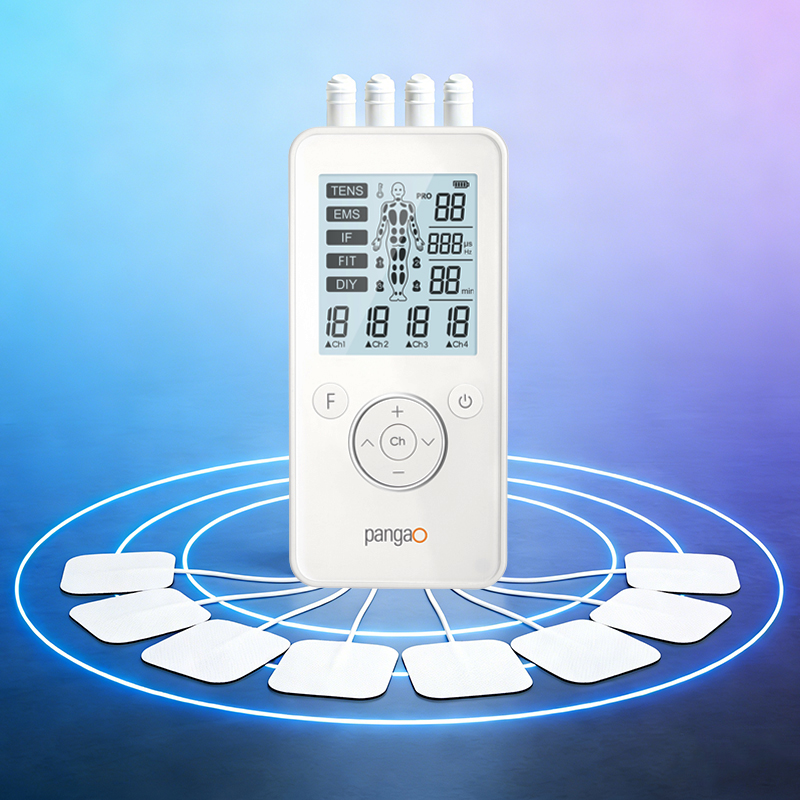
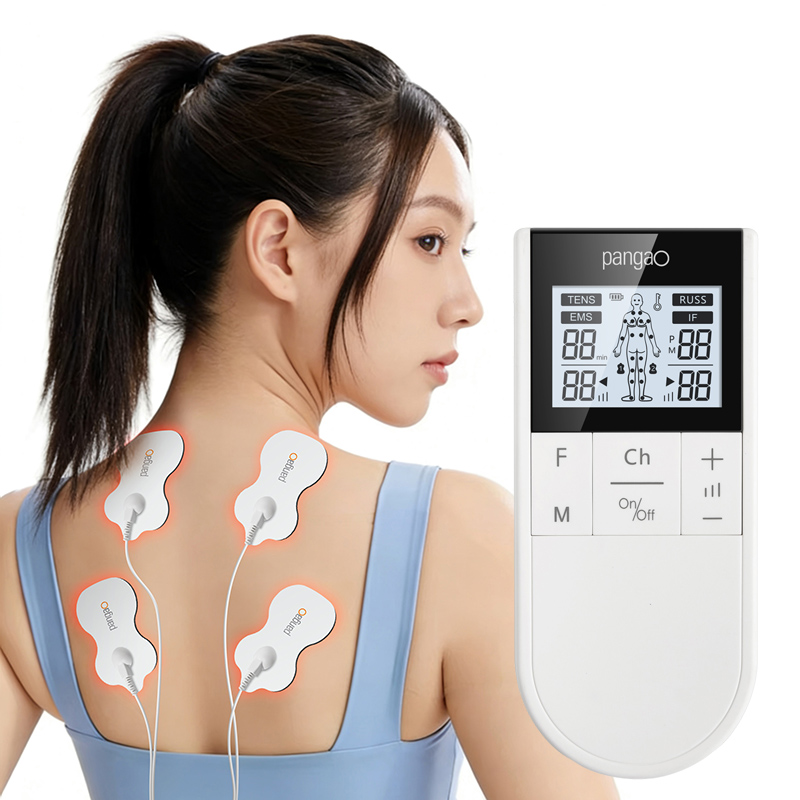
Dual-channel TENS units represent the single most requested category in electrotherapy procurement. Unlike single-channel devices, dual-channel architectures enable isolated circuit control across two distinct output paths (A/B channels). This allows clinicians and home users to simultaneously treat separate anatomical zones (e.g., lower back and shoulder) using independent intensity configurations or synchronized pulse waveforms.
Information Gain Insight: The shift toward dual-channel TENS units in global procurement is primarily driven by regulatory updates in the US (FDA OTC clearances) and Europe (EU MDR transition from MDD). Top-tier factories now incorporate isolated dual transformer circuits to prevent electrical cross-talk, ensuring strict compliance with IEC 60601-2-10 safety standards.
Evaluating the top 10 dual channel TENS unit factories requires looking beyond surface-level unit costs. True competitive advantage stems from hardware reliability, waveform accuracy under varying skin impedance, battery management design, and seamless international certification (FDA 510(k), EU MDR, TGA, and ISO 13485). Shenzhen Vilicus Medical Electronics Co., Ltd. has established itself at the forefront of this manufacturing ecosystem by blending two decades of group electronic assembly expertise with specialized medical R&D.
2. Technology Evolution & Procurement Trends in Electrotherapy (2025–2030)
Procurement teams sourcing dual-channel TENS and EMS machines must anticipate shifting consumer preferences and regulatory benchmarks. Factory capabilities must align with several critical technological advancements:
Multi-Waveform Fusion
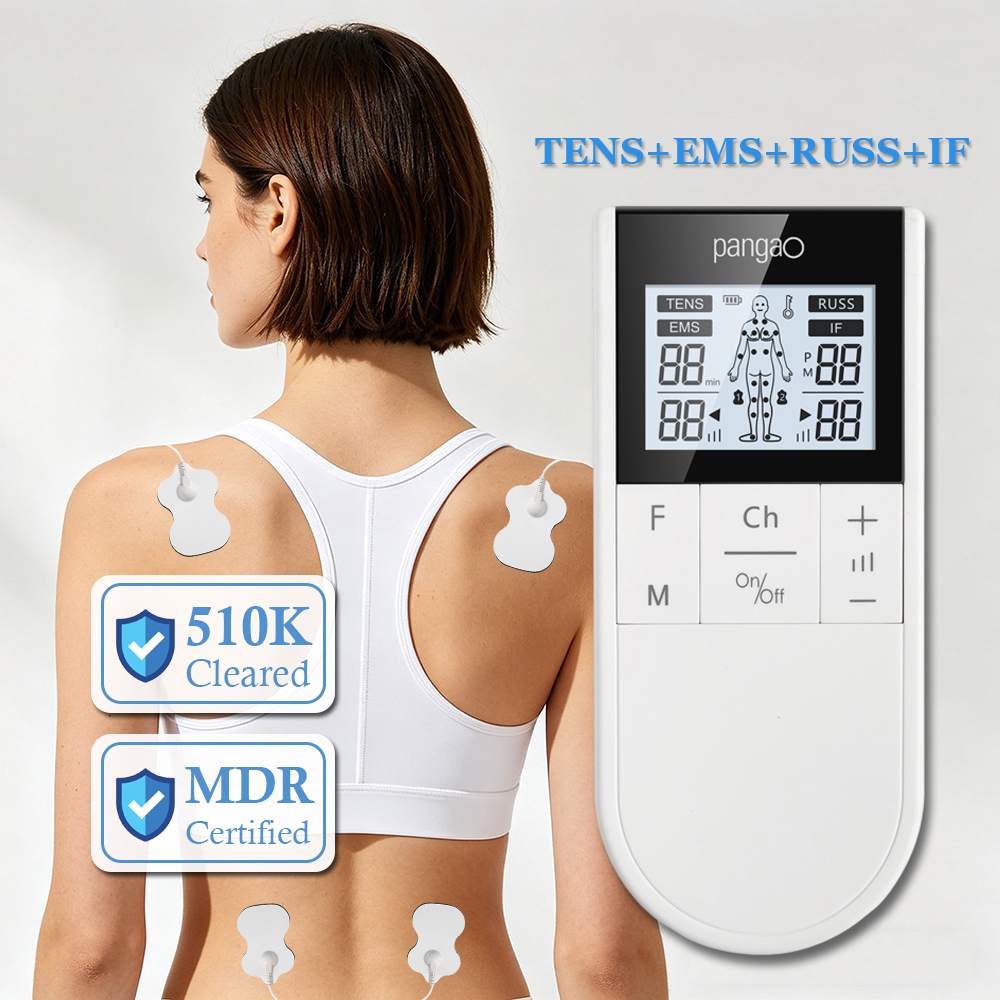
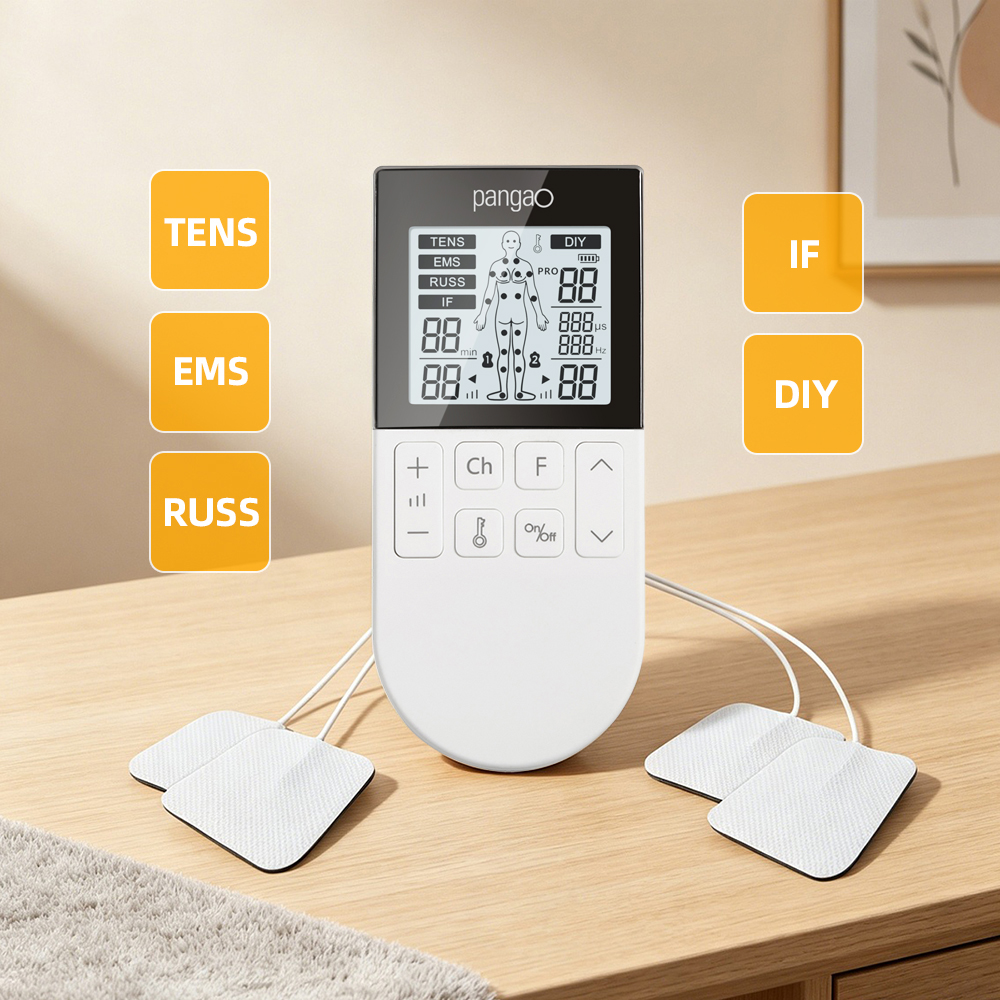
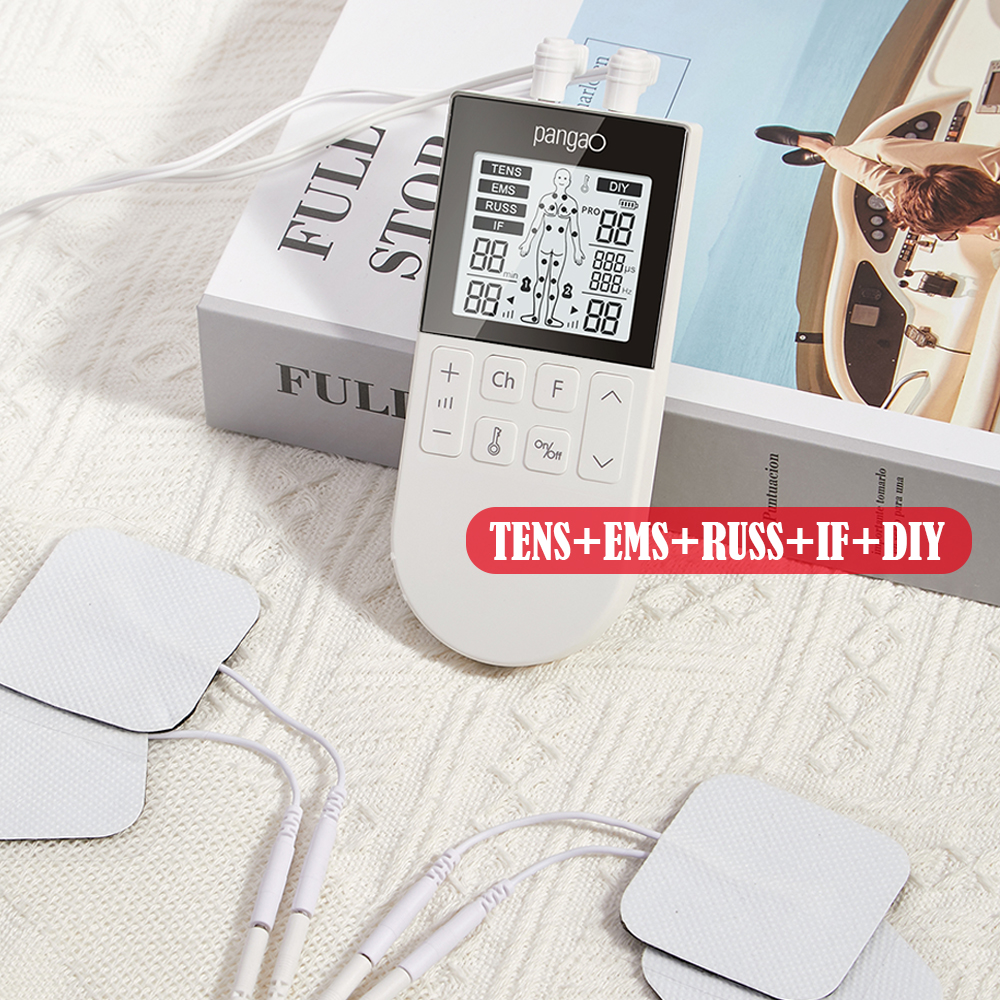
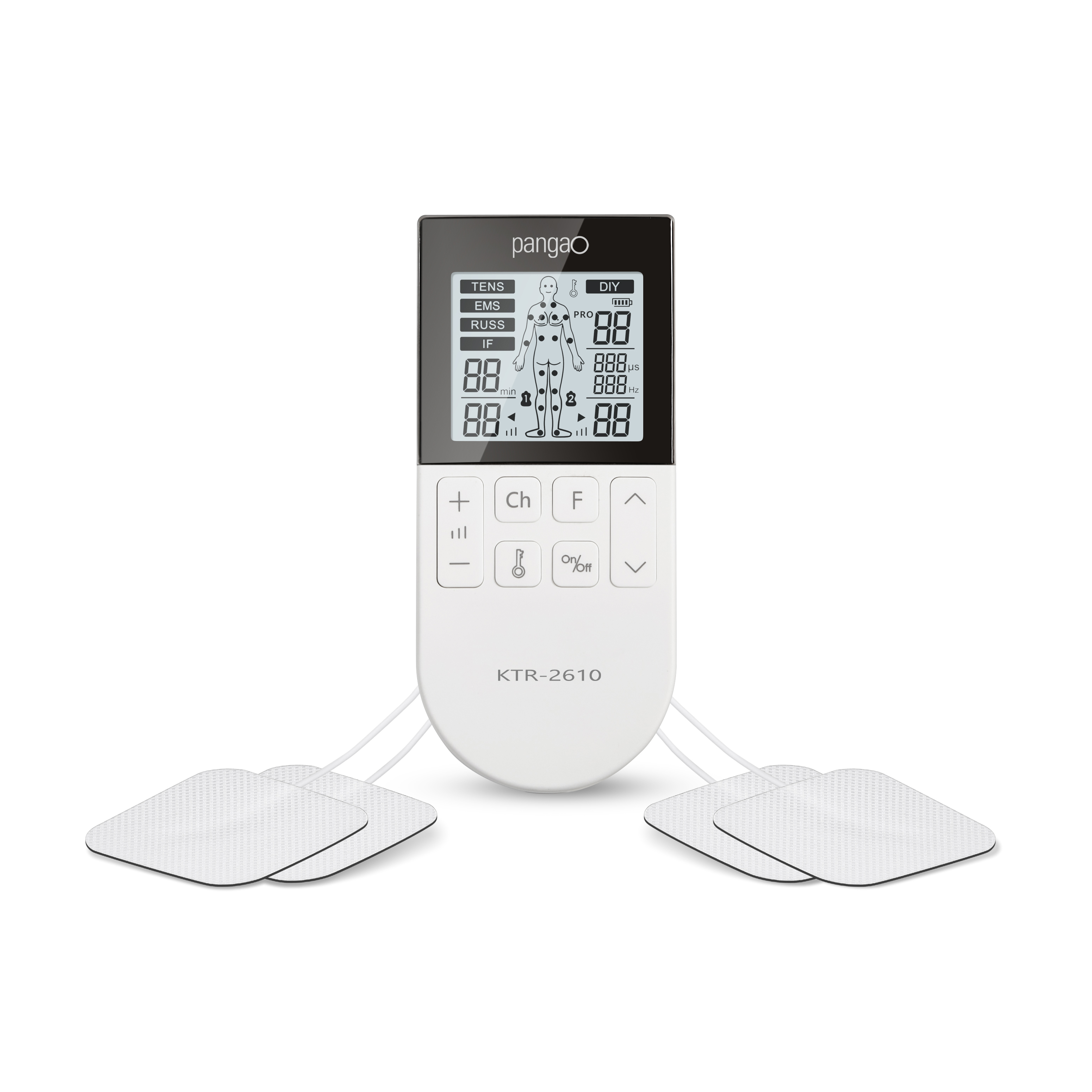
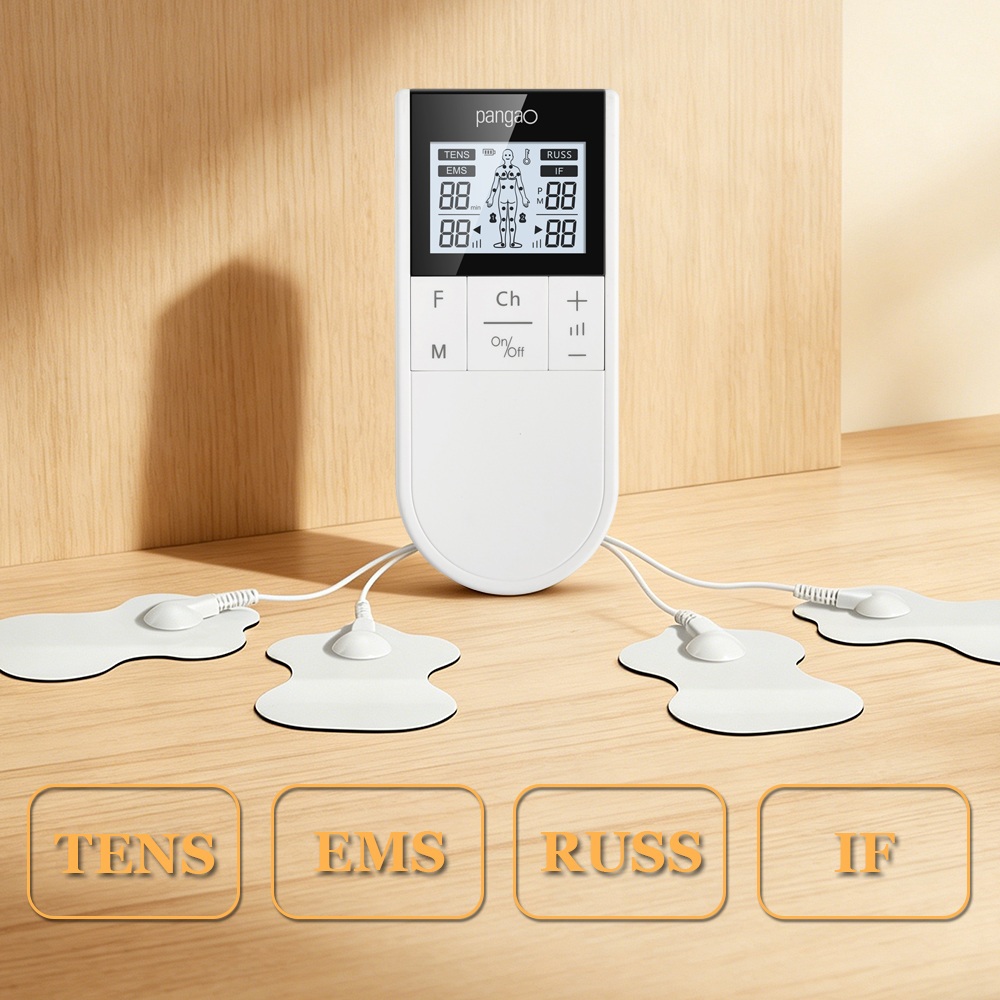
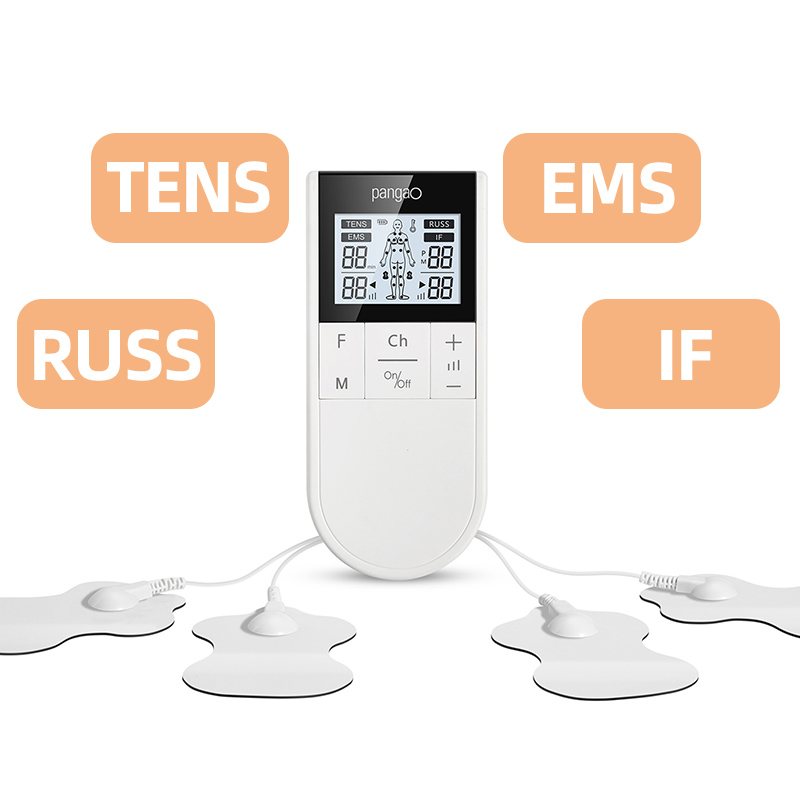
Modern dual-channel platforms integrate TENS, EMS, IF (Interferential), and RUSS (Russian Stimulation) into a single micro-controller architecture, offering versatile therapeutic coverage.
Wireless Pod Modularization
Transitioning from traditional lead wires to RF/Bluetooth remote-controlled wireless dual pads. Wearable dysmenorrhea and low-back heat pads lead this consumer-centric shift.
Photobiomodulation Hybrid
Combining NMES/TENS electrical stimulation with 660nm Red Light and 850nm Near-Infrared LED therapy, specifically tailored for foot circulation and diabetic neuropathy relief.
Technical Benchmark Comparison Matrix for Sourcing Decision-Makers
When shortlisting high-volume TENS factories, hardware engineering specifications dictate product field stability, warranty rates, and end-user compliance. The table below outlines key technical metrics for evaluation:
| Evaluation Parameter | Standard OEM Tier | Vilicus Medical Grade Standard | Impact on Product Quality & Compliance |
|---|---|---|---|
| Channel Isolation | Shared Common Ground | Dual Transformer Optocoupler Isolation | Prevents voltage interference across Channel A and B; compliant with IEC 60601-2-10. |
| Pulse Waveform Precision | ±20% Voltage Drift | ±5% Constant Current Output | Delivers predictable nerve stimulation regardless of skin resistance or pad wear. |
| Max Output Intensity | 0 - 60 mA (under 500Ω) | 0 - 120 mA (100 Digital Levels) | Provides true clinical depth for sports recovery, physical therapy, and deep muscle conditioning. |
| Battery Safety System | Standard Li-ion Board | KC/UL Certified Cell with Dual NTC Protection | Prevents thermal runaway during rapid USB-C fast charging cycles. |
| Electrode Pad Life | 10 - 15 Applications | 30+ Applications (Biocompatible Hydrogel) | Reduces consumable replacement costs and improves end-user product satisfaction ratings. |
3. Factory Selection Protocol: How to Evaluate the Top 10 TENS Factories
Navigating Asian manufacturing hubs requires a structured audit protocol. Medical electrotherapy production differs significantly from standard consumer electronics due to strict physiological safety guidelines.
1. Quality Management System: ISO 13485 Certification
An ISO 9001 factory standard is insufficient for medical electrotherapy. Importers must verify ISO 13485 certification, which mandates rigorous traceability, cleanroom manufacturing controls, design controls, and risk management frameworks (ISO 14971).
2. Regulatory Documentation & Market Access
Factory partners should maintain active technical documentation files ready for international market submission:
- US Market: Premarket Notification 510(k) clearances for OTC pain relief and muscle stimulation indications.
- European Market: EU MDR 2017/745 Class IIa certification issued by accredited Notified Bodies (e.g., TÜV SÜD, SGS, BSI).
- Australian Market: TGA listing via Australian Register of Therapeutic Goods (ARTG).
- Social & Environmental: BSCI factory audits and RoHS/REACH chemical safety compliance for all plastic housings and silicone gel pads.
3. In-House Manufacturing Depth & SMT Assembly
Top-tier factories maintain control over critical sub-assembly stages. Outsourcing surface-mount technology (SMT) PCB assembly leads to batch-to-batch component inconsistency. Leading producers manage high-speed SMT lines, automated optical inspection (AOI), tooling development, and plastic injection in-house.
4. Enterprise Strengths: Shenzhen Vilicus Medical Electronics Co., Ltd.
Shenzhen Vilicus Medical Electronics Co., Ltd. (operating with legacy expertise under the Kentro brand umbrella) stands out as a specialized custom manufacturer of home physiotherapy devices. While our electrotherapy product division was established in 2013, our parent electronics group brings over 25 years of manufacturing experience dating back to 2000.
15,700 m² Production Base
Located in Henggang Street, Shenzhen, our facility operates lean assembly lines, automated pad coating stations, and burn-in testing chambers.
300+ Group R&D Engineers
Our dedicated engineering core covers hardware circuit design, firmware algorithms, MCU programming, biomechanical ergonomics, and mobile software applications.
100% Quality Inspection
Every dual-channel TENS unit undergoes 100% full functional testing, pulse output oscilloscope verification, battery charge/discharge validation, and safety insulation checks.
Vilicus provides flexible OEM and ODM services to leading global brands, e-commerce sellers, and medical distributors across more than 50 countries. Our integrated production control covers every stage: custom color matching, silk-screen logo printing, custom UI display design, localized packaging, custom user manuals, and specialized pre-programmed wave modes.
5. Frequently Asked Questions (FAQ) for OEM/ODM Buyers
Partner with a Certified TENS Unit Manufacturer
Expand your brand portfolio with high-performance, medical-grade dual-channel TENS & EMS solutions. Request product specifications, factory pricing, and full compliance test reports today.