Featured Electrical Nerve & Muscle Stimulation Series
Medical-grade electrotherapy units engineered for global healthcare, physiotherapy, and retail pharmacy brands.
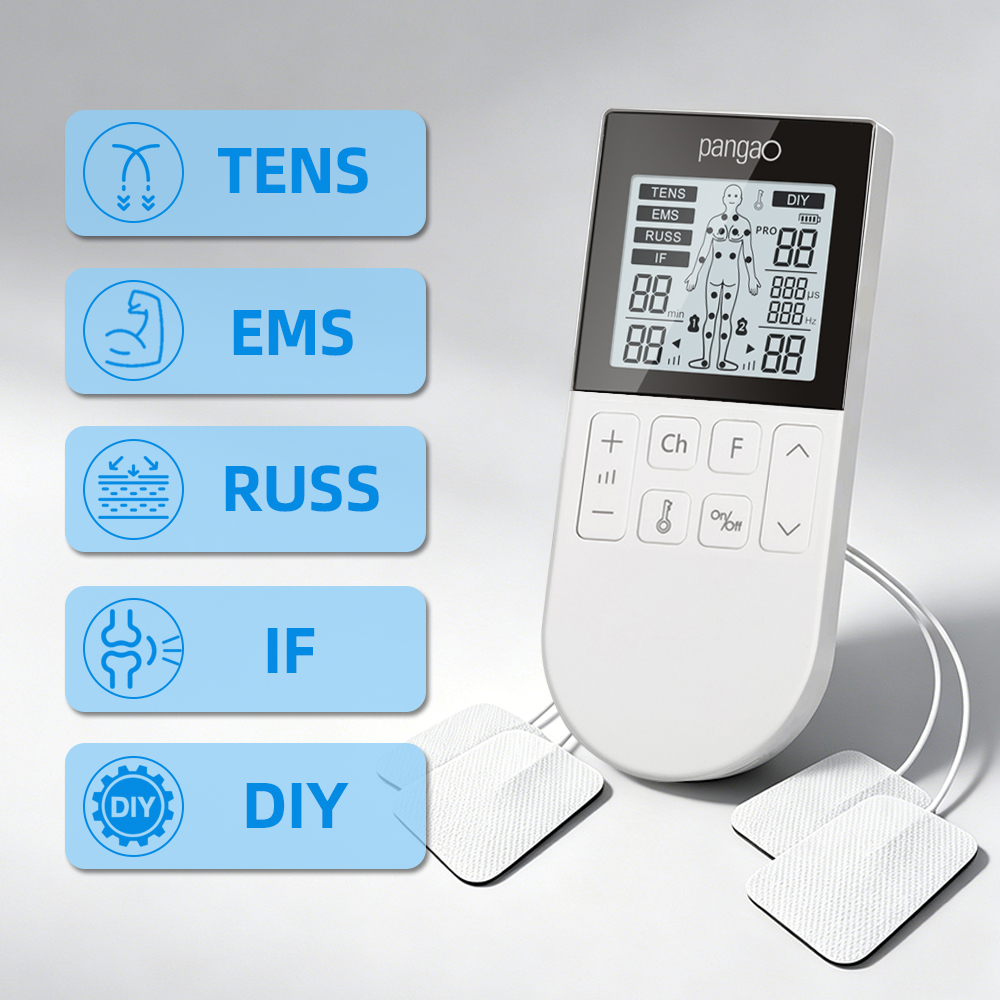
KENTRO Portable Rechargeable Professional Electrotherapy Device 5 in 1 RUSS IF DIY EMS TENS Unit
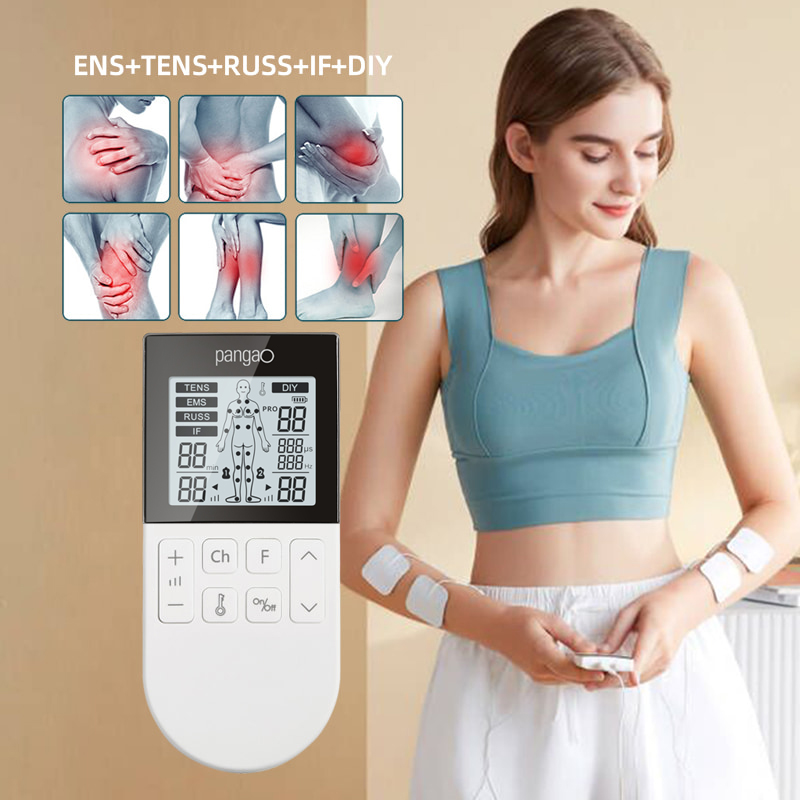
Portable 5 in 1 Pain Relief Electrotherapy Device IF RUSS EMS TENS Unit Muscle Stimulator
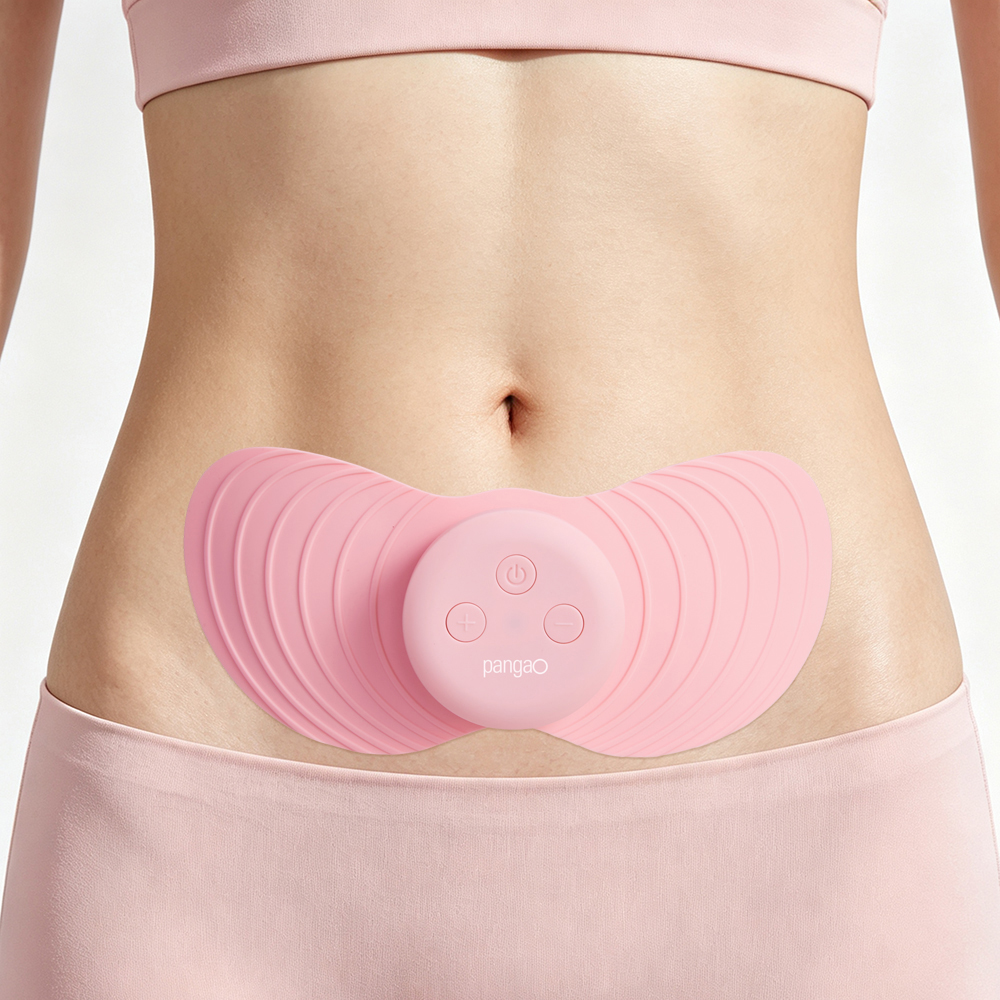
Wireless Portable Electronic Period Pain Relief TENS Unit Digital Physiotherapy Machine with Heating
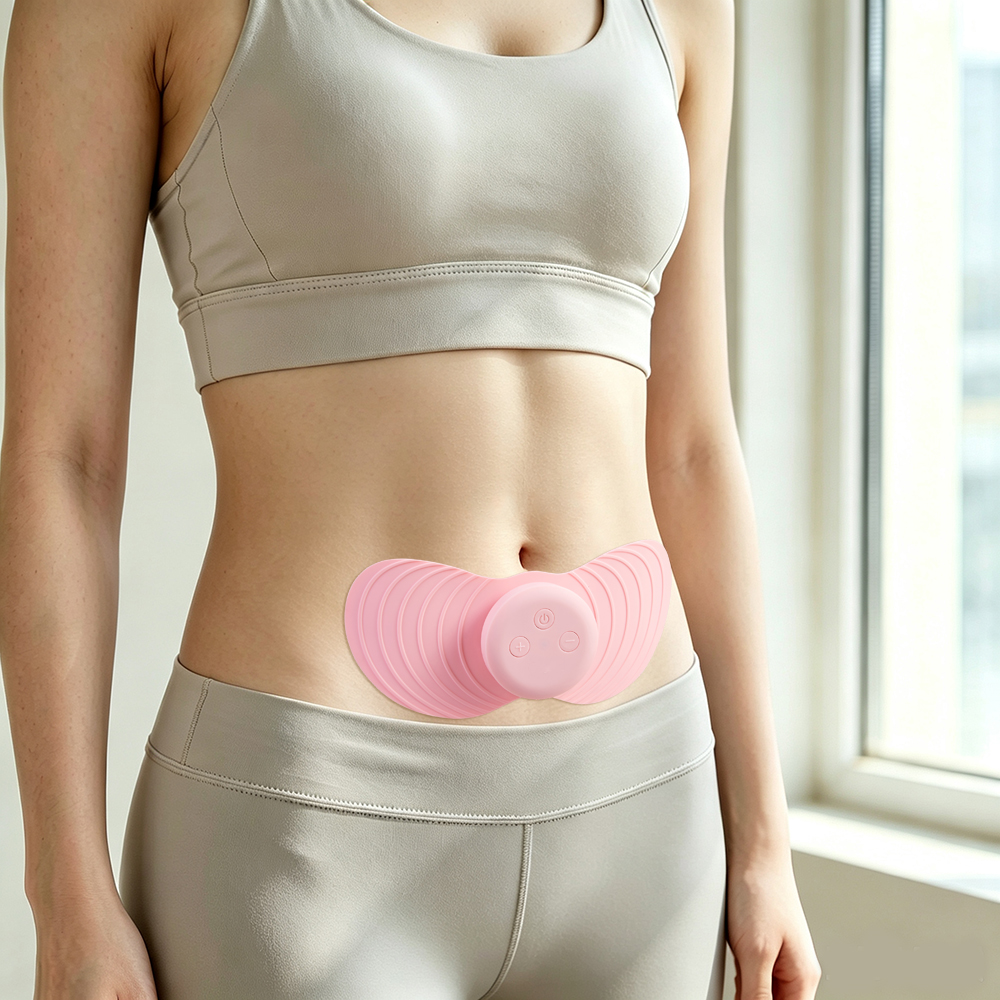
Smart Portable TENS Electrode Pad Menstrual Cramp Massager Wireless TENS Unit for Women
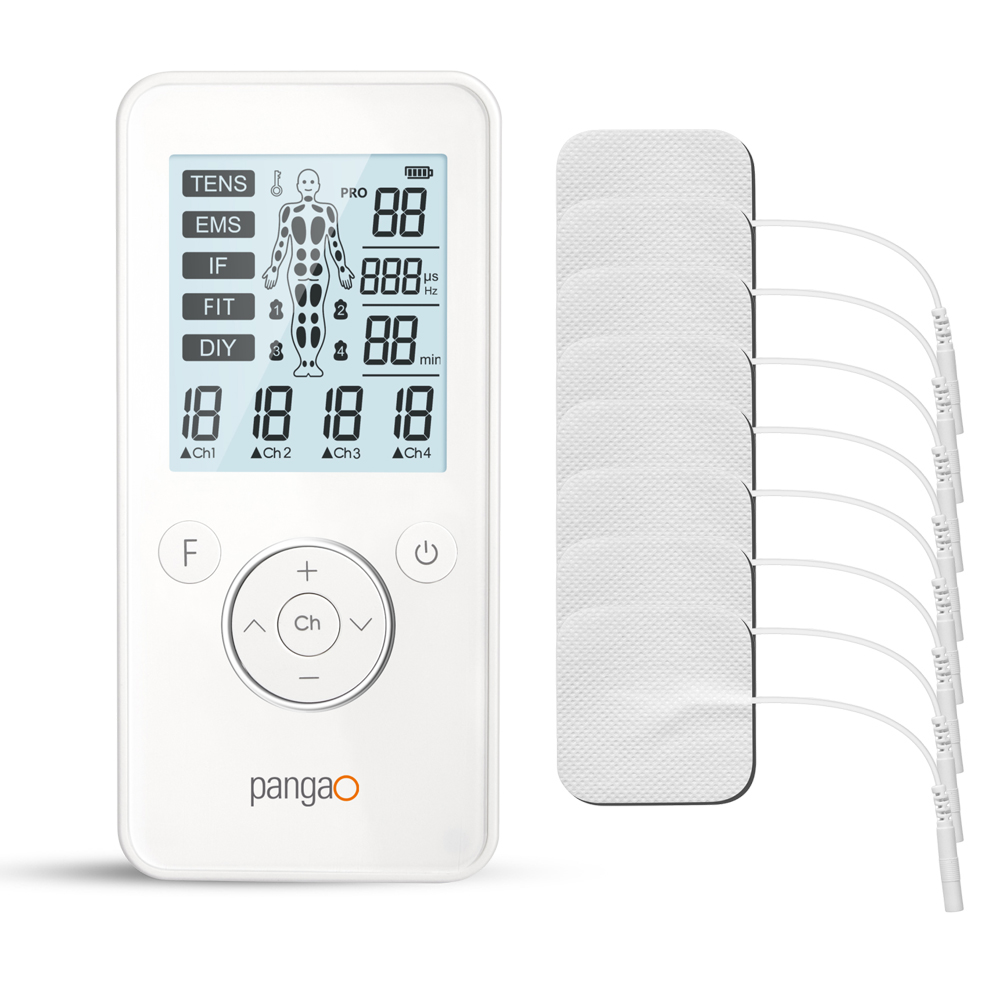
Medical Grade Electronic Pulse Massage Machine 4 Channels EMS Muscle Stimulator TENS Unit
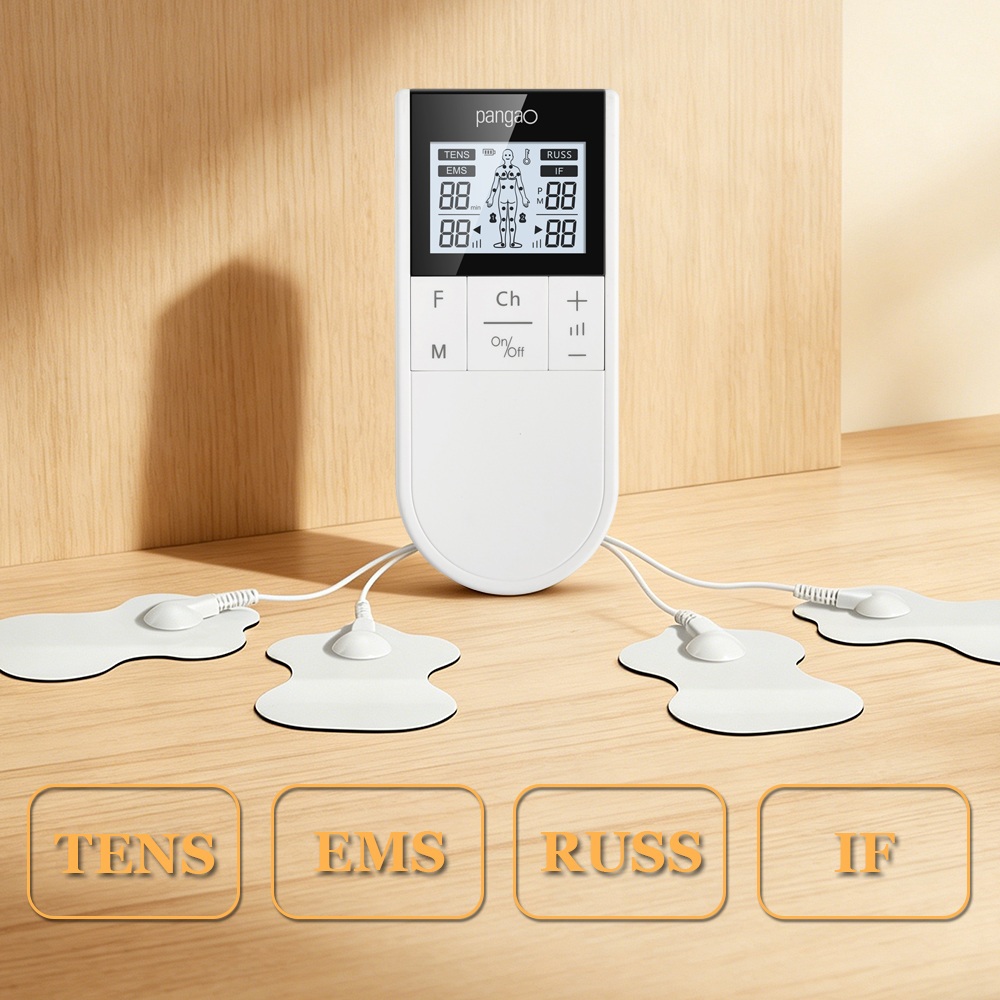
Medical Physical Therapy Equipment Portable Dual Channel 4 Electrode Pads TENS Unit
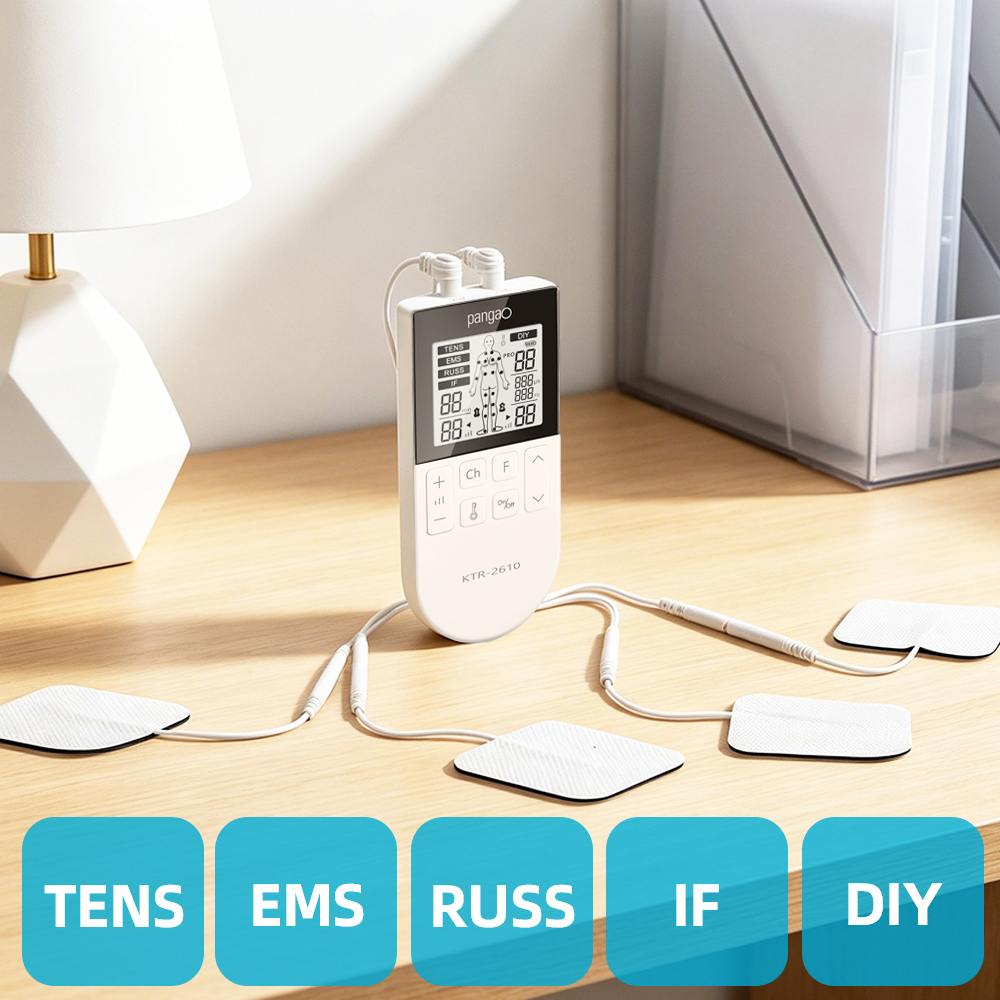
Rechargeable Electric Pulse 5 in 1 Function Combo Massage Machine Dual Channel EMS TENS Unit
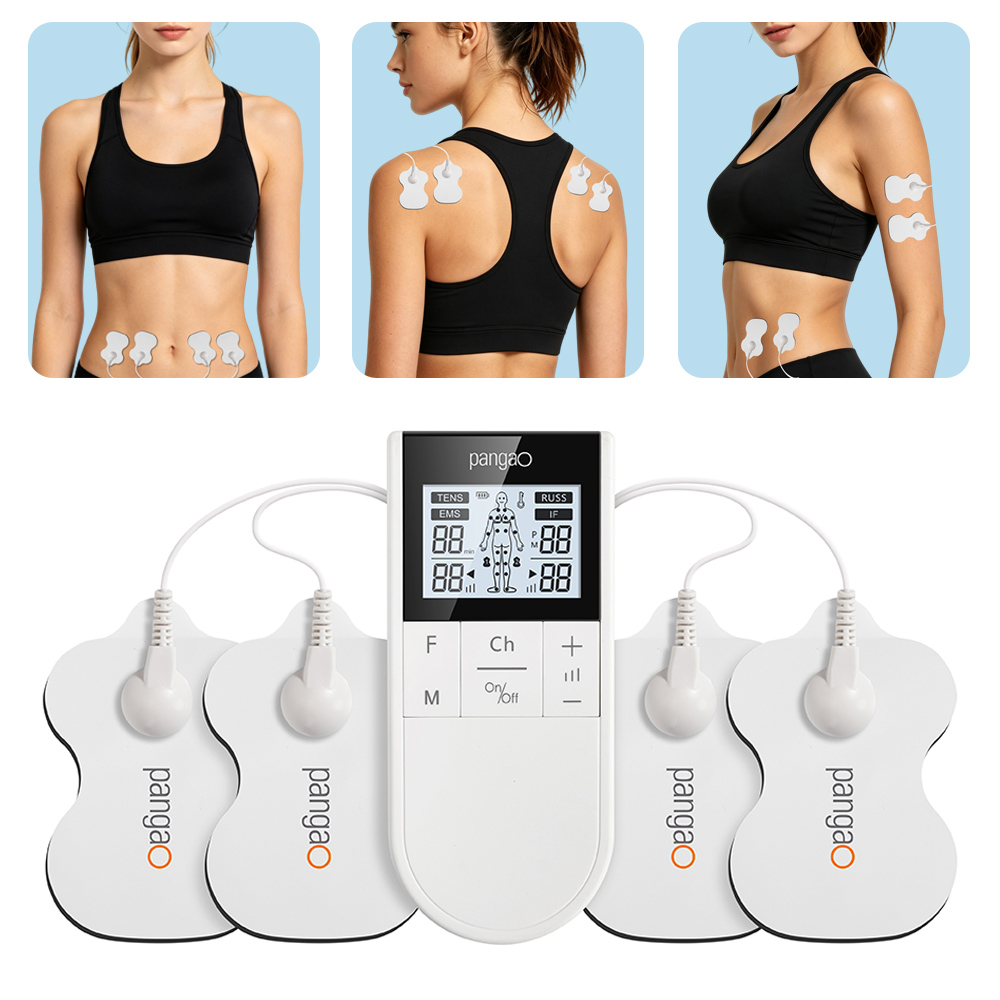
Rechargeable Electric Pulse Massager Muscle Stimulator Therapy Machine Dual Channel TENS EMS Unit
1. B2B Executive Summary: Strategic Sourcing of Electrical Nerve Stimulation Devices
The global bioelectronic medicine and home electrotherapy market is undergoing a structural transition driven by non-pharmacological pain management mandates, aging demographics, and rapid miniaturization of medical microelectronics. As medical device brand owners, pharmaceutical distributors, and healthcare retailers evaluate contract manufacturing partners for Transcutaneous Electrical Nerve Stimulation (TENS) and Electrical Muscle Stimulation (EMS) systems, selecting an established OEM/ODM factory with vertical engineering capabilities is essential for mitigating regulatory and commercial risks.
Shenzhen Vilicus Medical Electronics Co., Ltd. operates at the intersection of medical engineering rigor and scalable electronics manufacturing. Building on over two decades of enterprise group heritage in precision microelectronics, our specialized electrotherapy division integrates hardware circuit design, proprietary firmware development, medical hydrogel formulations, precision injection tooling, and compliance testing under a single ISO 13485 quality management framework.
Technical Information Gain Note: Unlike consumer-grade pulse massagers, medical-grade electrical nerve stimulators require pulse balance control to prevent galvanic skin polarization, tissue electrolysis, and dermal thermal injury. Partnering with a specialized OEM ensures strictly charge-balanced asymmetrical biphasic waveforms and compliance with international electro-medical standards such as IEC 60601-1, IEC 60601-2-10, and ISO 10993-5.
2. Electro-Neurobiology & Waveform Engineering Framework
A primary failure point in commercial electrotherapy procurement is the misunderstanding of waveform physics and physiological interaction. Customizing an optimal device platform requires matching specific neuro-muscular target mechanisms with tailored electrical pulse profiles.
TENS Waveform Modulation
Operates via Gate Control Theory (stimulating A-beta sensory fibers to inhibit C-fiber pain transmission) and Endogenous Opioid Release (low-frequency endorphin secretion). Output features adjustable pulse widths (50–400 μs) and frequencies (1–150 Hz).
EMS Neuromuscular Stimulation
Targets peripheral alpha motor neurons to evoke involuntary tetanic muscle contractions. Essential for muscle conditioning, atrophy prevention, and venous blood flow velocity acceleration in lower extremities.
Interferential Current (IF)
Utilizes dual out-of-phase medium-frequency carrier currents (e.g., 4000 Hz and 4050 Hz) that intersect within deep anatomical tissues to generate a low-frequency 50 Hz envelope, maximizing deep-tissue penetration while minimizing cutaneous discomfort.
Russian Stimulation (RUSS)
Employs a 2,500 Hz sinusoidal carrier frequency delivered in 50 bursts per second with a 50% duty cycle. Enables high motor-unit recruitment for clinical rehabilitation and athletic strength conditioning.
Dual-Core Microcontroller Logic
Integrated microprocessors execute real-time closed-loop load-sensing algorithm (500Ω to 2,000Ω impedance adaptation), preventing painful power surges when electrode contact fluctuates.
Current Constant Isolation Output
Hardware-level pulse transformer isolation delivers stable current density output regardless of skin resistance variations, maintaining exact micro-coulomb charge density per phase.
3. OEM & ODM Customization Capabilities for Global Brand Owners
Vilicus provides comprehensive ODM co-development and private label OEM manufacturing tailored to regional regulatory requirements and target consumer demographics. Our engineering team assists brand owners from initial schematic layout to high-volume automated production.
| Engineering Vector | Standard OEM Specifications | Custom ODM Co-Development Scope |
|---|---|---|
| Pulse Generator Core | Dual-channel asymmetrical biphasic pulse generator | Quad-channel independent isolation; Multi-waveform hybrid (TENS+EMS+IF+RUSS+Microcurrent) |
| Power Architecture | 3.7V / 500–1200mAh Grade-A Li-polymer with UN38.3 & IEC 62133 | Wireless Qi charging dock; Medical-grade isolated USB Type-C charging circuits |
| Output Voltage / Current | 0–60mA peak current @ 500Ω load; 0–120V peak output | High-power physical therapy grade output (up to 100mA); Microcurrent fine-tuning (1–999μA) |
| Connectivity & Controls | Backlit Segment LCD / High-resolution TFT / Physical keys | Bluetooth Low Energy 5.2 (BLE) iOS/Android app controls; Bio-impedance feedback screen |
| Enclosure & Ergonomics | Medical-grade ABS / PC resin shell; IP22 ingress rating | Custom injection mold tooling; Overmolded soft-touch TPU grips; Wearable cable-free snap-fit pods |
| Hydrogel & Accessories | Biocompatible Japanese carbon-printed PET hydrogel pads | Custom pad geometry, custom silver-printed traces, extended 2-year shelf life hydrogels |
4. Global Regulatory Compliance & Medical Certification Matrix
Bringing electromedical equipment to international markets requires strict compliance with regional medical device regulations. Distributing non-compliant electrotherapy units can result in customs seizures, market recalls, and legal liability. Vilicus maintains an end-to-end regulatory infrastructure to ensure rapid market clearance for our OEM partners.
US FDA 510(k) Premarket Clearance
Cleared under Product Codes GZJ (Stimulator, Nerve, Transcutaneous, For Pain Relief) and LIH (Stimulator, Muscle, Powered). Complete 510(k) summary documentation, software validation (IEC 62304), and human factors testing available to support private label submissions.
EU MDR (2017/745) Class IIa Certification
Fully compliant with European Union Medical Device Regulation requirements. Complete Technical Documentation File (TDF), Risk Management File according to ISO 14971, Clinical Evaluation Report (CER), and CE Certification via Notified Body.
ISO 13485:2016 Management System
Audited and certified quality management system governing design input, raw material procurement, ESD assembly lines, firmware flash programming, and lot-by-lot device history records (DHR) traceability.
5. Sourcing Trends & Future Innovations in Electrotherapy Sourcing
Procurement decision-makers must align product roadmaps with key technological shifts in the consumer wellness and medical rehabilitation landscapes. The electrotherapy market is moving rapidly beyond wired desktop units toward smart, wearable, and multi-modal therapeutic platforms.
Trend 1: Cable-Free Wearables & Femtech Specialization
Modern consumers demand discrete, wearable pain relief solutions. The fast-growing femtech sector—specifically menstrual cramp relief devices—demands ultra-slim form factors that combine TENS pulse therapy with rapid ceramic heating elements. Vilicus’s proprietary wireless snap-pad platforms enable ergonomic wear under clothing, opening new distribution channels in retail pharmacies and e-commerce platforms.
Trend 2: Multi-Modal Photobiomodulation (Red Light + EMS Foot Stimulators)
Combining neuromuscular electrical stimulation with 660nm Red Light and 850nm Near-Infrared (NIR) photobiomodulation represents a major technological leap for diabetic foot therapy, peripheral neuropathy management, and venous stasis treatment. Dual-action foot stimulation plates improve local microcirculation while inducing muscle pumping action in lower calf muscles.
Trend 3: Smart App Integration & Bio-Feedback Algorithms
Next-generation medical devices leverage Bluetooth Low Energy (BLE) connectivity to pair pulse units with mobile applications. This enables custom therapy logging, real-time electrode contact feedback, cloud-synced therapy compliance tracking for prescribing physicians, and OTA (over-the-air) firmware updates to expand program modes post-purchase.
6. Enterprise Manufacturing Strengths of Shenzhen Vilicus Medical
Selecting a manufacturing partner requires verifying production capacity, engineering bench depth, and quality control systems. Vilicus offers an integrated manufacturing infrastructure designed to deliver consistent quality for international brands.
In-House Tooling & Injection Molding
Operating precise high-speed CNC centers and plastic injection molding machines enables rapid enclosure tooling, strict dimensional tolerances, and low unit costs for custom industrial designs.
100% Automatic Tester Line Inspection
Every PCBA undergoes automated optical inspection (AOI) and custom electrotherapy signal analysis. Peak voltage, pulse duration, carrier frequency, and safety shut-off circuits are verified before packaging.
Rapid NPI Prototyping & Sampling
Our engineering team delivers fully functional rapid prototypes, 3D printed housings, and custom PCB samples within 14–21 days, accelerating your time-to-market and regulatory submission schedules.
Supply Chain & Component Traceability
Strategic relationships with leading microcontroller, power IC, and hydrogel raw material vendors ensure stable component pricing, strict material safety compliance, and reliable mass production delivery.
7. Procurement FAQ: Essential Sourcing Guidance for B2B Importers
What are the minimum order quantities (MOQs) for OEM private label vs. custom ODM projects?
+
How does Vilicus support regulatory clearance for private-label brand owners?
+
What quality assurance standards and defect thresholds are maintained during production?
+
Can waveform parameter ranges (pulse width, frequency, ramp time) be modified via firmware?
+
What is the shelf-life and biocompatibility testing status of included electrode hydrogels?
+
Accelerate Your Electrotherapy Product Roadmap
Request our comprehensive product catalog, OEM pricing matrix, and medical device compliance documentation directly from our engineering sales team.
Get Catalog & B2B Quote