Featured Electrotherapy Units
High-performance digital TENS, EMS, IF, and Russian pulse stimulators engineered for global healthcare brands, clinical distributors, and medical retailers.
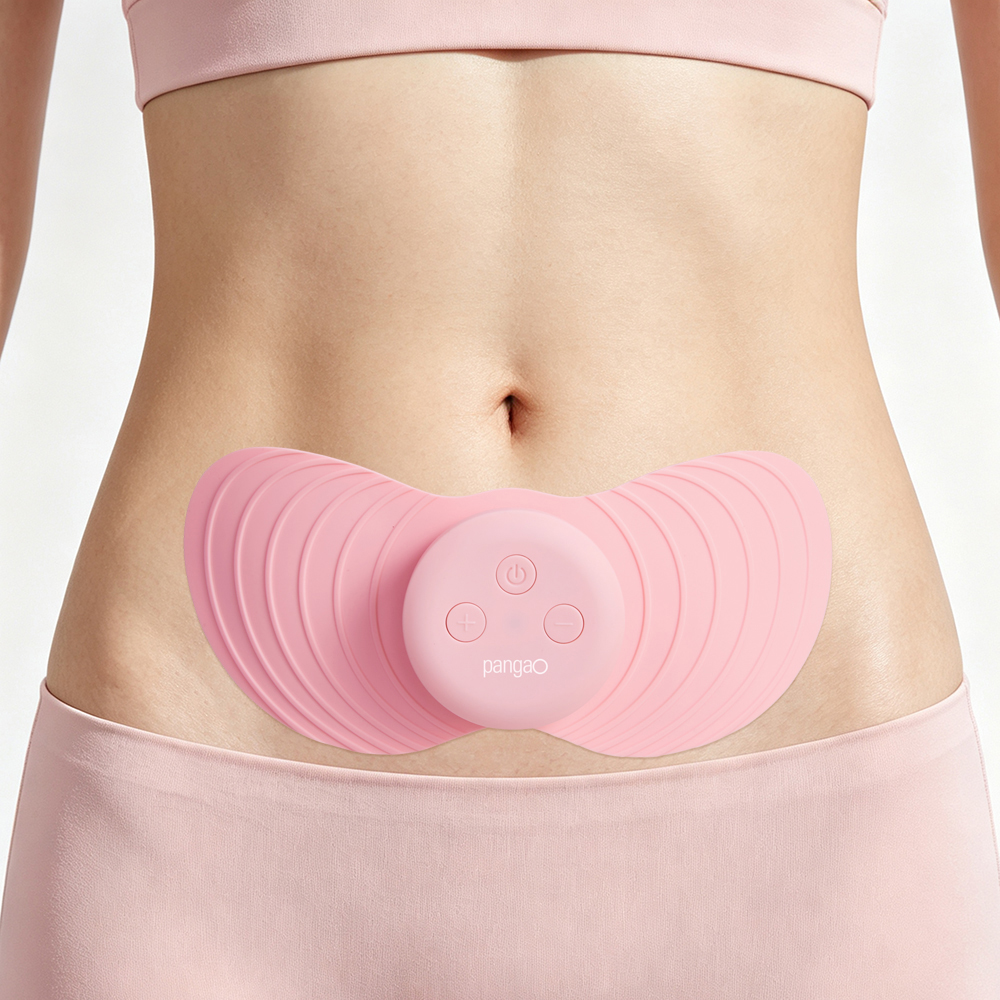
Wireless Heating Period Pain Relief TENS Machine
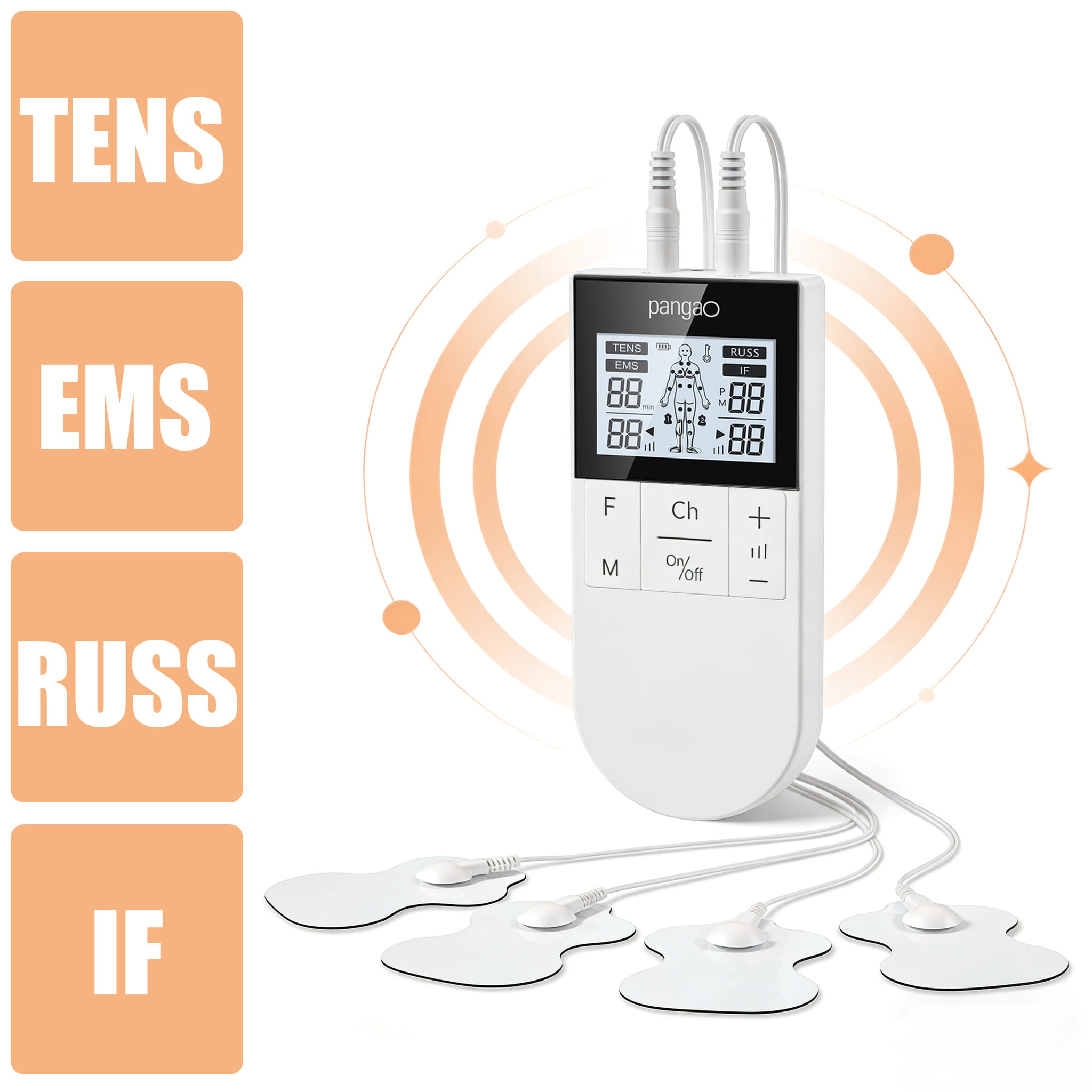
Low Frequency Pulse EMS TENS Muscle Stimulator Device
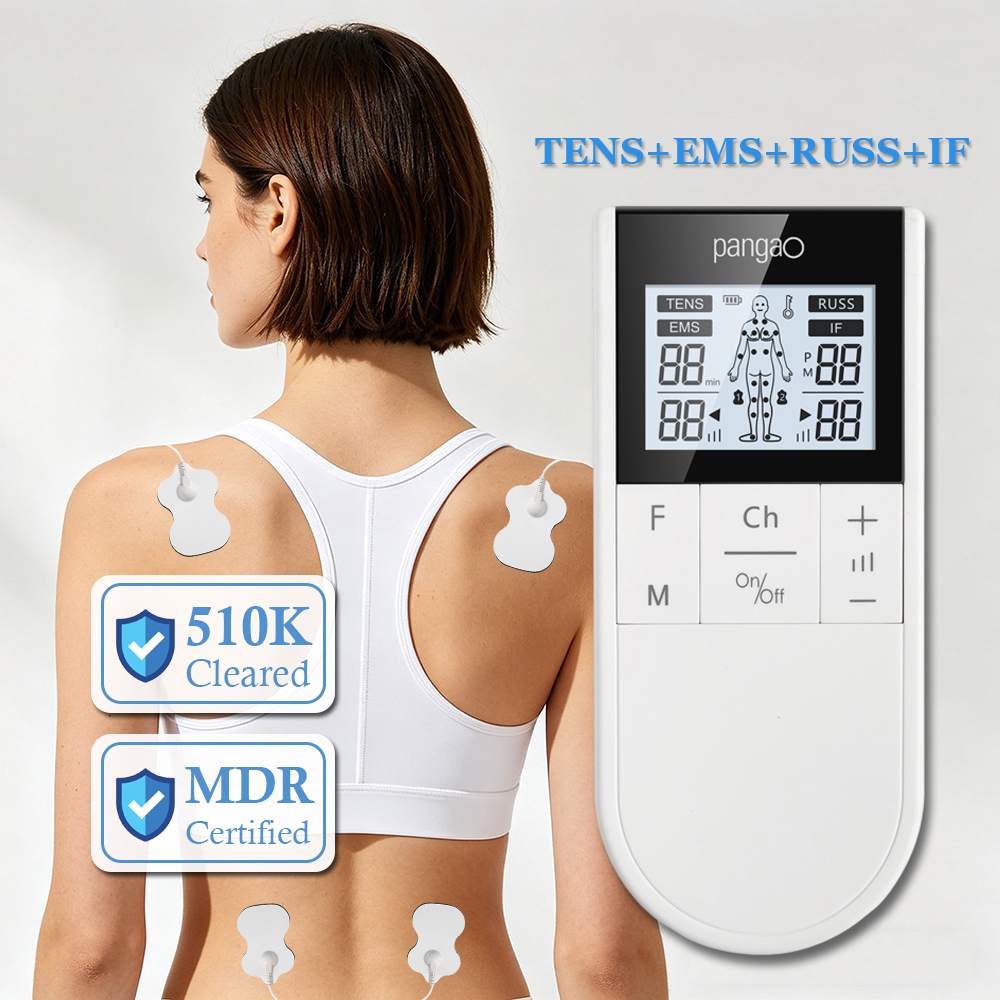
Dual Channel Electronic Pulse TENS EMS Massager
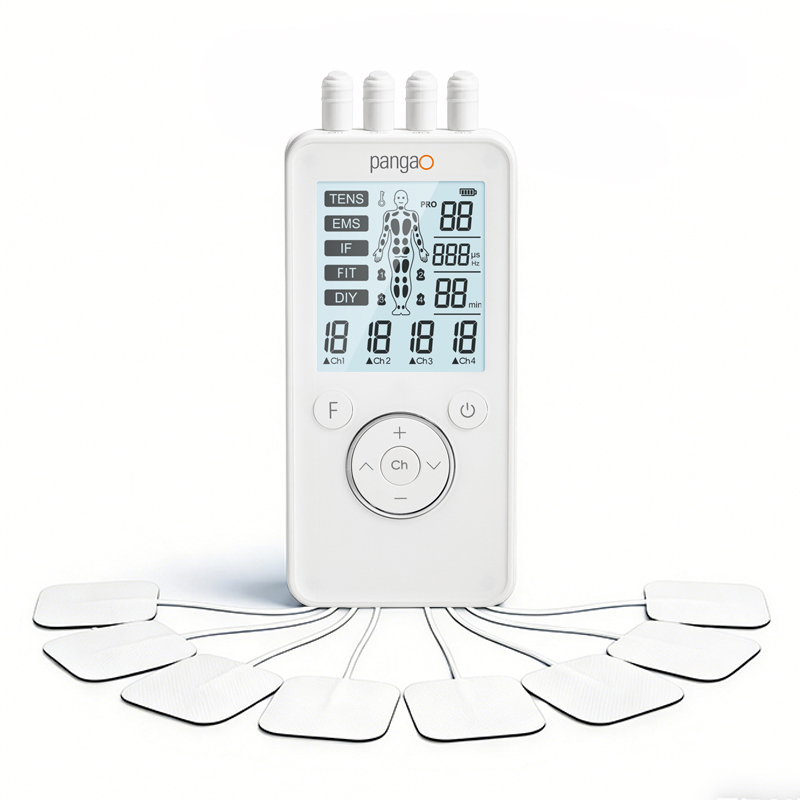
Portable 4-Channel EMS TENS Physiotherapy Device
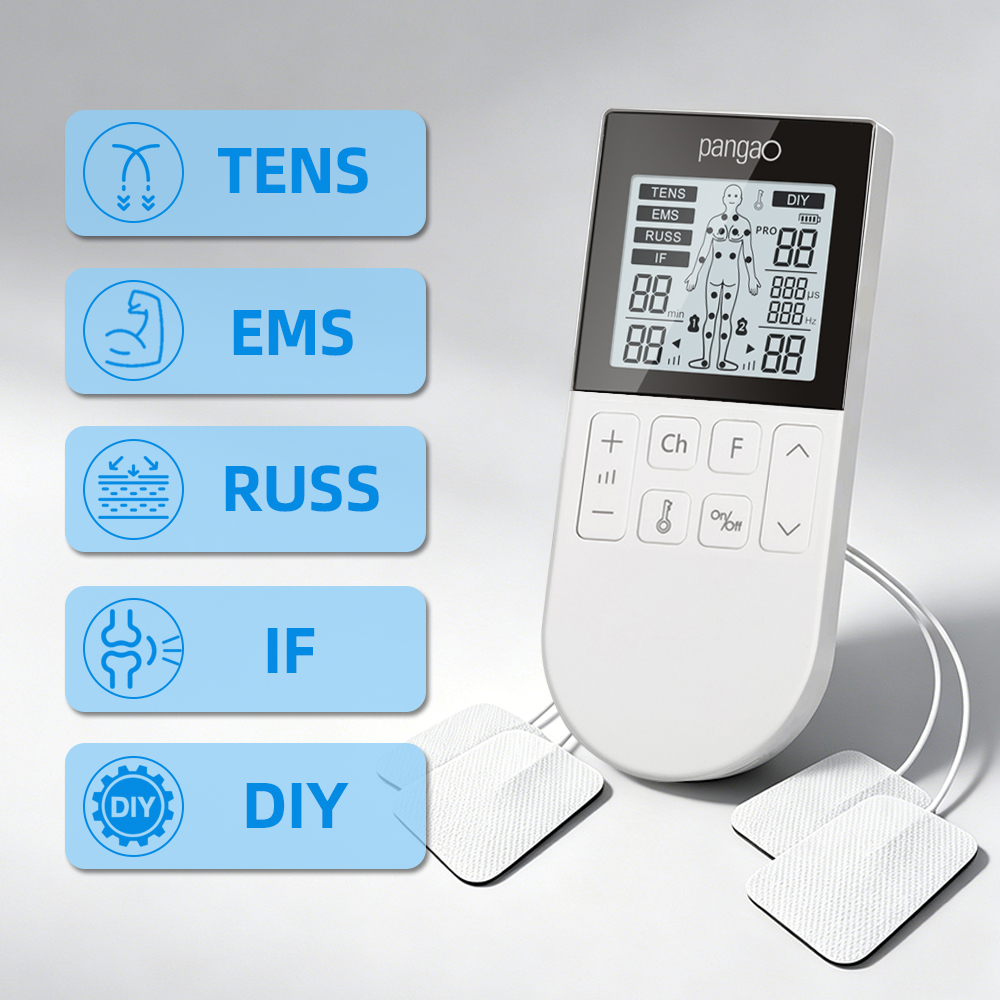
Professional 5-in-1 RUSS IF DIY EMS TENS Unit
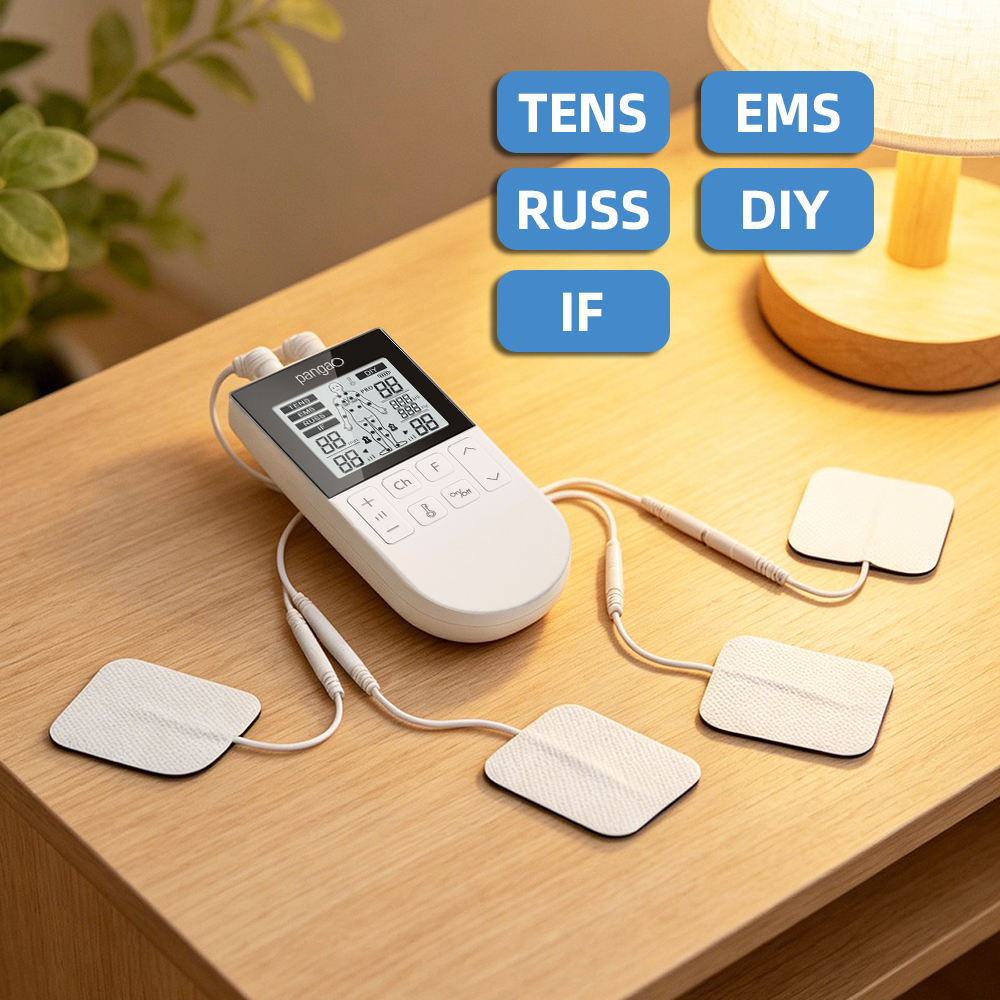
Multifunctional Pain Relief & Muscle Strengthening Machine
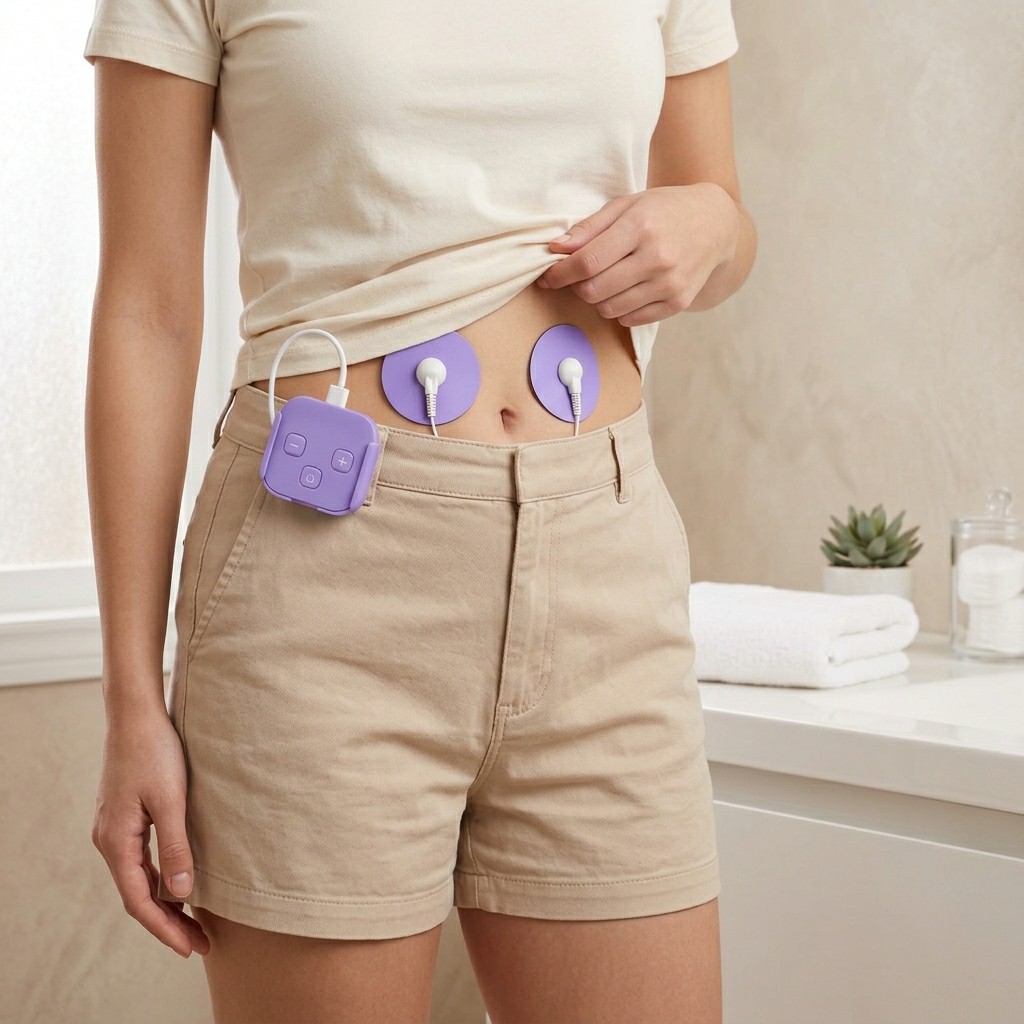
Rechargeable Menstrual Cramp Relief Dysmenorrhea TENS
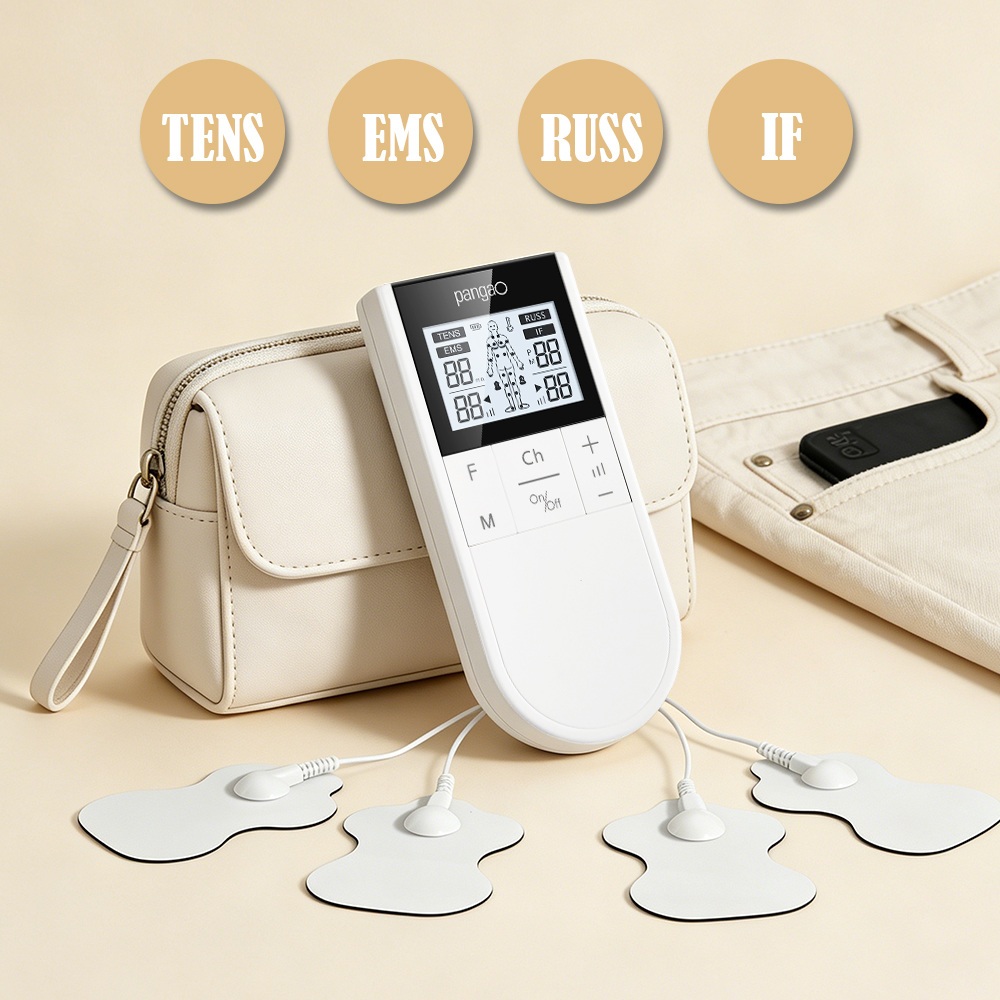
Dual Channel Portable Digital Nerve Muscle Stimulator
Whitepaper: Engineering & Strategic Procurement of Custom TENS & EMS Devices
Transcutaneous Electrical Nerve Stimulation (TENS) and Electrical Muscle Stimulation (EMS) devices represent the modern benchmark in non-invasive, non-pharmacological pain relief and muscular rehabilitation. As consumer healthcare markets shift heavily toward self-directed wellness and post-operative home physiotherapy, B2B procurement managers, medical device importers, and private-label brands face significant decisions regarding supplier technical maturity, regulatory audit resilience, and custom firmware architecture.
This industry whitepaper outlines the biomedical principles, contract manufacturing considerations, quality assurance standards, and future market trajectories necessary to successfully evaluate and partner with OEM/ODM TENS & EMS factories in China.
Key Insight for Strategic Buyers: Sourcing electrotherapy equipment is no longer merely a pricing exercise; it is an exercise in regulatory compliance, constant-current delivery precision, hydrogel impedance matching, and user-centric ergonomics.
1. Biomedical Principles & Waveform Multi-Modality
A high-competency TENS EMS manufacturer must demonstrate mastery over peripheral nerve and neuromuscular tissue electrical excitation mechanisms. Understanding how different pulse parameters translate into clinical efficacy determines product line differentiation:
- TENS (Gate Control & Endorphin Mechanisms): Operates primarily on high-frequency sensory nerve fibers (A-beta) to inhibit nociceptive signal transmission at the spinal cord dorsal horn (100–150 Hz), or low-frequency pulses (1–5 Hz) to trigger systemic beta-endorphin and enkephalin secretion for systemic analgesia.
- EMS / NMES (Neuromuscular Recruitment): Delivers repetitive pulsed currents directly to motor nerves (typically 20–80 Hz), inducing involuntary tetanic muscle contractions. Essential for preventing disuse atrophy, enhancing peripheral blood circulation, and motor re-education.
- Interferential Current (IF): Utilizes two medium-frequency currents (e.g., 4000 Hz and 4050 Hz) that intersect deep within tissue, creating a low-frequency beat effect (50 Hz) inside the target muscle mass with minimal skin impedance discomfort.
- Russian Stimulation (RUSS): A 2,500 Hz sinusoidal carrier frequency burst-modulated at 50 Hz, specifically designed for deep muscle strengthening and intense athletic reconditioning without localized skin irritation.
Enterprise Manufacturing Capabilities
Shenzhen Vilicus Medical Electronics Co., Ltd. operates as a premiere high-tech enterprise integrating hardware, firmware, and mechanical engineering under rigorous international medical standards.
ISO 13485 & BSCI Facility
Our 15,700 m² state-of-the-art production facility in Shenzhen houses dust-free SMT lines, automated electrode assembly, and strict ESD control systems audited for social and environmental responsibility.
End-to-End R&D Engineering
Supported by a group strength of over 300 experienced engineers, our team handles custom MCU firmware programming, bi-phasic symmetrical/asymmetrical waveform tuning, and mobile app Bluetooth connectivity.
Global Regulatory Clearances
We streamline market entrance for our OEM partners by maintaining comprehensive technical files and clearances across major jurisdictions, including US FDA 510(k), EU MDR (2017/745), Australian TGA, and CE certifications.
Comparative Technical Matrix for B2B Selection
To assist procurement officers in determining optimal device specifications for target demographic tiers, the following parameters define standard commercial offerings vs. medical-grade electrotherapy platforms:
| Specification Parameter | Entry-Level Personal Care | Advanced OTC / Retail | Professional Clinical / Rehab |
|---|---|---|---|
| Channels | Single Channel or Dual (Shared) | Dual Channel (Independent Control) | 4-Channel Fully Isolated Output |
| Output Waveform | Asymmetrical Biphasic Square Wave | Symmetrical & Asymmetrical Biphasic | Multi-wave (TENS, EMS, IF, RUSS, Micro) |
| Pulse Amplitude | 0 – 60 mA (at 500Ω load) | 0 – 100 mA (Constant Current) | 0 – 120 mA (Constant Current Precision) |
| Pulse Width / Rate | 100–200 μs / 2–100 Hz | 50–300 μs / 1–150 Hz | 30–400 μs / 0.5–200 Hz (Customizable) |
| Power Source | AAA Batteries or Micro-USB | Rechargeable Li-ion (USB-C Fast Charge) | High-capacity Li-ion + Medical Power Adapter |
| Form Factor / UI | LCD Display or Wireless Pad | Backlit LCD / Wireless Remote / App | Color TFT / Touchscreen / Multi-button |
| Regulatory Target | CE, RoHS, General OTC | FDA 510(k), EU MDR Class IIa | FDA 510(k) Rx, EU MDR Class IIa/IIb |
Future Procurement Trends in the Electrotherapy Industry
The global electrotherapy devices market is projected to expand significantly over the next decade. Sourcing directors must align product roadmaps with key emerging technology shifts:
1. Miniaturization, Wireless Ecosystems & Smart Wearables
Traditional bulky desktop units with tangled wire harnesses are rapidly losing market share in home-use channels. Modern end-users demand ultra-compact, cable-free TENS units equipped with low-energy Bluetooth (BLE 5.2) modules. These devices seamlessly connect to custom iOS/Android applications, enabling intuitive graphical body mapping, automatic therapy tracking, and personalized treatment regimens.
2. Synergistic Multi-Modal Therapy (TENS + Thermal + Light Therapy)
Monotherapy is giving way to multi-modal synergistic treatments. The integration of rapid-heating graphene layers (producing far-infrared wavelengths at 8–14 μm) alongside low-frequency electrical impulses provides superior vasodilation, rapid muscular relaxation, and heightened pain suppression. Furthermore, combining EMS/TENS with photobiomodulation (660nm Red Light & 850nm Near-Infrared LED arrays) accelerates mitochondrial ATP synthesis while mitigating localized discomfort.
3. Specialized FemTech Solutions (Dysmenorrhea & Pelvic Health)
Targeted electrotherapy solutions tailored specifically for women's health represent one of the fastest-growing categories in retail health. Wireless heating period pain relief devices, ergonomically molded for lower abdomen or lumbar wear, offer women an effective, non-habit-forming alternative to NSAIDs. Simultaneously, biofeedback-enabled EMS pelvic floor trainers are seeing surging demand in maternal postpartum recovery channels.
4. Stringent Supply Chain Compliance & Medical-Grade Hydrogel Integrity
Global regulatory agencies—most notably the European Union under the Medical Device Regulation (EU MDR 2017/745)—have placed increased scrutiny on bio-compatibility (ISO 10993) and electromagnetic compatibility (IEC 60601-1-2). Importers are requiring suppliers to provide verified chemical safety data sheets (MSDS) and dermatological non-irritation reports for Japanese/American-sourced conductive hydrogel pads, ensuring multi-use durability without dermal sensitization.
Our Turnkey OEM & ODM Customization Process
From initial industrial design sketches to certified high-volume automated manufacturing, we provide a structured, transparent process for private label success.
Custom Firmware & Program Parameter Tuning
We tailor treatment timer limits, pulse rates, frequency modulations (ramp-up/ramp-down curves), and custom mode sequences to align with your brand's specific clinical claims or consumer preference profiles.
Industrial Design & Tooling Customization
Our engineering team delivers bespoke enclosure designs, custom plastic injection tooling, silk-screened logos, unique silicone button tactile feel, custom casing color matching (Pantone system), and retail box packaging.
Frequently Asked Questions (FAQ)
Detailed technical and commercial answers addressing common sourcing inquiries from global buyers.
Q: What is the Minimum Order Quantity (MOQ) for custom OEM orders?
Standard OEM orders for customized branding on existing TENS/EMS platforms typically start at 1,000 units. For specialized foot circulation stimulators, the MOQ begins at 500 units, while select entry-level compact wireless units start at 3,000 units.
Q: How do TENS and EMS fundamentally differ in device design?
TENS focuses on sensory nerve stimulation (high frequency, shorter pulse widths) to block pain signals to the brain. EMS focuses on motor nerve excitation (lower frequency, wider pulse widths, higher current amplitude) to contract muscles. Our multi-mode units integrate both firmware algorithms into a single device.
Q: Do your products hold international regulatory clearances for retail sale?
Yes. Shenzhen Vilicus operates under an ISO 13485 quality management framework. Depending on the model, our electrotherapy devices possess US FDA 510(k) clearance, EU MDR CE certificates, Australian TGA listing, as well as RoHS and BSCI compliance documentation.
Q: Can you assist with custom mobile app development for Bluetooth models?
Absolutely. Our software engineering division provides SDKs, APIs, and complete white-label mobile application development (iOS & Android) featuring bespoke user interfaces, multilingual localization, and cloud account synchronization.
Q: What is the shelf life and reuse cycle of your electrode hydrogel pads?
Using high-grade biocompatible hydrogel, our electrode pads typically support 30 to 50 applications under proper storage conditions. Unopened, vacuum-sealed electrode packages carry a shelf life of 24 to 36 months.
Q: What quality control measures are performed prior to dispatch?
Every unit undergoes 100% full functional testing, including output current stability validation across a 500Ω standard medical load, high-voltage insulation safety checks, battery aging tests, and visual cosmetic inspections conforming to AQL 0.65/1.0 standards.
Partner with a Certified Electrotherapy Manufacturer
Ready to launch or expand your medical device line? Contact our engineering and commercial sales team today for detailed technical datasheets, compliance files, and wholesale pricing quotes.