Featured OEM Portable EMS & TENS Product Portfolio
Explore our medical-grade, factory-direct electrotherapy devices engineered for pain relief, muscle conditioning, and physical rehabilitation. All models support complete private label branding, custom firmware algorithms, and tailored packaging.
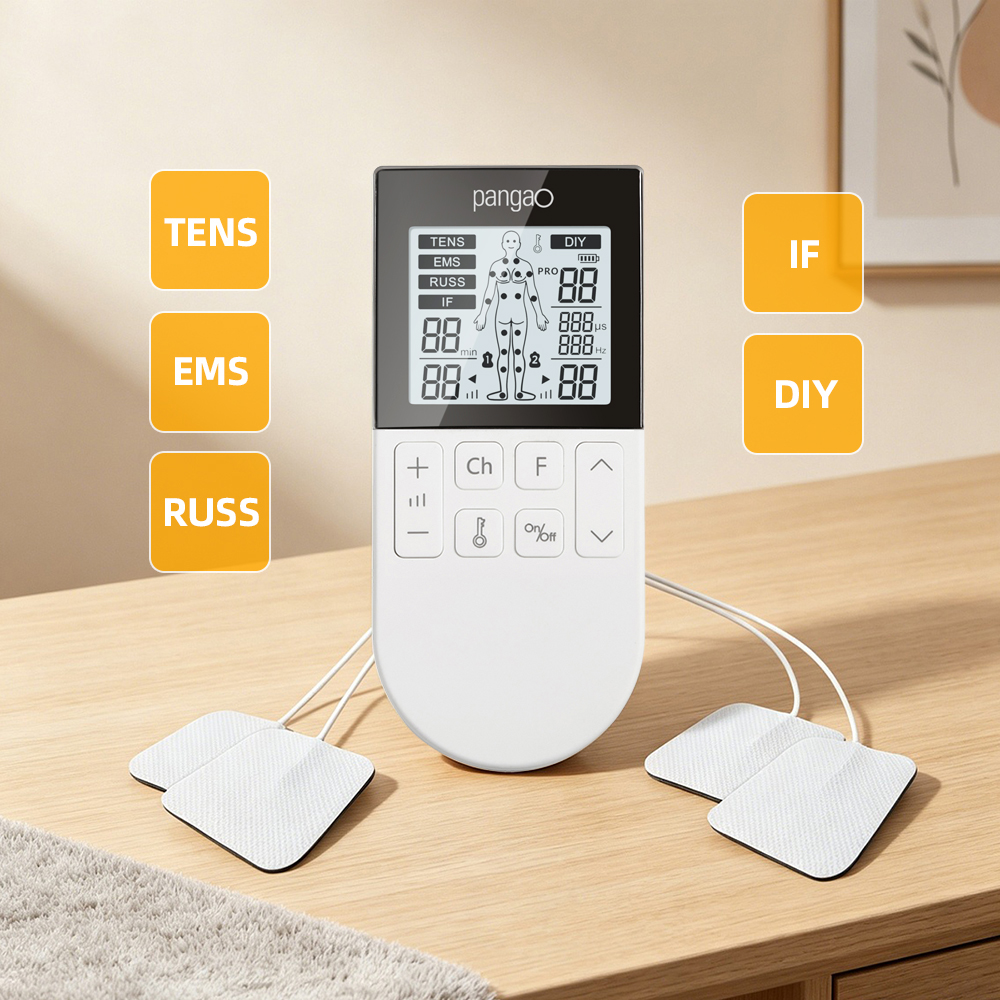
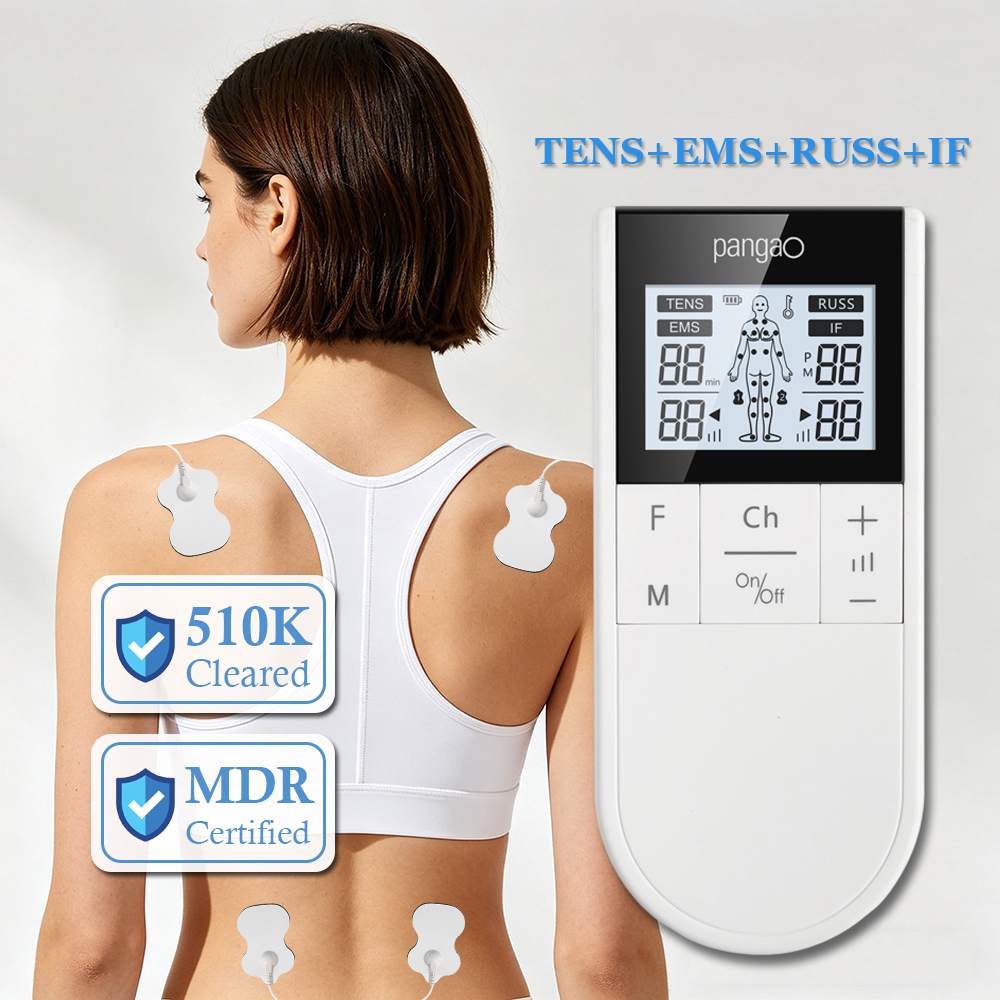
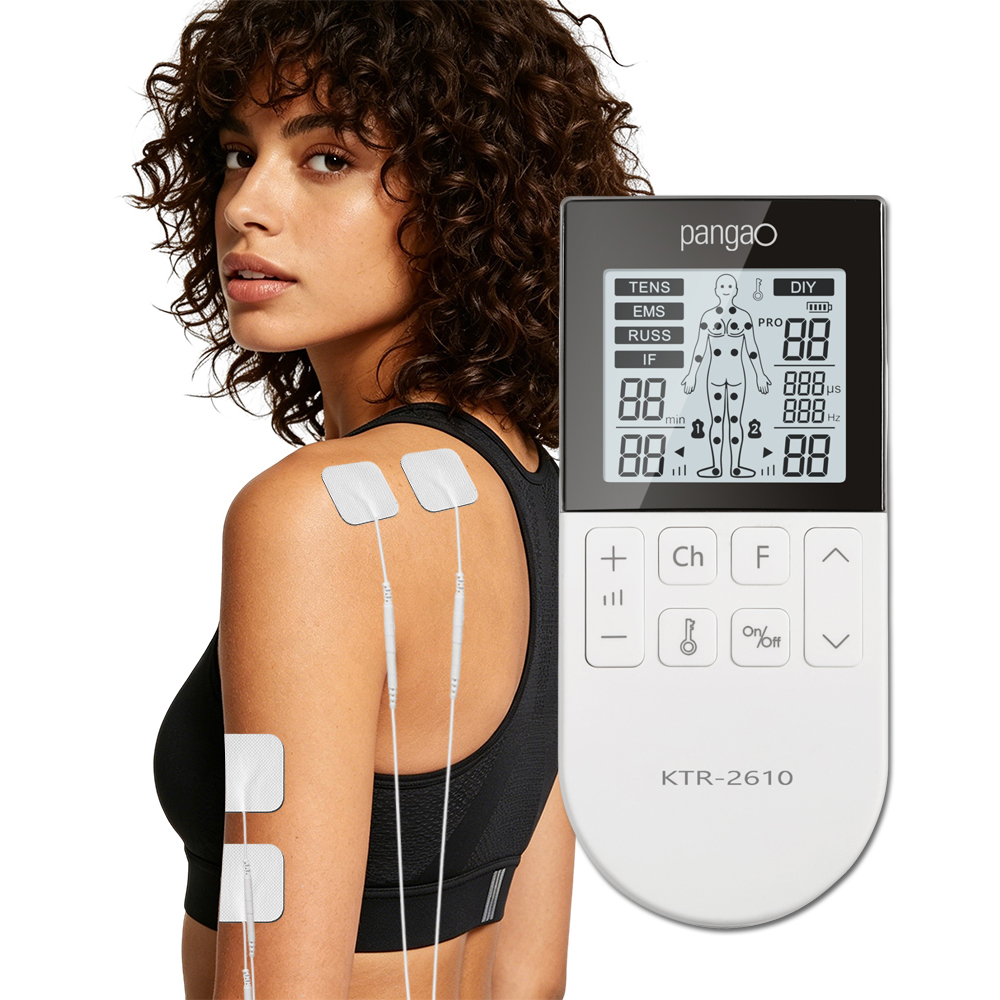
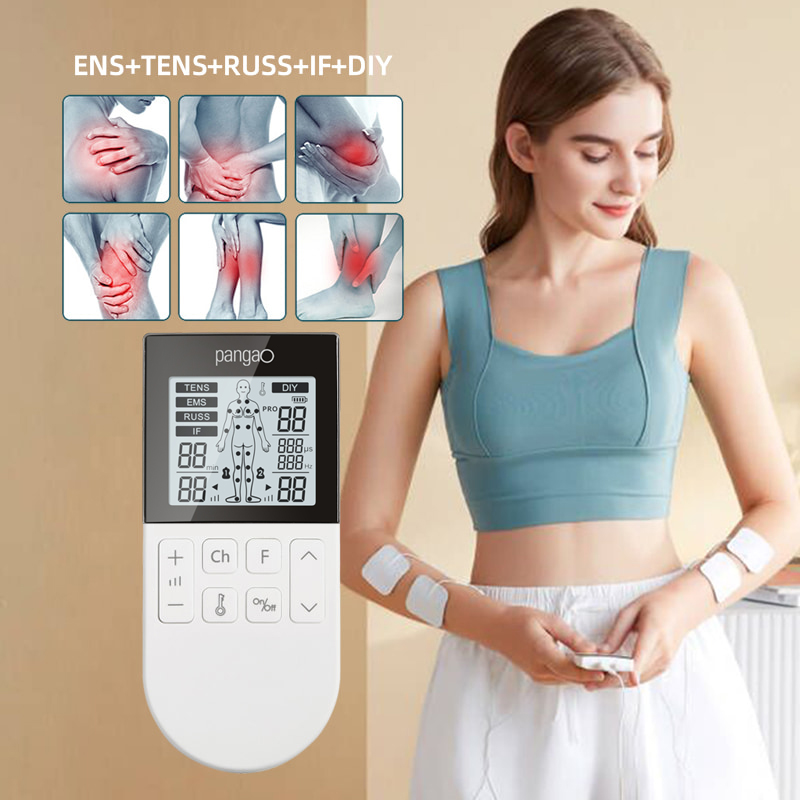
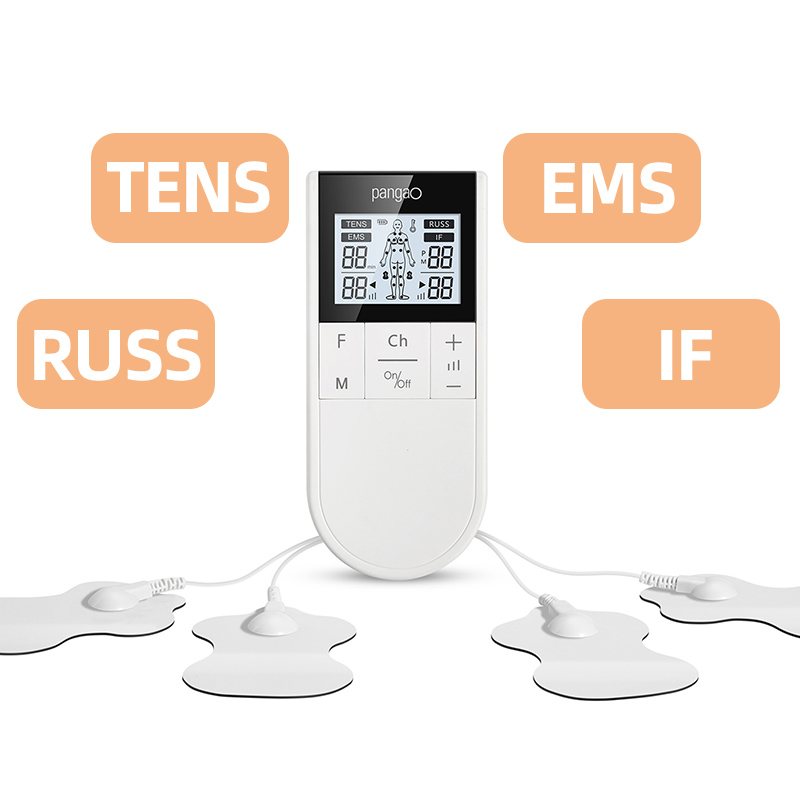
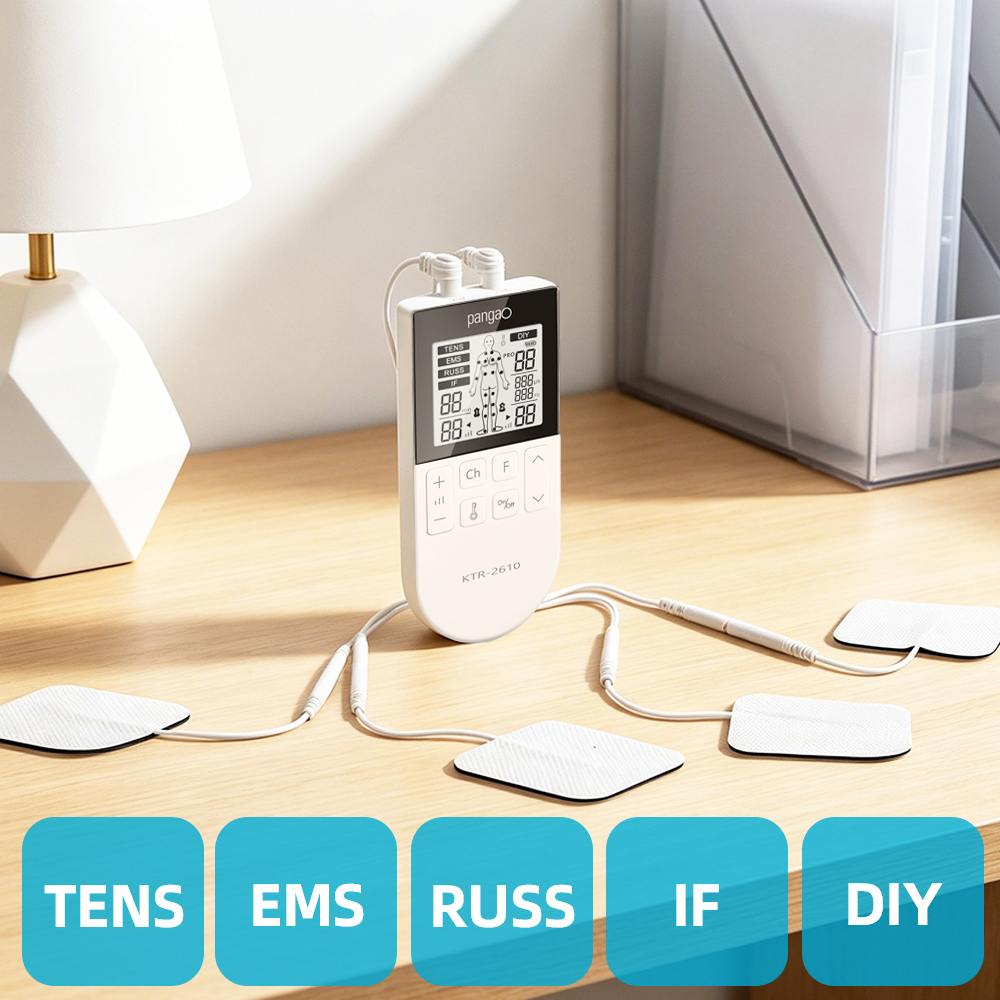
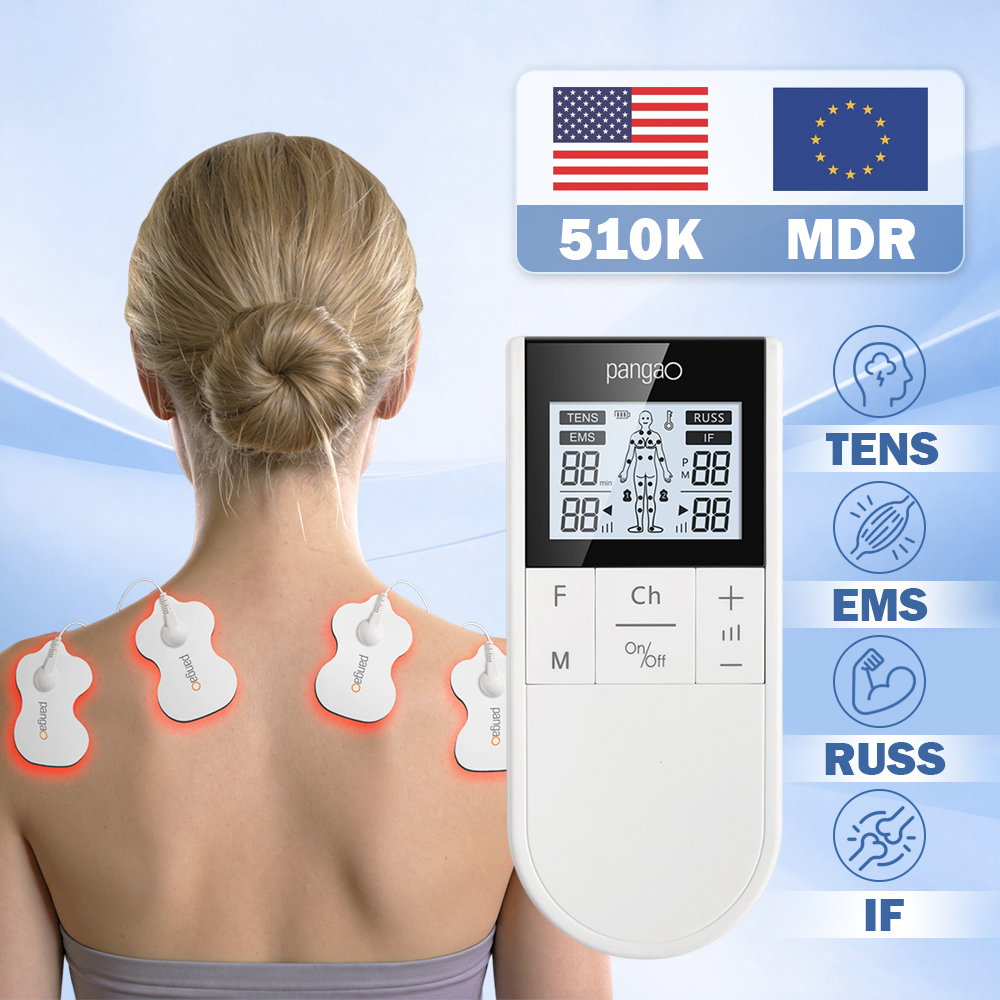
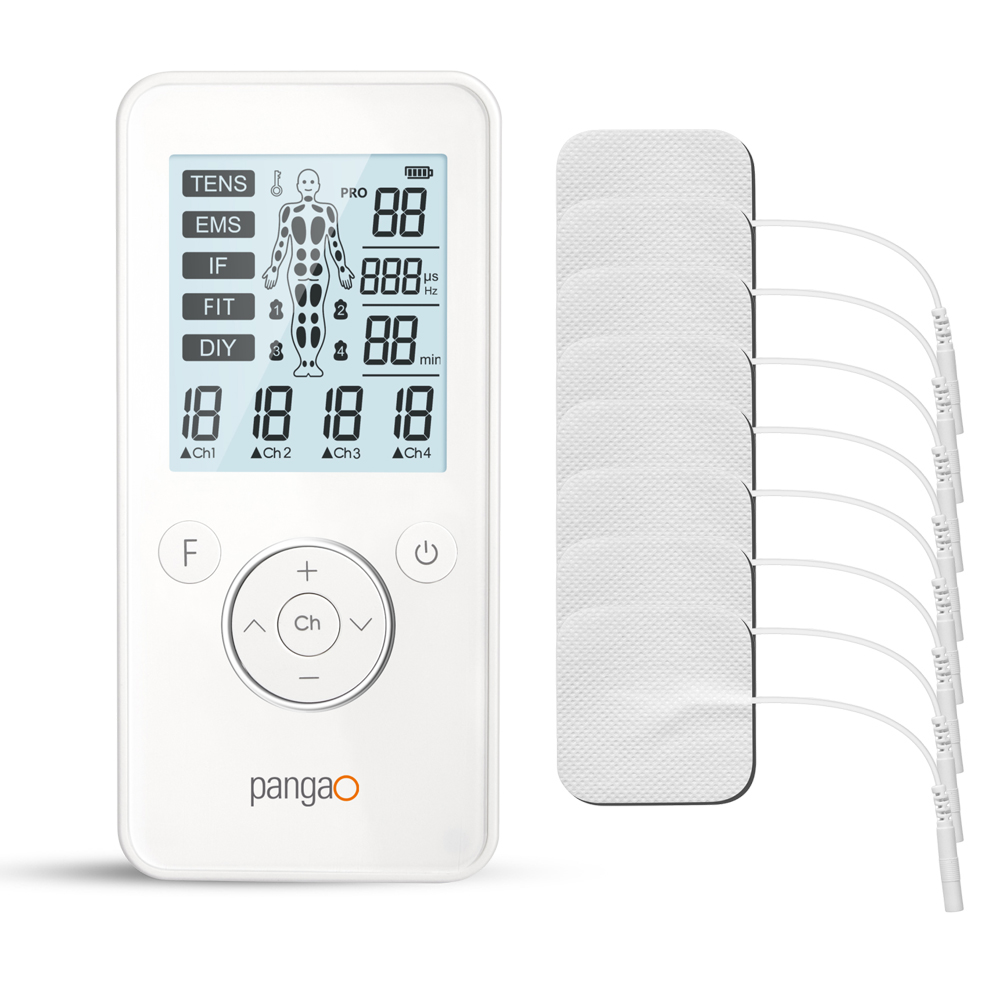
Executive Overview: Navigating Portable EMS Unit Manufacturing & Wholesale
The global market for electrical muscle stimulation (EMS) and transcutaneous electrical nerve stimulation (TENS) devices has undergone a structural paradigm shift. Driven by aging demographics, expanding sports recovery sectors, and an increasing consumer preference for non-invasive, drug-free pain management, portable EMS devices are transitioning from specialized clinical physiotherapy equipment into widely accessible personal healthcare staples. For medical device distributors, pharmaceutical brands, and consumer electronics wholesalers, establishing a resilient OEM/ODM supply chain with certified manufacturing partners in Shenzhen, China is now a primary competitive imperative.
Portable EMS units utilize Neuromuscular Electrical Stimulation (NMES) to deliver low-frequency, biphasic electrical pulses directly to motor nerves, eliciting controlled, involuntary muscle contractions. When integrated into multi-modal platforms combining TENS (sensory nerve blockade via Melzack and Wall's Gate Control Theory), Interferential (IF) currents, and Russian stimulation (high-frequency 2500Hz bursts), these handheld devices offer unprecedented therapeutic versatility. As a premier original equipment manufacturer (OEM), Shenzhen Vilicus Medical Electronics Co., Ltd. bridge the gap between rigorous medical-grade compliance and sleek, consumer-centric hardware design.
Electrotherapy Waveform Spectrum: Engineering Specifications
Selecting the optimal waveform combination is critical when specifying custom OEM electrotherapy devices. Modern buyers must balance clinical efficacy, power consumption, user comfort, and regulatory clearance requirements. The matrix below outlines the fundamental technical parameters across our primary waveform offerings.
| Waveform Mode | Carrier / Pulse Frequency | Pulse Width / Duration | Primary Physiological Target | Primary OEM Application |
|---|---|---|---|---|
| TENS (Transcutaneous Nerve) | 1 Hz – 150 Hz | 50 µs – 350 µs | A-beta & C Sensory Nerves | Acute & Chronic Pain Relief, Dysmenorrhea |
| EMS (Muscle Stimulation) | 1 Hz – 120 Hz | 100 µs – 400 µs | Alpha Motor Neurons | Muscle Conditioning, Atrophy Prevention |
| IFT (Interferential Therapy) | 2,000 Hz – 4,000 Hz | Modulated Beat (1-150Hz) | Deep-Seated Tissue Nerves | Clinical Physiotherapy & Joint Rehab |
| Russian Current (RUSS) | 2,500 Hz (Burst modulated) | 50% Duty Cycle | Deep Motor Nerve Recruitment | Athletic Strength Building & Hypertrophy |
| NMES Foot / Bioelectric | 1 Hz – 100 Hz | 150 µs – 300 µs | Plantar Muscle Pump & Nerves | Leg Blood Circulation & Neuropathy Relief |
Enterprise OEM/ODM Advantages: Why Global Buyers Trust Vilicus
Operating from our 15,700 m² state-of-the-art facility in Henggang Street, Shenzhen, Shenzhen Vilicus Medical Electronics Co., Ltd. delivers a vertically integrated manufacturing ecosystem. From initial PCB layout and firmware programming to precision plastic injection moulding, automated surface-mount assembly (SMT), and 100% full-functional testing, we safeguard product quality at every node.
In-House R&D Precision
Over 300 group engineers specializing in circuit design, signal processing algorithms, biological electrode chemistry, and iOS/Android app integration.
Full Regulatory Compliance
Certified ISO 13485 medical quality management system with turn-key product clearance documentation for US FDA 510(k), EU MDR (2017/745), Australian TGA, and BSCI social compliance.
Flexible OEM/ODM Customization
Tailor shell colors, silk-screened logos, custom LCD display layouts, localized user manuals, waveform pre-sets, and retail packaging with competitive MOQs starting at 500-1000 units.
End-to-End Quality Assurance
Rigorous 100% finished product inspection including electrical insulation safety testing, waveform harmonic analysis, lithium battery cycle testing, and drop/vibration simulation.
Future Procurement Trends in Portable EMS & Electrotherapy
Understanding long-term industry trajectories enables procurement managers and brand strategists to specify SKUs that capture emerging market share and avoid premature product obsolescence.
1. Cable-Free Ultra-Wearable Form Factors & BLE App Control
Traditional wired TENS/EMS units with trailing lead wires are rapidly yielding market share to cable-free, integrated wearable pods. Utilizing Bluetooth Low Energy (BLE 5.0+), these units dock directly onto self-adhesive hydrogel pads. App-based controls allow users to adjust stimulation intensities, choose targeted anatomical body zones, and track therapy history seamlessly via smartphone apps.
2. Multi-Energy Therapy Convergence (EMS + Heating + Photobiomodulation)
Modern consumers demand comprehensive physical relief solutions in a single device. Future procurement favors hybrid hardware platforms that combine EMS/TENS pulse delivery with far-infrared (FIR) conductive heating and 660nm Red Light / 850nm Near-Infrared photobiomodulation. This triple-action synergy dramatically improves local microcirculation and muscle relaxation.
3. Elevation of Global Medical Regulatory Standards
With the transition from EU MDD to the stringent EU MDR (2017/745) framework and enhanced FDA cybersecurity mandates for connected medical hardware, uncertified standard consumer electronics factories are being filtered out. Wholesalers must partner exclusively with established ISO 13485 manufacturers who maintain continuous clinical evaluation reports (CER) and audited technical files.
4. Eco-Friendly Bio-Hydrogels & Carbon-Film Electrodes
Environmental sustainability is becoming an active procurement metric. Leading OEM factories are replacing legacy PVC electrode backings with biodegradable non-woven fabrics and biocompatible, non-sensitizing Japanese hydrogels. Advanced printed carbon-film conductors ensure uniform current density, eliminating hot spots and expanding pad lifespan to 30+ reusable cycles.
Technological Development Trends in Portable EMS Units
Innovations in micro-controller efficiency, energy density, and biological feedback sensing are reshaping the performance boundaries of portable electrotherapy equipment.
Bioimpedance Closed-Loop Dynamic Pulse Adjustment
Legacy EMS units output fixed pulse currents regardless of skin moisture or tissue contact variability. Next-generation portable EMS units integrate real-time bioimpedance monitoring circuitry. By sensing tissue resistance continuously (measuring Ohmic variance across electrode contact surfaces), the micro-controller auto-adjusts output voltage to maintain a constant, safe, and comfortable pulse current, virtually eliminating painful prickling sensations.
High-Density Lithium Polymer & Fast-Charge Power Management
Modern portable EMS units have migrated away from disposable AAA batteries toward high-density lithium-polymer (Li-Po) pouch cells paired with universal USB Type-C power delivery (PD). Integrated battery management systems (BMS) provide multi-point protection against over-charging, short circuits, and thermal runaway while offering up to 20 hours of continuous therapeutic operation on a single 45-minute charge cycle.
Frequently Asked Questions (FAQ) for OEM/ODM Procurement
Clear answers to crucial questions asked by medical device buyers, importers, and brand managers prior to placing bulk OEM production orders.
Partner With a Certified OEM Portable EMS Unit Factory Today
Elevate your electrotherapy product catalog with market-ready, certified TENS and EMS devices. Contact our engineering and procurement team for technical datasheets, factory audit reports, and competitive wholesale quotes.
Send an Inquiry