Featured Neuromuscular Stimulator & Electrotherapy Series
High-performance OEM/ODM platforms ready for brand private labeling, clinical customization, and turnkey international distribution.
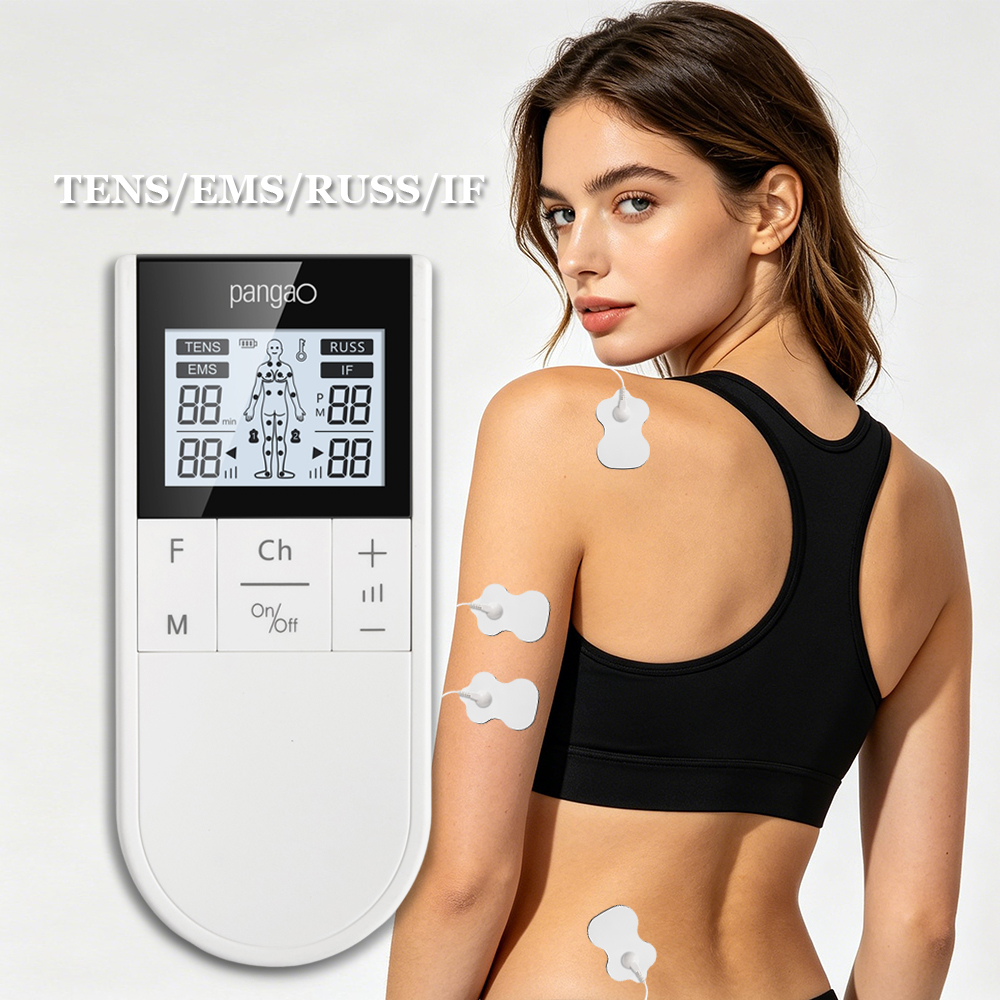
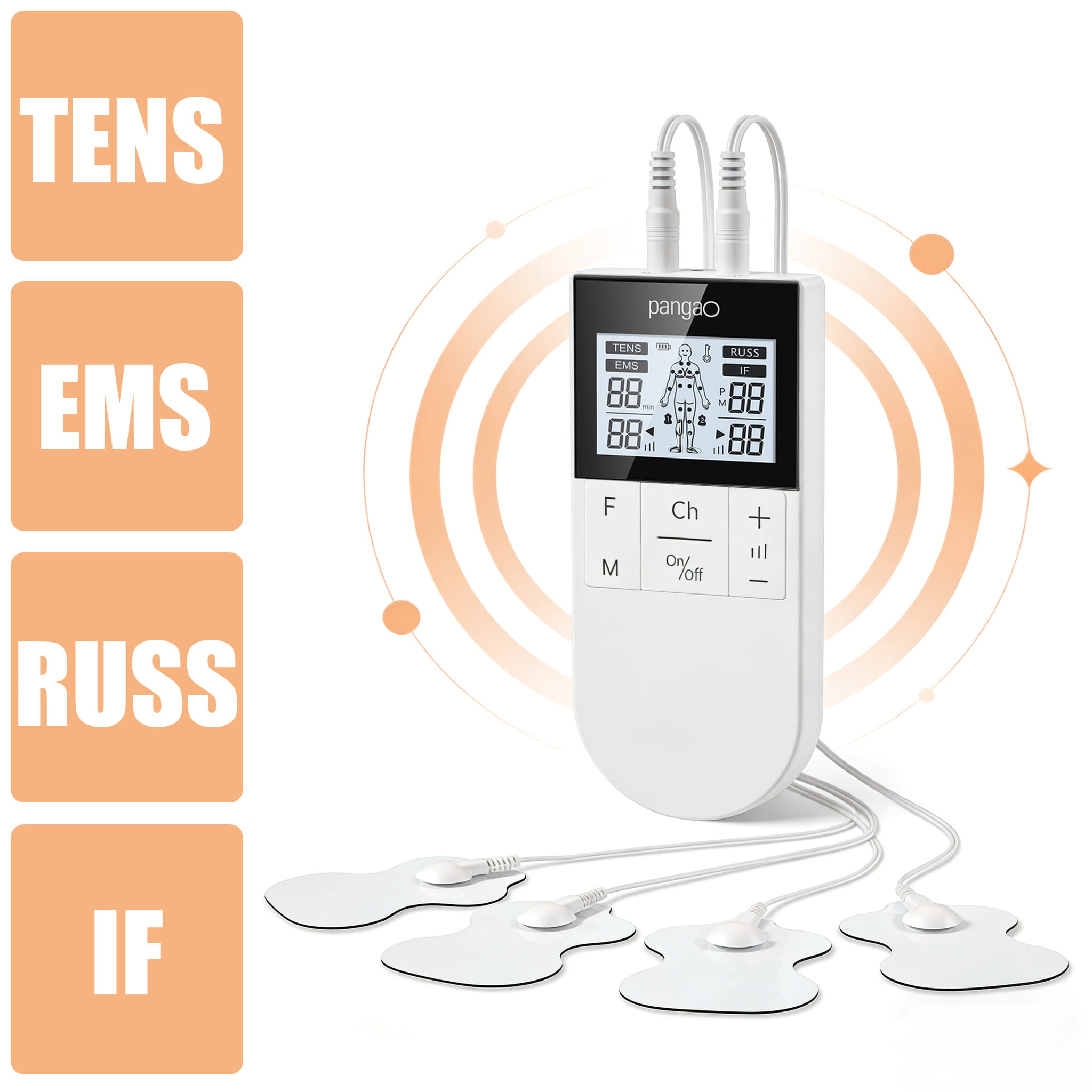
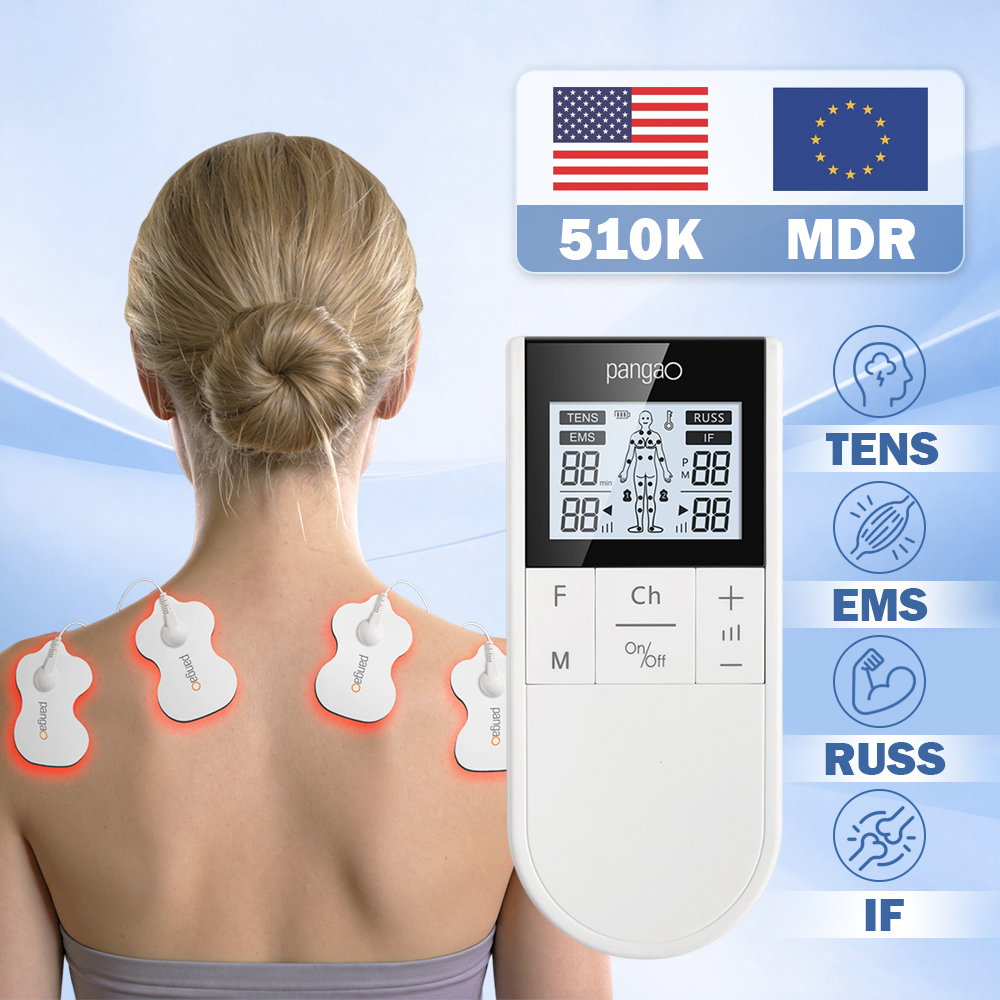
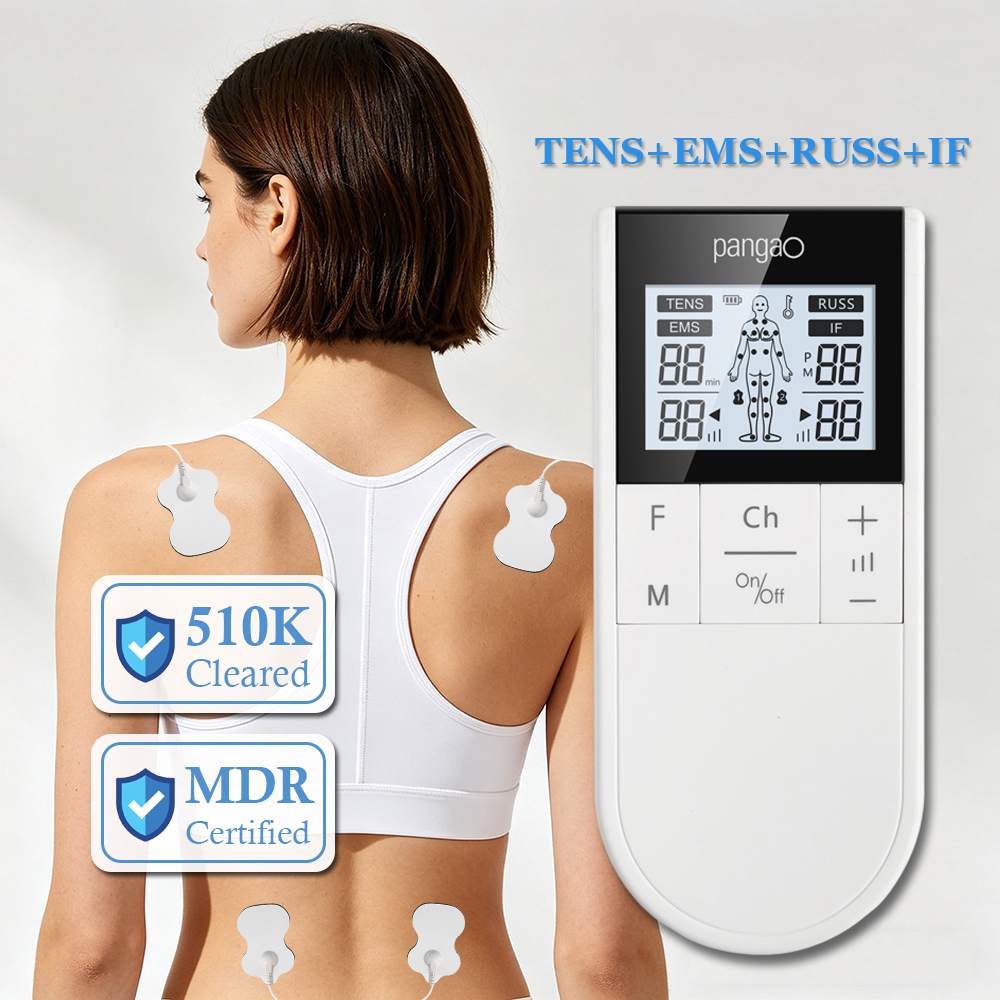
B2B Procurement Whitepaper: Engineering Standardizations for OEM Neuromuscular Stimulators
The global market for electrotherapeutic pain management and neuromuscular electrical stimulation (NMES) devices is experiencing unprecedented expansion. Driven by a aging global demographic, higher prevalence of chronic musculoskeletal conditions, and a deliberate clinical shift away from opioid-based pharmaceuticals, non-invasive bioelectronic therapy has emerged as a cornerstone of modern physical rehabilitation and home health monitoring.
For global medical brand owners, clinical device distributors, and healthcare importers, sourcing custom OEM Neuromuscular Stimulators requires a rigorous evaluation of hardware engineering, waveform synthesis, and cross-border regulatory compliance. Modern buyers no longer evaluate suppliers solely on unit pricing; competitive advantage is gained through Information Gain—understanding pulse delivery mechanics, biological impedance handling, firmware safety cutoffs, and regional certification frameworks such as US FDA 510(k), European Union Medical Device Regulation (EU MDR 2017/745), and Australian TGA guidelines.
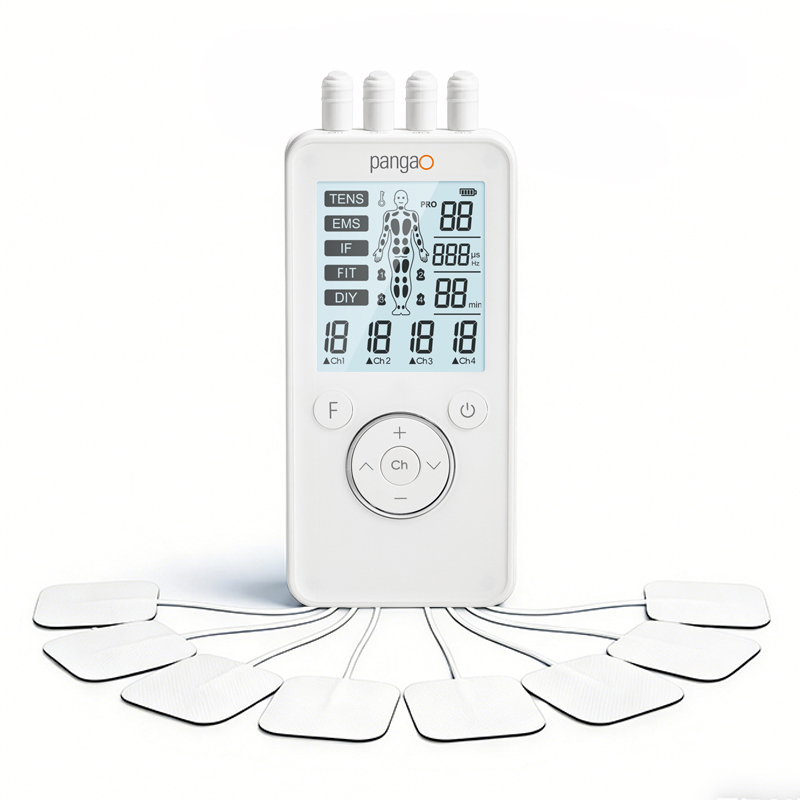
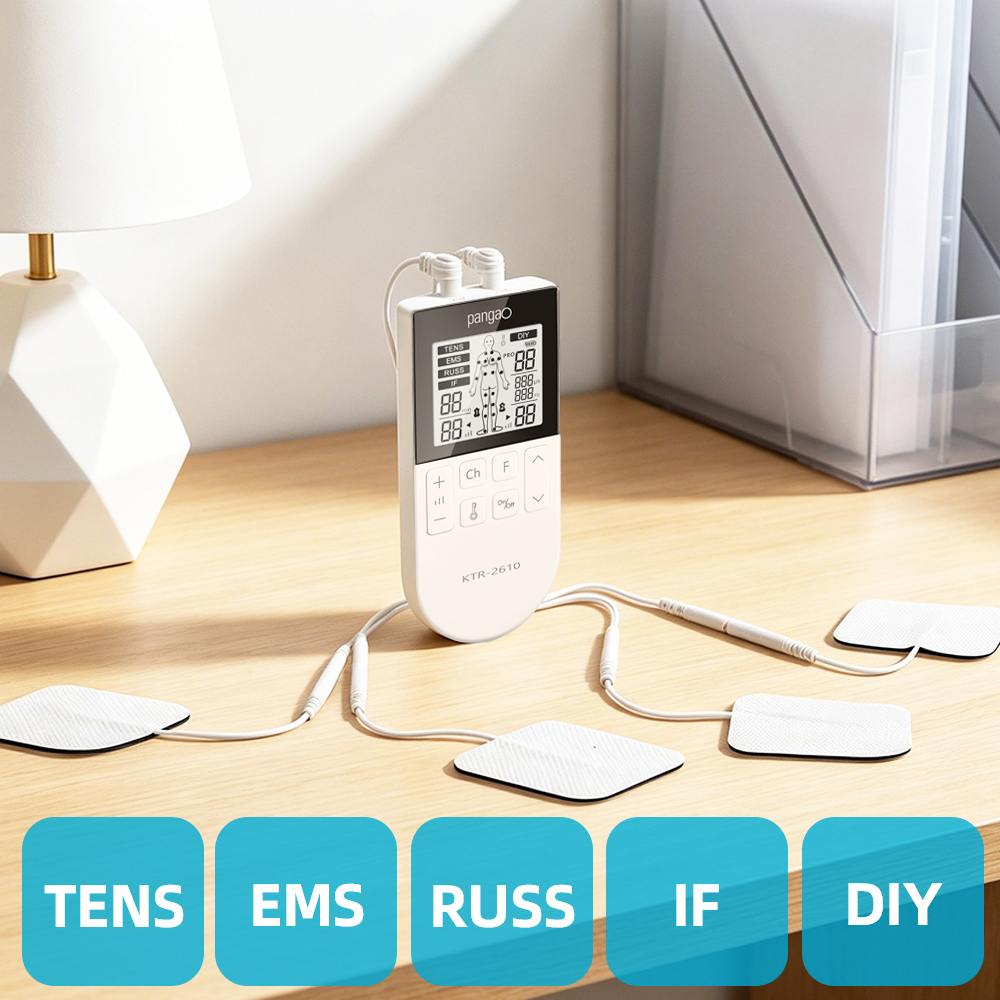
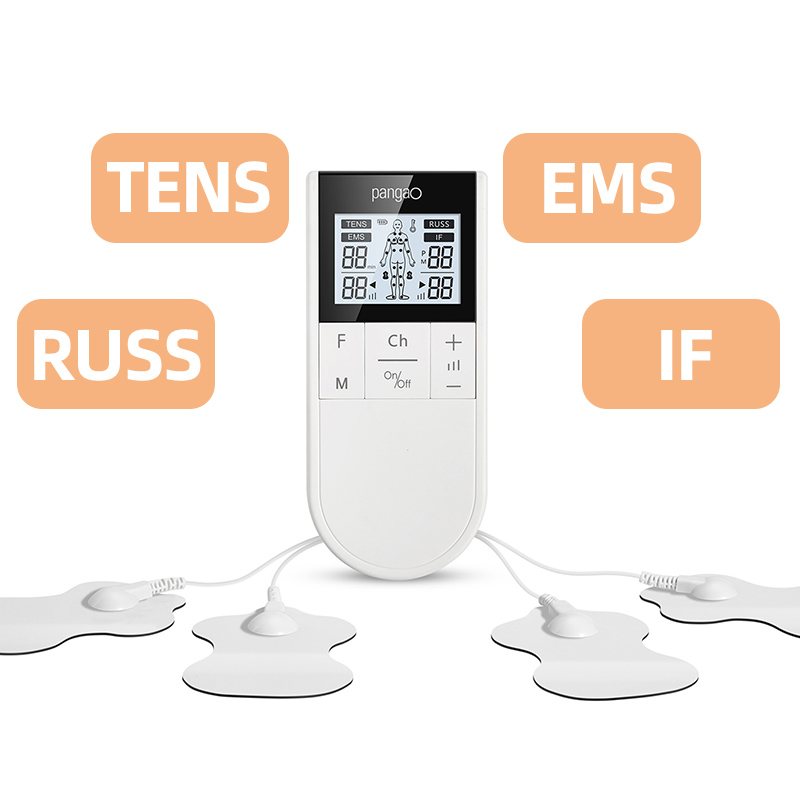
Neuromuscular Electrotherapy Modalities: TENS, EMS, IF, and Russian Waves
An advanced OEM Neuromuscular Stimulator must integrate multi-modality pulse generation within a single microcontrolled architecture. Understanding the physiological distinctions between these modalities is essential when defining product requirements for distinct clinical and consumer user segments:
Transcutaneous Electrical Nerve Stimulation (TENS)
Targeting A-beta sensory nerve fibers, TENS inhibits nociceptive signal transmission to the brain via the spinal Gate Control Theory while inducing endogenous endorphin release. Ideal for symptomatic relief of chronic back pain, joint stiffness, and acute post-operative discomfort.
Electrical Muscle Stimulation (EMS / NMES)
Directly depolarizing motor nerves to induce rhythmic muscle contractions. EMS prevents muscle atrophy during prolonged immobilization, enhances localized microvascular blood circulation, accelerates athletic recovery, and re-educates motor units following surgical interventions.
Interferential Current (IF) & Russian Stimulation (RUSS)
IF utilizes medium-frequency dual currents (~4000 Hz) that intersect deep within body tissue to deliver low-frequency therapy with minimal cutaneous sensory irritation. Russian Wave (2500 Hz carrier frequency delivered in bursts) provides powerful motor recruitment for high-level athletic strength training and clinical rehab.
Microcontroller Engineering & Pulse Parameter Matrix
Shenzhen Vilicus Medical Electronics Co., Ltd. incorporates proprietary digital signal processing (DSP) and high-voltage step-up transformer topologies to deliver stable, charge-balanced biphasic asymmetric pulses across variable skin-electrode impedance loads (200Ω – 2000Ω).
| Engineering Parameter | Technical Specification Range | Clinical / Operational Relevance | OEM Customization Scope |
|---|---|---|---|
| Pulse Waveform Shapes | Biphasic Asymmetric Square, Monophasic Square, Sinusoidal Interferred | Prevents net DC current accumulation under electrodes; eliminates skin burns and tissue electrolysis. | Custom firmware algorithms, pulse-burst envelopes, DIY programmable patterns. |
| Output Pulse Width | 50 µs – 400 µs (Adjustable in 10 µs increments) | Differentiates between sensory (narrow width) and deep motor nerve recruitment (wide pulse width). | Preset lock-outs for retail compliance vs. unlocked clinical diagnostic ranges. |
| Pulse Frequency Range | 1 Hz – 150 Hz (Low Frequency), 2.5 kHz – 4 kHz (Medium Frequency) | 1–10 Hz triggers endorphin release; 80–120 Hz blocks Gate Control nociception; 2.5 kHz triggers muscular hypertrophy. | Custom sweep frequency ranges and automated ramping cycle profiles. |
| Output Voltage / Current | 0 – 100 Vpp across 500 Ω load; 0 – 100 mA constant current driving | Ensures therapeutic efficacy even as electrode hydrogel degrades over repeated applications. | Hardware current-limiting safety switches (IEC 60601-2-10 medical electrical safety). |
| Channel Configuration | 2-Channel (4-Pad) / 4-Channel (8-Pad) / Isolated RF Wireless Pods | Allows independent treatment of multiple muscle groups (e.g., bilateral knee rehabilitation or lumbar spine relief). | Custom PCB layout, split intensity controllers, independent timer modules. |
| Thermal Integration | 3-Level PTC Carbon Film / Far-Infrared Light (42°C – 48°C) | Combined thermal therapy vasodilates local capillaries, improving electrical conductivity and user comfort. | Integrated heating waist belts, period pain pads, and red-light foot circulation platforms. |
Future Sourcing Trends in Neuromuscular Stimulation (2025–2030)
As global healthcare procurement transitions toward decentralized home care and digital health ecosystem integration, several pivotal technology trends are reshaping OEM/ODM product specifications:
1. App-Connected IoT Platforms
Future-ready TENS and EMS devices feature low-power Bluetooth (BLE 5.2) connectivity, allowing users to control therapy sessions via iOS and Android apps. Sourcing managers benefit from cloud analytics, compliance tracking, and over-the-air (OTA) firmware updates.
2. Wearable & Cable-Free Designs
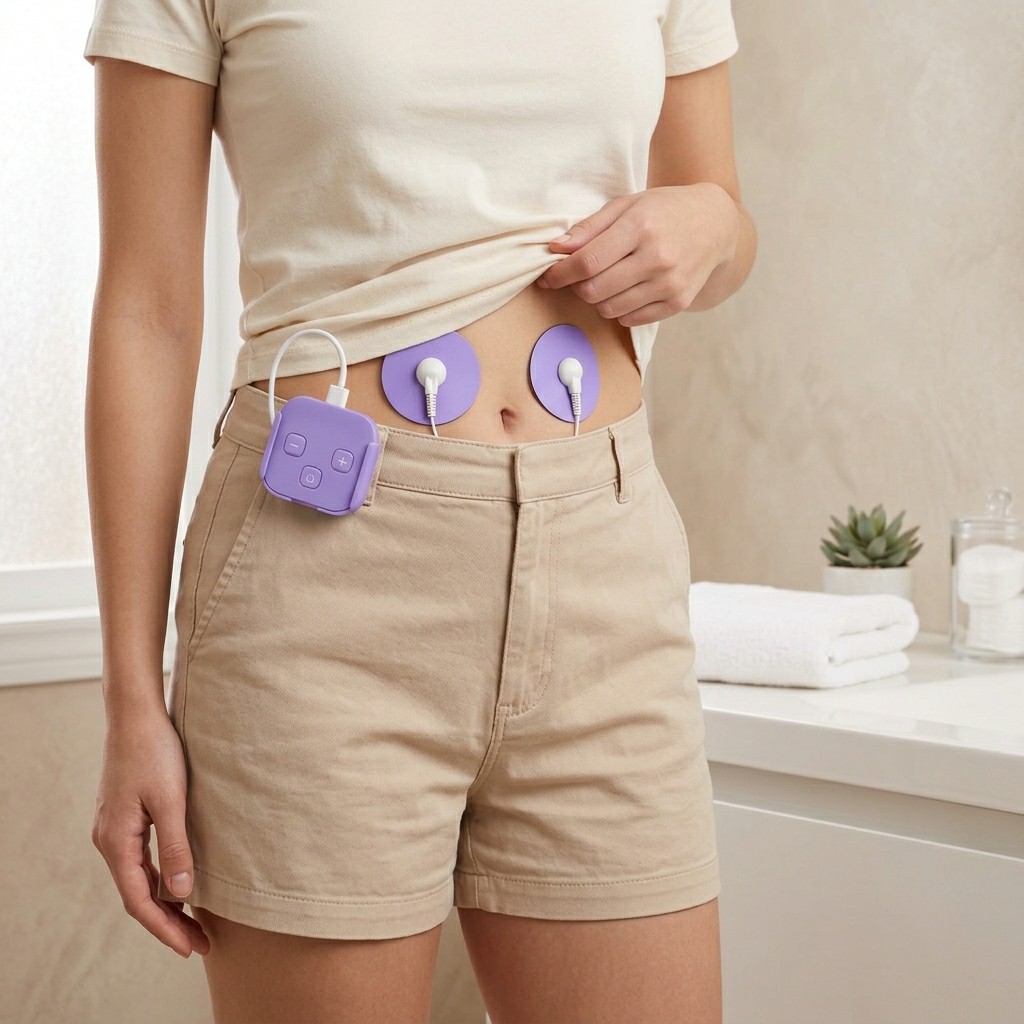
Bulky lead wires are rapidly being replaced by ergonomic wireless pods and integrated flexible conductive silicone belts. This trend is particularly dominant in dysmenorrhea (menstrual cramp relief) and lower back wear pain management products.
3. Stringent Regulatory Gatekeeping
With the European Union fully implementing EU MDR (2017/745) and the US FDA enhancing post-market surveillance for Class II electrotherapy devices, partnering with an ISO 13485-certified manufacturer with existing technical documentation files (TCF) is imperative to reduce market entry risk.
Why Top Global Brands Partner with Shenzhen Vilicus Medical Electronics
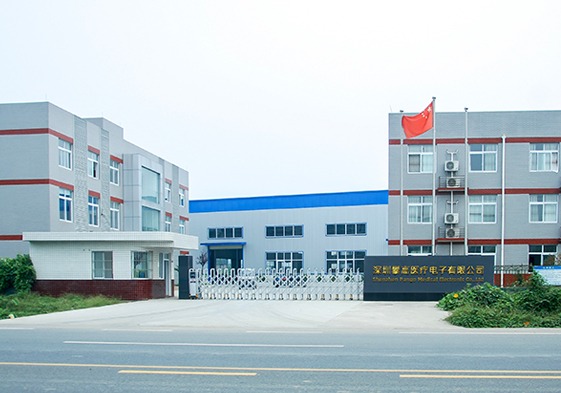
Operating from our 15,700 m² state-of-the-art production hub in Henggang Street, Shenzhen, Shenzhen Vilicus Medical Electronics Co., Ltd. brings together over two decades of high-reliability group electronics manufacturing heritage (since 2000) and specialized electrotherapy engineering expertise (since 2013).
Complete In-House Manufacturing Loop
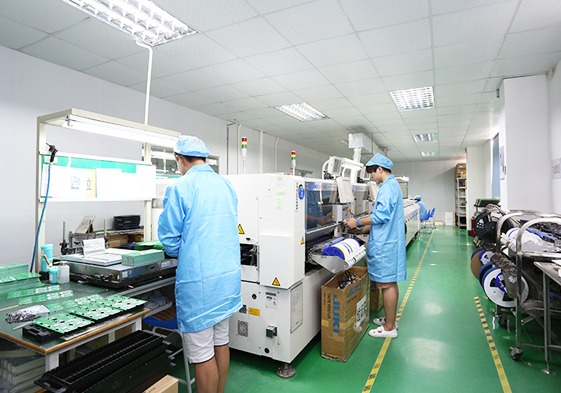
We maintain complete control over the entire supply chain. From PCB SMT assembly, precision injection molding, and liquid silicone pad casting to final cleanroom packaging and 100% automated electrical safety burn-in testing, our vertical integration safeguards product quality while maintaining competitive B2B factory pricing.
Regulatory Excellence & Certification Support
Vilicus facilities are audited and verified onsite by SGS and hold ISO 13485 quality system accreditation alongside BSCI social compliance clearance. Our devices hold comprehensive regulatory credentials including US FDA 510(k), European CE under EU MDR, Australian TGA, and RoHS compliance certificates.
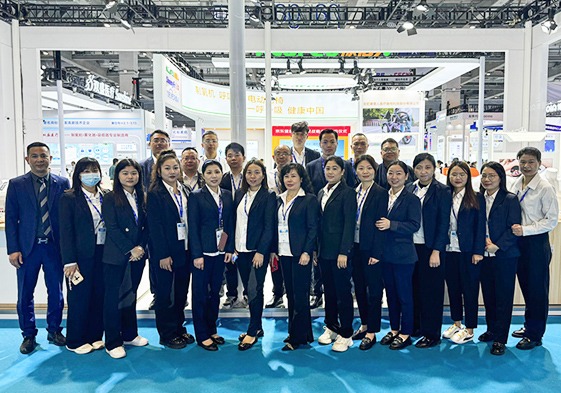
Production & Quality Control Operations
Frequently Asked Questions for B2B Importers & OEM Buyers
What is the Minimum Order Quantity (MOQ) for custom OEM orders?
How does Vilicus support regulatory filings like US FDA 510(k) and EU MDR?
Can we customize firmware parameters, pulse waveforms, and language interfaces?
What is the typical production lead time for sample development and bulk export orders?
What quality assurance standards are enforced during mass assembly?
Partner with a Leading Certified Electrotherapy Manufacturer
Consult with our senior medical device engineering team today. Get instant B2B quotation catalog, regulatory compliance documentation, and custom OEM project proposals.
Inquire Now