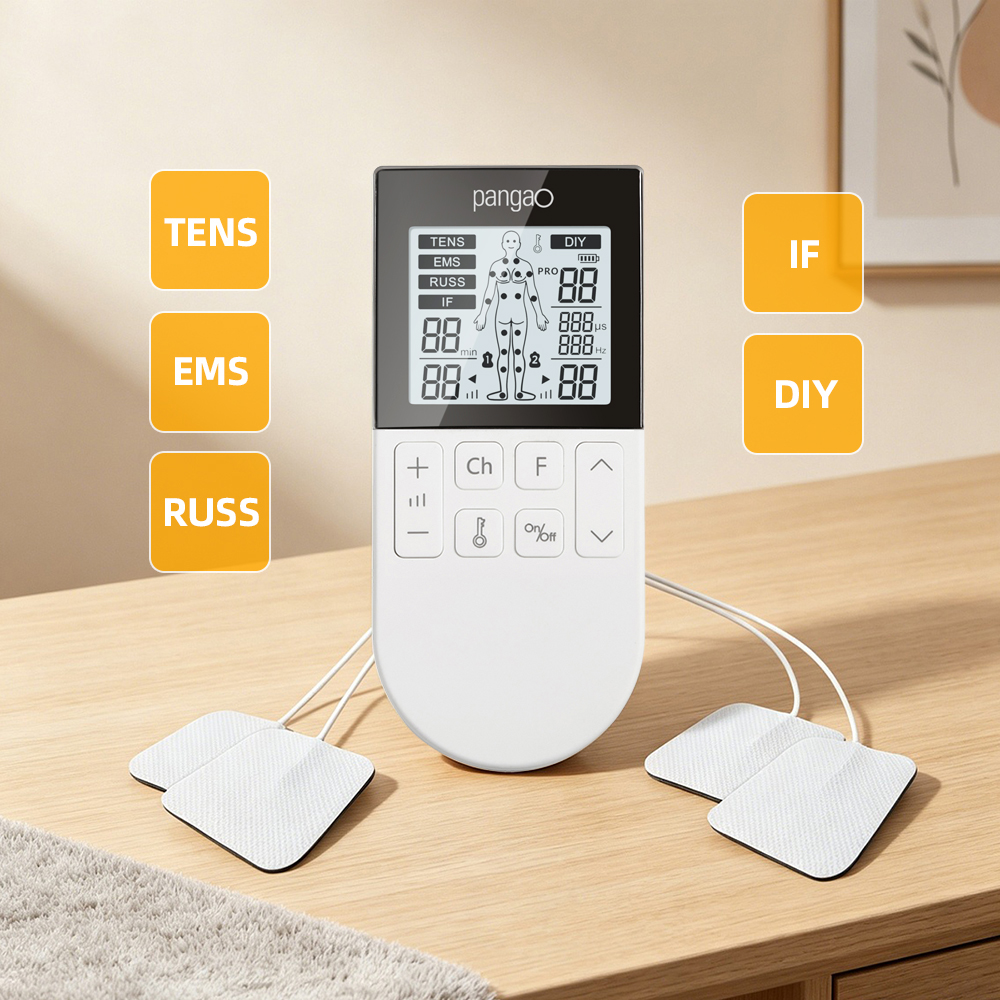
Featured Electrotherapy Units
High-Performance TENS & EMS Muscle Stimulator Solutions
Explore our certified electrotherapy machines designed for pain management, neuromuscular rehabilitation, dysmenorrhea relief, and foot circulation therapy.
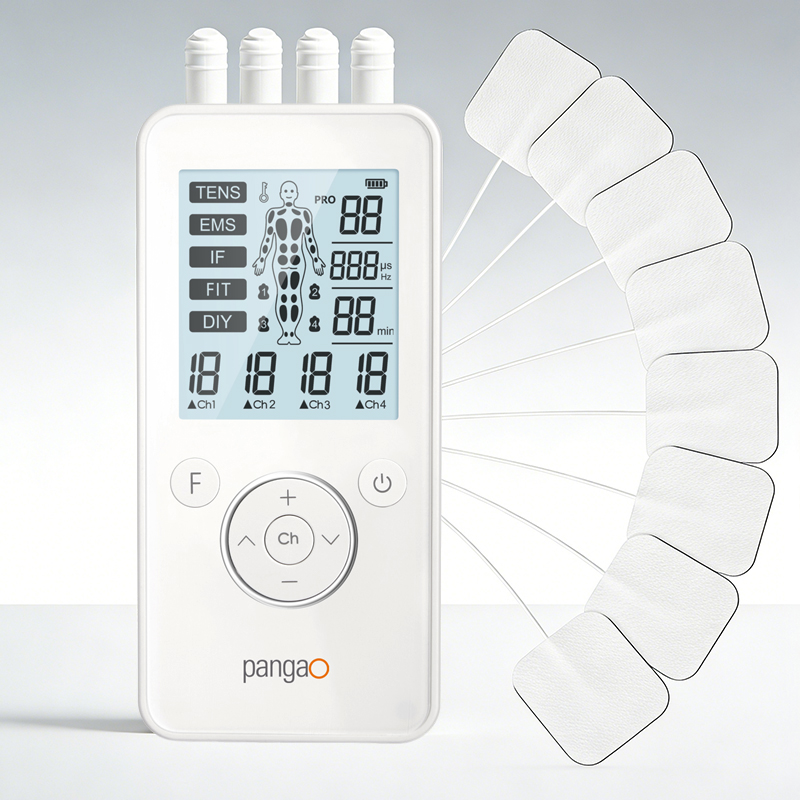
Wholesale Professional Electric Pulse Device 4 Channels EMS TENS Machine
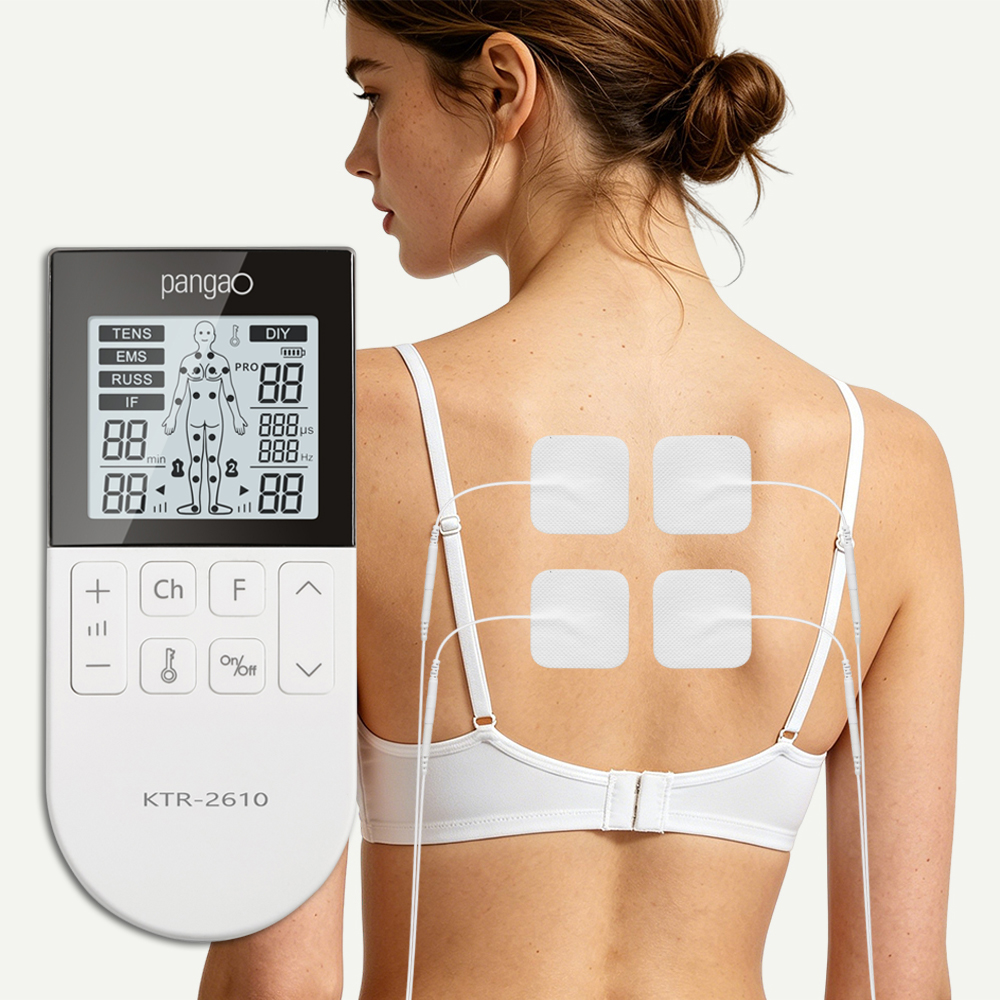
Electronic Pulse Massager Portable Dual Channel DIY IF RUSS EMS TENS Unit
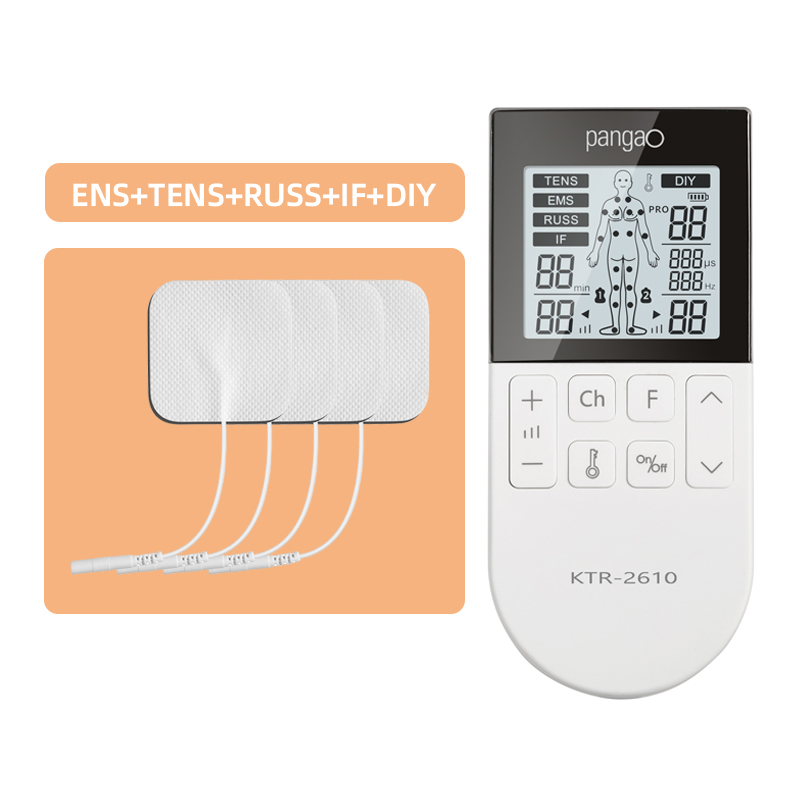
Medical Electric Muscle Stimulator Pain Relief Device Dual Channel TENS EMS
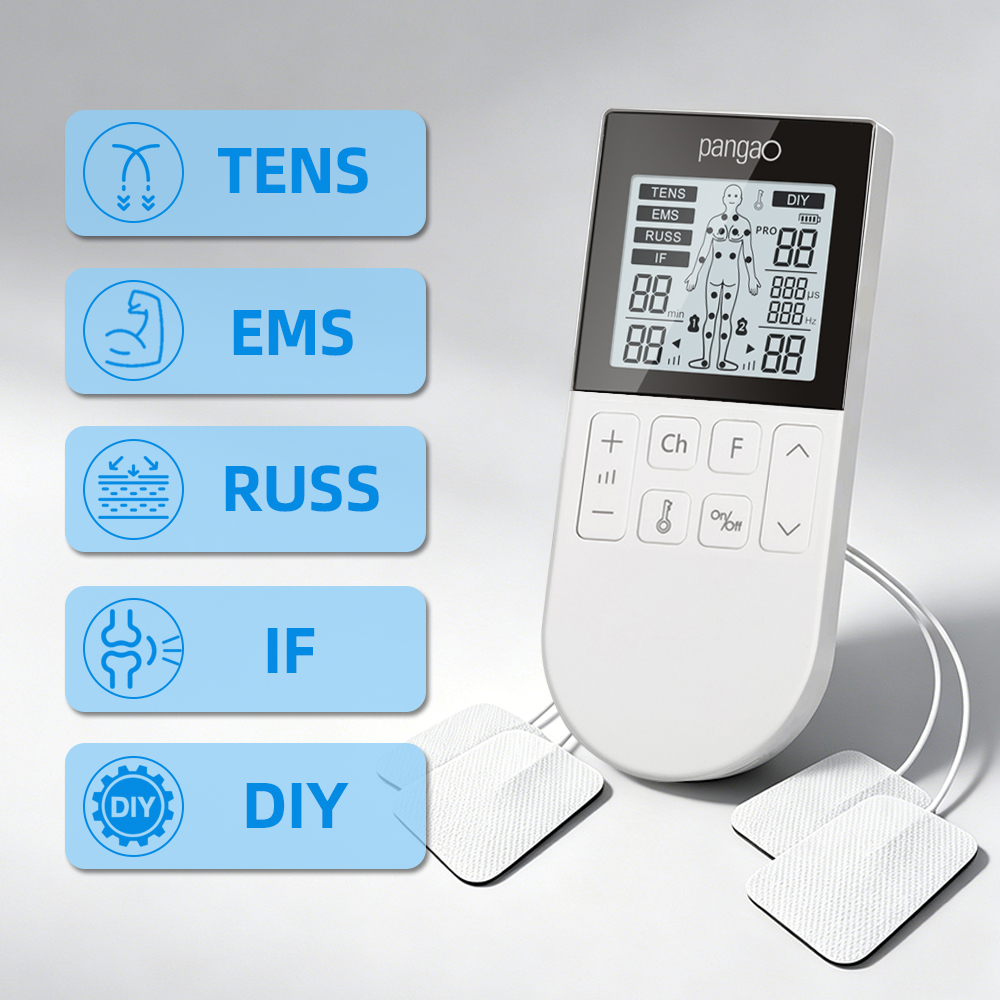
KENTRO Portable Rechargeable Electrotherapy Device 5-in-1 RUSS IF EMS TENS
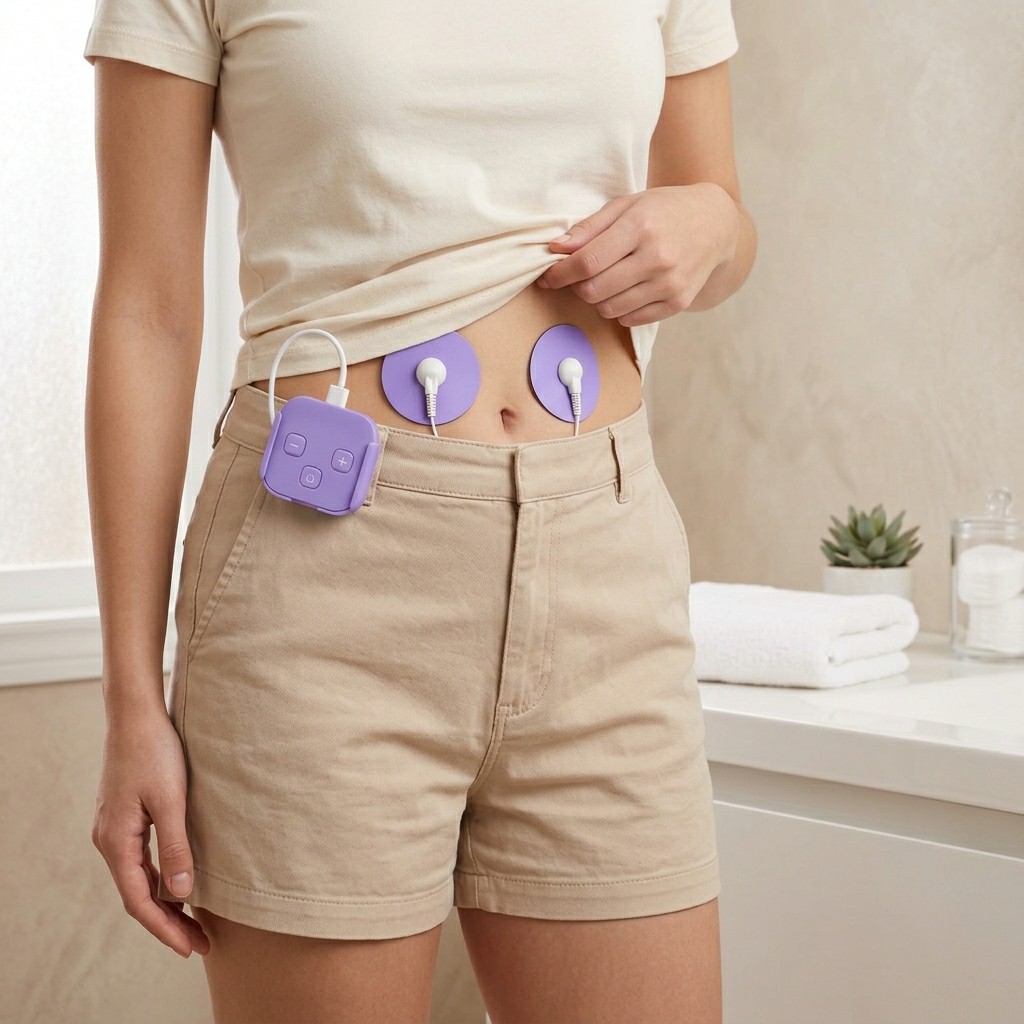
Rechargeable Period Pain Therapy Device Menstrual Cramp Relief TENS Machine
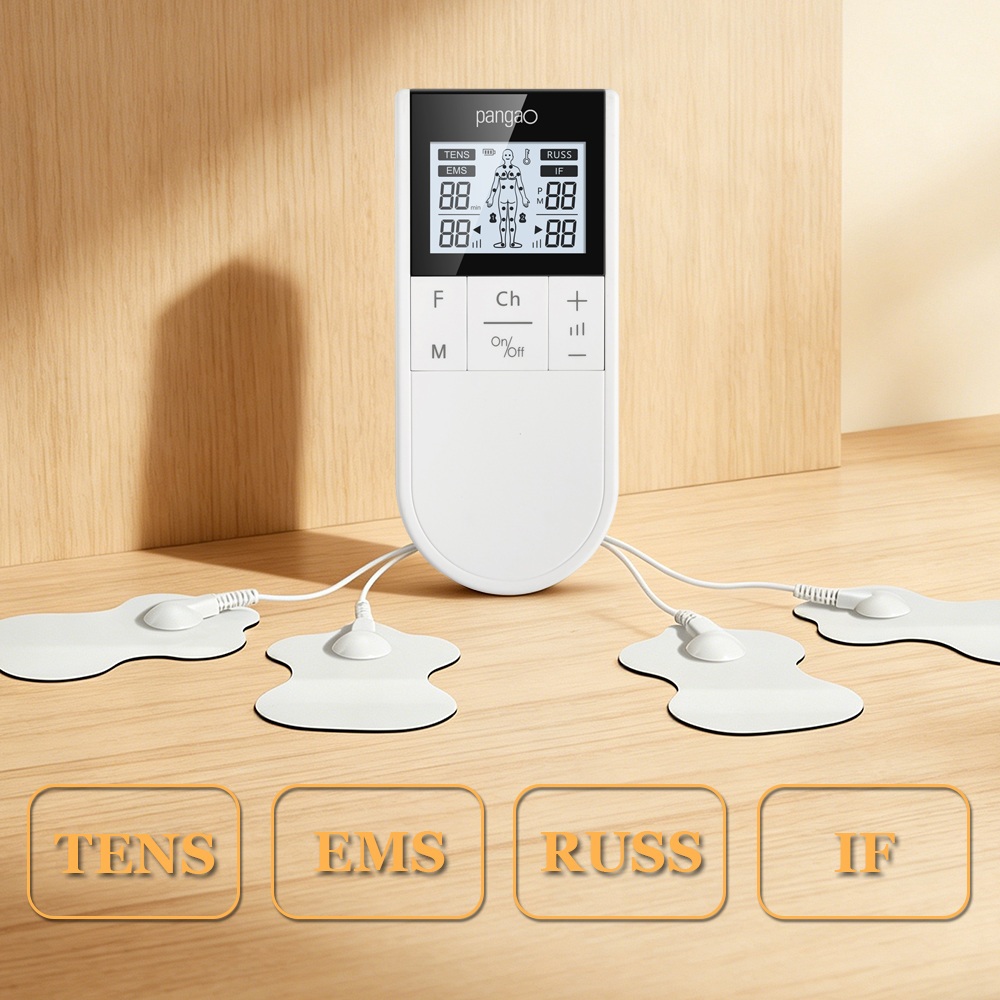
Medical Physical Therapy Portable Dual Channel 4 Electrode Pads TENS Unit
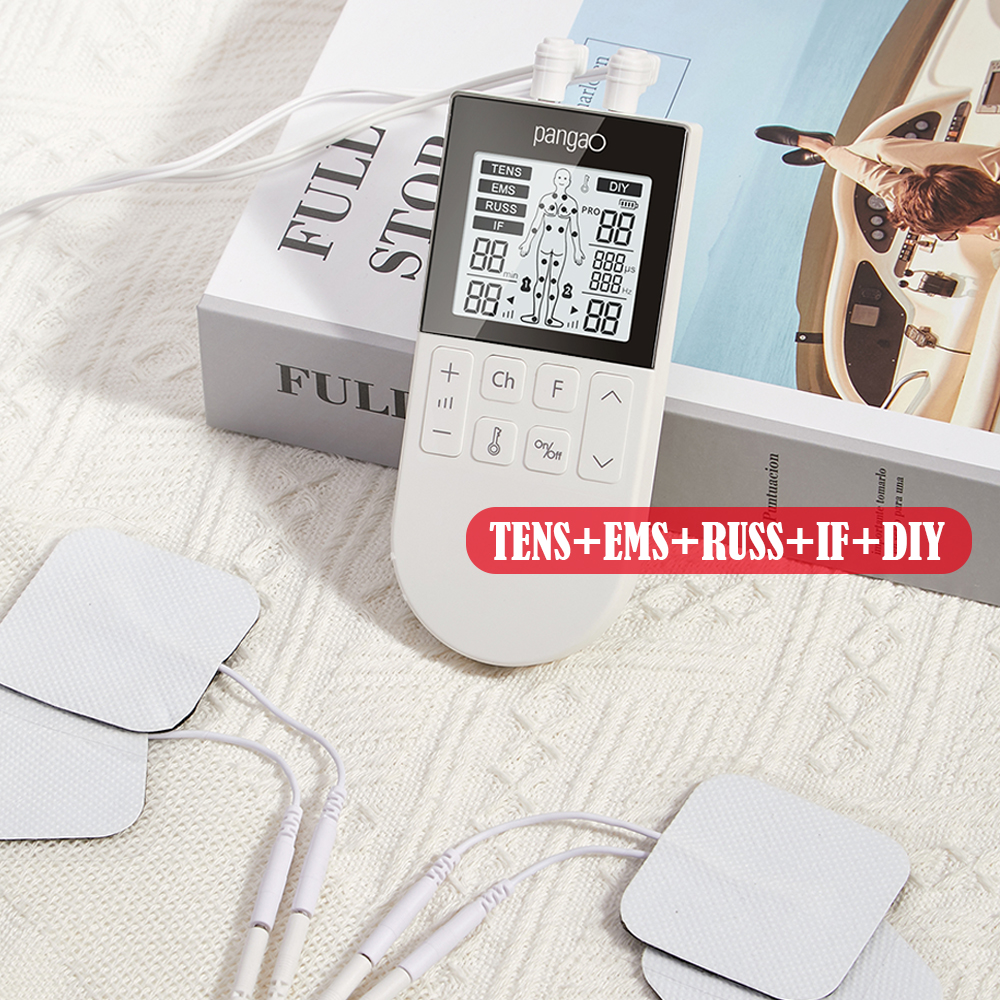
Home Use Body Pain Relief Electrotherapy Machine Handheld Multi-Mode EMS TENS
1. Technical Deep-Dive: Navigating the Architectural Landscape of Wholesale TENS & EMS Devices
Transcutaneous Electrical Nerve Stimulation (TENS) and Electrical Muscle Stimulation (EMS) have transitioned from specialized clinical physical therapy departments directly into the global consumer healthcare and home-care markets. For procurement managers, medical device importers, and brand owners sourcing from China, understanding the underlying bioelectrical mechanics and hardware engineering of these devices is essential to establishing market superiority and maintaining compliance with international regulatory authorities.
At its core, a commercial TENS unit operates by emitting controlled electrical micro-pulses through conductive hydrogel electrode pads placed on the skin. These pulses target A-beta sensory nerve fibers, effectively blocking pain signals from reaching the central nervous system under the recognized Gate Control Theory of Pain formulated by Melzack and Wall. Additionally, specific low-frequency pulse settings (1 Hz to 10 Hz) trigger endogenous opioid release (endorphins and enkephalins) for prolonged systemic analgesia. Conversely, EMS modalities deliver higher pulse intensities specifically aimed at motor nerve depolarization, inducing involuntary muscular contractions to prevent disuse atrophy, promote localized blood microcirculation, and accelerate athletic recovery.
Key Technical Paradigm Shift in Electrotherapy Manufacturing
Modern wholesale buyers must move beyond basic dual-channel square-waveform devices. Premium electrotherapy lines engineered by top China suppliers now integrate multi-waveform capabilities—combining TENS, EMS, Interferential (IF), Russian (RUSS), and Microcurrent (MCR) stimulation into single micro-controller units (MCU) capable of continuous impedance dynamic matching.
Waveform Specifications & Electrical Architecture
When selecting a manufacturing partner in China, technical auditing should prioritize MCU circuit safety, load compensation efficiency, and signal purity. Substandard suppliers often cut costs by utilizing unregulated transformer coils that lead to voltage spikes, skin tingling, or premature electrode degradation. Leading ISO 13485 certified facilities in Shenzhen, such as Shenzhen Vilicus Medical Electronics Co., Ltd., implement constant-current circuit output loops capable of auto-adjusting pulse width and amplitude based on skin-pad impedance variations ranging from 500 Ω to 1000 Ω.
- Pulse Amplitude & Voltage Output: Adjustable from 0 to 120 mA into a 500 Ω load, providing precise intensity steps (typically 1 mA or 60 digital intensity increments).
- Phase Duration (Pulse Width): Configurable between 50 µs and 400 µs, matching both thin sensory skin nerves and deeper neuromuscular tissue structures.
- Carrier Frequency Modulations: Integration of 2,500 Hz Russian carrier frequencies and 4,000 Hz Interferential crossing currents to provide deep tissue penetration without causing superficial epidermal pain.
- Power Management & Battery Standards: Shift from disposable 9V AAA batteries to medical-grade 3.7V Lithium-polymer rechargeable cells complete with IEC 62133 certification, UN38.3 transport safety documentation, and over-current protective ICs.
Modality Comparison
TENS vs. EMS vs. IF vs. RUSS: Comparative Specification Guide
A reference matrix for B2B buyers specifying target parameters for custom OEM electrotherapy device projects.
| Electrical Modality | Frequency Range (Hz) | Pulse Width (µs) | Target Anatomical Structure | Primary Physiological Indication | Target Retail Channel |
|---|---|---|---|---|---|
| TENS (Transcutaneous Nerve) | 2 Hz – 150 Hz | 50 µs – 250 µs | A-beta & A-delta sensory nerves | Symptomatic relief of chronic/acute pain, arthritis, lower back strain | OTC Pharmacy, Amazon E-Commerce, Retail Healthcare |
| EMS (Muscle Stimulation) | 20 Hz – 120 Hz | 200 µs – 400 µs | Alpha motor neurons & muscle belly | Muscle conditioning, re-education, atrophy prevention, hyper-drainage | Sports Medicine, Fitness Retail, Physiotherapy Clinics |
| IF (Interferential Therapy) | 4,000 Hz Carrier (1-150 Hz Beat) | Amplitude Modulated | Deep intra-articular tissue & nerve plexus | Deep post-operative joint pain, deep-seated muscular spasm management | Clinical Supply, Professional Physio Distributors |
| RUSS (Russian Stimulation) | 2,500 Hz Burst Carrier | 50% Duty Cycle (10ms burst) | Skeletal muscle fibers (Type II fast-twitch) | High-intensity muscle strengthening, athletic recovery enhancement | Rehabilitation Centers, Orthopedic Supply Houses |
| Women's Dysmenorrhea TENS | 80 Hz – 100 Hz (Modulated) | 100 µs – 150 µs | T10-L1 Dermatomes & Uterine Nerves | Targeted drug-free menstrual cramp relief combined with 45°C heating | FemTech Brands, Beauty & Wellness Retail, Direct-to-Consumer |
Global Market Insights
2026–2030 Future Procurement & Product Development Trends
Anticipating structural shifts in global electrotherapy demand to keep your sourcing strategy ahead of market disruption.
1. Wireless Pod Architecture & App Connectivity
The market is rapidly discarding cumbersome lead wires in favor of ultra-lightweight Bluetooth Low Energy (BLE 5.2) wearable pods. Modern consumers demand app-integrated electrotherapy units that allow personalized pulse programming, real-time body map guidance, and treatment tracking via iOS and Android smartphones.
2. Multi-Modal Synergistic Systems (Heat + Light + TENS)
Isolated electrical pulse stimulation is being replaced by hybrid therapeutic platforms. The fastest-growing B2B product categories combine transcutaneous electrical pulses with targeted 660nm Red Light / 850nm Near-Infrared photobiomodulation and rapid graphene heating pads for enhanced cellular ATP production and rapid muscle relaxation.
3. Specialized FemTech & Menstrual Wellness Devices
Drug-free dysmenorrhea pain management is experiencing exponential retail growth. OEM buyers are increasingly investing in discrete, ergonomic waist-worn devices combining dual-channel TENS algorithms tuned for visceral nerve pathways alongside multi-stage warm compression therapy for period pain relief.
4. Advanced EMS Foot Circulation Platforms
Targeting the aging global demographic and diabetic neuropathy care, foot circulation stimulators with conductive footplates, peripheral TENS pad outputs, and remote controls have become high-volume SKUs for medical equipment distributors and senior health care brands worldwide.
5. Stringent EU MDR & FDA Clearance Requirements
Regulatory scrutiny over imported electrotherapy devices has tightened. Global wholesalers must partner exclusively with manufacturers possessing established Technical Documentation Files (TDF), ISO 13485 quality systems, US FDA 510(k) clearances, and EU Medical Device Regulation (MDR 2017/745) Class IIa certification.
6. Eco-Friendly Conductive Hydrogels & Accessories
Sustainability in consumable accessories is now a procurement criterion. Modern hydrogel pads utilize non-irritating, biocompatible Japanese water-based gels certified under ISO 10993 cytotoxicity and skin-sensitization standards, backed by recyclable packaging configurations.
Manufacturer Profile
Enterprise Excellence: Shenzhen Vilicus Medical Electronics Co., Ltd.
An ISO 13485 certified custom electrotherapy manufacturer combining scale, R&D depth, and international compliance leadership.
Selecting a China wholesale TENS muscle stimulator partner requires rigorous auditing of factory infrastructure, quality control mechanisms, and engineering longevity. Shenzhen Vilicus Medical Electronics Co., Ltd. stands at the forefront of China's medical electrotherapy production sector. With an electronics manufacturing legacy tracing back to 2000 under its parent group and a dedicated specialized electrotherapy manufacturing facility operating since 2013, Vilicus delivers unmatched stability and technical competence to foreign brand owners.
15,700 m² Production Facility
Located in Henggang Street, Shenzhen, our expansive facility features anti-static cleanrooms, automated SMT PCB assembly lines, high-precision plastic injection machines, sonic welding stations, and specialized electro-acoustic testing rooms.
300+ Group R&D Engineers
Our dedicated engineering group covers embedded hardware circuit design, MCU firmware optimization, complex waveform algorithm synthesis, ergonomic industrial casing design, and iOS/Android app integration.
Global Regulatory Clearance
We take the friction out of international distribution. Our manufacturing lines operate under ISO 13485 quality systems, with products audited and compliant under US FDA 510(k), EU MDR (CE), Australian TGA, RoHS, and BSCI social compliance frameworks.
SGS Onsite Verified Quality
Our production facility undergoes continuous third-party inspection. Verified onsite by SGS, we maintain a 100% finished-product aging test and load testing protocol before any batch leaves our warehouse loading bays.
Top 10 Best Seller Status
Our standardized and custom OEM platforms consistently power leading brands ranked among the top-10 best-selling physical therapy and electrotherapy equipment products on international e-commerce platforms.
Full Turnkey OEM / ODM Solutions
From custom plastic injection mold creation and housing color matching to silkscreen brand printing, custom UI LCD display programming, user manual localization, and custom retail gift boxes, we provide full-service product creation.
6. B2B Sourcing Playbook: Step-by-Step OEM/ODM Procurement Workflow
Importing electrotherapy devices from China requires a structured engineering and commercial roadmap to minimize lead-time risk and ensure complete regulatory alignment. Below is the operational workflow followed when contracting OEM or ODM production with Shenzhen Vilicus Medical Electronics Co., Ltd.:
Phase 1: Technical Briefing & Modality Mapping
The buyer defines target markets (US, EU, LATAM, APAC), channel positioning (OTC Retail vs. Prescription Clinical), channel price points, preferred waveform combinations (TENS/EMS/IF/RUSS), battery specs, and channel-specific certificate requirements.
Phase 2: Industrial Design & Prototyping
Our R&D team generates 3D CAD models, ergonomic housing renders, PCB schematics, and functional prototypes. Rapid 3D-printed samples and functional PCB breadboards are supplied for initial client evaluation within 7 to 14 days.
Phase 3: Tooling, Mold Creation & Pre-Compliance
Upon design sign-off, high-precision steel injection molds are fabricated. Pre-production units undergo rigorous EMC (Electromagnetic Compatibility) testing according to IEC 60601-1-2 standards to ensure seamless submission to regulatory bodies.
Phase 4: Mass Production & Quality Assurance
Mass production commences under ISO 13485 control. High-speed SMT lines place micro-components, followed by automated optical inspection (AOI), ultrasonic housing enclosure welding, continuous 4-hour battery burn-in, and 100% full-load output verification.
Frequently Asked Questions
Crucial Sourcing FAQs for Importers & Wholesalers
Direct technical and operational answers to common questions raised by procurement directors before issuing Purchase Orders.
What is the Minimum Order Quantity (MOQ) for wholesale and custom OEM orders?
Our standard Minimum Order Quantity (MOQ) for custom private-label TENS and EMS devices starts at 1,000 units per model. For larger specialized platforms, such as EMS Foot Therapy Circulation Machines, our production MOQ starts at 500 units. Selected entry-level compact wireless pulse massagers can be ordered starting from 3,000 units for fully customized colorways and packaging.
Which specific medical certifications do your products and facility hold?
Shenzhen Vilicus Medical Electronics Co., Ltd. operates an ISO 13485 certified quality management system and is regularly audited for BSCI social compliance. Depending on the chosen SKU, our products hold US FDA 510(k) clearances, European Union EU MDR (CE) Class IIa certification, Australian TGA listing, RoHS environmental compliance, and safety test reports under IEC 60601-1 and IEC 60601-1-11 electrical standards. Onsite factory verification has been conducted by SGS.
Can we utilize your existing FDA 510(k) or CE filings for quick market entry?
Yes. Brand owners and medical distributors can leverage our existing FDA 510(k) clearance numbers and EU MDR technical files through Letter of Authorization (LOA) frameworks or contract manufacturing agreements, dramatically shortening your regulatory submission lead-time from years to weeks.
What customization options are available under OEM/ODM projects?
We provide 360-degree customization: custom housing plastic colors (Pantone matched), silk-screened or laser-engraved corporate logos, custom backlit LCD icons and UI language overlays, customized preset therapy programs (adjusting wave pulse widths, frequencies, and ramp times), custom hydrogel pad shapes/printing, and retail-ready gift box packaging with localized user manuals.
What is the technical difference between TENS, EMS, IF, and Russian waveforms?
TENS targets sensory nerves to block pain pathways (sensory level stimulation). EMS targets motor nerves to contract muscle fibers for re-education and conditioning (motor level stimulation). IF (Interferential) uses intersecting medium-frequency currents to penetrate deeply into complex joint tissues with minimal skin discomfort. RUSS (Russian) utilizes a 2,500 Hz burst carrier wave to generate maximum muscle contraction force for athletic strengthening and rehabilitation.
How do you ensure hydrogel electrode pad quality and biocompatibility?
All electrode pads supplied with our devices feature medical-grade carbon film substrates and biocompatible water-based hydrogels imported or manufactured under strict ISO 10993 cytotoxicity, skin irritation, and sensitization safety standards. Hydrogel pads offer high re-usability (25–30 applications) without drying out or causing epidermal allergic reactions.
What is the standard production lead time for wholesale orders?
For standard repeat OEM orders, manufacturing lead-time is typically 30 to 35 days following sample approval and deposit receipt. For new ODM developments involving new plastic tooling molds, the total engineering cycle ranges from 60 to 75 days, including prototyping, tooling, pre-compliance testing, and initial trial production.
How does your factory handle quality assurance and post-market support?
We implement a strict 100% full-load inspection protocol across all finished electrotherapy units, subjecting them to continuous functional testing, battery endurance checks, and high-voltage isolation audits before packaging. We offer a 1-year product replacement warranty on hardware units and provide comprehensive technical documentation, spare lead wires, and hydrogel supplies to support your post-market service center.
Partner with a Leading China TENS & EMS Wholesaler Today
Whether you are launching a new consumer electrotherapy brand, expanding a pharmacy chain lineup, or seeking a compliant OEM/ODM factory in Shenzhen, our engineering team is ready to assist.
Contact Us