Featured Wholesale TENS & EMS Electrotherapy Units
Factory-Direct Export Portfolio for Global Brands, Distributors, and Hospital Suppliers
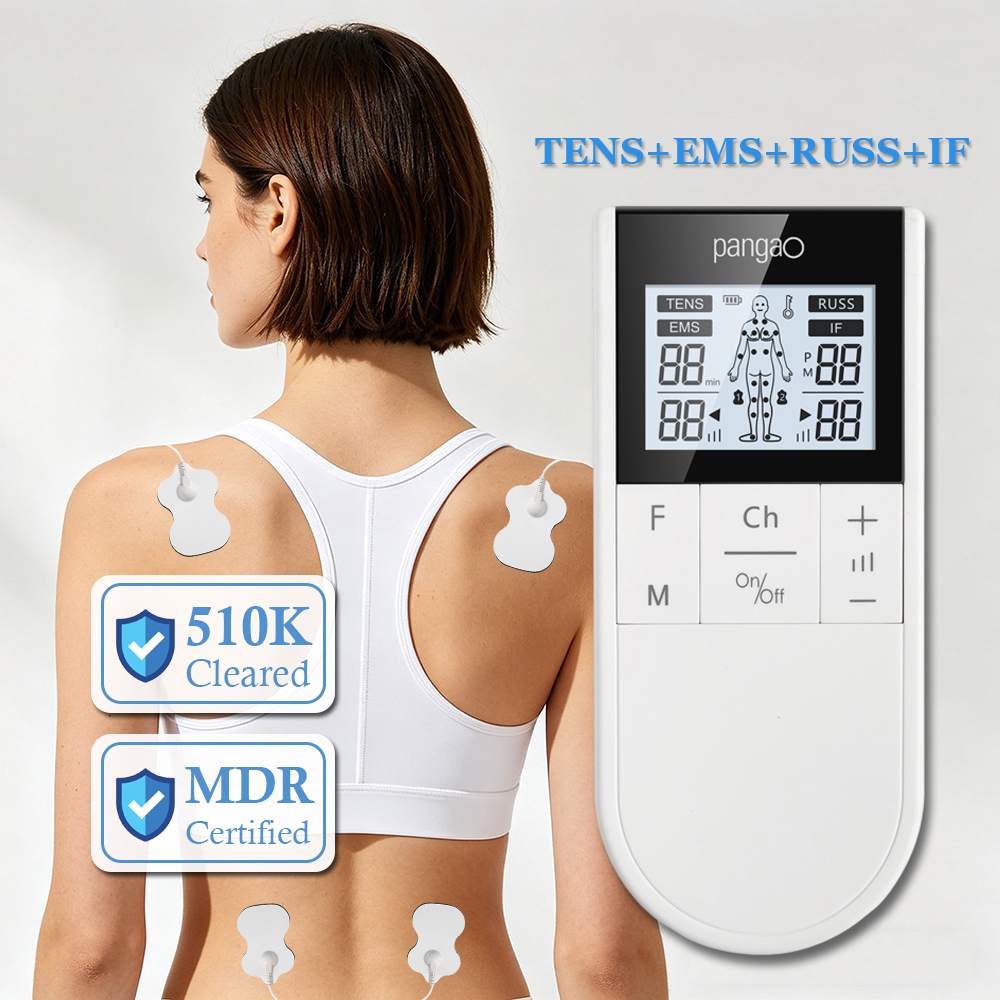
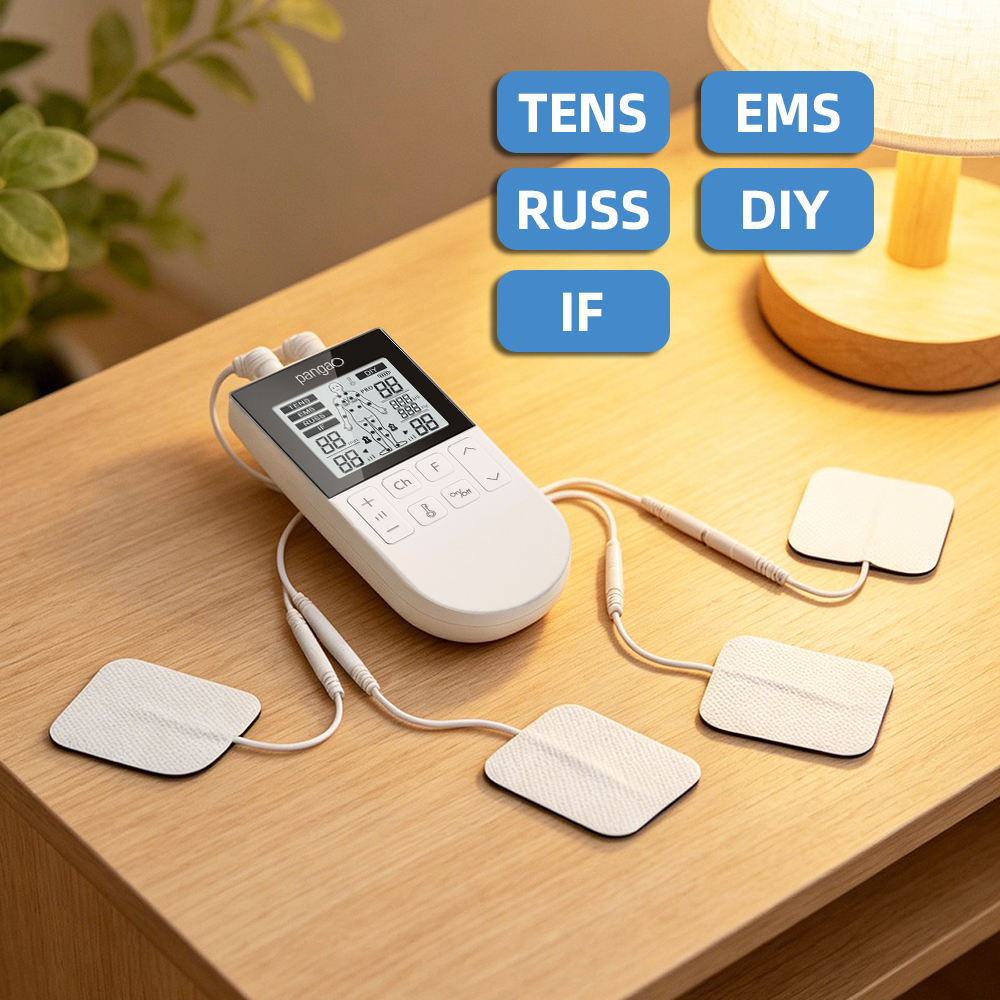
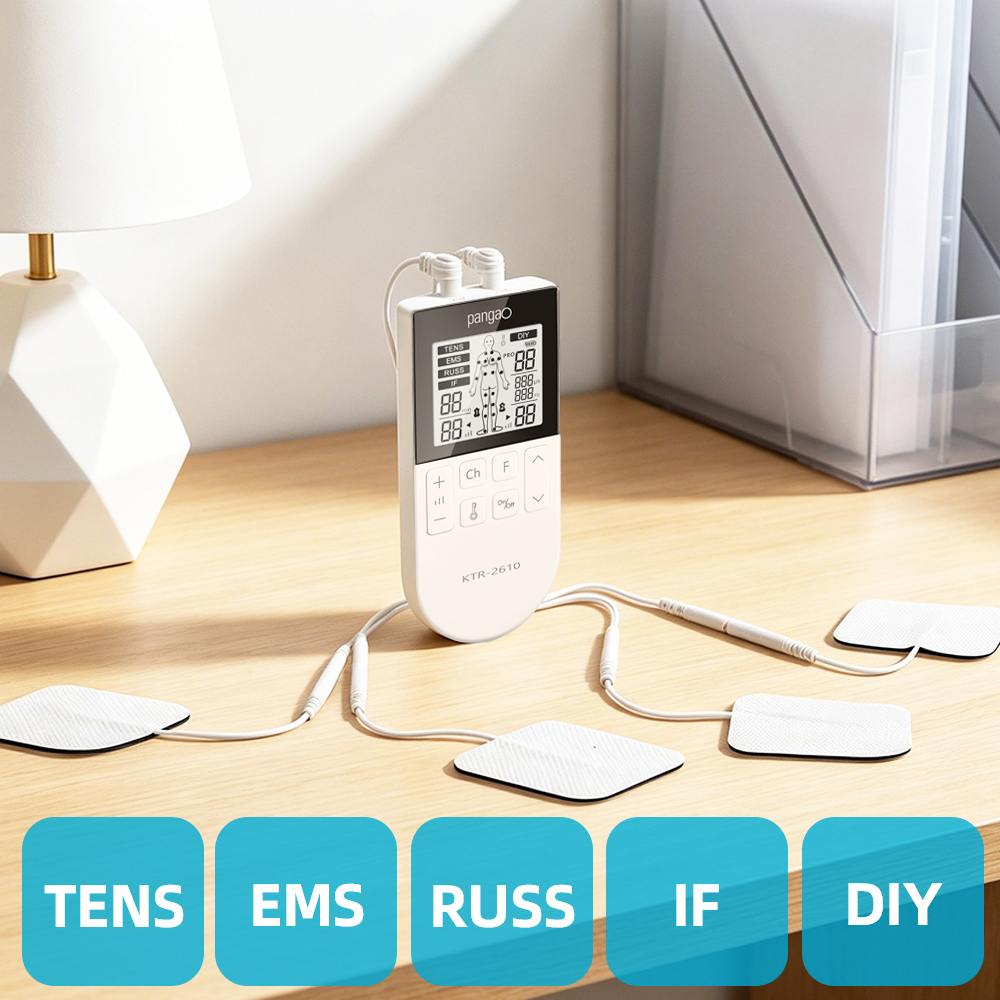
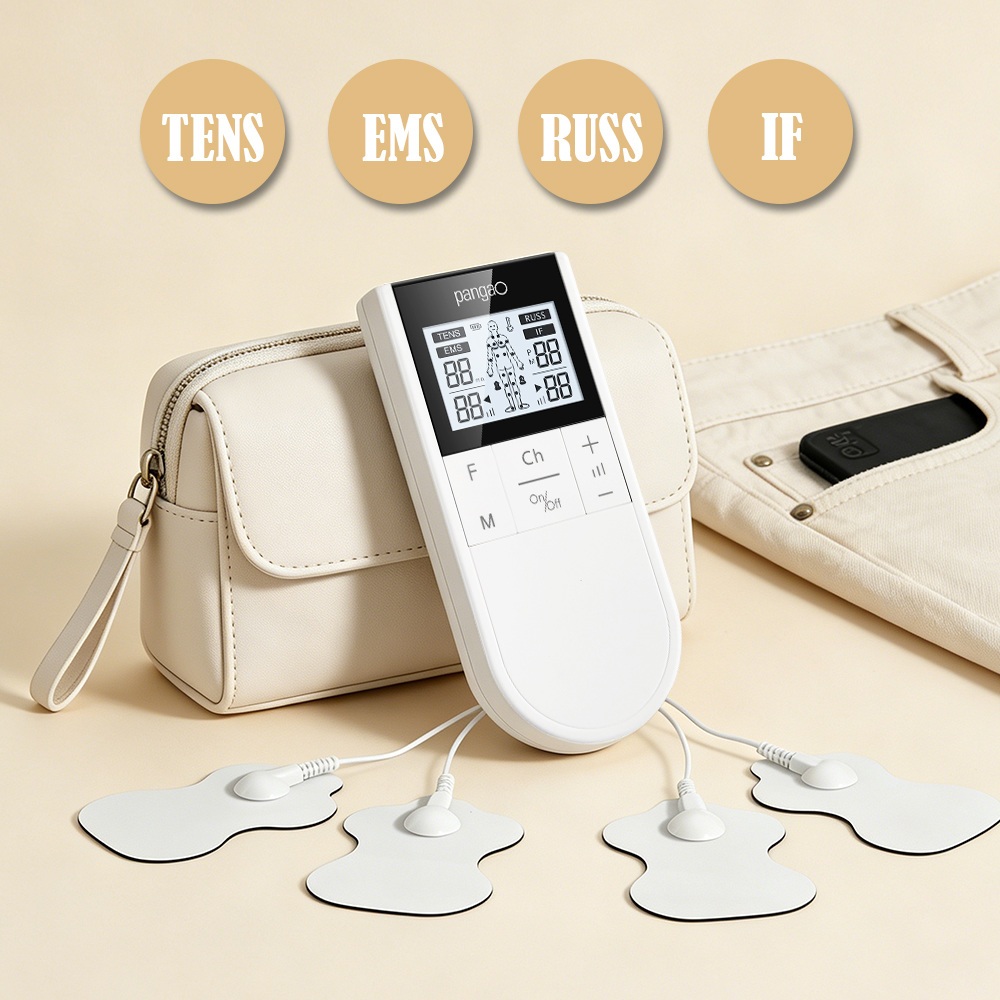
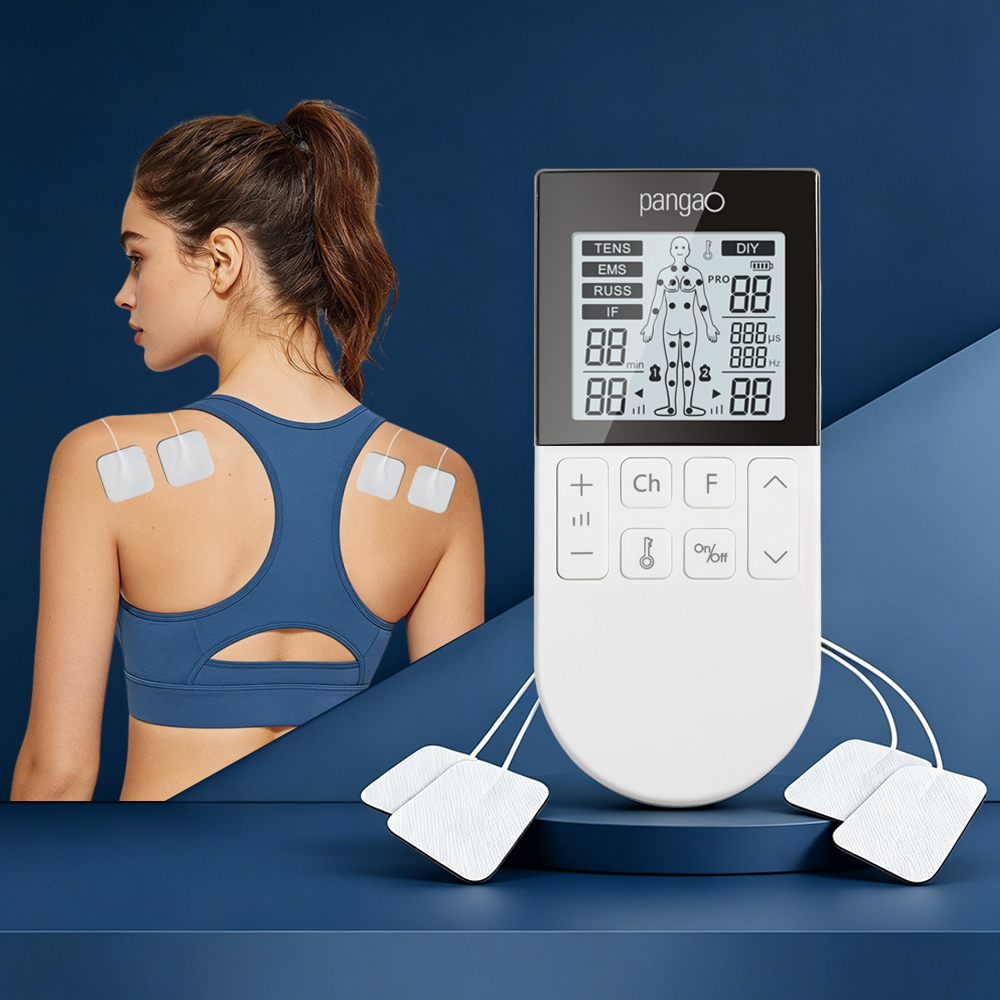
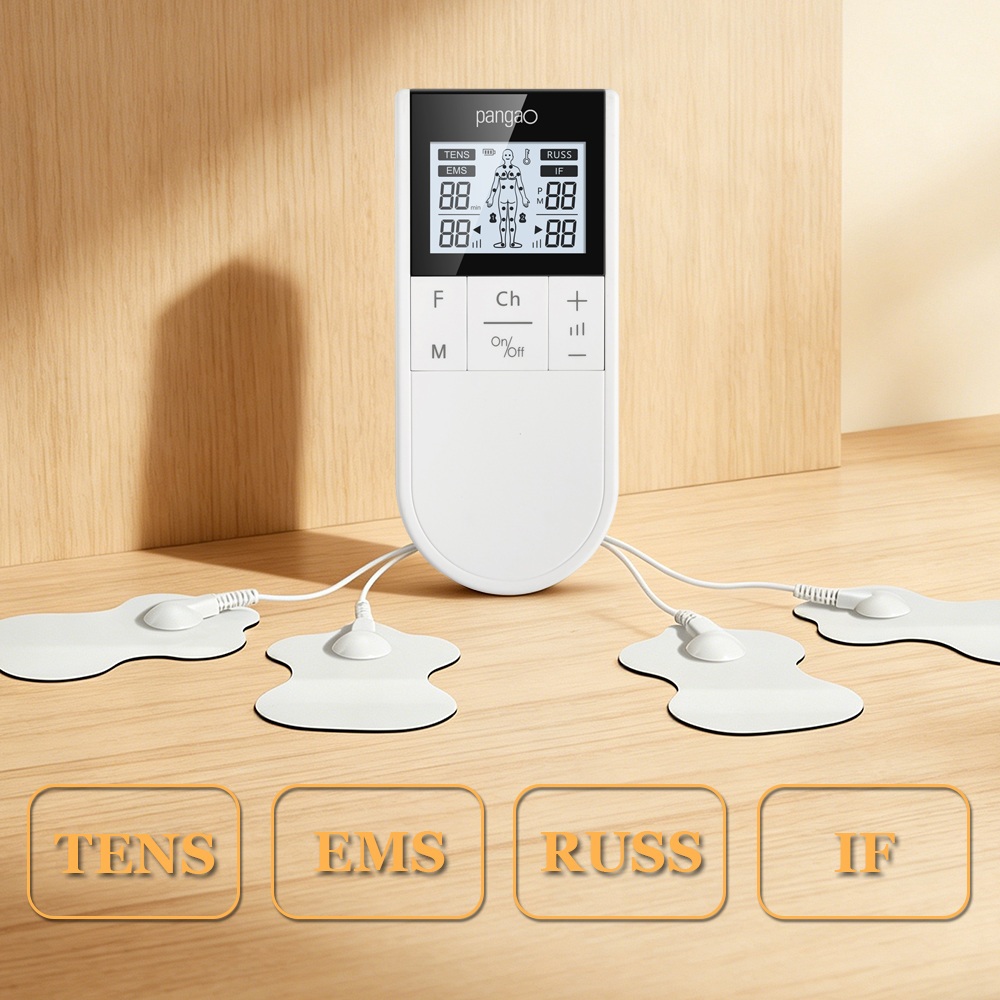
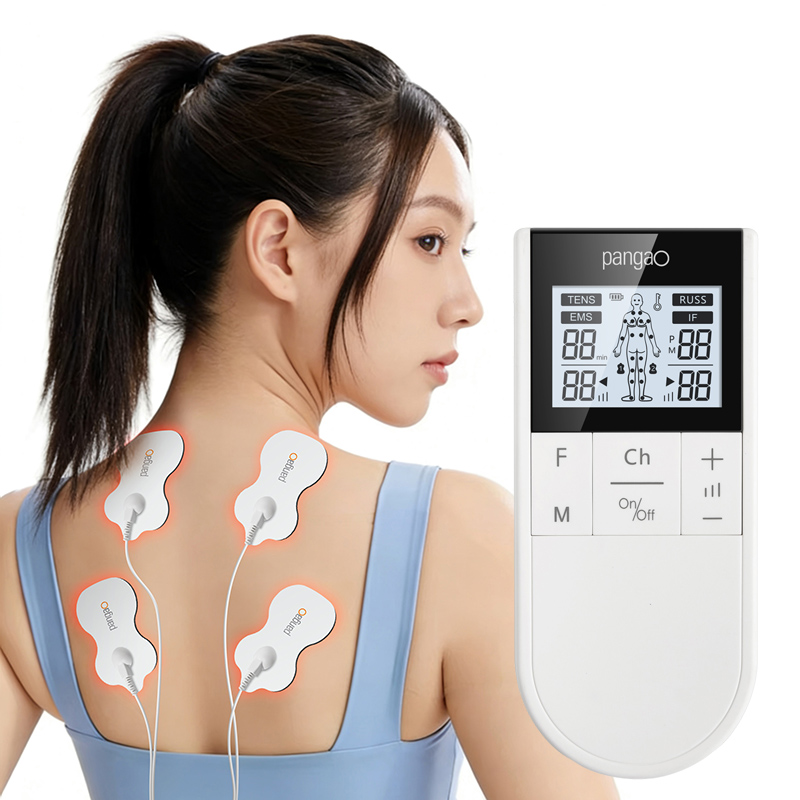
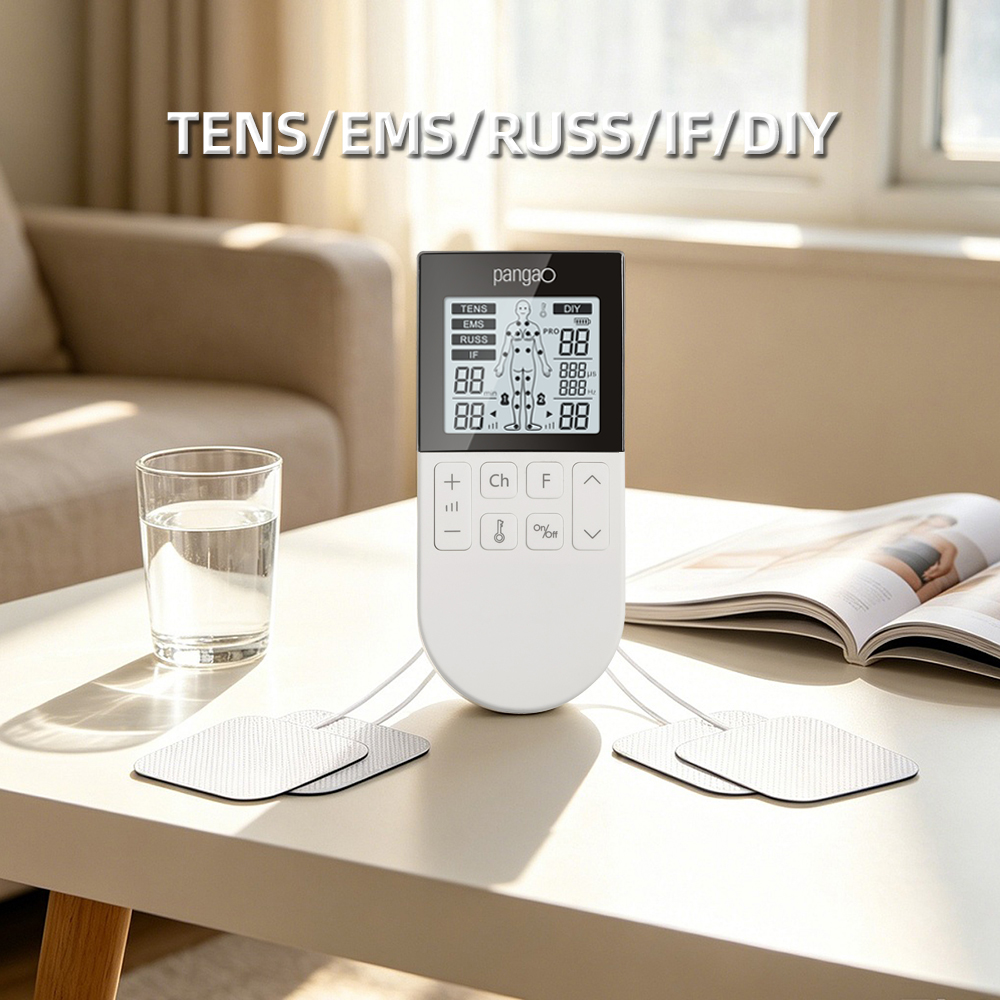
Global TENS & EMS Electrotherapy Market Analysis: Procurement Trends (2025–2030)
The global market for home physiotherapy devices and wearable electrotherapy units is undergoing a structural transformation. Driven by an aging global population, rising chronic musculoskeletal pain prevalence, and a paradigm shift toward non-invasive, drug-free pain management, international buyers—spanning pharmaceutical chains, medical supply importers, and DTC health brands—are recalibrating their sourcing strategies.
Furthermore, regional regulatory hurdles are intensifying. Market entry into North America and the European Union no longer depends solely on competitive FOB pricing. Strict enforcement of US FDA 510(k) clearances, compliance with the EU Medical Device Regulation (EU MDR 2017/745), and adherence to ISO 13485 quality management systems are now essential prerequisites. Procurement managers must partner with China-based OEM/ODM manufacturers capable of supplying complete Technical Documentation Files (TDF), biological safety evaluations (ISO 10993), and full supply chain traceability.
Hybrid Waveform Engineering
Demand is surging for dual-channel devices capable of delivering synchronized low and medium-frequency stimulation. Blending TENS sensory nerve modulation with EMS motor nerve activation maximizes therapeutic outcomes while expanding product marketability across sports recovery and clinical pain relief channels.
Femtech & Specialized Niches
Niche electrotherapy applications—specifically wireless, wearable dysmenorrhea devices featuring integrated thermal warming compress technology—represent one of the fastest-growing categories in home care, yielding higher retail markups and brand loyalty.
Understanding Electrotherapy Technologies: Technical Guide for Buyers
Engineering Specifications, Waveform Characteristics, and Physiological Indications
| Technology Modal | Frequency Range | Biological Target | Primary Therapeutic Indication | Target Buyer Channels |
|---|---|---|---|---|
| TENS (Transcutaneous Electrical Nerve Stimulation) | 2 Hz – 150 Hz | Sensory A-beta & C nerve fibers | Symptomatic relief of chronic intractable pain; acute post-traumatic & post-surgical pain relief. | OTC Pharmacy Chains, Medical Equipment Distributors, E-Commerce Brands |
| EMS (Electrical Muscle Stimulation / NMES) | 20 Hz – 80 Hz | Motor nerve endings & muscle tissue | Muscle re-education, prevention of disuse atrophy, local blood circulation enhancement. | Sports Medicine Clinics, Rehabilitation Centers, Fitness Hardware Brands |
| IF (Interferential Stimulation) | 4,000 Hz Carrier (1-150 Hz Beat) | Deep tissue neuro-muscular structures | Deep-seated joint pain, chronic lower back neuropathies where superficial skin resistance must be bypassed. | Clinical Physiotherapy Channels, Professional Healthcare Suppliers |
| RUSS (Russian Current) | 2,500 Hz Carrier (50 Hz Burst) | Motor units & skeletal muscle fiber bundle | High-intensity muscle strengthening, athletic conditioning, muscle mass restoration post-injury. | Athletic Training Outfits, Orthopedic Rehab Specialists |
| NMES Foot Therapy | 1 Hz – 100 Hz + Infra-Red / Red Light | Plantar neuromuscular vascular system | Diabetic neuropathy discomfort, lower extremity venous stasis, leg swelling edema mitigation. | Senior Care Retailing, Home Health Supply Chains |
Shenzhen Vilicus Medical Electronics Co., Ltd.
Operating as a specialized high-tech medical device enterprise within our group’s electronic manufacturing framework established in 2000, Shenzhen Vilicus Medical Electronics operates a modern 15,700 m² state-of-the-art facility in Henggang, Shenzhen. We specialize in the R&D, engineering, and precision manufacturing of home physiotherapy hardware.
Supported by over 300 group-level R&D engineers and 210 verified frontline assembly experts, our production plant operates under strict ISO 13485 Quality Management Systems. Every batch undergoes 100% full-functional electrical testing, safety breakdown checks, and accelerated lifecycle aging evaluations to guarantee absolute reliability for global medical brand owners.
Full-Service OEM & ODM Customization Roadmap
Streamlined Product Engineering from Conceptualization to Global Regulatory Compliance
Brief & Spec Definition
Selecting target channels, required pulse parameters, channel count, screen displays (LCD/LED/OLED), and custom housing ergonomics.
Tooling & Circuit R&D
In-house PCB schematic design, firmware micro-code development for custom stimulation profiles, mold layout, and 3D prototyping.
Verification & Testing
Pre-compliance testing for EMC/EMI safety (IEC 60601-1-2), electrical safety (IEC 60601-1), hydrogel pad biocompatibility, and software validation.
Mass Production
SMR assembly, automated optical inspection (AOI), 100% online parameter calibration, and rigorous aging testing in clean-room environments.
Global Logistics & TDF
Delivery with full technical documentation for local registration, customs clearance, and long-term spare part availability guarantees.
Frequently Asked Questions by Importers & Brand Owners
Commercial, Technical, and Regulatory Inquiries Regarding Wholesale TENS/EMS Procurement
What is the Minimum Order Quantity (MOQ) for custom OEM TENS & EMS devices?
Which international medical certificates do Vilicus devices hold for market entry?
Can you support custom waveform programming and Bluetooth mobile app integration?
What is the physiological difference between TENS and EMS in your combo massagers?
What quality control steps are implemented to ensure zero defect rates upon delivery?
How do you handle electrode pad production and hydrogel biocompatibility?
Accelerate Your Electrotherapy Business with a Trusted Supplier
Contact our engineering and sales consultation team today. Receive comprehensive product catalogs, factory audit reports, regulatory technical files, and factory-direct FOB price quotations within 24 hours.