Featured Wholesale Electrical Nerve Stimulators
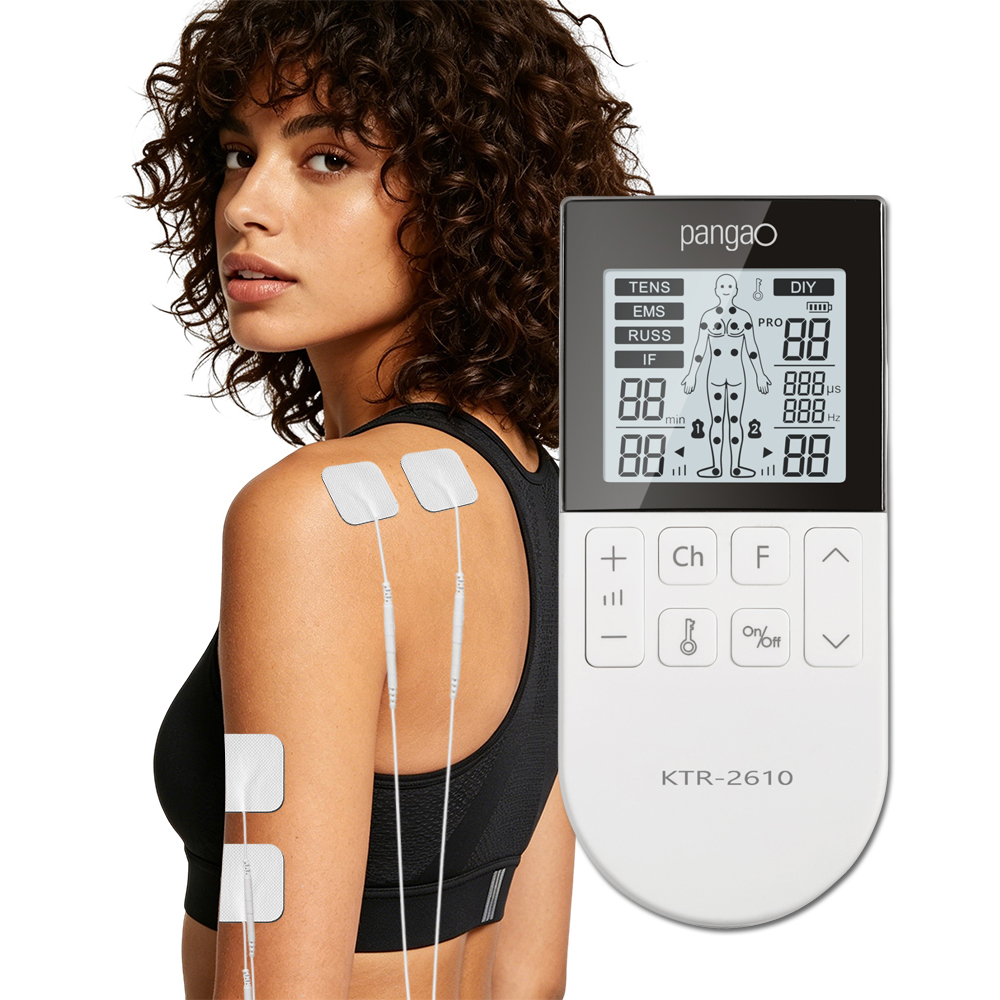
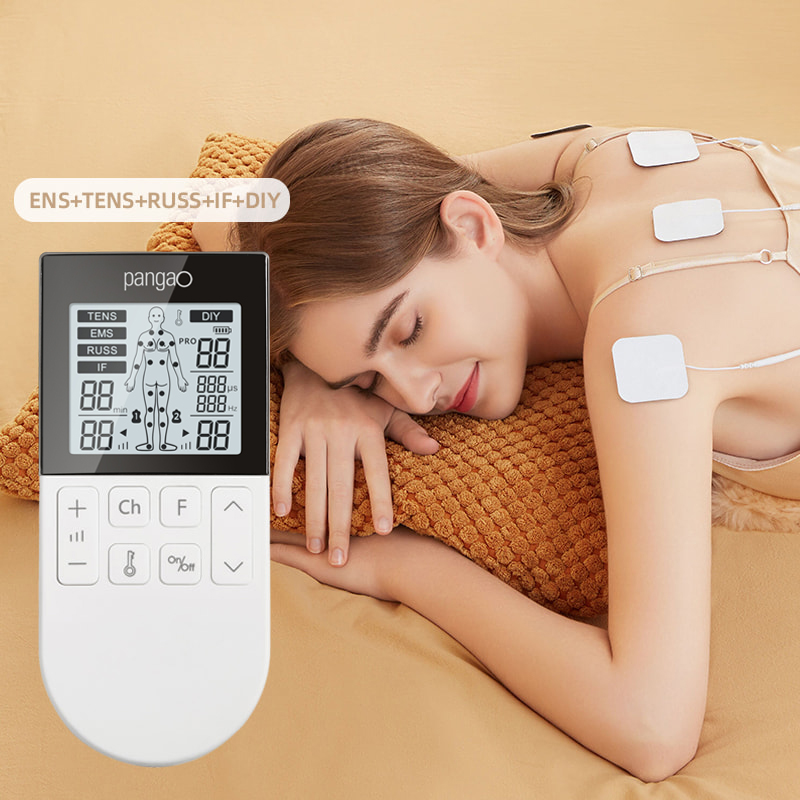
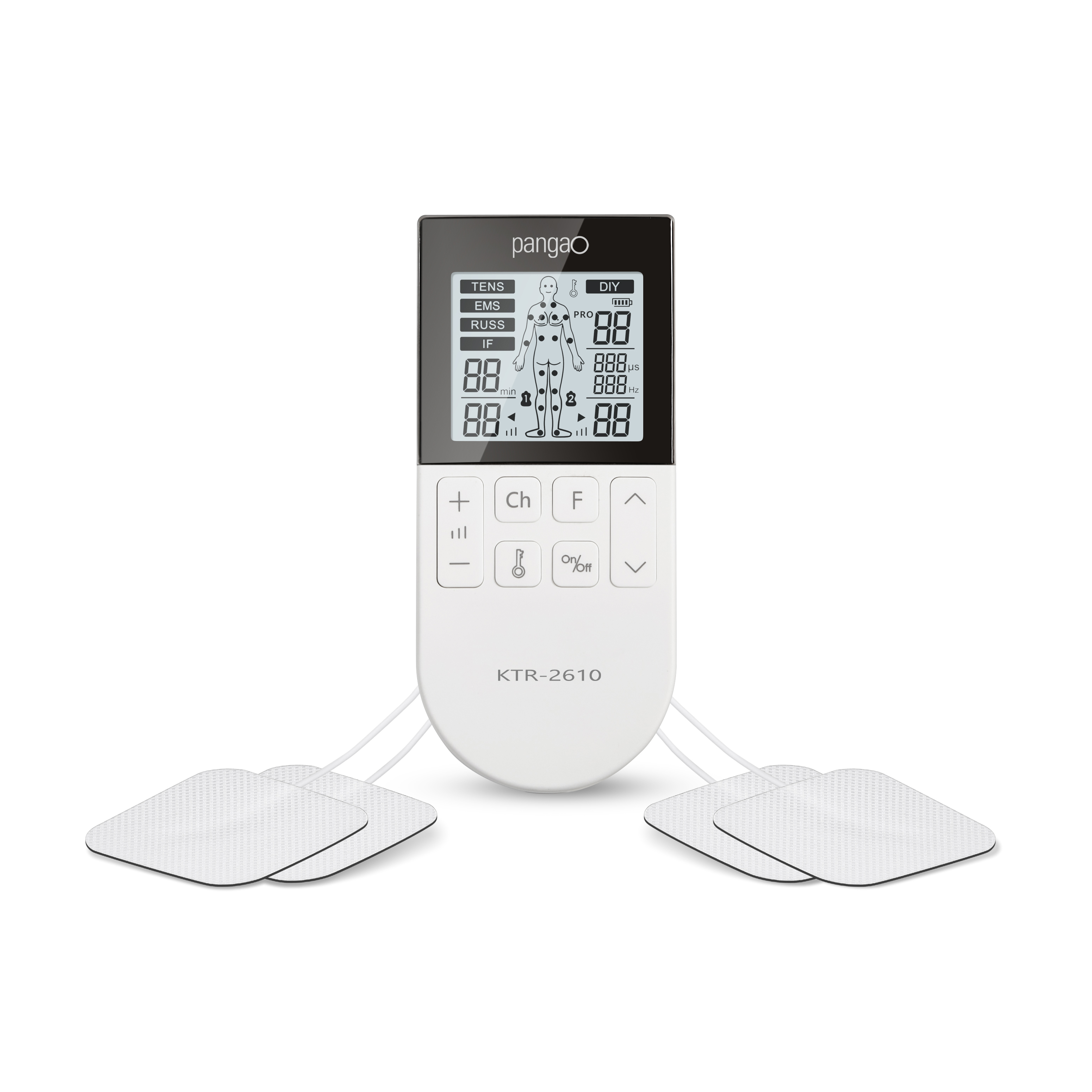
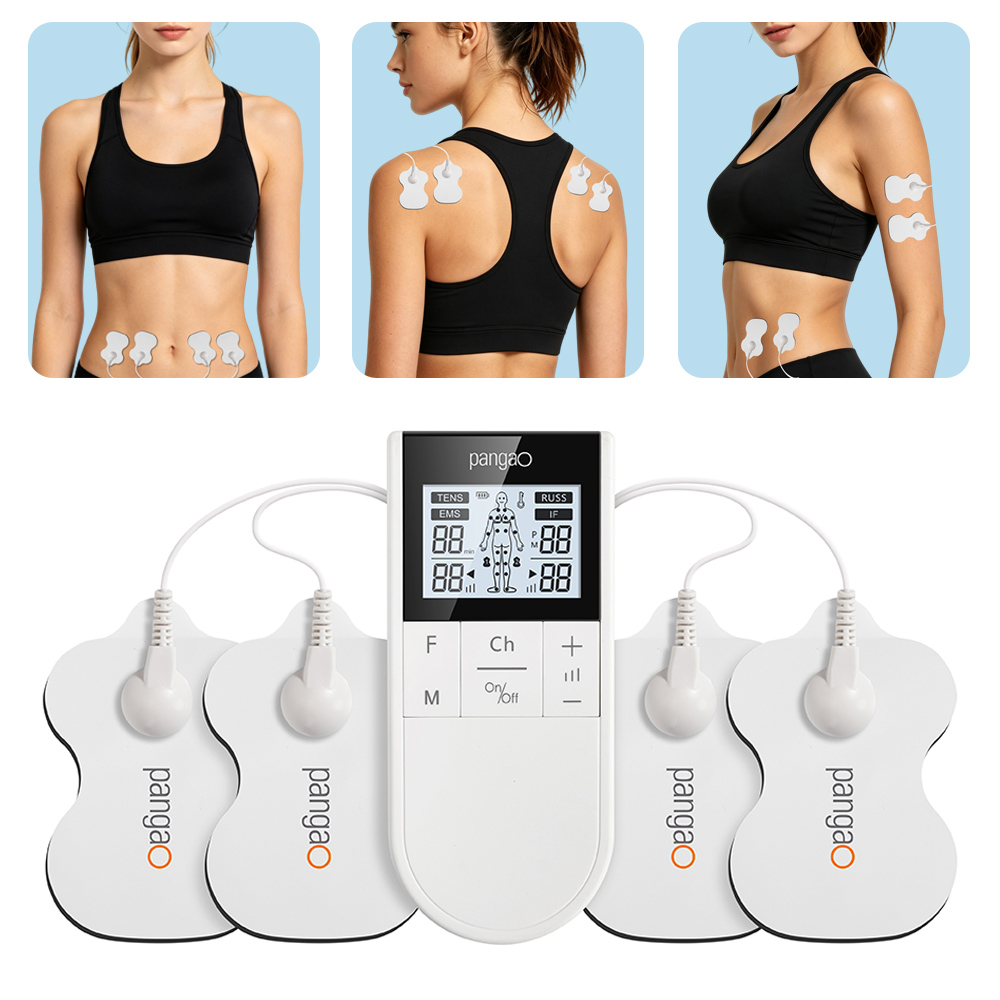
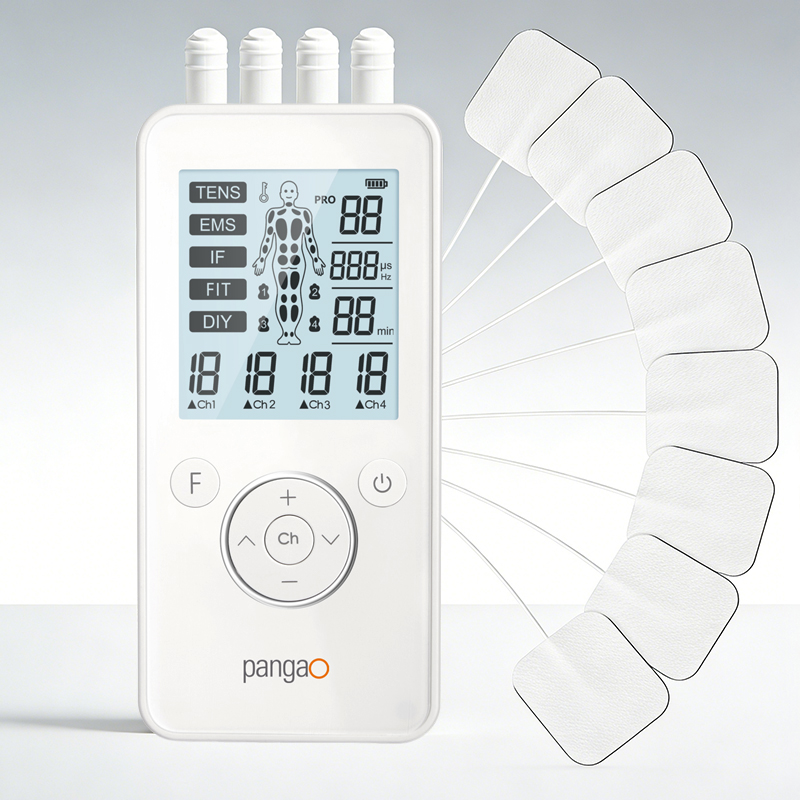
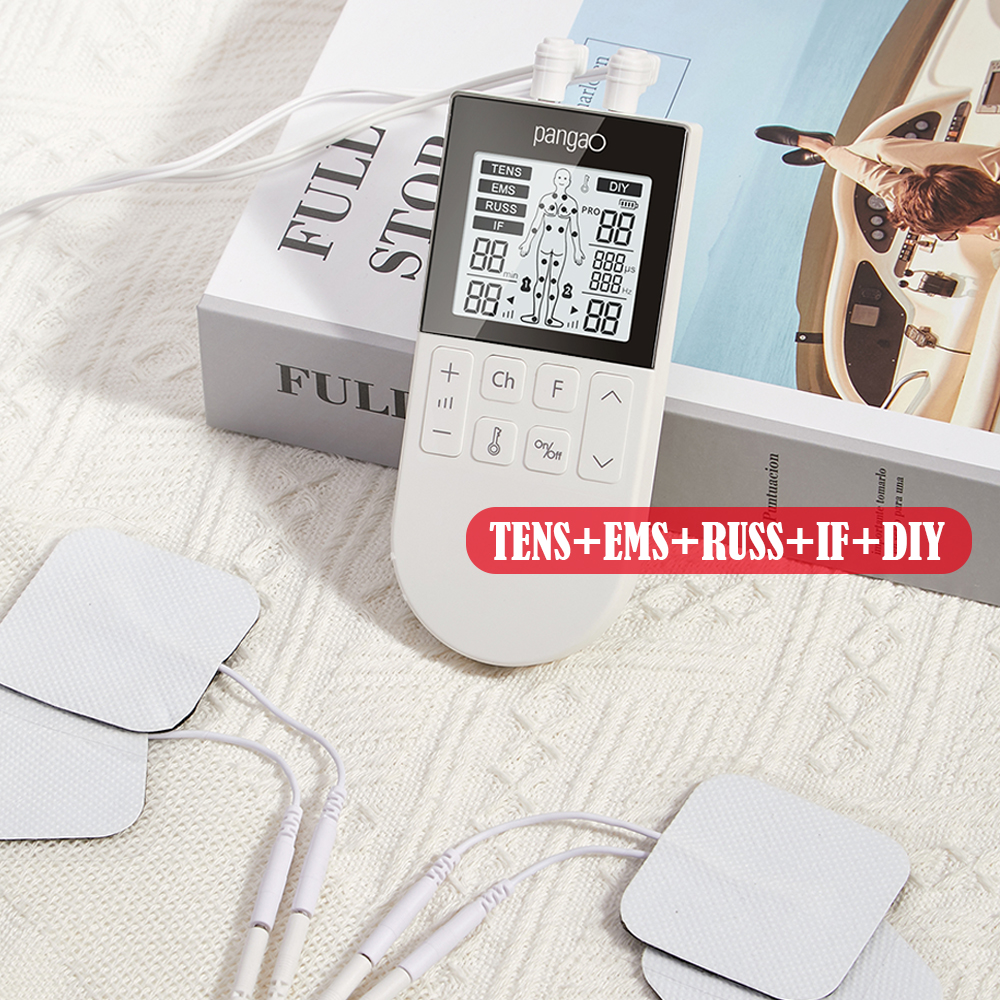
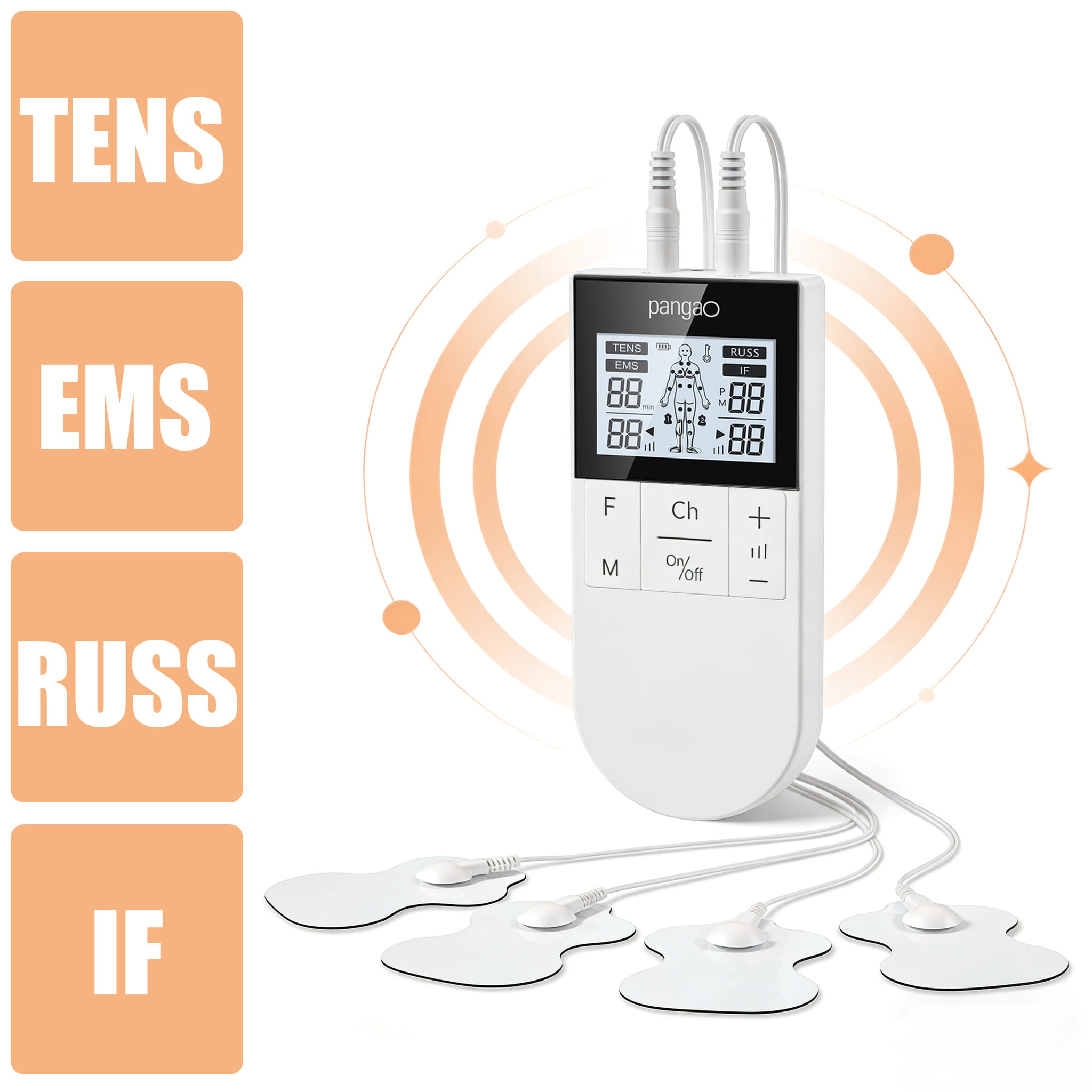
Direct-from-factory physical therapy units engineered for maximum pain relief efficacy, user ergonomics, and medical compliance. Custom private-label options available for global buyers.
Factory Capacity & Global Manufacturing Scale
Shenzhen Vilicus Medical Electronics Co., Ltd. operates state-of-the-art manufacturing facilities tailored for medical-grade electrotherapy hardware, supplying leading brands across 50+ countries.
Industry White Paper: The Evolution & Engineering of Electrical Nerve Stimulators
Transcutaneous Electrical Nerve Stimulation (TENS) and Electrical Muscle Stimulation (EMS) represent cornerstone modalities in modern non-invasive physical therapy and pain management. As global health authorities advocate for non-pharmacological pain interventions to mitigate opioid dependency, the global market for handheld electrotherapy units, wireless pulse massagers, and clinical-grade nerve stimulators has expanded exponentially. As a premier **China wholesale electrical nerve stimulator manufacturer and wholesaler**, Shenzhen Vilicus Medical Electronics delivers advanced hardware engineered at the intersection of electrophysiology, microelectronics, and ergonomic product design.
1. Physiological Mechanisms of Neurostimulation
Modern electrical nerve stimulators operate across two distinct physiological pathways to manage pain and accelerate muscular rehabilitation:
- The Gate Control Theory of Pain (Melzack & Wall): High-frequency TENS stimulation (80 Hz – 120 Hz) targets large-diameter, myelinated A-beta ($\text{A}\beta$) sensory nerve fibers. These signals travel rapidly to the dorsal horn of the spinal cord, activating inhibitory interneurons that effectively "close the spinal gate" against slower, pain-carrying C fibers and A-delta ($\text{A}\delta$) impulses.
- Endorphinergic Analgesia Pathway: Low-frequency stimulation (1 Hz – 10 Hz) triggers motor nerve fibers to induce localized muscle twitching, prompting the brain stem and pituitary gland to release endogenous opioids—specifically $\beta$-endorphins and enkephalins—providing prolonged systemic analgesia post-treatment.
- Neuromuscular Depolarization (EMS/NMES): EMS delivers targeted pulse trains (20 Hz – 50 Hz with pulse widths of 200–400 $\mu\text{s}$) directly to motor point nerves, forcing cell membrane depolarization and synchronized sarcomere contraction to reverse muscular atrophy and facilitate blood circulation.
2. Waveform Engineering: TENS vs. EMS vs. IF vs. Russian Modes
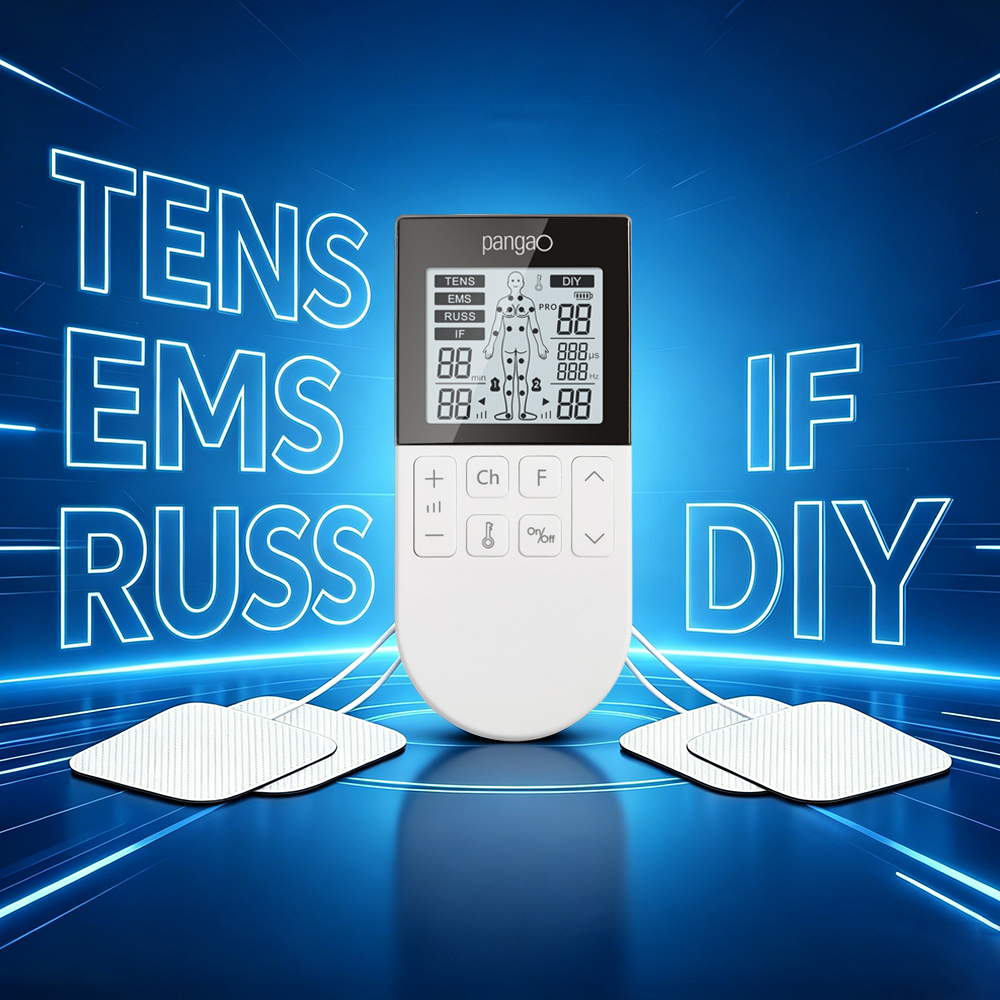
To deliver true therapeutic versatility, Vilicus integrates multi-waveform microprocessors capable of generating complex current outputs. The technical matrix below illustrates the waveform parameters engineered into our OEM/ODM platforms:
| Waveform Mode | Carrier / Pulse Frequency | Pulse Width Range | Primary Physiological Target | Clinical & Consumer Application |
|---|---|---|---|---|
| TENS (Transcutaneous) | 1 Hz – 150 Hz (Adjustable) | 50 $\mu\text{s}$ – 300 $\mu\text{s}$ | $\text{A}\beta$ & $\text{A}\delta$ Sensory Nerves | Acute & chronic somatic pain, dysmenorrhea, joint arthritis. |
| EMS (Electrical Muscle) | 20 Hz – 100 Hz | 150 $\mu\text{s}$ – 400 $\mu\text{s}$ | Alpha Motor Neurons | Muscle re-education, atrophy prevention, localized circulation. |
| IF (Interferential Current) | 4000 Hz Carrier (1-150 Hz Beat) | 100 $\mu\text{s}$ Continuous | Deep Tissue Sensory Nerves | Deep-seated pelvic or back pain with minimal skin impedance. |
| RUSS (Russian Stimulation) | 2500 Hz (50 Bursts/sec) | 200 $\mu\text{s}$ Duty Cycle | High-Threshold Motor Units | Athletic hypertrophy, deep muscle strengthening, post-op rehab. |
Future Procurement & Technology Trends (2025–2030)
As the electrotherapy market matures, buyer requirements are shifting rapidly from basic analog pulse units toward intelligent, integrated health platforms. Importers, brand distributors, and retail chain buyers must align with manufacturers that anticipate these technological paradigms.
BLE App Connectivity & Cloud Customization
Modern consumers demand smartphone-driven electrotherapy. Next-gen TENS/EMS units feature Low-Energy Bluetooth (BLE 5.2) modules allowing users to create custom pulse parameters, download proprietary rehabilitation routines, and track pain relief logs via iOS and Android apps.
Hybrid Photobiomodulation (Red Light + TENS)
Combining neuromuscular stimulation with 660nm red light and 850nm near-infrared LED therapy provides dual-action cellular healing. While TENS controls immediate pain signals, photobiomodulation stimulates mitochondrial ATP production to accelerate tissue repair and combat peripheral neuropathy.
MDR & FDA Regulatory Rigor
With the transition from EU MDD to strict EU MDR (2017/745) requirements and rigorous US FDA 510(k) auditing, non-compliant suppliers are being phased out. Global sourcing trends favor verified original manufacturers with complete technical documentation, clinical evaluations, and ISO 13485 QMS.
Targeted Femtech Solutions
Wearable, drug-free menstrual cramp devices equipped with high-speed graphene heating elements and targeted sub-abdominal TENS pulse profiles represent one of the fastest-growing categories in direct-to-consumer healthcare retail.
Wireless Multi-Pod Ecosystems
Bulky wires are rapidly being replaced by ultra-lightweight magnetic wireless pods. RF 2.4GHz and BLE wireless communication allow synchronous or independent multi-channel muscle stimulation without tangling cables.
Total Cost of Ownership Optimization
Wholesalers are demanding longer-lasting hydrogel electrode pads (capable of 50+ reapplications) and high-density Lithium-polymer battery cells with intelligent power management to reduce post-sale warranty claims.
Why Partner with Shenzhen Vilicus Medical Electronics
Founded with a commitment to clinical precision and electronic innovation, **Shenzhen Vilicus Medical Electronics Co., Ltd.** operates as a premiere high-tech enterprise specialising in electrotherapy and home physiotherapy devices. Backed by a group manufacturing history dating back to 2000, our dedicated electrotherapy facility covers over **15,700 square meters** in Henggang, Shenzhen.
Unlike trading intermediaries, Vilicus controls the entire manufacturing chain in-house: from industrial design, PCB layout engineering, firmware code architecture, and plastic injection moulding to cleanroom assembly, aging tests, and 100% finished-goods inspection.
- Verified Quality Management System: Certified to ISO 13485 medical standards, audited on-site by SGS, and compliant with BSCI social responsibility frameworks.
- Robust Regulatory Clearance Support: Comprehensive technical documentation (STED), bio-compatibility test reports (ISO 10993), EMC testing (IEC 60601-1-2), and pre-cleared US FDA 510(k), EU MDR, and TGA product files.
- In-House R&D Powerhouse: Over 300 group R&D engineers specializing in signal processing, biacoustics, microcircuitry, and proprietary impulse algorithms.
- Turnkey OEM/ODM Customization: Custom housing colors, silkscreen logo printing, customized LCD UI graphics, tailored pulse profile programming, and retail gift-box packaging.
Core OEM/ODM Service Workflow
- Requirement Briefing: Share target channels, target regulatory markets, waveform specifications, and annual volume projections.
- Engineering Evaluation: Our R&D team provides PCB schematics, enclosure 3D renders, and MCU firmware proposal within 5 business days.
- Rapid Prototyping: 3D-printed housing and functional PCBA samples dispatched within 10–14 days for customer evaluation.
- Tooling & Regulatory Filing: Mold fabrication, pre-production batch validation, and regulatory filing support.
- Mass Production & QC: SMT assembly, automated optical inspection (AOI), 100% full-function tester testing, and export packing.
Strategic Private-Label Partnerships
Whether you are an established medical device distributor seeking a reliable manufacturing supplier or a fast-growing health brand looking to launch a novel wireless pulse massager line, Vilicus provides the engineering depth, regulatory compliance, and scalable production capacity required to win market share.
Frequently Asked Questions (FAQ) for Global Importers & Wholesalers
Request Wholesale Pricing & OEM Specification Sheets
Connect directly with our senior engineering and export sales management team today. Get factory-direct quotes, technical compliance dossiers, and sample evaluation kits tailored to your distribution market.
Send an Inquiry