Top 8 TENS & EMS Pain Relief Devices
Featured OEM/ODM Electrotherapy Equipment Trusted by Global Healthcare Brands & Distributors
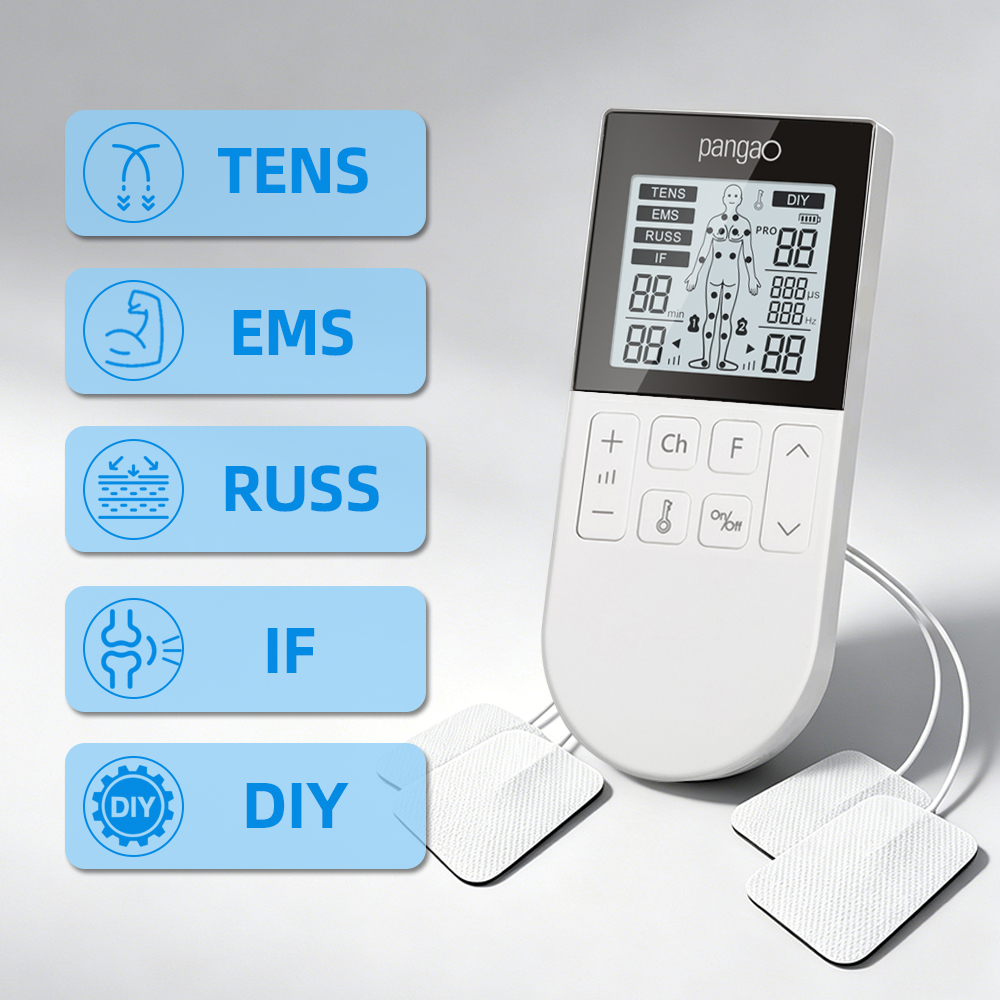
KENTRO Portable Rechargeable Professional Electrotherapy Device 5 in 1 RUSS IF DIY EMS TENS Unit
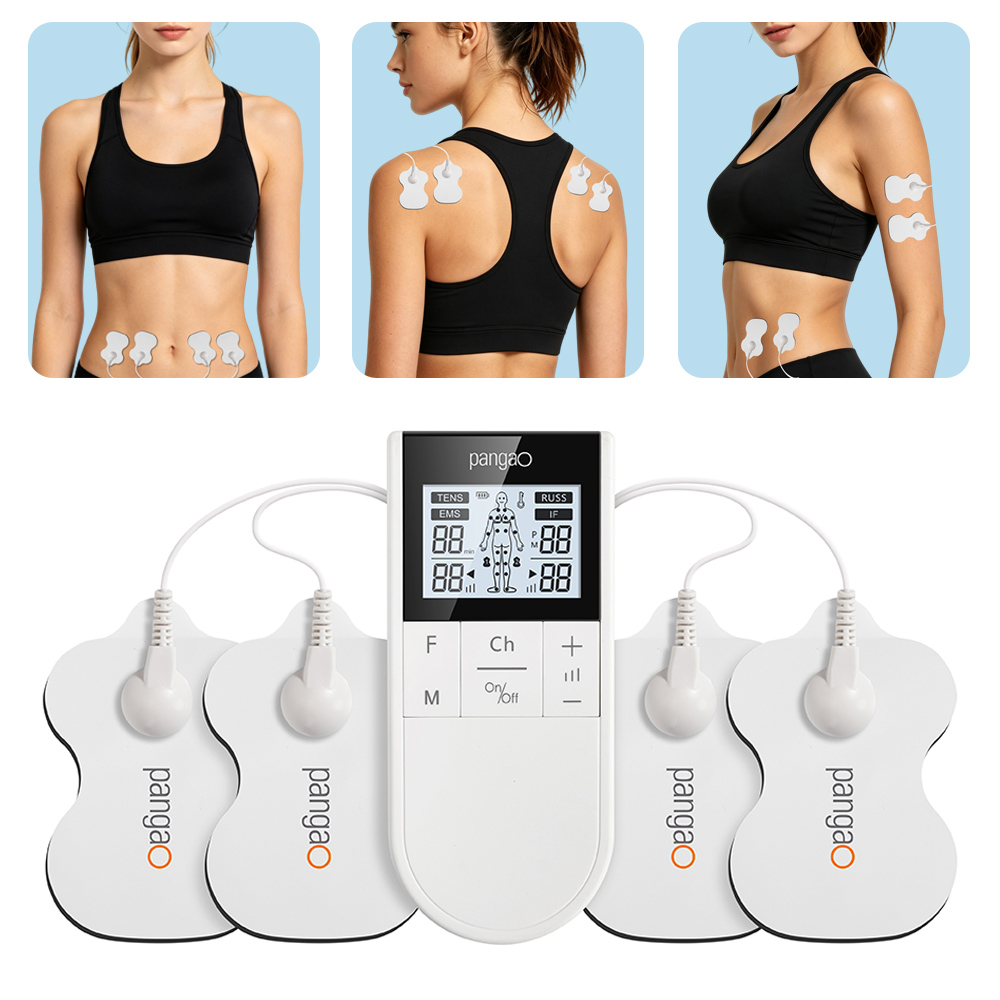
Rechargeable Electric Pulse Massager Muscle Stimulator Pain Relief Therapy Machine Dual Channel TENS EMS
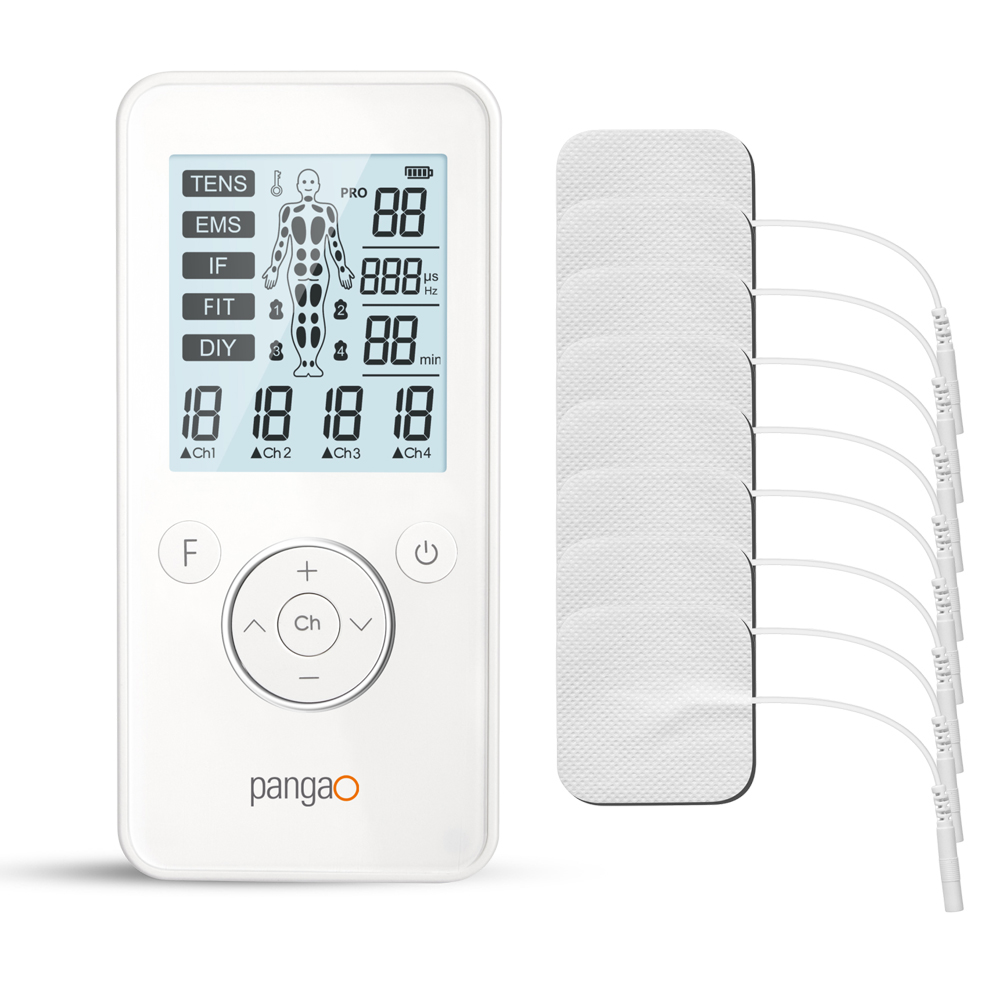
Medical Grade Electronic Pulse Massage Machine 4 Channels EMS Muscle Stimulator TENS Unit
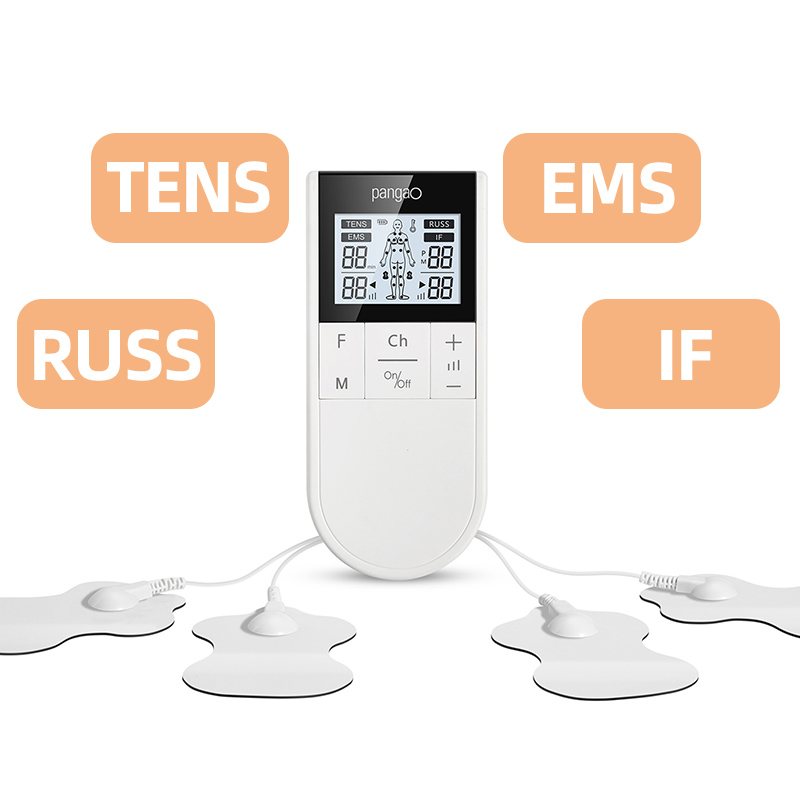
Electric Body Massage Machine Dual Channel 4 in 1 IF RUSS EMS TENS Unit Muscle Stimulator
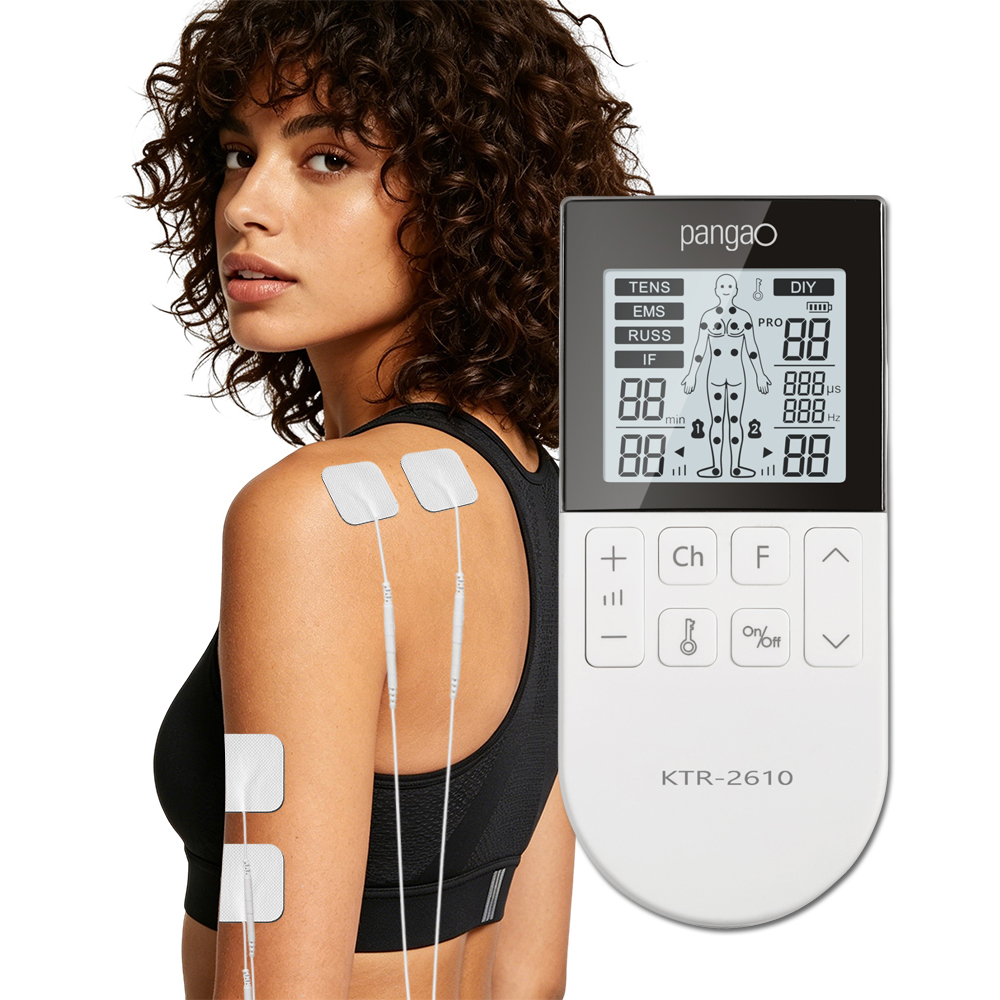
Rechargeable Electronic Pulse Massager 5 in 1 DIY IF RUSS EMS TENS Unit Muscle Stimulator
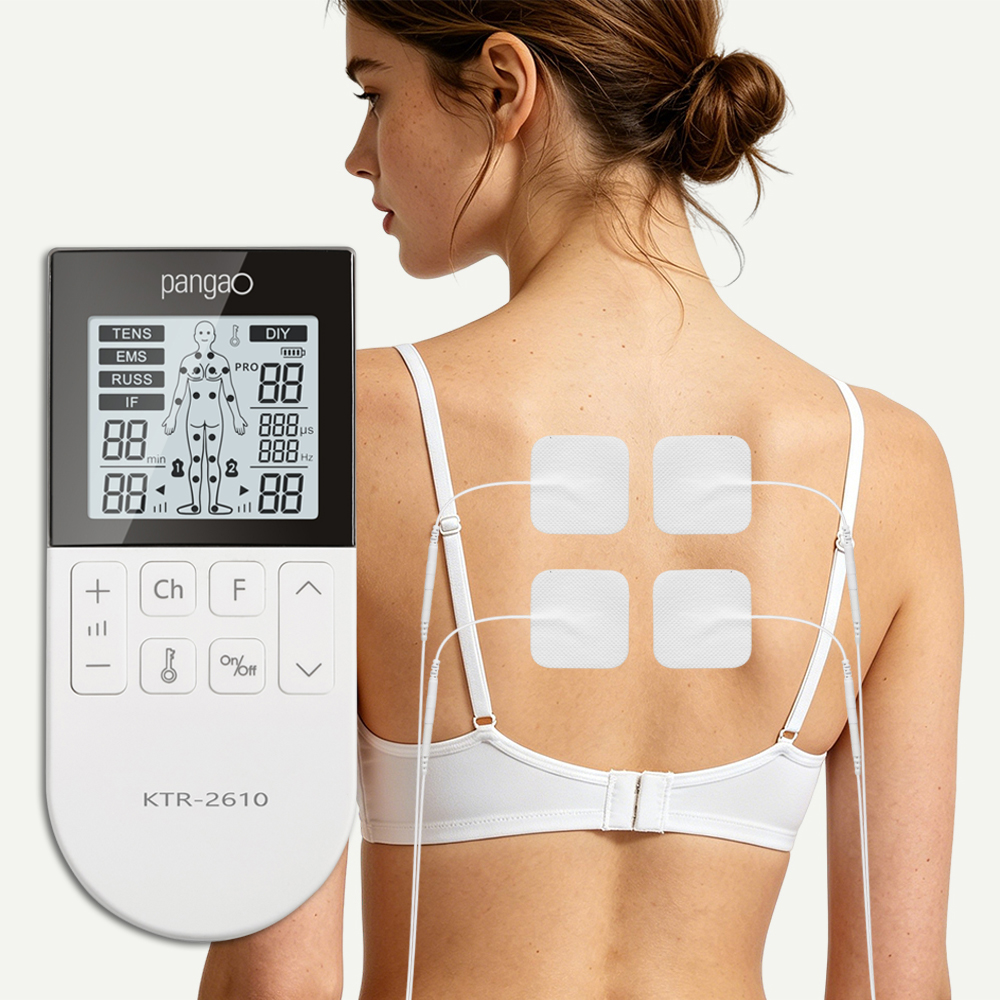
Electronic Pulse Massager Portable Dual Channel DIY IF RUSS EMS TENS Units Therapy Machine
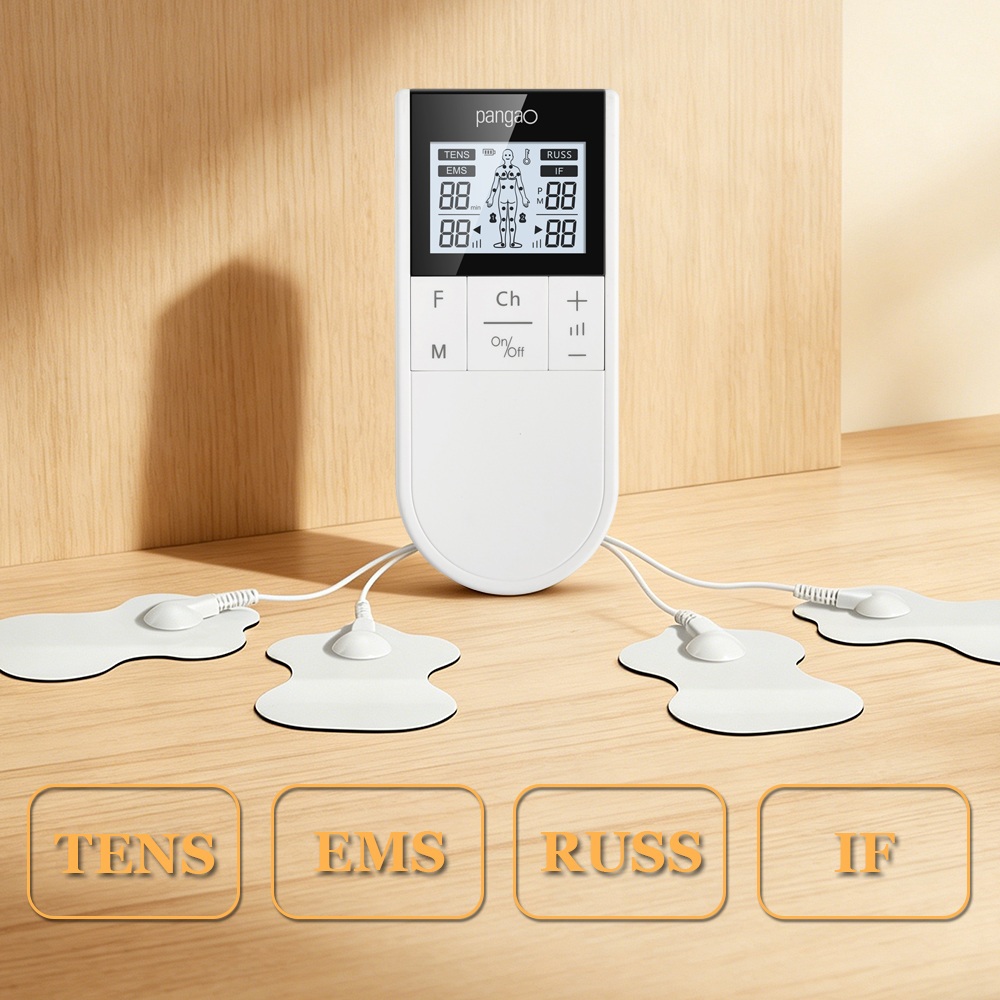
Medical Physical Therapy Equipment Portable Dual Channel 4 Electrode Pads TENS Unit Muscle Stimulator
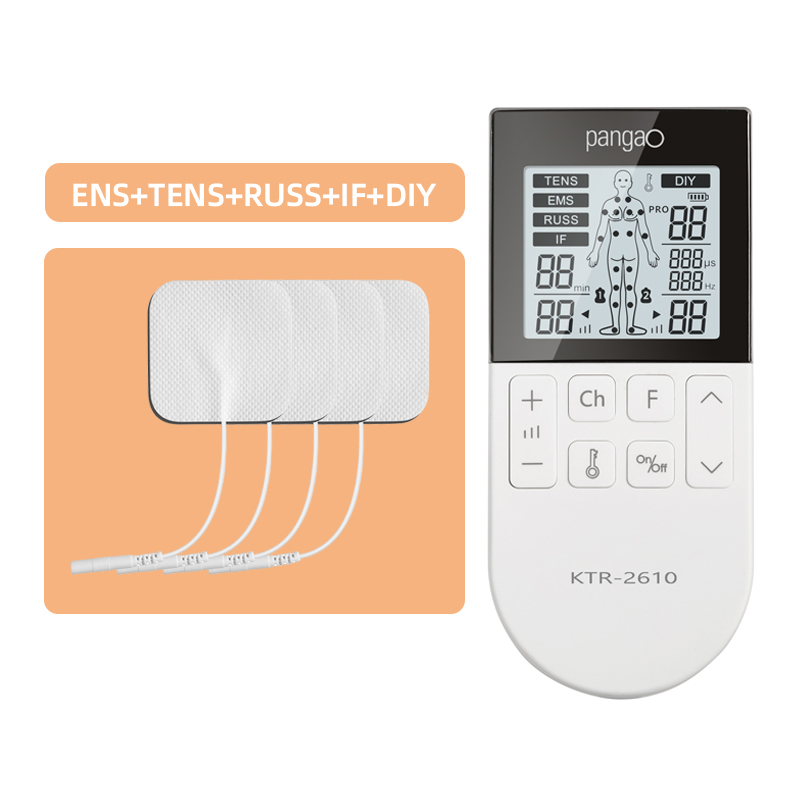
Medical Electric Muscle Stimulator Pain Relief Therapy Device Dual Channel TENS EMS Unit
Executive Technical Analysis: Biophysical Mechanics of Transcutaneous Electrical Nerve Stimulation (TENS)
In modern physical medicine and non-pharmacological pain rehabilitation, Transcutaneous Electrical Nerve Stimulation (TENS) serves as a primary non-invasive therapeutic modality. As a leading China TENS pain relief machine supplier, Shenzhen Vilicus Medical Electronics Co., Ltd. integrates biomedical engineering principles with advanced micro-circuitry to manufacture clinical-grade and home-use electrotherapy equipment.
The neurophysiological efficacy of TENS relies primarily on two key neurological mechanisms: the Gate Control Theory of Pain (proposed by Melzack and Wall) and the Endogenous Opioid Release Mechanism. By transmitting low-voltage electrical pulses through conductive electrode hydrogel pads placed on the skin, TENS devices target specific peripheral nerve fibers:
High-Frequency TENS (80Hz - 150Hz)
Selectively activates large-diameter, myelinated A-beta (Αβ) sensory nerve fibers. This presynaptically inhibits pain signal transmission carried by unmyelinated C-fibers at the dorsal horn of the spinal cord, closing the "neural gate".
Low-Frequency TENS (1Hz - 10Hz)
Triggers small-diameter A-delta (Αδ) fibers and motor nerve pathways, prompting the central nervous system (pituitary gland and hypothalamus) to release endogenous opioids such as β-endorphins and enkephalins into the cerebrospinal fluid.
Multimodal Hybrid Currents
Combines TENS with Electrical Muscle Stimulation (EMS), Interferential Current (IF), and Russian Current (RUSS) to treat neuropathic pain, muscle atrophy, dysmenorrhea, and diabetic peripheral circulation deficits simultaneously.
Electrotherapy Waveform Technology Comparison
Technical specifications for procurement managers evaluating multi-function pain management platforms
| Stimulation Mode | Carrier / Pulse Frequency | Pulse Width (μs) | Primary Clinical Target | Key Sourcing Application |
|---|---|---|---|---|
| TENS (Transcutaneous Electrical Nerve) | 1 Hz – 150 Hz | 50 μs – 300 μs | Sensory nerve pathways, pain gate modulation | Over-the-counter (OTC) home pain relief, acute/chronic arthritis, lower back pain |
| EMS (Electrical Muscle Stimulation) | 20 Hz – 80 Hz | 200 μs – 400 μs | Motor nerve units, skeletal muscle fibers | Sports recovery, muscle conditioning, atrophy prevention, post-op rehab |
| IF (Interferential Current) | 4,000 Hz (Interferential beat 1-150Hz) | Auto-modulated | Deep-tissue structures, joint cavities | Clinical physiotherapy workstations, deep muscular chronic back tension |
| RUSS (Russian Stimulation) | 2,500 Hz (Burst frequency 50Hz) | 150 μs – 250 μs | Motor muscle bundle recruitment | Athletics strengthening, motor retraining, deep muscle spasm management |
| NMES Foot / Red Light | 1 Hz – 100 Hz + 660nm LED | 100 μs – 350 μs | Plantar microcirculation, nerve bundle stimulation | Elderly healthcare, diabetic neuropathy foot care, peripheral edema reduction |
Why Partner with Shenzhen Vilicus Medical Electronics?
A premier OEM/ODM manufacturer with full-process medical device assembly and international regulatory compliance
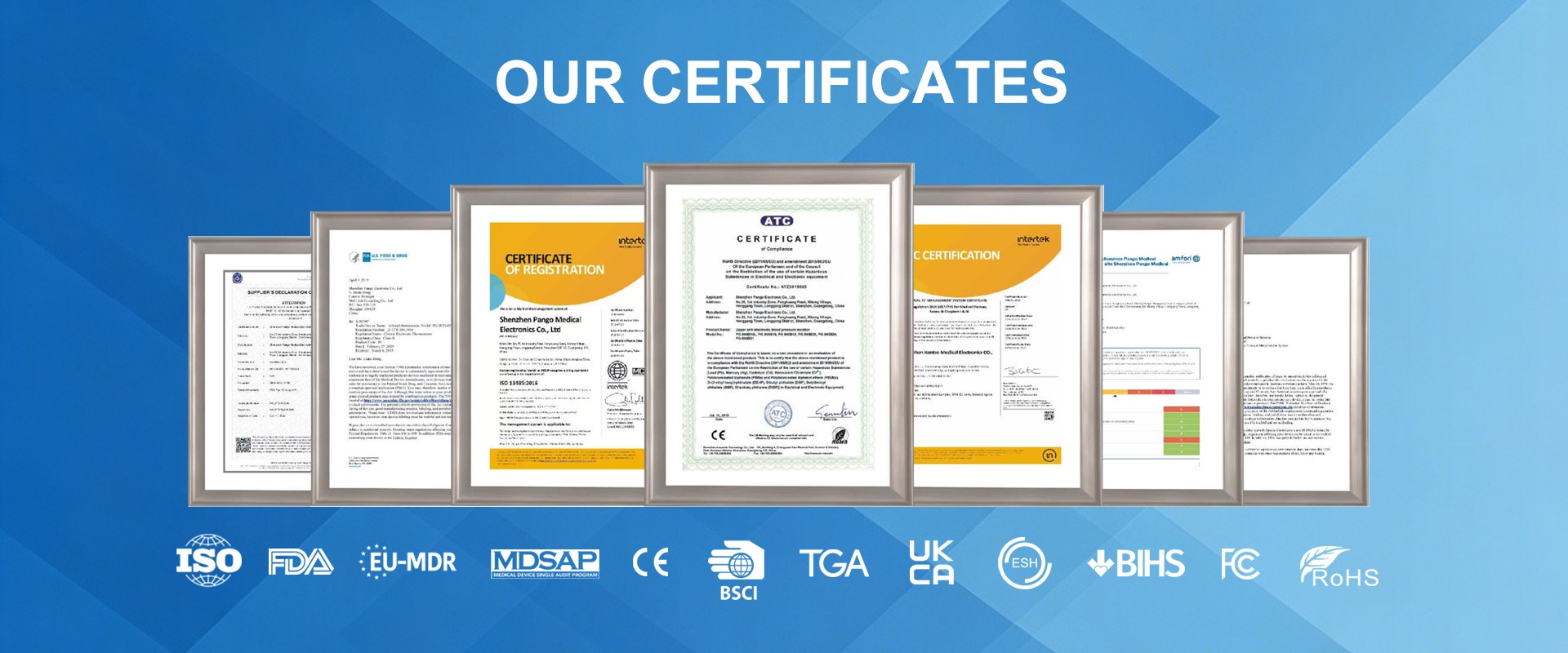
ISO 13485 & FDA Certified
Operates under an ISO 13485 certified quality management system. Our devices hold US FDA 510(k) clearance, EU MDR CE, TGA, and RoHS compliance certificates.
In-House Engineering (300+ R&D)
Backed by over 300 experienced engineers across hardware design, MCU micro-code programming, waveform algorithm tuning, and ergonomic shell tooling.
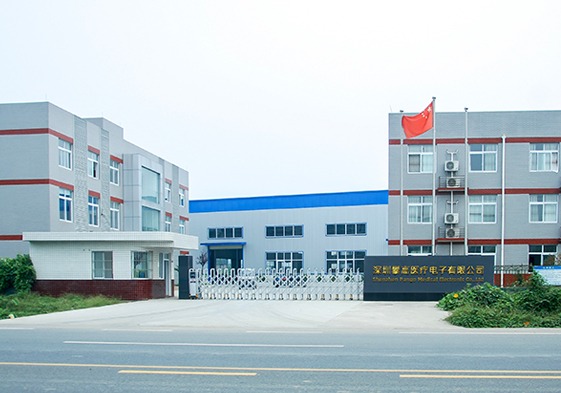
15,700 m² Manufacturing Facility
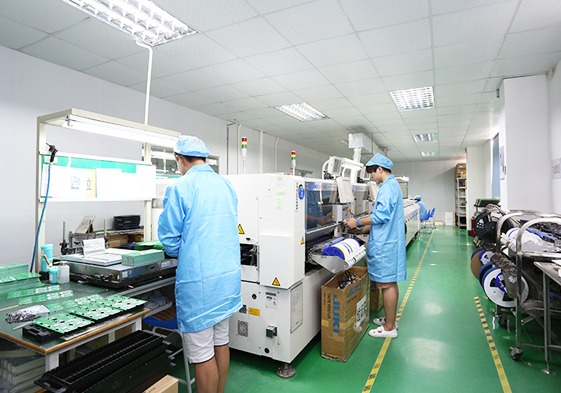
Located in Henggang, Shenzhen, our factory houses automated SMT lines, dust-free assembly workshops, precise output power testing stations, and 100% aging inspection rooms.
Global Distribution & OEM Flexibility
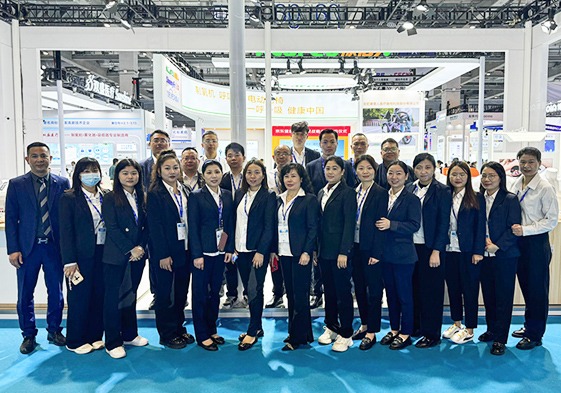
Exporting to over 50 countries across North America, Europe, Southeast Asia, and the Middle East. Providing custom logo, packaging, software firmware UI, and private labeling.
Future Procurement & Product Development Trends in Electrotherapy Devices (2025-2030)
As the global market for home physiotherapy devices expands, B2B procurement managers and brand owners must adapt to changing consumer preferences, technological advances, and evolving regulatory standards. Key market trends reshaping TENS and EMS device manufacturing include:
1. Wireless Wearability & Integrated Heat Therapy
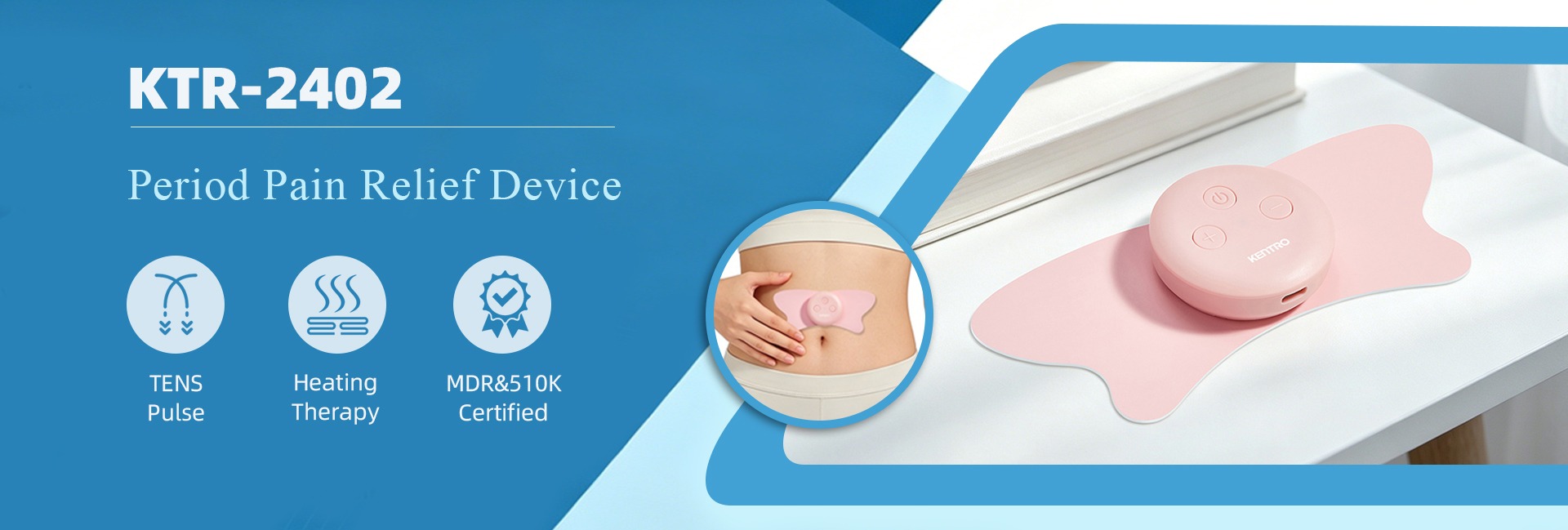
Traditional wired TENS units with trailing lead cables are increasingly being replaced by ultra-lightweight, wireless patch stimulators. Models designed for specialized conditions—such as menstrual cramp relief patches and ergonomic lower-back waist wraps—combine TENS pulse stimulation with rapid graphene or carbon-fiber thermotherapy (heating) to improve patient compliance.
2. Smart Connectivity & App-Driven Personalization
Next-generation electrotherapy machines incorporate Bluetooth Low Energy (BLE 5.3) connectivity. Users can control pulse intensity, select body-part presets, and monitor treatment history via iOS/Android smartphone apps. This software-defined platform allows OEM brand owners to offer firmware updates and custom waveform downloads.
3. Regulatory Tightening (EU MDR vs US FDA 510k)
With Europe transitioning from MDD to EU MDR (Regulation EU 2017/745), medical device importers face stricter clinical evaluation and post-market surveillance requirements. Procurement teams are prioritizing suppliers with verified ISO 13485 quality systems and technical documentation for FDA 510(k) OTC clearance.
Frequently Asked Questions (FAQ) for B2B Importers
Essential guidance on minimum order quantities, customization, regulatory clearance, and technical specifications
What is the Minimum Order Quantity (MOQ) for custom TENS/EMS machine manufacturing?
Our standard Minimum Order Quantity (MOQ) for custom OEM orders (including custom silk-screen brand logo, customized user manual, and bespoke packaging boxes) starts at 1,000 units for portable wired/wireless TENS devices. For specialized EMS foot circulation therapy machines, the MOQ starts at 500 units, while select entry-level wireless pulse massagers start at 3,000 units.
What regulatory approvals and quality certifications do your TENS machines carry?
Shenzhen Vilicus Medical Electronics operates under an ISO 13485 certified quality management system. Our production facility is audited to BSCI standards and verified on-site by SGS. Depending on the targeted region, our product series feature US FDA 510(k) clearance (OTC market approval), EU MDR CE certification, Australian TGA registration, and RoHS/CE compliance reports.
Can Vilicus customize the waveform, pulse programs, and LCD interface for our brand?
Yes. As a custom ODM/OEM manufacturer with over 300 group R&D engineers, we offer full software and hardware engineering services. We can customize micro-controller MCU firmware to output unique pulse frequencies (Hz), pulse widths (μs), treatment timer sequences, custom LCD display icons, and dedicated app interfaces for smart wireless devices.
What is the technical distinction between TENS, EMS, IF, and Russian stimulation?
TENS targets sensory nerves to block pain signals entering the spinal cord (Gate Control) and promote endorphin release. EMS stimulates motor nerves to cause muscle contraction for rehabilitation, re-education, and circulation. IF (Interferential) uses dual medium-frequency currents (around 4,000 Hz) to penetrate deep into joints with minimal skin resistance. Russian (RUSS) stimulation uses a 2,500 Hz carrier frequency delivered in high-intensity bursts for rapid muscle strengthening.
What is the standard lead time for OEM sample evaluation and mass production delivery?
Custom sample evaluation prototypes (with custom logos and packaging pre-production proofs) are typically produced within 7 to 12 working days. Once artwork and technical specifications are approved, mass production order delivery takes approximately 30 to 45 calendar days, adhering to strict ISO 13485 batch testing standards.
How do you ensure electrode hydrogel pad quality and skin bio-compatibility?
All electrode pads supplied with our TENS units use medical-grade, non-irritating, hypoallergenic hydrogels tested under ISO 10993 standards for cytotoxicity, sensitization, and intracutaneous reactivity. Our pads feature low impedance, high conductivity, and reusable adhesive properties (typically 30-50 applications per pad).
Partner with China's Premier TENS & EMS Device Manufacturer
Whether you need custom private-label branding, customized electrotherapy firmware, or compliant FDA/MDR devices for wholesale distribution, our engineering team is ready to assist your team.
Send an Inquiry