Featured Electrotherapy & TENS/EMS Device SKUs
Direct-from-factory, medical-grade TENS and EMS devices certified under ISO 13485 for global OEM/ODM private label distribution.
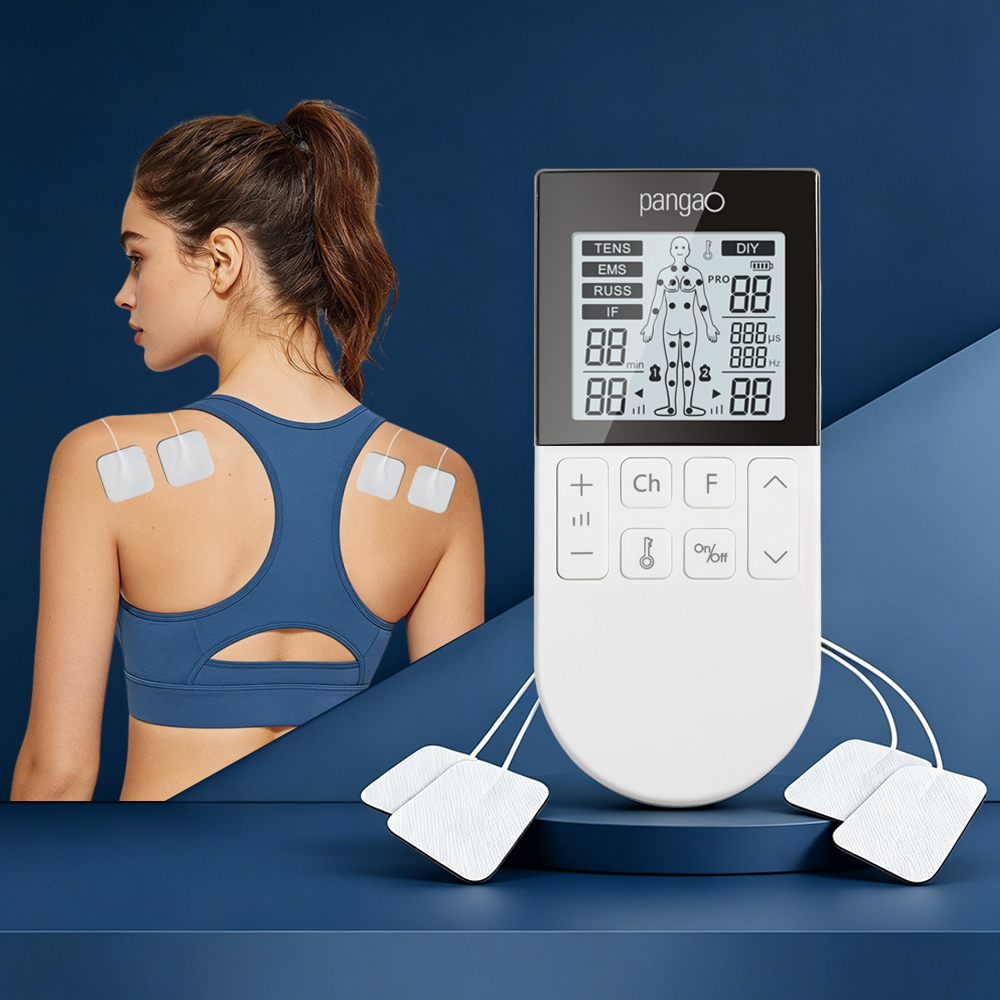
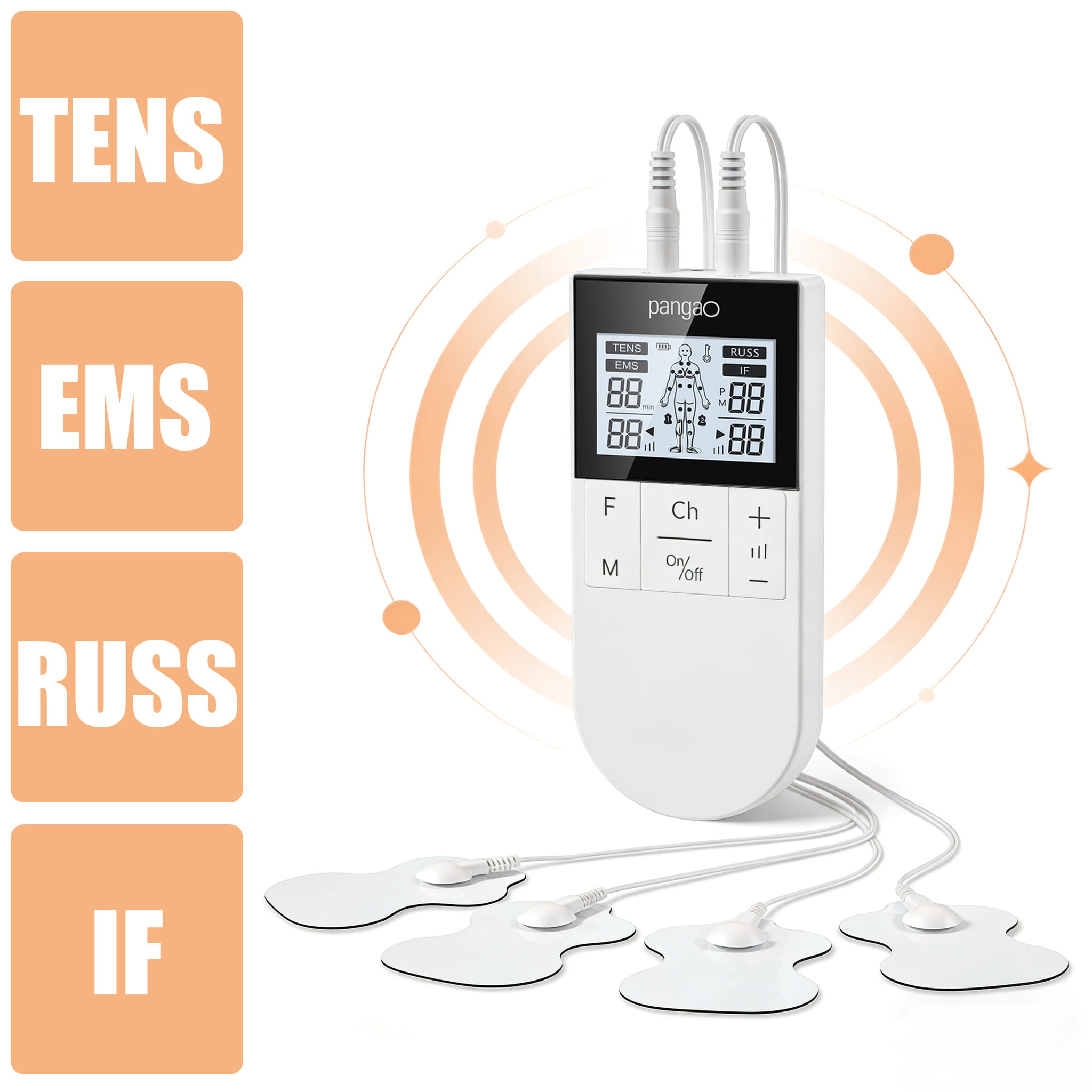
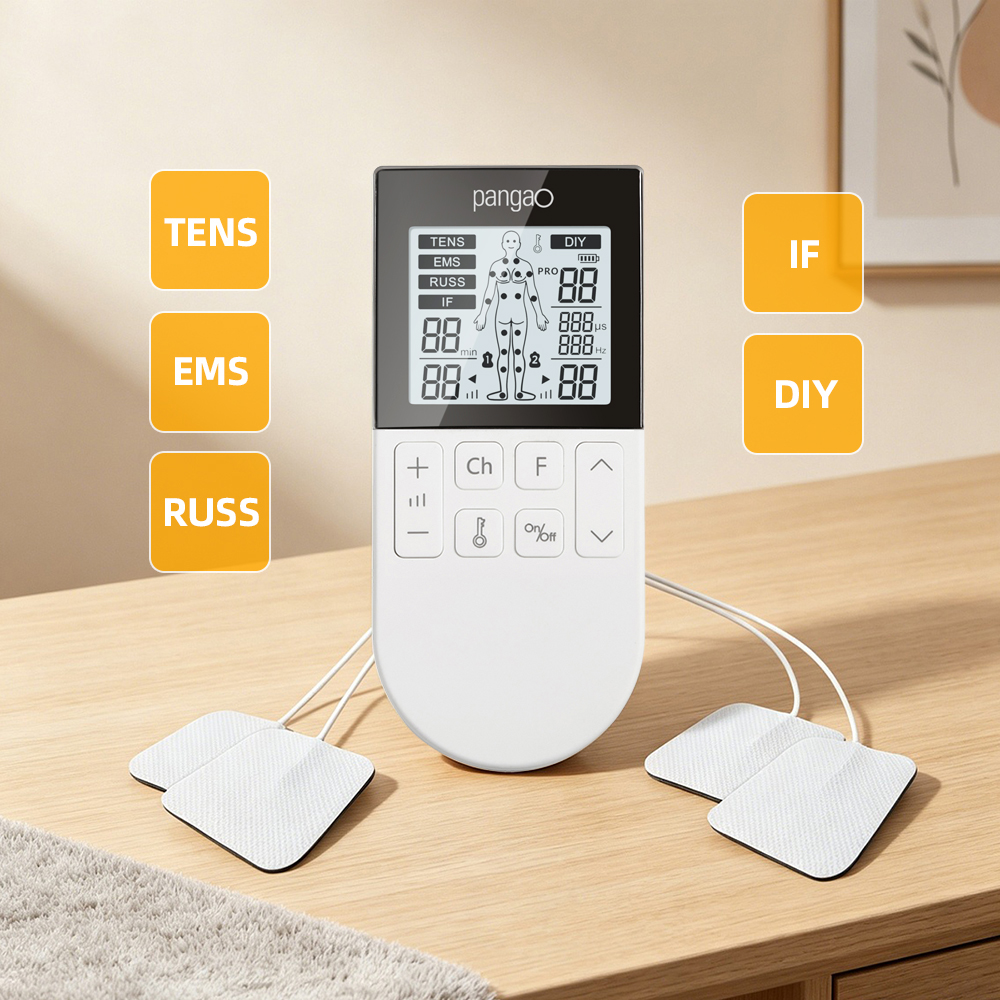
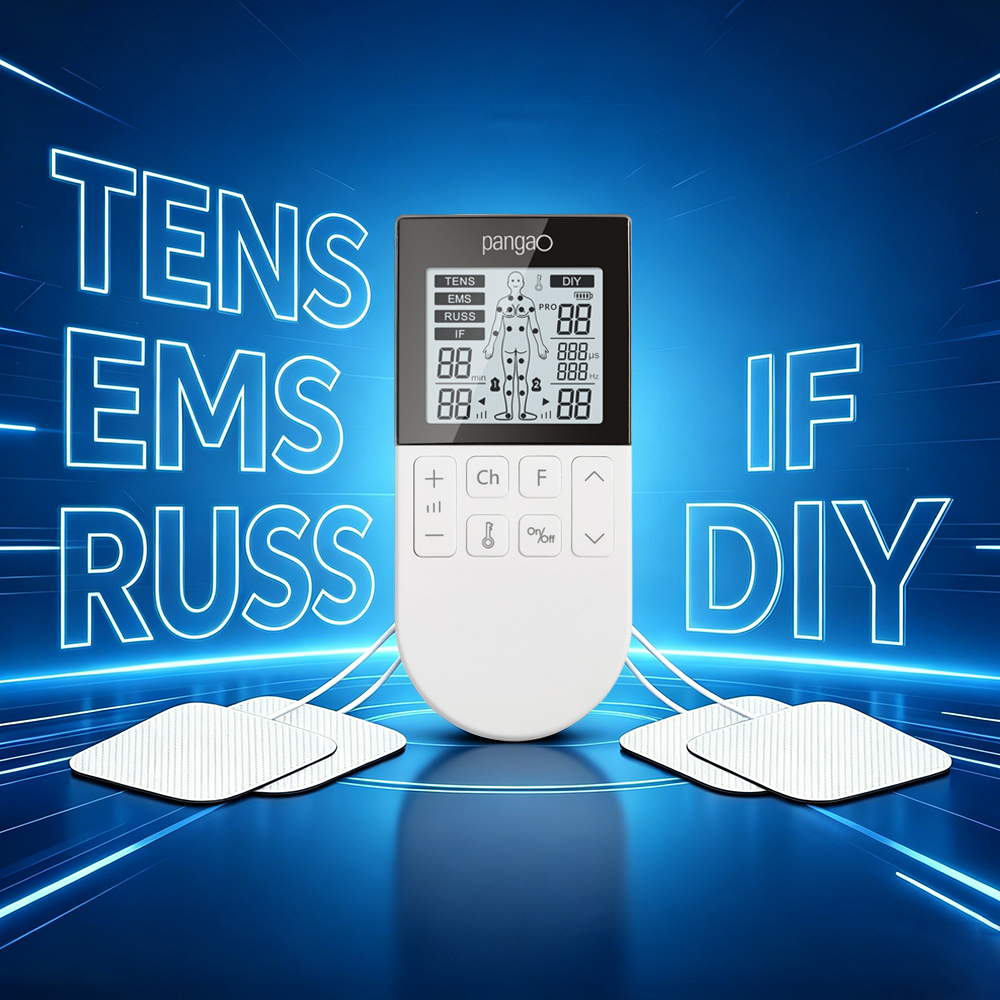
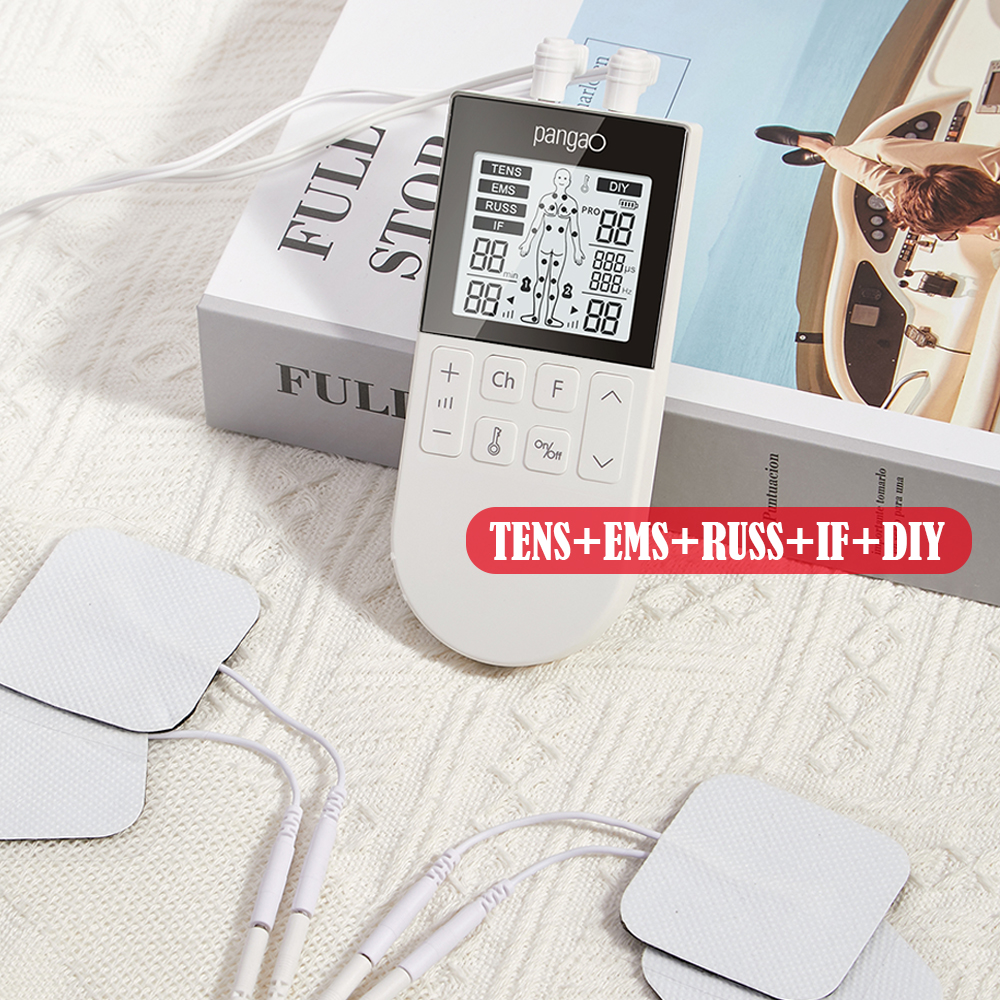
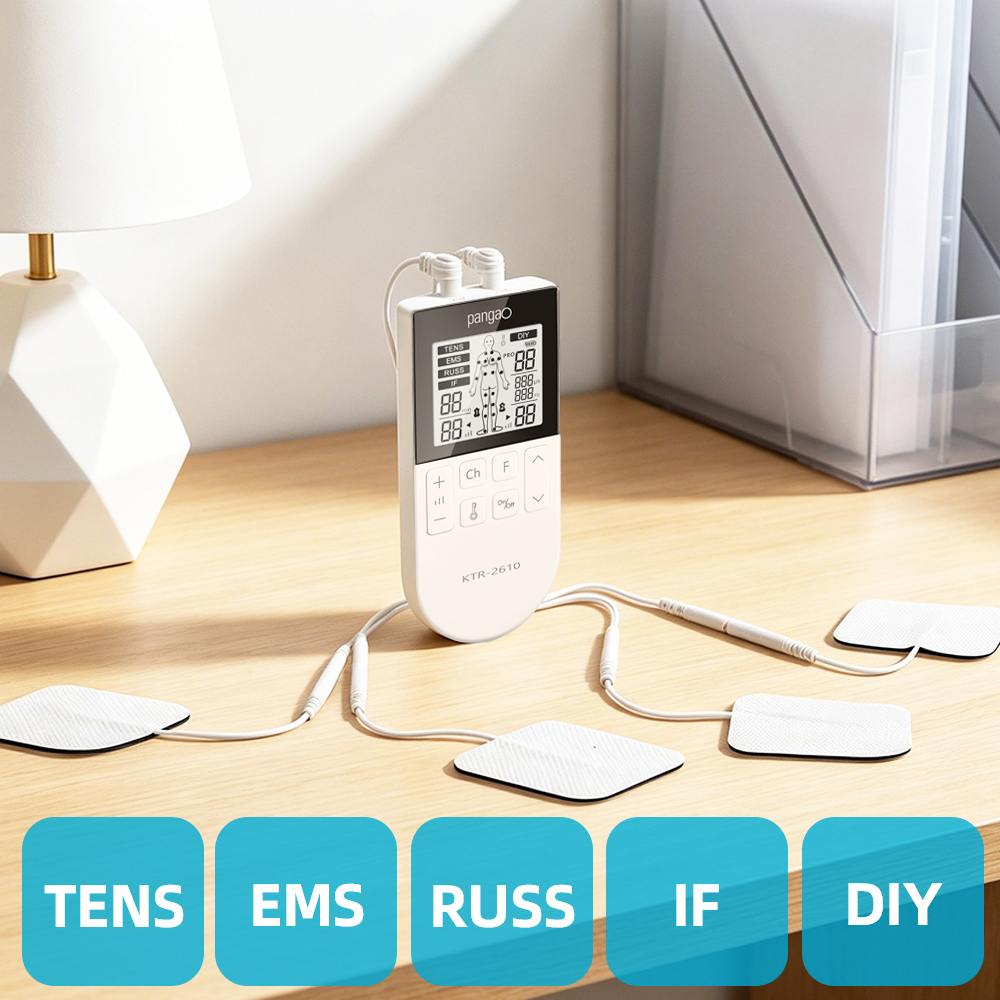
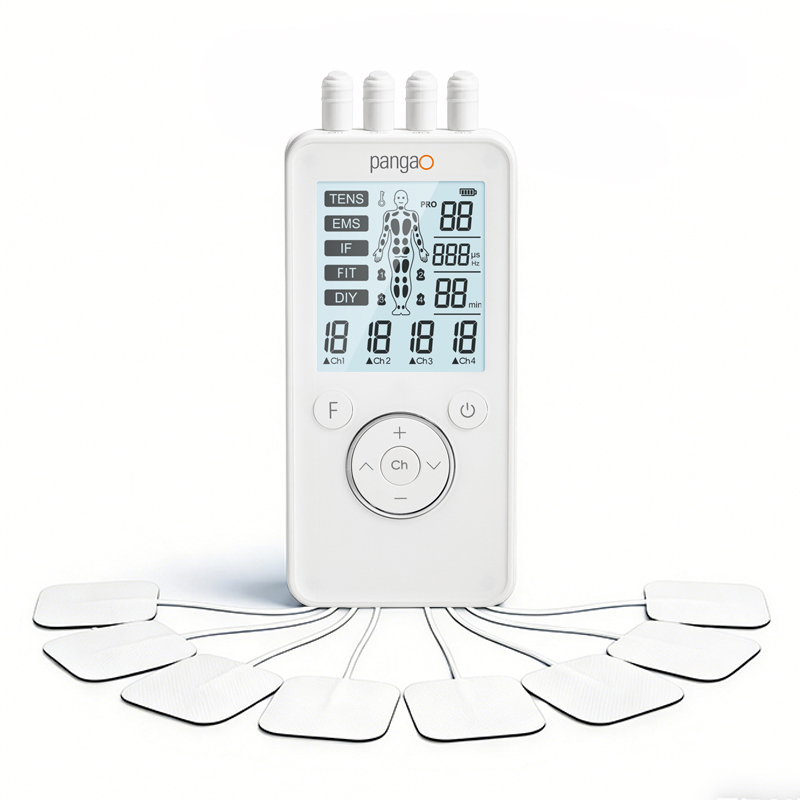
Executive Summary: The Landscape of TENS & EMS Manufacturing in China
As the global home healthcare and non-invasive pain management market expands toward a projected valuation of $8.5 billion by 2030, electrical stimulation therapy has evolved from specialized clinical equipment into ubiquitous consumer wellness, rehabilitation, and athletic recovery hardware. At the epicenter of this global supply chain is Shenzhen, China—specifically the advanced medical electronics cluster where Shenzhen Vilicus Medical Electronics Co., Ltd. operates as a premier OEM/ODM manufacturer.
This industry whitepaper serves as a strategic procurement guide for medical device importers, brand owners, retail chains, and digital DTC brands seeking to source high-compliance Transcutaneous Electrical Nerve Stimulation (TENS), Electrical Muscle Stimulation (EMS), Interferential (IF), and Russian Stimulation (RUSS) units. Grounded in Google's E-E-A-T guidelines (Experience, Expertise, Authoritativeness, and Trustworthiness), this document dissects technical waveform engineering, quality management criteria, regulatory clearance pathways, and market evolution trends defining China's top TENS machine factories.
1. Technical Waveform Engineering: TENS vs. EMS vs. IF vs. RUSS
A primary failure point in B2B medical procurement is the misalignment between intended therapeutic outcomes and electrical pulse parameter specifications. China's leading manufacturing facilities engineer electrotherapy devices with multi-channel microprocessors capable of generating distinct wave dynamics. Understanding these biophysical mechanisms is vital for product selection and regulatory labeling.
| Modal Classification | Frequency Range (Hz) | Pulse Width (μs) | Physiological Target | Primary Clinical/Wellness Application |
|---|---|---|---|---|
| TENS (Nerve) | 2 Hz – 150 Hz | 50 μs – 400 μs | A-beta sensory fibers & C-fibers | Symptomatic relief of chronic intractable pain, acute post-trauma pain, menstrual dysmenorrhea. |
| EMS / NMES (Muscle) | 20 Hz – 100 Hz | 200 μs – 500 μs | Alpha motor neurons | Muscle re-education, prevention of disuse atrophy, local blood circulation enhancement. |
| IF / IFT (Interferential) | 4,000 Hz carrier frequency | Adjustable amplitude modulation | Deep tissue neuro-vascular structures | Penetrates skin resistance (impedance) for deep joint and spinal tissue comfort with low skin irritation. |
| Russian Stimulation (RUSS) | 2,500 Hz burst (50 Hz beat) | 50% duty cycle bursts | Deep motor nerve bundles | High-intensity muscle hypertrophy, athletic conditioning, dynamic physical rehabilitation. |
| NMES Foot / Bioelectric | 1 Hz – 120 Hz modulated | 100 μs – 350 μs | Plantar neuromuscular networks | Lower extremity neuropathy relief, venous return acceleration, leg edema reduction. |
Neuro-Physiological Mechanisms of Action
Top-tier TENS machines utilize two well-documented neuro-physiological mechanisms:
- The Gate Control Theory of Pain (Melzack & Wall): High-frequency stimulation (80 Hz to 120 Hz) targets large-diameter myelinated A-beta sensory fibers. Transmitting signal pulses faster than unmyelinated pain-transmitting C-fibers, these electrical signals effectively "close the spinal gate" at the dorsal horn, inhibiting pain signals from reaching the cerebral cortex.
- Endorphin & Enkephalin Release: Low-frequency stimulation (2 Hz to 10 Hz) stimulates motor and sensory nerves to trigger the hypothalamic-pituitary axis, stimulating the endogenous release of beta-endorphins and enkephalins into the bloodstream for prolonged analgesia.
2. Quality Architecture & Regulatory Compliance Blueprint (ISO 13485, FDA 510(k), EU MDR)
Sourcing medical electronics from China requires stringent compliance verification. A TENS unit is legally classified as a Class II Medical Device by the US FDA and a Class IIa Medical Device under the European Union Medical Device Regulation (EU MDR 2017/745). Importing non-compliant devices risks customs seizure, market recalls, and severe legal liability.
US FDA 510(k) Clearance Requirements
For US market distribution, TENS and EMS devices fall under Regulation 21 CFR 882.5890 (Product Code: GZJ for TENS, IPF for Powered Muscle Stimulators). Vilicus factory platforms maintain valid FDA 510(k) clearances, allowing OEM partners to leverage existing substantial equivalence predicates to drastically accelerate market entry timelines from 18 months down to 90 days.
EU MDR 2017/745 & CE Certification
Under the EU MDR framework, electrotherapy units must undergo rigorous conformity assessments by Notified Bodies (NB). Technical Documentation files must include comprehensive Clinical Evaluation Reports (CER), risk management compliant with ISO 14971, and usability testing compliant with IEC 62366.
Essential Factory Quality Audit Criteria
When auditing a China TENS machine manufacturer, procurement directors must inspect five critical technical controls:
- ISO 13485 Quality Management System: Verification of cleanroom assembly standards, component traceability, and automated calibration logs for every printed circuit board assembly (PCBA).
- Electrical Safety & EMC Testing (IEC 60601 Series): Full compliance with IEC 60601-1 (General Safety), IEC 60601-1-11 (Home Healthcare Environment), and specifically IEC 60601-2-10 (Particular requirements for the basic safety and essential performance of nerve and muscle stimulators).
- Constant Current Output Architecture: Premium TENS hardware incorporates constant-current output circuits rather than constant-voltage circuits. Constant-current designs automatically adjust voltage relative to skin impedance shifts (e.g., dry skin vs. sweating), preventing sudden painful electrical shocks.
- Hydrogel Biocompatibility (ISO 10993): Electrode pads must undergo cytotoxicity (ISO 10993-5), sensitization, and intracutaneous reactivity testing (ISO 10993-10) to guarantee non-irritating skin contact over repeated therapeutic sessions.
- Zero Net DC Current Circuitry: Pulse output transformers must utilize symmetrical biphasic waveforms to prevent net DC current accumulation, which causes skin burns and tissue electrolysis over extended use.
3. Enterprise Manufacturing Strengths: Shenzhen Vilicus Medical Electronics
Operating since 2000 (with dedicated electrotherapy operations established in 2013), Shenzhen Vilicus Medical Electronics Co., Ltd. represents the apex of specialized electrotherapy manufacturing in South China. Situated in Henggang Street, Shenzhen, our 15,700 m² state-of-the-art facility integrates end-to-end production capabilities:
In-House R&D & SMT
Over 300 group engineers drive continuous innovation in microcontroller programming, multi-mode algorithm generation, micro-circuitry layout, and Bluetooth app development.
Stringent Inspection Protocols
100% of finished devices undergo automated optical inspection (AOI), wave amplitude calibration, load testing, and aging burn-in prior to final packaging, achieving an AQL < 0.65 standard.
Turnkey OEM / ODM Solutions
Complete custom toolings, custom housing injections, private label silk-screening, multi-language packaging design, custom LCD screen masks, and customized firmware preset modes.
4. Strategic Procurement Trends & Future Outlook (2025–2030)
Procurement directors must look beyond legacy wired dual-channel handheld TENS boxes to stay competitive. Market data highlights three major evolutionary vectors reshaping consumer and clinical demand:
Trend 1: Wearable, Cable-Free & Wireless Mesh TENS
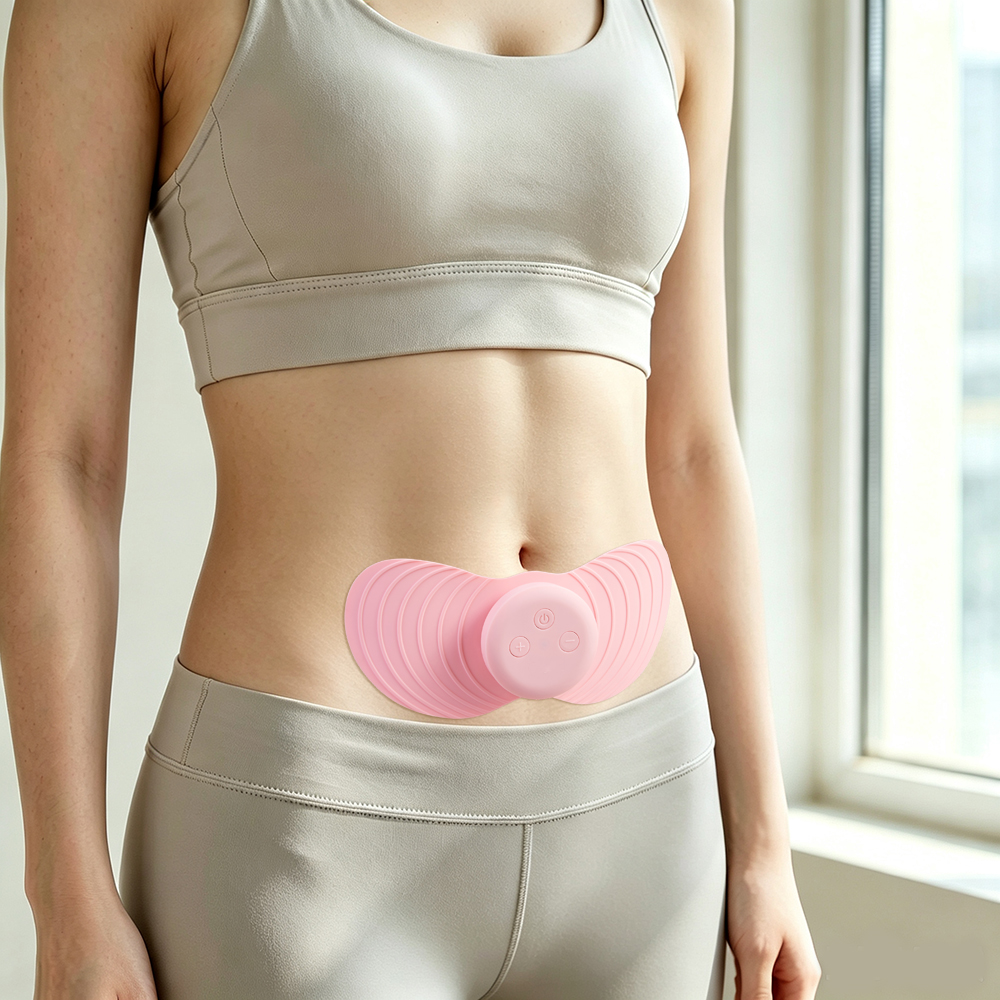
The consumer market is rapidly shifting away from cumbersome electrode wires toward integrated, ultra-lightweight wireless pods. Powered by energy-efficient Bluetooth 5.0 Low Energy (BLE) microcontrollers, wireless TENS units adhere directly to the lumbar, shoulder, or abdomen. Command signals are driven via sleek RF remote controls or custom iOS/Android mobile applications.
Trend 2: Women’s Health & Drug-Free Dysmenorrhea Relief
Female wellness hardware represents one of the fastest-growing categories in retail pharmacy and DTC e-commerce. Menstrual cramp relief devices combine fast-acting TENS pulses (targeting the T10-L1 dermatomes) with far-infrared carbon-fiber heating elements (45°C to 55°C). Designed for discreet under-clothing wear, these rechargeable devices provide immediate, drug-free pain management for period dysmenorrhea.
Trend 3: Combined Red Light & NMES Foot Circulation Therapy
Addressing diabetic peripheral neuropathy, plantar fasciitis, and age-related lower-extremity edema, next-generation foot therapy platforms combine bioelectric Neuromuscular Electrical Stimulation (NMES) with 660nm Red Light and 850nm Near-Infrared (NIR) photobiomodulation. This dual-action mechanism stimulates muscle pump contraction while promoting microvascular nitric oxide release.
Frequently Asked Questions (B2B Procurement & Sourcing)
Essential answers for medical supply buyers, brand managers, and import directors.
Partner with China's Leading TENS Machine Manufacturer
Request customized factory quotes, full technical specification datasheets, test reports, and FDA/MDR regulatory clearance documents for your brand today.