Featured NMES & Electrotherapy Machines
Explore our top-rated medical-grade NMES, TENS, and EMS physiotherapy devices built for commercial distribution, clinical rehabilitation, and private-label retail.
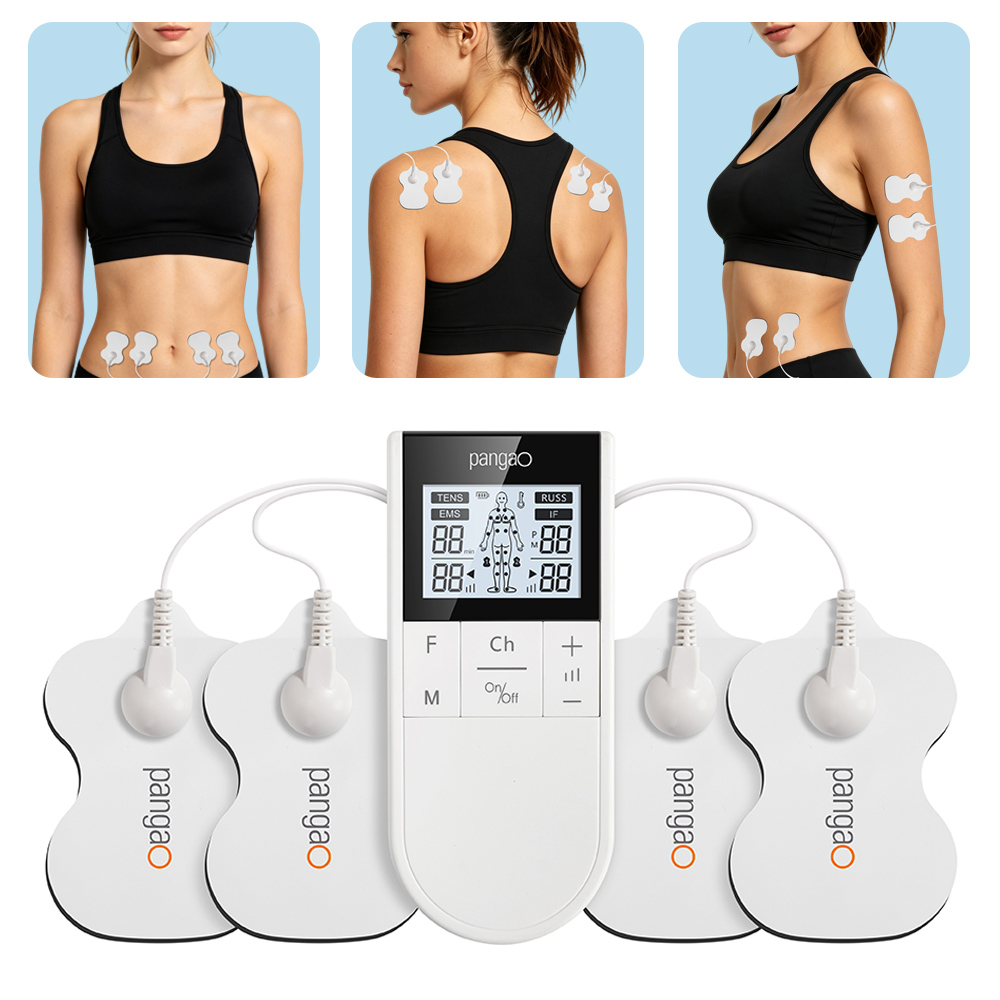
Rechargeable Dual Channel TENS EMS Muscle Stimulator
- Channels: Dual Independent
- Waveforms: TENS / EMS / NMES
- Battery: Li-ion Rechargeable
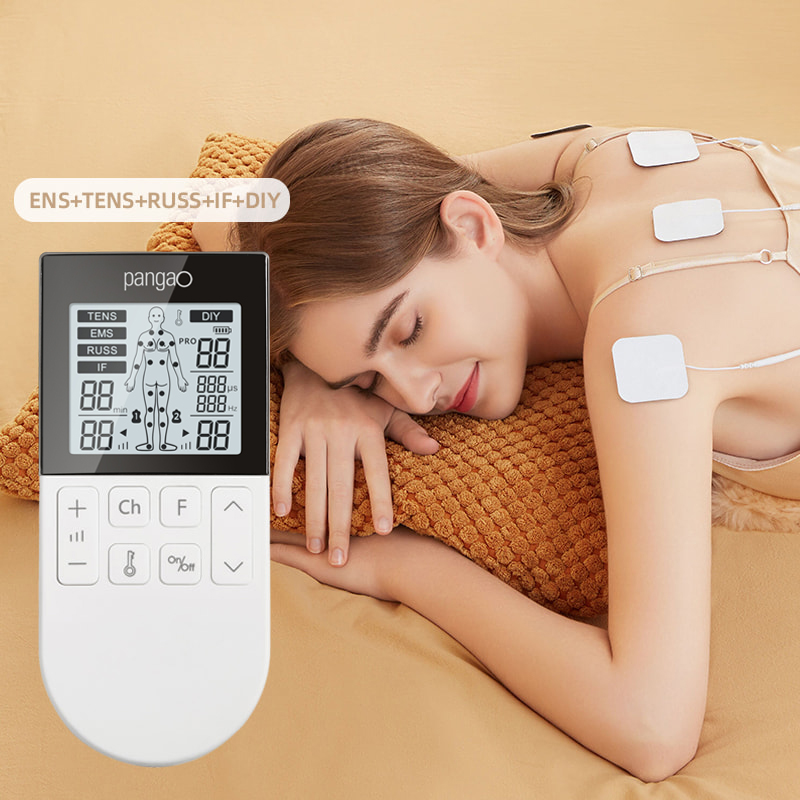
Large LCD Display Body Pain Relief EMS TENS Device
- Display: Backlit HD LCD
- Programs: 24 Preset Modes
- Output: 0-80mA Adjustable
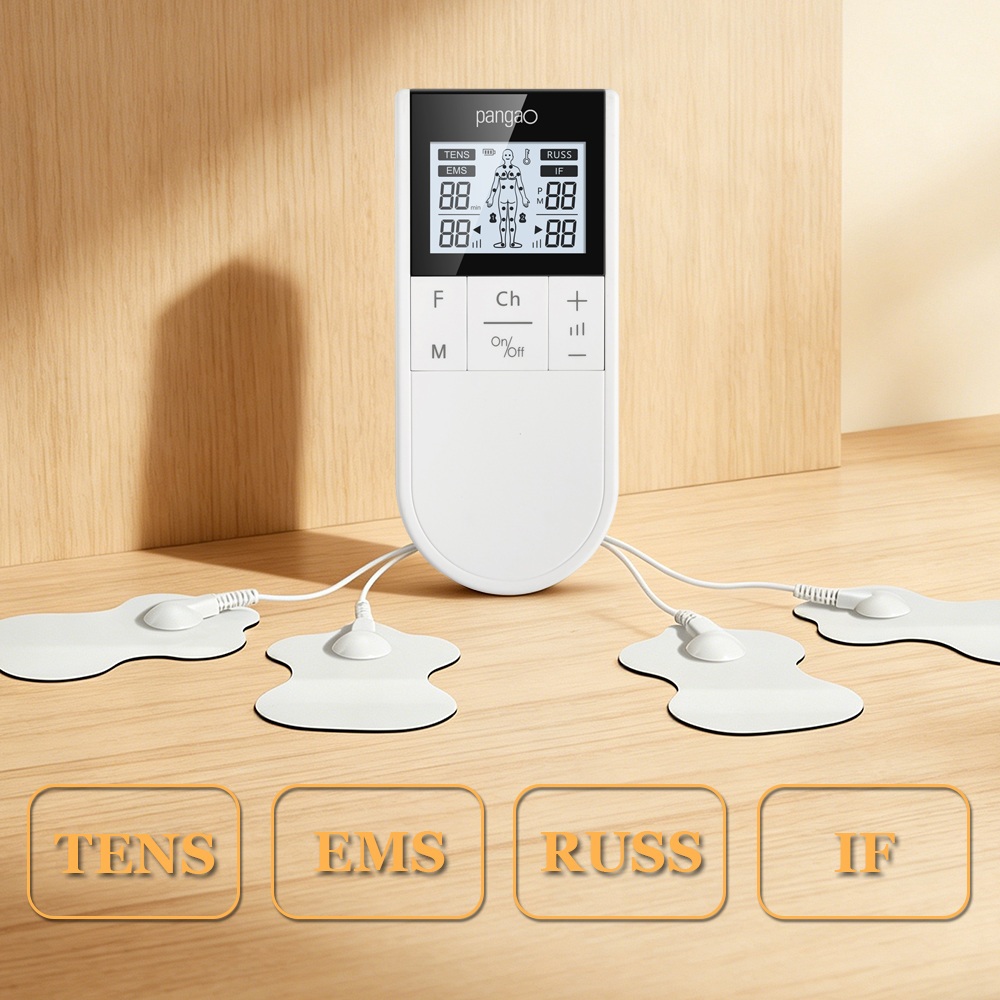
Portable Clinical Electrotherapy 4-Pad TENS/NMES Unit
- Pads: 4 Premium Hydrogel
- Target: Motor Nerve Rehab
- Compliance: ISO 13485 / CE
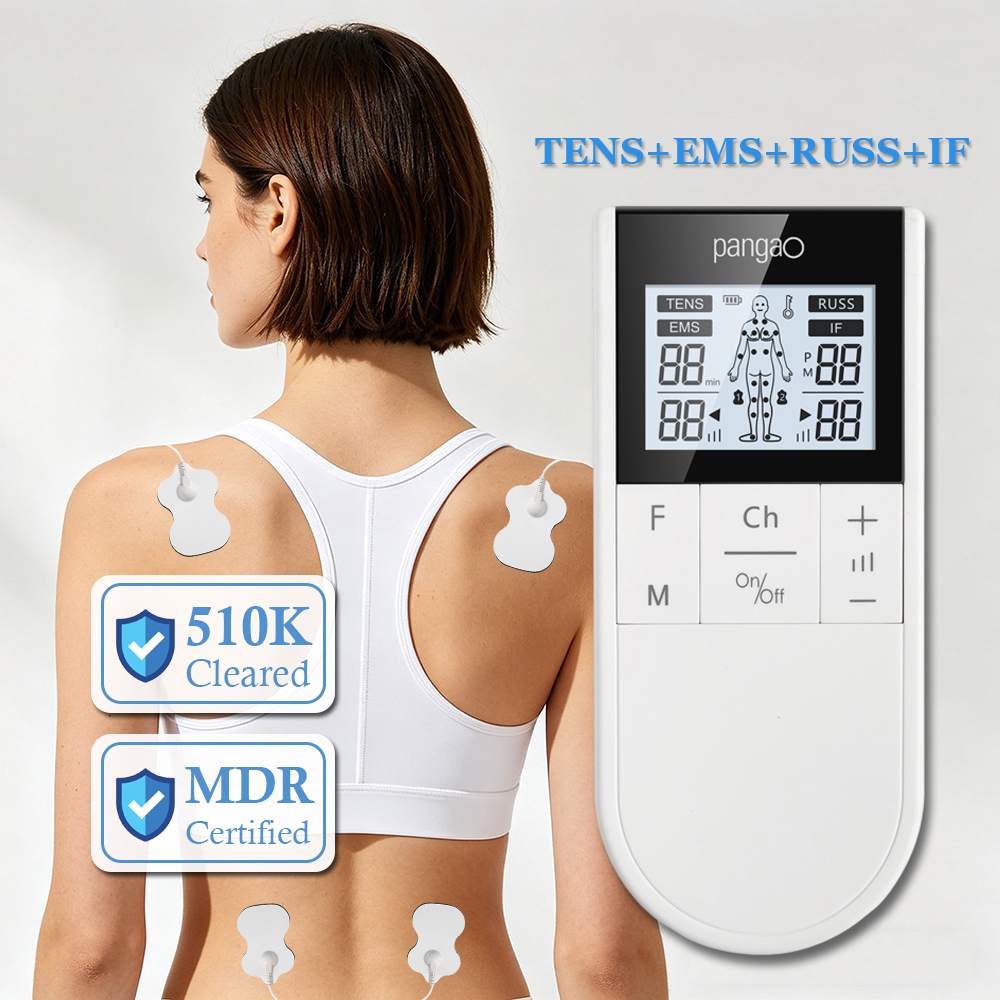
2-Channel Electronic Pulse Massager EMS Stimulator
- Pulse Width: 50-300 μs
- Frequency: 1-120 Hz
- Features: Auto Shut-Off Timer
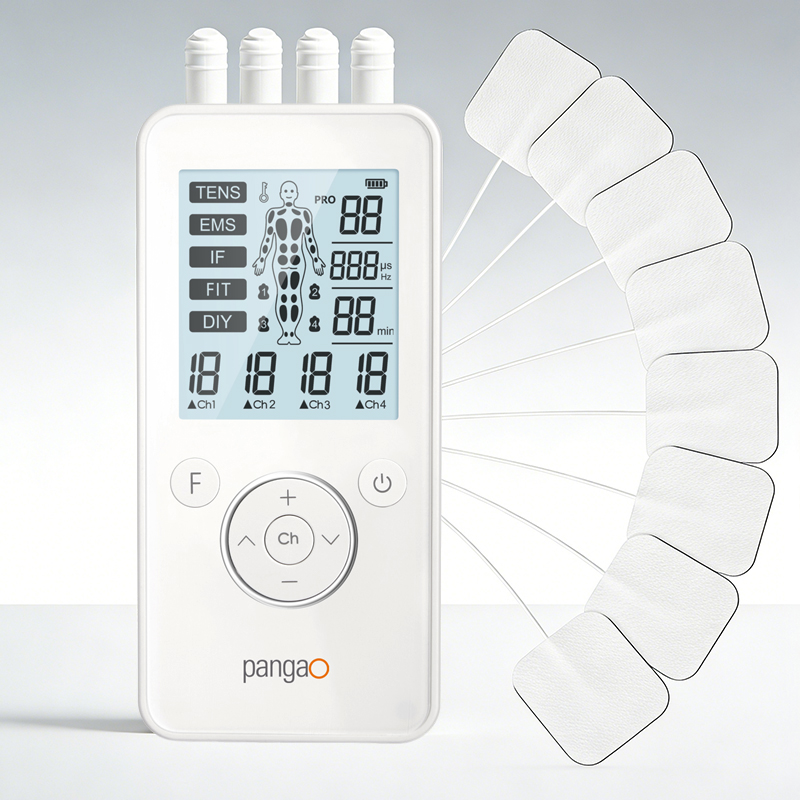
Professional 4-Channel Multi-User Physical Therapy Machine
- Channels: 4 Quad-Outputs
- Electrodes: Up to 8 Pads
- Application: Clinical & Wholesale
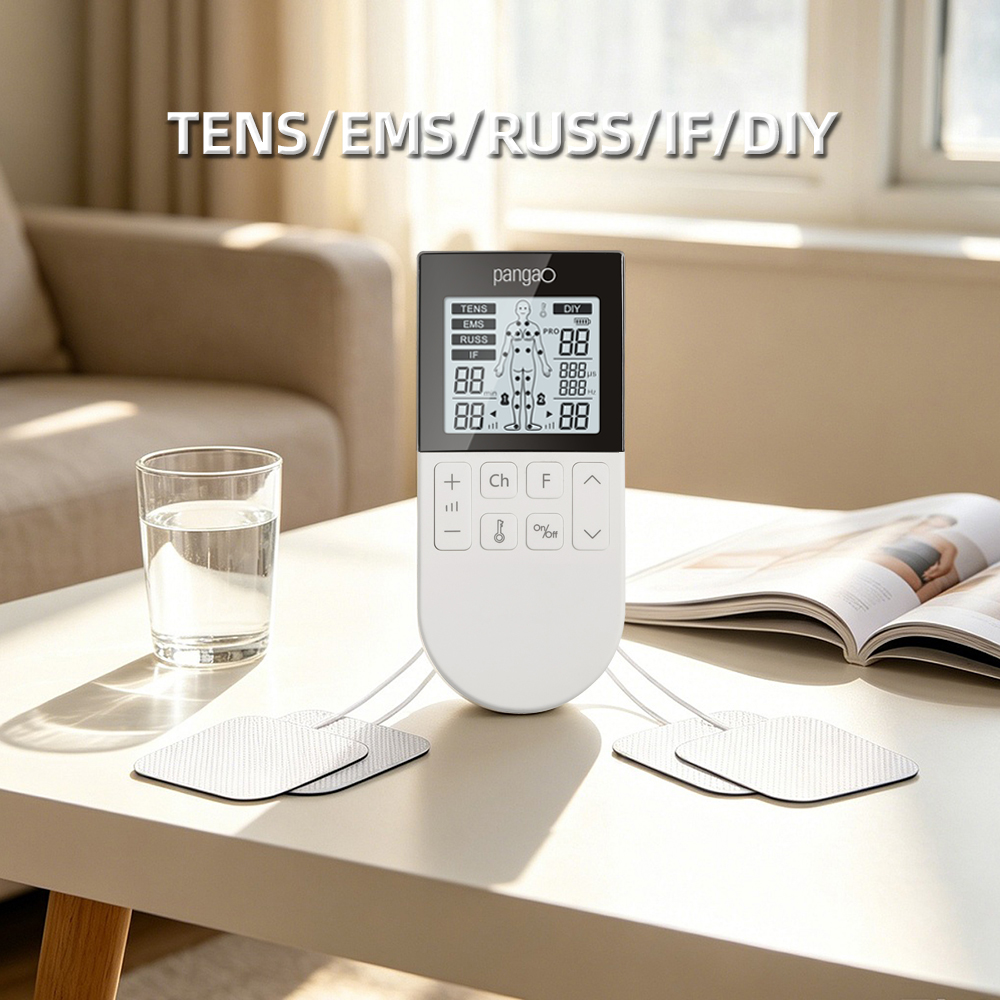
KTR-2610 Electrotherapy Rehabilitation Device
- Certifications: FDA 510(k) / MDR
- Design: Compact Ergonomic
- OEM Option: Branding & Shell Color
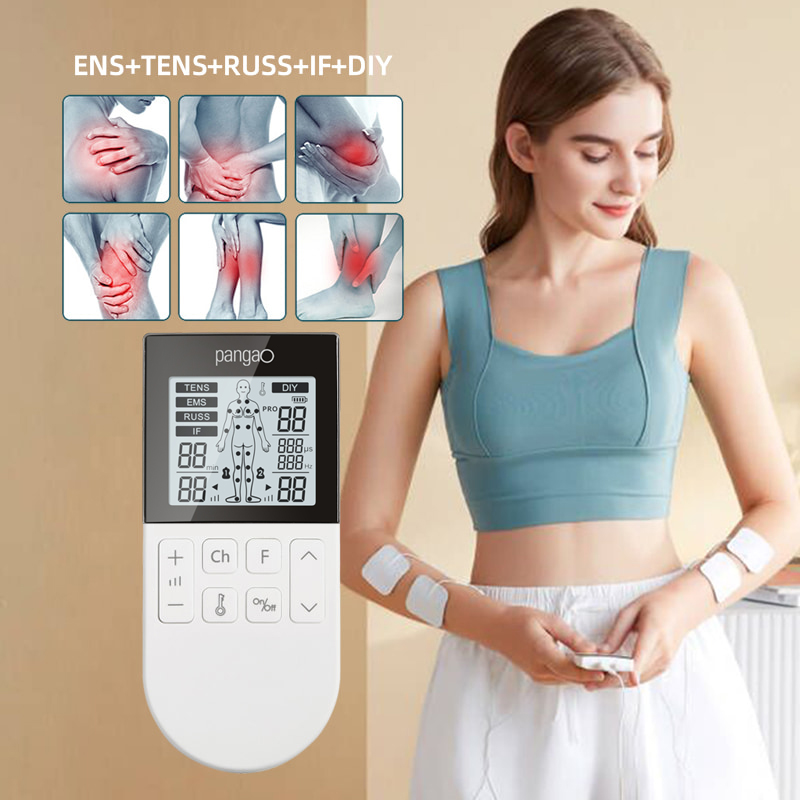
Portable 5-in-1 Multi-Waveform NMES/IF/RUSS Device
- Modes: TENS, EMS, IF, RUSS, Micro
- Power: Precision Digital Pulse
- Market: Advanced Rehab Channels
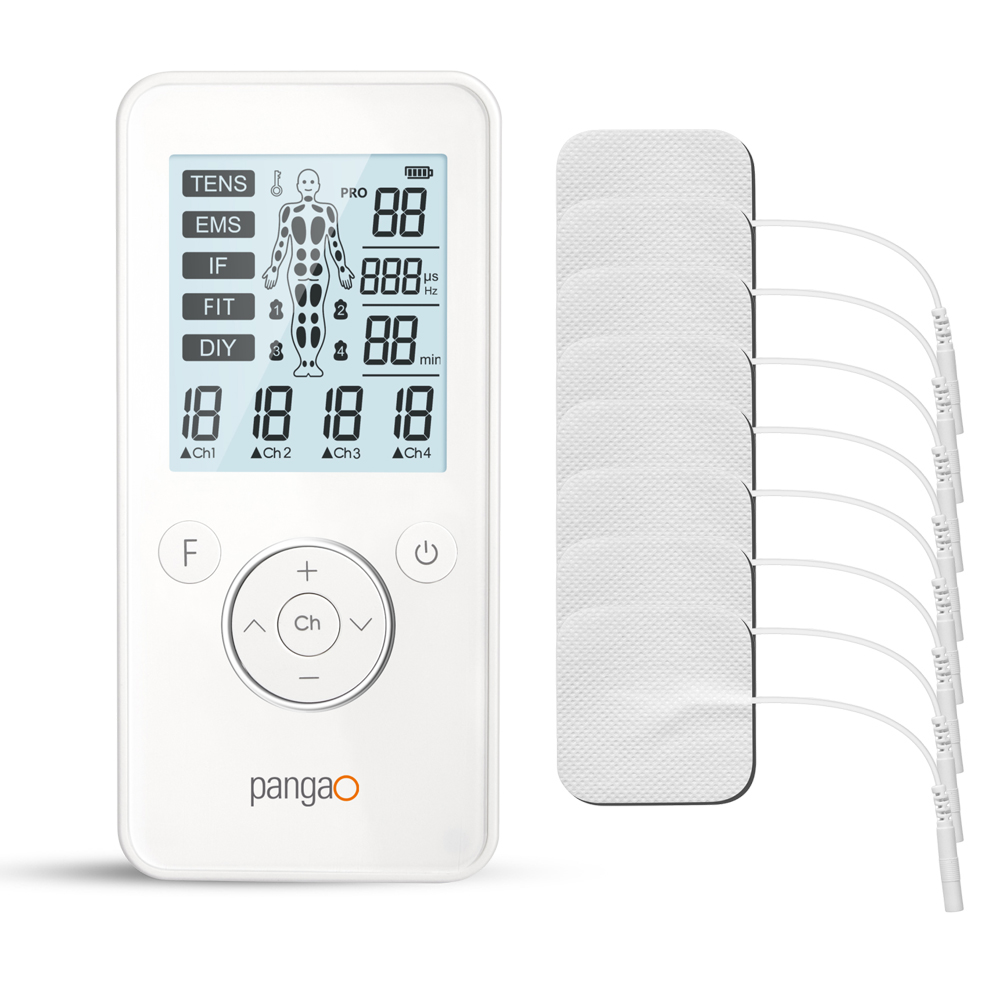
Medical-Grade 4-Channel Pulse Massager NMES Unit
- Class: Medical Grade IIa
- Safety: Load-Detect Protection
- Waveform: Biphasic Asymmetrical
The Strategic Procurement Guide for NMES Technology
In-depth technical analysis, neuro-physiological mechanics, and manufacturing standards for global medical equipment importers and brand owners.
Deconstructing Neuromuscular Electrical Stimulation (NMES) vs. TENS & EMS
For medical device procurement managers and OTC brand directors, specifying the exact electrotherapy parameters is crucial for regulatory registration and market performance. Neuromuscular Electrical Stimulation (NMES) represents a specialized subset of electrotherapy engineered to restore muscle function, re-educate impaired motor pathways, and reduce muscle spasticity following trauma, surgery, or neurological disorders.
While TENS operates primarily on low-amplitude, high-frequency (80–120 Hz) signals targeting A-beta sensory fibers to block pain transmission in the dorsal horn, NMES utilizes high-amplitude, controlled pulse duration (200–400 microseconds) at 20–50 Hz to activate motor nerves. This recruits motor units according to Henneman's Size Principle in reverse—firing large, fast-glycolytic muscle fibers first, which are most susceptible to post-surgical atrophy.
Manufacturing Excellence & Corporate Advantage
Shenzhen Vilicus Medical Electronics Co., Ltd. combines two decades of high-precision electronic manufacturing experience with dedicated medical electrotherapy engineering.
ISO 13485 Cleanroom Production
Operating across a 15,700 m² state-of-the-art facility in Henggang, Shenzhen, our manufacturing lines adhere strictly to medical-grade ISO 13485 Quality Management Systems, complete with BSCI social compliance and SGS onsite verification.
300+ Group R&D Engineers
Our group engineering team spans embedded firmware coders, hardware circuit designers, biomedical wave-shaping experts, and iOS/Android SDK developers, enabling rapid turn-key OEM/ODM product rollouts from concept to prototype.
Global Regulatory Approvals
We de-risk international importation. Our products feature turn-key compliance documentation, including US FDA 510(k) clearances, EU MDR Class IIa certifications, Australia TGA listings, CE, and RoHS material safety approvals.
Future Procurement Trends in the Global NMES Market
Key market vectors shaping bulk purchasing decisions, distributor sourcing strategies, and product development roadmaps for 2025–2030.
1. App-Connected & IoT Biofeedback Integration
Procurement is pivoting rapidly from standalone handheld units toward Bluetooth low-energy (BLE) enabled devices. Modern clinical protocols require cloud tracking of patient compliance, custom parameter programming via mobile apps, and real-time electromyography (sEMG) biofeedback for targeted motor recruitment.
2. Hybrid Multi-Waveform Convergence
Single-function TENS devices are facing margin erosion. High-growth clinical channels demand multi-waveform platforms that combine TENS (pain management), NMES/EMS (muscle conditioning), Interferential Current (IF for deep tissue stimulation), and Russian Currents (burst-modulated 2,500 Hz for high-force motor recruitment).
3. Wearable Conductive Fabrics & Ergo-Form Factors
The market is shifting away from messy lead wires and disposable gel pads. B2B buyers are investing heavily in wireless pod-based NMES units paired with silver-knitted conductive compression sleeves for knees, lower back, and feet (e.g., EMS Foot Circulation Stimulators).
Engineering & Technical Development Trends
A comparative evaluation matrix of critical circuit architectures and pulse output characteristics for medical equipment buyers.
| Technical Specification | Basic Consumer OTC NMES | Professional Clinical NMES | Vilicus OEM Custom Tier |
|---|---|---|---|
| Waveform Geometry | Monophasic / Unbalanced Biphasic | Symmetrical / Asymmetrical Balanced Biphasic | Fully Custom Programmable Biphasic Waveforms |
| Pulse Duration (Width) | 100–200 μs (Fixed) | 50–400 μs (Adjustable in 10μs steps) | 50–450 μs (Multi-phase ramping micro-adjust) |
| Frequency Range | 1–80 Hz | 1–150 Hz + Russian 2,500 Hz Carrier | 1–150 Hz TENS/NMES + 2kHz–10kHz IF Carrier |
| Output Current (into 500Ω) | 0–60 mA peak | 0–100 mA peak (Constant Current) | 0–120 mA Constant Current / Voltage Auto-Switch |
| Channel Isolation | Shared Common Ground | Galvanically Isolated Channels | Optocoupler Isolated Dual/Quad Independent Channels |
| Regulatory Compliance | CE / RoHS | FDA 510(k) / EU MDR Class IIa | FDA 510(k), EU MDR, TGA, Health Canada Ready |
Why Symmetrical Balanced Biphasic Output Matters
Cheap NMES devices frequently utilize unbalanced monophasic waveforms which cause net DC charge accumulation beneath electrode pads. Over multi-minute treatment sessions, this net charge induces electrochemical skin burns and localized epidermal irritation due to ion migration.
Shenzhen Vilicus Medical's engineering architecture employs zero-net-DC symmetrical balanced biphasic pulses. Every positive phase pulse is immediately countered by an identical negative phase pulse, guaranteeing complete charge neutrality, superior patient comfort, and zero risk of chemical burns during prolonged motor conditioning.
Frequently Asked Questions (FAQ) for Importers
Direct, transparent answers regarding manufacturing lead times, regulatory documentation, custom software engineering, and factory audits.
Partner with China's Premier NMES Device Manufacturer
Request our comprehensive 2025 product catalog, technical parameter whitepaper, and wholesale pricing guide today. Speak directly with our senior electrotherapy engineering team.
Get Catalog