Featured Electrotherapy & Muscle Rehabilitation Devices
Direct-from-factory wholesale inventory featuring FDA 510(k), EU MDR, and ISO 13485 medical clearances.
Global Supply Chain Dynamics: China’s Ecosystem in Muscle Rehabilitation Manufacturing
The global electrotherapy and muscle rehabilitation market is undergoing a seismic structural shift. Driven by an aging global demographic, an surge in sports-related musculoskeletal injuries, and the widespread adoption of home-based decentralized healthcare, the demand for non-invasive, drug-free analgesia and neuro-muscular re-education hardware has expanded exponentially. As global brand owners, medical device importers, and pharmaceutical distributors seek to capitalize on this multi-billion dollar trajectory, partnering with premier Chinese OEM/ODM manufacturing hubs has moved from a cost-efficiency tactic to a core strategic imperative.
Shenzhen, China, stands as the epicenter of advanced medical electronics manufacturing. Integrating sophisticated micro-electronics production, high-precision injection molding, automated surface-mount technology (SMT), and rigorous biomedical testing laboratories, top-tier exporters like Shenzhen Vilicus Medical Electronics Co., Ltd. offer an unmatched manufacturing ecosystem. By bridging cutting-edge bio-electrical engineering with stringent international regulatory frameworks—including US FDA 510(k), European Union MDR (EU 2017/745), Australian TGA, and ISO 13485 medical quality systems—Chinese manufacturers provide global B2B buyers with unprecedented speed-to-market and technological reliability.
Comprehensive Waveform Modality Analysis & Clinical Application Matrix
A core differentiator of high-performance muscle rehabilitation hardware lies in its ability to generate precise, bio-compatible waveform profiles. B2B buyers must navigate various electrotherapeutic modalities to align product specifications with target user intents—ranging from clinical pain management to elite athletic muscle conditioning and targeted pelvic floor rehabilitation.
| Modality Type | Frequency Range | Pulse Width (μs) | Primary Biological Mechanism | Target Sourcing Intent |
|---|---|---|---|---|
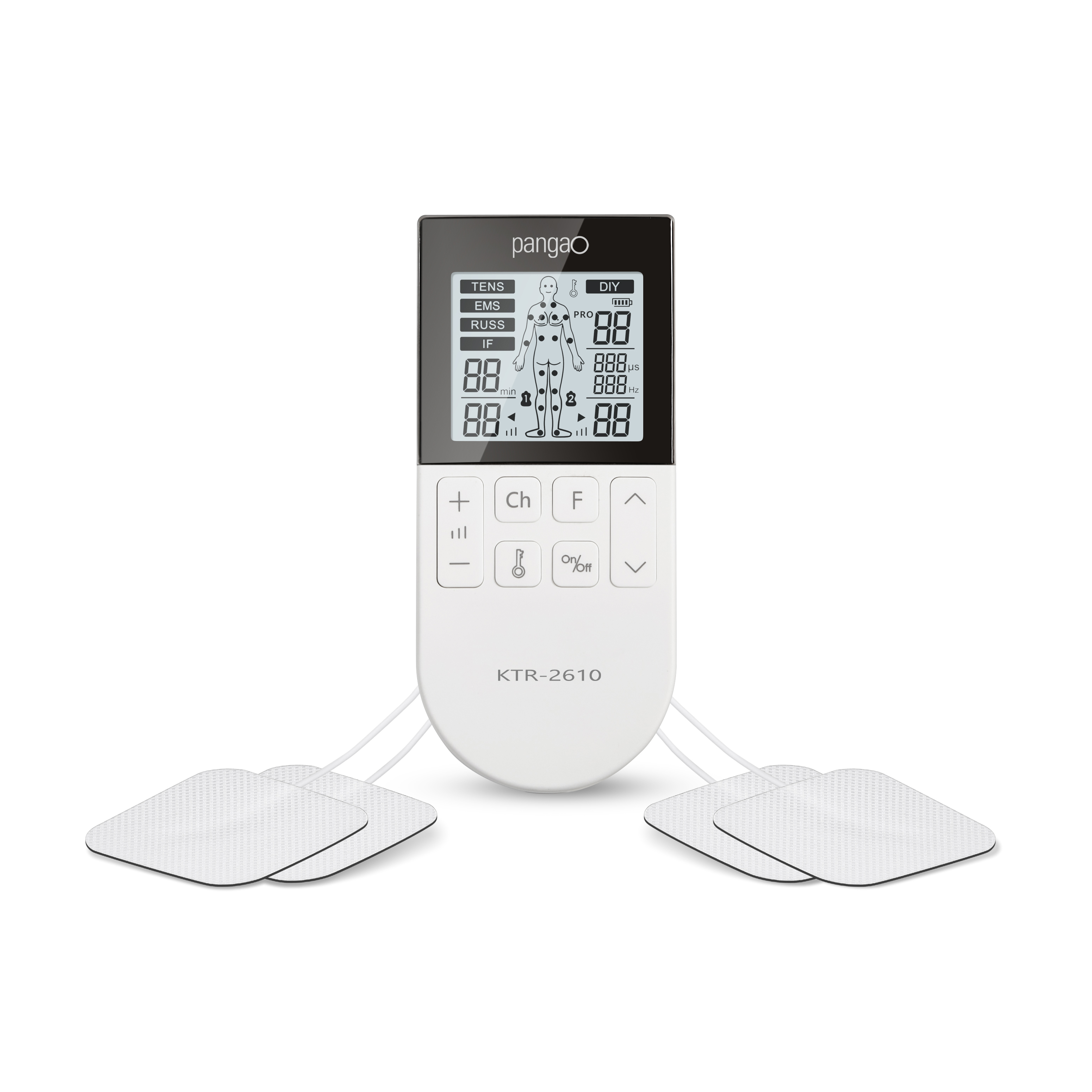
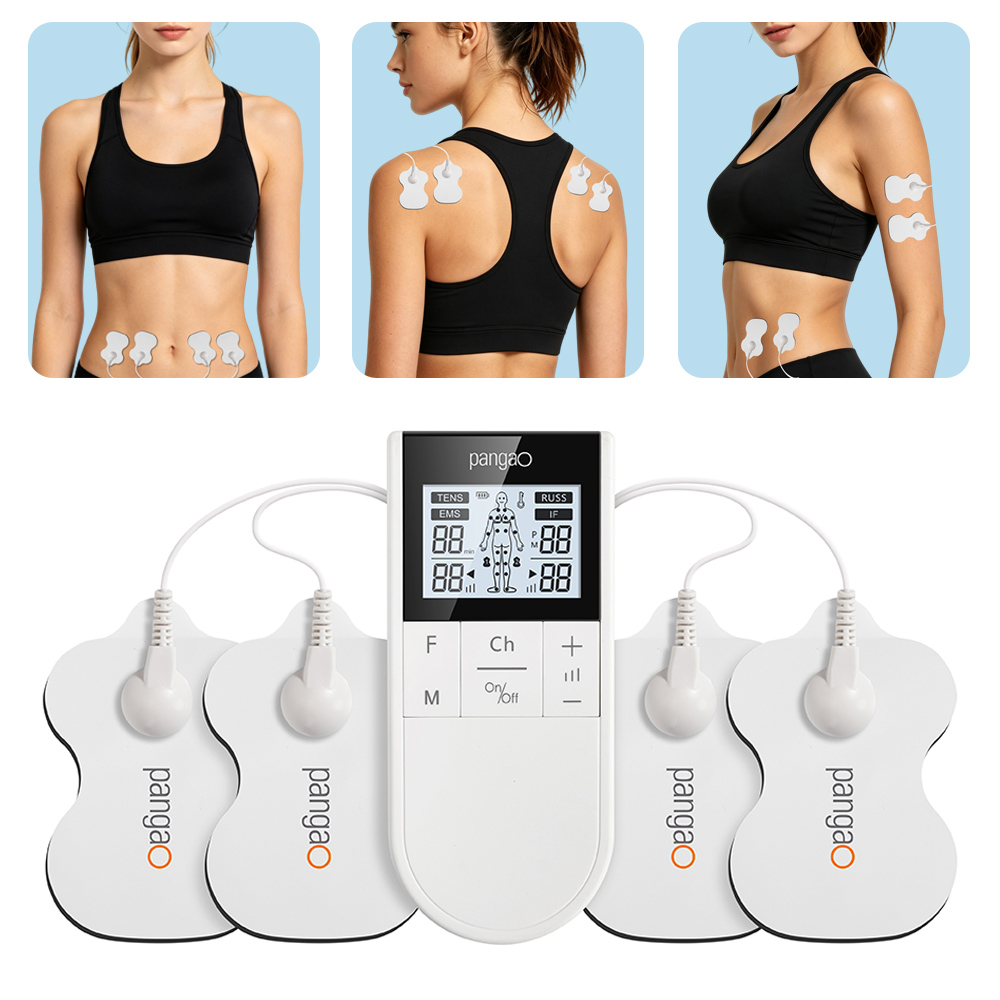
| TENS (Transcutaneous Electrical Nerve Stimulation) | 2 Hz – 150 Hz | 50 – 300 μs | Gate Control Theory (high frequency) & Endorphin Release (low frequency) to block nociceptive signal transmission. | Acute/chronic pain relief, post-operative analgesia, OTC personal care massagers. |
| EMS / NMES (Electrical Muscle Stimulation) | 20 Hz – 120 Hz | 200 – 400 μs | Direct depolarization of motor nerve axons to induce controlled skeletal muscle contractions. | Muscle atrophy prevention, athletic conditioning, sports recovery, muscle re-education. |
| IF / IFT (Interferential Current Therapy) | 2000 Hz – 4000 Hz (Carrier) | Modulated Amplitude | Superimposition of two medium-frequency currents to penetrate deep subcutaneous tissue with low skin impedance. | Deep-joint rehabilitation, persistent lower back syndromes, professional clinical units. |
| Russian Stimulation (RUSS) | 2500 Hz (Medium Freq Burst) | 50% Duty Cycle | High-intensity burst current firing motor units synchronously for maximum isometric force generation. | Post-op muscle hypertrophy, quadriplegia/paraplegia rehab, professional sports medicine. |
| NMES Foot Therapy | 1 Hz – 100 Hz (Varied Pulse) | 100 – 350 μs | Plantar arch neuromuscular stimulation driving venous foot pump action to enhance lower limb circulation. | Diabetic peripheral neuropathy, edema relief, varicose vein support, senior wellness channels. |
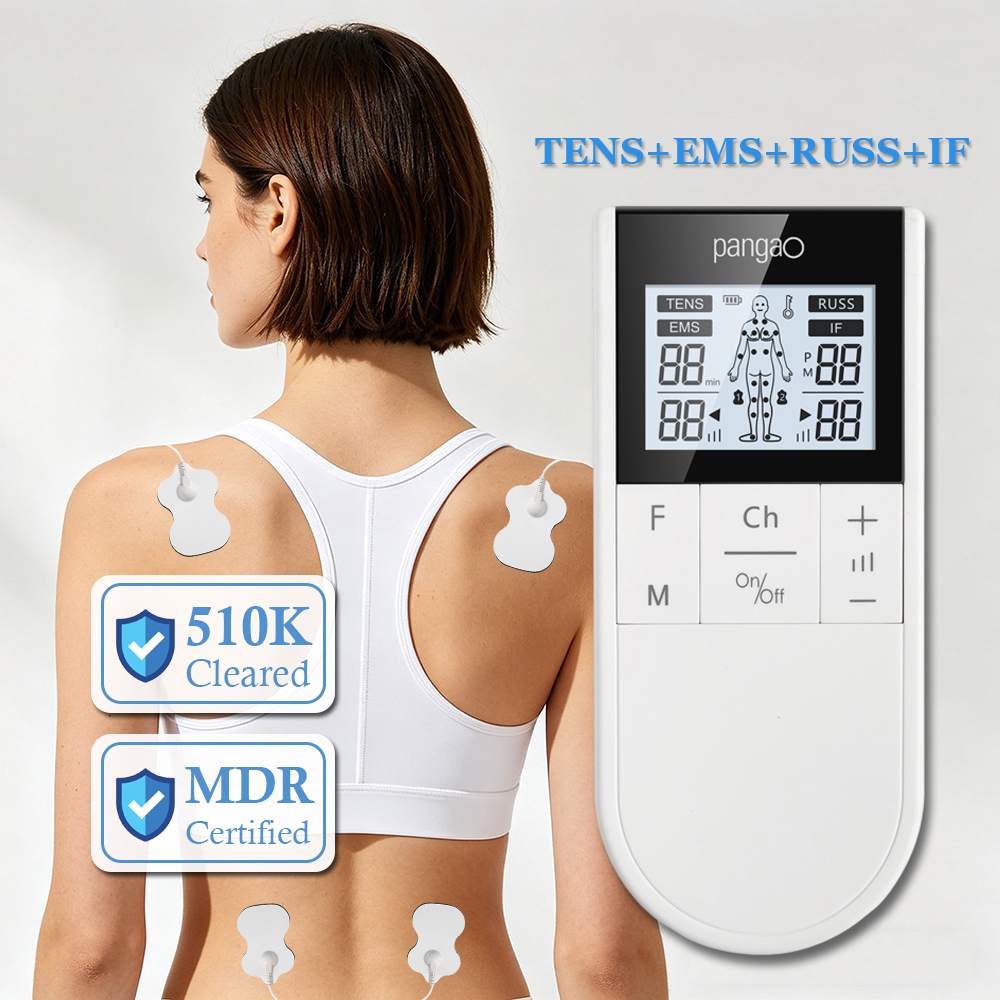
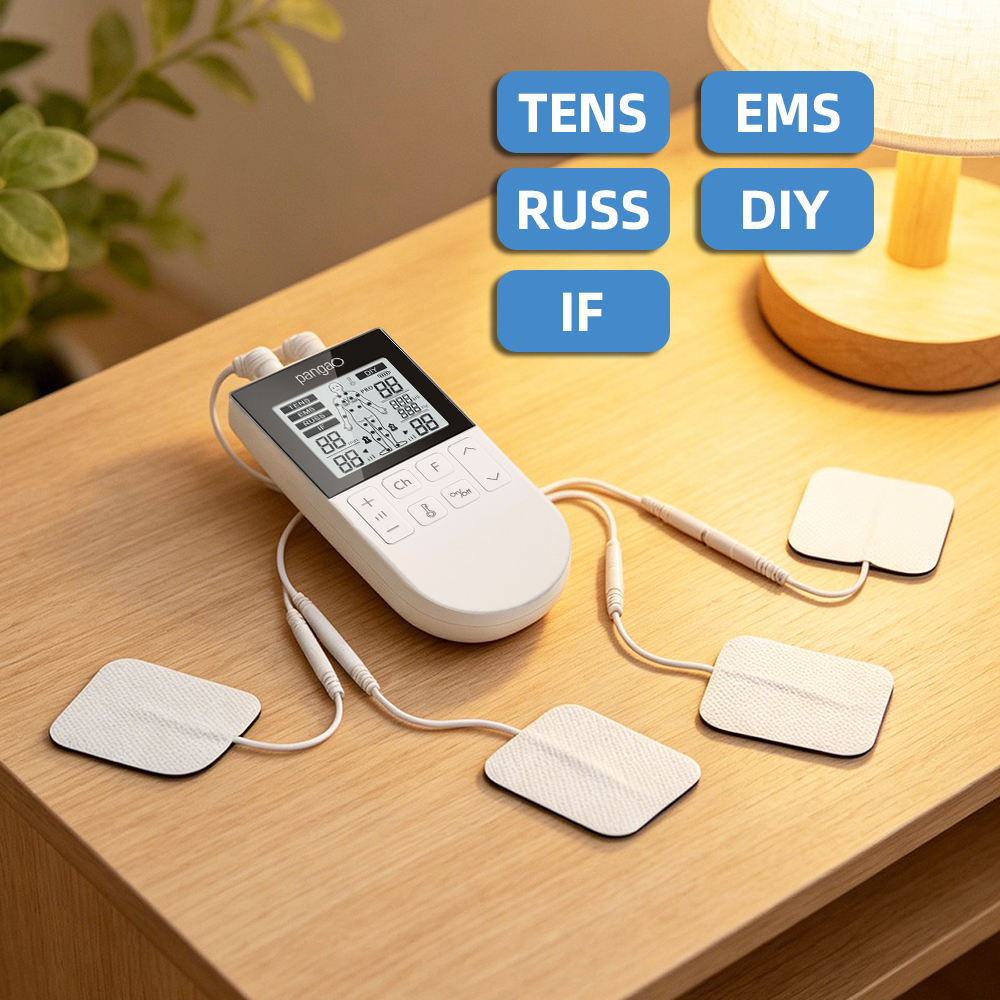
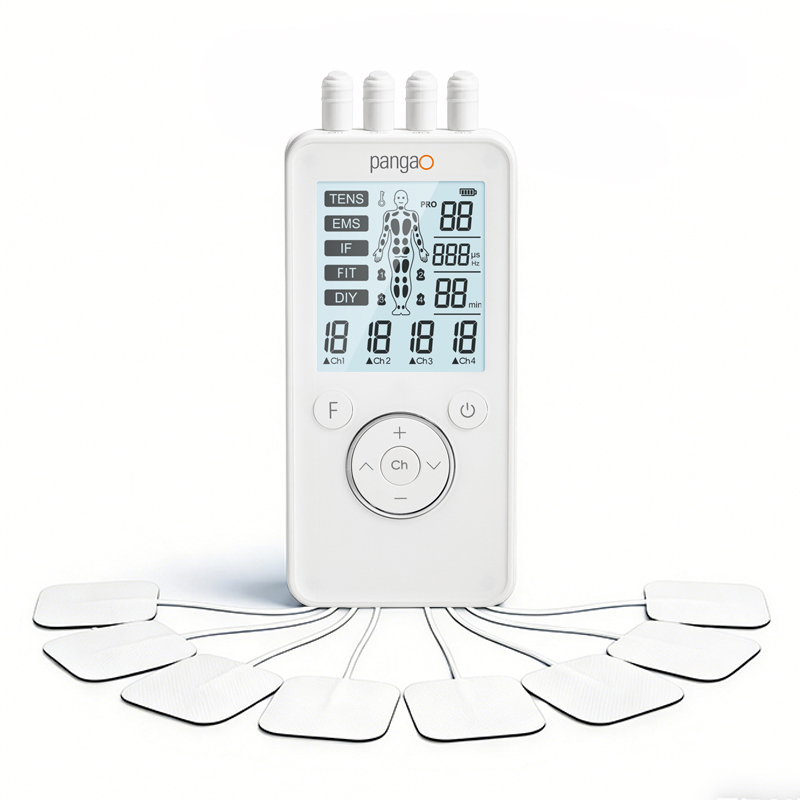
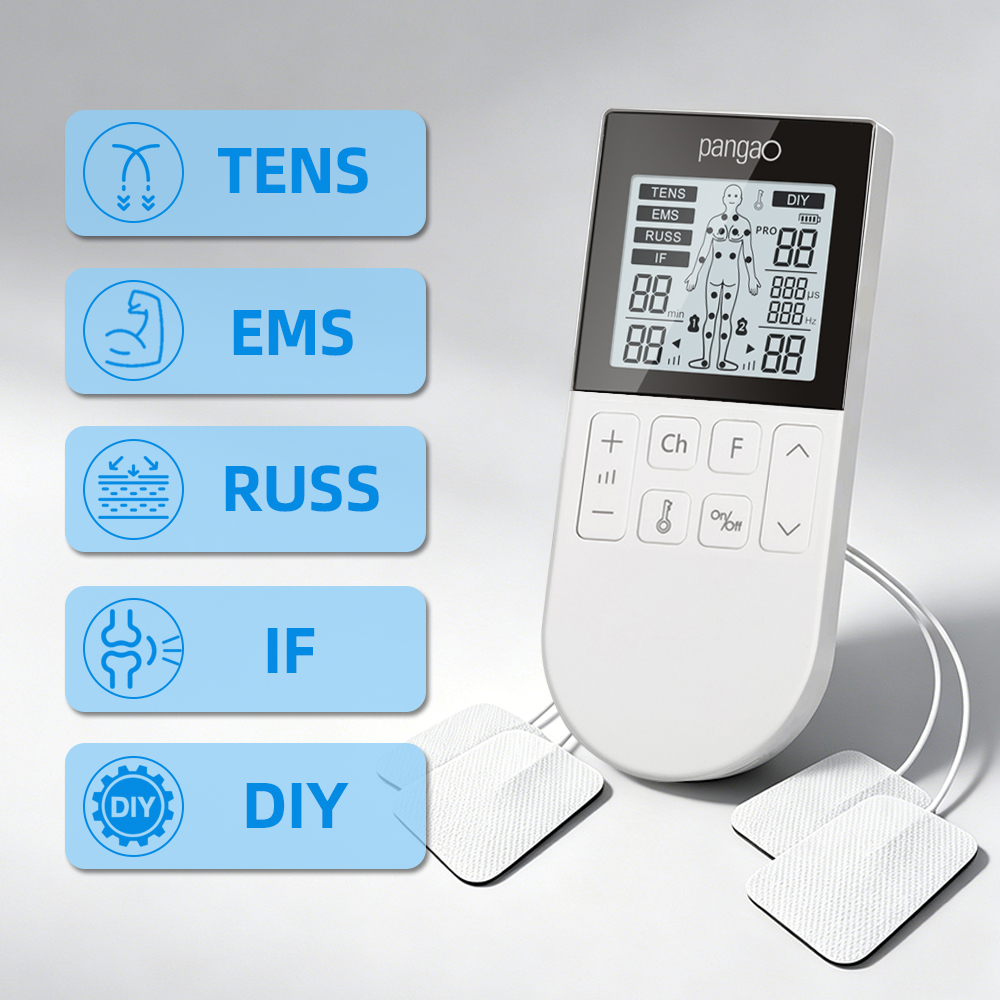
By integrating multi-modality capabilities—such as Vilicus’s flagship 5-in-1 combo architectures (TENS + EMS + IF + RUSS + DIY)—wholesalers can capture broader retail demographics through a single unified hardware platform, significantly reducing inventory SKU complexity and tooling overhead.
Next-Gen Sourcing Trends for Global Importers (2025–2030 Horizon)
To maintain competitive advantages in rapidly shifting e-commerce (Amazon, Shopify, DTC) and clinical distribution channels, procurement directors must align sourcing strategies with emerging technological and regulatory shifts.
1. Hybrid Thermal-Electrotherapy Synthesis
Standalone pulse stimulation is rapidly being superseded by combined thermal-electrotherapy platforms. Incorporating fast-heating carbon fiber heating elements and far-infrared (FIR) emitters alongside TENS/EMS pulse generation dramatically accelerates localized hyperemia and metabolic waste clearance, delivering superior subjective pain relief scores.
2. Smart Wireless & App-Integrated Ecosystems
Traditional wired lead wires are increasingly restricted to professional clinical settings. Consumer market growth is overwhelmingly dominated by ultra-lightweight, wireless pod-style units controlled via low-latency Bluetooth 5.0 interfaces or intuitive smartphone applications featuring customized cloud-synced therapy routines.
3. EU MDR & Global Regulatory Harmonization
With the strict phase-in of European Union Medical Device Regulation (EU MDR 2017/745), uncertified standard consumer factories are being systematically excluded from European markets. Leading exporters now maintain fully documented Technical Files (TCF), ISO 10993 biocompatibility testing, and ongoing clinical evaluation reports (CER).
4. Bio-Impedance Feedback & Safety Auto-Limiting
Next-generation micro-controllers constantly monitor skin-electrode impedance in real-time. If electrode pad contact degrades or pads fall off, output current immediately drops to zero to prevent uncomfortable current density spikes, guaranteeing patient safety and fulfilling strict IEC 60601-2-10 medical standards.
5. Specialized FemTech & Women's Health Focus
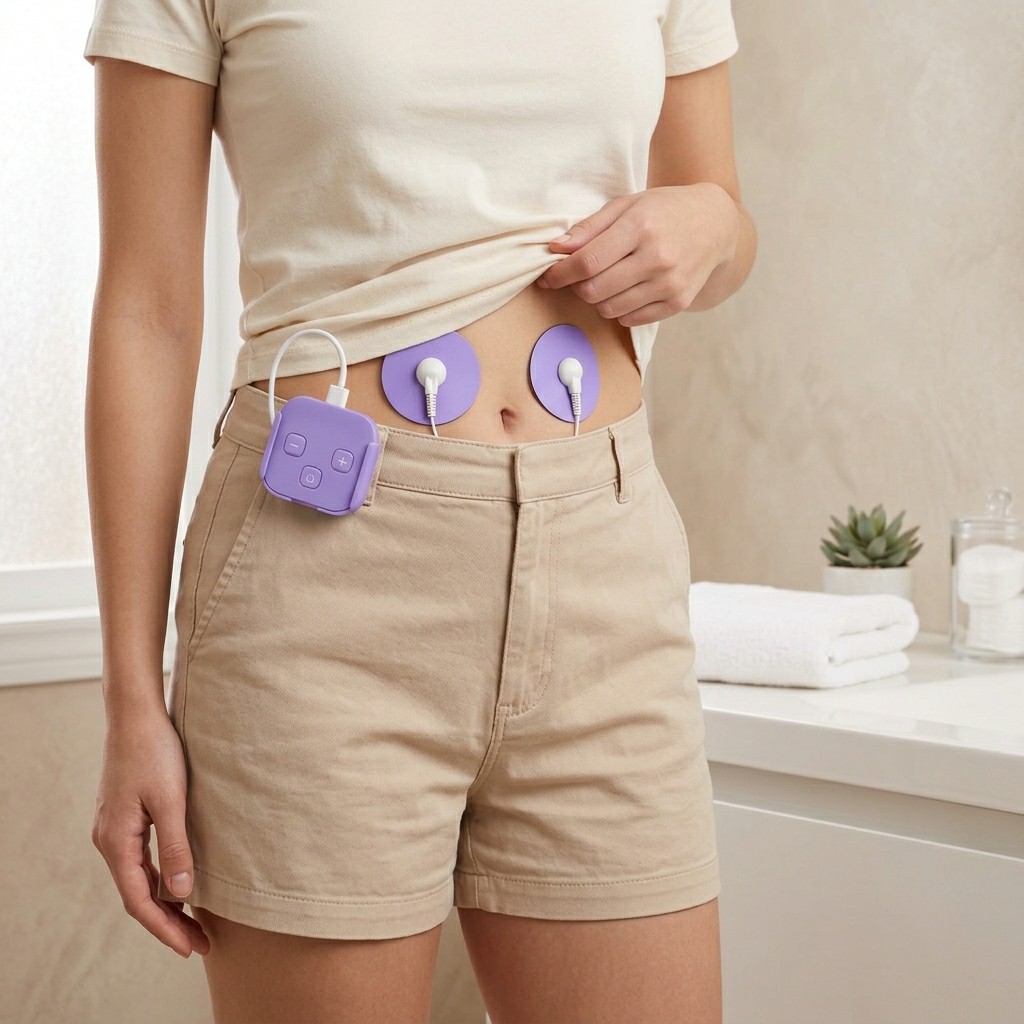
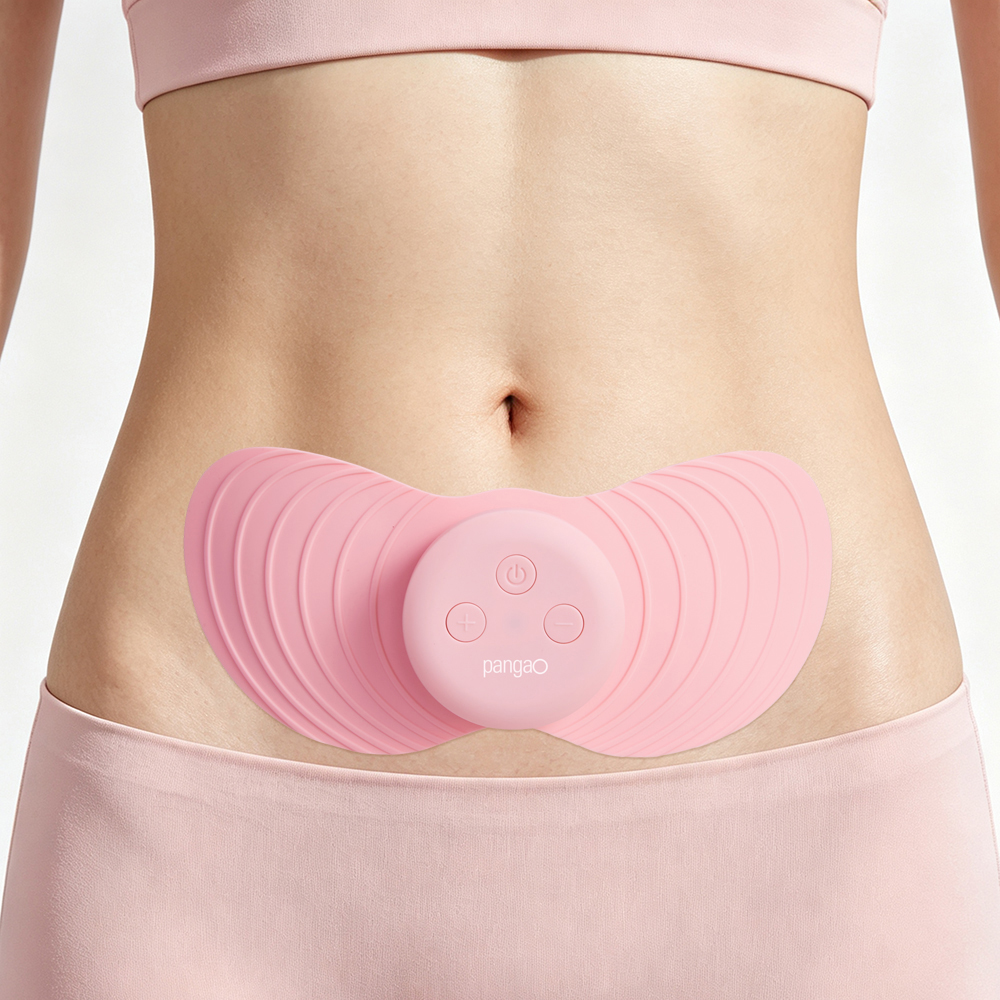
Dedicated menstrual cramp relief devices combine targeted low-frequency TENS wave patterns tailored specifically for dysmenorrhea pain modulation with ergonomic, discreet waist-wearable designs. This segment represents one of the fastest-growing niches in consumer medical electronics.
6. Eco-Friendly & Sustainable Biomaterials
Global brands are prioritizing eco-conscious manufacturing, requesting medical-grade biocompatible thermoplastic elastomers (TPE), recyclable ABS shells, and long-lasting hydrogels that retain conductive integrity over 50+ reapplication cycles without skin irritation.
Technological Development Trends in Electrotherapeutic Engineering
The underlying architecture of portable electrotherapy machines has advanced significantly over the past decade. Modern electrotherapy hardware relies on high-efficiency micro-controller units (MCUs) capable of real-time digital signal processing (DSP). By precision-controlling step-up transformers and high-voltage MOSFET switches, contemporary devices deliver clean, symmetrical biphasic square waves with zero net DC component, ensuring zero risk of galvanic skin burns during extended treatment sessions.
Furthermore, energy management algorithms have drastically improved power density. Utilizing high-capacity lithium-polymer batteries managed by dedicated power management ICs (PMICs), modern pulse massagers deliver up to 30 hours of continuous operation on a single Type-C fast charge. Lightweight ergonomic industrial design, crisp high-contrast VA or color TFT screens, and tactile silicone keypads combine to create a frictionless user experience that bridges medical effectiveness with consumer technology aesthetics.
Enterprise Manufacturing Dominance: Why Partner with Shenzhen Vilicus
Founded upon a robust group engineering heritage dating back to 2000, Shenzhen Vilicus Medical Electronics Co., Ltd. has established itself as an elite custom manufacturer and exporter of home physiotherapy devices. Operating from a state-of-the-art 15,700 m² certified manufacturing facility in Henggang, Shenzhen, Vilicus integrates end-to-end production pipelines under a unified quality management umbrella.
ISO 13485 & Regulatory Readiness
Our quality system is certified to ISO 13485 medical standards and audited by BSCI. Products hold direct market clearances for US FDA 510(k), European Union MDR, Australian TGA, CE, and RoHS, allowing seamless global importation.
In-House 300+ Engineering R&D Hub
Supported by a group R&D force exceeding 300 engineers, we execute full-cycle hardware development—from PCB layout, microcode firmware architecture, and industrial design to mold tooling, enclosure injection, and custom waveform programming.
Rigorous 100% Quality Assurance
Every single unit undergoes rigorous multi-stage automated testing: high-voltage breakdown insulation checks, waveform accuracy analysis via digital oscilloscopes, battery lifecycle testing, and 100% finished product functional inspection before export packing.
As an onsite verified manufacturer by SGS, Vilicus serves top-tier healthcare brands across 50+ countries. Whether you require private-label customization on proven high-volume SKUs or ground-up ODM co-development of revolutionary wellness hardware, our team delivers unmatched technical excellence and competitive factory-direct pricing.
Frequently Asked Questions for Global Importers & Wholesalers
Accelerate Your Medical Hardware Sourcing Today
Partner with Shenzhen Vilicus Medical Electronics for direct factory pricing, ISO 13485 quality control, and rapid OEM/ODM prototyping. Contact our international business team now.
Get a Quote