Featured Electrotherapy & Muscle Stimulation Systems
Precision-engineered medical devices for professional physiotherapy, sports rehabilitation, and personal care.
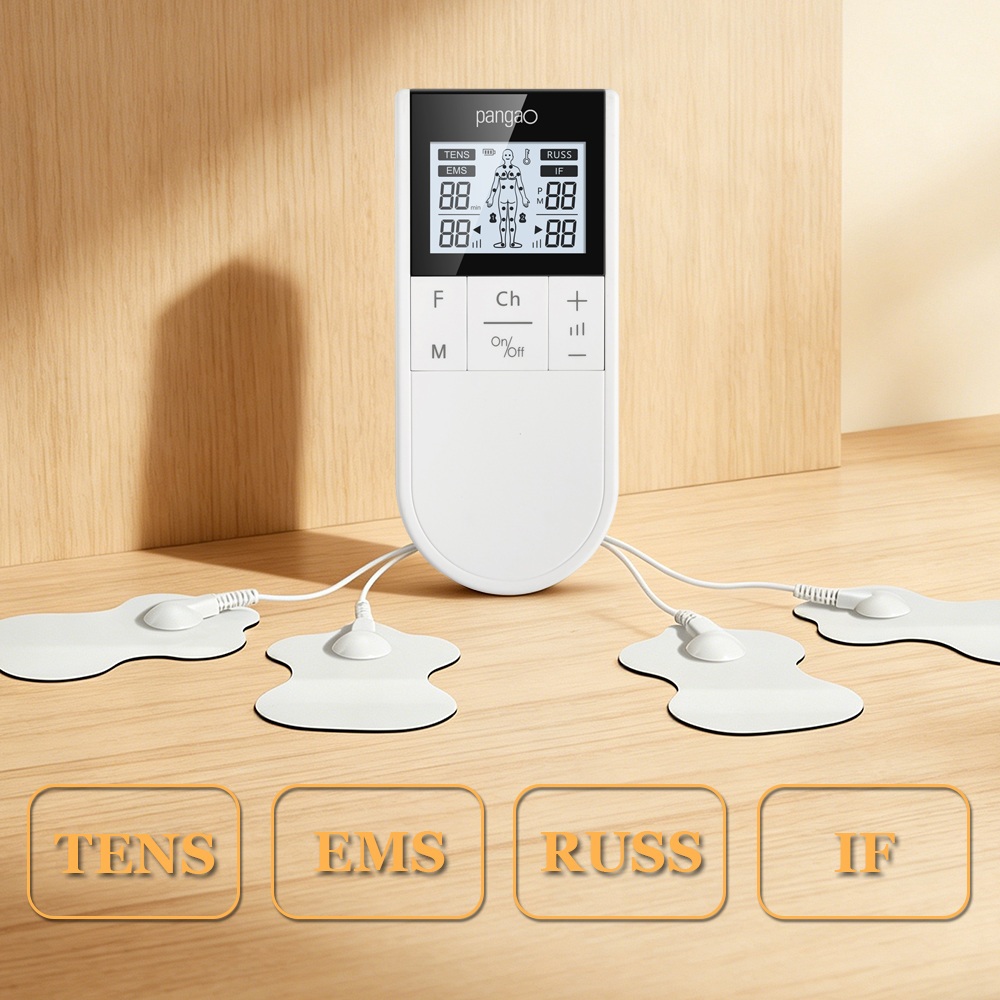
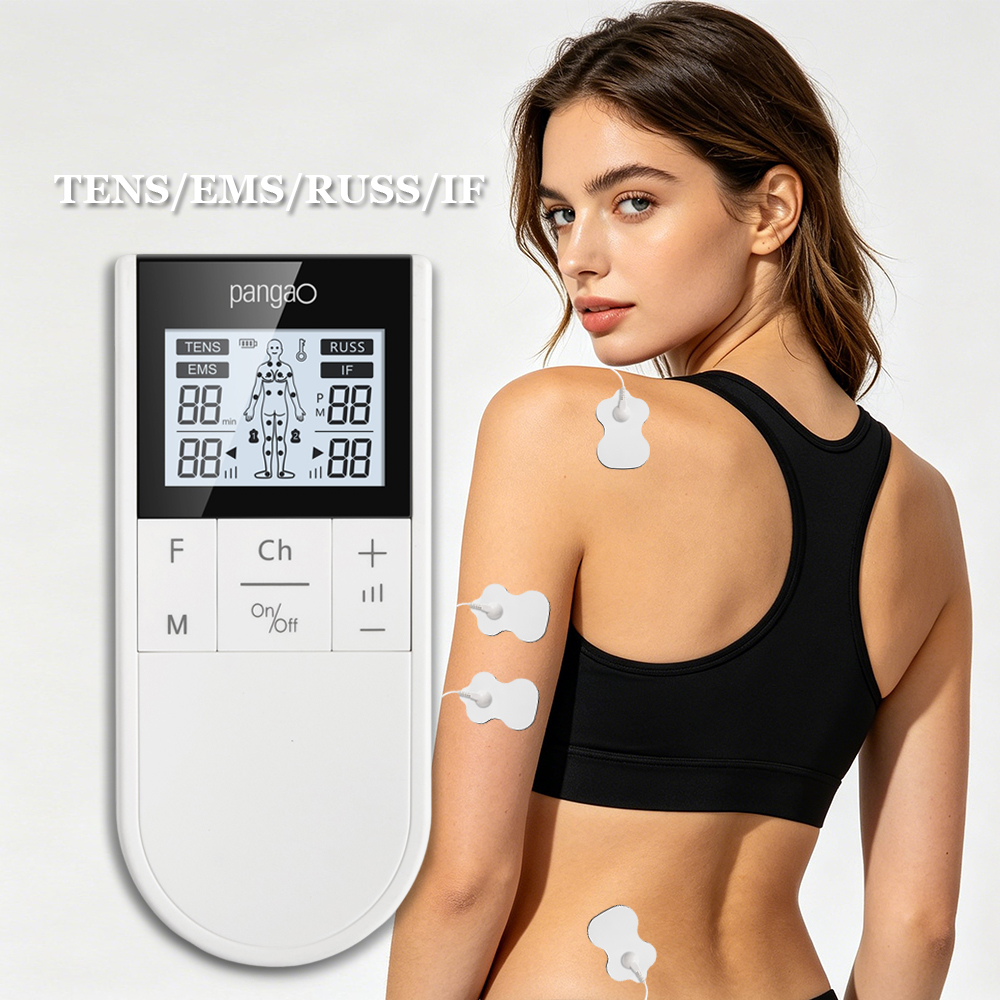
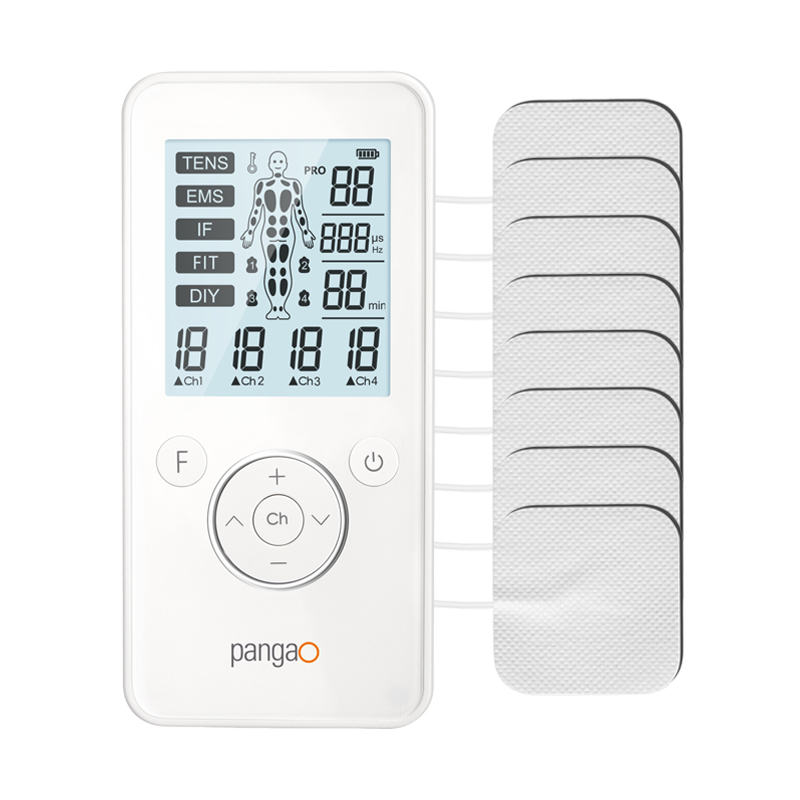
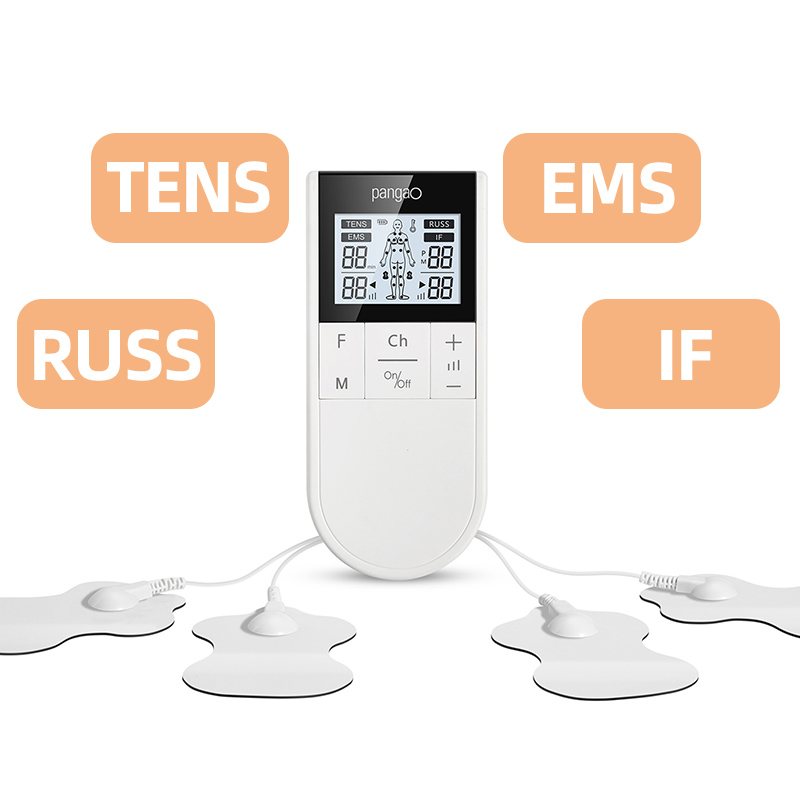
1. Executive Summary & Manufacturing Infrastructure Advantage
As the global market for non-invasive physical therapy and neuromuscular rehabilitation accelerates, purchasing directors and medical device importers require manufacturing partners capable of delivering uncompromised quality, strict regulatory compliance, and technological differentiation. Operating from our state-of-the-art 15,700 square-meter facility in Shenzhen, Shenzhen Vilicus Medical Electronics Co., Ltd. stands at the forefront of bio-electric stimulation technology in China.
Our operational architecture is built specifically to service high-barrier markets including North America, the European Union, Australia, and Japan. Operating under an audited ISO 13485 Medical Device Quality Management System, our facility integrates high-precision Surface Mount Technology (SMT) lines, automated circuit calibration stations, continuous environmental stress testing, and dust-free cleanroom assembly modules. This holistic manufacturing paradigm ensures that every EMS muscle trainer, wireless TENS unit, and pelvic floor rehabilitation system leaving our export terminal meets the stringent signal stability and safety parameters required by international medical regulatory bodies.
Advanced SMT Infrastructure
High-speed automated SMT assembly lines capable of micro-component placement, ensuring precise pulse-generator PCB consistency and longevity.
Global Medical Clearance
Turnkey regulatory clearance support backed by existing US FDA 510(k), EU MDR Class IIa certification, TGA clearance, and BSCI social compliance audit reports.
Custom OEM/ODM R&D
Supported by over 300 group engineering staff specializing in custom pulse waveform synthesis, ergonomic industrial design, and app algorithm development.
Third-Party SGS Verified
Our facility, financial integrity, export capacity, and production protocols undergo rigorous periodic on-site validation by SGS inspecting engineers.
2. Technological & Engineering Trends in EMS Muscle Stimulation
The electrotherapy industry has evolved past primitive low-frequency analog pulse generators. Current B2B procurement strategies are increasingly focused on multi-modal waveform integration, smart skin-impedance sensing, miniaturization, and combined physical energy modalities.
A. Hybrid Waveform Engineering (TENS + EMS + IF + RUSS)
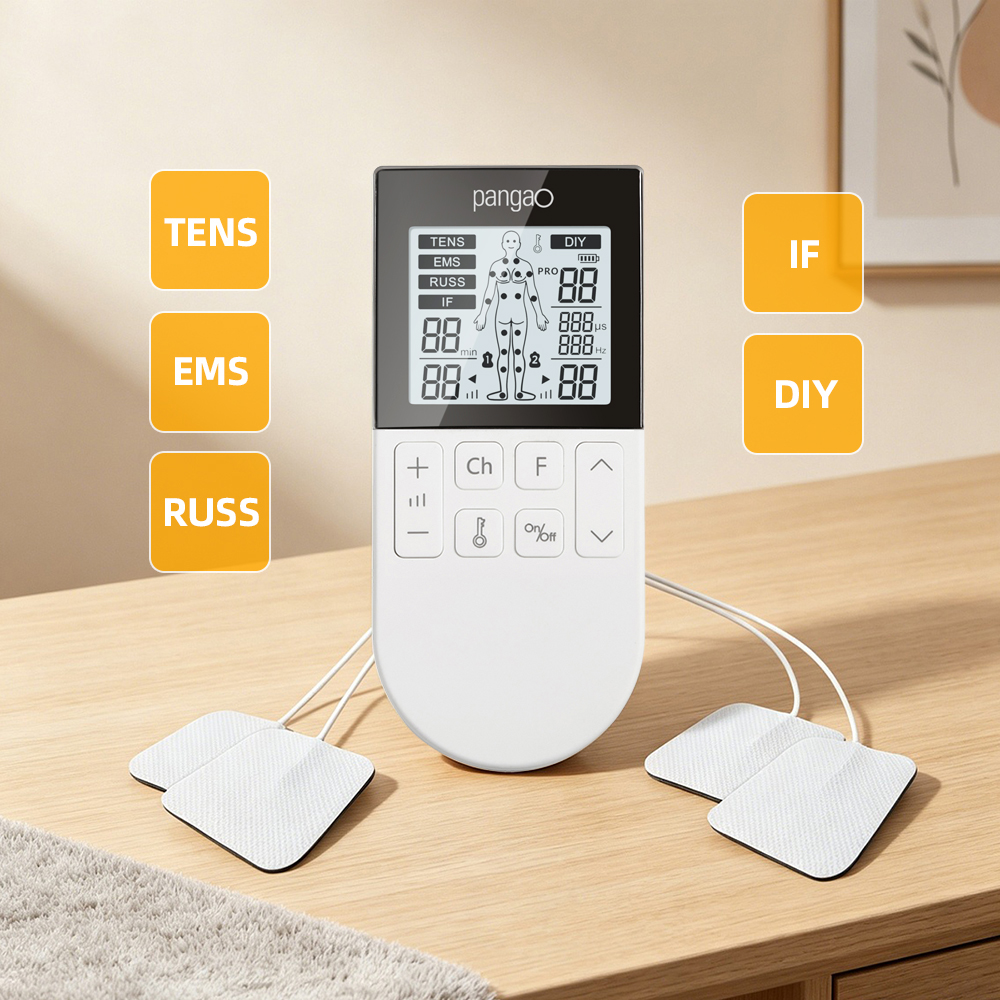
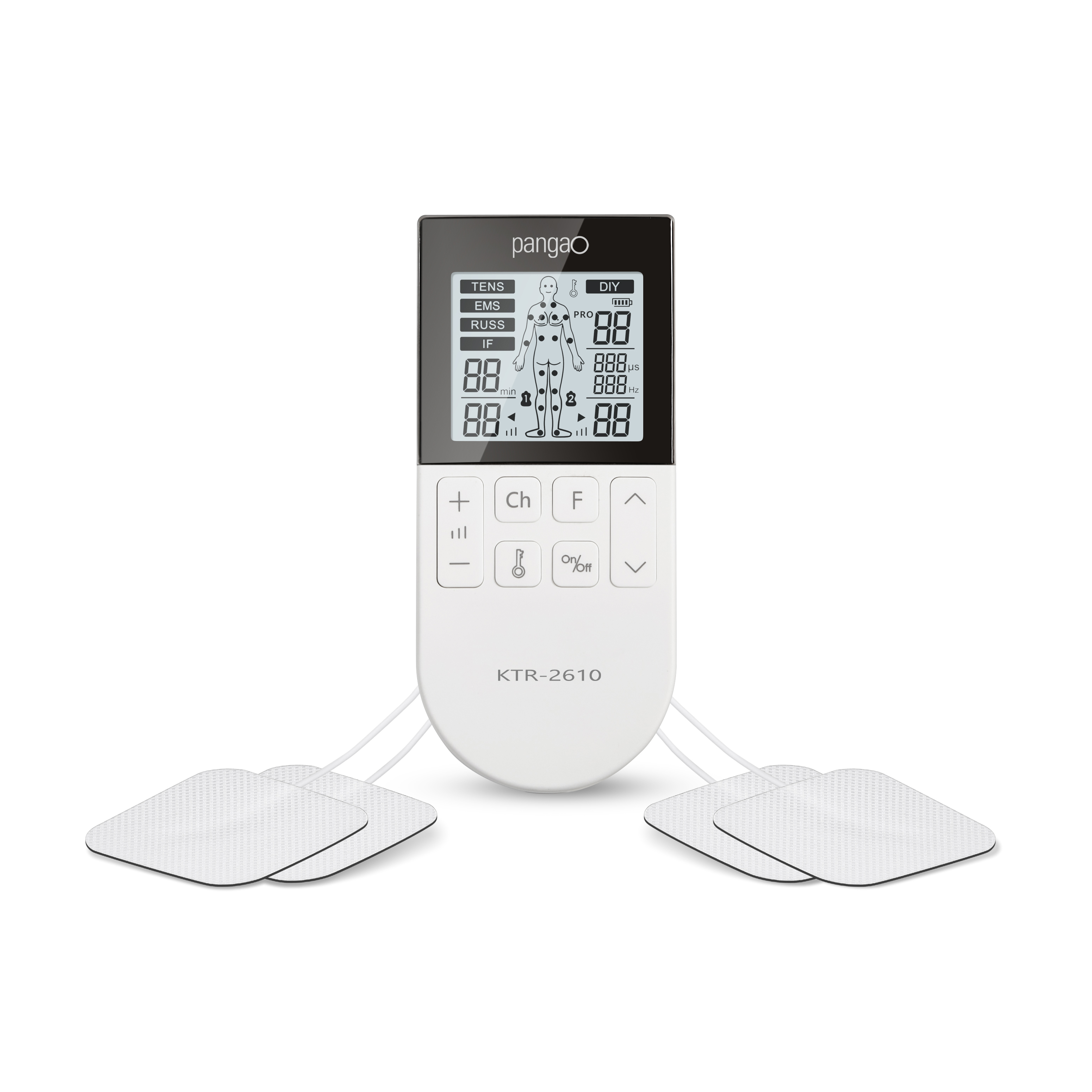
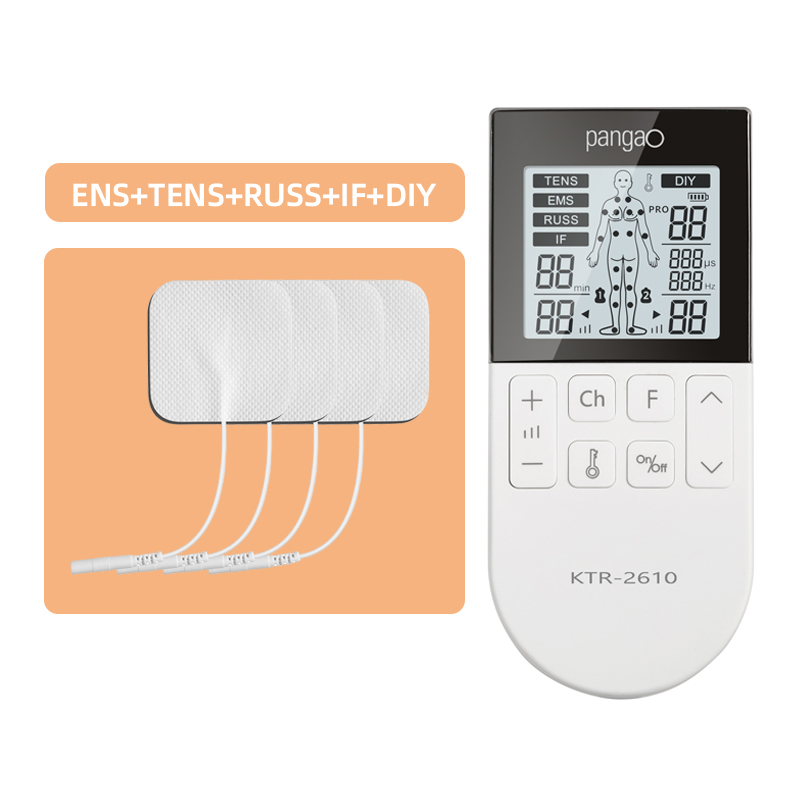
Modern clinical and home-care protocols demand platforms that target both sensory nerve pathways (for analgesic relief) and motor nerve fibers (for muscle hypertrophy and re-education). Enterprise buyers are prioritizing multi-channel systems capable of switching smoothly between four core electrotherapy modalities:
- Transcutaneous Electrical Nerve Stimulation (TENS): Modulates pain transmission via the Gate Control Theory and stimulates endogenous endorphin production using frequencies from 1 Hz to 150 Hz.
- Electrical Muscle Stimulation (EMS/NMES): Delivers higher intensity pulses (20 Hz to 100 Hz) with controlled ramp-up, sustain, and ramp-down times to induce rhythmic muscle contractions, combating muscle atrophy and improving venous return.
- Interferential Current (IF): Utilizes two intersecting medium-frequency channels (e.g., 4000 Hz carrier frequency) to penetrate deep muscle tissue with minimal superficial skin resistance, offering superior patient comfort.
- Russian Stimulation (RUSS): Employs a 2,500 Hz carrier frequency modulated into 50 bursts per second, designed specifically for rapid athletic conditioning and severe post-surgical muscle rehabilitation.
B. Dynamic Impedance Compensation & Signal Safety
A frequent technical challenge with low-cost EMS devices is uncomfortable signal spiking caused by varying skin moisture levels or pad detachment. Next-generation EMS trainers engineered by Vilicus incorporate real-time load-sensing microcontrollers. If an electrode pad loses optimal contact, the microprocessor auto-adjusts pulse width or terminates output within milliseconds, protecting the user from painful galvanic shocks.
C. Convergence of Micro-Current, Red Light Therapy, and Thermotherapy
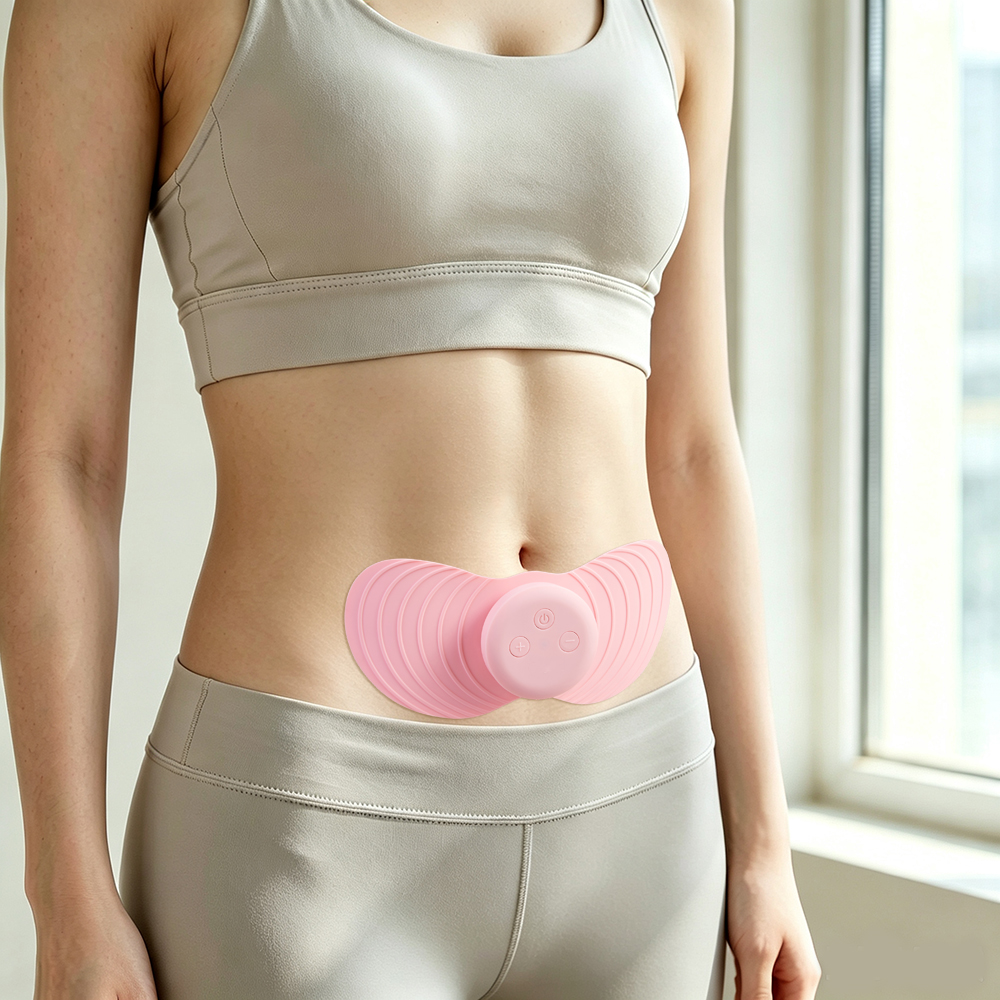
In specialized categories such as EMS Foot Circulation Stimulators and wearable Menstrual Cramp Pain Relief Devices, multi-energy integration has become a non-negotiable consumer demand. Integrating 660nm red light LEDs and 850nm near-infrared diodes alongside bio-electric pulse stimulation significantly enhances localized micro-circulation and cellular ATP synthesis, offering measurable information gain over traditional single-function pulse pads.
3. Technical Comparison Matrix: Electrotherapy Waveform Modalities
The following engineering matrix outlines the technical parameters implemented across Vilicus OEM electrotherapy platforms to assist B2B procurement teams in specifying precise product requirements.
| Therapy Mode | Frequency Range | Pulse Width / Carrier | Target Anatomical Structure | Primary Clinical Application | Compliance Pathway |
|---|---|---|---|---|---|
| TENS | 1 Hz - 150 Hz | 50 μs - 350 μs | A-beta & C Sensory Nerves | Acute & Chronic Pain Management, Dysmenorrhea | FDA 510(k) OTC / EU MDR Class IIa |
| EMS / NMES | 20 Hz - 100 Hz | 100 μs - 400 μs | Alpha Motor Neurons & Muscle Fibers | Muscle Conditioning, Re-education, Atrophy Prevention | FDA 510(k) Rx/OTC / EU MDR Class IIa |
| IF (Interferential) | 4,000 Hz Carrier | Beat Freq: 1 - 150 Hz | Deep Joint & Soft Tissue Structures | Deep Tissue Analgesia, Edema Reduction | FDA 510(k) Prescription Clearance |
| Russian (RUSS) | 2,500 Hz Carrier | 50 Bursts / Second | Large Motor Units (Skeletal Muscle) | High-Load Muscle Strengthening & Athletic Rehab | FDA 510(k) Prescription / CE Medical |
| Foot EMS + Red Light | 1 Hz - 50 Hz | Composite Pulse + 660nm Light | Plantar Nerves & Peripheral Vasculature | Neuropathy Discomfort, Lower Limb Circulation | CE / MDR / TGA Listed Medical Device |
4. Future Procurement & Supply Chain Trends (2025–2030)
Strategic buyers evaluating contract manufacturing partners in China must align their sourcing models with emerging commercial, regulatory, and technological shifts:
A. Transition from Standard Sourcing to Turnkey Regulatory Partnerships
With the implementation of the European Union Medical Device Regulation (EU MDR 2017/745) and updated US FDA cybersecurity mandates for Bluetooth-connected health devices, importers can no longer rely on uncertified suppliers. Procurement directors are consolidating vendor lists, favoring established OEMs like Vilicus that maintain full technical documentation files (TDF), clinical evaluation reports (CER), and biocompatibility test data (ISO 10993) ready for immediate submission.
B. Demand for Compact, Cable-Free & Wearable Form Factors
The consumer healthcare market is shifting away from heavy, wall-powered clinical equipment toward discreet, rechargeable wearable devices. Smart wireless TENS units featuring integrated lithium-polymer batteries, magnetic snap-electrode interfaces, and ergonomic silicone molding are rapidly capturing retail and direct-to-consumer market share. In response, our ODM design team provides ultra-compact PCB footprints and low-power microcontrollers designed for extended battery endurance.
C. Custom Waveform Programming & Private Label Differentiation
Commoditized pulse massagers suffer from intense price competition in Western retail channels. Forward-thinking brands achieve high gross margins by customizing therapy algorithms. Whether designing a specialized pelvic floor muscle trainer with stepped bio-feedback levels or a multi-setting dysmenorrhea heating belt, customizing pulse rise times, burst intervals, and user interfaces offers a defensible competitive moat.
5. Enterprise Advantages: Sourcing from Shenzhen Vilicus
Shenzhen Vilicus Medical Electronics Co., Ltd. combines two decades of manufacturing history with dedicated electrotherapy specialization. Sourcing directly from our production base offers distinct supply chain advantages:
Full-Process In-House Production
From initial circuit schematic design, firmware coding, and plastic injection tooling to final ultrasonic welding, silk-screen printing, and blister packaging—we control 100% of the manufacturing value chain, reducing production lead times by up to 30%.
Rigorous Quality Control Protocols
Every single unit undergoes automated oscilloscope signal verification, current leakage testing, battery cycle analysis, and high-temperature aging before entering final box packaging. We enforce an AQL 0.4 / 1.0 inspection standard for all medical export lines.
Flexible OEM/ODM Business Models
We accommodate diverse market entry strategies, offering low Minimum Order Quantities (MOQs starting at 500-1,000 units for customized branding) alongside scalable high-volume manufacturing lines capable of outputting over 300,000 units per month.
6. Frequently Asked Questions (FAQ) for International Importers
Partner with China's Premier Electrotherapy Manufacturer
Consult with our senior engineering team to receive comprehensive product catalogues, technical compliance dossiers, and direct factory quotation pricing within 24 hours.
Send an Inquiry