Top-Rated Export EMS & TENS Devices
Factory-direct electrotherapy units, certified to ISO 13485, FDA 510(k), and EU MDR for medical distributors and OEM brands.
1. Global Market Intelligence: EMS & TENS Electrotherapy Growth Vectors (2025–2030)
The global electrotherapy market is undergoing a structural transformation. Formerly confined to specialized clinical rehabilitation settings, Electrical Muscle Stimulation (EMS) and Transcutaneous Electrical Nerve Stimulation (TENS) devices are rapidly pivoting toward consumer-centric, Over-The-Counter (OTC) home healthcare platforms. Driven by an aging global populace, rising chronic pain prevalence, and a surge in sports science adoption, global wholesale buyers are seeking agile supply partners capable of delivering medical-grade precision in ergonomic, portable formats.
According to recent medical device industry analyses, the market for bioelectric therapy equipment is projected to expand at a compound annual growth rate (CAGR) exceeding 6.8% through 2030. China has firmly cemented its position as the premier manufacturing hub for these technologies, accounting for over 70% of global EMS unit exports. Modern procurement managers, however, face complex trade dynamic shifts: regulatory frameworks in the United States (FDA 510(k)) and Europe (EU MDR 2017/745) demand unprecedented levels of bio-compatibility documentation, electrical safety testing, and software validation.
2. Future Sourcing Trends: Technological Convergence in Physical Therapy
When analyzing long-term product line expansion, B2B importers must align their strategy with four key technology trends reshaping the EMS muscle massager industry:
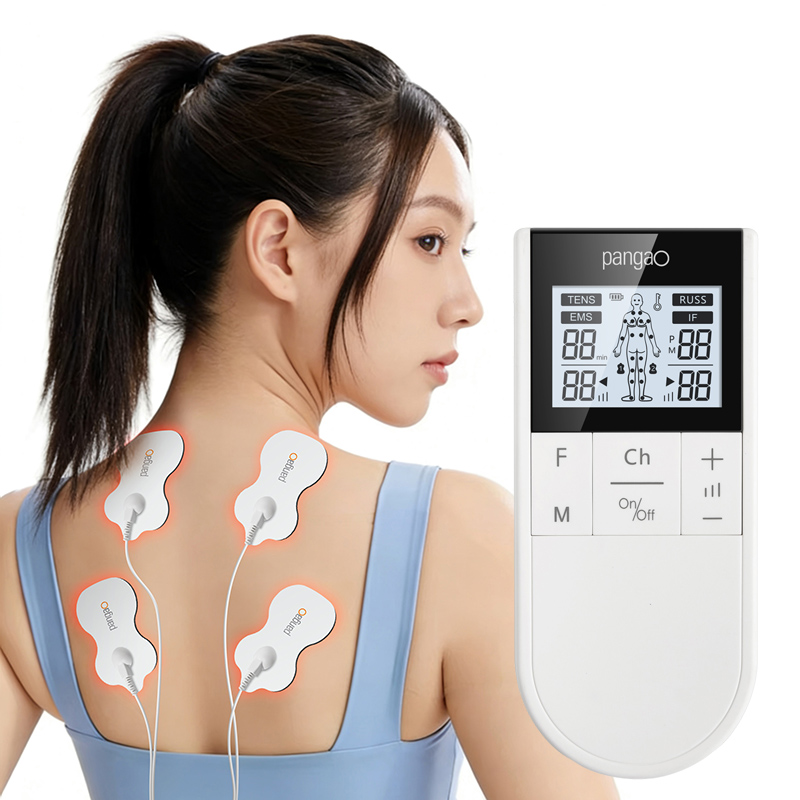
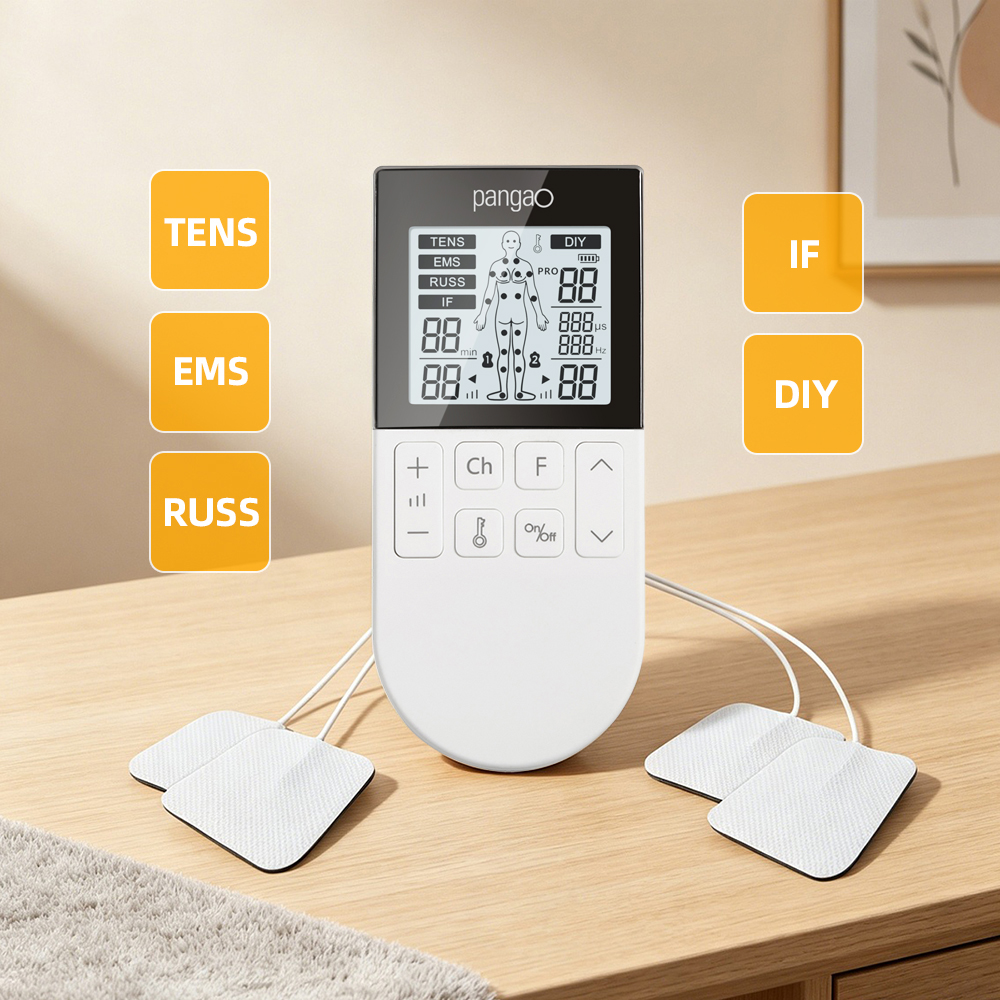
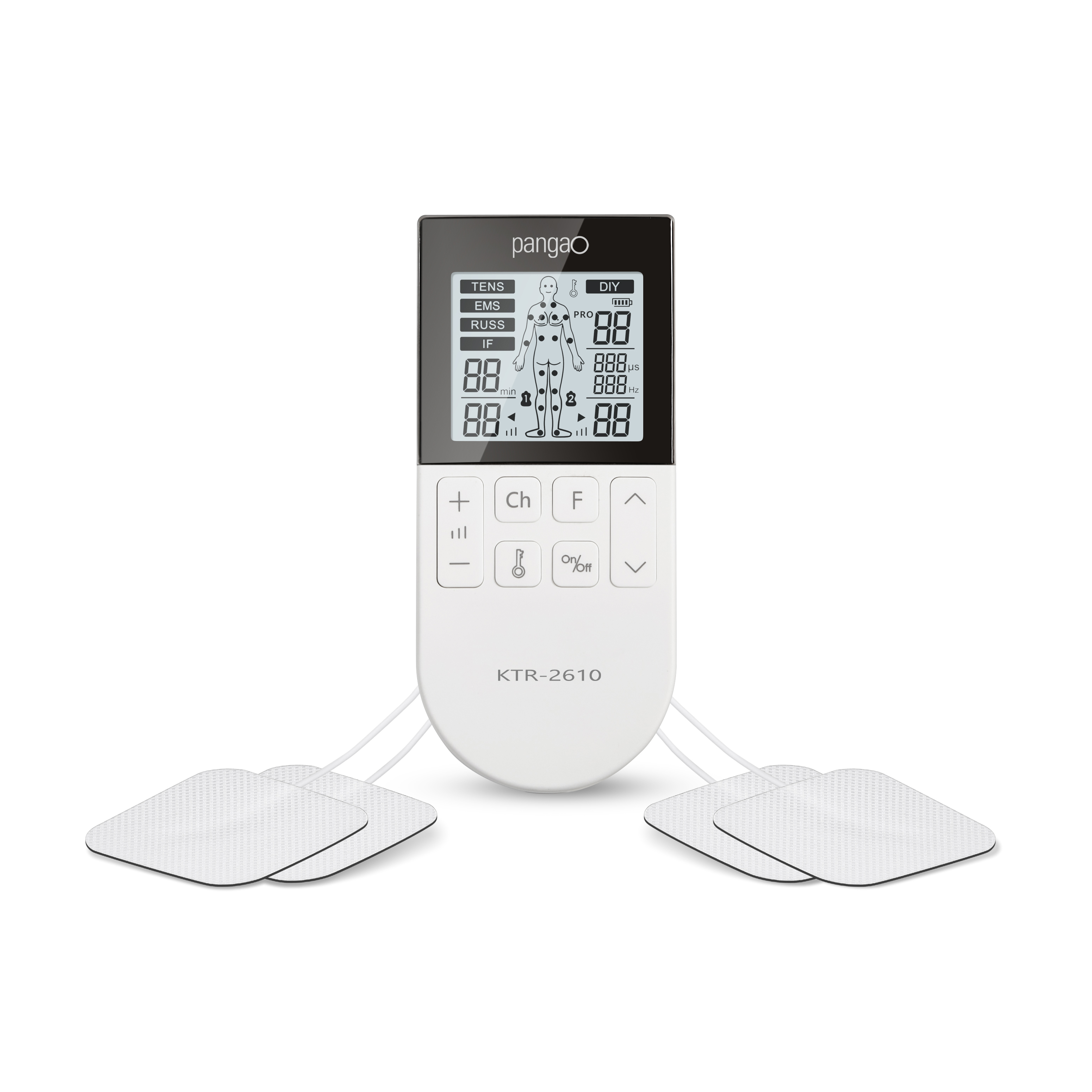
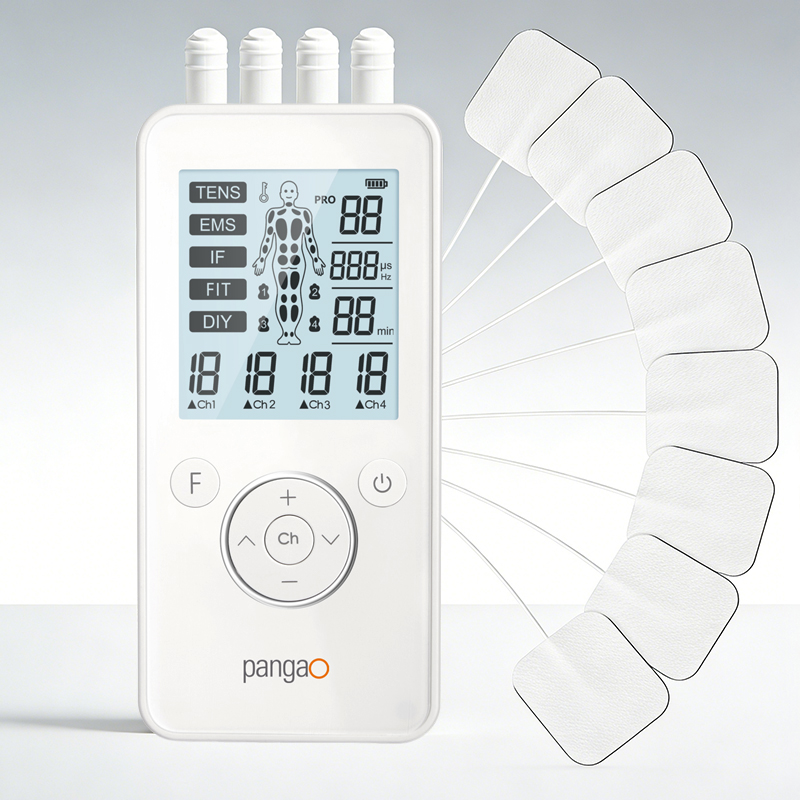
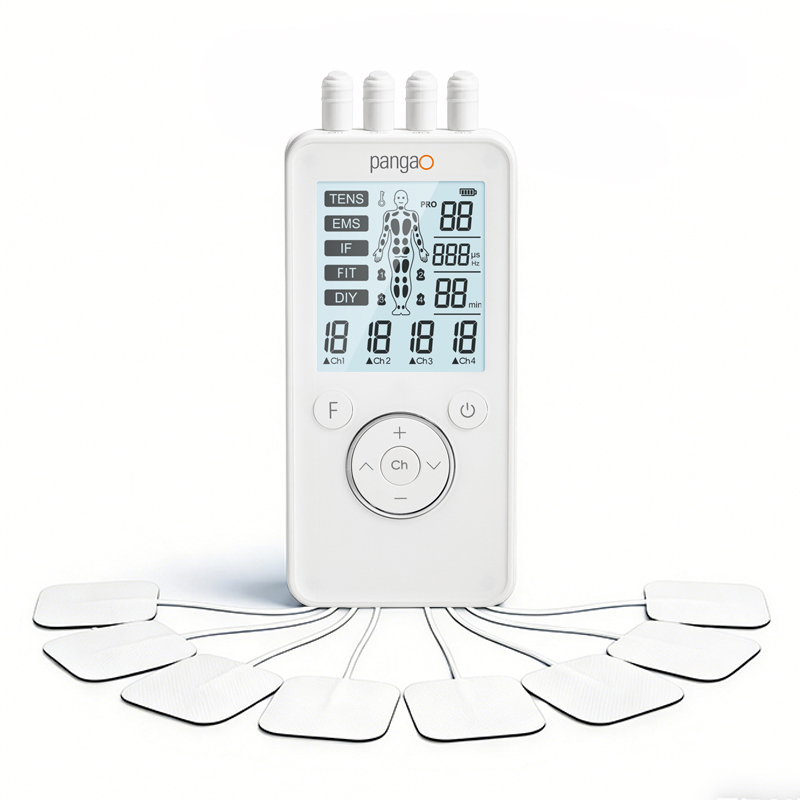
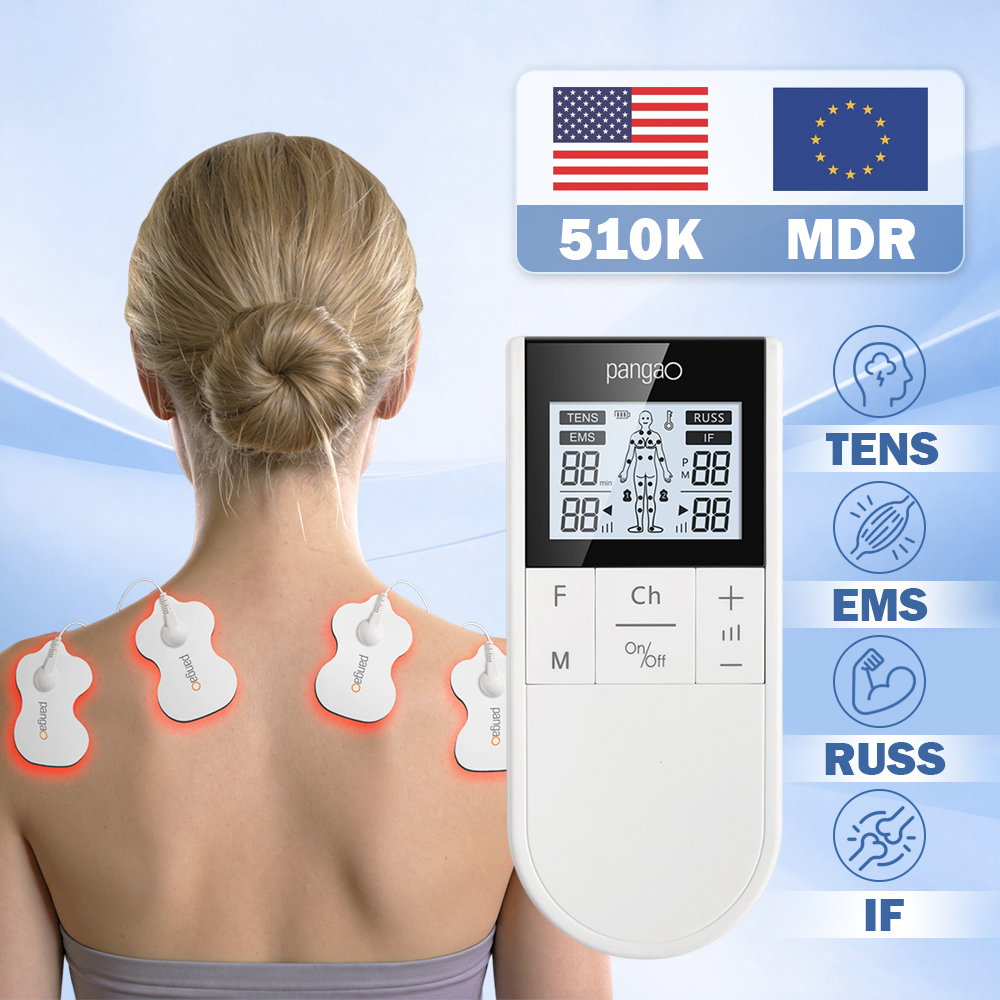
- Multi-Waveform Hybridization: Legacy single-mode devices are being replaced by hybrid architectures combining TENS (sensory nerve stimulation for analgesia), EMS (motor nerve activation for muscle conditioning), Interferential Current (IF for deep tissue stimulation), and Russian Current (for high-intensity muscle hypertrophy).
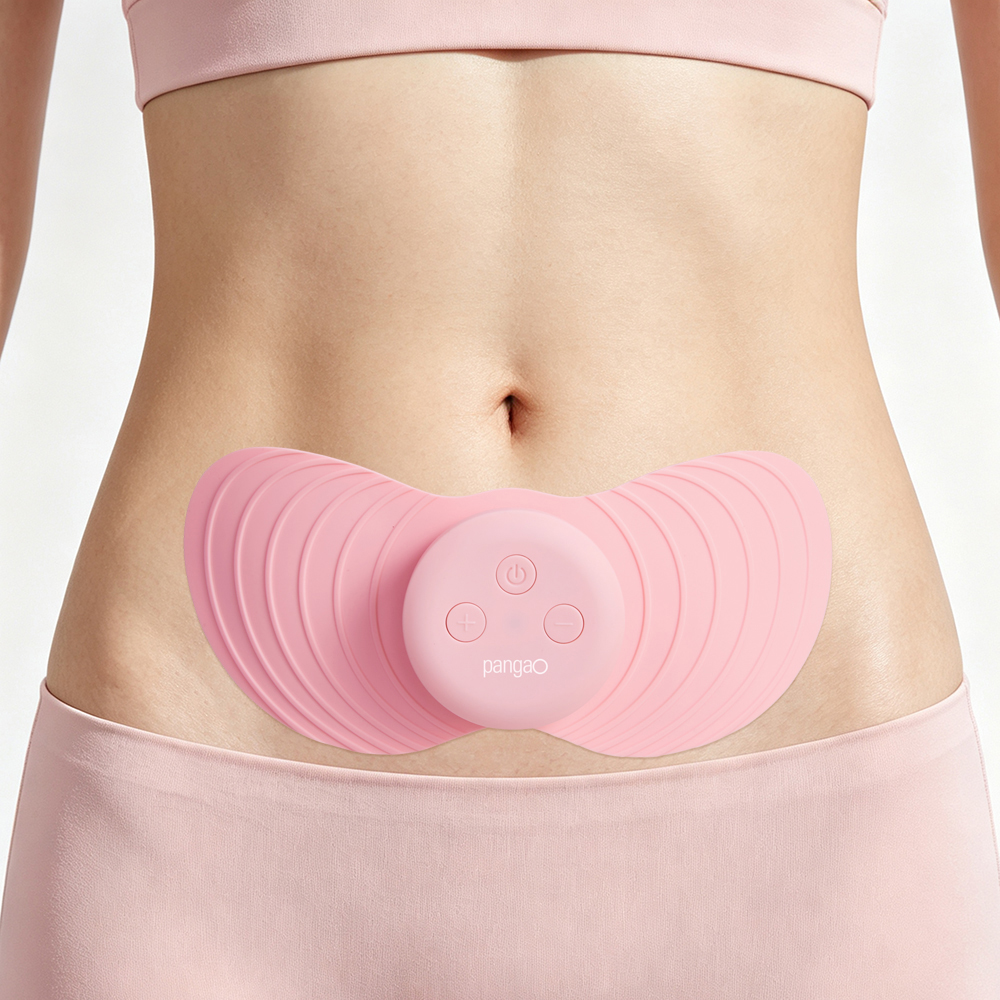
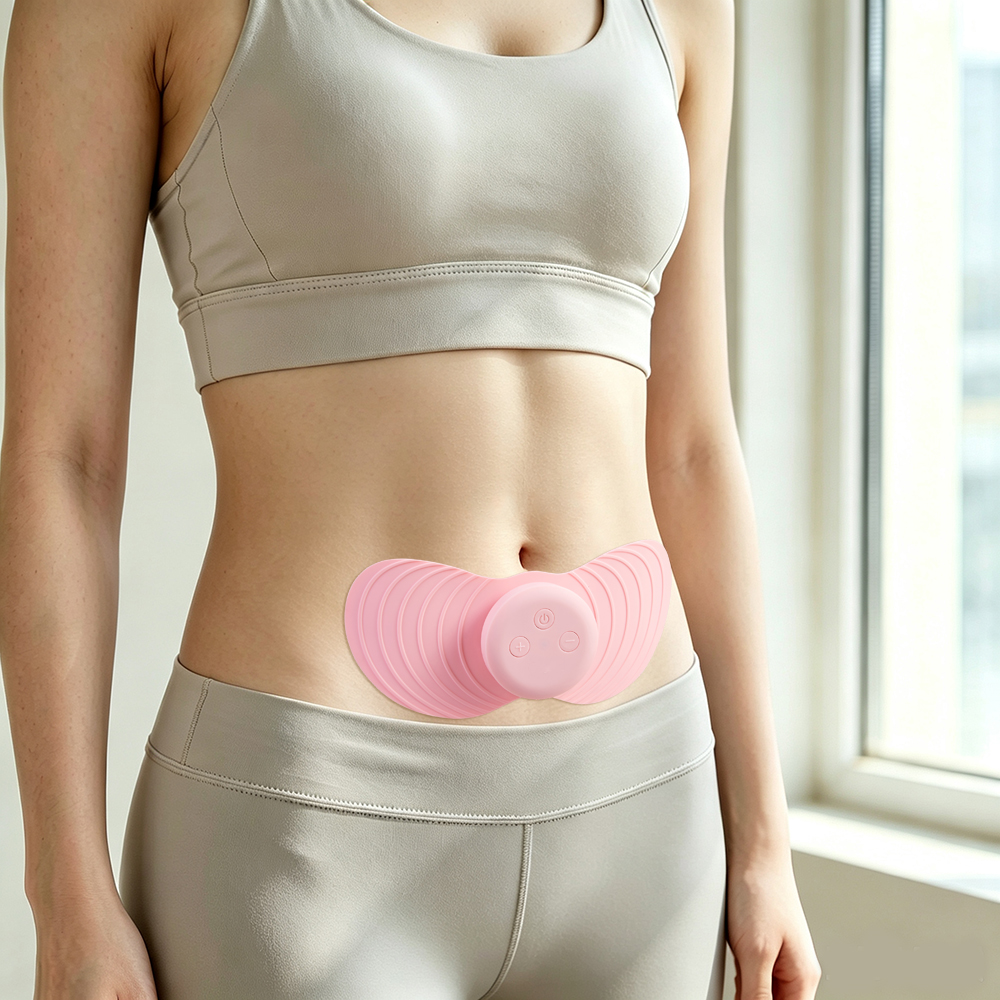
- Targeted Femtech Innovations: Menstrual cramp therapy represents one of the fastest-growing electrotherapy sub-segments. Modern wireless heating TENS units merge localized thermotherapy with low-frequency electrical pulse patterns to block pelvic pain signals without pharmacological side effects.
- Red Light & Photo-Electrotherapy Fusion: Advanced foot circulation stimulators now integrate 660nm red light LEDs and 850nm near-infrared diodes directly into NMES sole-plates to simultaneously enhance micro-vascular microcirculation and relieve peripheral neuropathy discomfort.
- Smart App Integration & Wireless Mobility: Cable-free, wearable pod-style massagers powered by low-energy Bluetooth (BLE) interfaces allow users to control targeted treatment profiles directly via mobile devices or compact RF remote controllers.
3. Technical Framework: Waveform Mechanics & Clinical Efficacy Matrix
To assist procurement teams, clinical buyers, and private-label distributors in specifying exact OEM product parameters, the following matrix outlines the technical differentiation across major bioelectric output modalities:
| Technology | Target Mechanism | Frequency Range | Pulse Width | Primary B2B Application |
|---|---|---|---|---|
| TENS | Sensory Nerves (A-beta / C-fibers) | 1 Hz – 150 Hz | 50 µs – 250 µs | Acute & chronic pain management, Dysmenorrhea |
| EMS (NMES) | Motor Nerves (Alpha motor neurons) | 20 Hz – 80 Hz | 200 µs – 450 µs | Muscle re-education, atrophy prevention, vascular pump |
| Interferential (IF) | Deep Nerve / Muscle Pathways | 4,000 Hz Carrier | Internal Phase Shift | Clinical physiotherapy, deep joint ache relief |
| Russian Current | Skeletal Muscle Bundles | 2,500 Hz (50 Hz burst) | 10 ms Burst Duration | Athletic training, post-surgical quad rebuilding |
| Red Light + NMES | Dermal Micro-vessels + Plantar Nerves | Dual 1–50 Hz + 660nm LED | 300 µs | Diabetic foot neuropathy, severe swelling reduction |
4. Strategic OEM/ODM Sourcing & Regulatory Compliance Matrix
Navigating global healthcare markets requires strict compliance with international medical device standardizations. Importing non-compliant electrotherapy units risks customs detentions, severe financial penalties, and brand reputation damage. When auditing Chinese exporters, wholesale buyers must require verification against the following essential quality benchmarks:
ISO 13485 Certification
Ensures that the manufacturer maintains a comprehensive Quality Management System (QMS) specifically tailored for medical devices, controlling every process from circuit design to environmental assembly.
US FDA 510(k) OTC Clearance
Mandatory for selling TENS and EMS stimulators over-the-counter in the United States. Verifies safety, sub-channel output limits, and equivalence to predicate medical devices.
EU MDR (2017/745) Class IIa
The rigorous European Medical Device Regulation certification verifying biological safety, clinical evaluation dossiers, and automated post-market surveillance (PMS).
IEC 60601-1 & 60601-2-10
International safety standards governing electrical medical equipment performance, specifically addressing output energy thresholds, current density limits, and electromagnetic compatibility (EMC).
5. Enterprise Ecosystem: Why Shenzhen Vilicus Medical Electronics Leads the Market
Rooted in China's silicon valley of Shenzhen, Shenzhen Vilicus Medical Electronics Co., Ltd. stands as a premier original equipment manufacturer and exporter of electrotherapy solutions. Emerging from a robust electronics manufacturing heritage dating back to 2000, our dedicated medical device enterprise was established in 2013 to engineer world-class physical therapy systems.
Spanning an expansive 15,700 square meter ISO 13485 certified industrial complex, our facility operates state-of-the-art Surface Mount Technology (SMT) lines, high-precision automated waveform calibration stations, and cleanroom assembly zones. Powered by a group engineering staff exceeding 300 experienced R&D personnel, Vilicus offers end-to-end custom manufacturing support:
- Hardware & PCB Assembly: Custom microcontroller programming ensuring zero voltage drift and steady current output across varied skin impedance conditions.
- Industrial Tooling & Mold Design: Rapid prototyping and high-volume injection molding creating ergonomic, lightweight medical casings.
- Hydrogel & Accessory Engineering: Medical-grade, biocompatible conductive pads tested in accordance with ISO 10993 cytotoxicity and sensitization protocols.
- Global Regulatory Support: Fully documented technical files (STED format), clinical trial summaries, and localized packaging compliance for immediate market launch in over 50 countries.
Procurement Frequently Asked Questions (FAQ)
Essential guidance for B2B importers, pharmacy buyers, and medical brand managers.
What is the minimum order quantity (MOQ) for custom OEM orders?
Which regulatory certifications do Vilicus products hold for global trade?
What is the critical technical distinction between TENS and EMS for market positioning?
Can you accommodate custom firmware, mode programming, and app branding?
What is the lead time from order placement to export shipping?
How do you guarantee quality consistency across high-volume production?
Expand Your Medical & Healthcare Line Today
Connect with our expert engineering and export team to request OEM/ODM quotes, regulatory technical documentation, or customized product catalogs.
Get Catalog