Dual Channel
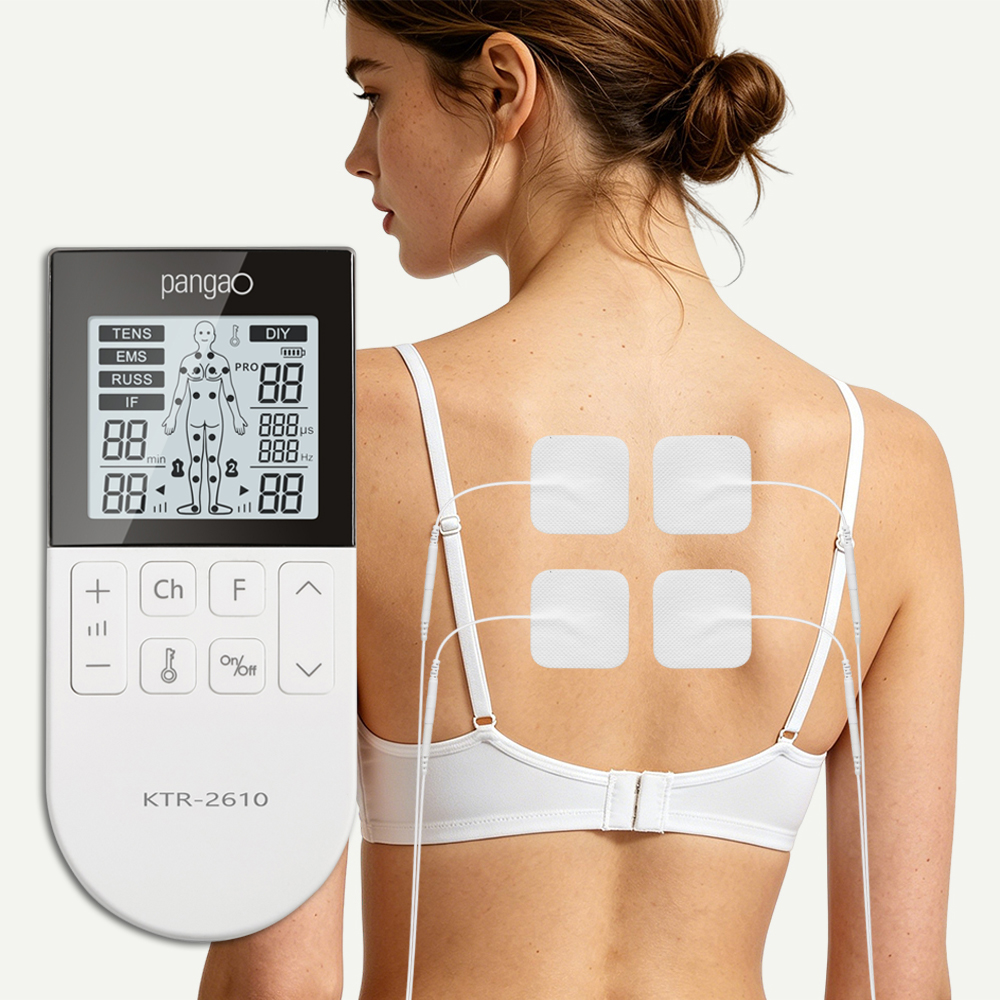
Electronic Pulse Massager Portable Dual Channel DIY if RUSS EMS TENS Units Therapy Machine for Pain Relief
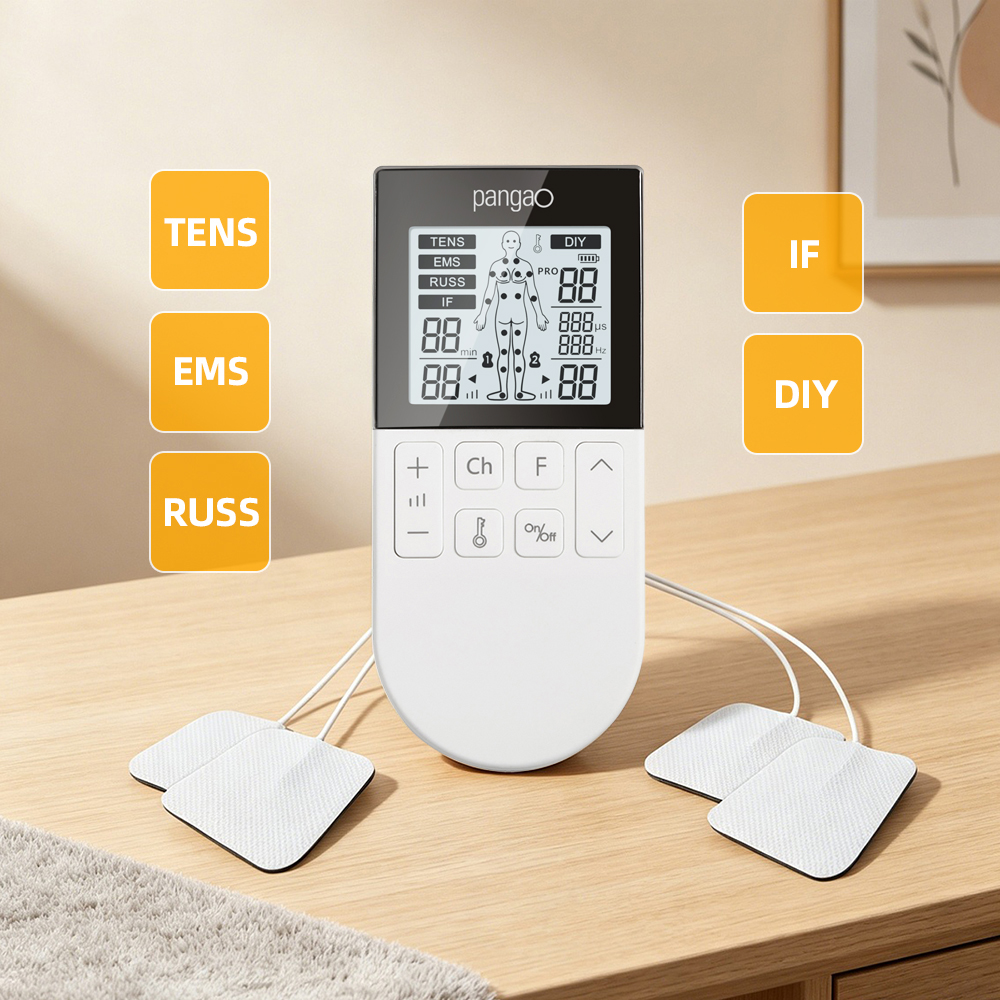
TENS / EMS / IF / RUSS
Dual Isolated Ch
Direct from Shenzhen Vilicus Medical Electronics — Certified electrotherapy hardware built for retail, clinical, and home care markets worldwide.
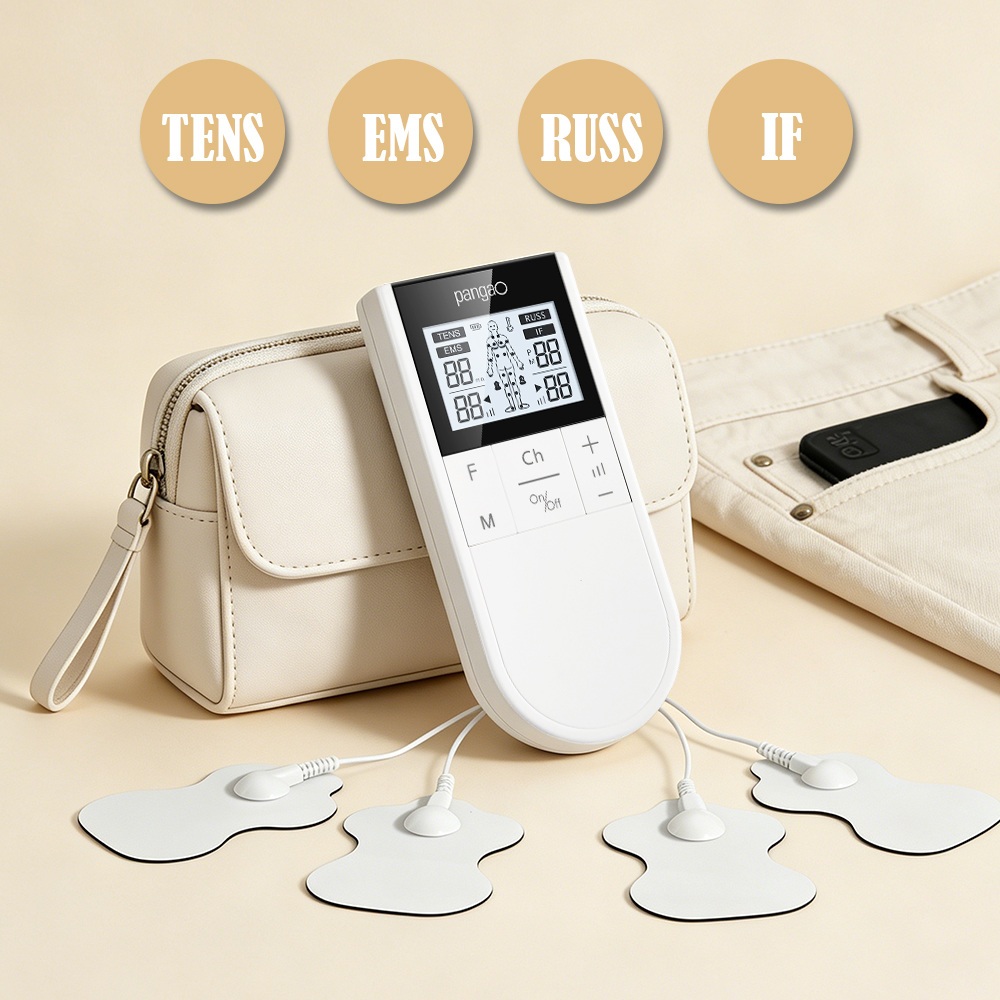
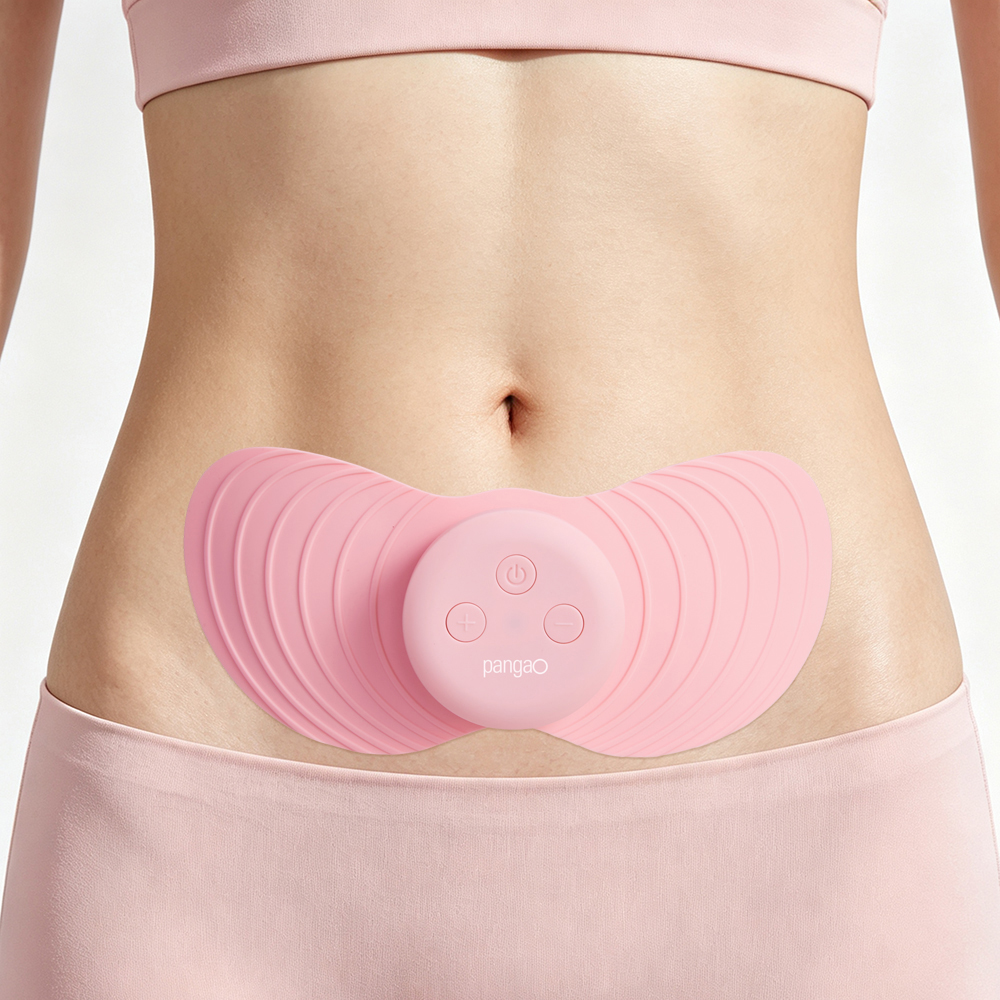
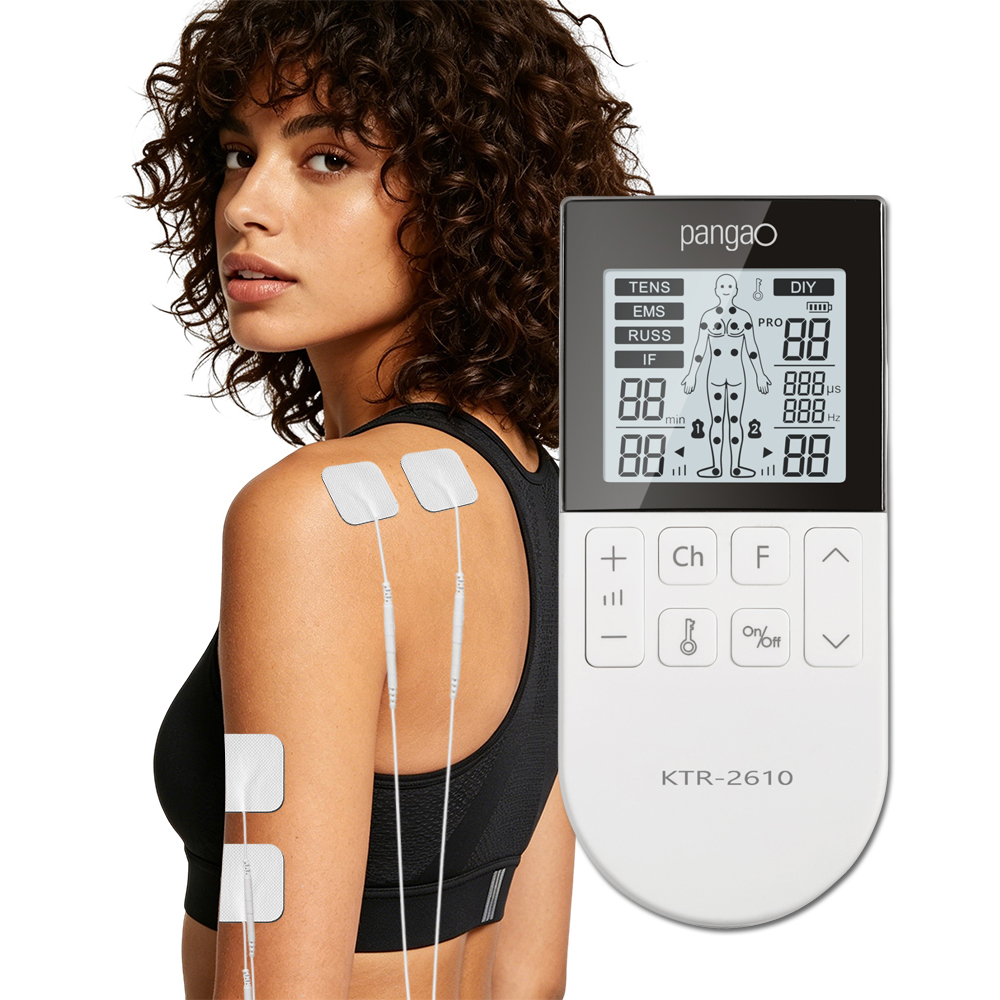
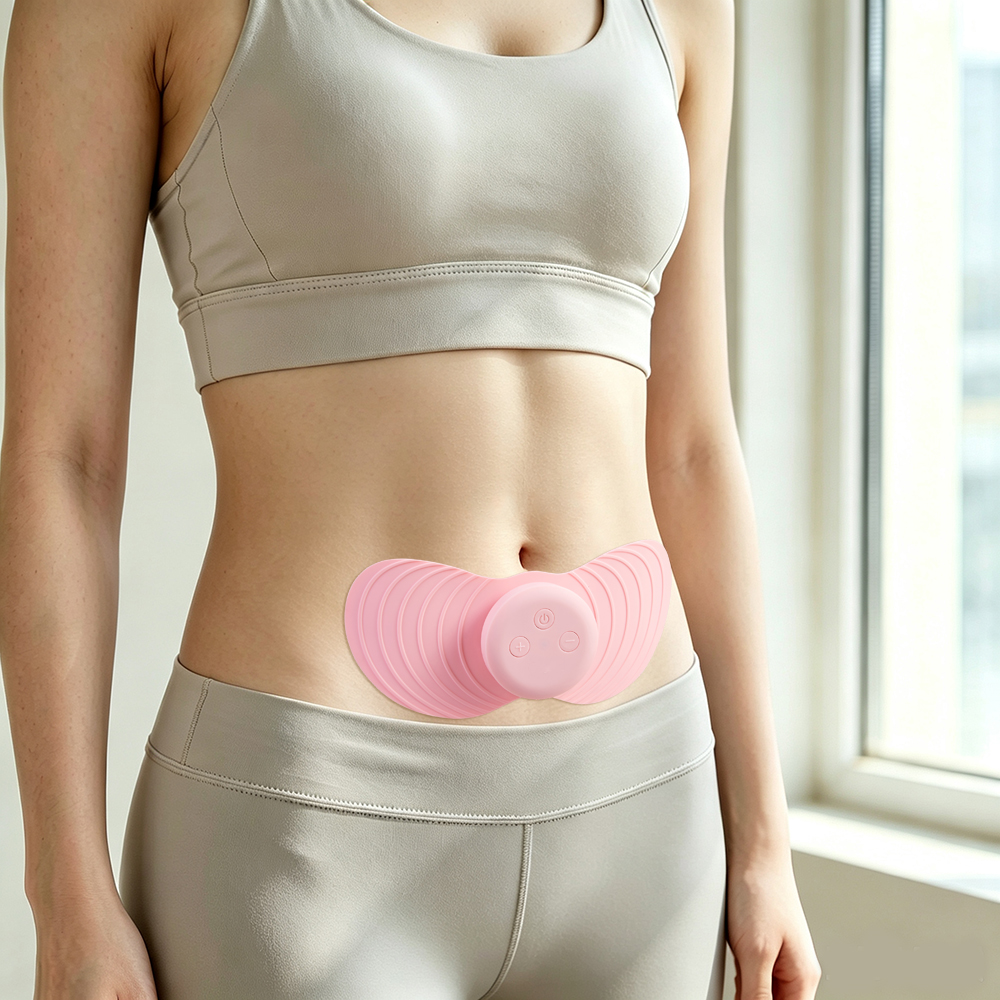
Operating out of Shenzhen, Guangdong, Shenzhen Vilicus Medical Electronics Co., Ltd. bridges electrotherapy research with scalable, compliant OEM/ODM manufacturing.
Every TENS/EMS batch undergoes strict Quality Management Control compliant with ISO 13485 standard operating procedures, ensuring zero-defect medical delivery.
Ready-to-file technical documentation (TCF), biocompatibility test reports (ISO 10993), FDA 510(k) clearances, and EU MDR Class IIa compliance for expedited global clearance.
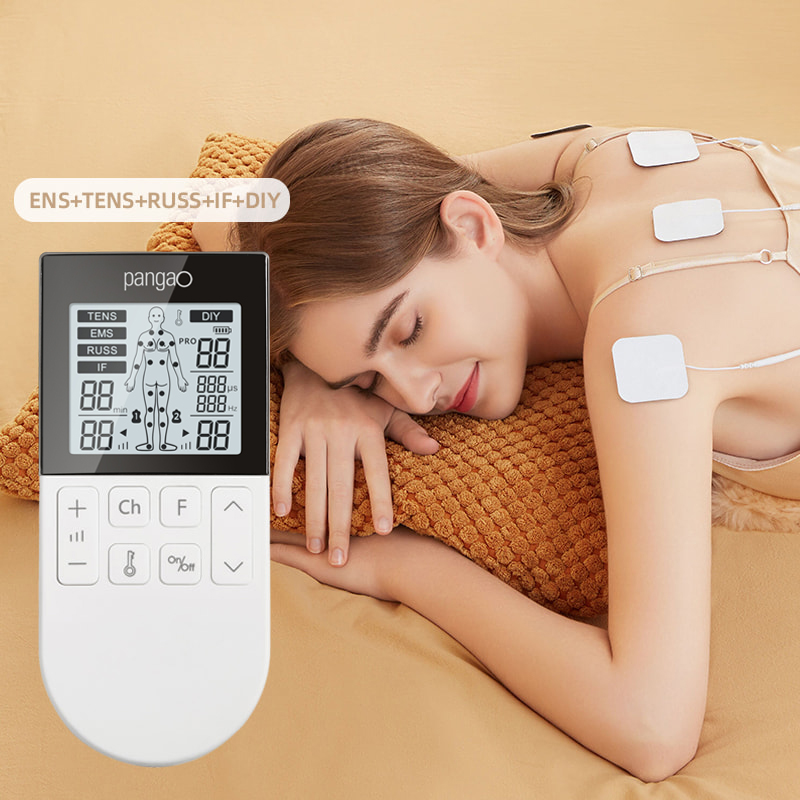
In-house firmware engineers configure bespoke low-and-medium frequency pulse algorithms, including TENS, EMS, IF (Interferential), Russian, and Microcurrent programs.
Complete custom branding options including silk-screen and laser logo application, custom housing injection colors, specialized UI display graphics, and retail box engineering.
Transcutaneous Electrical Nerve Stimulation (TENS) and Electrical Muscle Stimulation (EMS) have evolved from heavy, clinic-bound physical therapy equipment into compact, battery-powered, consumer-accessible healthcare devices. As global demand for non-pharmacological pain management and home-based muscle rehabilitation expands, international medical device brands, pharmacy chains, and Amazon sellers face intensifying pressure to select reliable, certified original equipment manufacturers (OEM) and original design manufacturers (ODM) in China.
Key Procurement Insight: Sourcing a commercial TENS unit requires evaluating hardware stability under load, waveform output accuracy (<±10% tolerance), electrical isolation, and biocompatibility compliance according to ISO 10993 specifications for hydrogel electrode pads.
To maximize sales conversion across clinical and direct-to-consumer (DTC) channels, procurement teams must understand the neurological and muscular mechanisms of multi-waveform electrotherapy units:
| Modal Category | Frequency Spectrum | Pulse Width Dynamics | Physiological Target | Primary Clinical Indication |
|---|---|---|---|---|
| TENS (Sensory) | 1 Hz – 150 Hz | 50 μs – 250 μs | A-beta & C sensory nerve fibers | Symptomatic relief of chronic intractable pain & acute pain post-trauma |
| EMS (Motor) | 20 Hz – 100 Hz | 200 μs – 400 μs | Alpha motor neurons | Muscle re-education, prevention of disuse atrophy & local blood flow acceleration |
| IF (Interferential) | 4000 Hz carrier frequency | Continuous modulated | Deep muscular & articular tissue | Deep-seated joint pain (hip, knee, spine) with minimal epidermal skin resistance |
| Russian Stimulation | 2500 Hz alternating carrier | 50% duty cycle (bursts) | Fast-twitch skeletal muscle fibers | Athletic muscle strengthening, motor unit recruitment & post-surgical conditioning |
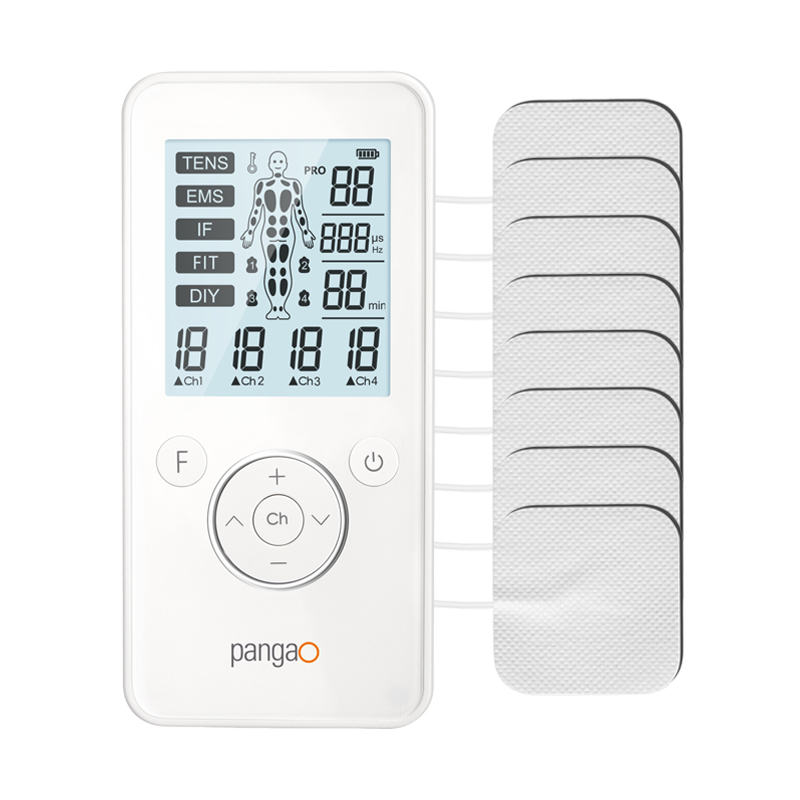
Leading suppliers like Shenzhen Vilicus Medical Electronics integrate quad-modal logic (TENS + EMS + IF + RUSS) into single handheld microcontrollers, allowing B2B buyers to offer 4-in-1 multi-functional therapy devices under a single regulatory SKU.
The global electrotherapy device market is experiencing structural technology shifts driven by miniaturization, mobile health integration, and targeted demographically driven therapies. Procurement directors looking for competitive differentiation must align their product portfolios with four critical industry trends:
Conventional TENS devices with dangling lead wires are rapidly being replaced by wireless, self-contained wearable patches. In particular, the segment for wireless menstrual cramp relief devices has seen explosive CAGR (+24.5%). These devices combine dual-channel low-frequency TENS with integrated rapid thermal heating (42°C to 50°C warm compress), providing immediate, drug-free relief for dysmenorrhea. Brands targeting female wellness must prioritize ultra-thin silicone housings, skin-safe adhesive hydrogels, and discreet ergonomic profiles.
Demographic aging and rising diabetes prevalence have driven demand for specialized lower-limb electrotherapy devices. Modern EMS foot circulation stimulators now combine Neuromuscular Electrical Stimulation (NMES) through conductive footplates with 660nm Red Light and 850nm Near-Infrared (NIR) photobiomodulation. This dual-action mechanism targets peripheral neuropathy symptoms, alleviates lower leg edema, and improves microvascular circulation in diabetic and geriatric populations.
Next-generation digital pulse massagers incorporate Bluetooth Low Energy (BLE 5.3) connectivity, allowing users to control therapy intensity, select customized anatomical treatment presets, and log pain metrics via iOS and Android applications. For medical distributors, smart app connectivity provides real-time user compliance tracking and opens opportunities for software-as-a-service (SaaS) telemetry extensions.
Global regulatory bodies have raised barrier thresholds for electrotherapy devices. The European Union’s transition from MDD to EU MDR (Regulation EU 2017/745) requires extensive clinical evaluation reports (CER), post-market surveillance (PMS) systems, and strict Uniquely Identified Device (UDI) tracking. B2B buyers must partner exclusively with manufacturers operating under audited ISO 13485 Quality Management Systems holding established technical documentation files.
When selecting an OEM partner in Shenzhen or broader Guangdong, conducting thorough supplier verification prevents costly compliance delays, product recalls, and customs seizures. Below is the decision framework applied by international medical procurement teams:
Direct answers to critical sourcing, compliance, customization, and logistics queries.
Request catalog pricing, sample evaluation units, or technical regulatory files for your target distribution market today. Our dedicated engineering and sales team will respond within 12 hours.
Contact Us