Export-Grade EMS & TENS Physiotherapy Machines
Engineered for clinical precision, home health rehabilitation, and wellness retail. Compliant with international medical device standardizations.
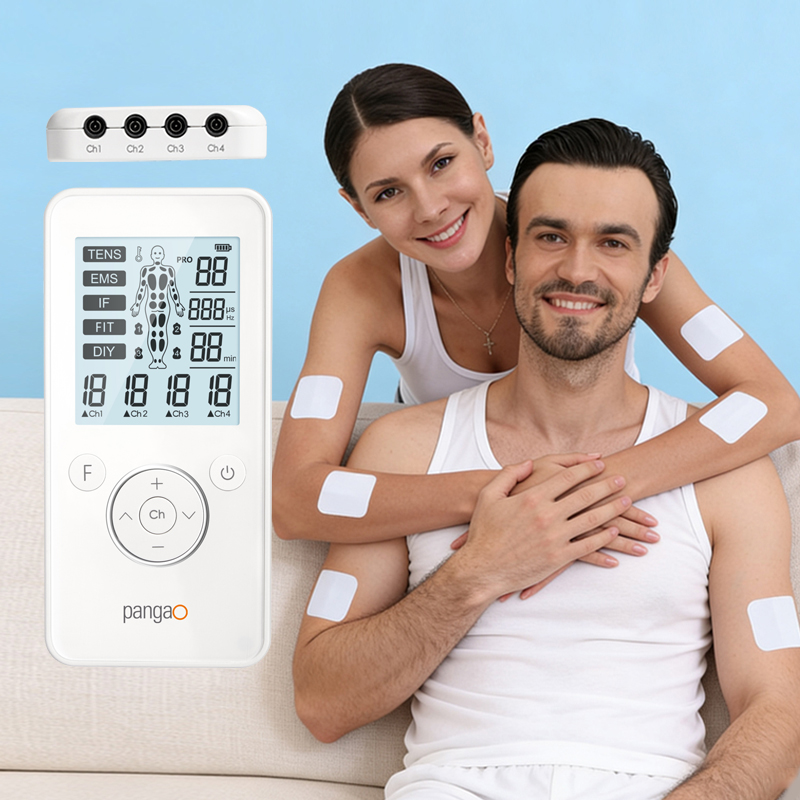
Electric Body Physical Therapy Equipments EMS Muscle Stimulator Digital 4-Channel TENS Machine Physiotherapy
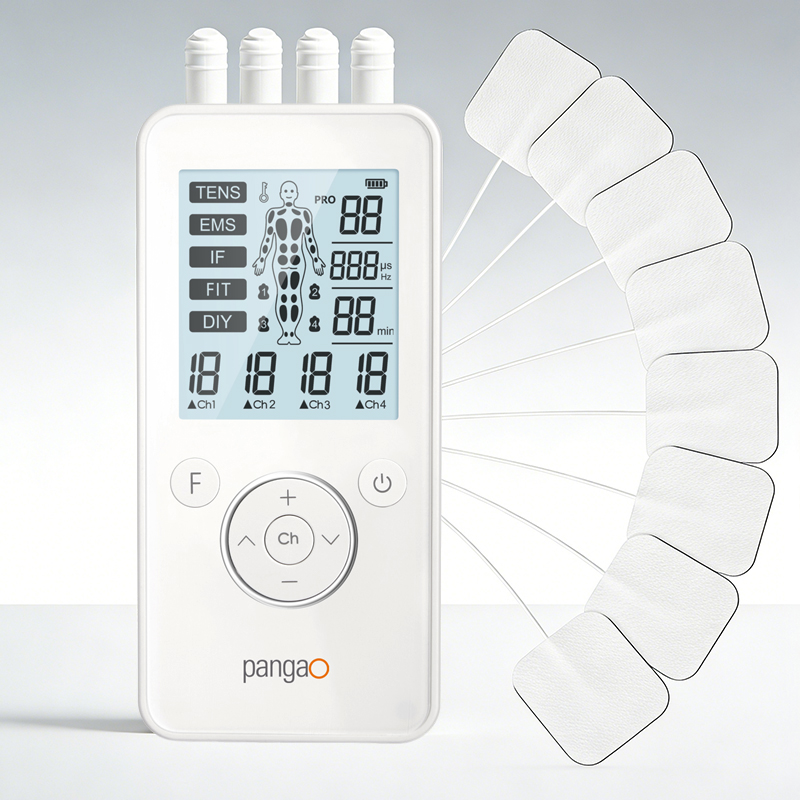
Wholesale Professional Electric Pulse Physical Therapy Device 4 Channels EMS TENS Machine for Pain Relief
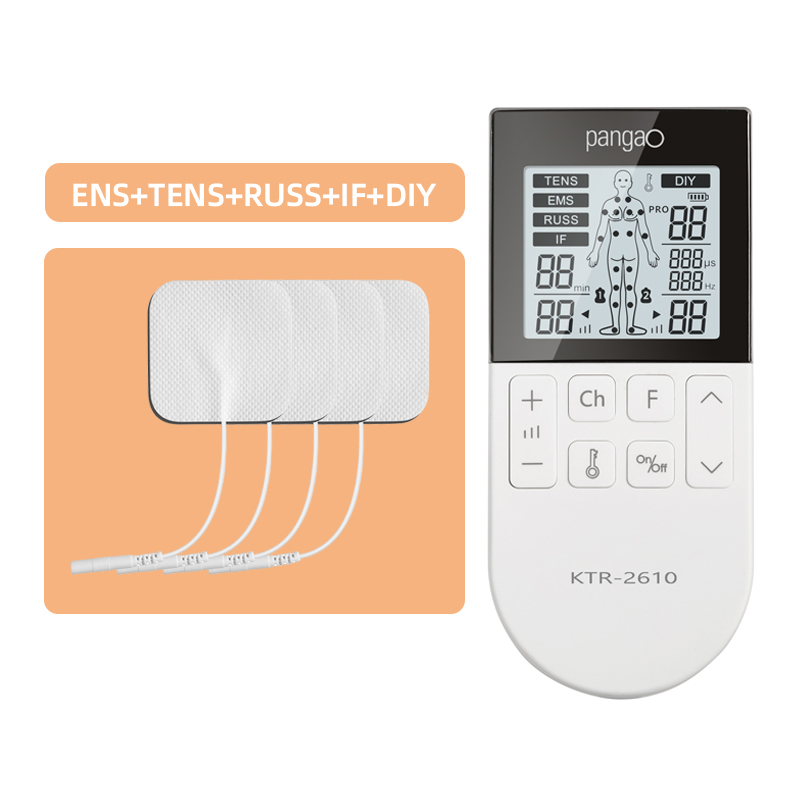
Medical Electric Muscle Stimulator Pain Relief Therapy Device Dual Channel TENS EMS Unit for Physiotherapy
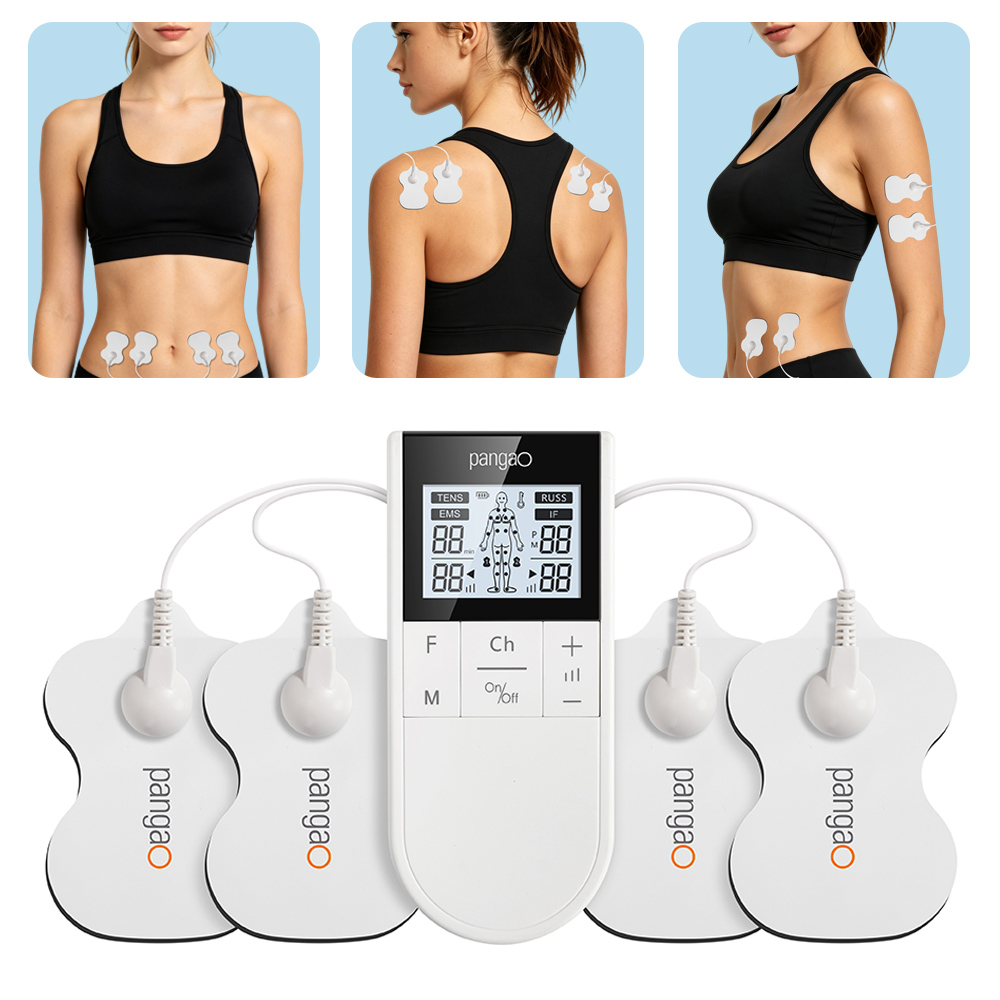
Rechargeable Electric Pulse Massager Muscle Stimulator Pain Relief Therapy Machine Dual Channel TENS EMS Unit
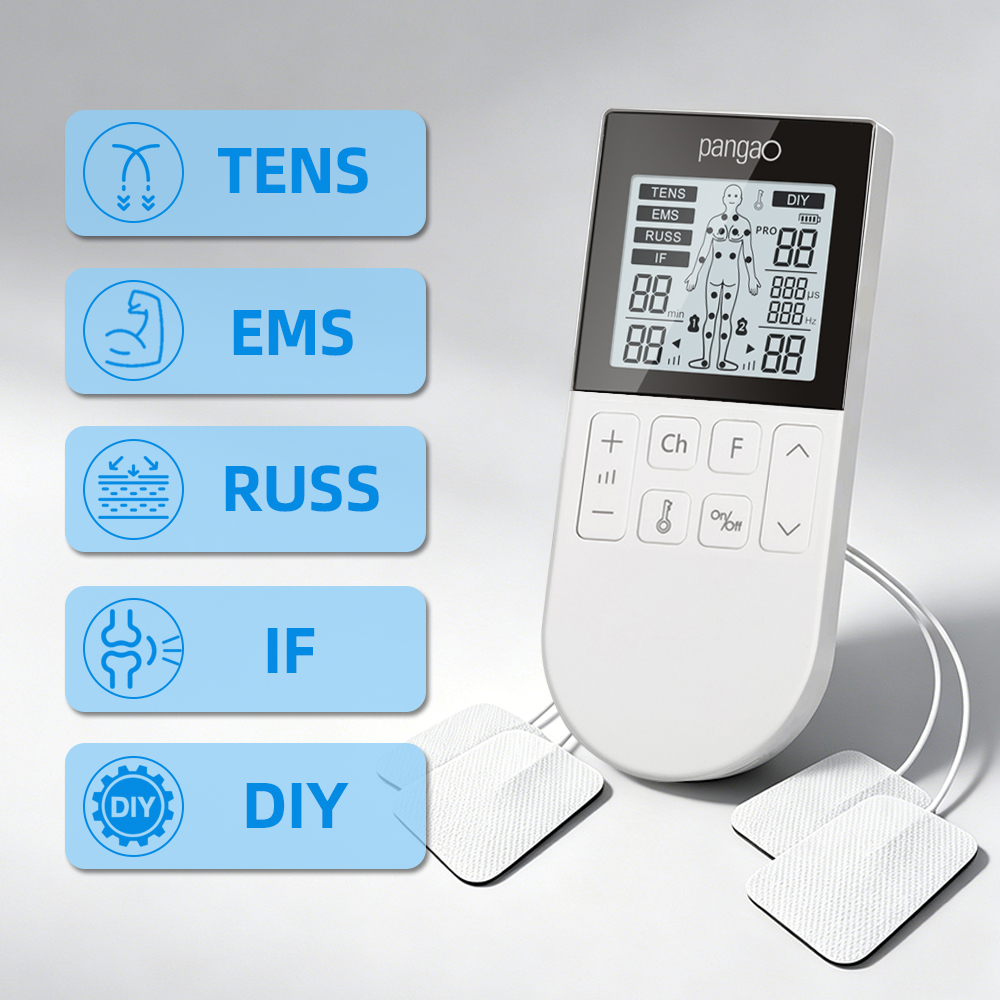
KENTRO Portable Rechargeable Professional Electrotherapy Device 5 in 1 RUSS IF DIY EMS TENS Unit for Pain Relief
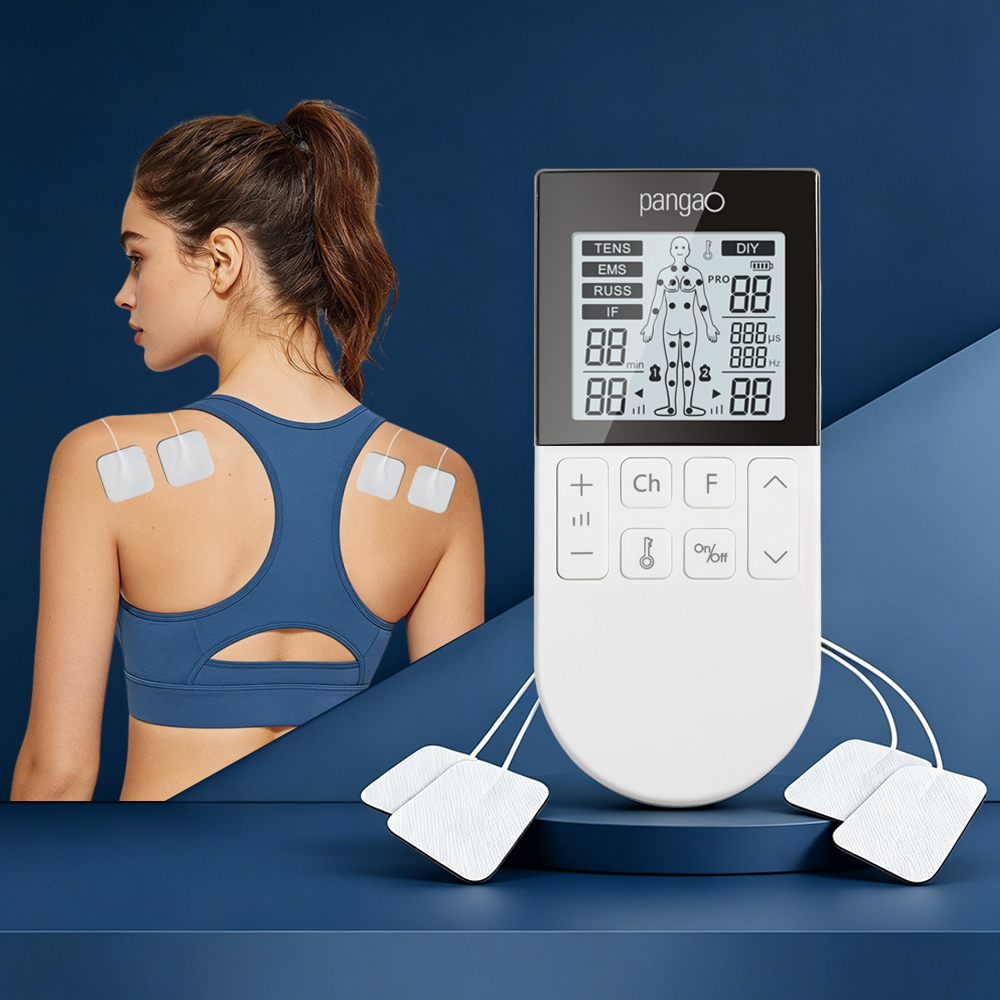
Hot Sale Low Frequency Electronic Pulse Russian Stimulation Pulse EMS Muscle Stimulator TENS Therapy Machine
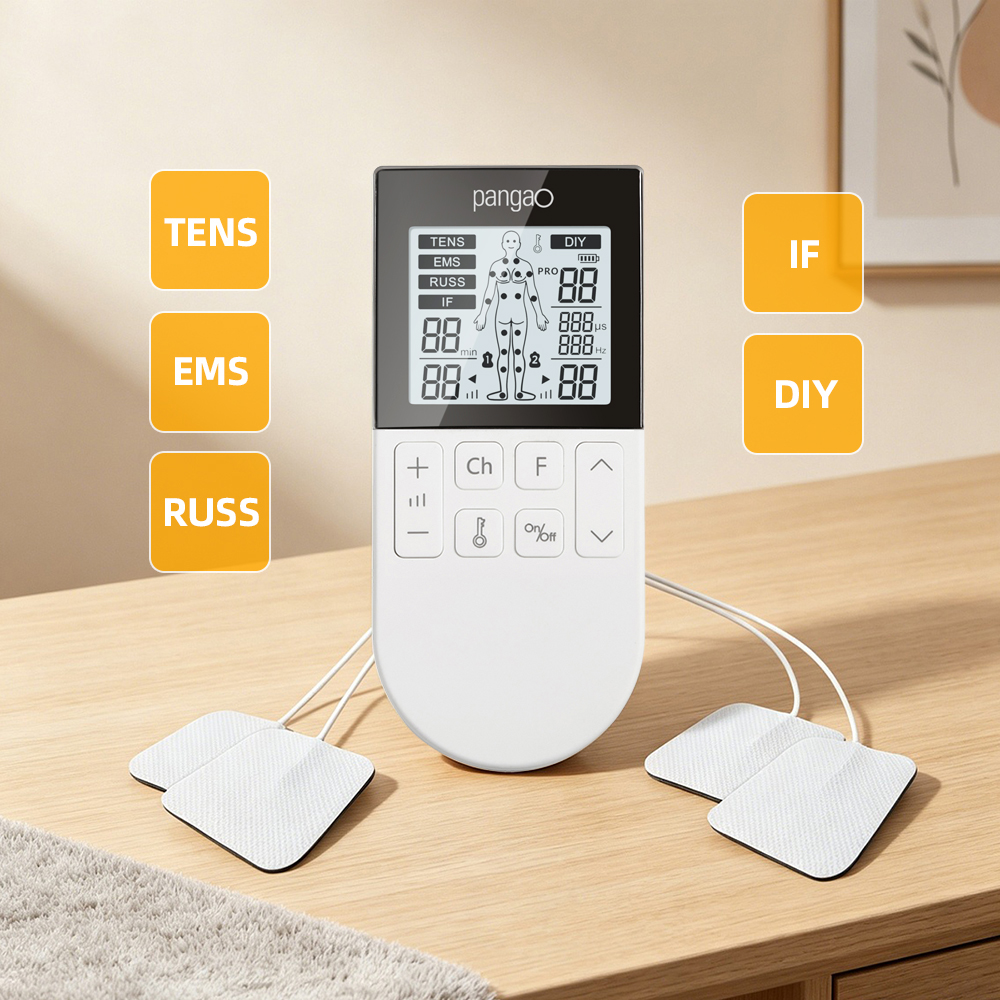
Electronic Pulse Pain Relief Muscle Stimulator 80 Modes Dual Channel EMS TENS Machine for Physiotherapy
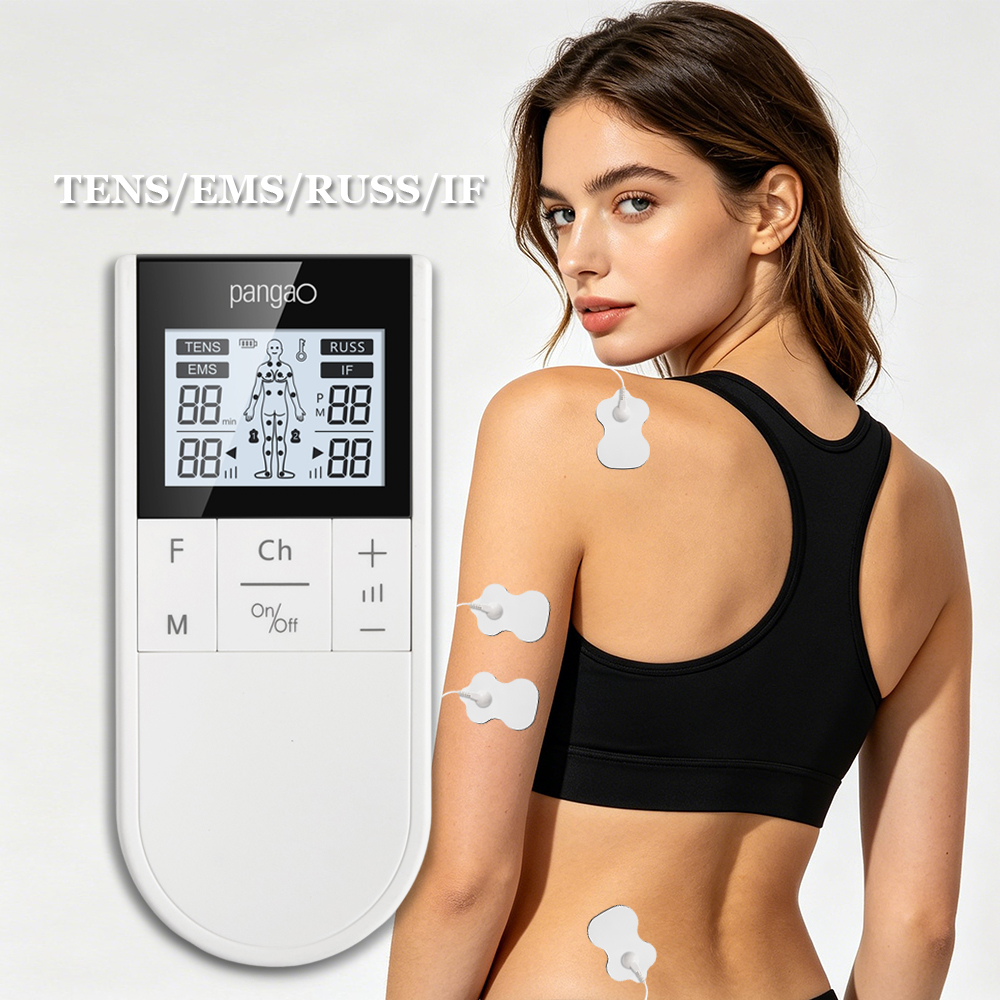
Custom Electronic Physical Therapy Pain Relief TENS EMS RUSS IF 4 in 1 Device EMS Muscle Stimulator TENS Unit
Whitepaper: Engineering & Sourcing Standards for EMS Machines in China
The global demand for non-invasive electrotherapy devices—specifically Electrical Muscle Stimulation (EMS) and Transcutaneous Electrical Nerve Stimulation (TENS) machines—has witnessed exponential growth across clinical, athletic recovery, and personal home-care sectors. As medical device brands, healthcare distributors, and e-commerce leaders evaluate manufacturing partners, China remains the epicenter of hardware innovation, micro-electronics manufacturing, and supply chain efficiency. However, selecting a top-tier China EMS machine exporter requires deep technical analysis, understanding of waveform parameters, and strict adherence to international regulatory frameworks.
Information Gain Key Takeaway: Quality EMS manufacturing is defined by waveform fidelity, pulse output stability under load variations, bio-compatibility of hydrogel interfaces, and strict adherence to ISO 13485 quality systems rather than basic shell aesthetics.
1. Biophysical Principles & Multi-Waveform Engineering
Modern commercial and medical EMS units are no longer simple low-frequency pulse generators. High-performance units integrate complex microprocessors capable of modulating electrical signals into targeted physiological outcomes:
Electrical Muscle Stimulation
Operates primarily in the 20Hz – 120Hz frequency band with pulse widths ranging from 200µs to 400µs. It directly target motor nerves, inducing involuntary muscle contractions to facilitate muscle re-education, hyper-trophy prevention, and peripheral blood circulation enhancement.
Transcutaneous Stimulation
Utilizes high frequencies (80Hz – 150Hz) for sensory nerve stimulation (Gate Control Theory) or low frequencies (2Hz – 10Hz) to stimulate endogenous opioid/endorphin release, delivering instant, drug-free analgesia for acute and chronic pain conditions.
Interferential & Russian Currents
Russian Current (2,500Hz medium-frequency sine waves modulated into 50Hz bursts) penetrates deeper tissue structures to build motor strength, while Interferential Current (IF) uses dual crossing channels to treat deep-seated joint and soft-tissue trauma.
When sourcing from a qualified wholesale exporter, procurement officers must verify whether the PCB schematics utilize constant current (CC) or constant voltage (CV) output topologies. Constant current circuitry dynamically adjusts voltage in response to changing skin impedance (ranging from 500Ω to 2,000Ω), preventing sudden, uncomfortable electric shocks and ensuring clinical safety.
2. Technical Specifications Comparison Matrix for Importers
To assist international procurement managers in specifying optimal hardware configurations, the following matrix outlines standard industry baselines vs. enterprise-grade clinical manufacturing specifications:
| Specification Parameter | Consumer Entry-Level Baseline | Enterprise Clinical & Professional OEM Standard |
|---|---|---|
| Output Topology | Constant Voltage (CV) | Constant Current (CC) with load sensing protection |
| Channel Configuration | Single or Dual Channel (Shared intensity) | 2 to 4 Independent Channels (Isolated Transformers) |
| Frequency Range | 1 Hz – 100 Hz (Fixed) | 1 Hz – 2,500 Hz (TENS, EMS, IF, RUSS, Microcurrent) |
| Pulse Width Modulation | 50 µs – 200 µs | 50 µs – 450 µs (Adjustable in 10 µs increments) |
| Max Output Intensity | 0 – 60 mA (at 500Ω load) | 0 – 120 mA (True clinical amplitude with peak limiter) |
| Power Management | Dry AAA Batteries | Medical-grade Li-ion battery with BMS & Type-C fast charging |
| Regulatory Compliance | Basic CE, RoHS | ISO 13485, US FDA 510(k), EU MDR 2017/745, TGA, BSCI |
Procurement & Technology Trends in the Global EMS Market (2025–2030)
The global electrotherapy landscape is experiencing rapid evolutionary shifts driven by consumer wellness trends, technological miniaturization, and stricter international medical device regulations. Wholesale buyers and OEM brands must align their product development roadmaps with the following four major macro-trends:
1. Convergence of Electrotherapy with Photobiomodulation & Thermal Therapy
Standalone EMS/TENS devices are increasingly being replaced by multi-modal platforms. The integration of 660nm Red Light and 850nm Near-Infrared (NIR) LEDs alongside EMS foot circulation stimulators and menstrual cramp heating pads creates dual-action therapeutic synergy. Red light accelerates cellular ATP production, while EMS drives vascular circulation and lymphatic drainage. Exporters capable of manufacturing hybrid PCB architectures hold a significant market advantage.
2. Wireless App-Controlled Ecosystems & Miniaturization
Cable-free, wearable EMS patches powered by Bluetooth Low Energy (BLE 5.0) and controlled via iOS/Android smartphones represent the fastest-growing retail segment. Modern consumers demand discreet, ultra-thin silicon-molded units that can be worn under clothing during daily activities. This trend mandates that manufacturers possess in-house firmware development capabilities to support OTA (Over-The-Air) algorithm updates and custom app UI branding.
3. Regulatory Tightening: EU MDR Transition & US FDA 510(k) Oversight
With the full enforcement of the European Union Medical Device Regulation (EU MDR 2017/745), class compliance for electrotherapy units has elevated significantly. Importers can no longer rely on self-declared CE certificates under the legacy MDD. Importers now require technical documentation, clinical evaluation reports (CER), and ongoing post-market surveillance (PMS). Sourcing from an ISO 13485 factory with verified EU MDR and FDA 510(k) clearances is critical to prevent customs seizures and regulatory bans.
4. Targeted Femtech & Specialized Pelvic/Abdominal Therapy
Women's health electrotherapy—specifically drug-free menstrual cramp relief pads utilizing combined heating and localized TENS pulses—has emerged as a billion-dollar sub-category. Furthermore, pelvic floor muscle trainers utilizing biofeedback-guided EMS waveforms are rapidly moving from clinical gynaecology into home wellness retail, demanding highly specialized, bio-compatible materials.
Enterprise Manufacturing Advantages
Combining multi-decade group heritage, rigorous medical quality control, and complete vertically integrated OEM/ODM engineering.
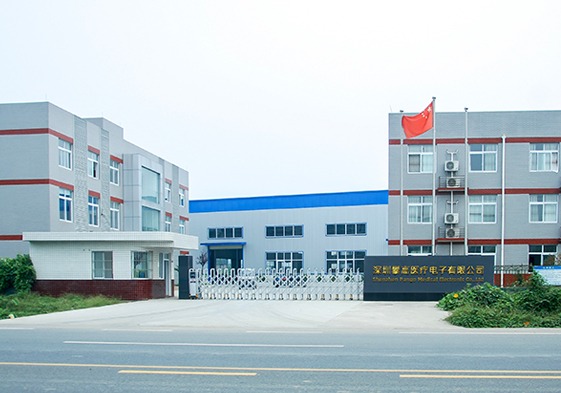
15,700 m² Certified Facility
Operating dedicated electrotherapy SMT, cleanroom assembly, and packaging lines in Shenzhen, backed by a verified workforce of over 210 skilled technicians and on-site SGS factory audits.
Group Engineering Power
Our group electronics heritage dates back to 2000, supported by over 300 group R&D engineers capable of delivering custom PCB layouts, firmware programming, ergonomic industrial design, and mold building.
Global Medical Clearances
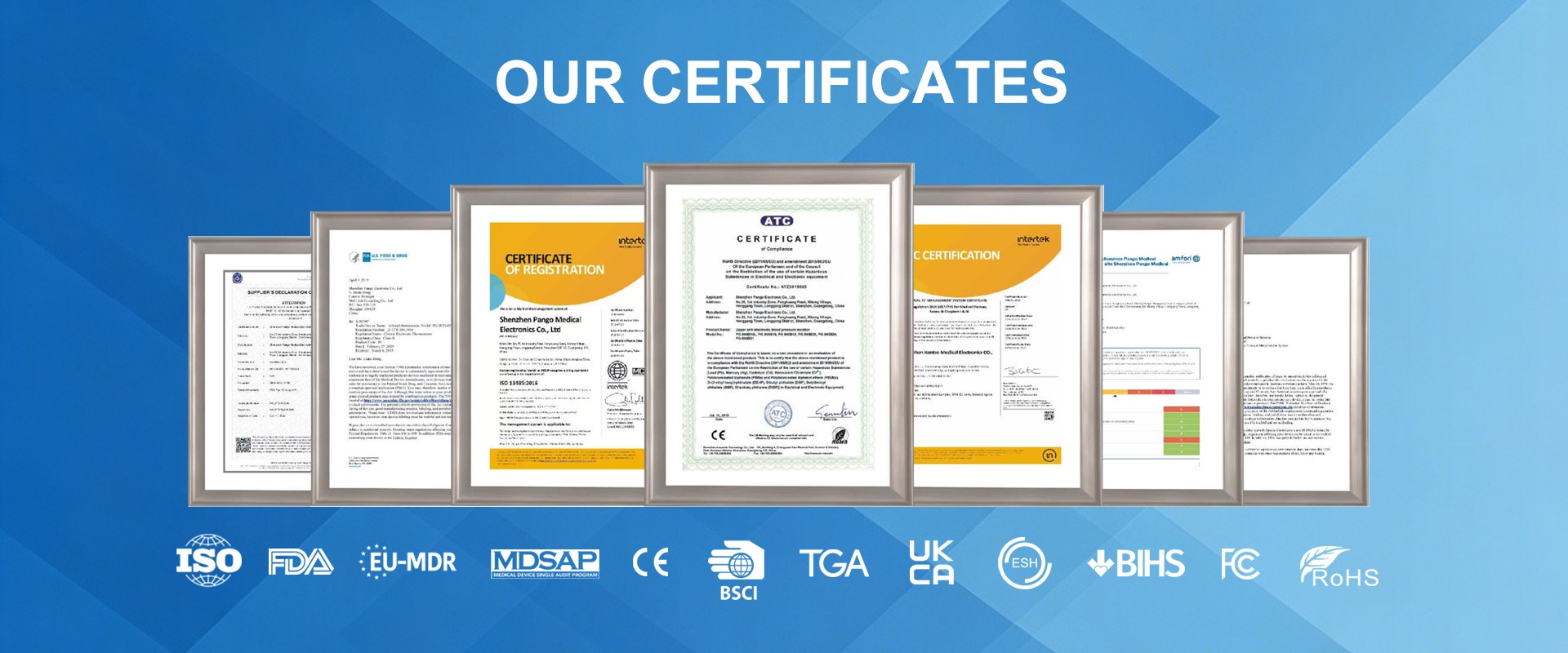
Streamline your market entry. Our product platforms carry FDA 510(k), EU MDR, TGA (Australia), CE, RoHS, and BSCI social compliance certifications, fully backed by complete lab test reports.
100% Quality Parameter Testing
Every single unit undergoes rigorous 100% full-load electrical parameter testing, high-voltage insulation breakdown checks, battery safety validation, and automated aging tests before shipment.
Turnkey OEM/ODM Services
From custom shell injection coloring, laser logo engraving, and private label gift box design to fully custom waveform programming and instruction manual localization.
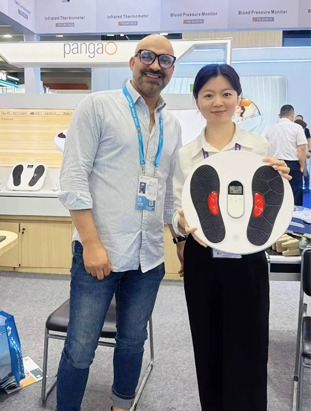
Export Presence in 50+ Nations
Serving world-leading medical brands, regional healthcare distributors, pharmacy chains, and top-tier e-commerce sellers across North America, Europe, Asia-Pacific, and the Middle East.