Featured TENS & EMS Combination Units
Medical-grade, multi-channel electrotherapy devices engineered for targeted pain relief, muscle rehabilitation, and non-invasive physical therapy.
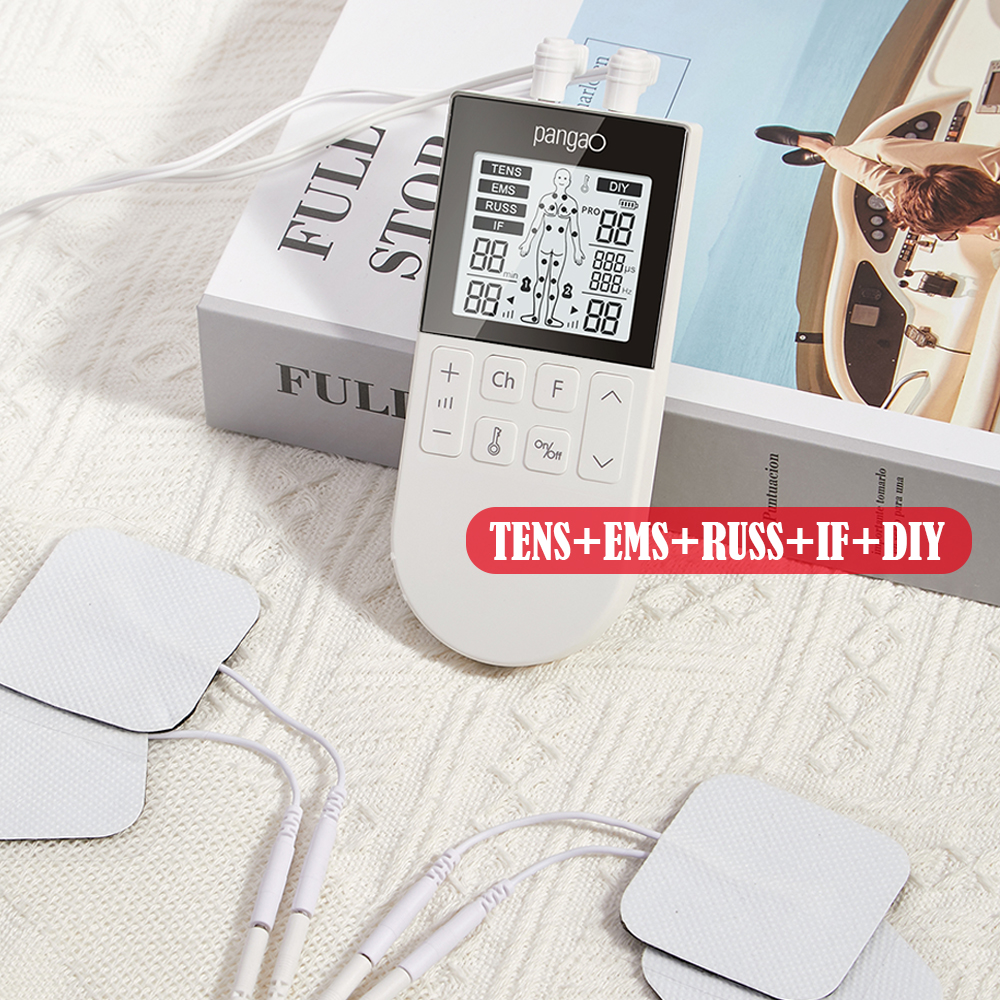
Home Use Body Pain Relief Handheld Dual Channel EMS TENS Device
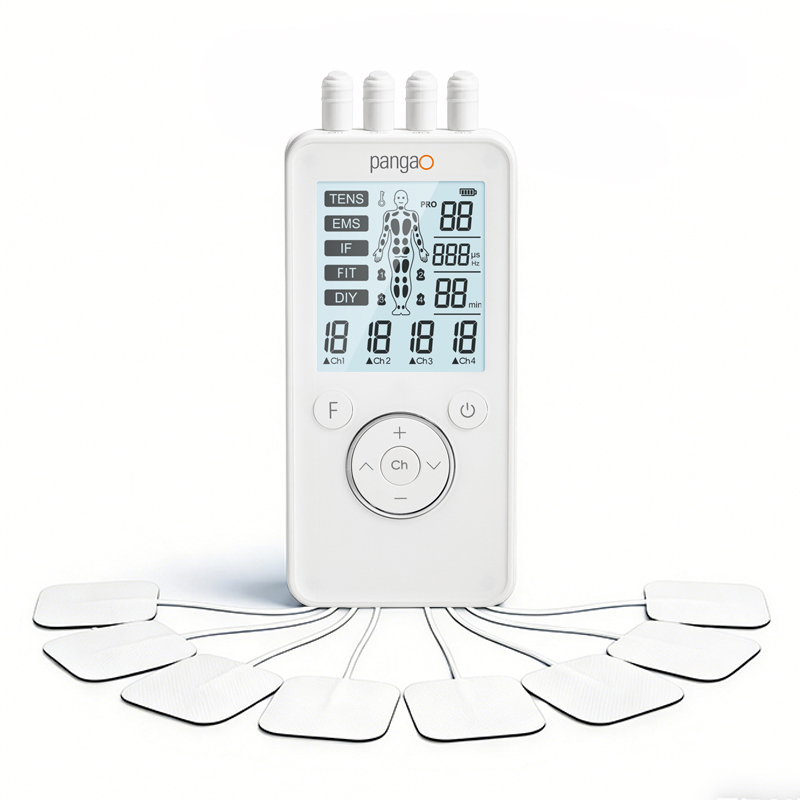
Portable Electric Pulse 4 Channel EMS TENS Physiotherapy Machine
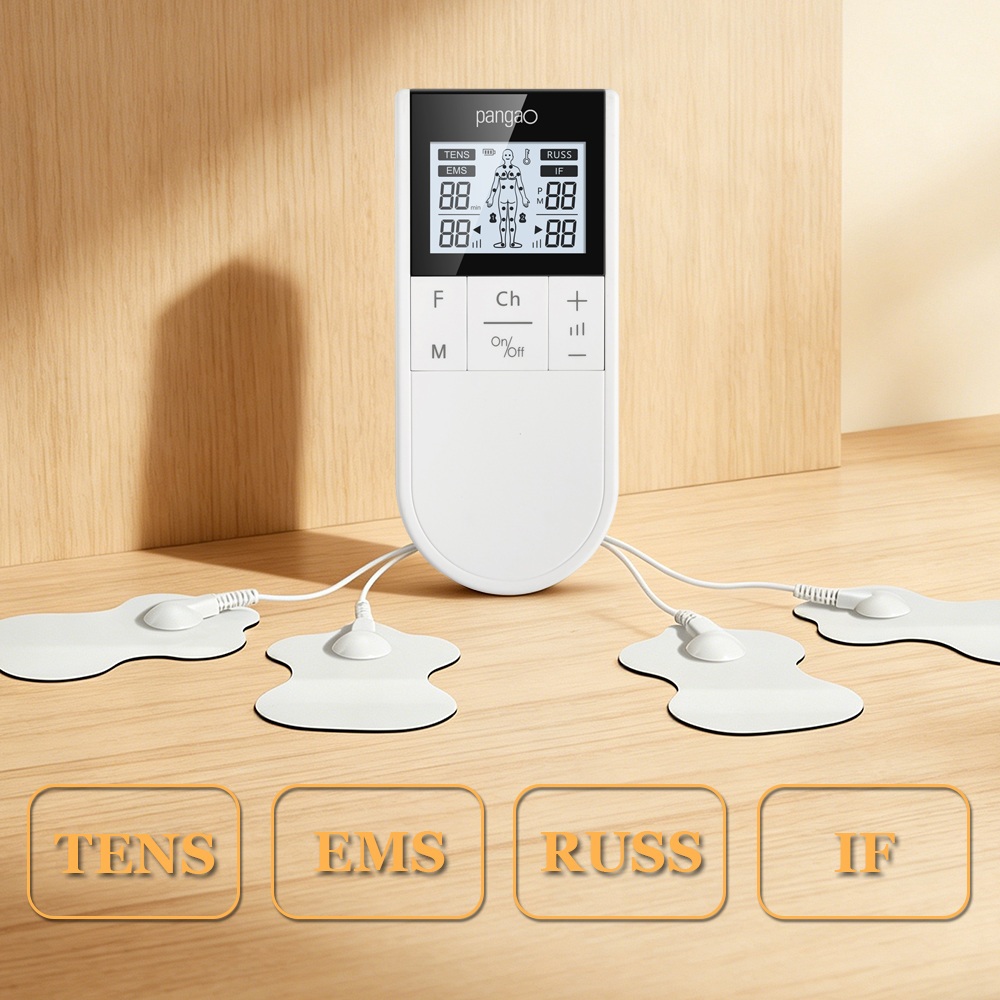
Medical Physical Therapy Portable Dual Channel TENS Muscle Stimulator
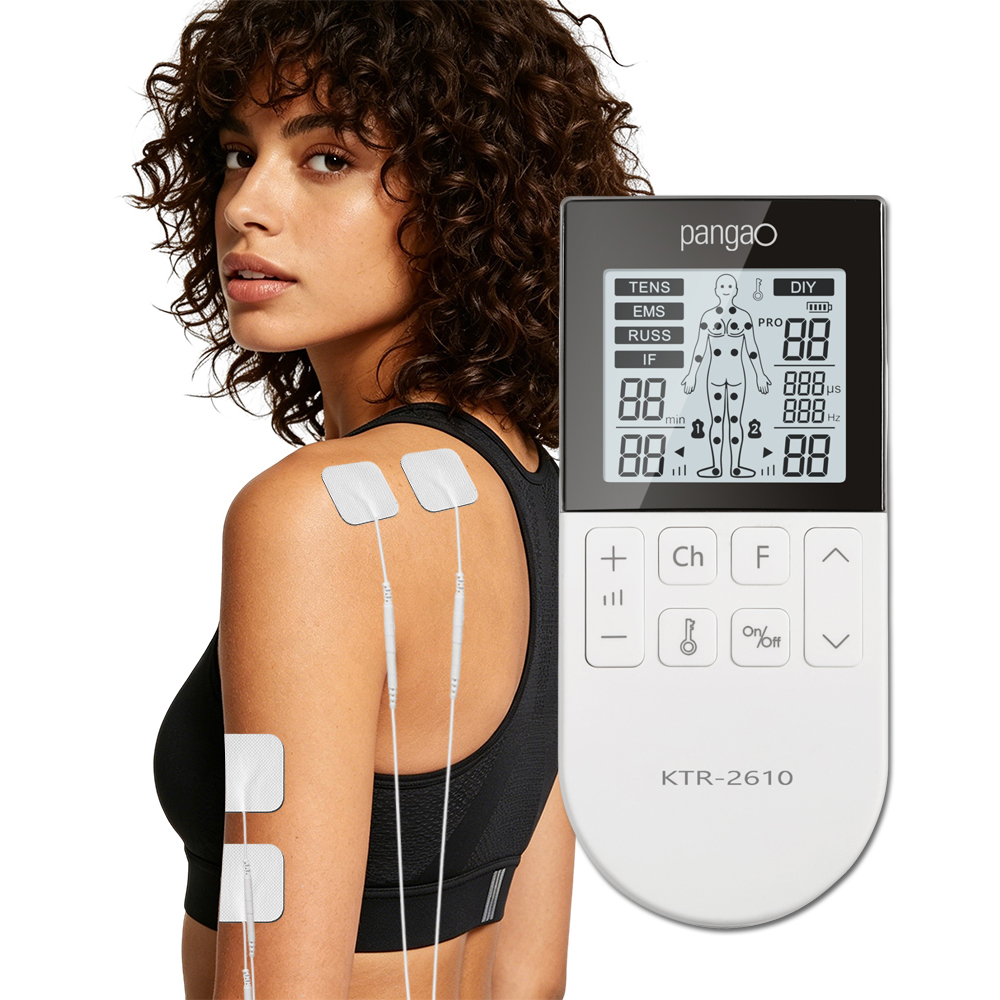
Rechargeable 5-in-1 DIY IF RUSS EMS TENS Pulse Massager
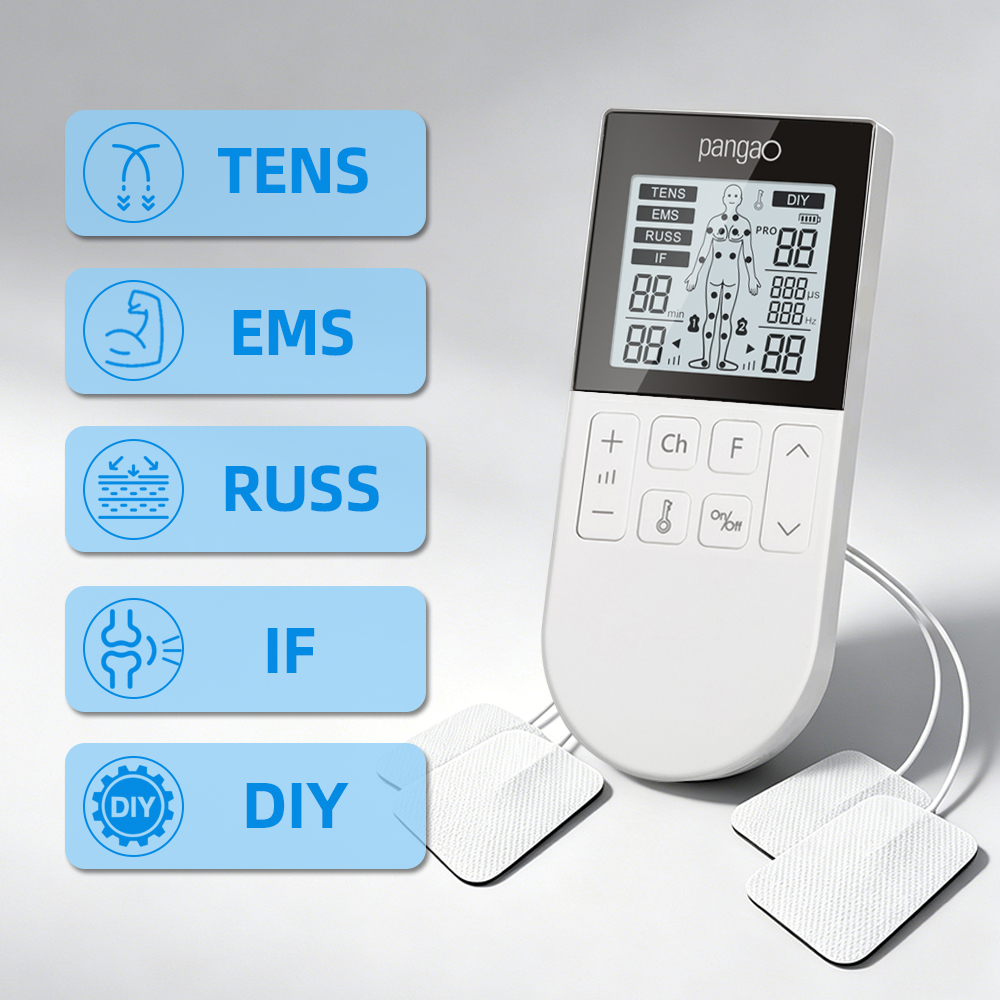
Professional 5-in-1 RUSS IF DIY EMS TENS Electrotherapy Device
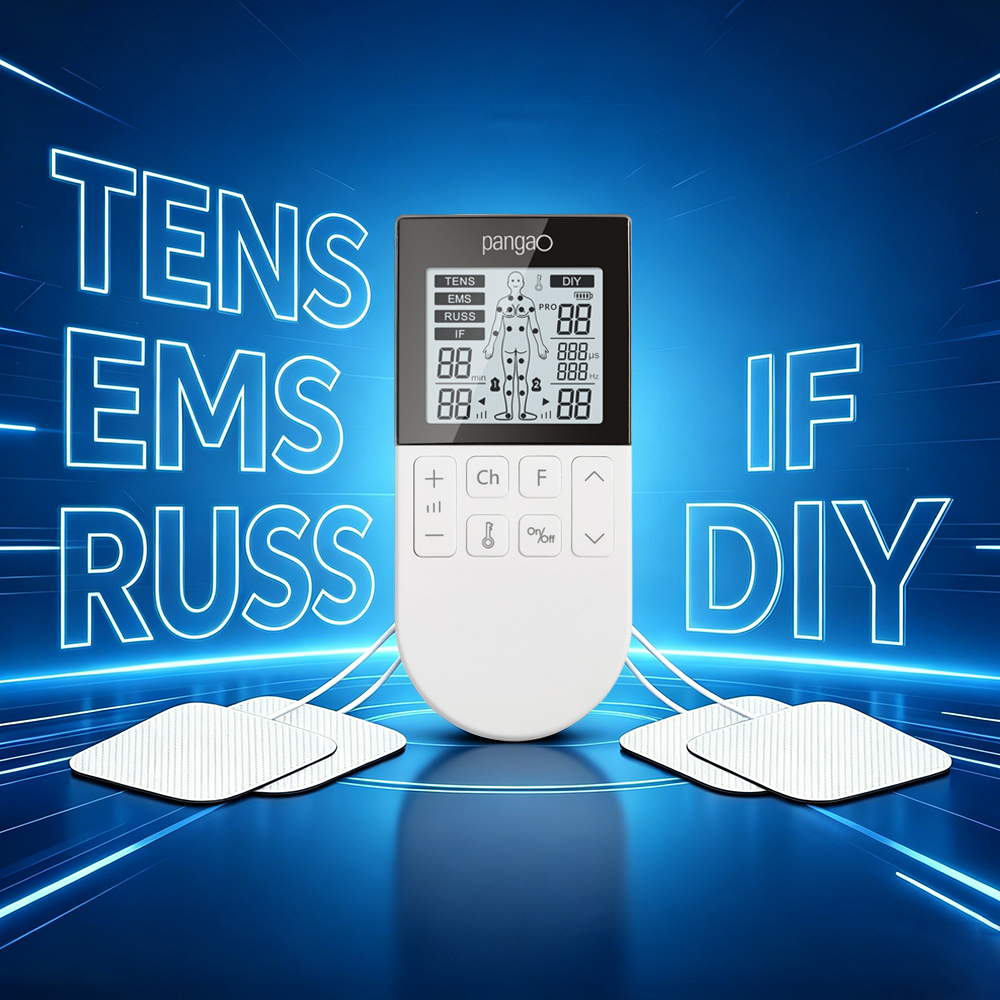
Advanced Portable 5-in-1 Dual Channel EMS TENS Pain Relief Device
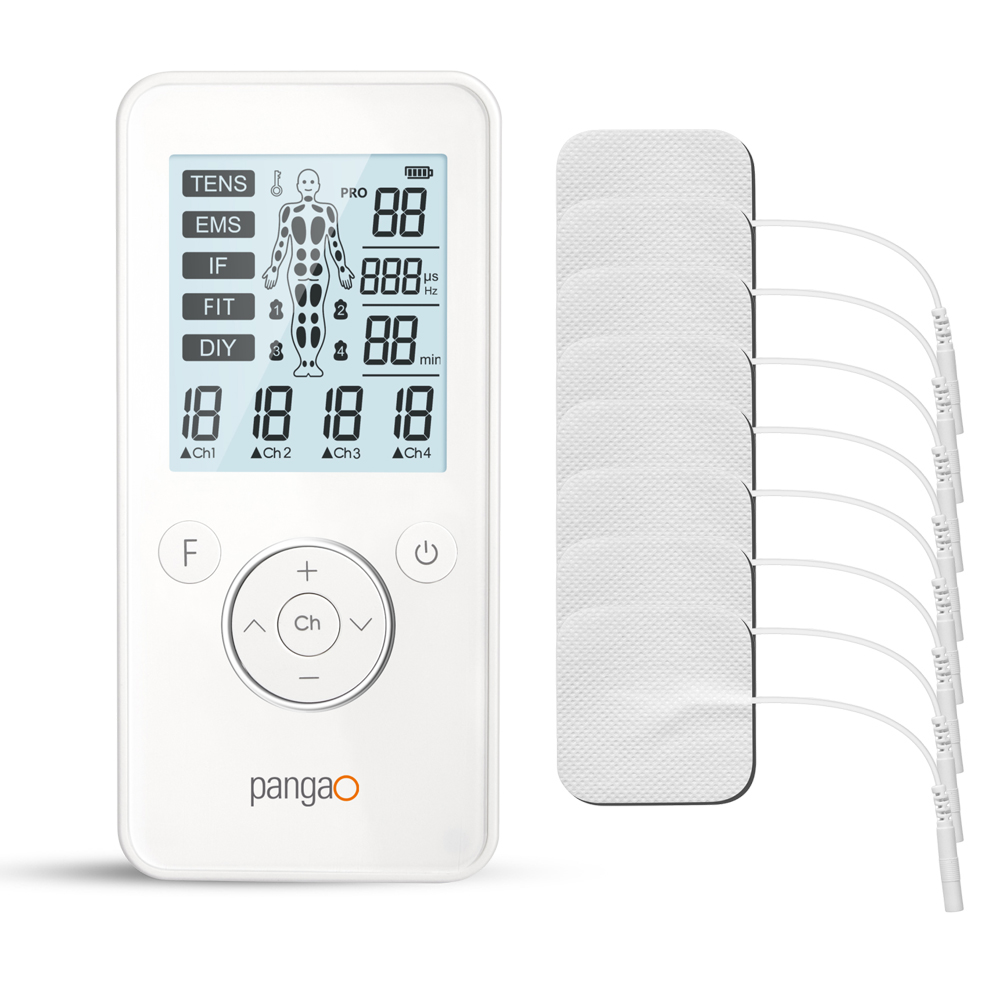
Medical Grade 4-Channel EMS TENS Pulse Massager Device
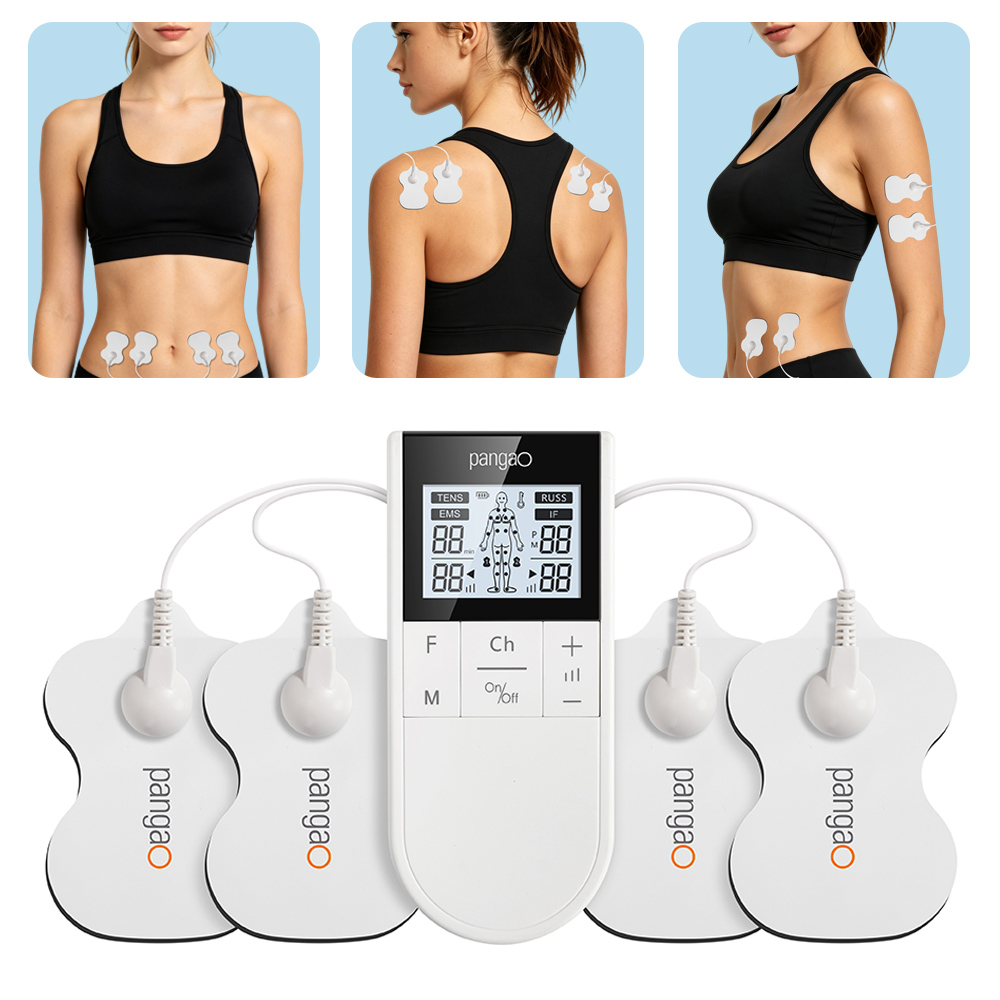
Rechargeable Dual Channel TENS EMS Muscle Stimulator Unit
Engineering Excellence in Combination Electrotherapy: TENS vs. EMS
In the evolving landscape of global neuro-rehabilitation and non-pharmacological pain management, multi-modal electrotherapy units combining Transcutaneous Electrical Nerve Stimulation (TENS) and Electrical Muscle Stimulation (EMS) have transitioned from specialized clinical equipment to essential home healthcare devices. As a premier CE-certified TENS EMS combo supplier and exporter, Shenzhen Vilicus Medical Electronics Co., Ltd. delivers medical-grade electrotherapy systems engineered to meet rigorous international regulatory standards including EU MDR (Medical Device Regulation 2017/745), US FDA 510(k), and Australian TGA requirements.
Understanding the physiological mechanics of combined electrotherapy is vital for healthcare procurement officers, medical brand distributors, and retail importers. While both modalities utilize micro-current electrical impulses delivered through biocompatible hydrogel electrodes, their neurological targets, waveform characteristics, and therapeutic outcomes differ significantly:
TENS (Transcutaneous Electrical Nerve Stimulation)
Primary Function: Analgesia & Pain Modulation.
Mechanism: Operates via two distinct neuro-physiological pathways: the Gate Control Theory of Pain (high-frequency TENS, 80–120 Hz) which stimulates sensory A-beta fibers to block pain signals at the spinal dorsal horn, and the Endorphin Release Mechanism (low-frequency TENS, 2–5 Hz) which induces presynaptic release of endogenous opioids in the central nervous system.
EMS (Electrical Muscle Stimulation / NMES)
Primary Function: Neuromuscular Conditioning & Rehabilitation.
Mechanism: Directly targets alpha motor neurons to depolarize peripheral motor nerve branches (1–50 Hz), evoking involuntary tetanic muscle contractions. This prevents disuse muscle atrophy, improves localized venous micro-circulation, accelerates metabolic byproduct clearance, and re-educates damaged muscular units.
The Synergy of Hybrid TENS/EMS/IF/RUSS Platforms: Modern clinical protocols increasingly demand 5-in-1 hybrid architectures that combine TENS and EMS with Interferential Current (IF) and Russian Stimulation (RUSS). IF utilizes dual medium-frequency currents (4000 Hz carrier frequency) intersecting deep within subcutaneous tissue to treat visceral or deep-joint chronic pain with minimal skin impedance. Russian Stimulation (2500 Hz burst-modulated current) produces high-force muscular recruitment ideal for elite athletic conditioning and post-surgical muscle restoration.
Electrotherapy Modality Specification Comparison Matrix
For global procurement managers evaluating OEM/ODM manufacturing specifications, the table below outlines the parametric parameters built into Vilicus electrotherapy platforms:
| Modality | Frequency Range | Pulse Width (µs) | Waveform Dynamics | Target Physiology | Primary Clinical Indication |
|---|---|---|---|---|---|
| TENS (Conventional) | 80 Hz – 150 Hz | 50 µs – 100 µs | Biphasic Symmetrical Square Wave | A-beta Sensory Nerve Fibers | Acute Post-operative & Chronic Musculoskeletal Pain |
| TENS (Acupuncture-like) | 1 Hz – 5 Hz | 150 µs – 300 µs | Monophasic / Asymmetric Biphasic | A-delta & C Fibers (Brainstem trigger) | Endorphin Release for Persistent Back Pain & Arthritis |
| EMS / NMES | 20 Hz – 80 Hz | 200 µs – 400 µs | Pulsed Symmetrical Square with Ramp Up/Down | Alpha Motor Neurons & Muscle Fibers | Atrophy Prevention, Muscle Re-education & Toning |
| IF (Interferential) | 4000 Hz (Carrier) | Adjustable Phase | Sinusoidal Amplitude Modulated (1-150 Hz Beat) | Deep Soft Tissues & Joint Capsules | Deep Chronic Lumbar Pain, Osteoarthritis & Edema |
| Russian Therapy | 2500 Hz (Carrier) | 50% Duty Cycle | Burst Modulated Sine Wave (50 Hz Burst) | Deep Motor Units (High Threshold) | Severe Muscle Weakness & Quadriceps Strengthening |
Future Procurement Trends in Home Electrotherapy (2025–2030)
Key structural shifts reshaping global supply chains, regulatory compliance frameworks, and product design requirements for commercial importers.
1. EU MDR Regulatory Tightening & Supply Chain Consolidation
With the full implementation of the European Union Medical Device Regulation (EU MDR 2017/745), non-compliant legacy manufacturers are being phased out. Importers are migrating procurement toward certified manufacturers who maintain robust technical documentation, Notified Body audits, and complete ISO 13485 quality management systems to prevent market entry blockades.
2. Convergence of Electrotherapy with Photobiomodulation (PBM)
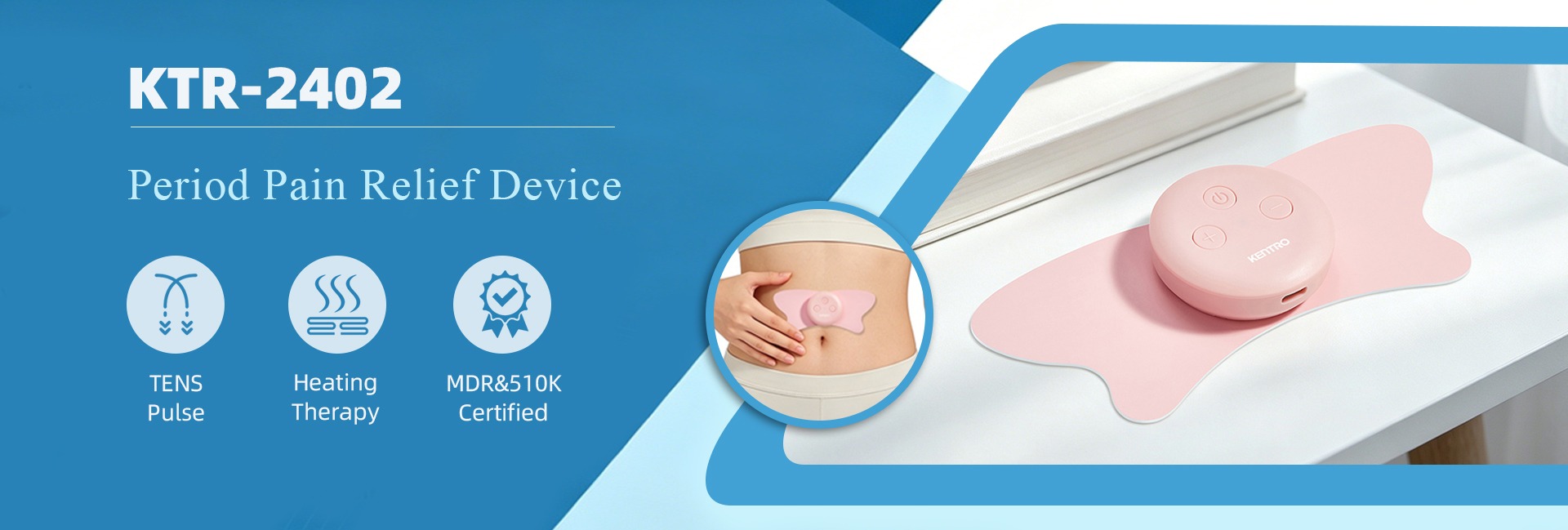
The global physical therapy market is witnessing high demand for multi-modal combination devices. Sourcing trends show a shift toward platforms integrating TENS/EMS with 660nm Red Light and 850nm Near-Infrared (NIR) phototherapy or thermal therapy—especially in foot circulation stimulators and targeted menstrual pain relief patches.
3. Cable-Free Ultra-Wearable Form Factors & App Connectivity
Bulky desktop units with tangled leads are rapidly losing market share in the consumer healthcare channel. Sourcing preference is shifting heavily toward lightweight, rechargeable wireless TENS/EMS pods controlled via Bluetooth Low Energy (BLE 5.2) mobile applications or magnetic wireless handheld remotes with intelligent LCD touch interfaces.
Key Product Development Trends Shaping Next-Gen TENS/EMS Units
To maintain a competitive edge, distributors must align their OEM/ODM product specifications with state-of-the-art technological developments. At Vilicus Medical, our group R&D engineering team (comprising over 300 hardware, firmware, and mechanical specialists) integrates several core engineering advancements into modern electrotherapy lines:
Constant Current (CC) Output Drivers
Traditional lower-tier TENS devices utilize constant voltage circuits where electrical current fluctuates based on skin impedance changes (e.g., sweating or dry skin), causing uncomfortable stinging sensations. Next-generation Vilicus units utilize dynamic Constant Current feedback circuits that automatically adjust output voltage up to 100V peak-to-peak, maintaining precise, comfortable micro-ampere pulse delivery across all tissue loads.
Adaptive DIY Waveform Customization
Recognizing that clinical pain profiles vary per patient, advanced Vilicus 5-in-1 units feature user-programmable "DIY" modes. Importers can customize frequency modulation (FM), pulse duration modulation (PM), ramp-up times (0.5s to 5s), and contraction/relaxation cycles, allowing brand owners to offer proprietary therapeutic programs protected by custom firmware.
Medical-Grade Power Management Systems (BMS)
Ensuring compliance with IEC 60601-1 electrical safety standards, Vilicus TENS units are fitted with high-density Lithium-polymer battery packs controlled by intelligent Power Delivery (PD) Type-C ICs. Features include over-voltage protection, auto-load detection (safety shutdown when electrode pads detach), and ultra-low standby current drain for prolonged shelf life during transit and warehousing.
Biocompatible Hydrogel Electrode Pad Technology
Therapeutic efficacy depends directly on current dispersion across the skin interface. Vilicus manufactures Japanese-formulated carbon-film hydrogel pads featuring non-irritating, self-adhesive biocompatible hydrogels certified under ISO 10993 cytotoxicity and skin irritation testing, providing stable electrical conductivity across 30+ reusable treatment cycles.
Shenzhen Vilicus Medical Electronics Co., Ltd.
Your verified OEM/ODM partner for high-precision home electrotherapy and rehabilitation equipment.
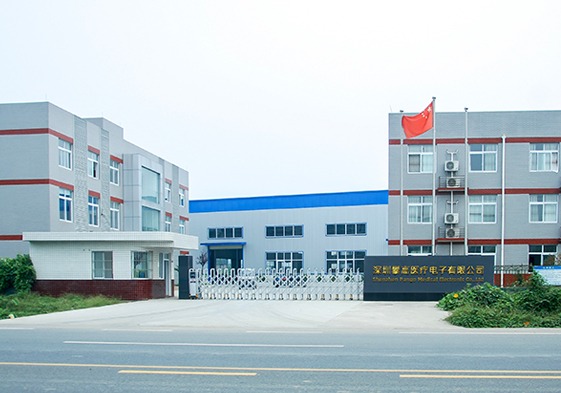
Established as a specialized medical electronics enterprise in Shenzhen, China, Shenzhen Vilicus Medical Electronics Co., Ltd. builds upon a rich group manufacturing heritage dating back to 2000, launching its dedicated electrotherapy division in 2013. Operating out of a state-of-the-art 15,700 square meter industrial facility in Henggang Street, Shenzhen, our facility employs over 210 highly trained assembly technicians, certified quality controllers, and electro-medical specialists.
Our integrated manufacturing infrastructure spans the entire production lifecycle, minimizing third-party reliance and safeguarding client intellectual property:
Tooling & Injection Moulding
In-house precision plastic injection moulding equipped with automated robotic arms ensures high structural integrity and flawless aesthetic finishing for device enclosures.
SMT Surface Mount Assembly
High-speed Yamaha SMT placement lines deliver precise PCB component mounting, micro-controller programming, and automated optical inspection (AOI).
Dust-Free Assembly Lines
Class-controlled assembly workshops dedicated to medical-grade device fabrication, electrode pad packaging, and physiological parameter testing.
100% Burn-in & Safety Testing
Every finished unit undergoes 100% full-load electro-functional testing, insulation resistance checks, pulse shape verification, and aging tests before export packaging.
International Regulatory Certifications & Quality Compliance
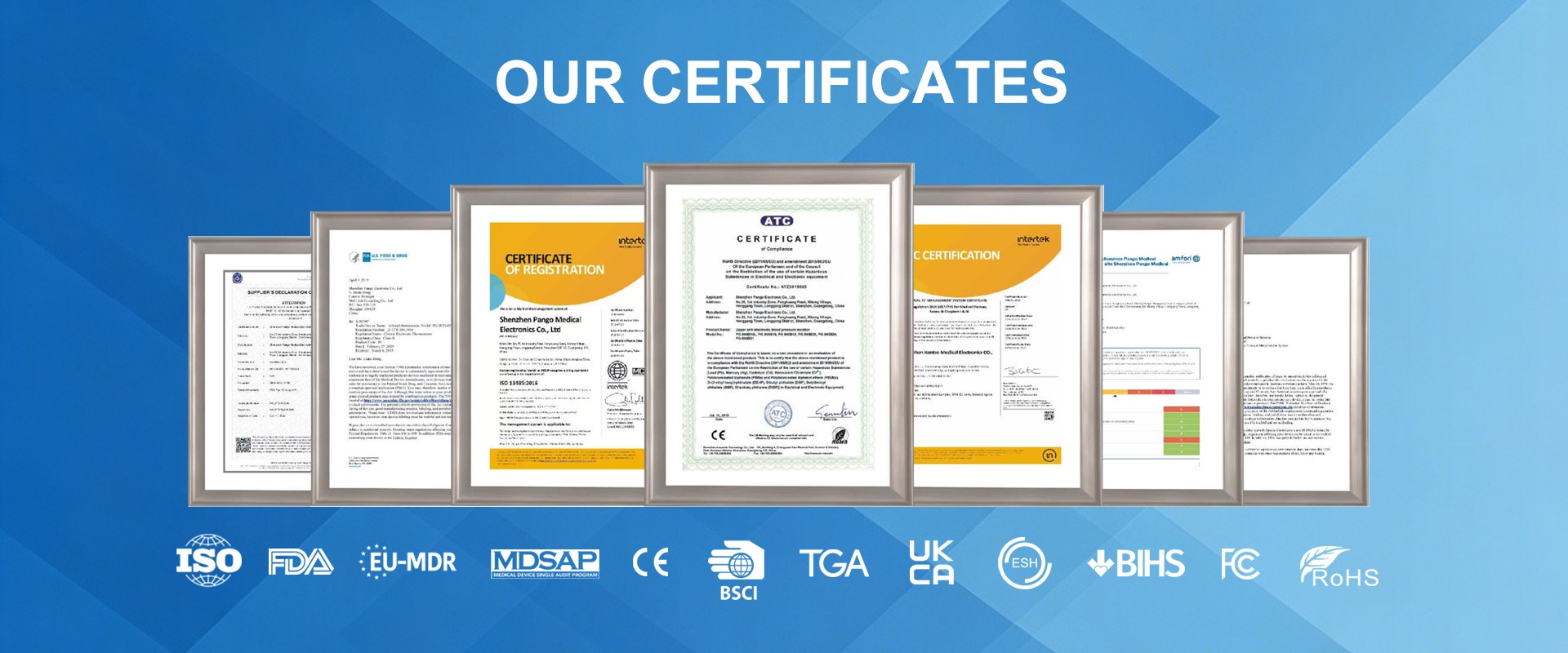
Vilicus Medical operates under an audited ISO 13485 Medical Device Quality Management System. Our manufacturing facility has been physically inspected onsite by SGS and maintains BSCI social compliance certification. Depending on product classification and target destination, our portfolio holds full market clearance qualifications including:
- European Union: CE Marking under EU MDR 2017/745 Class IIa certificate and RoHS 2.0 hazardous substance testing.
- United States: FDA 510(k) clearance for over-the-counter (OTC) pain relief and muscle conditioning devices.
- Australia: TGA (Therapeutic Goods Administration) medical device listing.
- International Standards: Full compliance with IEC 60601-1 (General Safety), IEC 60601-1-2 (Electromagnetic Compatibility - EMC), and IEC 60601-2-10 (Particular requirements for nerve and muscle stimulators).
Frequently Asked Questions for Importers & Distributors
Detailed technical, commercial, and regulatory guidance to streamline your wholesale procurement process.
What is the typical Minimum Order Quantity (MOQ) for OEM/ODM electrotherapy orders?
Our standard MOQ for OEM private label manufacturing (including custom silkscreen logo, localized user manual, and customized retail color box) starts at 1,000 units for handheld wired and wireless TENS EMS combination models. For specialized high-tier units such as EMS foot circulation stimulator platforms, MOQ starts at 500 units. Entry-level wireless pulse patches start from 3,000 units. We also support lower sample batch orders for clinical evaluation and regulatory trial runs.
How does Vilicus assist global buyers with EU MDR and US FDA regulatory filings?
We provide complete Technical Documentation (TD) files, including CE Declaration of Conformity (DoC), IEC 60601 safety test reports from accredited laboratories (such as SGS or TÜV), ISO 10993 biocompatibility reports for hydrogel pads, and risk management documentation under ISO 14971. For US importers, we supply FDA 510(k) K-numbers and Device Master Files (DMF) to expedite your local distribution clearance.
Can we customize the pulse software waveforms, program modes, and user interface?
Yes. Supported by our 300+ group R&D engineering department, Vilicus offers extensive firmware customization. We can reprogram pulse widths (50–400 µs), output frequencies (1–150 Hz), ramp times, treatment timers, and custom LCD screen icons to align with your brand's clinical protocols or unique market positioning.
What is the shelf life and reuse cycle of your electrode hydrogel pads?
Vilicus hydrogel electrode pads feature a sealed shelf life of 24 to 36 months when stored in original protective foil pouches under controlled ambient conditions. Under standard clinical or consumer use, each pad delivers 30 to 50 application cycles. We utilize premium biocompatible Japanese conductive gels to prevent skin residue and maintain uniform current impedance.
What is the lead time for prototype sampling and mass production?
Standard off-the-shelf evaluation samples are dispatched within 3 to 5 working days. Custom OEM prototypes (with custom housing colors and printed logos) require 10 to 15 days. Mass production lead time for standard initial orders is 30 to 35 days upon artwork confirmation and deposit receipt, with repeat orders expedited within 25 days.
Accelerate Your Electrotherapy Product Line Today
Partner with Shenzhen Vilicus Medical Electronics Co., Ltd.—your trusted ISO 13485 certified manufacturer for CE-marked TENS, EMS, Menstrual Pain Relief, and Foot Therapy systems. Contact our engineering and export team now for customized quotations and technical documentation packages.