CE & MDR Compliant NMES/TENS Hardware Solutions
Explore our flagship neuromuscular electrical stimulators engineered for pain management, physical rehabilitation, dysmenorrhea relief, and deep tissue activation.
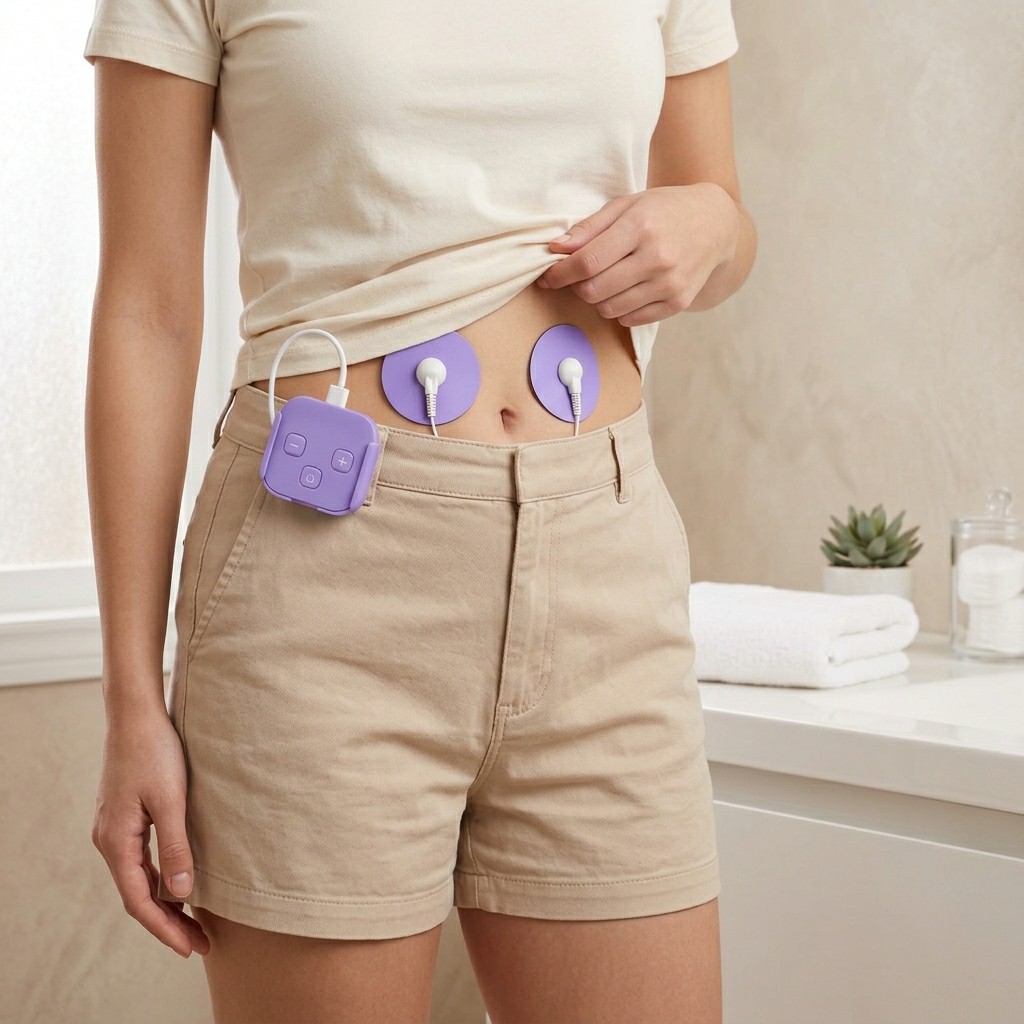
Rechargeable Period Pain Therapy Device Menstrual Cramp Relief TENS Machine
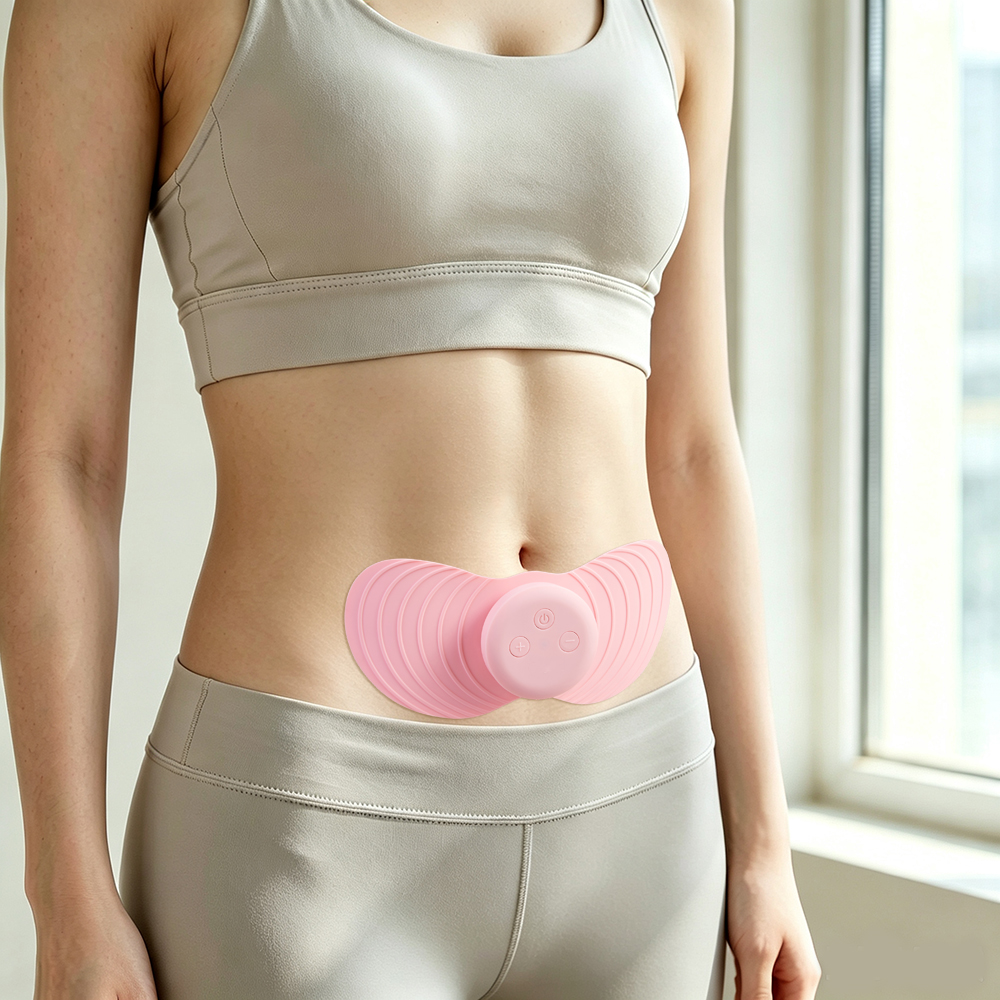
Smart Portable TENS Electrode Pad Menstrual Cramp Massager Wireless Unit
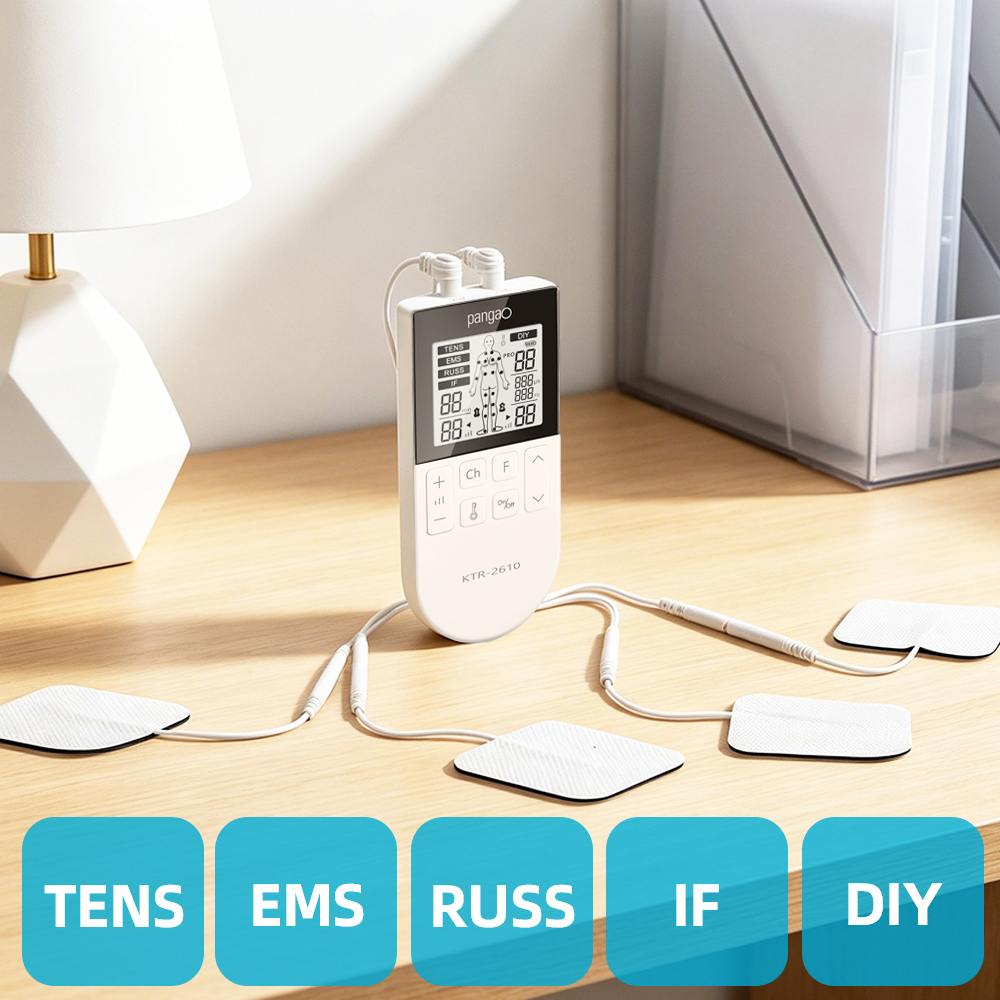
Rechargeable Electric Pulse 5-in-1 Combo Dual Channel EMS TENS Unit
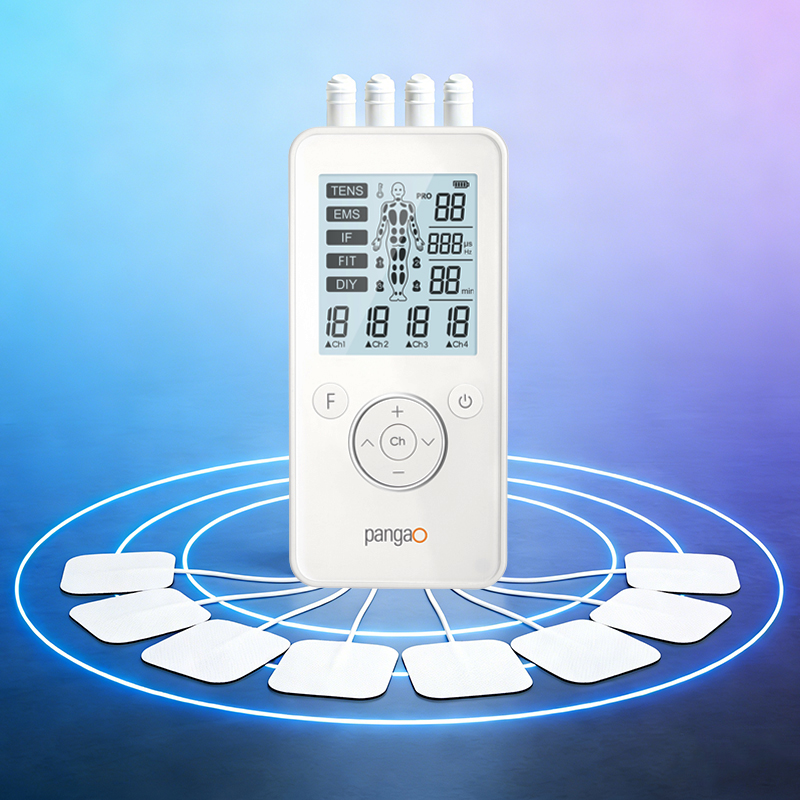
Electric Large Screen Muscle Stimulator 4 Channels EMS TENS Machine
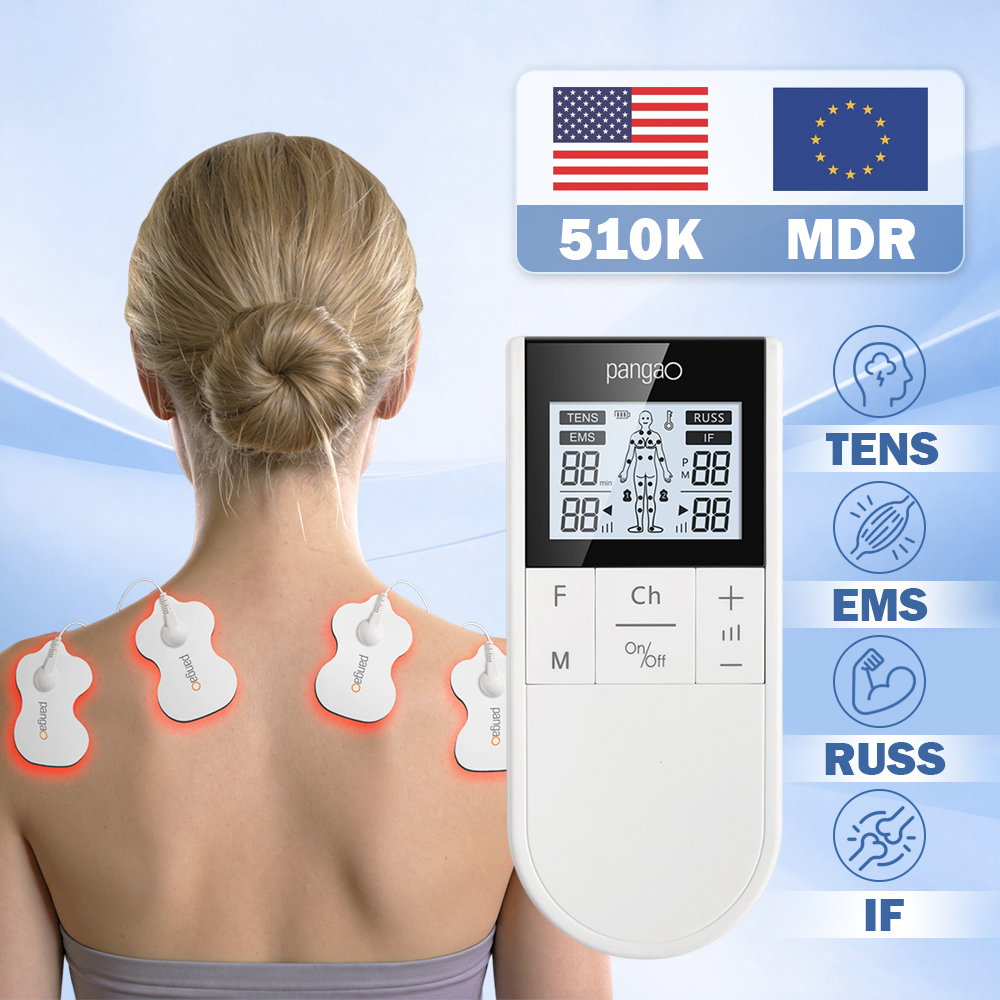
Digital Portable Low Frequency Pulse Physical Therapy 2 Channels TENS Machine
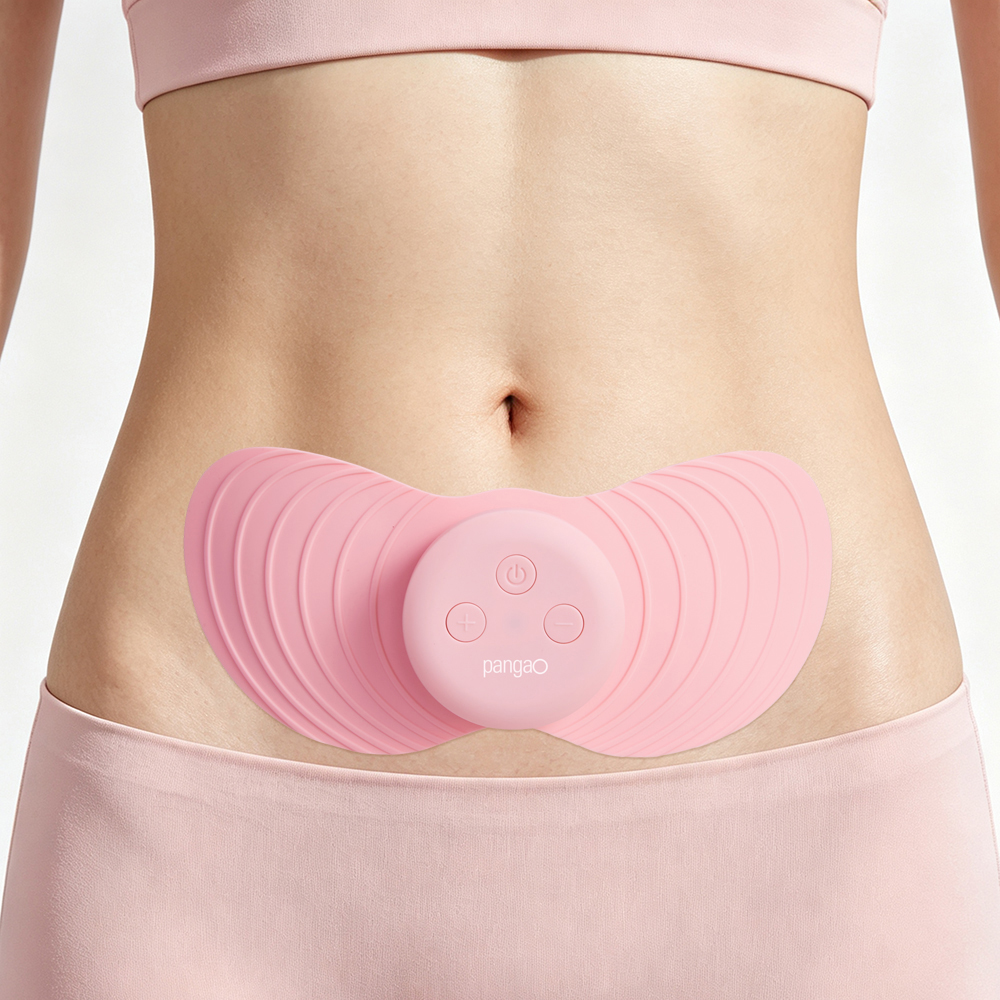
Wireless Portable Electronic Period Pain Relief TENS Unit with Heating
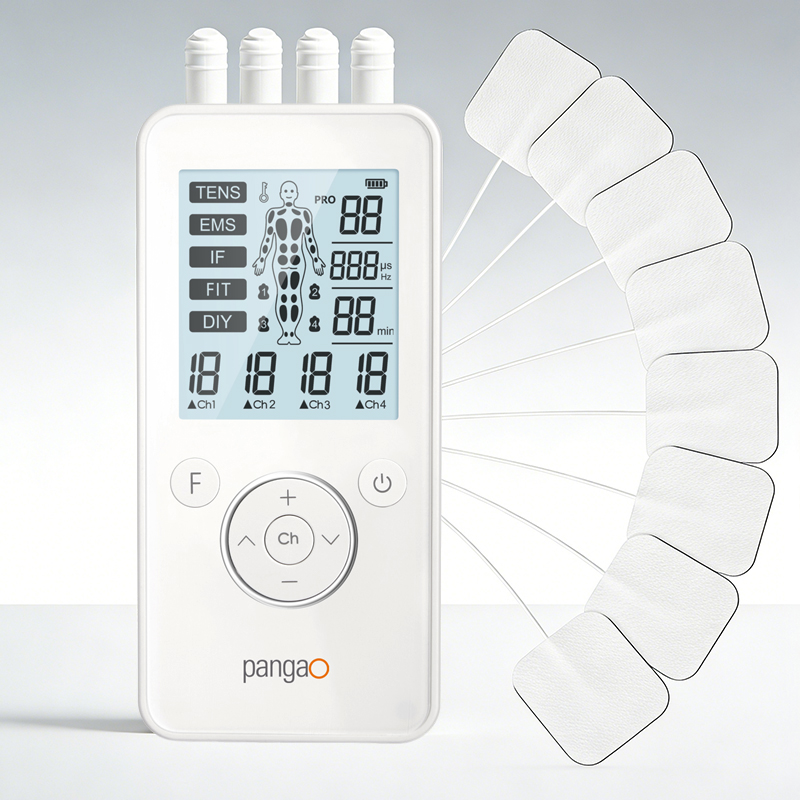
Wholesale Professional Electric Pulse Therapy Device 4 Channels EMS TENS
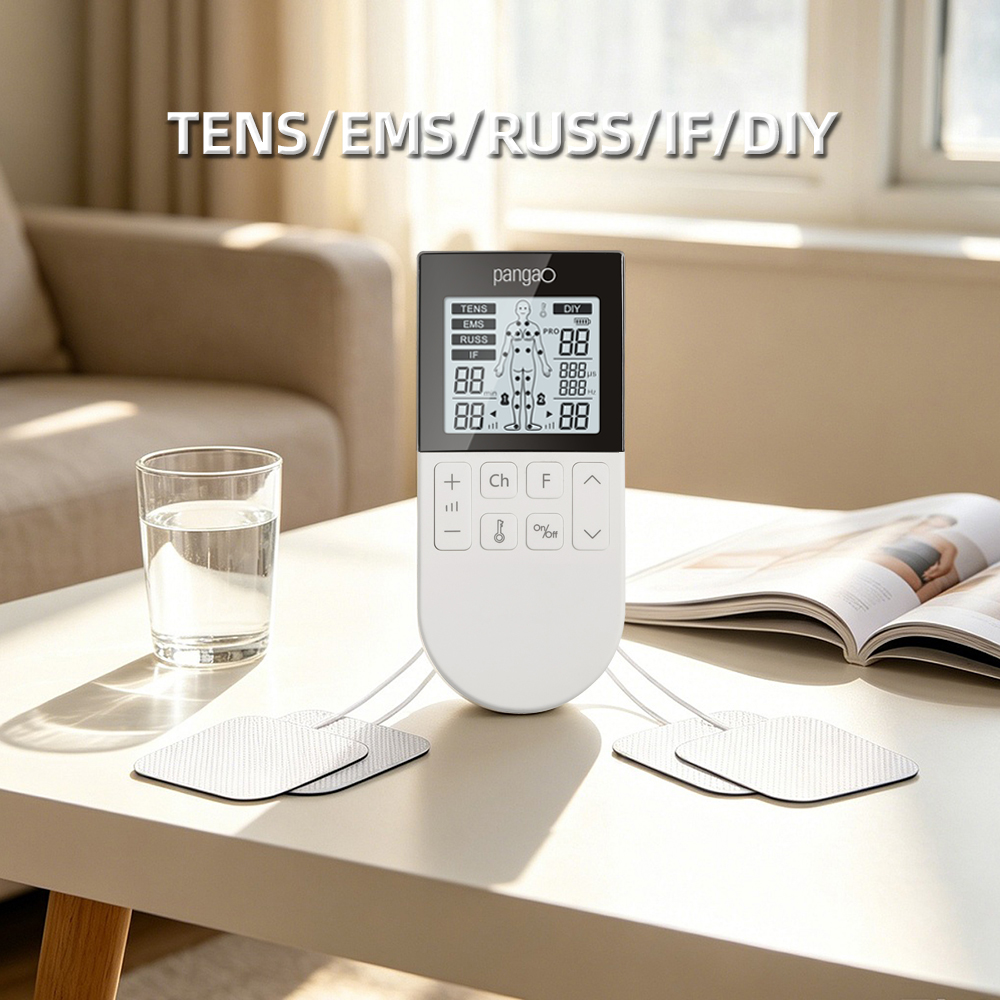
KTR-2610 Pain Relief Electrotherapy Equipment EMS Muscle Stimulator TENS
Engineering White Paper: Neuromuscular Electrical Stimulation (NMES) System Architecture & Manufacturing Compliance
Neuromuscular Electrical Stimulation (NMES) represents an essential modality within non-invasive physical medicine, neuro-rehabilitation, and targeted electrotherapeutic pain relief. Unlike Transcutaneous Electrical Nerve Stimulation (TENS)—which predominantly excites sensory nerve fibers (A-beta) to activate the spinal "gate control" mechanism—NMES directly targets peripheral motor nerves (alpha motor neurons) to elicit involuntary muscle contractions. This electrophysiological recruitment triggers cellular metabolic pathways, enhances local microcirculation, prevents disuse muscle atrophy, and accelerates functional re-education.
1. Electrophysiological Mechanisms & Signal Generation Physics
To achieve controlled muscle contraction without causing neural fatigue or epidermal pain, an NMES device must deliver precise biphasic symmetrical or asymmetrical pulse waveforms. The neuro-excitation threshold is dictated by the strength-duration curve: shorter pulse widths (50–100 μs) preferentially activate sensory nerves, whereas longer pulse widths (200–400 μs) at lower frequencies (20–80 Hz) depolarize the thicker motor axons required for sustained tetanic muscle contraction.
Biphasic Symmetrical Waves
Prevents net charge accumulation (zero net DC balance) across electrode pads, completely mitigating skin polarization and chemical burn hazards under long-duration treatment protocols.
Programmable Ramp Modulations
Configurable ramp-up (0.5s to 5s) and ramp-down timings allow smooth physiological motor unit recruitment, matching natural central nervous system signal delivery.
Constant Current Driver (CC)
Maintains steady micro-Coulomb discharge regardless of skin-impedance fluctuations (ranging from 500 Ω to 2,000 Ω), protecting patients from sudden current surges.
2. Technical Parameter Matrix: Comparing Modalities
When evaluating suppliers for CE-certified electrotherapy equipment, procurement officers must align output parameters with intended medical claims. Below is a comparative engineering overview across standard modalities manufactured within our facility:
| Parameter / Feature | NMES / EMS Mode | TENS Mode | Interferential (IF) | Russian Current |
|---|---|---|---|---|
| Primary Objective | Motor nerve stimulation, muscle hypertrophy & re-education | Sensory nerve blockage, acute/chronic analgesia | Deep tissue analgesia via medium-frequency beat | High-intensity muscle strengthening & athletic rehab |
| Carrier Frequency | Low Frequency (1 Hz – 120 Hz) | Low Frequency (2 Hz – 150 Hz) | Medium Frequency (4,000 Hz) | Medium Frequency (2,500 Hz burst) |
| Pulse Width Range | 200 μs – 400 μs | 50 μs – 250 μs | Adjustable amplitude envelope | 50 Hz burst frequency (50% duty cycle) |
| Targeted Nerve Type | Alpha Motor Neurons | A-Beta & A-Delta Sensory Fibers | Deep Visceral & Joint Nerves | Fast-Twitch Muscle Fibers (Type II) |
| Typical Clinical Application | Post-stroke rehab, quadriceps reactivation, dysmenorrhea | Lower back pain, sciatica, arthritis, postoperative pain | Deep pelvic pain, shoulder joint inflammation | Athletic quad/hamstring strengthening, atrophy prevention |
3. Regulatory Compliance: EU MDR (2017/745) & CE Certification Framework
Under the revised European Medical Device Regulation (EU MDR 2017/745), electrotherapy equipment—including active therapeutic devices for pain relief and muscle stimulation—falls under Class IIa medical devices (Rule 9). Achieving CE certification requires rigorous compliance beyond simple electromagnetic compatibility (EMC):
IEC 60601-1 & IEC 60601-2-10 Standards
Full compliance with general electrical safety and specific requirements for the safety of nerve and muscle stimulators, including open-circuit voltage limiting (<100V peak) and output waveform accuracy.
ISO 10993 Biocompatibility
Hydrogel electrode pads and wearable silicone chassis undergo strict ISO 10993-5 (Cytotoxicity), ISO 10993-10 (Sensitization), and ISO 10993-23 (Irritation) testing to ensure zero skin reaction.
Clinical Evaluation Reports (CER)
Our OEM partners receive comprehensive Clinical Evaluation Documentation (MEDDEV 2.7/1 Rev 4) backed by clinical trial data and literature reviews supporting therapeutic equivalence.
Cybersecurity & Software (IEC 62304)
For Bluetooth/App-connected TENS and NMES devices, software life-cycle processes are validated according to IEC 62304, ensuring encrypted wireless transmission and fault-tolerant firmware.
Future Procurement Trends: What Global Importers & Brands Must Plan For
As the home healthcare and non-pharmacological pain management markets expand exponentially, sourcing directors must adapt to four pivotal shifts in neuromuscular stimulation manufacturing:
1. Multi-Modal Synergies (Heat + Light + Pulse)
Standalone TENS is rapidly being replaced by multi-modal platforms combining NMES with photobiomodulation (660nm Red Light / 850nm Near-Infrared) and graphene thermal warming for accelerated joint and dysmenorrhea care.
2. Miniaturization & Cable-Free Wearables
Consumers demand discreet, ultra-thin wearable patches. Sourcing emphasis has pivoted toward high-energy-density Li-polymer micro-batteries, magnetic electrode snaps, and low-power MCU chipsets.
3. Adaptive Bio-Feedback Protocols
Next-generation NMES devices integrate real-time skin contact impedance sensors to automatically dynamically adjust current output, preventing stinging sensations and maximizing comfortable muscle recruitment.
Why Top Global Brands Partner with Our Manufacturing Base
Shenzhen Vilicus Medical Electronics Co., Ltd. delivers vertically integrated electrotherapy device design, prototyping, tooling, and mass assembly under one accredited medical quality management system.
Modern Industrial Footprint
Located in Henggang, Shenzhen, our 15,700 m² state-of-the-art production facility houses automated SMT lines, dust-free assembly cleanrooms, and dedicated electrical safety isolation testing stations.
Engineers & Firmware Specialists
Our group R&D team covers analog circuit engineering, custom waveform synthesis, algorithmic pulse control, mechanical enclosure design, and iOS/Android app customization for private label partners.
Onsite Verified & BSCI Audited
Our factory undergoes annual third-party audits by SGS and BSCI, guaranteeing ethical labor standards, environmental compliance, and complete supply chain transparency for global importers.
Turnkey Regulatory Technical Files
We provide full technical documentation (TDF) for US FDA 510(k) submission, EU MDR CE clearance, Australian TGA registration, and Health Canada licensures, dramatically reducing your market entry timeline.
Common Questions from Medical Device Buyers & Importers
Partner with a Leading CE Certified NMES & TENS Manufacturer
Elevate your medical product portfolio with ISO 13485 compliant, FDA cleared, and EU MDR ready electrotherapy solutions. Contact our engineering and export team today for technical specs, sample evaluations, and factory-direct wholesale pricing.