Featured Medical Electrotherapy Device Portfolio
Explore our CE-certified, factory-direct OEM/ODM pulse massagers, multi-channel TENS/EMS platforms, and therapeutic body conditioning units engineered for global brands.
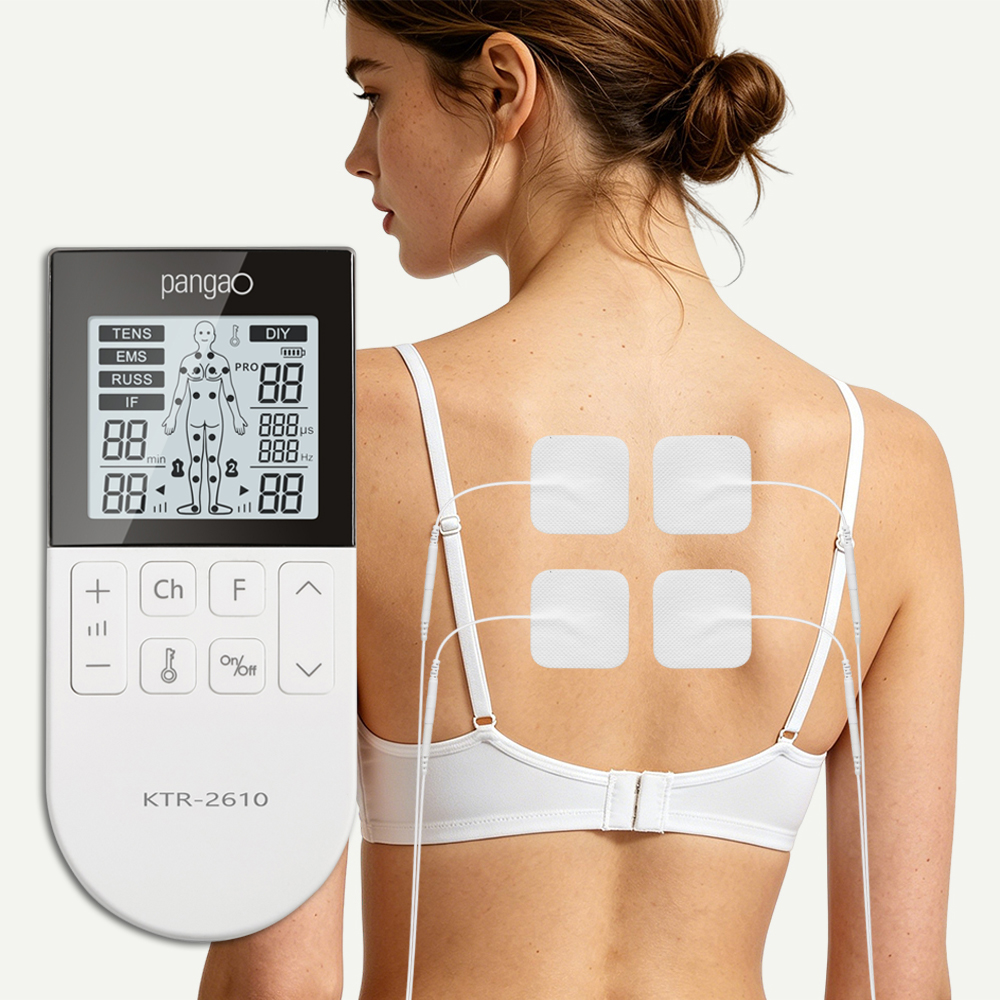
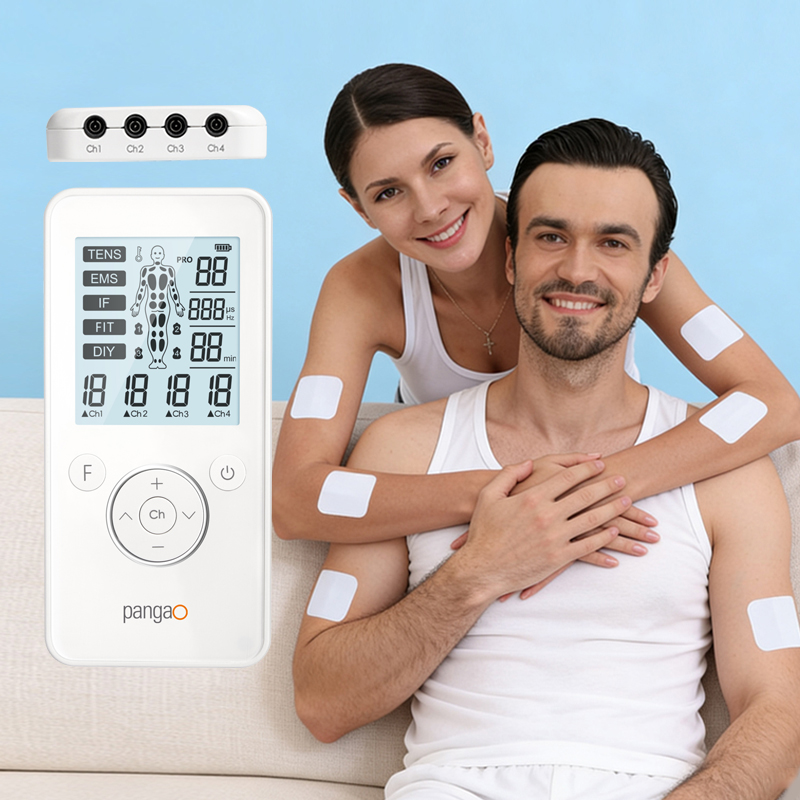
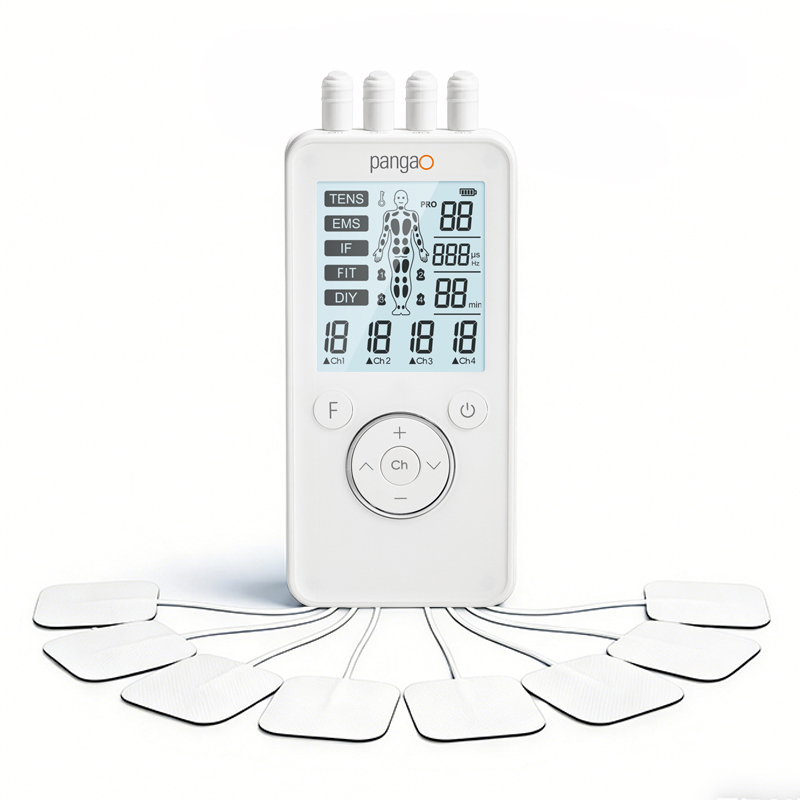
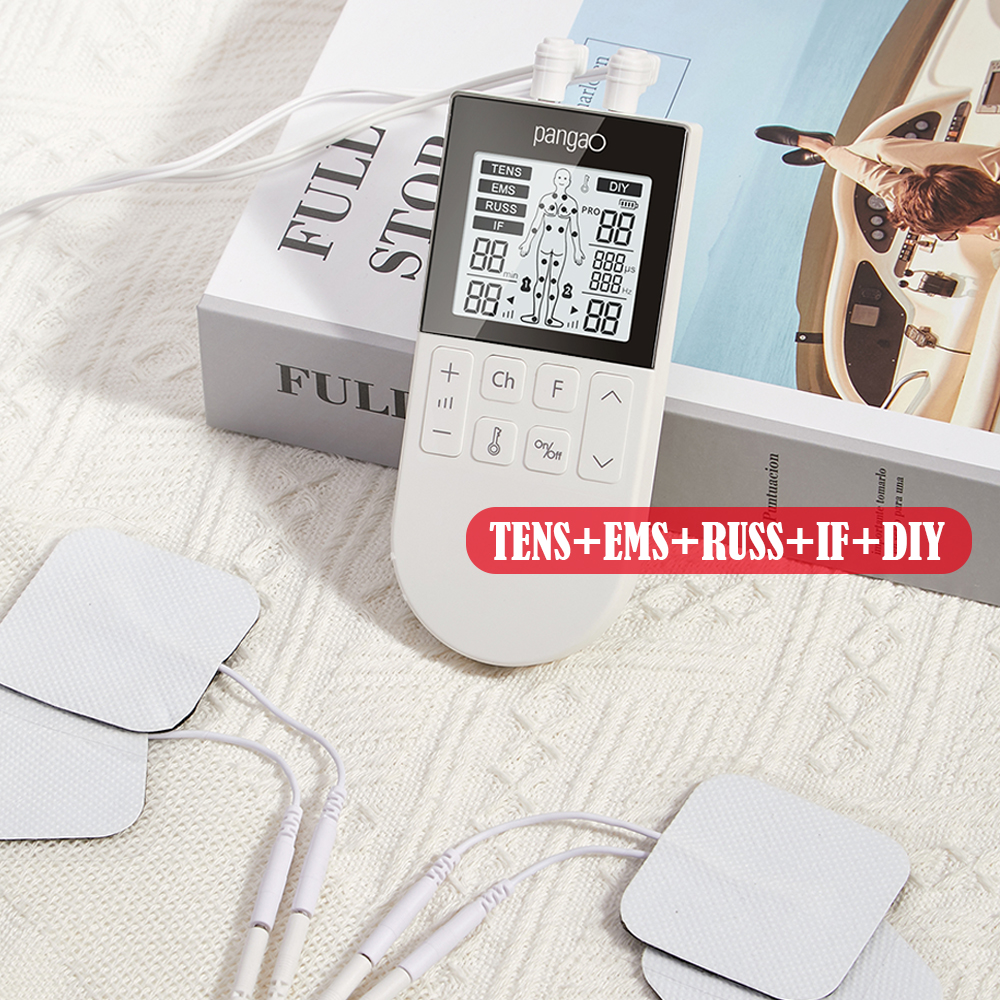
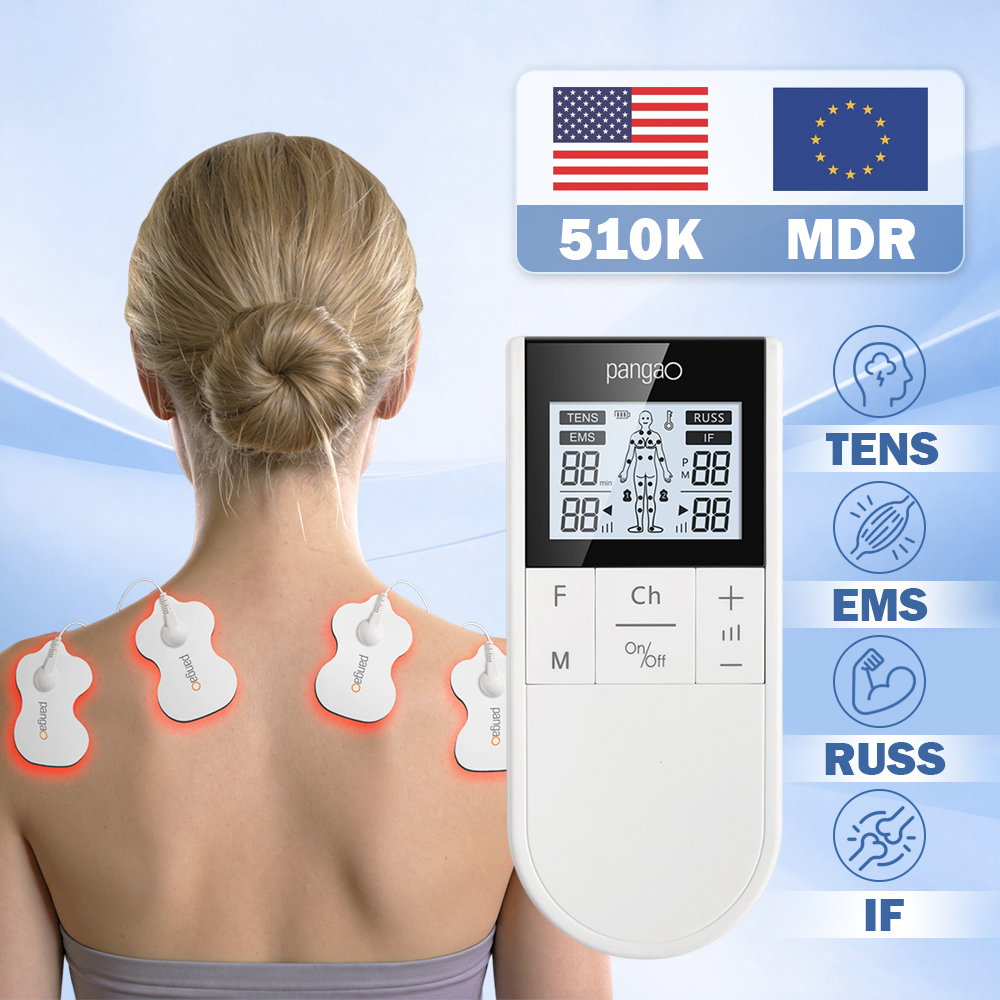
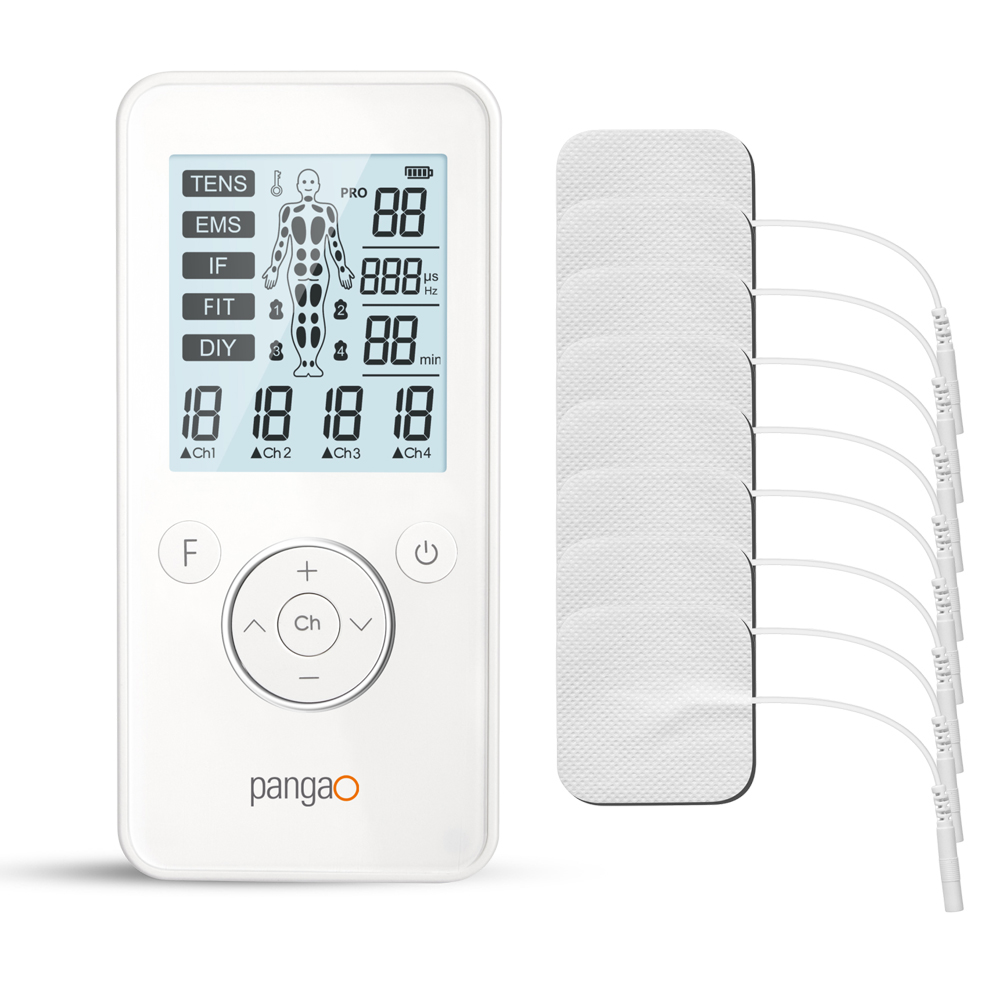
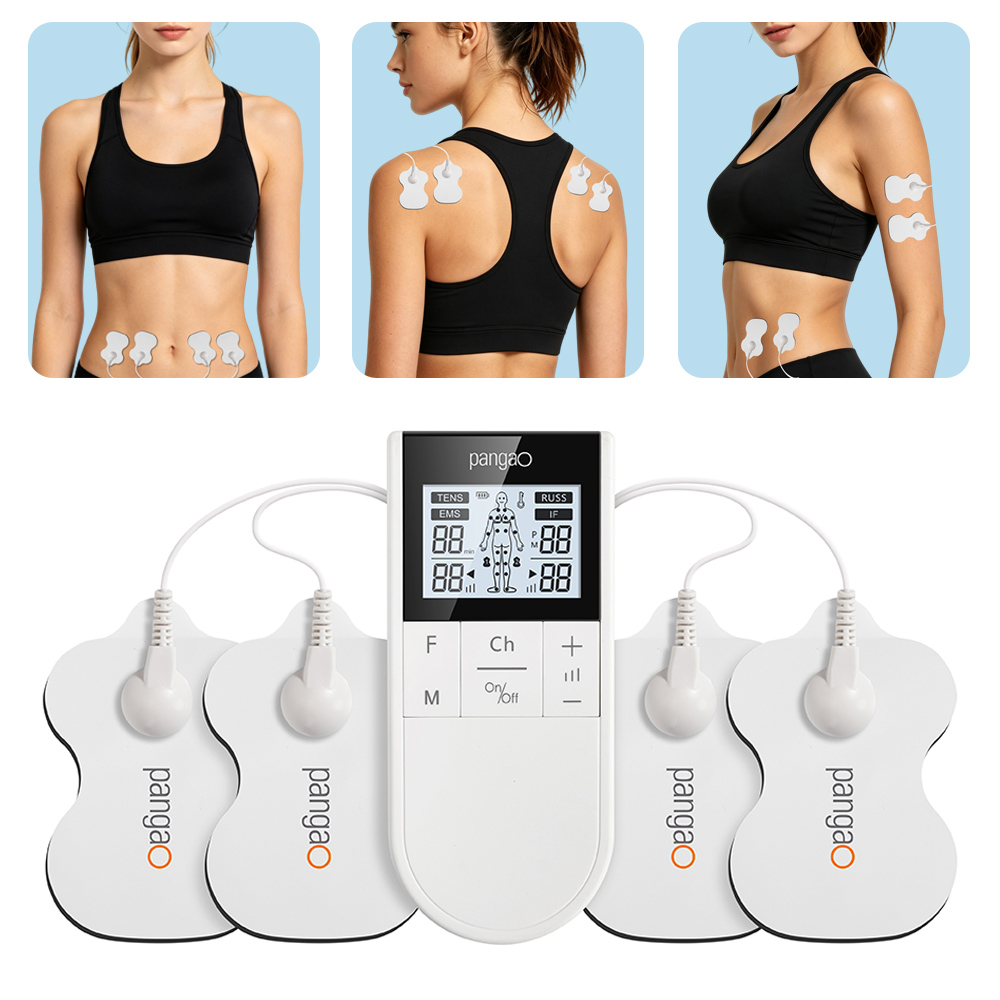
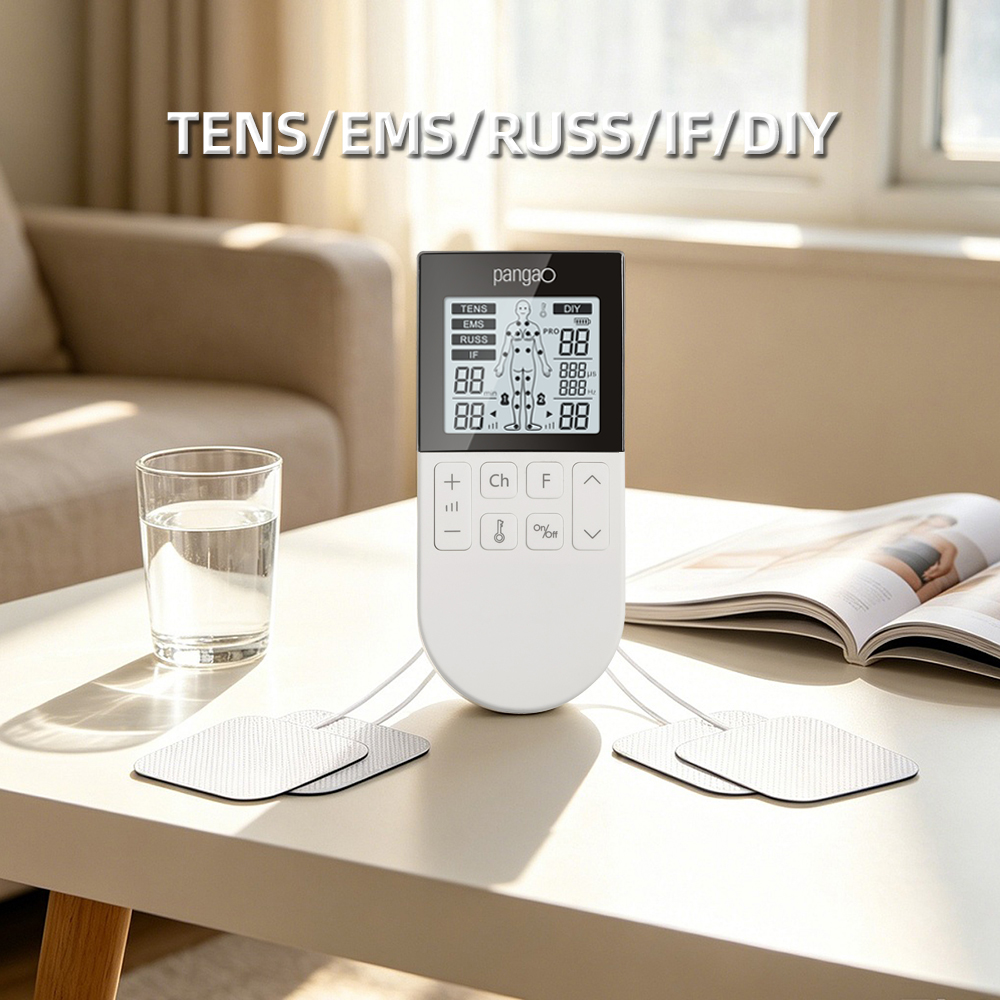
1. Strategic OEM Sourcing: Navigating CE Certified Electronic Muscle Stimulator Factories
An authoritative industry guide for healthcare buyers, medical device distributors, and private-label brand managers evaluating high-precision electrotherapy manufacturing capabilities.
The global market for transcutaneous electrical nerve stimulation (TENS) and neuromuscular electrical stimulation (NMES / EMS) devices has undergone a significant transformation. Driven by non-invasive pain management trends, aging demographics, and post-athletic rehabilitation protocols, international buyers require manufacturing partners who offer more than basic contract assembly. Partnering with a premier CE Certified Electronic Muscle Stimulator Factory requires evaluating biomedical signal safety, regulatory documentation depth, firmware stability, and automated quality control.
Shenzhen Vilicus Medical Electronics Co., Ltd. operates at the intersection of medical compliance and high-volume electronics manufacturing. Serving global markets across North America, Europe, Australia, and Asia-Pacific, our production facilities deliver ISO 13485-certified bio-pulse generators. Whether sourcing dual-channel portable units, 4-channel clinical electrotherapy devices, or smart wireless EMS pads with red-light therapy, understanding factory capabilities under strict European Union Medical Device Regulations (EU MDR 2017/745) and US FDA 510(k) standards is essential for long-term commercial success.
2. Engineering Core: Decoupling TENS, EMS, IF, and RUSS Waveform Architectures
A technical breakdown of pulse shaping, frequency modulation, and energy output parameters implemented within factory OEM platforms.
A true medical-grade electronic muscle stimulator factory must possess deep technical expertise in generating stable, multi-mode electrical pulses. Different therapeutic modalities require precise adjustments in pulse width (duration), pulse rate (frequency), voltage output, and waveform symmetry to target specific peripheral nerves or motor units safely.
TENS (Nerve Stimulation)
Frequency: 1 Hz to 150 Hz | Pulse Width: 50 µs to 250 µs.
Acts primarily on A-beta sensory nerve fibers via the Gate Control Theory of Pain Relief, triggering endogenous endorphin release at lower burst frequencies (1-5 Hz) without provoking involuntary muscular spasms.
EMS / NMES (Muscle Stimulation)
Frequency: 20 Hz to 80 Hz | Pulse Width: 200 µs to 400 µs.
Targets alpha motor neurons, inducing controlled motor unit contractions. Used for muscle re-education, prevention of disuse atrophy, enhanced local microcirculation, and accelerated post-workout recovery.
IF (Interferential Current)
Carrier Frequency: 2,000 Hz to 4,000 Hz.
Utilizes two out-of-phase medium-frequency currents that cross inside deep tissue to yield a low-frequency interference beat (1-100 Hz). Overcomes skin impedance (capacitive resistance) for deeper anatomical tissue penetration with minimal skin irritation.
RUSS (Russian Current)
Carrier Frequency: 2,500 Hz sinusoidal burst.
Delivers high-intensity 50 Hz burst-modulated currents designed for motor nerve depolarization. Preferred by sports medicine therapists and clinical rehabilitation specialists for muscle hypertrophy and rapid isometric force generation.
Factory Engineering Standards & Parametric Limits
| Specification Parameter | Consumer/Retail Grade Standard | Medical-Grade OEM/ODM Standard (Vilicus Platform) | Clinical Relevance & User Safety Impact |
|---|---|---|---|
| Pulse Waveform Type | Monophasic or Uncompensated Biphasic | Symmetrical & Asymmetrical Rectangular Biphasic | Prevents net DC current buildup, eliminating chemical skin burns under electrode sites. |
| Output Intensity Range | 0 - 60 mA (Uncalibrated) | 0 - 100 mA (Constant Current across 500Ω - 1500Ω loads) | Ensures uniform stimulus sensation even as skin impedance varies during sweating or movement. |
| Safety Cut-Off Mechanisms | Basic Timer Only | Open-Electrode Detection, Auto Load Sensing, Over-Current Protection | Instantly drops output voltage to 0V if an electrode pad disconnects, preventing sudden painful shocks. |
| Compliance Certification | CE EMC (Low Voltage Directive) | CE MDR 2017/745 (Class IIa), FDA 510(k), ISO 13485 | Required for legal sales in medical channels, pharmacies, and licensed healthcare networks globally. |
| Battery & Power Circuitry | Generic Alkaline or Basic Li-ion | Medical IEC 62133 Certified Li-Po with NTC Temperature Monitoring | Guarantees thermal safety during rapid charging and prolonged therapeutic wear. |
3. Global Procurement & Technology Trends in Electrotherapy (2025–2030)
Key market vectors driving factory hardware redesign, software integrations, and private-label customization demand.
Sourcing directors and product line managers must align their 3-to-5-year product roadmaps with macro technological and regulatory shifts. Based on empirical trade data and R&D investments across our Shenzhen facility, four dominant trends are defining the future of electronic muscle stimulation manufacturing:
1. Cable-Free, Wearable Miniaturization
Traditional lead-wire machines are rapidly losing market share to ergonomic, wearable wireless pods. Integrated snap-on gel pads, ultra-thin flexible PCBs, and magnetic charging docks allow users to wear TENS/EMS devices discreetly under clothing during daily activities, driving consumer compliance and repeat electrode re-orders.
2. Dual-Therapy Convergence (TENS + Thermal + Red Light)
Multi-modal therapeutic devices represent the fastest-growing SKU segment. Combining electrical micro-currents with 660nm Red Light / 850nm Near-Infrared (NIR) LEDs and rapid graphene heat pads yields synergistic pain relief for chronic conditions like dysmenorrhea (menstrual pain), plantar fasciitis, and peripheral neuropathy.
3. BLE 5.0 App Control & AI Algorithmic Modulation
Next-generation smart EMS devices leverage Bluetooth Low Energy (BLE) to connect with iOS and Android applications. Factory firmware now supports custom treatment routines, cloud-synced therapy logs, and algorithmic pulse modulation that dynamically shifts waveforms to prevent nerve accommodation (habituation).
4. Rigorous Regulatory Enforcement (EU MDR & FDA Audit trail)
Global customs authorities are strictly enforcing medical device compliance. Uncertified consumer electronics factories offering pseudo-medical muscle massagers face heavy clearance blocks. Sourcing from an established CE MDR & ISO 13485 audited facility ensures clean access to European pharmacy chains and hospital supply networks.
Accelerate Your Electrotherapy Product Launch with Vilicus
Looking for a trustworthy CE-certified electronic muscle stimulator factory? Work directly with our engineering team to customize hardware enclosures, PCB layouts, custom waveforms, and retail packaging.
4. The Importer's Audit Guide: Validating CE Certified EMS Manufacturing Facilities
Essential quality assurance protocols, lab test verifications, and regulatory documentation required when evaluating Chinese OEM suppliers.
When selecting a manufacturing partner for medical-grade electronic pulse massagers, price per unit should never obscure regulatory risks. A compliant factory must maintain an exhaustive technical file and undergo rigorous third-party auditing by notified bodies (such as SGS, TÜV, or DEKRA). Below is the baseline compliance framework executed at our Shenzhen production headquarters:
IEC 60601-1 Electrical Safety
Verifies electrical insulation, dielectric strength, leakage current limits, and mechanical integrity under extreme operation conditions, safeguarding patients against shock hazards during high-intensity output.
IEC 60601-1-2 EMC Testing
Electromagnetic Compatibility (EMC) testing guarantees that the TENS/EMS pulse engine neither emits harmful RF interference nor succumbs to external electromagnetic noise from smartphones or household appliances.
ISO 10993 Biocompatibility
Crucial for self-adhesive electrode gel pads and wearable silicone enclosures. Comprehensive testing for Cytotoxicity, Intracutaneous Reactivity, and Skin Sensitization ensures zero dermal irritation during long sessions.
Clinical Evaluation Report (CER)
Under EU MDR Class IIa guidelines, technical files must include robust clinical data, literature reviews, and equivalence analyses supporting treatment efficacy claims for relief of back pain, joint soreness, and dysmenorrhea.
5. Why Partner with Vilicus Medical Electronics: Factory Capabilities
Combining 20+ years of industrial electronics heritage with dedicated biomedical electrotherapy assembly lines.
Shenzhen Vilicus Medical Electronics Co., Ltd. (operating under group electronics manufacturing roots established in 2000 and dedicated electrotherapy lines running since 2013) offers an end-to-end turnkey manufacturing ecosystem. Operating a 15,700 m² facility staffed by over 210 verified technicians and backed by 300+ group R&D engineers, we handle every stage of product creation in-house.
End-to-End Turnkey OEM/ODM Workflow
Specification Brief
Define waveform specs, channel counts, target region certification requirements, and custom target pricing.
Industrial & PCB Design
CAD enclosure modeling, silk-screen layout, custom LCD grid design, and firmware algorithm programming.
Functional Sampling
Rapid 3D SLA prototyping, SMT sample board assembly, output wave verification, and safety pre-testing.
ISO 13485 Mass Production
High-speed SMT placement, ultrasonic welding, automatic optical inspection (AOI), and 100% full-functional testing.
Global Compliance & Logistics
Biocompatible packaging, drop-test validation, export customs documentation, and regional door-to-door freight support.
In-House Tooling & Mold Making
Our dedicated mold-making workshop allows rapid development of custom ergonomic device housings, reducing tooling lead times by up to 30% compared to outsourced competitors.
100% Quality Inspection Guarantee
Every single unit coming off our line undergoes 100% electrical parameter checking, battery charge-discharge calibration, and peak voltage stability testing before final boxed sealing.
Multilingual Global B2B Support
Our dedicated account managers provide 24/7 technical assistance, assisting buyers with custom regional manuals, packaging localizations, and regulatory registration files.
6. Procurement FAQ: Frequently Asked Questions by Global Importers
Direct answers to technical, commercial, and regulatory queries regarding order quantities, custom branding, and factory audits.
Partner with a Premier CE Certified Electronic Muscle Stimulator Factory
Elevate your medical brand, healthcare distribution network, or retail e-commerce platform with certified, highly reliable electrotherapy devices. Contact our engineering and export team today to receive detailed product datasheets, compliance test reports, and competitive volume pricing.