CE & MDR Certified Electric Muscle Stimulators
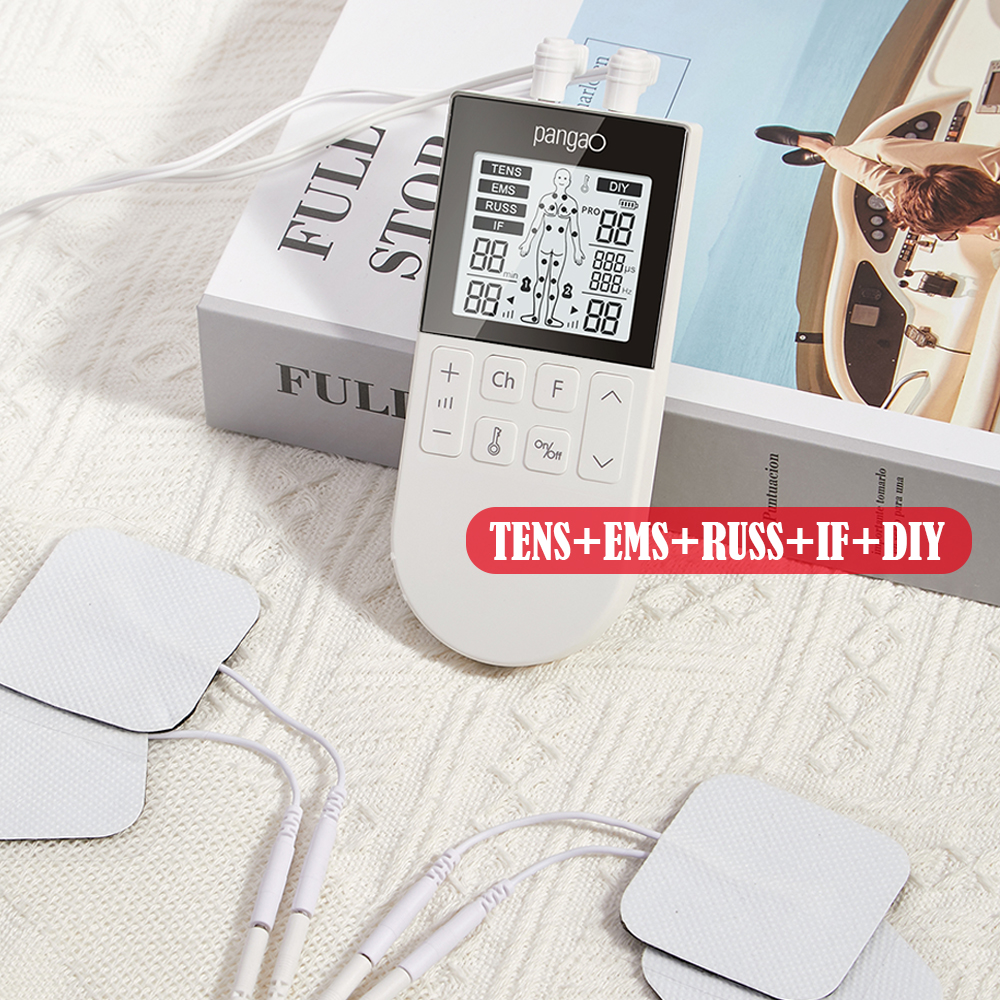
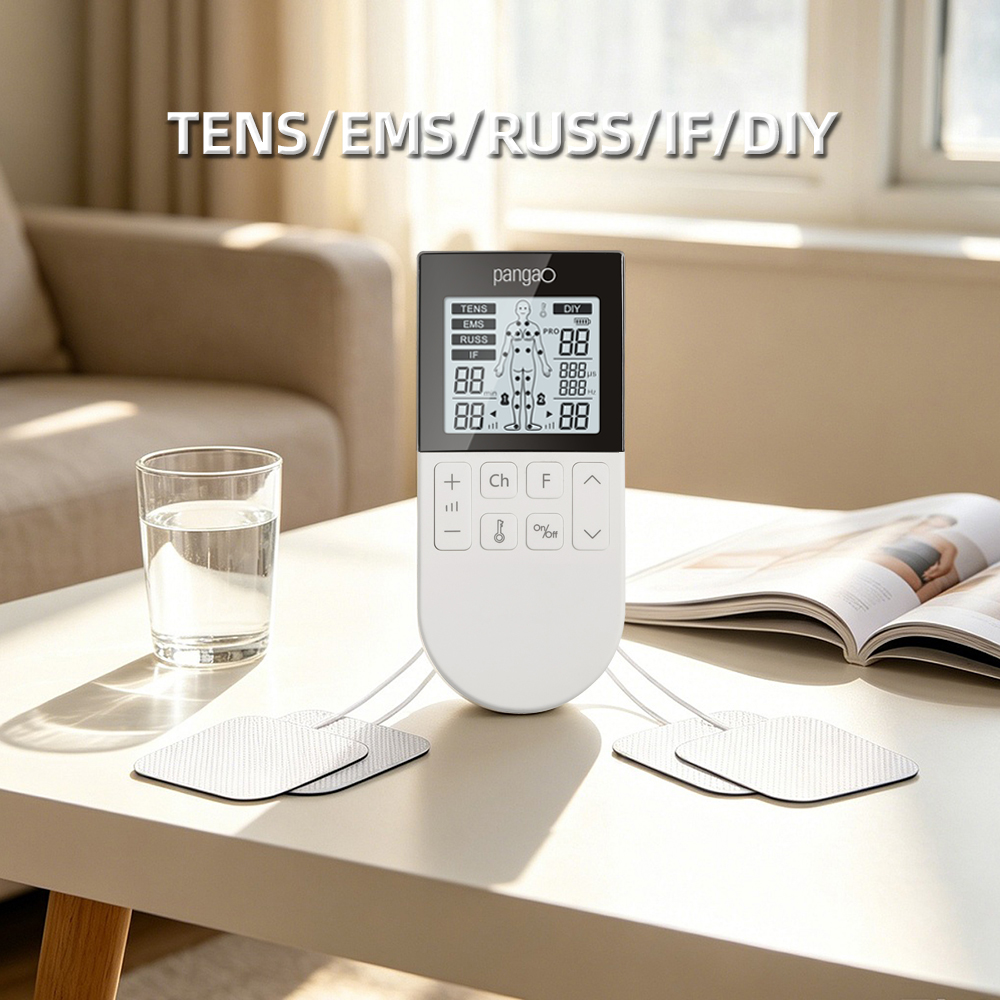
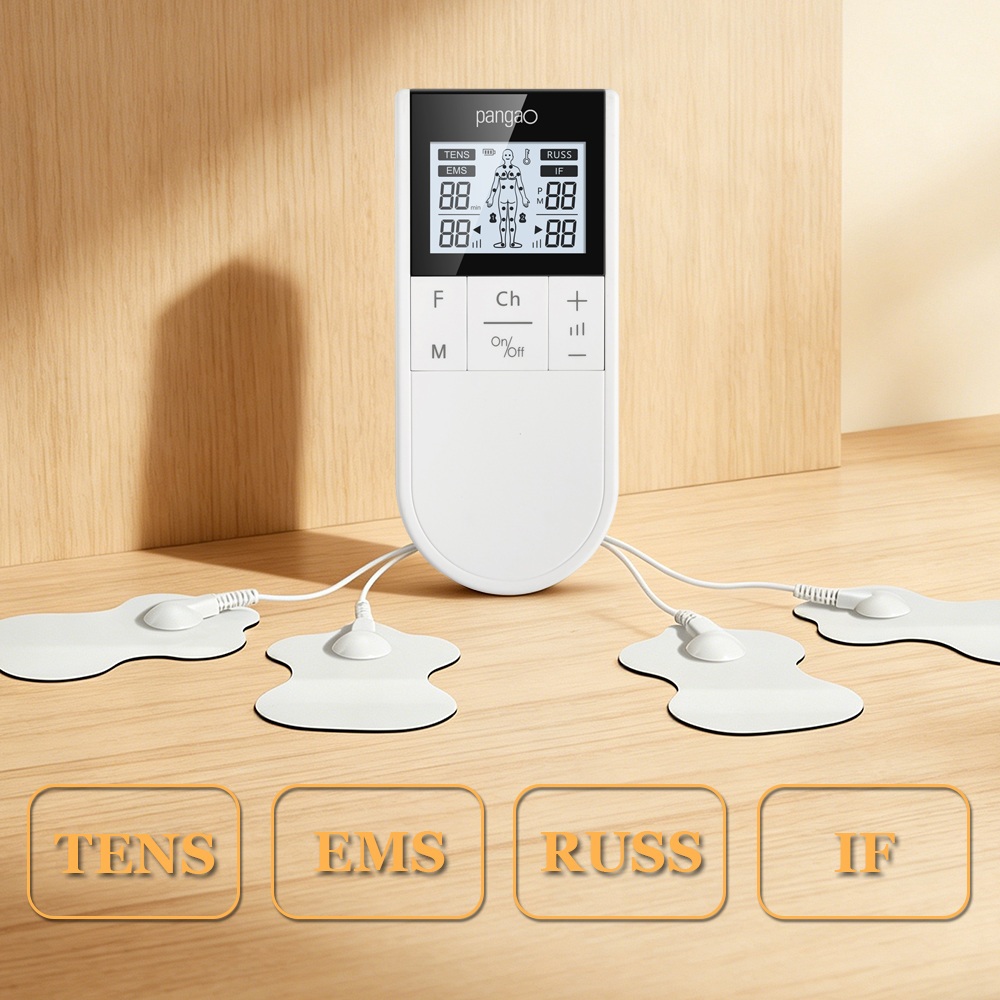
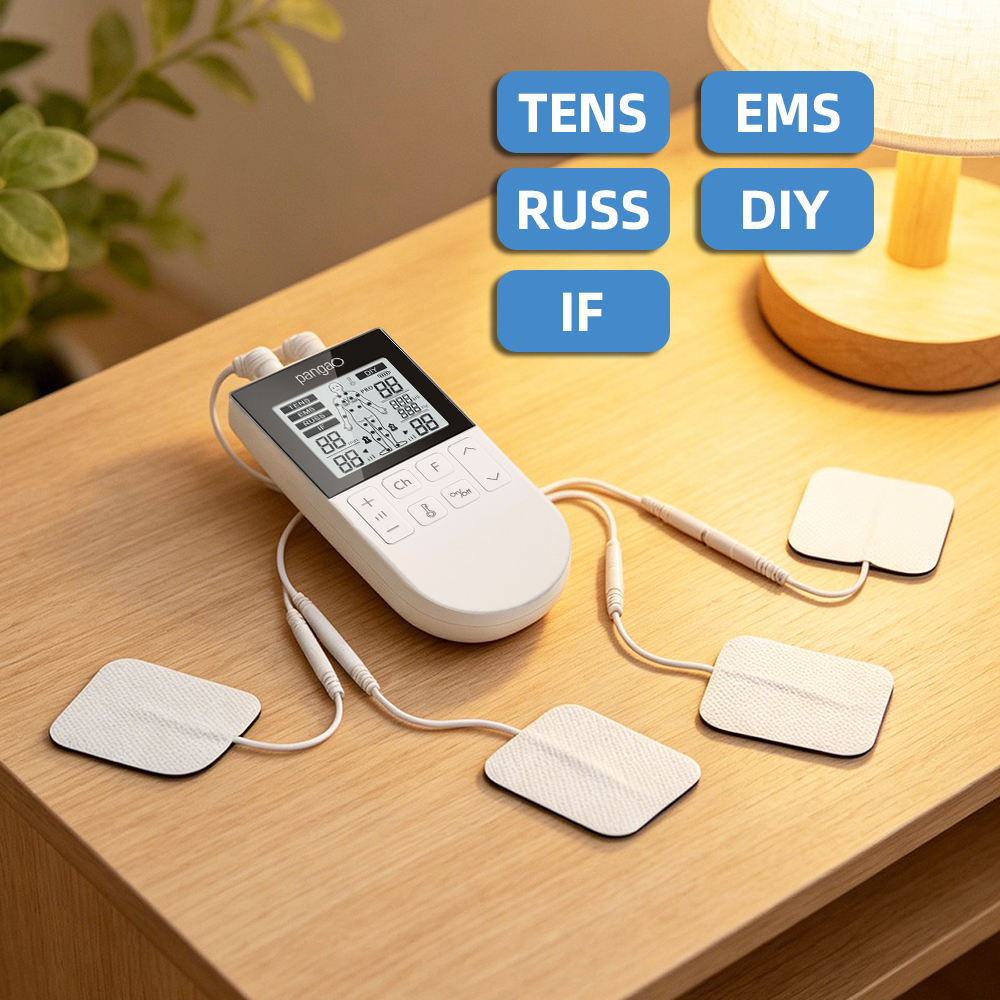
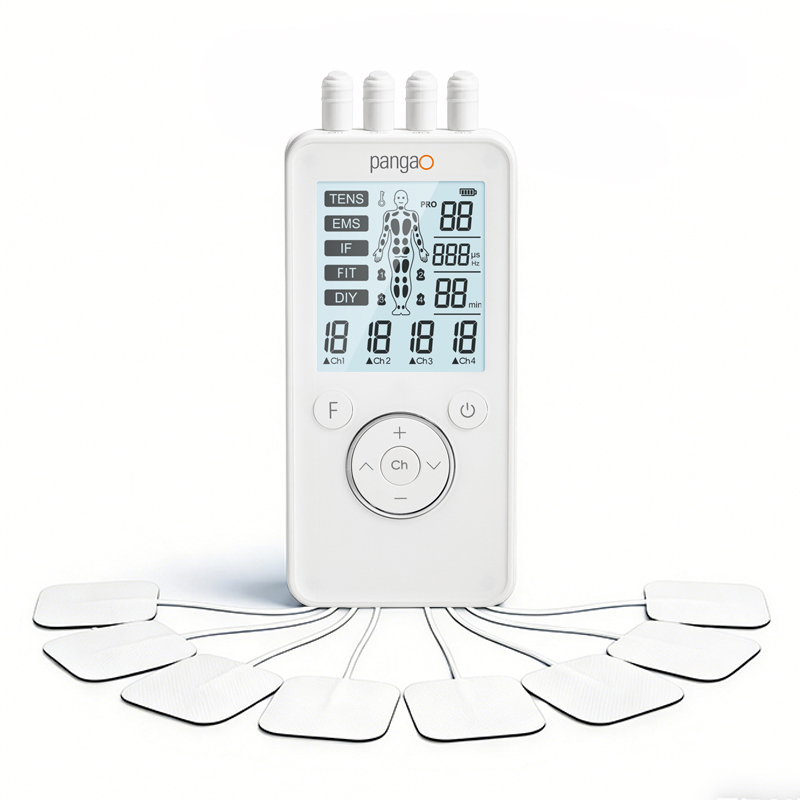
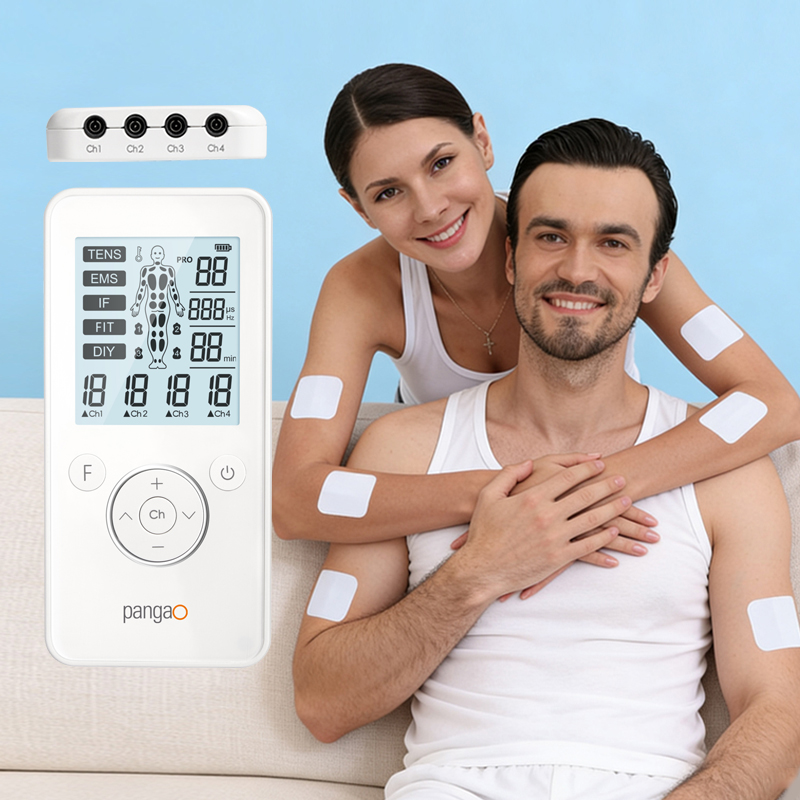
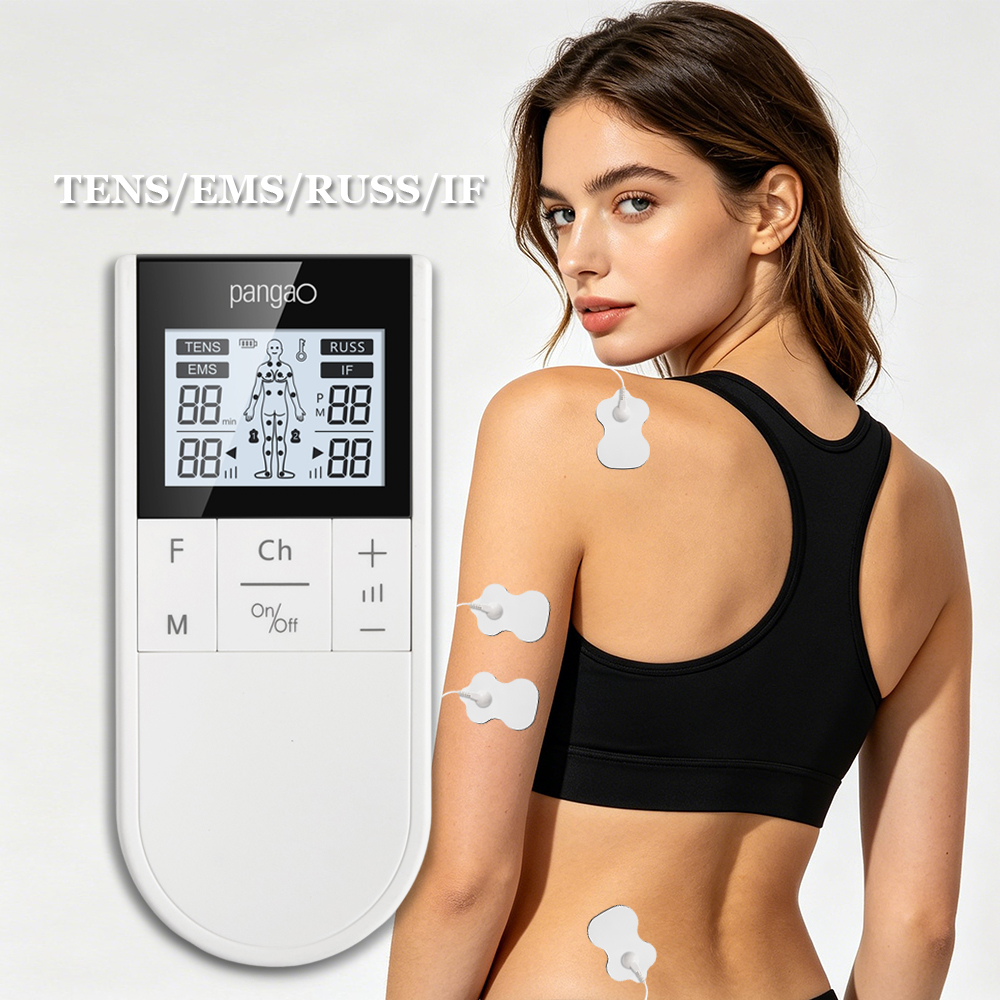
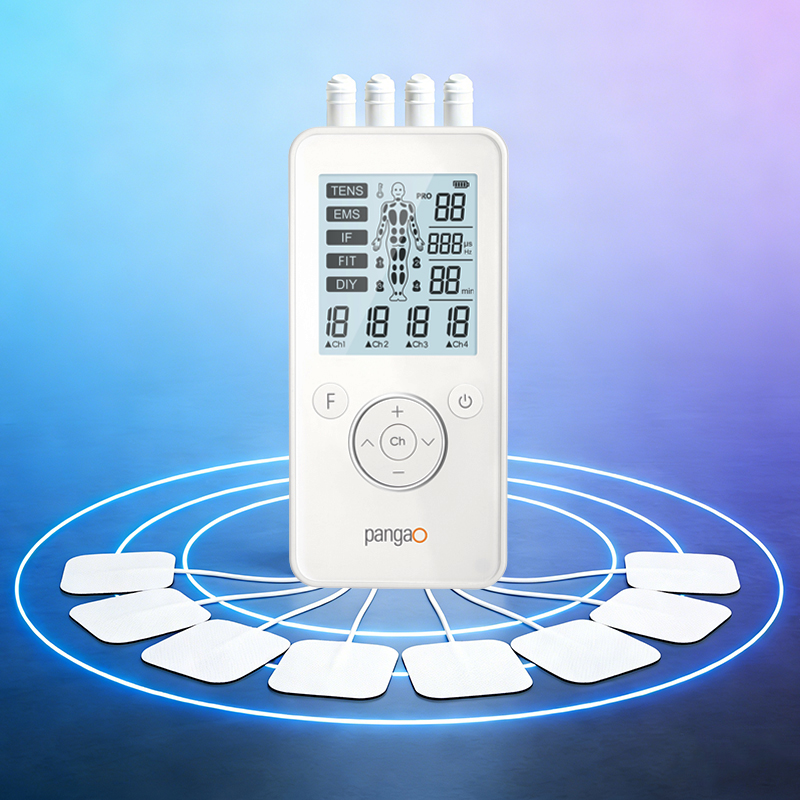
Explore our core OEM portfolio of high-performance TENS, EMS, IF, and Russian stimulation devices engineered for medical clinics, physical therapy centers, and home care distribution.
Industry Whitepaper: Sourcing CE Certified Electric Muscle Stimulators
A comprehensive technical analysis for procurement directors, medical device distributors, and OEM brand owners navigating international compliance, clinical waveform parameters, and manufacturing quality controls.
The Regulatory Evolution: Navigating CE MDR (EU 2017/745) & Global Compliance
In the evolving landscape of electrotherapy manufacturing, securing a CE Certified Electric Muscle Stimulator is no longer merely a regulatory requirement; it is a critical baseline for patient safety, clinical efficacy, and commercial risk mitigation. Under the European Union Medical Device Regulation (EU MDR 2017/745), electric muscle stimulators (EMS) and transcutaneous electrical nerve stimulators (TENS) are categorized as Class IIa active medical devices. This classification demands strict technical documentation, rigorous risk management protocols compliant with ISO 14971, bi-directional traceability, and verifiable clinical evaluation reports (CER).
As a premier OEM/ODM original manufacturer headquartered in Shenzhen, Shenzhen Vilicus Medical Electronics Co., Ltd. operates a state-of-the-art 15,700 square meter facility engineered strictly under ISO 13485 quality management systems. Our certified manufacturing ecosystem ensures every electrotherapy unit supplied to global distributors, hospital networks, and pharmacy channels satisfies the stringent essential requirements of EU MDR, US FDA 510(k), Australian TGA, and international IEC 60601-1 electrical safety and electromagnetic compatibility (EMC) standards.
Technological Evolution & Future Engineering Trends
Key technological shifts reshaping the next decade of electrotherapy manufacturing and digital health integration.
Bi-Phasics & Pulse Precision
Modern EMS devices are moving from basic monophasic square waves toward micro-controlled symmetrical and asymmetrical balanced bi-phasic waveforms. This minimizes skin charge accumulation, prevents localized chemical burns, and delivers deeper neuromuscular recruitment with zero tissue polarisation.
IoT & App-Connected Ecosystems
Future-ready electrotherapy units combine Bluetooth Low Energy (BLE 5.2) with companion smartphone applications. Real-time electrode impedance monitoring, custom treatment tracking, cloud-synced physical therapy protocols, and remote patient monitoring (RPM) features empower modern digital health brands.
Multi-Modal Hybrid Therapy
The integration of low-frequency NMES, TENS, Interferential Current (IF), and Russian stimulation alongside infrared photobiomodulation (red light therapy) and thermotherapy provides multi-layered therapeutic benefits, accelerating cellular ATP synthesis and soft tissue repair simultaneously.
Waveform Parameter Matrix for Technical Sourcing
A comparative breakdown of electrotherapy modalities available across our custom manufacturing lines.
| Stimulation Modality | Frequency Range | Pulse Width / Carrier | Primary Clinical Objective | Target Sourcing Market |
|---|---|---|---|---|
| TENS (Sensory) | 2 Hz - 150 Hz | 50 µs - 300 µs | Pain Gate Control & Endorphin Release | OTC Retail, Pharmacy, Home Care |
| EMS / NMES (Motor) | 20 Hz - 100 Hz | 200 µs - 450 µs | Muscle Re-education, Atrophy Prevention | Sports Medicine, Rehab Clinics |
| Interferential (IF) | 4000 Hz Carrier | Quad-polar Vector Interference | Deep Tissue Analgesia & Joint Rehabilitation | Hospital Physical Therapy Departments |
| Russian Stimulation | 2500 Hz Carrier | 50 Hz Burst Frequency | Maximal Motor Unit Recruitment & Hypertrophy | Athletic Conditioning, Orthopedic Rehab |
Global Procurement & Procurement Trends in Electrotherapy
Strategic recommendations for international procurement teams managing supply chains, private label branding, and medical device compliance.
1. Modular Architecture & SKU Standardization
Global distributors are increasingly favoring modular PCB designs that allow firmware customization without requiring hardware re-certification. By standardizing underlying microcontroller architectures and power regulation modules, OEMs can rapidly launch distinct private label models with tailored software programs—significantly reducing time-to-market while preserving full compliance under existing CE and FDA clearance frameworks.
2. Wearable Form Factors & Discreet Ergonomics
The global market for electrotherapy is shifting rapidly from bulky desktop units toward wireless, ultra-lightweight, and wearable designs. Innovations in high-capacity polymer lithium-ion batteries, ultra-flexible PCB assembly, and magnetic electrode connector snaps have unlocked cable-free TENS/EMS devices for dysmenorrhea (menstrual cramp relief), lumbar support belts, and targeted athletic recovery patches.
3. Strict Biocompatibility & Supply Chain Traceability
Material safety for hydrogel electrode pads, silicone contact surfaces, and ABS housings is under heightened regulatory scrutiny. Sourcing directors must verify that suppliers utilize medical-grade hydrogels compliant with ISO 10993-5 (Cytotoxicity) and ISO 10993-10 (Irritation and Sensitization). Our factory implements 100% batch traceability for raw materials, ensuring full audit readiness for international health authorities.
Enterprise Capabilities & Manufacturing Strength
Why leading global healthcare brands, medical device importers, and hospital suppliers trust Shenzhen Vilicus Medical Electronics Co., Ltd.
ISO 13485 & BSCI Audited Plant
Our 15,700 square meter factory in Shenzhen features dust-free clean assembly workshops, automated surface-mount technology (SMT) lines, and precision testing labs. Fully audited by BSCI and verified onsite by SGS, we uphold uncompromising manufacturing discipline.
300+ Group R&D Engineers
Our extensive R&D team encompasses hardware circuit engineers, firmware developers, biomedical waveform specialists, mechanical designers, and regulatory affairs experts. We transform market concepts into mass-produced medical devices in record time.
Comprehensive Turnkey OEM/ODM
From industrial aesthetic design, tool making, and custom PCB layout to private label packaging, multi-language manual translation, and custom software protocol programming, we deliver complete end-to-end original manufacturing support.
Procurement FAQ for International Importers
Direct technical answers to common questions raised by medical procurement officers, brand managers, and import compliance executives.
Q1: What certifications are included with your CE Certified Electric Muscle Stimulators?
Depending on the specific model and market destination, our products hold full CE Declaration of Conformity under EU MDR (2017/745), US FDA 510(k) clearance, Australian TGA listing, RoHS environmental compliance, and IEC 60601-1 / IEC 60601-1-2 safety test reports. Our factory operates strictly under ISO 13485 quality systems and holds BSCI ethical audit clearance.
Q2: What is the Minimum Order Quantity (MOQ) for custom OEM orders?
Standard OEM orders featuring custom logo printing, customized user interface printing, and branded gift box packaging typically start at 1,000 units. For specialized high-end foot circulation stimulators, MOQs start from 500 units, while entry-level portable wireless units start at 3,000 units. Prototype evaluation samples can be shipped within 3 to 7 business days.
Q3: How do you guarantee waveform output accuracy and electrical safety during production?
Every single unit manufactured in our facility undergoes 100% automated electronic testing using calibrated digital oscilloscopes and automated load testing fixtures. We verify pulse frequency, phase duration, peak current output across a 500-ohm standard load resistor, automatic shutdown safety cut-offs, and open-circuit electrode detection before final packaging.
Q4: Can your engineering team customize specific stimulation modes or waveform programs?
Yes. Our in-house software and biomedical engineering teams can program custom pulse sequences, intensity levels, ramp-up/ramp-down timing, treatment timers, and multi-step therapy routines tailored specifically to your brand’s clinical marketing claims or physician requirements.
Q5: What hydrogel pad options and accessories are available for private labeling?
We manufacture biocompatible hydrogel electrode pads in various sizes (e.g., 50x50mm, 50x100mm, butterfly shapes for lumbar/cervical application) featuring Japanese or premium imported hydrogels compliant with ISO 10993 cytotoxicity standards. Pads can be supplied with custom printed backing films, sealed foil pouches, and custom lead wires (2.0mm pin or snap button connectors).
Partner with a World-Class OEM Electrotherapy Manufacturer
Request technical specifications, factory direct pricing, regulatory test reports, or custom sample development for your brand today.
Contact Us