Featured CE & ISO 13485 Electrotherapy Equipment
Explore our flagship, medical-grade Electric Muscle Stimulation (EMS) and TENS units engineered for global healthcare, clinical, and home rehabilitation channels.
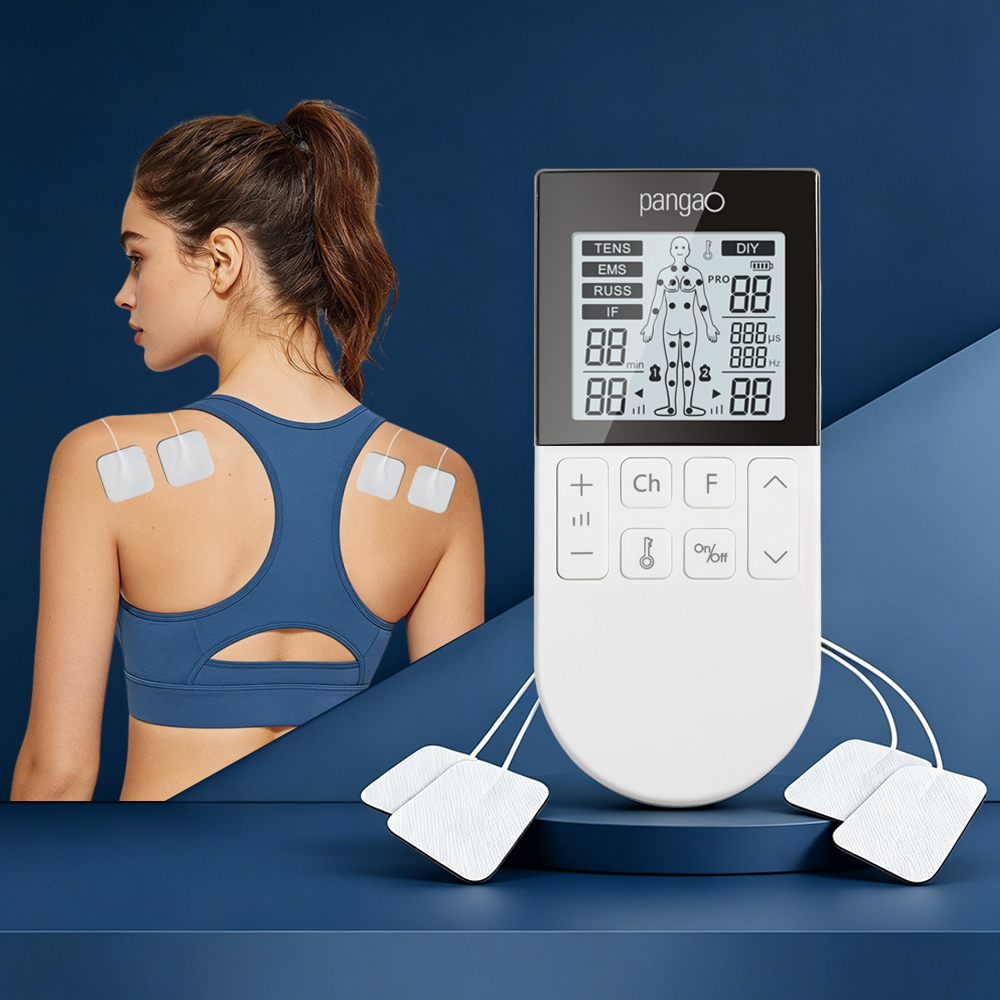
Hot Sale Low Frequency Electronic Pulse Russian Stimulation Pulse EMS Muscle Stimulator TENS Therapy Machine
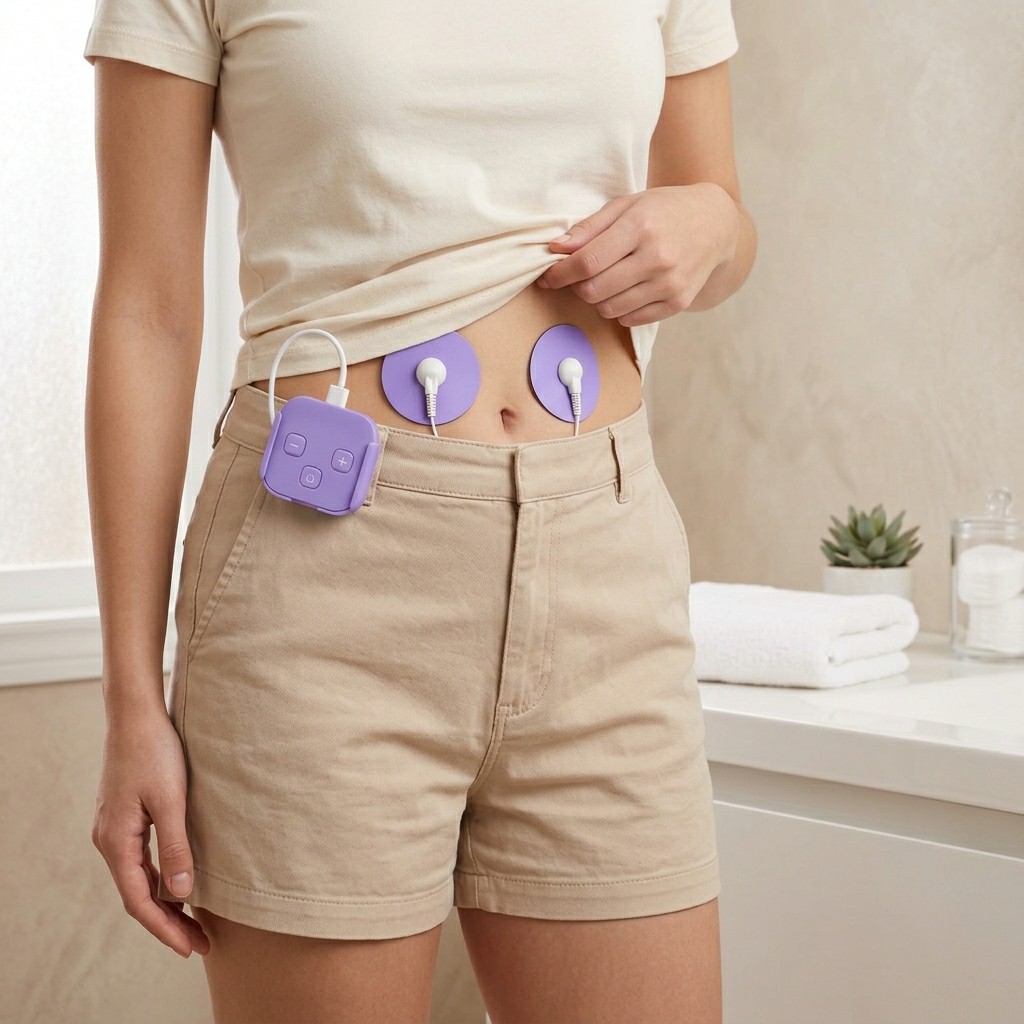
Rechargeable Period Pain Pain Therapy Device Menstrual Cramp Relief TENS Machine for Women Dysmenorrhea
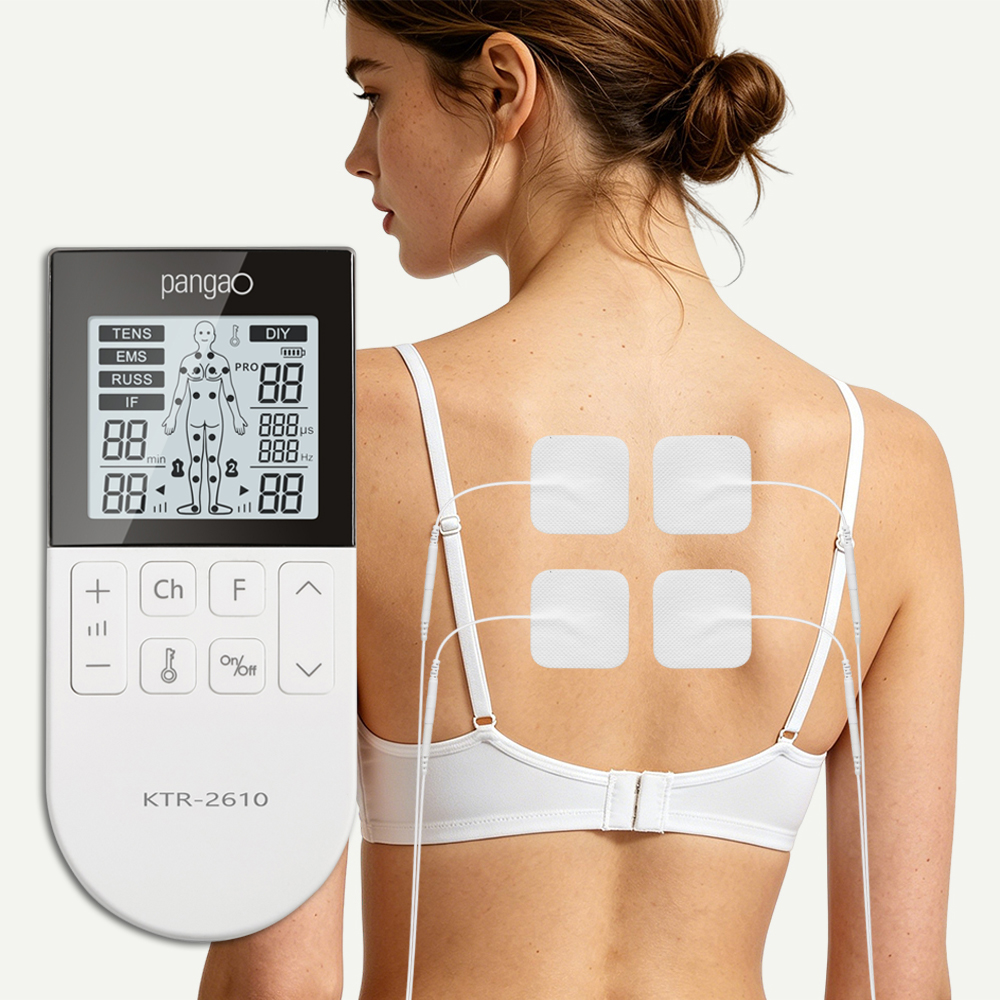
Electronic Pulse Massager Portable Dual Channel DIY if RUSS EMS TENS Units Therapy Machine for Pain Relief
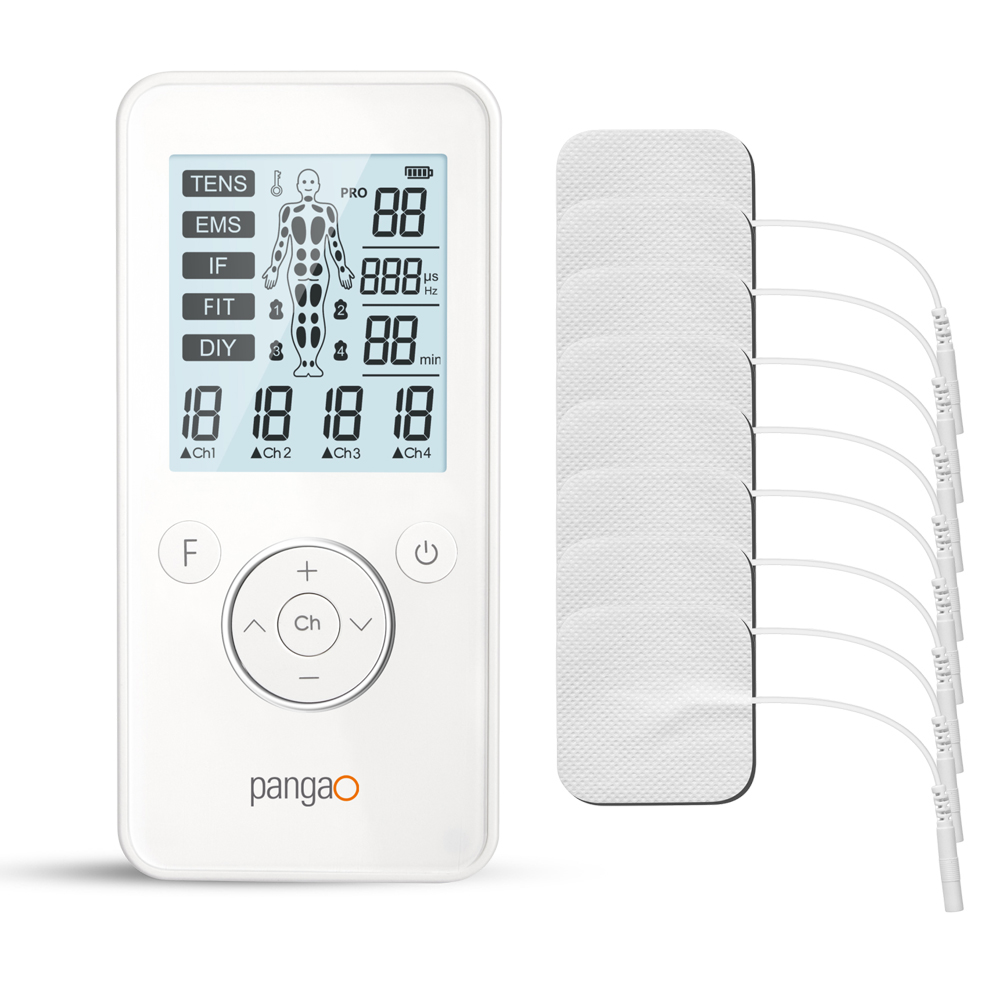
Medical Grade Electronic Pulse Massage Machine 4 Channels EMS Muscle Stimulator TENS Unit for Pain Relief
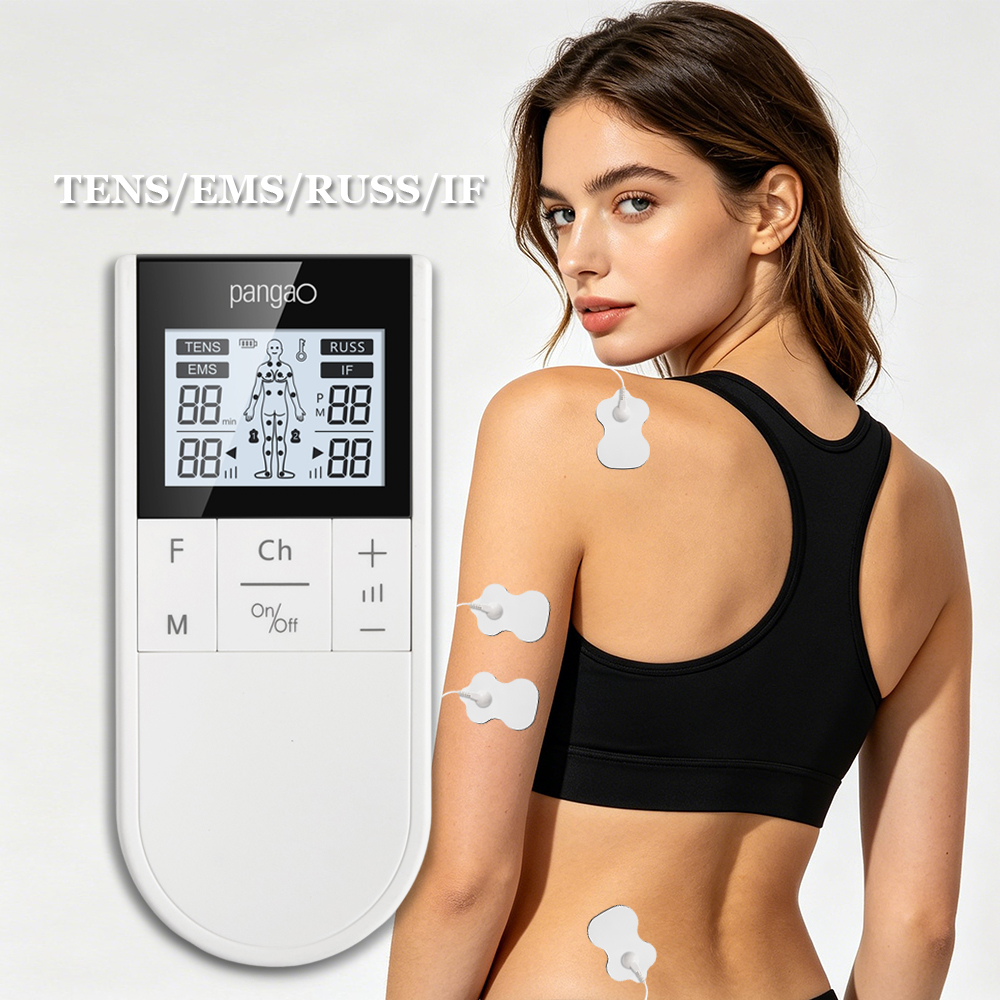
Custom Electronic Physical Therapy Pain Relief TENS EMS RUSS IF 4 in 1 Device EMS Muscle Stimulator TENS Unit
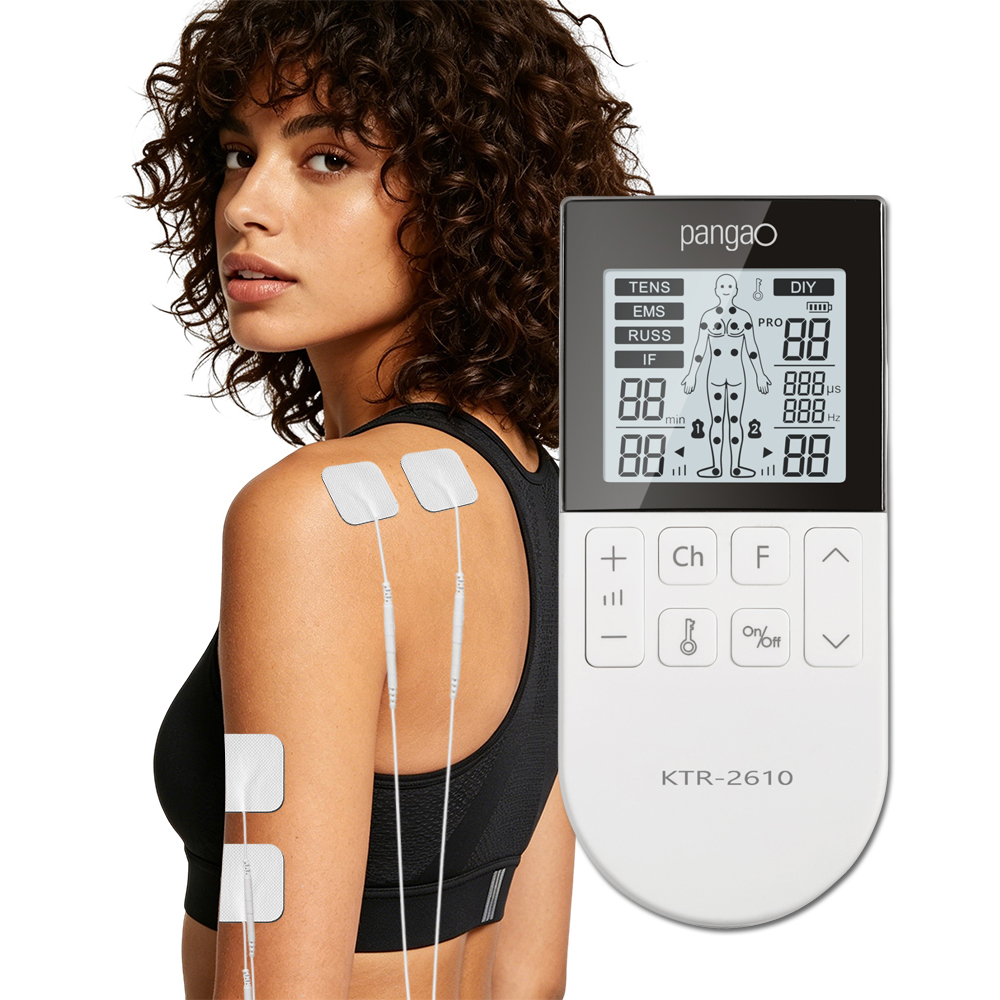
Rechargeable Electronic Pulse Massager 5 in 1 DIY if RUSS EMS TENS TENS Unit Muscle Stimulator for Pain Relief
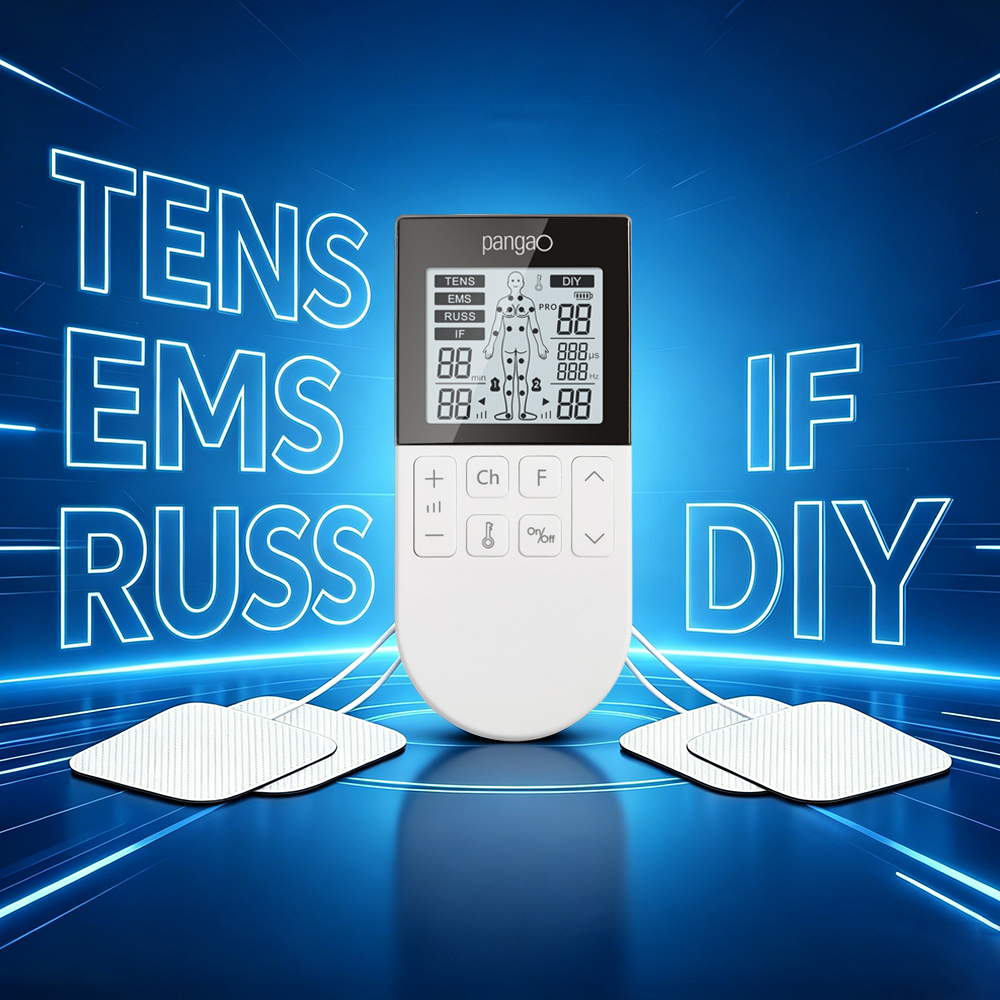
Professional Advanced Portable Pain Relief Therapy Muscle Stimulator 5 in 1 Dual Channel EMS TENS Machine
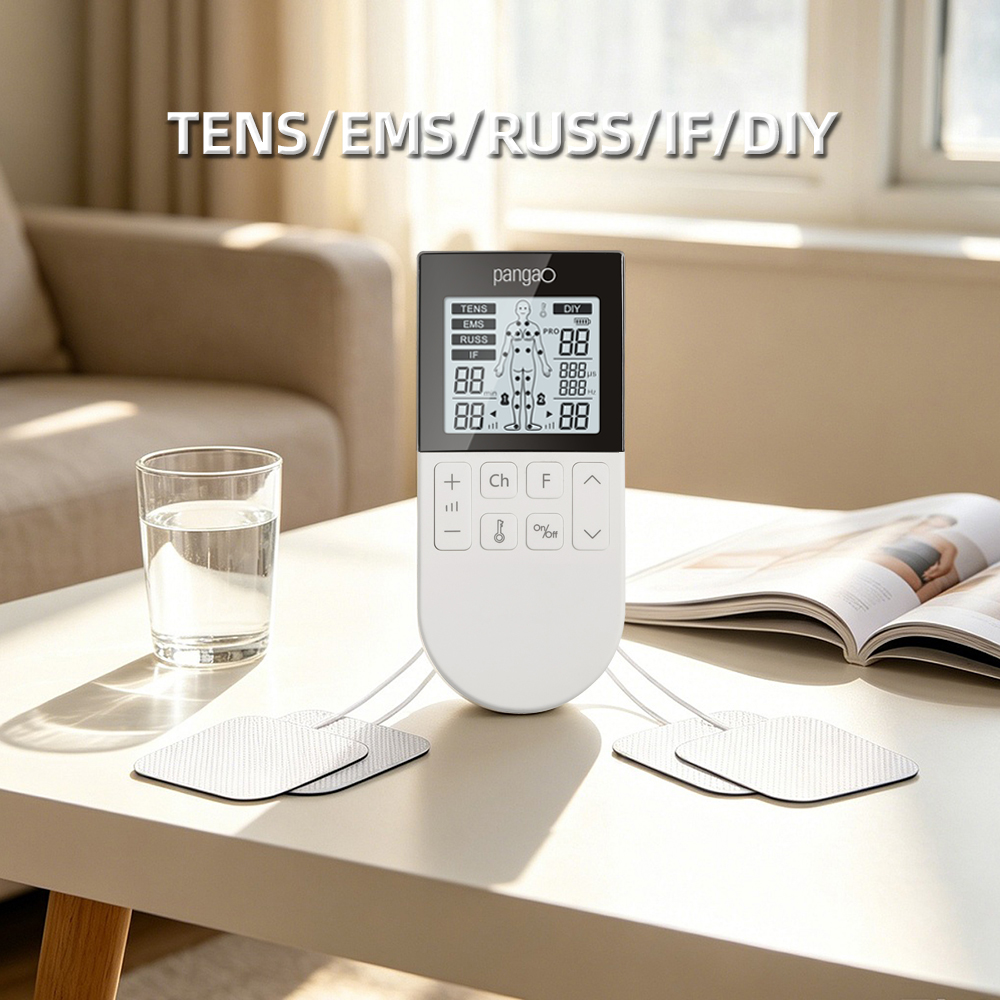
Kentro KTR-2610 Pain Relief Electrotherapy Equipment EMS Muscle Stimulator Tens Unit Physiotherapy Machine
Industry White Paper: CE Certified Electric Muscle Stimulation (EMS) Manufacturing & Global Compliance Framework
The global electrotherapy and non-invasive medical device landscape is undergoing a monumental paradigm shift. As healthcare providers, sports medicine clinics, and home-care consumers pivot toward non-pharmacological, drug-free pain management and muscular rehabilitation solutions, demand for high-precision Electric Muscle Stimulation (EMS) and Transcutaneous Electrical Nerve Stimulation (TENS) devices has escalated exponentially. However, navigating the international regulatory landscape—most notably the European Union Medical Device Regulation (EU MDR 2017/745), US FDA 510(k) clearances, and ISO 13485 quality system standards—requires robust manufacturing expertise and technical rigorousness.
This industry white paper, compiled by senior biomedical engineers and electrotherapy supply chain specialists at Shenzhen Vilicus Medical Electronics Co., Ltd., provides an exhaustive technical benchmark for medical device importers, brand owners, procurement officers, and pharmaceutical distributors seeking certified EMS factories and reliable OEM/ODM contract manufacturing partners in China.
Biomedical Engineering & Waveform Physiological Mechanisms
At the engineering core of modern electrotherapy equipment lies the precise generation and control of biphasic asymmetrical square pulses. Electrical Muscle Stimulation operates by delivering controlled electrical micro-currents through skin-contact hydrogel electrode pads to motor nerves (neuromuscular junction), inducing involuntary muscular contractions. In contrast, TENS modalities target sensory nerve fibers (A-beta and C fibers) to gate spinal cord pain signal transmission (Melzack & Wall Gate Control Theory) while stimulating endogenous opioid release (endorphins and enkephalins).
Technical Insight for Buyers: Advanced multi-modal EMS devices now synthesize four distinct bio-electric wave structures: TENS (Pain Suppression), EMS (Muscular Re-education), IF / Interferential Current (Deep-tissue Medium Frequency Cross-Current Stimulation), and Russian Waveform (2,500 Hz medium-frequency carrier bursts for high-force motor recruitment without epidermal pain discomfort).
Constant Current Architecture
Ensures consistent micro-ampere pulse delivery regardless of changing human skin impedance (500Ω to 2000Ω range), preventing sudden uncomfortable voltage spikes.
Programmable Pulse Widths
Fully adjustable pulse duration (50 µs – 400 µs) and pulse frequency (1 Hz – 150 Hz) allowing customizable therapy profiles tailored for atrophy prevention or rehabilitation.
Isolated Multi-Channel Output
Dual and 4-channel independent galvanic isolation circuits enable simultaneous treatment of multiple muscle groups (e.g., lower back and quadriceps) with distinct intensity matrices.
Technical Specification Matrix: EMS & TENS Product Architectures
To assist procurement managers and quality assurance auditors in evaluating hardware performance, the table below provides a granular engineering comparison across our core certified electrotherapy product series produced in our Shenzhen manufacturing center.
| Model Parameter | Dual-Channel TENS/EMS | 4-Channel Medical Unit | Wireless FemTech Device | EMS Foot Circulation Unit |
|---|---|---|---|---|
| Primary Modalities | TENS, EMS, IF, RUSS | TENS, EMS, Massager | TENS + Infrared Heating | NMES + Red Light Therapy |
| Channel Count | 2 Independent Channels | 4 Isolated Channels | 1 Integrated Wireless Pad | Sole Electrodes + 2 External Ports |
| Max Output Current | 0 - 100 mA (at 500Ω) | 0 - 120 mA (at 500Ω) | 0 - 80 mA (at 500Ω) | 0 - 99 Intensity Levels |
| Pulse Rate Range | 1 - 150 Hz Adjustable | 2 - 200 Hz Adjustable | 1 - 100 Hz Preset | 1 - 50 Hz Bio-frequency |
| Power Management | 3.7V Li-ion (Rechargeable USB-C) | Medical AC Adapter / Li-ion | Magnetic Fast Charge Li-ion | 100-240V Universal Adapter |
| Certifications | CE MDR, ISO 13485, RoHS | CE, FDA 510(k), TGA | CE, RoHS, BSCI Audited | CE MDR, ISO 13485, SGS |
| Standard MOQ | 1,000 Pieces | 1,000 Pieces | 1,000 Pieces | 500 Pieces |
Every unit leaving our manufacturing assembly line undergoes stringent testing against IEC 60601-1 (Medical Electrical Equipment - General Requirements for Basic Safety and Essential Performance) and IEC 60601-1-2 (Electromagnetic Disturbances) standards, guaranteeing seamless regulatory clearance in target destination ports worldwide.
Global Procurement Trends in EMS & Electrotherapy Devices (2025–2030)
As the medical device sector evolves, global procurement directors must anticipate shifting market drivers, technological convergences, and regulatory strictures. Below are the key strategic trends dictating supply chain decisions over the coming half-decade:
1. Transition from CE MDD to Strict EU MDR (Regulation 2017/745) Traceability
The legacy Medical Devices Directive (MDD 93/42/EEC) has been entirely superseded by the rigorous EU MDR framework. Importers can no longer rely on self-declarations or basic factory certificates. Compliance requires full Technical Documentation Files (TDF), Clinical Evaluation Reports (CER), post-market surveillance (PMS) protocols, and unique device identification (UDI) system integration into the EUDAMED database. Vilicus maintains direct technical files and notified body audit trails, mitigating import seizure risks at European borders.
2. Rise of Smart Wearables & BLE App-Controlled Electrotherapy
Consumer preferences are rapidly tilting away from bulky, wired tabletop units toward ultra-portable, cable-free patches and app-connected hardware. Bluetooth Low Energy (BLE 5.3) modules allow users to control pulse intensity, waveform programs, and therapy logs directly via iOS and Android smartphones. Factories with dedicated firmware, iOS/Android SDK integration, and wireless RF testing facilities represent the new benchmark for OEM collaboration.
3. FemTech Expansion: Micro-Current & Thermotherapy Synergy for Dysmenorrhea
Women's health technology (FemTech) represents one of the fastest-growing categories in personal medical electronics. The combination of high-frequency TENS pain-gating with rapid graphene infrared heating (40°C - 55°C) provides non-invasive, drug-free relief for dysmenorrhea and pelvic pain. Modern procurement catalogs must incorporate discreet, ergonomic wearable belts and wearable adhesive gel units designed specifically for female anatomical application.
4. Eco-Friendly Biocompatible Electrodes & Advanced Hydrogel Science
Environmental regulations such as RoHS 3.0 and REACH, combined with heightened consumer skin-sensitivity awareness, are forcing a shift in hydrogel electrode pad chemistry. Modern buyers mandate Japanese Japanese-glycerin hydrogels, medical-grade carbon film conductors, and latex-free biocompatible adhesive matrices that deliver low contact impedance across 30+ reusable treatment cycles without causing allergic dermatitis.
Enterprise Strengths: Shenzhen Vilicus Medical Electronics Co., Ltd.
Rooted in Shenzhen’s high-tech medical electronics manufacturing hub, Shenzhen Vilicus Medical Electronics Co., Ltd. stands as a Premier Tier-1 OEM/ODM supplier for electrotherapy, pain management, and home rehabilitation instruments. Building upon a group heritage operating since 2000, our specialized medical device division was formally established in 2013 to focus exclusively on bio-electric stimulation technology.
15,700 m² Modern Cleanroom Facility
Equipped with dust-free SMT lines, automated PCB assembly, precision plastic injection molding workshops, and specialized aging testing chambers.
300+ Group R&D Engineers
In-house biomedical engineers, firmware developers, industrial designers, and regulatory affairs specialists capable of bringing custom ODM concepts to mass production in under 90 days.
International Quality Assurance
Certified under ISO 13485 (Medical Quality Management Systems) and audited by SGS. Fully compliant with BSCI social responsibility standards.
Vertical Integration & 100% Quality Inspection Protocol
Unlike assembly-only vendors who outsource core components, Vilicus executes total vertical integration. From raw SMT chip placement and software algorithm compilation to plastic shell tooling, ultrasonic welding, and final hydrogel electrode packing, every manufacturing phase occurs within our strict quality control perimeter. Every single unit undergoes a 100% burn-in aging test and 100% digital pulse waveform validation prior to carton sealing.
Frequently Asked Questions (FAQ) for B2B Importers & Procurement Buyers
Below are detailed, authoritative responses to the most critical technical, commercial, and regulatory questions raised by international distributors, pharmaceutical buyers, and brand managers during supplier vetting.
Our standard Minimum Order Quantity (MOQ) for custom OEM orders—including personalized silk-screen brand logos, customized color housing options, multi-language user manuals, and customized gift box packaging—is 1,000 pieces for wired/wireless hand-held TENS/EMS units and menstrual pain relief devices.
For larger specialized platforms, such as our EMS Foot Circulation Therapy Machines, the standard MOQ starts at 500 pieces. For entry-level promotional units or trial market testing, select models can be accommodated at 3,000 pieces with flexible private-label customization options.
Shenzhen Vilicus Medical Electronics operates under an ISO 13485 certified medical quality management system, and our manufacturing facility is independently audited by SGS and BSCI.
Product-level certifications vary depending on the target region and SKU, including EU MDR (CE Regulation 2017/745) CE certificates, US FDA 510(k) clearances, Australian TGA listings, as well as RoHS 2.0 and REACH environmental hazardous substance compliance reports. Complete technical documentation files (TDF) and test reports (IEC 60601-1, IEC 60601-1-2 EMC) are available to support your market registration.
Yes, absolutely. Supported by our group R&D center featuring 300+ engineers, we provide complete ODM development services. We can customize microcontroller firmware, program custom stimulation pulse sequences (e.g., specific burst frequencies, ramp-up times, phase durations), design custom GUI interfaces on LCD/LED displays, and develop iOS/Android apps with Bluetooth BLE connectivity under your brand name.
Each electrical stimulation modality operates on distinct physiological mechanisms:
- TENS (Transcutaneous Electrical Nerve Stimulation): Targets sensory nerves to block pain signals sent to the brain and stimulate endorphin production. Used primarily for acute and chronic pain relief.
- EMS (Electrical Muscle Stimulation): Targets motor nerves to induce muscle contractions. Used for muscle conditioning, re-education, atrophy prevention, and local blood circulation enhancement.
- IF (Interferential Current): Uses two medium-frequency currents (e.g., 4000 Hz) that intersect within tissue to generate a deep-penetrating low-frequency stimulation with minimal skin impedance discomfort.
- Russian Stimulation: Employs a 2,500 Hz medium-frequency carrier delivered in bursts. Designed specifically for high-force motor unit recruitment, sports strength training, and clinical muscle rehabilitation.
Our electrode pads utilize imported biocompatible hydrogels engineered with high-purity Japanese glycerin and non-irritating conductive polymers. They maintain optimal conductivity and tackiness across 30 to 50 application cycles under standard storage conditions. All hydrogel materials are subjected to rigorous ISO 10993 biocompatibility testing (cytotoxicity, intracutaneous reactivity, and skin sensitization) to ensure zero irritation on sensitive patient skin.
For pre-production customized samples (with printed logo and custom artwork), lead time is typically 7 to 10 working days. For initial mass production OEM orders requiring custom packaging molding and housing printing, delivery is completed within 30 to 35 days. Repeat re-orders can be expedited within 20 to 25 days.
We provide an industry-leading 1-year to 2-year warranty across all electrotherapy main control units. In the rare event of a manufacturing defect rate exceeding our strict 0.2% SLA threshold, we offer immediate 1:1 replacement units shipped via express freight or credit compensation against your subsequent order batch.
Every shipment is accompanied by a complete export document package: Commercial Invoice, Packing List, Bill of Lading, Certificate of Origin, Declaration of Conformity (DoC), CE MDR Certificate, ISO 13485 Certificate, and relevant MSDS/UN38.3 lithium battery safety transportation reports for smooth, frictionless customs release.