Executive Overview: Standardizing B2B EMS Device Procurement
In the rapidly expanding global non-invasive physical therapy market, Electrical Muscle Stimulation (EMS) and Transcutaneous Electrical Nerve Stimulation (TENS) devices have transitioned from specialized clinical equipment to household medical staples. For international healthcare brands, medical device importers, pharmaceutical chains, and e-commerce aggregators, sourcing from CE-certified digital EMS unit factories requires strict evaluation of technical engineering, regulatory clearance, circuit stability, and manufacturing scale.
Navigating the global regulatory environment—specifically transitioning from the European Medical Devices Directive (MDD 93/42/EEC) to the stringent European Medical Device Regulation (EU MDR 2017/745) alongside US FDA 510(k) clearances—demands robust quality management. Importers must evaluate factories not merely as assembly houses, but as full-suite R&D partners capable of offering bio-compatibility testing (ISO 10993), electrical safety verification (IEC 60601-1 / IEC 60601-1-11), and electromagnetic compatibility (IEC 60601-1-2).
This whitepaper outlines the key criteria for sourcing professional electrotherapy devices, examining OEM/ODM customization capabilities, product advancements, procurement trends through 2030, and high-converting product architectures designed for clinical efficacy and consumer compliance.
Featured Commercial & Clinical Digital EMS / TENS Units
Below are eight flagship electrotherapy platforms manufactured under ISO 13485 quality systems, fully adaptable for private-label branding, customized waveform parameters, and specialized retail packaging.
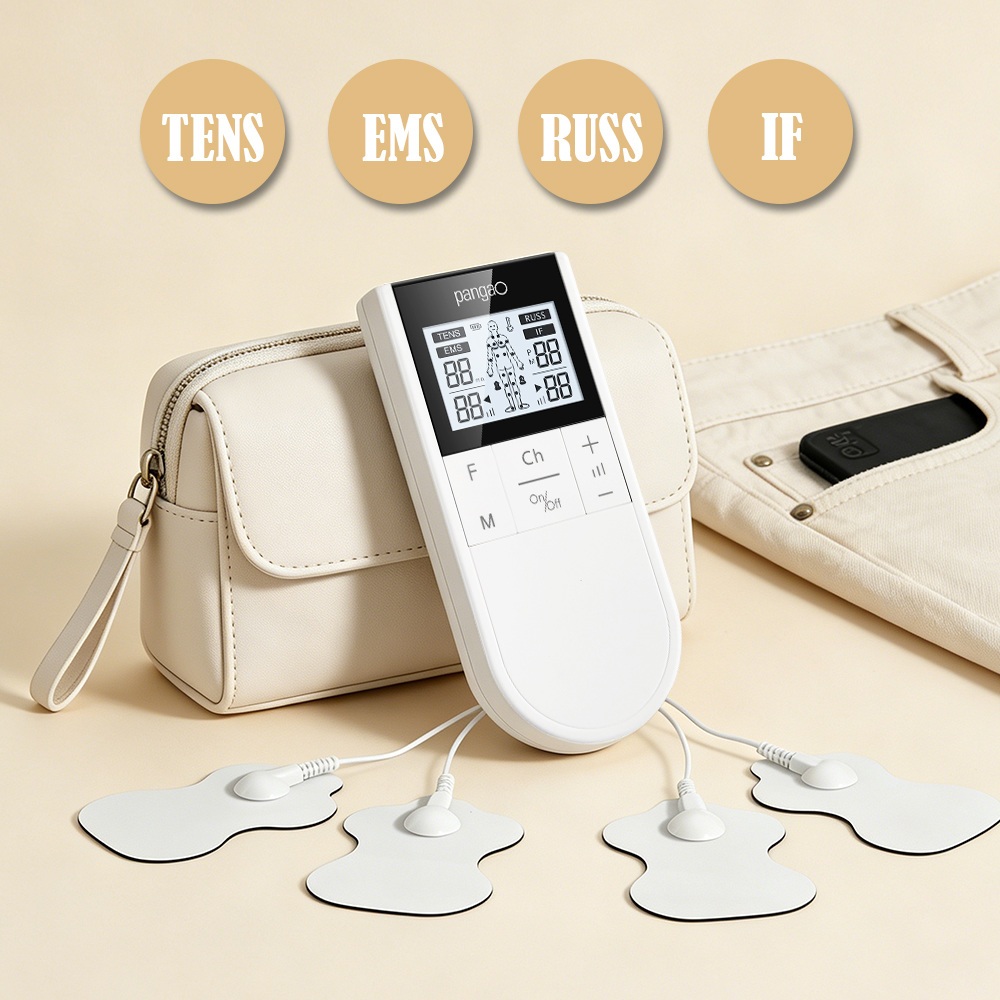
Multifunctional Portable Digital Nerve Muscle Stimulator Machine Dual Channels TENS Unit
View Product Details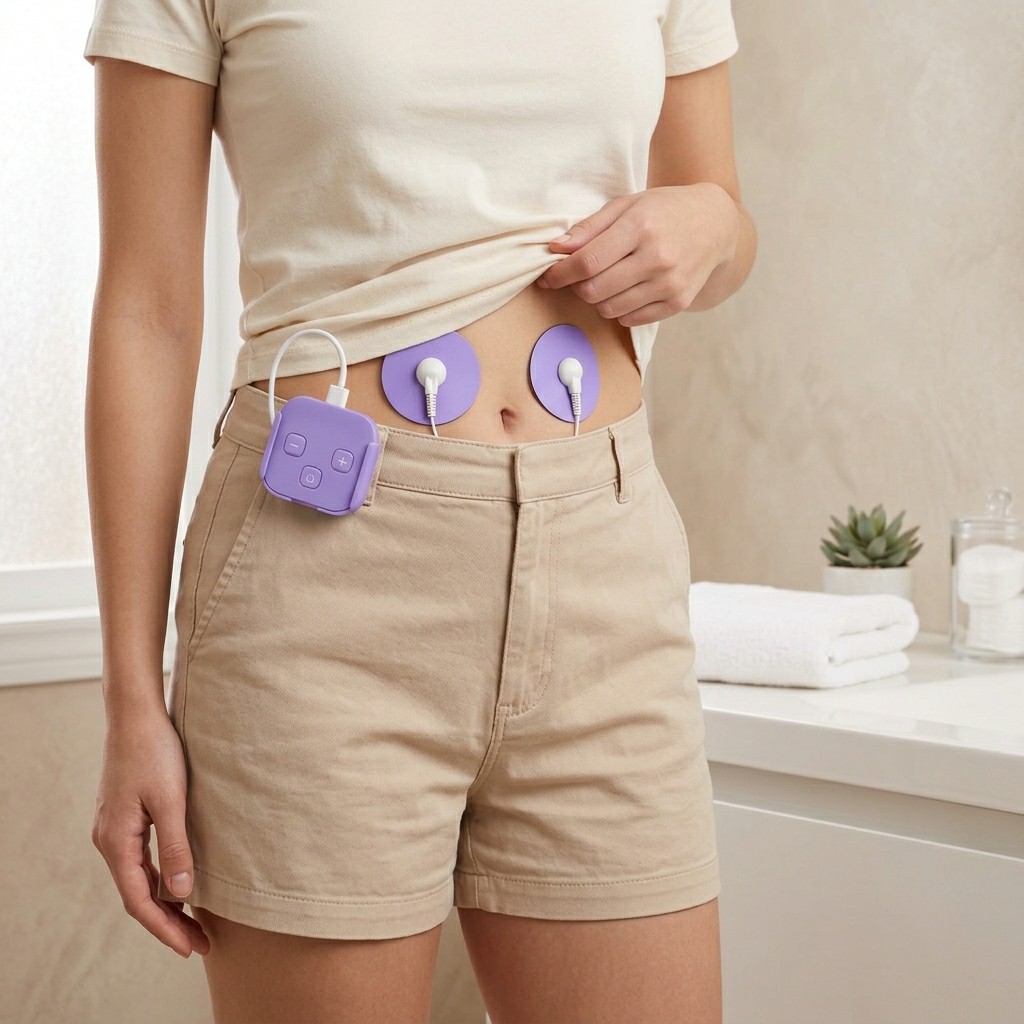
Rechargeable Period Pain Therapy Device Menstrual Cramp Relief TENS Machine
View Product Details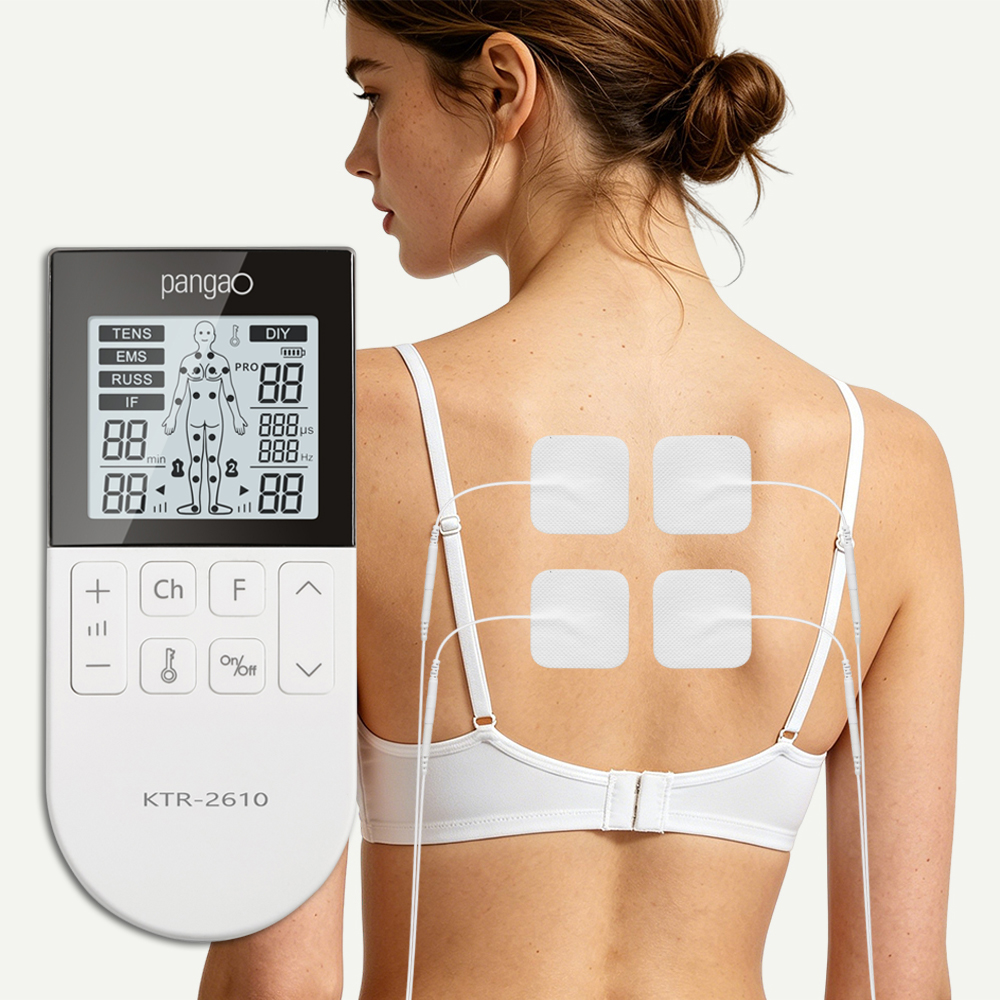
Electronic Pulse Massager Portable Dual Channel DIY IF RUSS EMS TENS Units Therapy Machine
View Product Details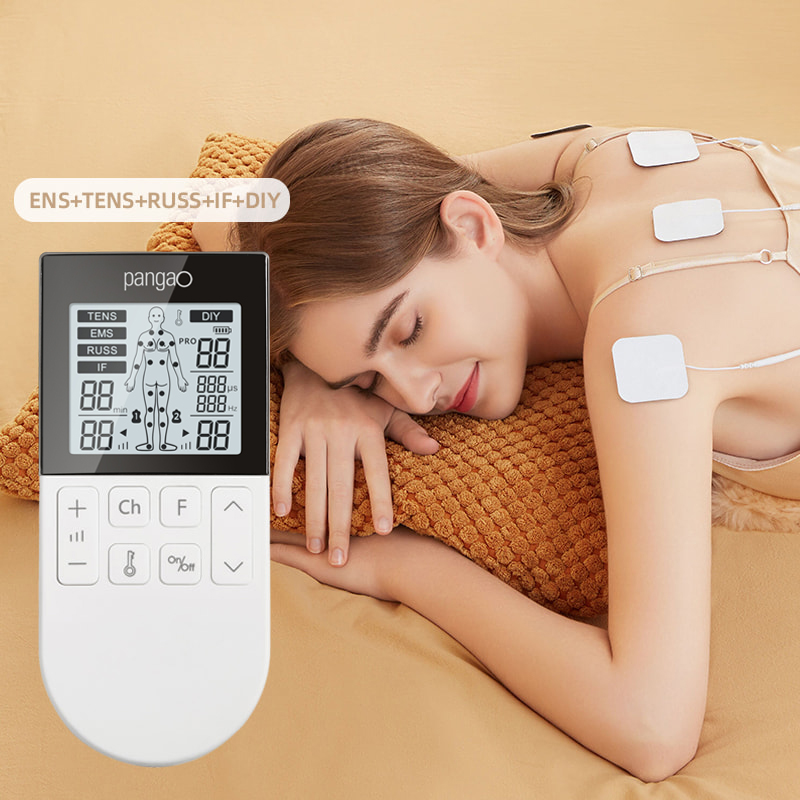
Electric Rechargeable Large LCD Display Body Pain Relief EMS TENS Machine Physiotherapy
View Product Details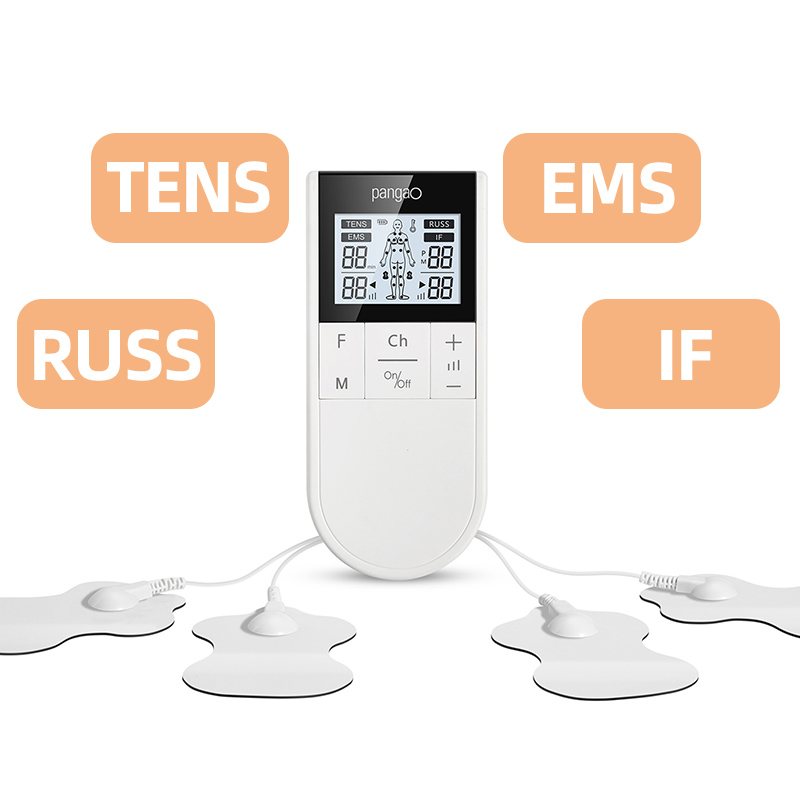
Electric Body Massage Machine Dual Channel 4 in 1 IF RUSS EMS TENS Unit Muscle Stimulator
View Product Details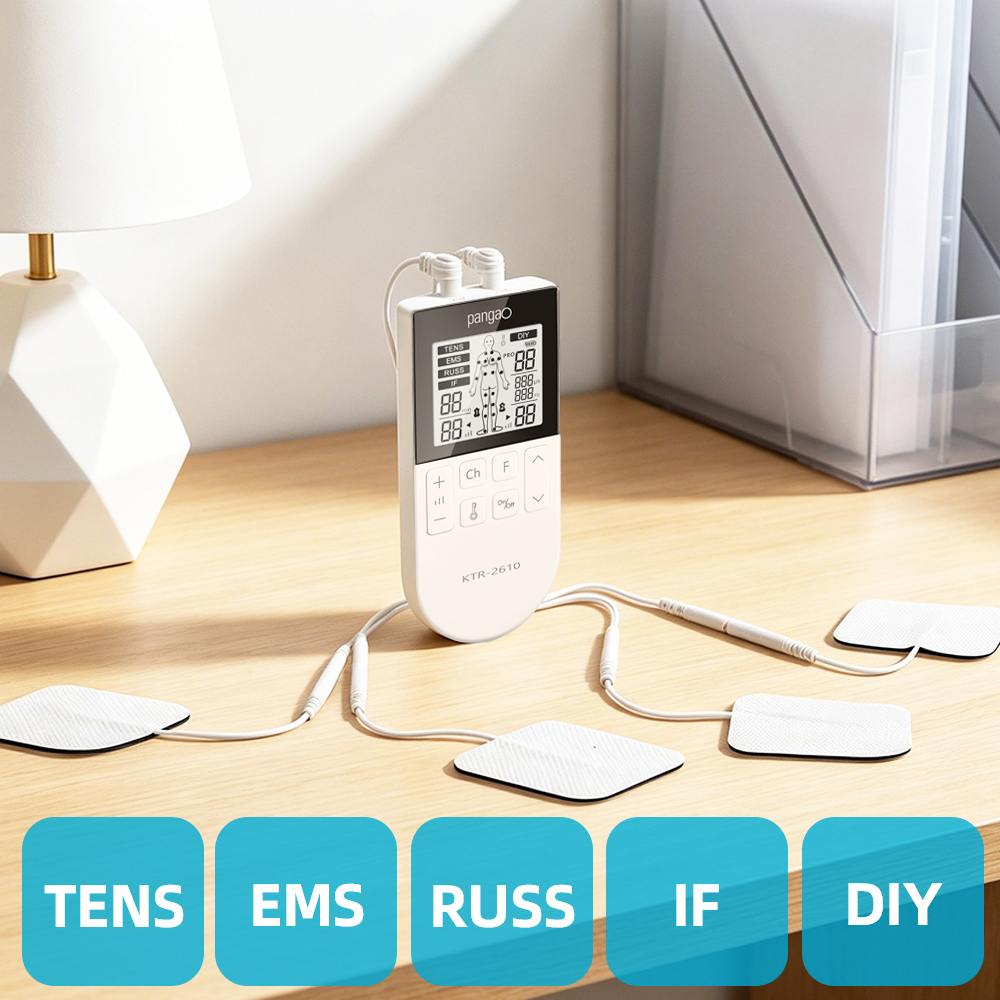
Rechargeable Electric Pulse 5 in 1 Function Combo Massage Machine Dual Channel EMS TENS Unit
View Product Details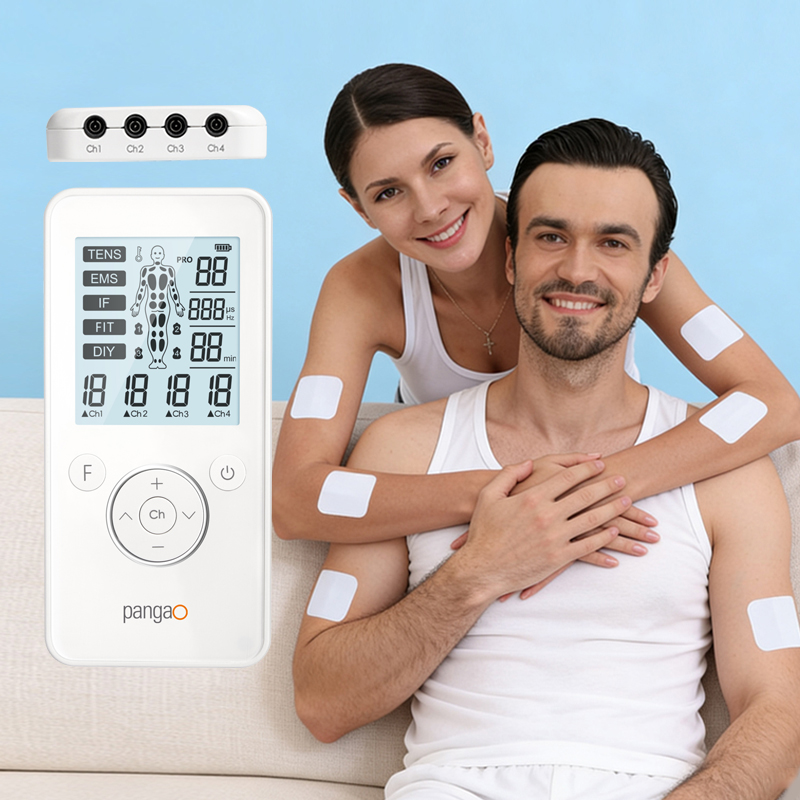
Electric Body Physical Therapy Equipments EMS Muscle Stimulator Digital 4-Channel TENS Machine
View Product Details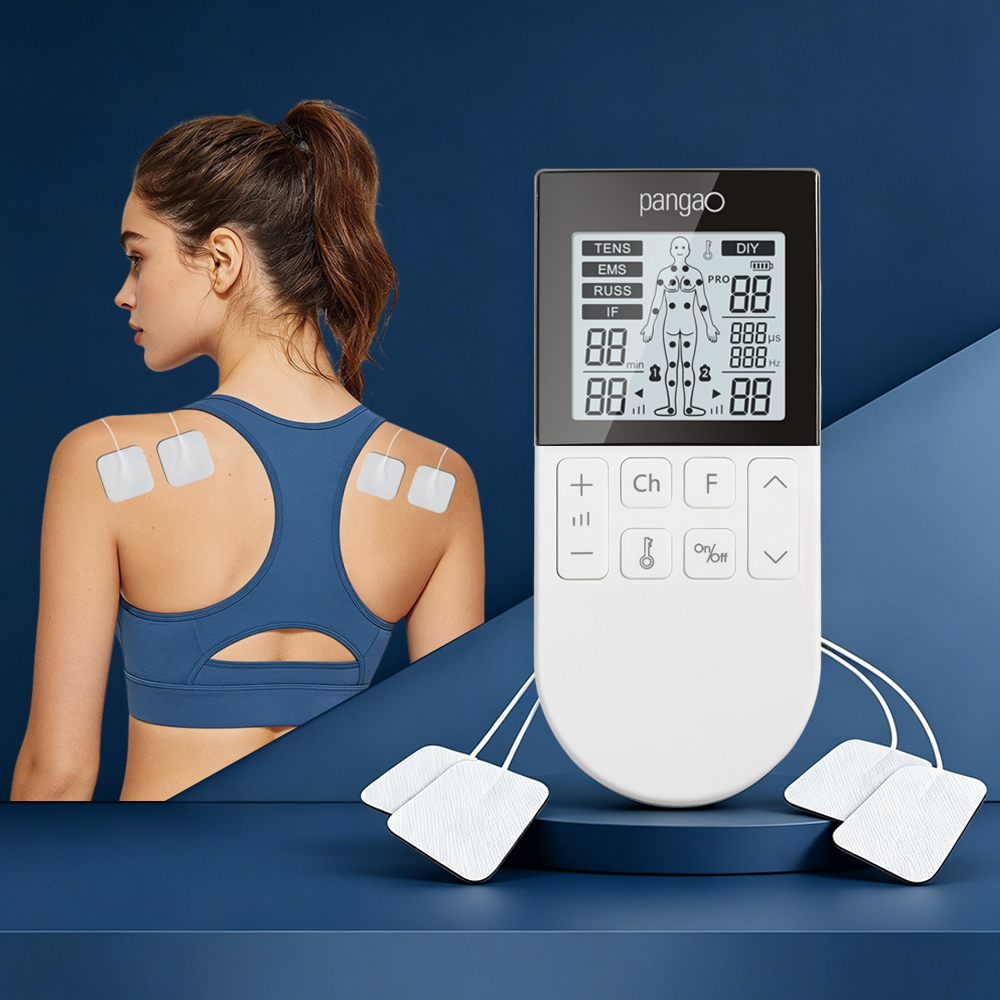
Low Frequency Electronic Pulse Russian Stimulation EMS Muscle Stimulator TENS Therapy Machine
View Product DetailsElectrotherapy Engineering: Technical Modalities Explained
Engineers and procurement specialists must understand the biomechanical distinctions between electrical waveforms when designing product lines for specific clinical or consumer indications. A high-performance digital EMS unit integrates multiple microprocessor-controlled pulse output modes:
| Waveform Modality | Frequency Range | Pulse Width | Primary Biological Mechanism | Target Clinical/Retail Application |
|---|---|---|---|---|
| TENS (Transcutaneous Electrical Nerve) | 1 Hz – 150 Hz | 50 µs – 300 µs | Stimulates A-beta sensory fibers to close the pain gate in the spinal cord; triggers endorphin release. | Symptomatic relief of chronic intractable pain, post-surgical pain, dysmenorrhea. |
| EMS (Electrical Muscle Stimulation) | 20 Hz – 120 Hz | 200 µs – 400 µs | Directly depolarizes motor nerves to cause involuntary skeletal muscle contractions. | Muscle re-education, prevention of disuse atrophy, blood circulation enhancement. |
| IF (Interferential Current) | 4,000 Hz Carrier (1-100 Hz Beat) | Fixed / Sinusoidal | Crosses two medium-frequency currents to overcome skin impedance with deeper tissue penetration. | Deep joint pain, swelling, pelvic floor conditioning, deep muscle trauma. |
| RUSS (Russian Stimulation) | 2,500 Hz Carrier (50 Hz Burst) | 200 µs Burst duration | Delivers high-intensity motor stimulation with high user comfort for rapid force development. | Athletic quadriceps/core strengthening, post-ACL rehabilitation, physical therapy. |
To ensure patient safety and therapeutic efficacy, high-end factories utilize constant-current circuit design rather than constant-voltage architectures. Constant-current drivers automatically adjust voltage according to variations in skin impedance (ranging from 500 Ω to 2,000 Ω), maintaining a stable milliampere (mA) output and eliminating painful stinging sensations caused by uneven current distribution.
Enterprise Strength: Manufacturing Infrastructure & Quality Control
Shenzhen Vilicus Medical Electronics Co., Ltd. (operating with group heritage dating back to 2000 and a dedicated medical electrotherapy team established in 2013) serves as a benchmark for high-tech OEM/ODM manufacturing. Operating a 15,700 m² state-of-the-art facility equipped with high-speed SMT lines, automated optical inspection (AOI), cleanroom assembly suites, and robotic testing cells, Vilicus guarantees medical-grade execution across every unit shipped.
R&D and Engineering Depth
Supported by over 300 group R&D engineers, our team handles complete embedded software development, custom firmware algorithms, PCB layout, aesthetic industrial enclosure design, and ergonomic mold building in-house.
International Certifications
Certified under ISO 13485 QMS and BSCI social compliance. Products hold US FDA 510(k), EU MDR CE certificates, Australian TGA clearance, and RoHS compliance, enabling seamless regulatory approvals globally.
Rigorous Quality Verification
Every digital EMS machine undergoes 100% finished-product burn-in testing, load-impedance waveform verification, leakage current evaluation, and drop/vibration stress testing. Facility audited onsite by SGS.
Future Procurement Trends in EMS/TENS Electrotherapy (2025–2030)
As the medical electronics supply chain modernizes, B2B buyers must align their procurement roadmaps with upcoming technological shifts and evolving regulatory landscapes. Key trends defining the next decade of electrotherapy sourcing include:
1. Shift Toward Wireless & App-Integrated Ecosystems
Traditional lead-wire systems are rapidly losing market share in the consumer health channel to ultra-compact, wireless Bluetooth 5.0 pod systems. Modern end-users prefer mobile app interfaces offering body-part mapping, automated treatment tracking, and OTA firmware updates, giving OEMs new monetization opportunities through subscription software models.
2. Dual-Therapy Hybrid Architectures
Single-mode pulse massagers are being replaced by multi-modal platforms combining low-frequency electrical stimulation with infrared thermal therapy (45°C–55°C), 660nm photobiomodulation (red light therapy), or biofeedback sensors. Products targeting specialized indications—such as menstrual pain pads and EMS foot circulation massagers—demonstrate higher retail margins and lower return rates.
3. Stringent Environmental & Biocompatibility Mandates
Hydrogel electrode pads are undergoing rigorous environmental and toxicological scrutiny. Importers are requiring factories to supply self-adhesive hydrogels free of cytotoxic agents, phthalates, and latex, verified through ISO 10993-5 (Cytotoxicity) and ISO 10993-10 (Irritation and Sensitization) testing, paired with recyclable casing polymers.
Product Development & Technological Roadmap
To capture premium market share, medical brands are collaborating with ODM factories on advanced features that improve therapeutic outcomes and user engagement. Key technological innovations being integrated into modern digital EMS/TENS platforms include:
- ✔ Closed-Loop Biofeedback Stimulation: Real-time measuring of skin impedance and muscle response, dynamically modulating pulse amplitude and frequency to prevent muscle accommodation and fatigue.
- ✔ Wearable Femtech Solutions: Ergonomic, ultra-thin dysmenorrhea relief devices designed to be worn discreetly beneath clothing, combining fast-heating carbon film pads with localized high-frequency TENS.
- ✔ Targeted Neuropathy & Foot Circulation Platforms: High-power NMES (Neuromuscular Electrical Stimulation) foot plates engineered specifically for diabetic neuropathy, peripheral artery circulation, and lower-limb edema management.
- ✔ Type-C Fast Charging & Extended Li-ion Lifecycle: Transitioning away from disposable AAA batteries to integrated high-density lithium-polymer batteries with safety protection circuits (over-charge, over-discharge, short-circuit protection) meeting UN38.3 transport standards.
Frequently Asked Sourcing & Procurement Questions (FAQ)
Partner with a Trusted CE Certified EMS Device Manufacturer
Expand your healthcare product line with ISO 13485 certified, MDR-compliant digital EMS and TENS units. Contact our engineering and supply chain consultants today to request product specifications, compliance files, and custom OEM/ODM pricing.
Contact Us