Why Use a TENS Unit for Pain Relief?
Pain can make ordinary moments feel difficult: climbing stairs, sitting through a workday, or getting comfortable at night. A TENS Unit, or transcutaneous electrical nerve stimulation device, sends mild electrical pulses through electrodes placed on the skin. The sensation is often described as a gentle tingling. It may help some people manage certain types of pain, though results differ and relief is not guaranteed.
Dr. Mark I. Johnson, a researcher whose work focuses on TENS and pain management, offers a useful, cautious perspective. A fair summary of his research is: “TENS may reduce pain for some people, but its effects vary.” That distinction matters. A device that helps one person may do little for another, and temporary symptom relief does not explain the cause of pain.
This guide explores how a TENS Unit works, what evidence suggests, and how to use one more thoughtfully. It also considers comfort, electrode placement, and situations where professional advice is sensible. Follow the device instructions, and ask a qualified clinician if you have questions about whether TENS is appropriate for you. Small details count. Skin can become irritated, and settings that feel too strong may be uncomfortable. I should be clear: TENS is not a cure-all. Its value is best judged by careful use, realistic expectations, and whether it supports daily activities.
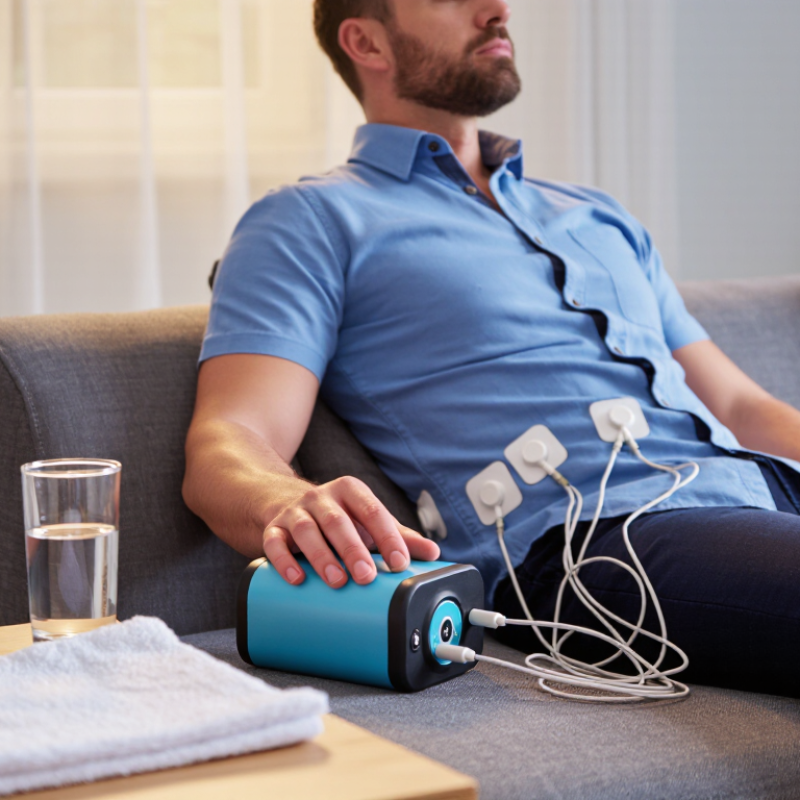
What a TENS Unit Is and How It Delivers Electrical Stimulation
A transcutaneous electrical nerve stimulation (TENS) unit sends mild, pulsed electrical currents through adhesive pads placed on the skin. The pads commonly sit near the painful area, such as either side of a sore lower back. Most users feel a gentle tingling, not pain. At sensory settings, the stimulation is intended to influence pain signaling; it does not repair an injury or identify its cause. The sensation should stay comfortable. Stronger is not automatically better.
Evidence is mixed, and results can vary by condition and person. A Cochrane review of four trials involving 585 people found the evidence too uncertain to establish a reliable benefit for TENS in chronic low-back pain. This is a useful caution, not proof that nobody benefits. Placement, settings, and the source of pain all matter. A clinician can help assess whether TENS is appropriate, especially with implanted electrical devices, reduced skin sensation, or pregnancy.
Tips: Apply pads to clean, dry, intact skin, and follow the device instructions. Start low; stop if you feel pain, burning, or irritation. Avoid placing pads on the front of the neck or across the chest. The details matter.
How TENS May Help Reduce Pain Signals
TENS uses mild electrical pulses delivered through adhesive pads on the skin. The tingling sensation stimulates sensory nerves and may alter how pain signals travel to the brain. It may also engage the body’s own pain-modulating systems. The mechanism is plausible, but not fully settled. A 2022 BMJ Open systematic review, the meta-TENS study, examined 381 randomized trials involving 24,532 participants. It found lower pain intensity during or shortly after TENS compared with placebo. That finding does not mean every condition responds equally, or that relief lasts. Real life is messier.
For a practical trial, pads are usually placed on clean, intact skin near the painful area, following the device instructions. The sensation should feel strong but comfortable, not sharp or burning. If it hurts, reduce the intensity or stop. TENS may offer temporary support during tasks like walking or washing dishes, but it should not replace assessment of new, severe, or worsening pain. People with implanted electrical devices, or those who are pregnant, should ask a healthcare professional before use. One limitation is easy to overlook: the best pad position and setting can vary, so a clinician’s guidance may help.
Types of Pain TENS Units Are Commonly Used For
Why Use a TENS Unit for Pain Relief?
Types of Pain TENS Units Are Commonly Used For
TENS units deliver mild electrical pulses through skin electrodes. People commonly try them for sore muscles, lower-back discomfort, neck tension, and painful joints such as knees. Some use them for osteoarthritis or post-exercise soreness. The sensation should feel like gentle tingling, not a sharp sting. Results vary.
TENS may also offer short-term relief for menstrual cramps and some nerve-related pain, including burning or pins-and-needles sensations. Evidence differs across conditions, and it may not help everyone. One person might feel relief while resting but notice little change during a walk. That difference matters. TENS can support comfort, but it does not treat an underlying cause or replace a care plan.
Use electrodes on intact skin and follow the device instructions. Avoid placing them across the chest or on the front of the neck. People with implanted electrical devices, reduced skin sensation, or pregnancy should ask a clinician before use. New, severe, or worsening pain deserves medical assessment. It is unwise to promise that one setting works for everyone; comfort and safe placement need attention.
Why Use a TENS Unit for Pain Relief? - Types of Pain TENS Units Are Commonly Used For
| Pain type |
Examples |
How TENS may be used |
Important context |
| Musculoskeletal pain |
Back, neck, shoulder, or other muscle and joint pain |
May provide temporary, drug-free symptom relief alongside movement, exercise, or other care. |
Response varies; TENS does not treat the underlying cause. |
| Osteoarthritis-related pain |
Knee or hand osteoarthritis discomfort |
Some people use it to help manage pain during daily activities or exercise. |
Research findings are mixed, and benefits may be short-term. |
| Postoperative pain |
Pain after some surgical procedures |
A clinician may include TENS as an add-on to a broader pain-control plan. |
Use only with care-team guidance, especially near wounds or recently operated areas. |
| Menstrual cramps |
Primary dysmenorrhea |
Electrode placement on the lower abdomen or back may be used to help ease cramping. |
Relief differs between individuals; follow device instructions for placement. |
| Labor pain |
Pain during labor |
Some people use TENS as a non-drug comfort measure, often with guidance from maternity staff. |
It may not be suitable in every situation and does not replace obstetric care. |
| Some nerve-related pain |
Certain cases of peripheral neuropathic pain |
A supervised trial may be considered as part of an individualized pain-management plan. |
Evidence and response vary; new or worsening nerve symptoms need medical assessment. |
TENS (transcutaneous electrical nerve stimulation) delivers mild electrical pulses through skin electrodes. It may temporarily reduce pain for some people, but it does not work for everyone. Follow the device instructions and ask a healthcare professional whether it is appropriate for you, particularly if you have an implanted electronic device, are pregnant, or have reduced skin sensation.
Safe Use and Precautions for TENS Therapy
Why Use a TENS Unit for Pain Relief?
Safe Use and Precautions for TENS Therapy
A TENS unit sends mild electrical pulses through skin electrodes. Some people find it temporarily reduces pain, though results vary. It may make movement or daily tasks more manageable. It does not treat the cause of pain. Think of it as one tool, not a cure.
Use the device as directed by its instructions or a healthcare professional. Place pads on clean, intact skin, and begin at a comfortable, low intensity. Never place electrodes across the chest, on the front or sides of the neck, or on the head. Avoid using TENS while driving, bathing, or sleeping. Stop if you feel burning, dizziness, unusual discomfort, or worsening pain. People with implanted electrical devices should ask a clinician before use. Seek professional advice during pregnancy or if you have epilepsy or reduced skin sensation. It is easy to get careless with familiar routines.
Tips: Check pads for wear and follow instructions for spacing. Remove them gently and inspect your skin afterward. Persistent irritation deserves attention. If pain is new or severe, seek medical advice instead of repeatedly increasing the intensity.
Why Use a TENS Unit for Pain Relief? Safe Use and Precautions
TENS delivers mild electrical pulses through skin electrodes and may provide temporary pain relief for some people. The chart shows a schematic biphasic pulse—not a treatment prescription. Amplitude is normalized, not a measure of current.
Safe use: Follow your device instructions, place electrodes only on intact skin with normal sensation, and avoid the front or sides of the neck and areas across the chest. Do not use TENS while driving, operating machinery, or sleeping. Ask a healthcare professional before use if you have an implanted electronic device or are pregnant. Stop if you experience skin irritation or worsening pain.
Conclusion
A TENS Unit is a small device that sends mild electrical pulses through electrodes placed on the skin. These pulses may influence how pain signals travel to the brain and may encourage the body’s natural pain-relieving processes. TENS is commonly used as a drug-free option for certain types of pain, including muscle and joint discomfort, though people’s experiences can vary.
Potential benefits include temporary relief and the ability to adjust stimulation to personal comfort. However, TENS may not work for everyone, and it does not address the underlying cause of pain. For safe use, follow the device instructions, place electrodes only on recommended areas, and stop if the stimulation causes discomfort or skin irritation. People with implanted electronic devices, those who are pregnant, or anyone unsure whether TENS is suitable should consult a healthcare professional before using it.