0%

Choosing a TENS Device for international procurement means assessing more than price or electrode count. Buyers must compare output controls, channel design, accessories, instructions, warranty terms, and manufacturing consistency. Details matter. The World Health Organization’s 2022 rehabilitation report estimated that 2.4 billion people live with conditions that may benefit from rehabilitation. This is a measure of broader rehabilitation needs, not demand for TENS products alone. Still, it underscores why clear product information and dependable supply chains matter to clinics and distributors.

Clinical evidence deserves equal attention. In a 2022 systematic review, pain researchers Mark I. Johnson and colleagues reported: “TENS is effective for reducing pain intensity during or immediately after stimulation compared with placebo.” The finding is specific. It does not establish lasting relief for every user or condition. The evidence is useful, but not tidy. Buyers should therefore examine manufacturers’ technical documents and avoid treating marketing claims as clinical proof. A shortlist of the Top 10 TENS Device Manufacturers for Global Buyers should consider quality systems, traceability, product support, and evidence transparency alongside price. A polished catalogue is not enough. Neither is a low bid. This guide compares suppliers through those practical lenses, while recognizing that one ranking cannot replace independent verification or clinical judgment.
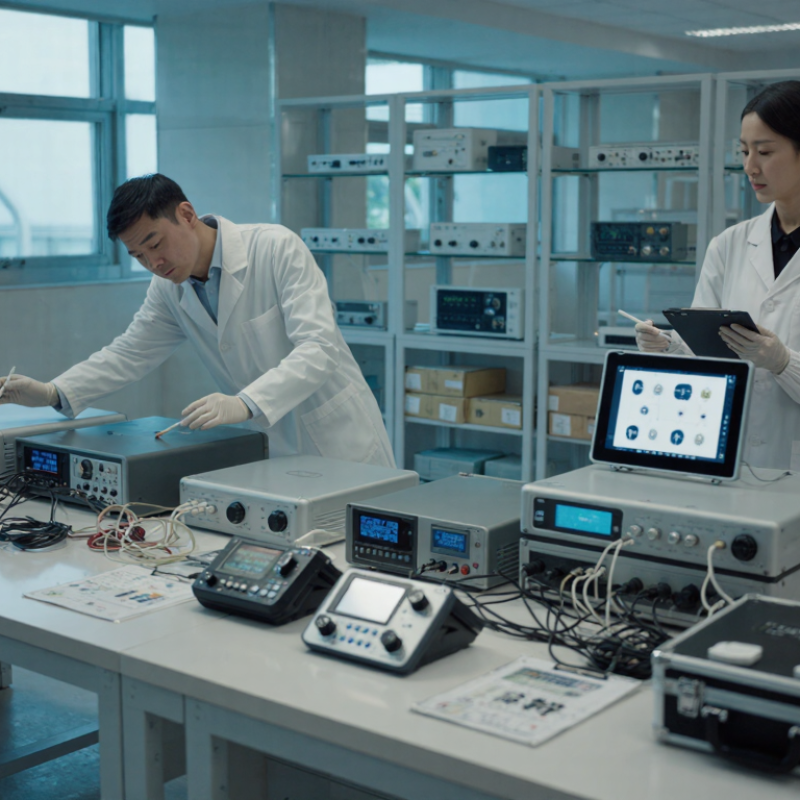
Top 10 TENS Device Manufacturers for Global Buyers

Understanding TENS Devices and Their Applications

Transcutaneous electrical nerve stimulation, or TENS, sends mild electrical pulses through electrode pads placed on the skin. People commonly use it for temporary pain relief, including muscle soreness and some persistent pain conditions. A small handheld unit lets users adjust pulse intensity and duration. Placement matters: pads should sit on clean, intact skin near the painful area, not over irritated skin.

The need is substantial. The World Health Organization estimated that 619 million people experienced low back pain in 2020, with cases projected to reach 843 million by 2050. TENS may help manage symptoms, but it does not treat the underlying cause. That distinction matters. A 2022 BMJ Open systematic review covering 381 randomized trials and 24,532 participants found moderate-certainty evidence that TENS reduced pain during or immediately after treatment. Results varied, and longer-term benefits remain less certain.

In practical use, a session may feel like a steady tingling beneath the pads, not a sharp or painful jolt. Users should follow device instructions and seek clinical guidance when pain is unexplained, worsening, or persistent. People with implanted electrical devices, reduced skin sensation, or pregnancy should consult a healthcare professional before use. TENS is not a cure, and comfort settings are individual; that limitation is easy to overlook.

Criteria for Evaluating TENS Device Manufacturers

Choosing a TENS device manufacturer begins with evidence, not a polished catalog. Ask for documented quality controls, clear device specifications, and records showing how production batches are inspected. A capable supplier should explain pulse frequency, intensity range, channel behavior, and electrode compatibility in plain language. Vague answers matter. They may reflect weak engineering or simply poor communication; either way, ask for supporting records.

Review electrical safety and performance test reports, and confirm they apply to the exact model being offered. Check how the manufacturer verifies output consistency, battery performance, and control accuracy. Ask whether usability testing included people with different levels of technical confidence. A spreadsheet cannot reveal every awkward button or unclear display. Request a sample unit when possible, then note whether settings are easy to read and adjust.

After-sales support is part of product reliability. Look for traceable serial numbers, repair procedures, replacement-part availability, and a named technical contact. Ask how design changes are documented and communicated. Small details count. Compare stated production capacity with realistic lead times, and request references from buyers with similar order volumes. Even a well-organized audit has limits; visit or third-party inspection can expose gaps that documents miss. Manufacturers should respond openly when evidence is incomplete.

Top 10 TENS Device Manufacturers for Global Buyers - Criteria for Evaluating TENS Device Manufacturers

Evaluation criterion Evidence to request Practical buyer check Why it matters
1. Quality management system A current ISO 13485 certificate, its scope, issuing body, and certificate validity. Confirm the certificate covers the relevant manufacturing site and medical-device activities. ISO 13485 specifies quality-management-system requirements for organizations involved in medical devices.
2. Electrical safety and essential performance Applicable test reports or certification documentation for IEC 60601-1. Check that the tested model and configuration match the device being quoted, including power supply and accessories. IEC 60601-1 addresses basic safety and essential performance of medical electrical equipment.
3. TENS-specific safety testing Documentation showing evaluation against the applicable edition of IEC 60601-2-10 for nerve and muscle stimulators. Ask which clauses apply to the device and request evidence for the exact model under evaluation. This particular standard contains requirements for the basic safety and essential performance of nerve and muscle stimulators.
4. Electromagnetic compatibility Applicable IEC 60601-1-2 test evidence, including the tested configuration and report date. Verify that cables, accessories, and power arrangements in the report reflect the intended product setup. IEC 60601-1-2 covers electromagnetic disturbance requirements and tests for medical electrical equipment and systems.
5. Risk management A summary of the risk-management process and relevant risk-control documentation aligned with ISO 14971. Ask how hazards such as unintended stimulation, output malfunction, and misuse are identified and controlled. ISO 14971 describes a risk-management process for medical devices throughout their life cycle.
6. Patient-contact materials Material specifications and a biological evaluation appropriate to the nature and duration of patient contact. Identify which parts contact the patient, such as electrodes or lead wires, and review supporting biocompatibility evidence. The ISO 10993 series provides a framework for biological evaluation of medical devices; evaluation depends on contact type and duration.
7. Regulatory readiness by destination market Market-specific authorization or conformity documentation, device classification rationale, and the legal manufacturer's details. Verify records with the relevant regulator or conformity-assessment source; confirm they cover the exact device and intended market. Regulatory pathways and documentation differ by jurisdiction, intended use, and device classification.
8. Product documentation and labeling Instructions for use, warnings, intended purpose, device specifications, and labeling for each target market. Review the language, unit conventions, symbols, and consistency between labeling and the registered product configuration. Clear and market-appropriate information supports safe use and helps meet applicable labeling requirements.
9. Traceability and change control Examples of lot or serial-number traceability, component controls, complaint handling, and documented change-control procedures. Ask how affected units can be identified if a component, production process, or supplier changes. Traceability and controlled changes help support investigation, corrective action, and applicable post-market obligations.
10. Supplier and production capability Manufacturing-site details, production-process controls, inspection and test records, and information on critical component suppliers. Assess whether production capacity, lead times, incoming inspection, and final testing can support the proposed order volume. A capable, controlled supply chain supports consistent production and more reliable delivery planning.

Note: Standards, editions, and regulatory requirements applicable to a TENS device depend on its design, intended purpose, configuration, and destination market. Verify current requirements with the relevant authorities and qualified conformity-assessment professionals.

Regional Trends in the Global TENS Manufacturing Market

Regional patterns in TENS manufacturing reflect a wider medical-device market, not a neat map of TENS factories. Grand View Research estimated the global medical devices market at US$518.46 billion in 2023, with North America accounting for 39.3%. This broader category is useful context, but it does not measure TENS production alone. Buyers should treat regional market share as a demand signal, not proof of local manufacturing capacity.

North America and Europe offer mature clinical markets and established distribution networks. In Asia, electronics supply chains and contract manufacturing can support cost-efficient device assembly. Yet a factory’s location says little about component origins, testing depth, or repair access. Ask where circuit boards, electrodes, and final quality checks come from. Small details matter.

Trade data has a blind spot.
UN Comtrade groups many electro-medical products under broad product codes, rather than reporting TENS devices as a distinct category. Regional export figures can therefore mislead. That is worth remembering. A supplier may ship from one country while relying on components made elsewhere. Compare documented quality controls, production capacity, and service arrangements—not just price or shipping distance. The picture is imperfect, and supplier disclosures can be too.

Top 10 TENS Device Manufacturers for Global Buyers

Top 10 TENS Device Manufacturers for Global Buyers

Global buyers comparing TENS manufacturers should look beyond price and polished product photos. Check output consistency, adjustable intensity, clear controls, electrode-pad availability, battery performance, and traceable quality records. Ask for test reports and instructions for use before placing a bulk order. Small details matter. A button that is hard to press can frustrate users; unclear labeling can complicate staff training. The World Health Organization’s 2022 Global Report on Assistive Technology estimates that 2.5 billion people need at least one assistive product, potentially rising to 3.5 billion by 2050. This is a broad estimate, not a TENS-specific demand forecast, but it highlights why accessible, dependable health products matter.

For international sourcing, compare each supplier’s quality-management documentation, product testing, warranty terms, and ability to provide consistent spare parts. Confirm that device specifications and labeling match the intended destination market, and review any required local approvals with qualified compliance professionals. Request samples from the same production configuration offered for larger orders. Then assess the display, cable connections, pad adhesion, and settings under ordinary use. A sample can look excellent and still fail after repeated handling.

Tips: Ask for the device’s technical file, applicable test reports, and a written change-control process. Check how the manufacturer handles complaints and product traceability. If claims seem unusually broad, request supporting evidence; marketing language is not clinical proof. Compare carefully.

Comparing Suppliers and Assessing International Purchasing Requirements

When comparing ten TENS device suppliers, look beyond catalogue prices and advertised output modes. Request current specifications, quality-system certificates, and test summaries for the exact model. Check whether pulse settings, controls, and electrode connectors suit your intended use. Ask how production batches are inspected and whether key components can change without notice. Small details matter. A polished catalogue does not prove consistent production.

For international purchasing, confirm input power, plug options, packaging language, and included accessories before requesting a quotation. Ask about sample costs, minimum order quantities, production lead times, payment terms, and written warranty coverage. Clarify who prepares shipping documents and how damaged or inconsistent units are reported. Check destination-market registration and labeling requirements with qualified local advisers; requirements vary. Compare landed cost, including freight, duties, inspection, and replacement handling. I would not rely on verbal promises.

Tips: Keep a supplier comparison sheet with model numbers, test evidence, delivery estimates, and service contacts. Order samples from shortlisted suppliers, then assess setup, instructions, packaging, and output consistency against a written checklist. One sample is only a snapshot.

FAQS

Does North America’s medical-device market share show where TENS devices are made?

No. North America held 39.3% of the broader medical-device market in 2023. That figure does not measure TENS production.

Why can regional export figures be misleading?

Trade codes often group electro-medical products broadly, rather than listing TENS devices separately. A shipment may leave one country while its components come from another. The data has gaps.

Is a factory’s location enough to assess a supplier?

No. Ask where circuit boards, electrodes, and final quality checks come from. Check repair access, too. Location tells only part of the story.

What should buyers request when comparing TENS suppliers?

Request current specifications, quality-system certificates, and test summaries for the exact model. Ask how batches are inspected and whether key components can change without notice.

What details should an international buyer confirm before ordering?

Confirm input power, plug options, packaging language, and included accessories. Ask about sample costs, minimum quantities, lead times, payment terms, and written warranty coverage.

How can buyers compare the real cost of suppliers?

Compare landed costs, including freight, duties, inspection, and replacement handling. A low catalogue price can be misleading. I would not rely on verbal promises.

What should buyers check when testing a sample?

Use a written checklist for setup, instructions, packaging, and output consistency. One sample is only a snapshot. It may not reflect every batch.

What should a supplier comparison sheet include?

Record model numbers, test evidence, delivery estimates, and service contacts. Keep the details together. Still, the supplier’s disclosures may be incomplete.

Conclusion

This article introduces the TENS Device and its common applications in non-invasive electrical nerve stimulation, then explains the key factors global buyers can use to evaluate manufacturers. These include product quality, safety and performance testing, manufacturing capacity, technical support, customization options, and the clarity of product documentation. It also considers how regional manufacturing strengths, supply-chain access, and export experience can shape purchasing decisions.

A review of ten manufacturers is framed around practical comparison rather than brand promotion, helping readers identify suppliers that fit their needs and budgets. The article concludes with guidance on assessing quotations, production timelines, communication, shipping arrangements, and after-sales service. By using consistent evaluation criteria and confirming requirements before ordering, buyers can make more informed supplier comparisons and plan international purchases with greater confidence.

Ethan

Ethan

Ethan is a professional marketing specialist with a strong understanding of the company’s products, customer needs, and the practical challenges businesses face when evaluating solutions. He combines product knowledge with clear, thoughtful communication, helping readers understand how different......