Why choose a TENS Machine for pain relief? For some people, this small device offers a practical way to manage pain without medication. It sends mild electrical pulses through skin electrodes, often placed near the painful area. You may feel a gentle buzzing or tapping sensation. The goal is not to “switch off” every source of pain, but to make symptoms more manageable during daily activities.
Electrotherapy educator Tim Watson’s teaching can be fairly paraphrased this way: TENS may help relieve pain, but its effects vary and it does not treat every underlying cause. That distinction matters. Research findings differ across pain conditions, and a result that helps one person may do little for another. A TENS Machine should be chosen with realistic expectations, suitable settings, and clear instructions. Comfort matters. Stronger pulses are not automatically better.
This guide explores how TENS works, which features to compare, and what to consider before using a device. Look for adjustable intensity, clear controls, reusable electrodes, and instructions that explain placement. Check safety guidance, especially if you have an implanted electrical device, a health condition, or are pregnant. Ask a qualified healthcare professional when unsure. A brief trial may help you judge comfort and usefulness, but keep track of changes rather than relying on memory. TENS can be useful; it is not a guaranteed fix.
Why Choose a TENS Machine for Pain Relief?
What a TENS Machine Is and How It Delivers Pain Relief
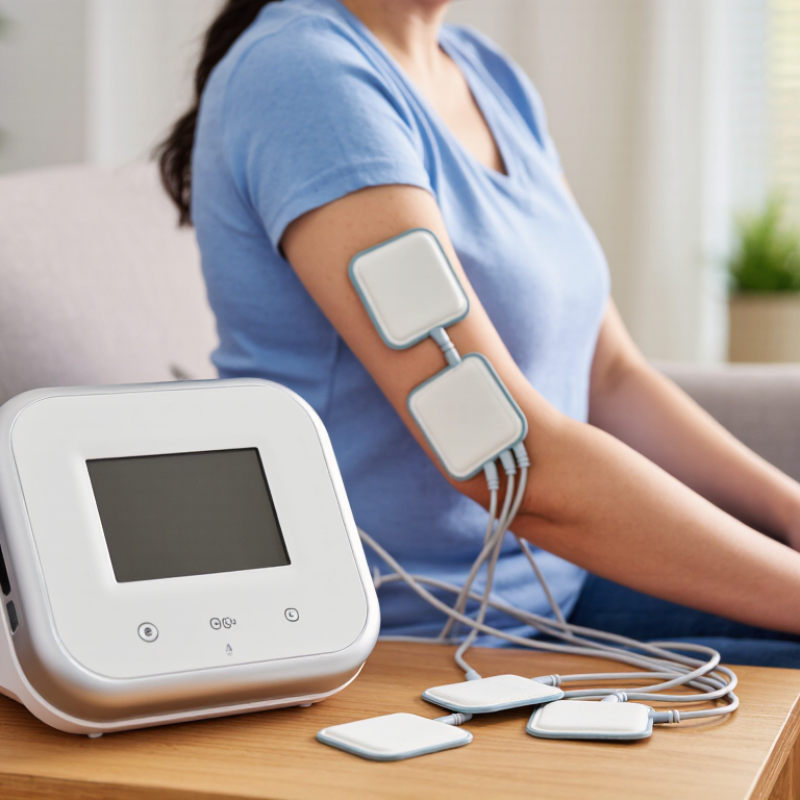
A TENS machine is a small device that sends mild electrical pulses through electrode pads placed on the skin. The sensation is usually a gentle tingling, not a sharp sting. These pulses may influence how pain signals travel to the brain and encourage the body’s natural pain-modulating processes. Many people use TENS for temporary relief from muscle or joint discomfort. It does not diagnose or repair the cause of pain.
The controls let you adjust pulse strength and, on some devices, the pattern or frequency. A comfortable setting matters; stronger is not automatically better. Some users feel relief during a session, while others notice little change. Responses vary by person and condition. It is easy to mistake a busy tingling sensation for improvement, so check whether movement or daily tasks actually feel easier.
Tips: Apply pads to clean, dry skin, following the device instructions. Start gently and increase only to a comfortable level. Avoid placing pads on the front of the neck, over broken skin, or across the chest. Stop if you feel irritation or unusual discomfort. If you have a pacemaker, are pregnant, or have a health condition, ask a healthcare professional before use.
A TENS machine sends mild electrical pulses through adhesive pads on the skin. People may try it for short-term relief from some muscle, joint, or nerve-related pain, including back discomfort, knee osteoarthritis, or period cramps. It does not treat the underlying cause, and relief can differ from one person to another. Some feel a gentle tingling; others notice little change.
The scale of pain is substantial: the CDC’s 2023 report, based on 2021 data, found that 20.9% of U.S. adults had chronic pain. That figure describes pain burden, not proof that TENS works for every condition. Evidence varies by pain type, and guidance for chronic pain does not support routine TENS for all patients. Results vary. If trying it, follow device instructions and ask a clinician about pad placement, especially with implanted electrical devices or pregnancy. A brief pain diary—recording activity, setting, and relief—can help reveal whether it is genuinely useful. Even that can be imperfect.
Potential Benefits of TENS Compared With Other Pain Treatments
TENS offers a non-invasive option for people who want to manage pain without adding another oral medicine. Small electrode pads deliver mild electrical pulses through the skin; users adjust the intensity until it feels strong but comfortable. No pills. Unlike medicines taken by mouth, TENS does not expose the whole body to a drug, though it can cause skin irritation and may not suit everyone. It is portable, can be used at home, and may fit alongside movement or rehabilitation plans. Its effects vary, and relief may last only while the device is being used.
That difference does not make TENS more effective. NICE’s 2021 guideline on chronic primary pain advises against offering TENS for that condition, reflecting limited evidence of benefit. WHO’s 2023 guideline for chronic primary low back pain also conditionally recommends against routine TENS, with very low-certainty evidence. These cautions matter: a device can feel helpful to one person while doing little for another. TENS may be worth discussing when someone prefers a drug-free, adjustable option, but it should not replace a clinical assessment or treatments with stronger evidence. A clinician can help check electrode placement, skin sensitivity, and whether the person’s pain type makes a trial reasonable.
TENS is drug-free and non-invasive, and some people notice relief while using it. The ranges shown are approximate; onset varies by person, pain type, and treatment. TENS may not work for everyone, and this chart does not compare the amount of pain relief or prove that one option is more effective.
Research suggests that transcutaneous electrical nerve stimulation (TENS) may ease pain for some people, often during use or shortly afterward. Findings vary by condition, and study quality is mixed, so it is not a guaranteed treatment. It may help with symptoms without addressing their underlying cause. Not a cure.
Results can depend on electrode placement, session length, and intensity. Pads placed near the painful area may feel different from pads placed farther away; follow the device instructions or a clinician’s guidance. The sensation should feel strong but comfortable, not painful. Skin sensitivity, the type of pain, and regular use may also affect results. A frustrating detail: the same settings can feel helpful one day and barely noticeable the next. TENS may not suit everyone, especially people with implanted electrical devices; ask a healthcare professional before use if you have one or are unsure.
Tips: Start with clean, dry skin and check it after each session. Keep brief notes on settings, duration, and pain before and after. Stop if you notice irritation, dizziness, or worsening discomfort, and seek professional advice.
A TENS machine is only useful when it is safe for your situation and comfortable to operate. Ask a healthcare professional before use if you have a pacemaker or other implanted electrical device, are pregnant, or have epilepsy. Avoid placing electrodes on the front or sides of your neck, across your chest, or over broken, irritated, or numb skin. Keep the pads away from water, and do not use the device while driving or sleeping. Stop if you feel pain, a burn, or unusual skin irritation. Small precautions matter.
Choose a machine with clearly labeled controls and adjustable intensity, so you can begin gently and increase the setting gradually. Check that replacement pads are available and fit the areas you plan to treat. A timer can help prevent accidental overuse. Read the instructions carefully; electrode placement and session limits vary between devices. If the controls feel confusing, that is a real drawback, not a minor detail. It can feel oddly fiddly.
Start with clean, dry skin and follow the device instructions rather than copying someone else’s settings. The sensation should feel like a strong but comfortable tingling, not a sharp or painful jolt. TENS may ease some kinds of pain, but it does not identify or treat the underlying cause. If pain is new, worsening, or unexplained, seek medical advice instead of relying on stimulation alone.
TENS uses small electrode pads to send mild electrical pulses through the skin. The sensation should feel strong but comfortable. No pills.
Not necessarily. Evidence is mixed, and results vary by pain type and person. Some guidelines advise against routine use for certain chronic pain conditions.
Relief may happen during a session or shortly afterward. It may not last once the device is off. That can be disappointing.
Start with clean, dry skin and follow the device instructions. Increase intensity gradually until the tingling feels comfortable, not painful.
Placement depends on the device and the area being treated. Follow its instructions or ask a clinician. Avoid your neck, chest, and damaged or numb skin.
Ask first if you have an implanted electrical device, are pregnant, or have epilepsy. Check with a professional if you are unsure.
Keep pads away from water, and do not use the device while driving or sleeping. Stop if you notice burning, irritation, dizziness, or worsening discomfort.
Keep brief notes on the settings, session length, and pain before and after. The same setting may feel different from one day to another. That is worth noticing.
A TENS Machine uses mild electrical pulses delivered through skin electrodes to stimulate nerves and may help reduce the perception of pain. It may be considered for some types of acute or persistent pain, including muscle, joint, or back discomfort, though results can vary. Compared with some other pain-management approaches, TENS is non-invasive, portable, and can be used without medication, making it a potential option within a broader care plan.
The benefits are not guaranteed, and research findings differ depending on the condition, treatment settings, and individual response. Electrode placement and consistent, appropriate use may also affect results. Before using a TENS Machine, check the instructions and seek advice from a healthcare professional, especially if you have an implanted electrical device, are pregnant, or have a medical condition that could affect safe use. Compare available units for adjustable settings, ease of use, and clear safety guidance.